Encyclopedia
Definitive guides for crops, pests, and agricultural diseases.
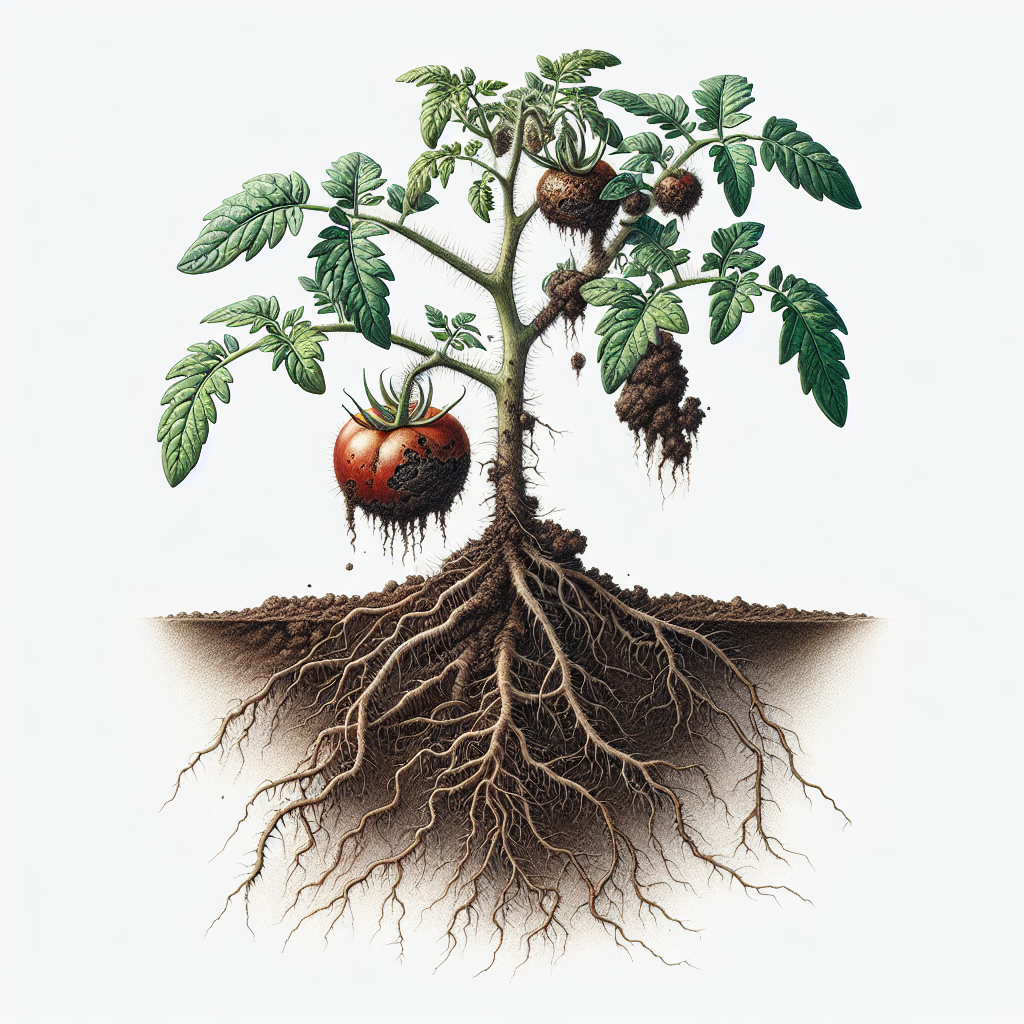
crown/root rots
Crown and root rots are devastating soilborne fungal and oomycete diseases that attack the base of plants, leading to wilting, decline, and death. Caused primarily by pathogens like Phytophthora, Pythium, Rhizoctonia, and Fusarium, they thrive in poorly drained, waterlogged soils. Effective management relies on prevention through cultural practices, soil health, and resistant varieties, with limited curative options once established.
View Profile
Cucumber Mosaic Virus
Cucumber Mosaic Virus (CMV) is one of the most widespread and destructive plant viruses, affecting over 1,200 plant species including cucumbers, tomatoes, and peppers. Transmitted primarily by aphids in a non-persistent manner, it causes mosaic patterns, stunting, and yield losses up to 100% in severe cases. Effective management relies on prevention through resistant varieties, vector control, and sanitation practices.
View Profile
Cytospora canker
Cytospora canker is a destructive fungal disease primarily affecting stressed trees in orchards and landscapes, causing sunken cankers, branch dieback, and tree decline. Caused by Cytospora species, it enters through wounds and thrives under drought, cold injury, or poor vigor conditions. Effective management relies on prevention, sanitation, and cultural practices rather than curative treatments.
View Profile
Damping of young propagules
Damping of young propagules is a devastating fungal disease affecting seedlings, cuttings, and grafts in nurseries, causing rapid collapse and death due to soilborne pathogens thriving in wet conditions. It leads to significant losses in propagation success rates for high-value crops. Effective management relies on cultural practices, sanitation, and biological controls to prevent outbreaks.
View Profile
Damping-off
Damping-off is a critical fungal disease affecting seedlings of numerous crops, causing rapid collapse and death at the soil line. This comprehensive guide provides professional strategies for prevention, cultural management, and resilient seedling production. Master soil sterilization, ventilation, and pathogen-resistant practices to safeguard your nursery success.
View Profile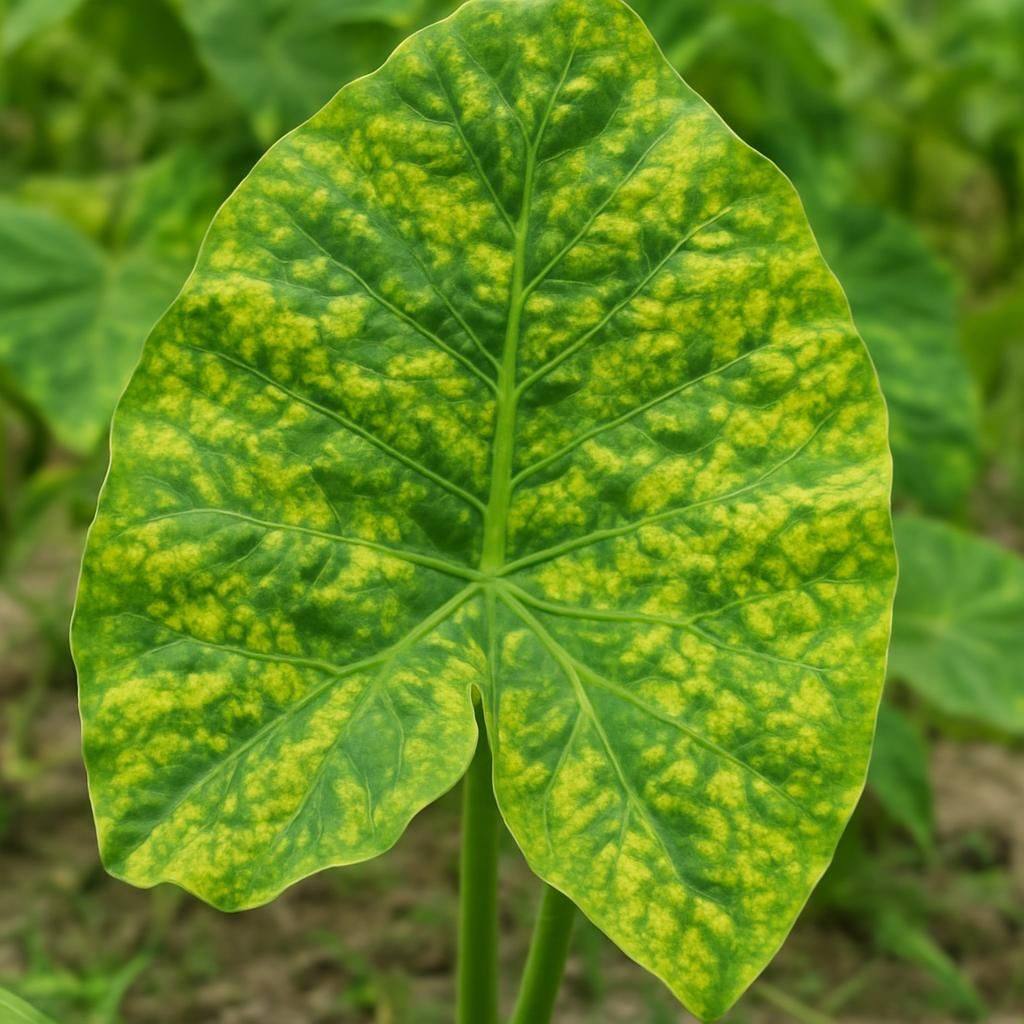
Dasheen mosaic virus
Dasheen mosaic virus is a potyvirus that primarily infects aroids such as taro, causing mosaic patterns, leaf distortion, and stunted growth that reduces corm yields. It is transmitted by aphids in a non-persistent manner and spreads readily through infected planting material. Early diagnosis, strict sanitation, and use of virus-free propagules are the most effective management tools.
View Profile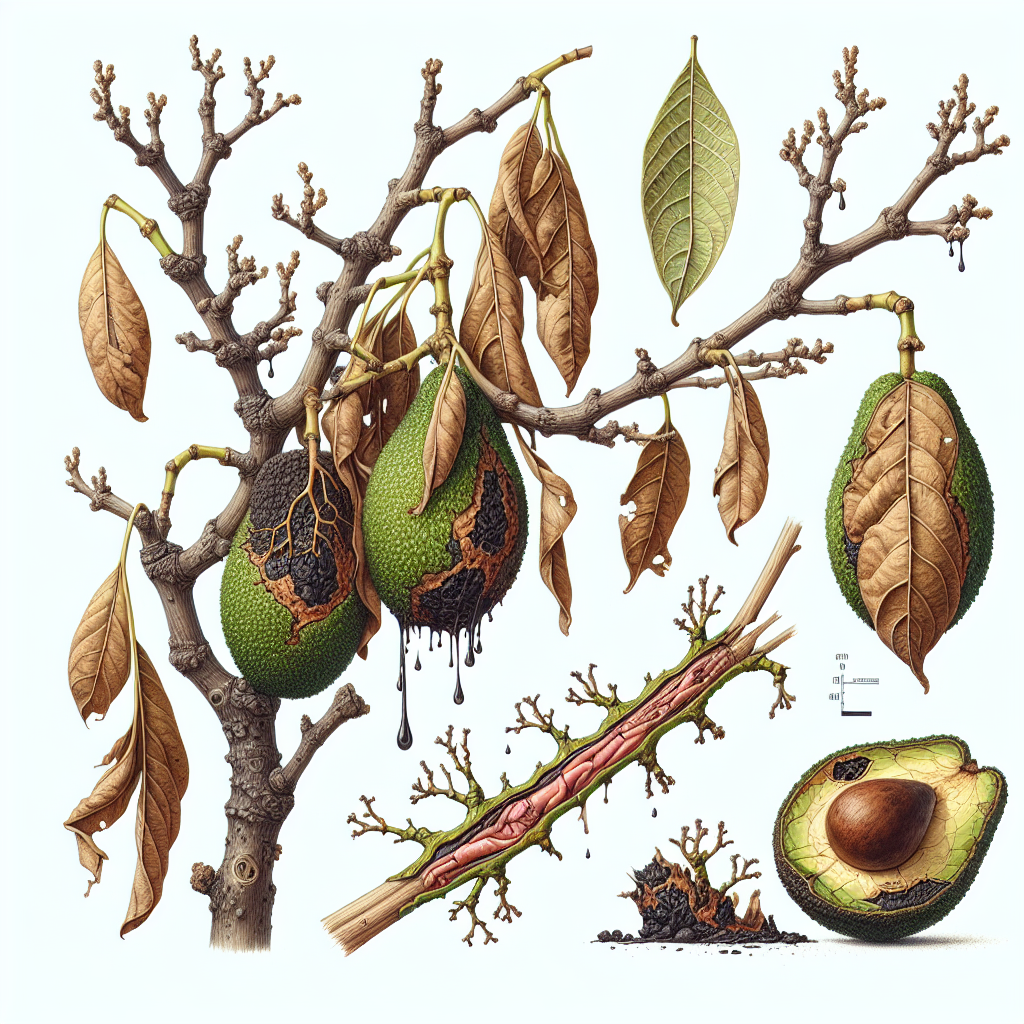
Dieback
Dieback is a progressive plant disease characterized by the death of shoots, branches, and twigs starting from the tips, often caused by fungal pathogens, environmental stress, or vascular issues. It affects a wide range of crops, leading to significant yield losses if not managed promptly. This guide provides diagnostic symptoms, lifecycle details, organic treatments, and prevention strategies for effective control.
View Profile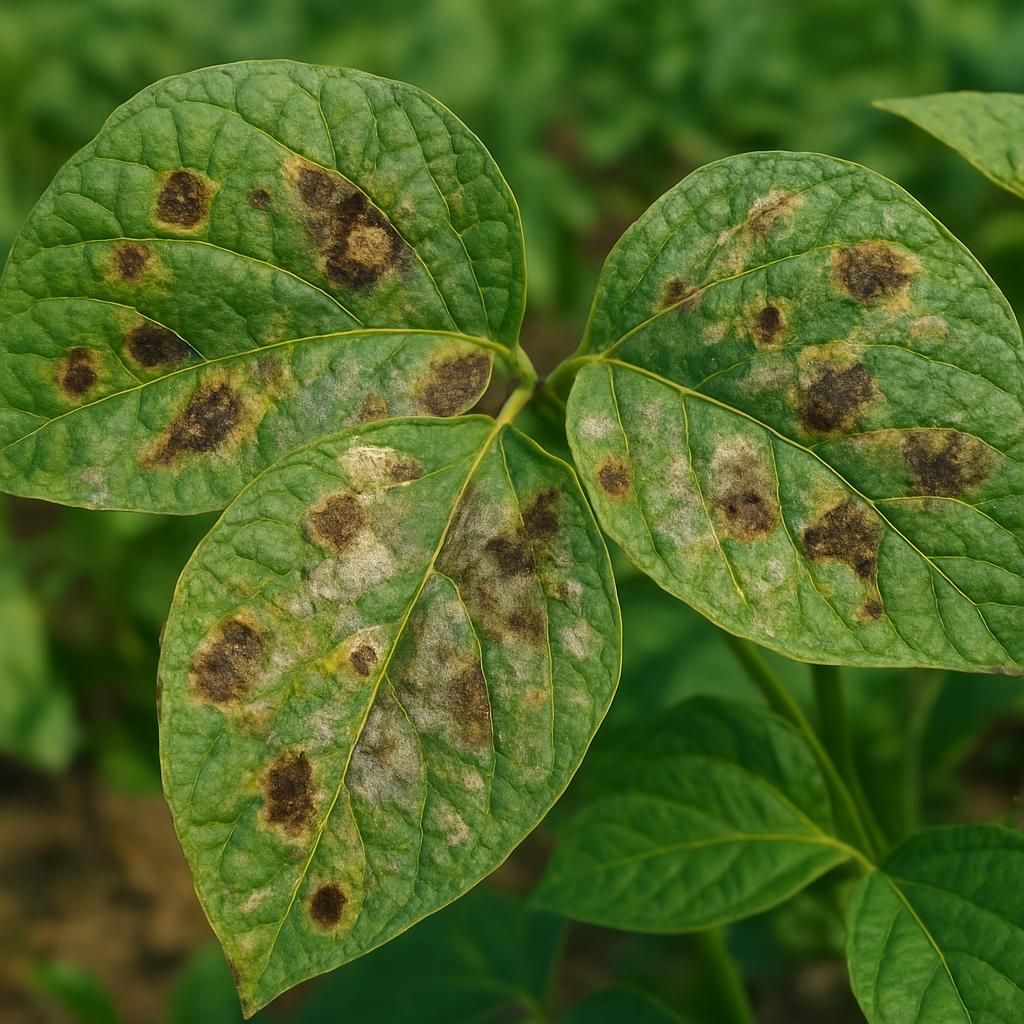
diseases
Diseases in crops encompass a wide range of fungal, bacterial, viral, and oomycete infections that reduce yield, quality, and plant vigor across global agriculture. Accurate identification, timely intervention, and integrated management are essential for sustainable production.
View Profile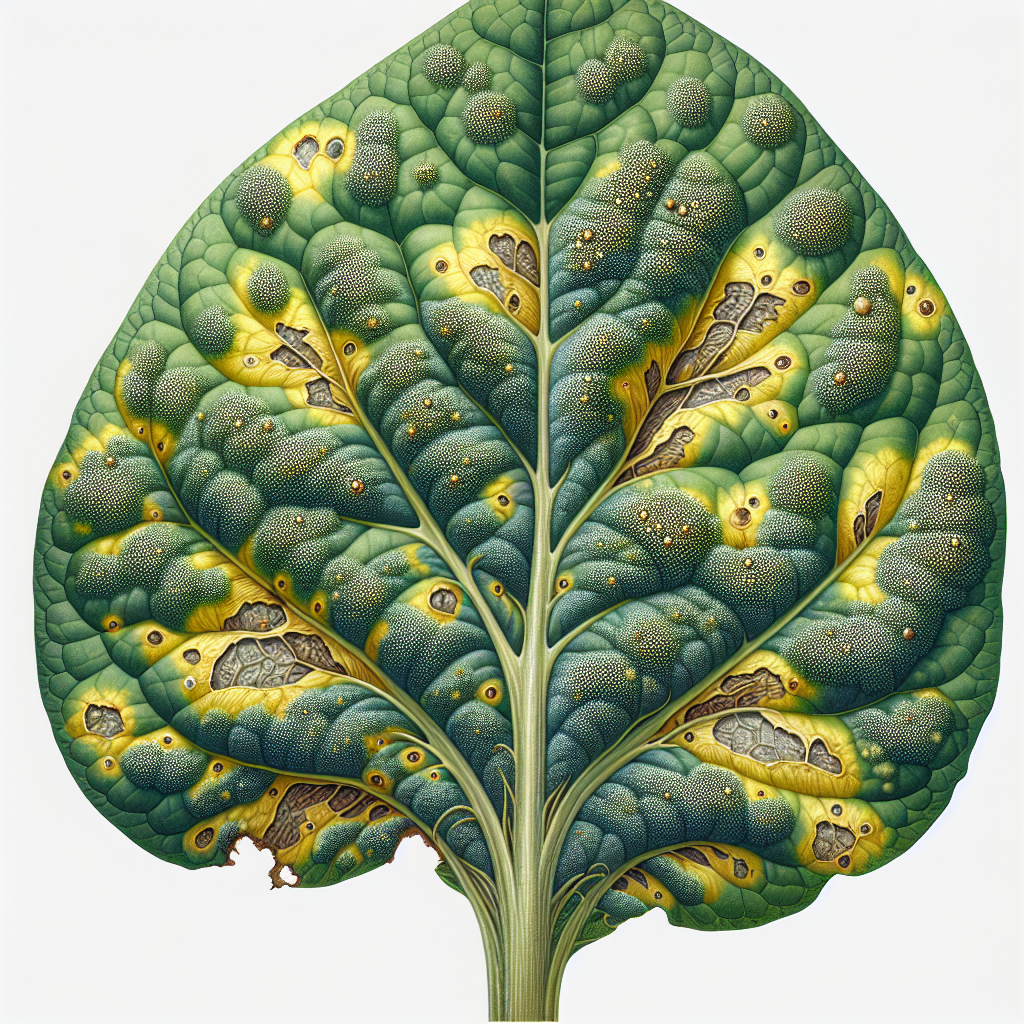
downy leaf spot
Downy leaf spot is a widespread oomycete disease affecting leafy vegetables, herbs, and ornamentals, characterized by angular yellow lesions with grayish-purple downy sporulation on leaf undersides. It thrives in cool, humid conditions, leading to defoliation and yield losses if unmanaged. Effective organic control relies on cultural practices, resistant varieties, and targeted fungicides like copper-based sprays.
View Profile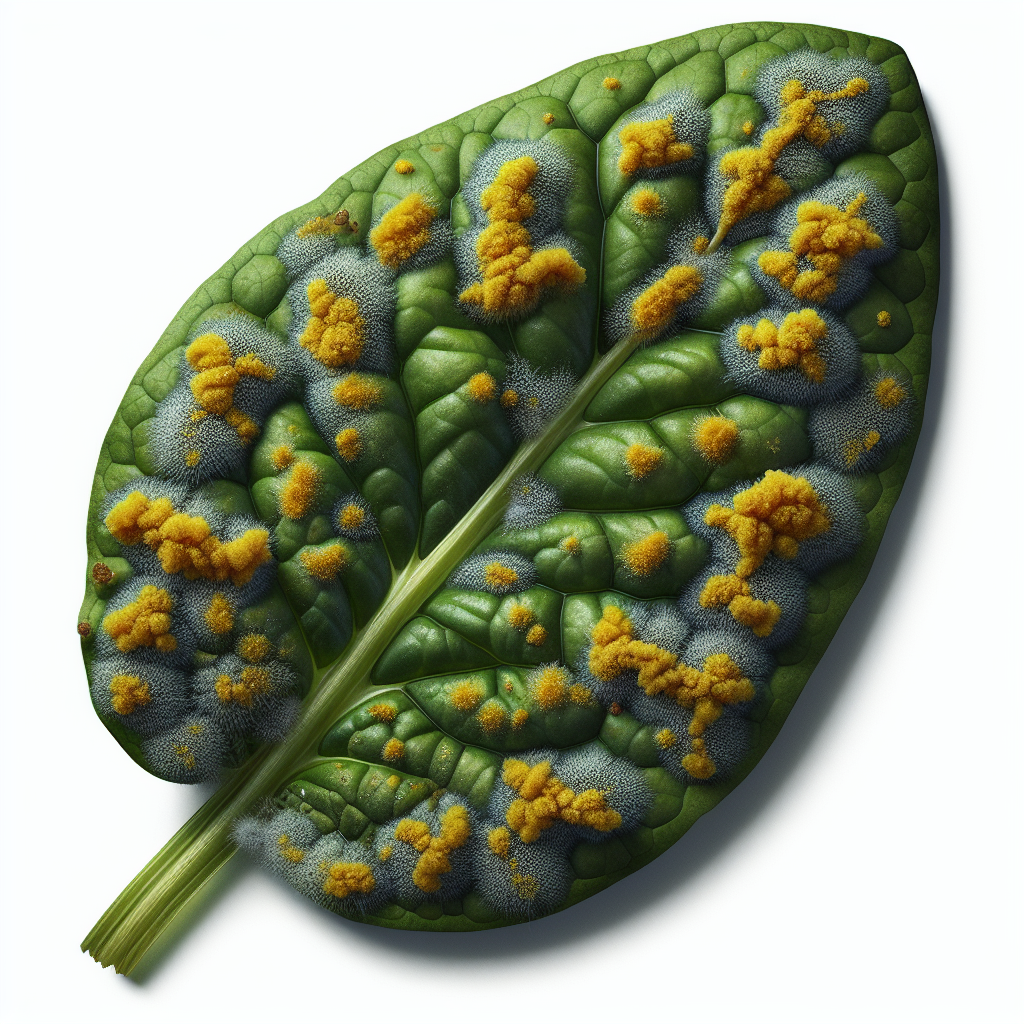
Downy mildew (Peronospora farinosa)
Downy mildew caused by Peronospora farinosa is a destructive oomycete pathogen primarily affecting spinach and beets, leading to significant yield losses through chlorotic lesions and fluffy sporulation. This guide provides comprehensive diagnostics, lifecycle insights, organic management strategies, and prevention tactics for farmers. Early detection and cultural controls are key to minimizing damage in susceptible crops.
View Profile
downy spot
Downy spot, caused by the oomycete Bremia lactucae, is a destructive foliar disease primarily affecting lettuce and other leafy greens, characterized by angular leaf spots and grayish-purple downy sporulation on the undersides. It thrives in cool, humid conditions, leading to significant yield losses through reduced photosynthesis and marketability. Effective management relies on cultural practices, resistant varieties, and targeted organic fungicides.
View Profile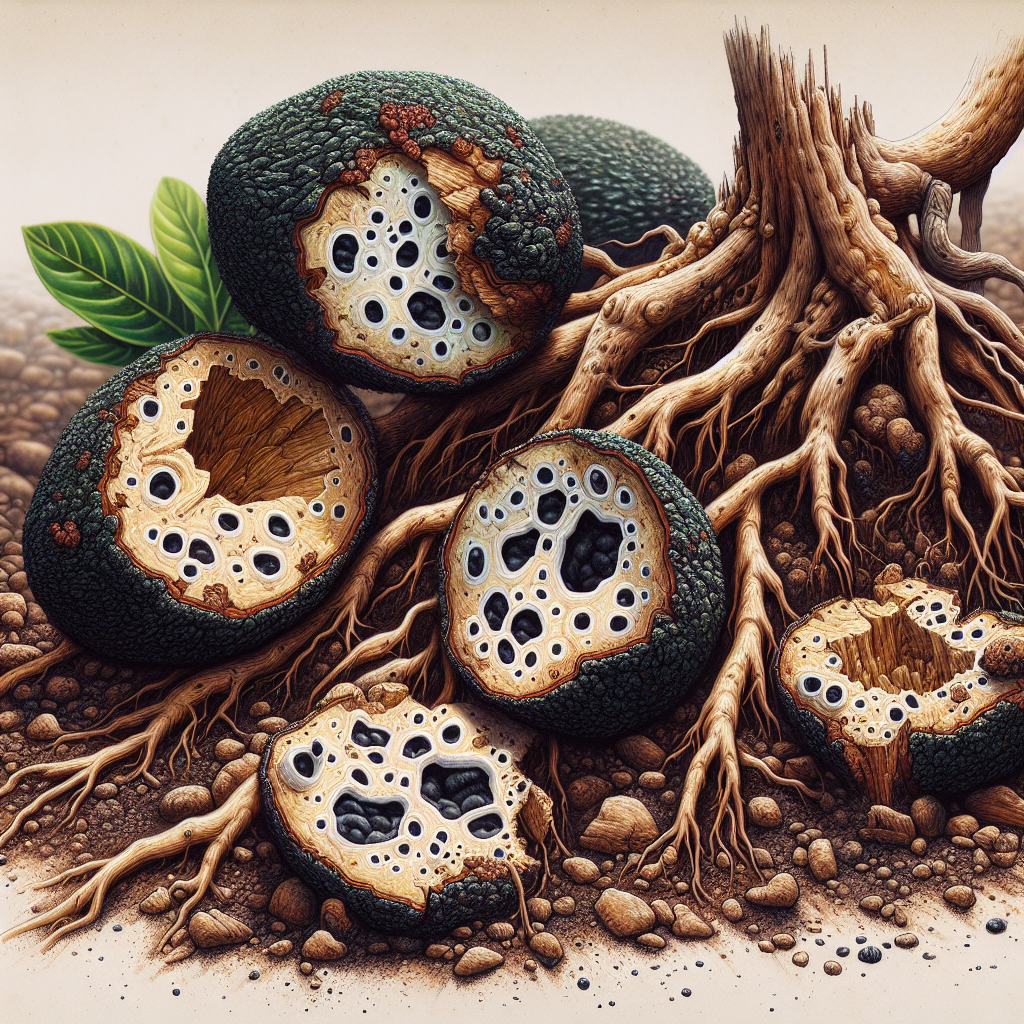
Dry root rot
Dry root rot, caused by the fungus Phellinus noxius, is a destructive soilborne disease affecting woody plants and trees, leading to rapid decline and death through root decay without the typical waterlogging symptoms of wet rots. It spreads via root contacts and contaminated soil, thriving in warm, humid conditions. Effective management relies on prevention, early detection, and organic cultural practices.
View Profile
Dwarf mosaic virus
Dwarf mosaic virus is a devastating viral disease primarily affecting corn and other cereal crops, transmitted by aphids and causing stunted growth, mosaic patterns on leaves, and severe yield losses. Early identification and management through resistant varieties, vector control, and sanitation are crucial for minimizing damage. This guide provides comprehensive diagnostic, organic control, and prevention strategies for affected crops.
View Profile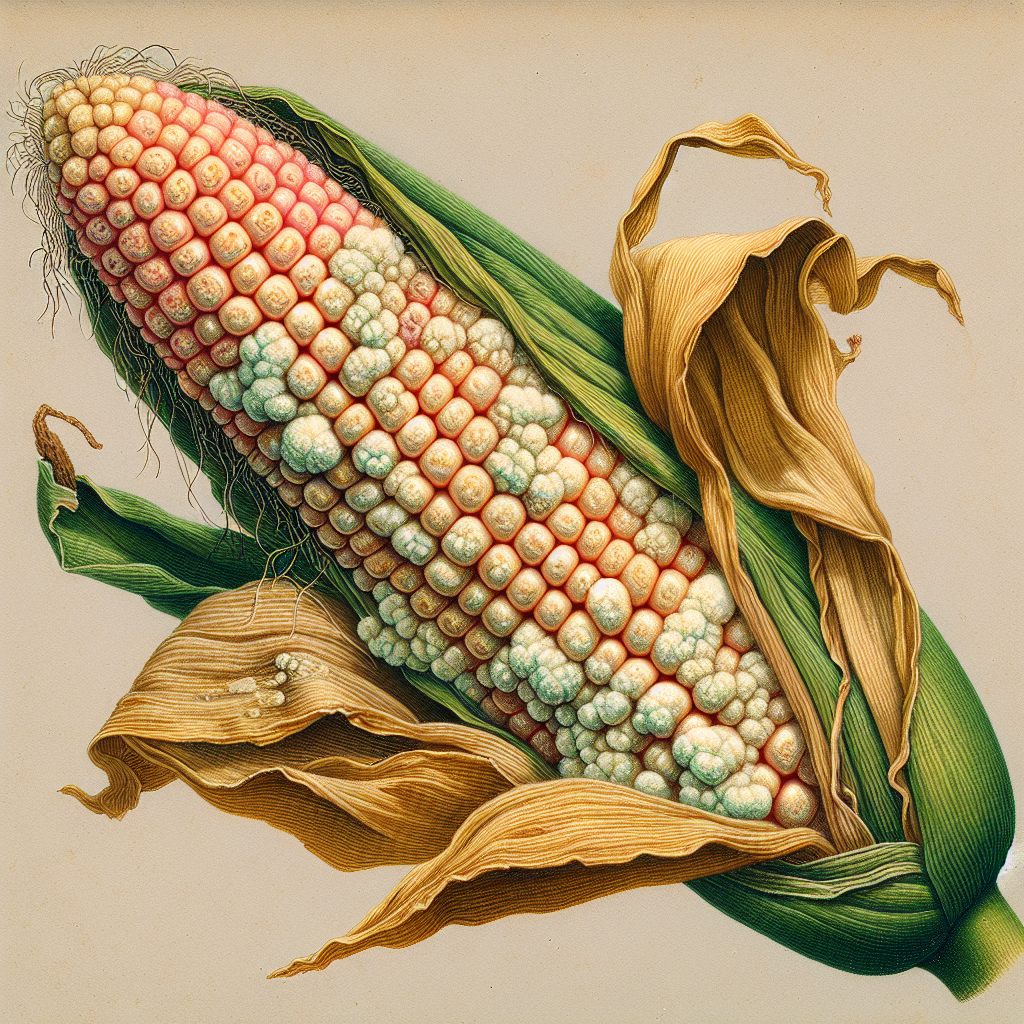
Ear Rots
Ear rots are destructive fungal diseases primarily affecting corn ears, causing kernel discoloration, mold growth, and significant yield losses. Common pathogens include Fusarium species producing mycotoxins like fumonisins, leading to reduced grain quality and health risks. Effective management relies on cultural practices, resistant hybrids, and timely harvest.
View Profile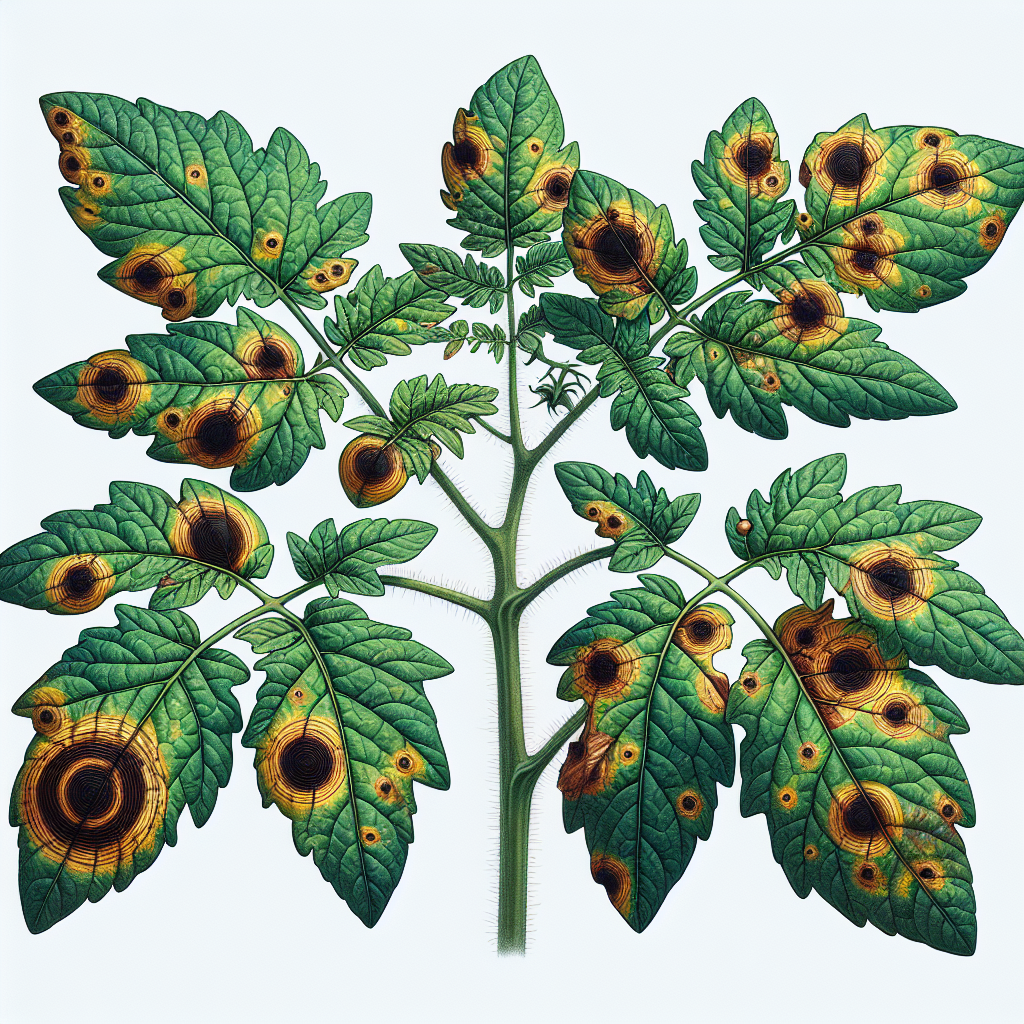
Early blight
Early blight is a widespread fungal disease primarily affecting tomatoes and potatoes, caused by Alternaria solani. It manifests as dark, concentric leaf spots that can lead to significant defoliation and reduced yields if unmanaged. Effective control relies on cultural practices, resistant varieties, and timely organic fungicide applications.
View Profile
Early leaf spot
Early leaf spot is a widespread fungal disease primarily affecting peanut crops, caused by Cercospora arachidicola, leading to significant yield losses if unmanaged. It manifests as small, circular spots on leaves that expand and coalesce, reducing photosynthesis and pod production. Effective management relies on cultural practices, resistant varieties, and timely fungicide applications.
View Profile
Eastern Filbert Blight
Eastern Filbert Blight is a destructive fungal disease caused by Anisogramma anomala that primarily affects Corylus avellana (European hazelnut) orchards in the eastern United States. It leads to cankers on branches and trunks, causing dieback, reduced yields, and eventual tree death if unmanaged. Effective management relies on resistant cultivars like those derived from Corylus americana, cultural practices, and timely fungicide applications.
View Profile
ergot
Ergot is a toxic fungal disease primarily affecting cereal grains like rye, wheat, and barley, caused by Claviceps purpurea, which replaces grain kernels with dark, elongated sclerotia containing potent alkaloids. These sclerotia contaminate harvests and pose serious health risks to humans and livestock through ergotism. Effective management relies on cultural practices, resistant varieties, and vigilant monitoring to minimize outbreaks.
View Profile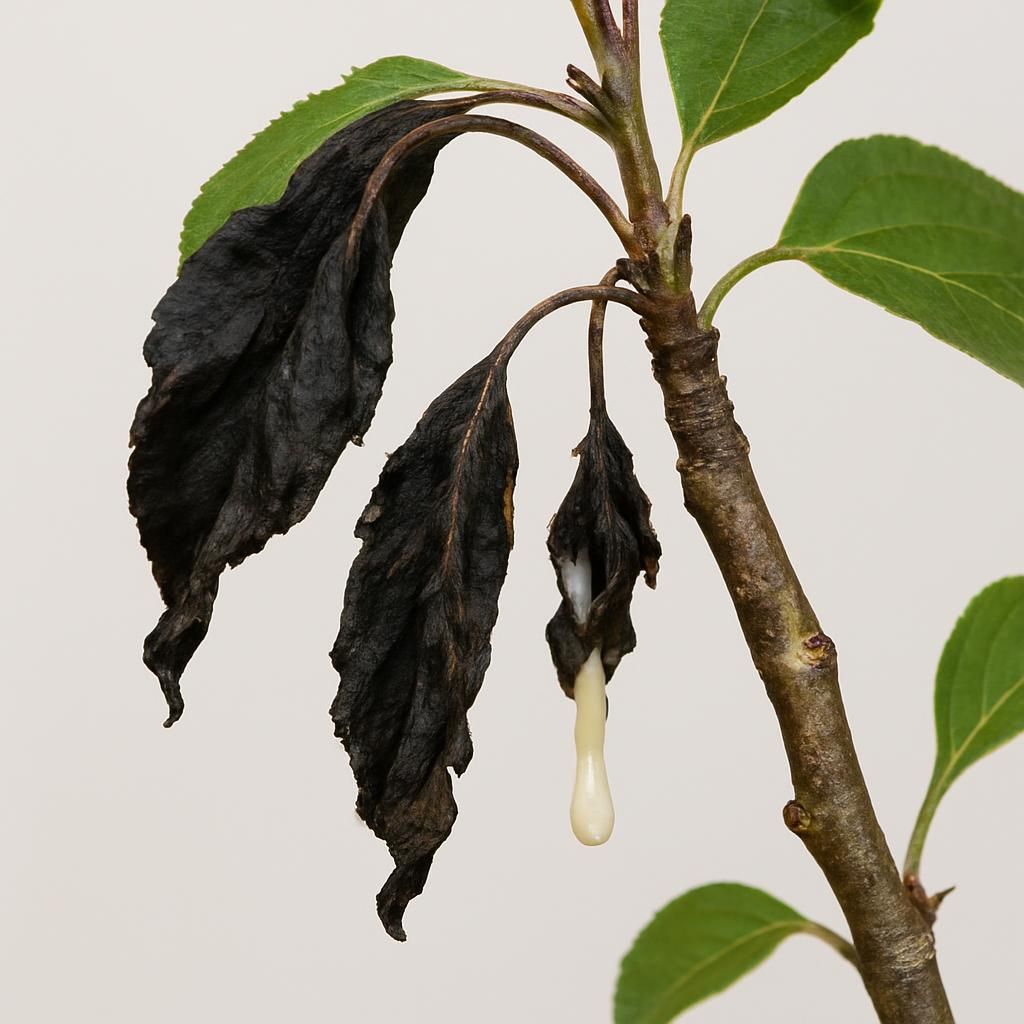
Erwinia amylovora
Erwinia amylovora is a gram-negative bacterium that causes fire blight, a destructive disease primarily affecting pome fruits such as apples and pears. It spreads rapidly through blossoms, shoots, and wounds, leading to wilting, blackened tissue, and cankers that can kill entire trees if unmanaged. Effective diagnosis, sanitation, and integrated management are essential for protecting commercial and home orchards.
View Profile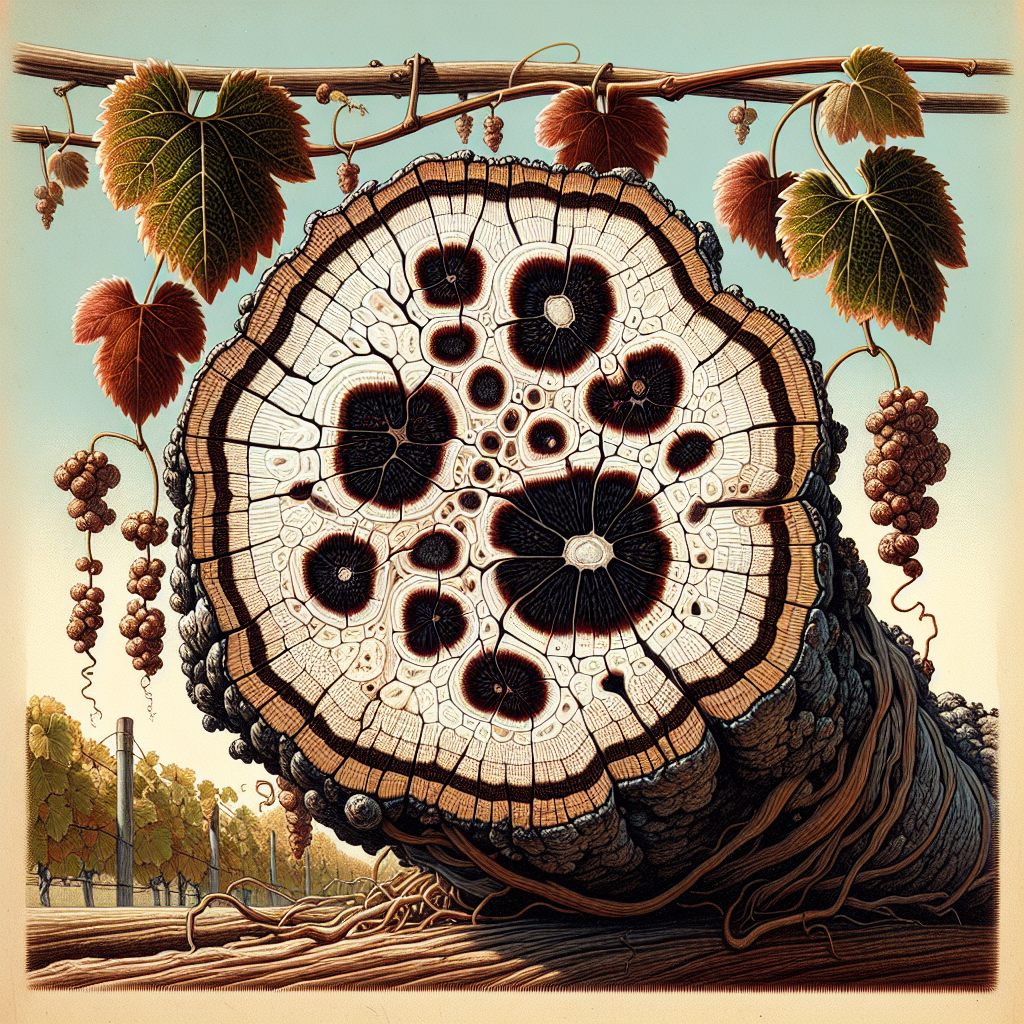
Esca
Esca is a devastating fungal trunk disease complex affecting grapevines, leading to internal wood necrosis and characteristic foliar symptoms. Caused by multiple wood-inhabiting fungi entering through wounds, it progresses slowly but causes significant yield losses and vine decline. Effective management relies on prevention, cultural practices, and delayed organic interventions.
View Profile
Eutypa
Eutypa dieback, caused by the fungus Eutypa lata, is a destructive wood canker disease primarily affecting grapevines and other woody crops, leading to stunted shoots, sectorial necrosis, and reduced yields. It spreads via airborne ascospores entering pruning wounds, making timely wound protection essential for management. This guide provides comprehensive diagnostics, organic treatments, and prevention strategies for sustainable control.
View Profile
Eutypa dieback
Eutypa dieback is a destructive fungal disease caused by Eutypa lata, primarily affecting woody perennial crops like grapes and stone fruits through branch dieback and cankers. It spreads via airborne spores entering pruning wounds, leading to significant yield losses if unmanaged. This guide provides comprehensive diagnostics, organic management strategies, and prevention tactics for sustainable control.
View Profile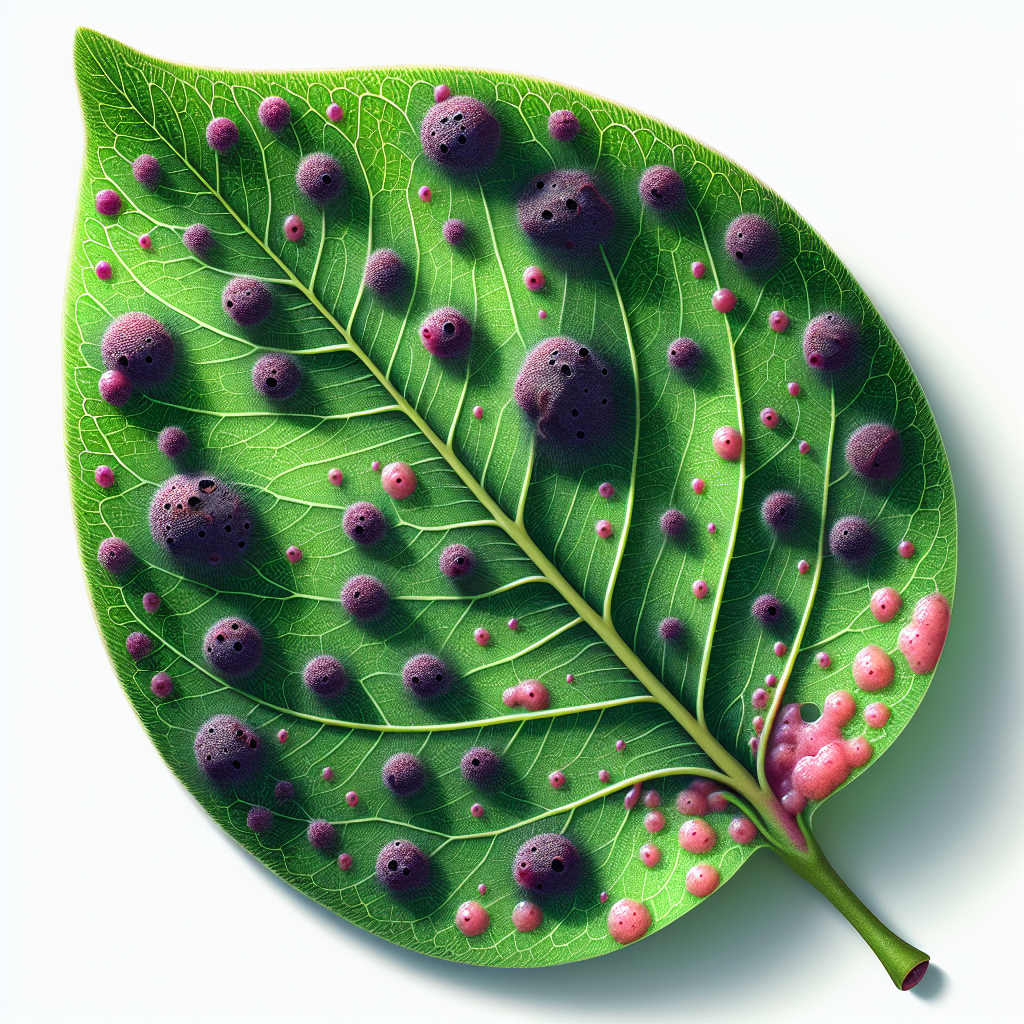
Fabraea leaf spot
Fabraea leaf spot is a destructive fungal disease primarily affecting pear trees, causing purple-black spots on leaves that lead to defoliation and reduced fruit quality. Caused by the fungus Fabraea maculata, it thrives in cool, wet conditions and can severely impact orchard productivity if unmanaged. Effective control relies on cultural practices, resistant varieties, and timely organic fungicide applications.
View Profile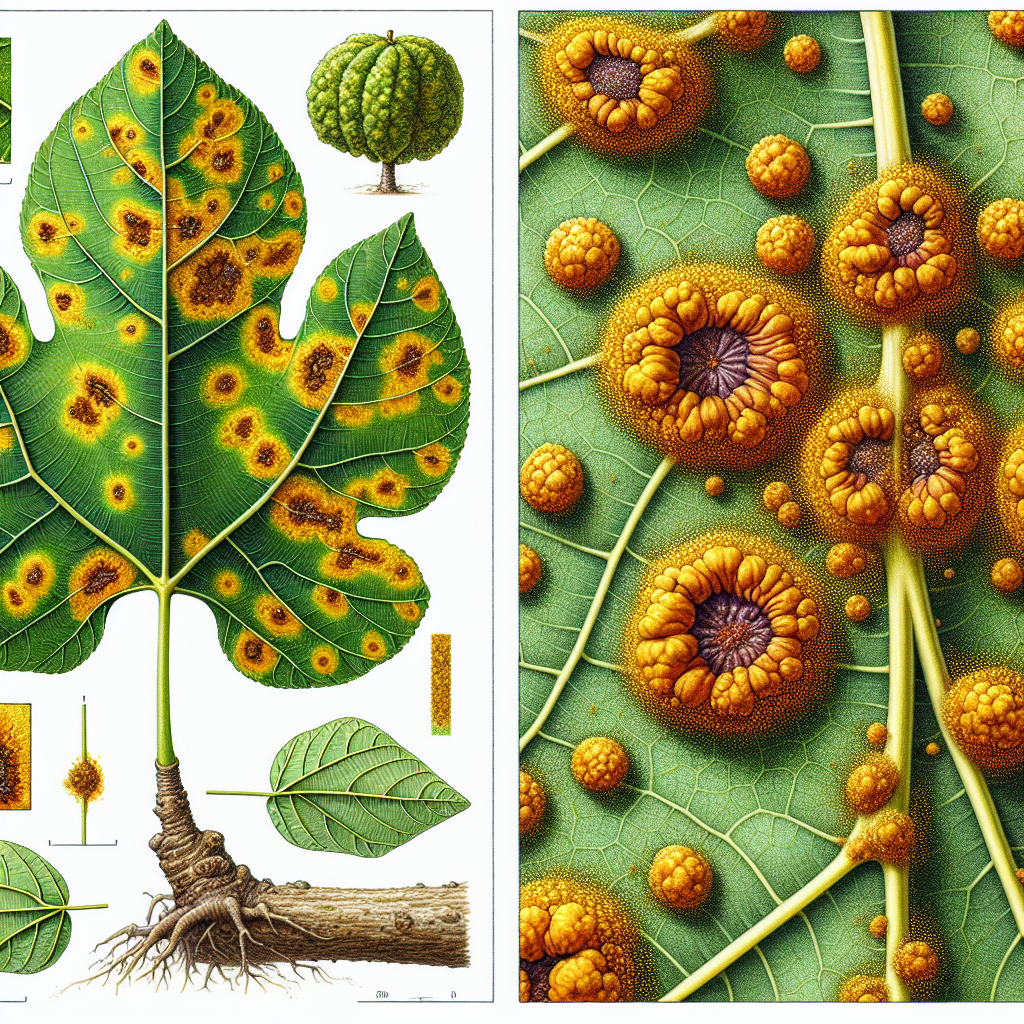
Fig rust
Fig rust, caused by the fungus Physopella fici, is a common foliar disease affecting fig trees worldwide, leading to yellowing leaves, premature defoliation, and reduced fruit quality. This guide provides comprehensive diagnostics, organic management strategies, and prevention tips for growers. Early detection and cultural practices are key to minimizing economic losses in fig orchards.
View Profile