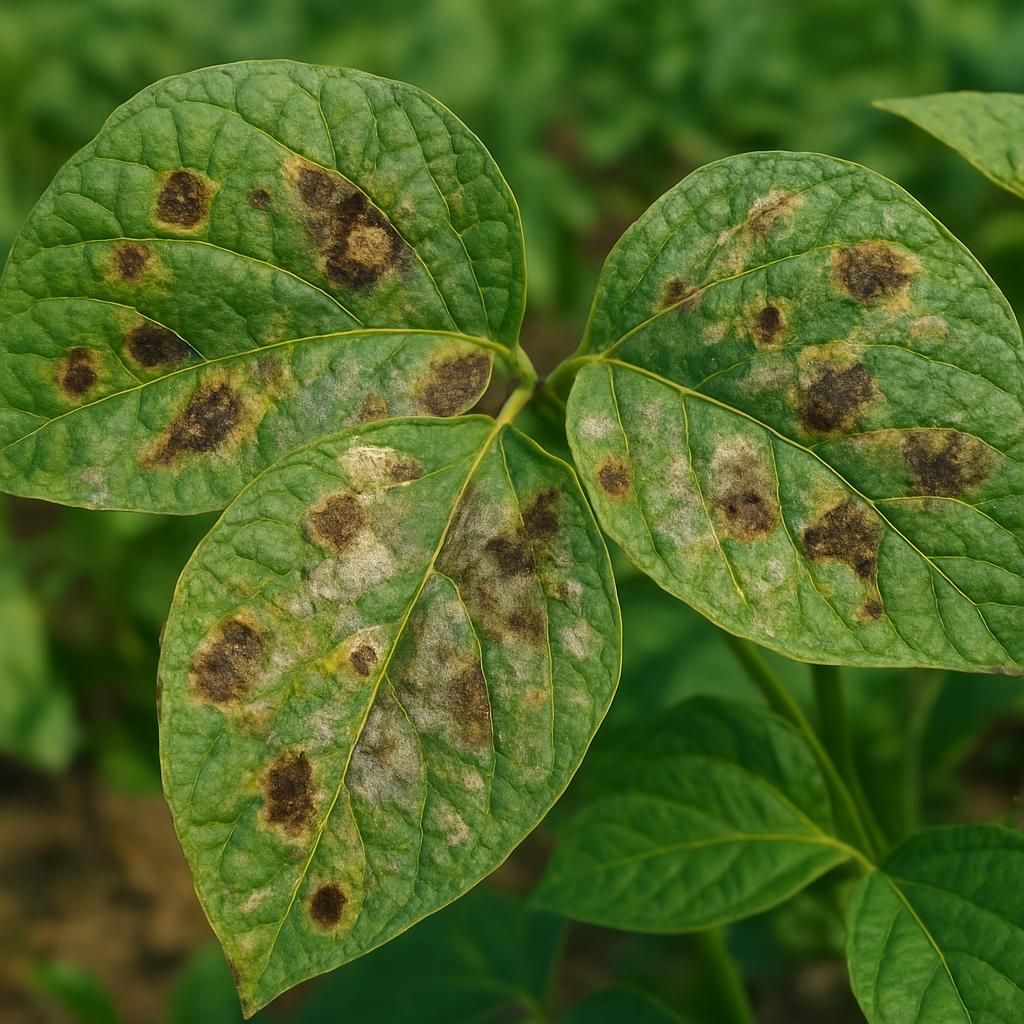
Introduction to diseases
Crop diseases represent one of the most significant threats to agricultural productivity worldwide, affecting everything from staple grains to high-value horticultural crops. These disorders arise from fungal, bacterial, viral, oomycete, and nematode pathogens that disrupt normal plant physiology, leading to reduced photosynthesis, stunted growth, and ultimately lower marketable yields. Effective management requires a deep understanding of pathogen biology, symptom recognition, environmental drivers, and integrated control strategies that combine cultural, biological, and chemical methods.
Professional growers recognize that diseases rarely occur in isolation; they often interact with pests such as Aphids or environmental stresses that weaken plant defenses. Early diagnosis and proactive monitoring are therefore critical components of any successful farm operation. This guide provides a comprehensive, evidence-based framework for identifying, treating, and preventing crop diseases using the latest agronomic principles.
Identifying Symptoms & Damage
Accurate symptom identification forms the foundation of disease management. Fungal infections often produce characteristic lesions, powdery growth, or fruiting bodies, while bacterial diseases frequently cause water-soaked spots, wilting, or exudates. Viral infections typically manifest as mosaic patterns, stunting, or leaf curling. Nematode damage appears as root galls or lesions that impair nutrient uptake.
Careful observation of both above-ground and below-ground plant parts is essential. Examine leaf surfaces, stems, roots, and fruit for discoloration, necrosis, abnormal growth, or insect vectors. Use a hand lens or microscope when necessary to detect spores, bacterial streaming, or nematode cysts. Record environmental conditions at the time of symptom appearance to help narrow down causal agents.
Lifecycle and Progression of diseases
Understanding the pathogen lifecycle enables precise timing of control measures. Most fungal pathogens produce overwintering structures such as sclerotia, chlamydospores, or sexual fruiting bodies that survive adverse conditions. Primary infection occurs when spores or bacterial cells reach susceptible host tissue under favorable moisture and temperature conditions.
Secondary spread follows through wind, rain splash, insects, or contaminated equipment. The rate of epidemic development depends on the pathogen’s latent period, infectious period, and the number of infection cycles possible within a growing season.
| Stage | Description | Typical Duration | Key Environmental Requirements |
|---|---|---|---|
| Overwintering | Survival structures (sclerotia, spores, mycelium) in soil, debris, or seeds | 3–9 months | Cool, dry conditions; protected microhabitats |
| Primary Infection | Germination and penetration of host tissue | 2–14 days | Free moisture, optimal temperature (15–30 °C) |
| Incubation/Latent Period | Symptomless internal colonization | 3–21 days | Host susceptibility, moderate humidity |
| Symptom Expression | Visible lesions, wilting, or necrosis | 1–7 days after latency | Continued favorable conditions |
| Secondary Spread | Production and dispersal of new inoculum | Ongoing during season | Rain, wind, vectors, irrigation |
| Decline/Senescence | Pathogen survival structures reform | End of season | Cooling temperatures, host maturity |
Environmental Triggers & Risk Factors
Environmental conditions strongly influence disease incidence and severity. High relative humidity (>85 %) combined with leaf wetness durations exceeding 6–12 hours favor most foliar fungal and bacterial pathogens. Temperature optima vary by species; cool-season pathogens thrive at 10–20 °C while warm-season pathogens prefer 25–35 °C.
Soil-borne diseases are promoted by poor drainage, compaction, and excessive irrigation that maintains anaerobic conditions. Nutrient imbalances, especially excess nitrogen, increase tissue succulence and susceptibility. Monoculture systems and lack of crop rotation allow pathogen populations to build to damaging levels.
Organic Control & Treatment Plans
Organic management integrates multiple tactics to suppress pathogen populations below economic thresholds. Cultural practices such as sanitation, resistant varieties, and proper spacing reduce initial inoculum and improve airflow. Biological control agents including Trichoderma spp., Bacillus subtilis, and mycorrhizal fungi compete with or antagonize pathogens.
When necessary, approved organic fungicides and bactericides provide additional protection. Always rotate modes of action and apply preventively during high-risk periods.
| Treatment Option | Active Ingredient / Organism | Application Frequency | Rate / Notes |
|---|---|---|---|
| Copper hydroxide | Fixed copper | Every 7–14 days during wet periods | 1–2 lb/acre; follow label re-entry intervals |
| Sulfur | Micronized sulfur | Every 7–10 days | 2–5 lb/acre; avoid >30 °C to prevent phytotoxicity |
| Bacillus subtilis | Strain QST 713 | Every 7–14 days | 1–2 qt/acre; tank-mix compatible with most organics |
| Trichoderma harzianum | Strain T-22 | At planting and every 4–6 weeks | 5–10 lb/acre; incorporate into soil or drench |
| Neem oil | Azadirachtin | Every 7–14 days | 0.5–1 % solution; also suppresses soft-bodied insects |
| Compost tea | Aerated microbial extract | Weekly during early growth | 5–10 gal/acre; apply as foliar spray or soil drench |
Preventing diseases in the Future
Long-term prevention centers on building resilient agroecosystems. Implement a minimum three-year crop rotation that breaks host–pathogen cycles. Select certified disease-free seed and resistant cultivars whenever available. Maintain optimal plant nutrition through regular soil testing and balanced organic amendments.
Improve soil structure and drainage with cover crops, reduced tillage, and organic matter additions. Use drip or overhead irrigation timing that minimizes leaf wetness duration. Scout fields weekly and remove infected plant material promptly. Consider linking to proven strategies in Crop Diseases Under the Microscope: 9 Organic Fixes for Small Farm Resilience for additional seasonal insights.
Crops Most Affected by diseases
Virtually every agricultural species is susceptible to at least one major disease. High-value horticultural crops such as Tomato, Potato, and Strawberry frequently suffer from multiple pathogens simultaneously. Staple grains including Wheat, Rice, and Corn experience devastating epidemics of rusts, blights, and smuts that can reduce yields by 30–70 % in severe years.
Tree crops such as Avocado, Mango, and Citrus face chronic threats from root rots, cankers, and viral diseases that shorten orchard lifespan. Understanding the specific disease pressures on each crop allows growers to prioritize scouting, variety selection, and preventive treatments effectively.