Encyclopedia
Definitive guides for crops, pests, and agricultural diseases.
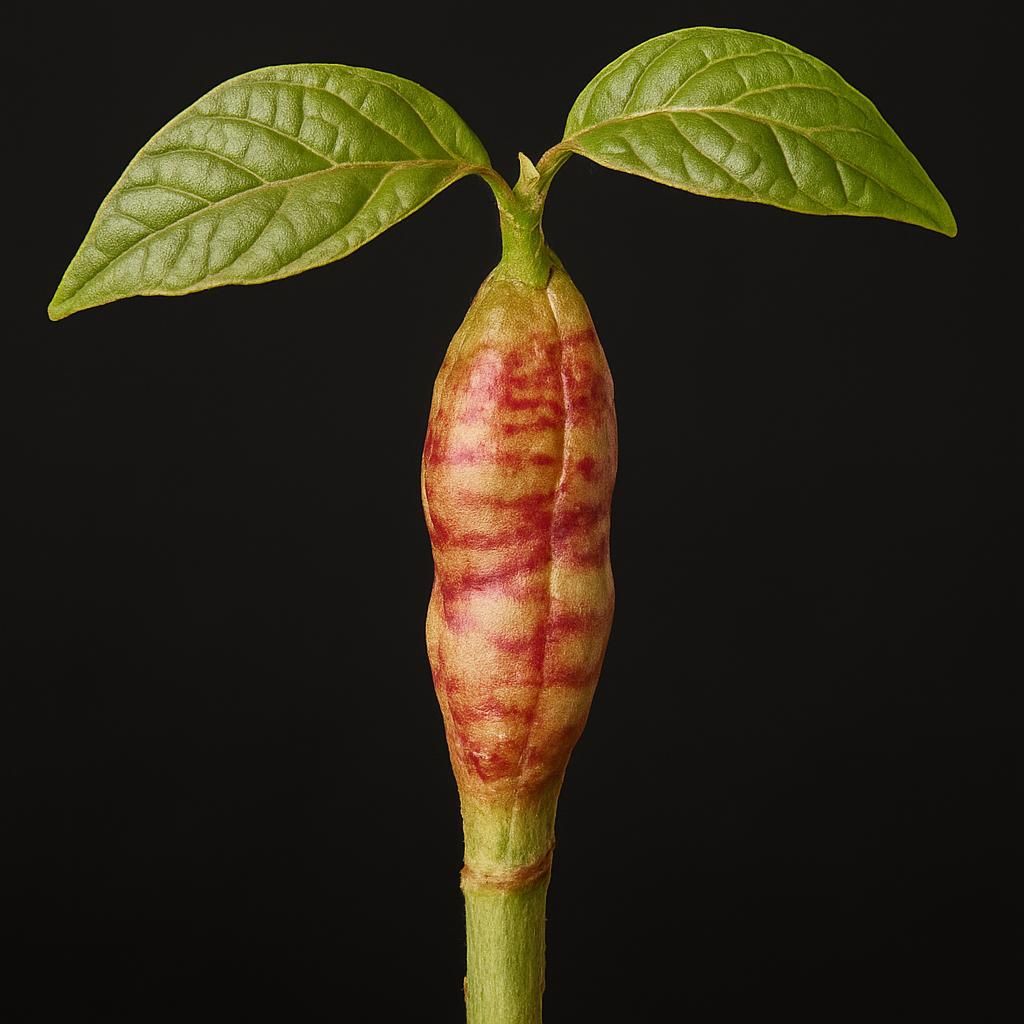
Cocoa Swollen Shoot Virus
Cocoa Swollen Shoot Virus is a devastating viral disease of cacao trees transmitted by mealybugs that causes shoot swelling, leaf discoloration, and progressive decline leading to tree death and major yield losses. Early diagnosis, strict sanitation, and vector management are essential for limiting spread in commercial cacao plantations.
View Profile
Coffee berry disease
Coffee berry disease (CBD) is a devastating fungal infection caused by Colletotrichum kahawae, primarily affecting Arabica coffee berries in high-altitude regions of Africa. It leads to significant yield losses through berry rot and premature drop, making early detection and management essential for coffee farmers. This guide provides comprehensive diagnostic, organic control, and prevention strategies to protect coffee crops.
View Profile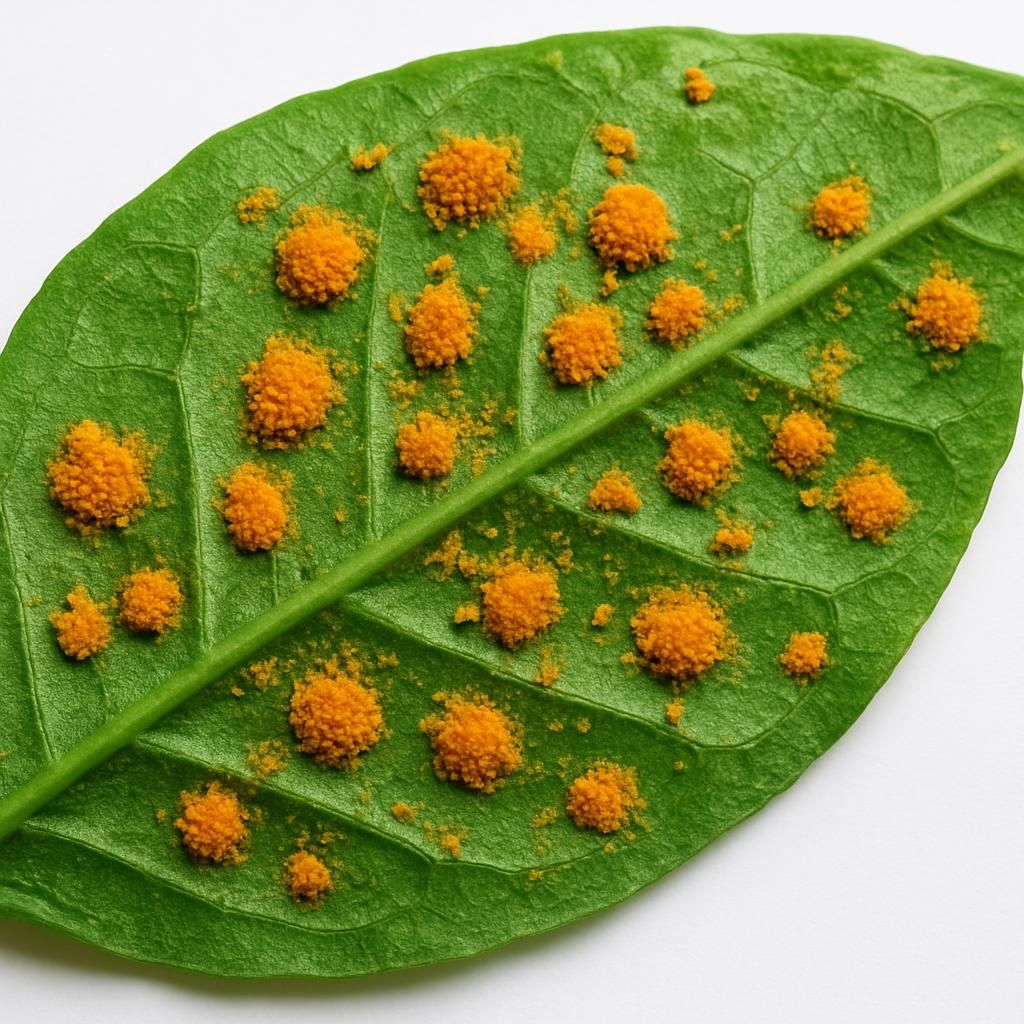
coffee leaf rust
Coffee leaf rust is a devastating fungal disease caused by Hemileia vastatrix that primarily attacks coffee plants, leading to severe defoliation and yield losses up to 70%. Recognizable by its characteristic orange powdery spores on leaf undersides, it spreads rapidly in humid tropical conditions. Effective management combines resistant varieties, cultural practices, and organic fungicides for sustainable control.
View Profile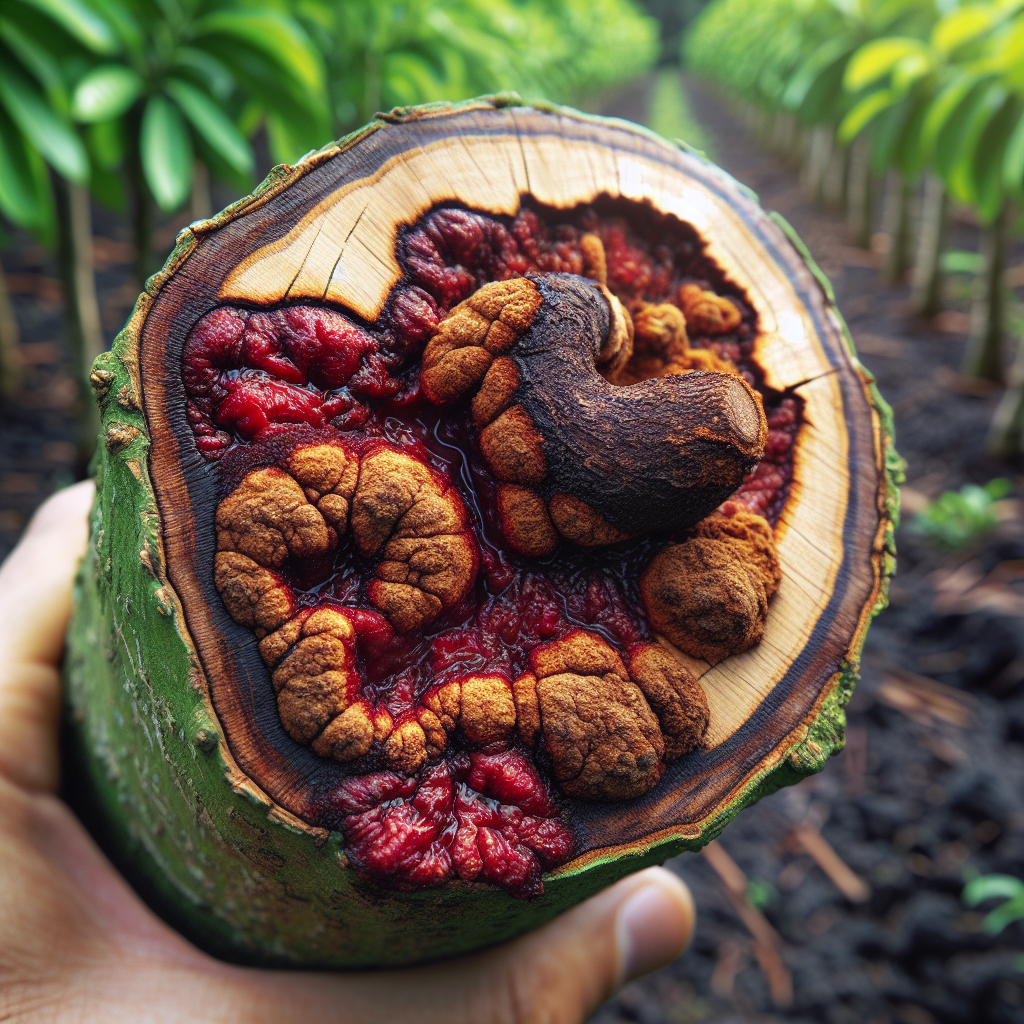
Collar rot
Collar rot is a devastating soilborne fungal disease that attacks the collar region (lower stem and upper roots) of plants, leading to girdling, wilting, and plant death. Caused mainly by Phytophthora species, it thrives in wet, poorly drained soils and is a major threat to fruit trees, vegetables, and ornamentals. Early detection and cultural management are key to preventing widespread losses.
View Profile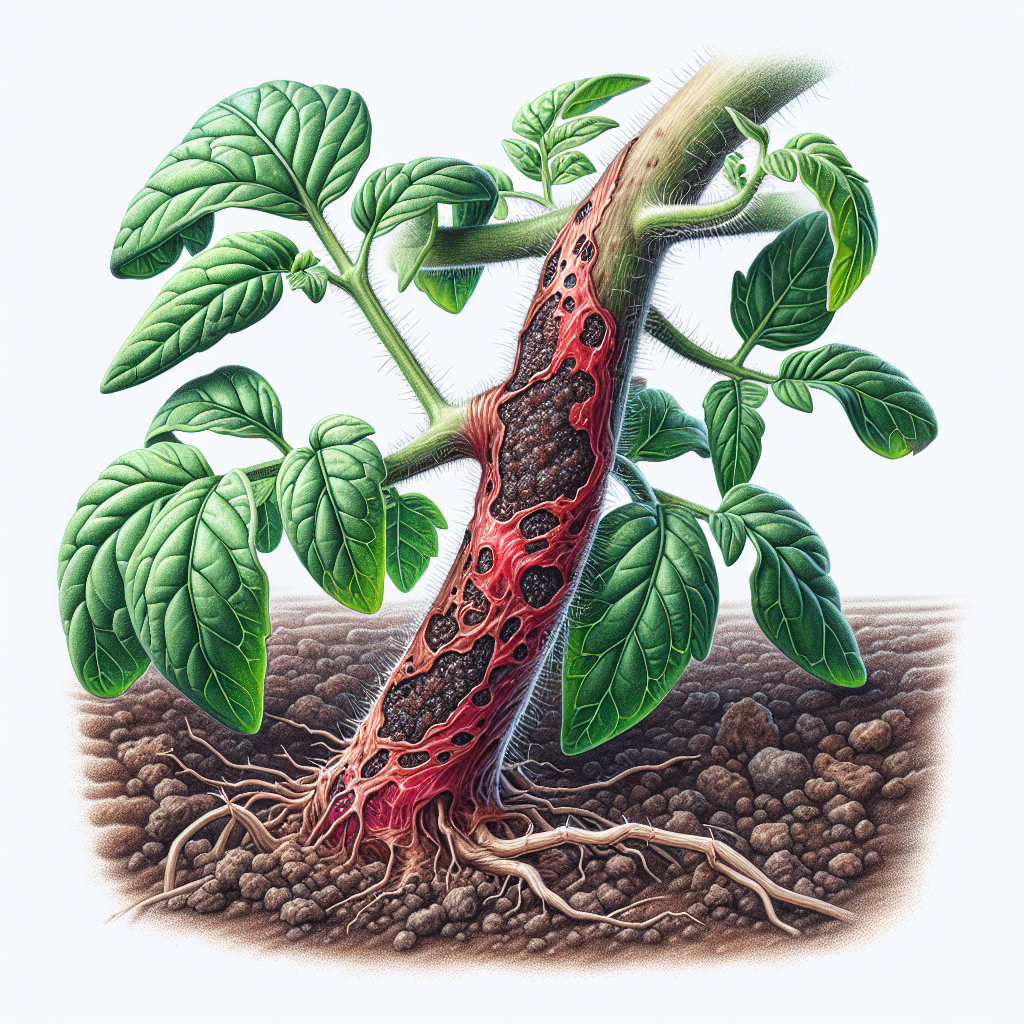
Collar rots
Collar rot is a devastating soilborne fungal disease that attacks the collar region of plants where roots meet stems, causing rapid wilting, girdling, and plant death. Primarily caused by pathogens like Phytophthora, Pythium, and Rhizoctonia, it thrives in poorly drained, waterlogged soils. Effective management relies on cultural practices, resistant varieties, and organic biocontrols to prevent outbreaks.
View Profile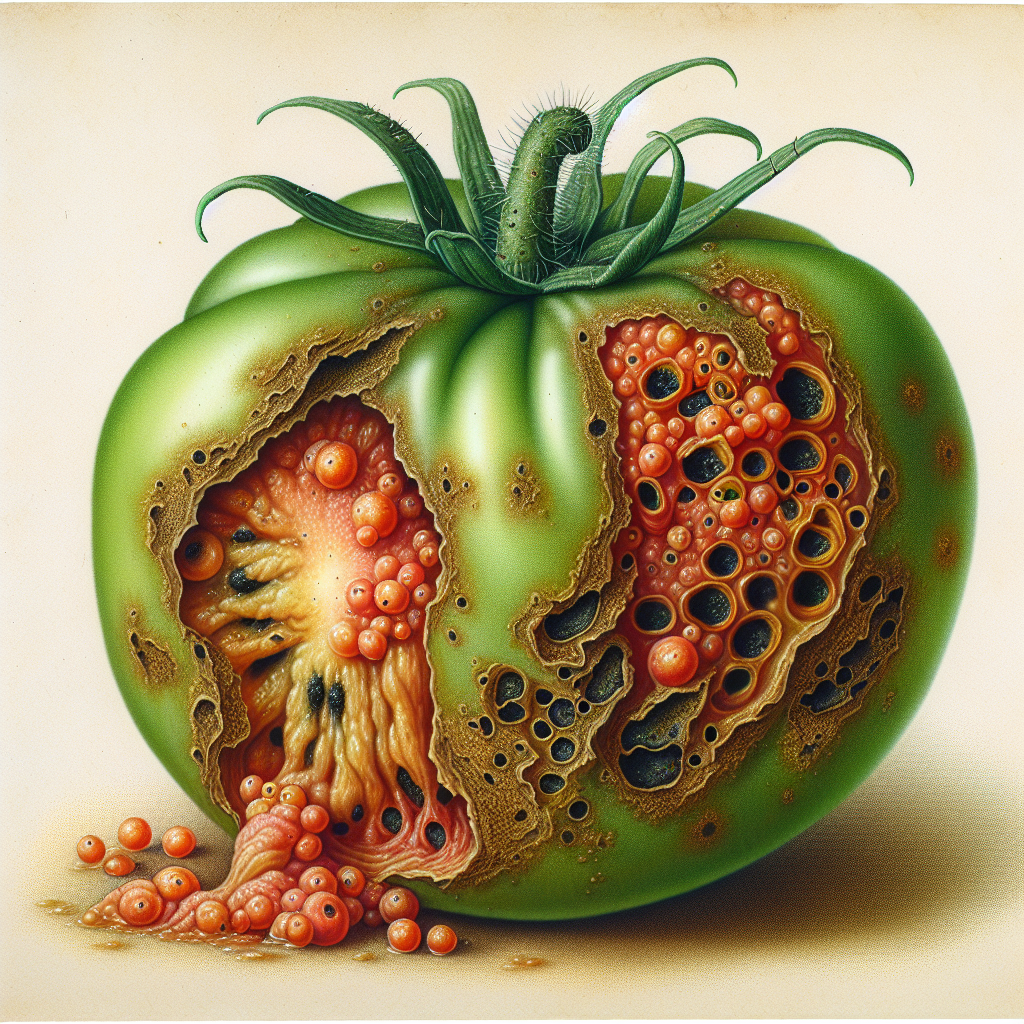
Colletotrichum
Colletotrichum is a fungal pathogen causing anthracnose, a devastating disease affecting fruits, leaves, and stems of numerous crops worldwide. It thrives in warm, humid conditions, leading to sunken lesions, fruit rot, and significant yield losses. Effective management relies on cultural practices, resistant varieties, and timely organic fungicides.
View Profile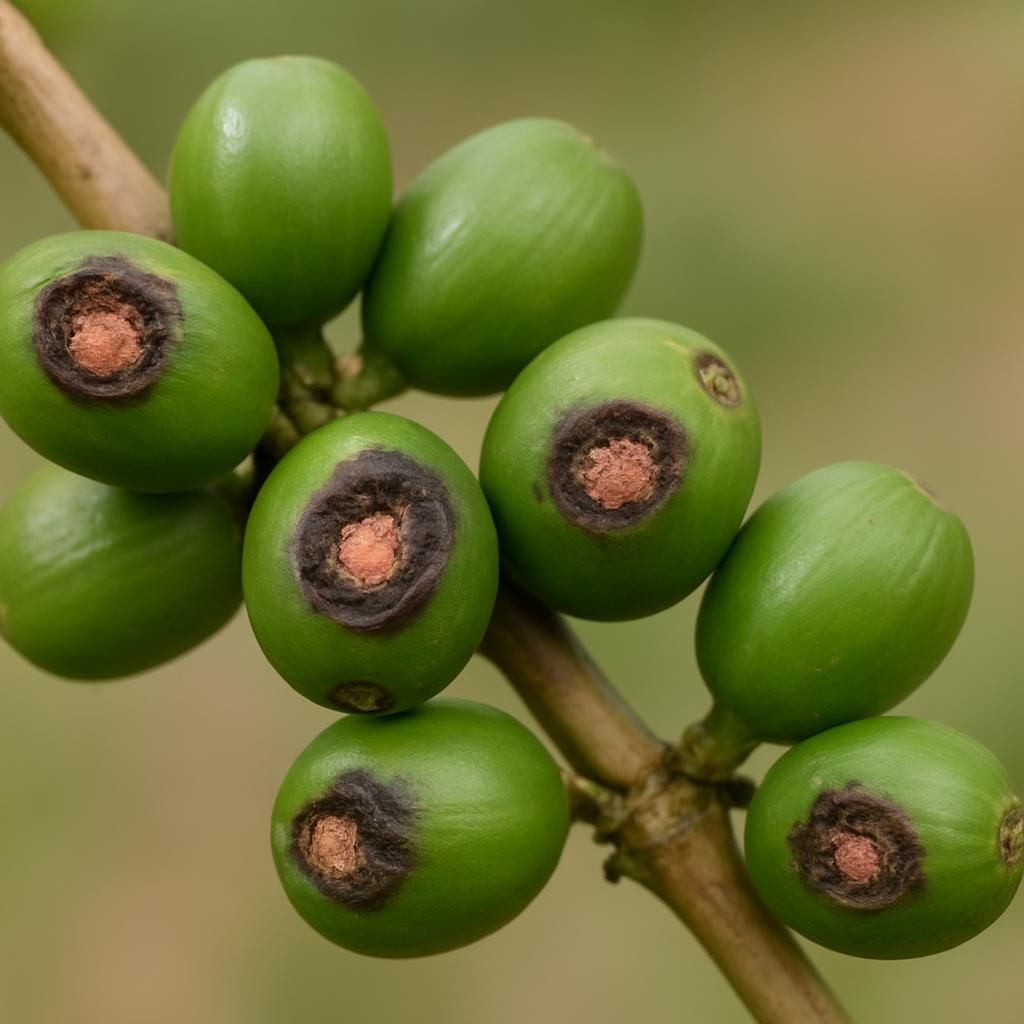
Colletotrichum kahawae
Colletotrichum kahawae is a fungal pathogen responsible for coffee berry disease, causing severe pre-harvest losses on Arabica coffee in highland regions of Africa. The disease produces characteristic sunken, dark lesions on developing berries and can destroy entire crops under favorable conditions. Effective management relies on cultural practices, resistant varieties, and timely fungicide applications.
View Profile
Colletotrichum species
Colletotrichum species are fungal pathogens causing anthracnose, a devastating disease affecting fruits, leaves, and stems across numerous crops worldwide. Recognizable by sunken lesions and dark fruiting bodies, it thrives in warm, humid conditions, leading to significant yield losses. Effective management relies on cultural practices, resistant varieties, and timely organic fungicides.
View Profile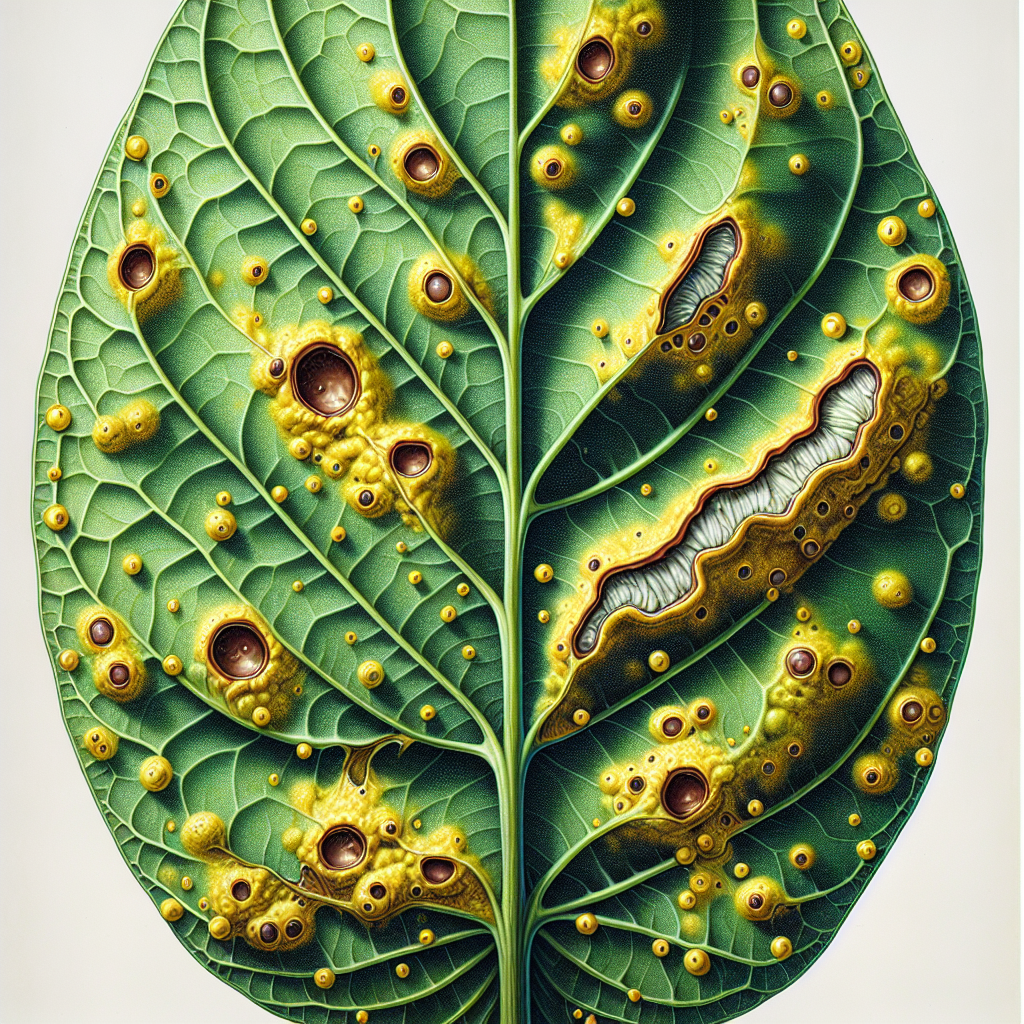
Common bacterial blight
Common bacterial blight is a destructive seedborne disease primarily affecting beans and legumes, caused by the bacterium Xanthomonas axonopodis pv. phaseoli. It leads to water-soaked leaf spots that progress to necrotic lesions, severely reducing yield and quality. Effective management relies on resistant varieties, sanitation, and avoiding overhead irrigation.
View Profile
Common bean mosaic virus
Common bean mosaic virus (BCMV) is a widespread potyvirus that infects common beans, causing mosaic patterns, stunted growth, and significant yield losses. Transmitted primarily by aphids and infected seeds, it poses a major threat to bean production worldwide. Effective management relies on resistant varieties, seed certification, and vector control.
View Profile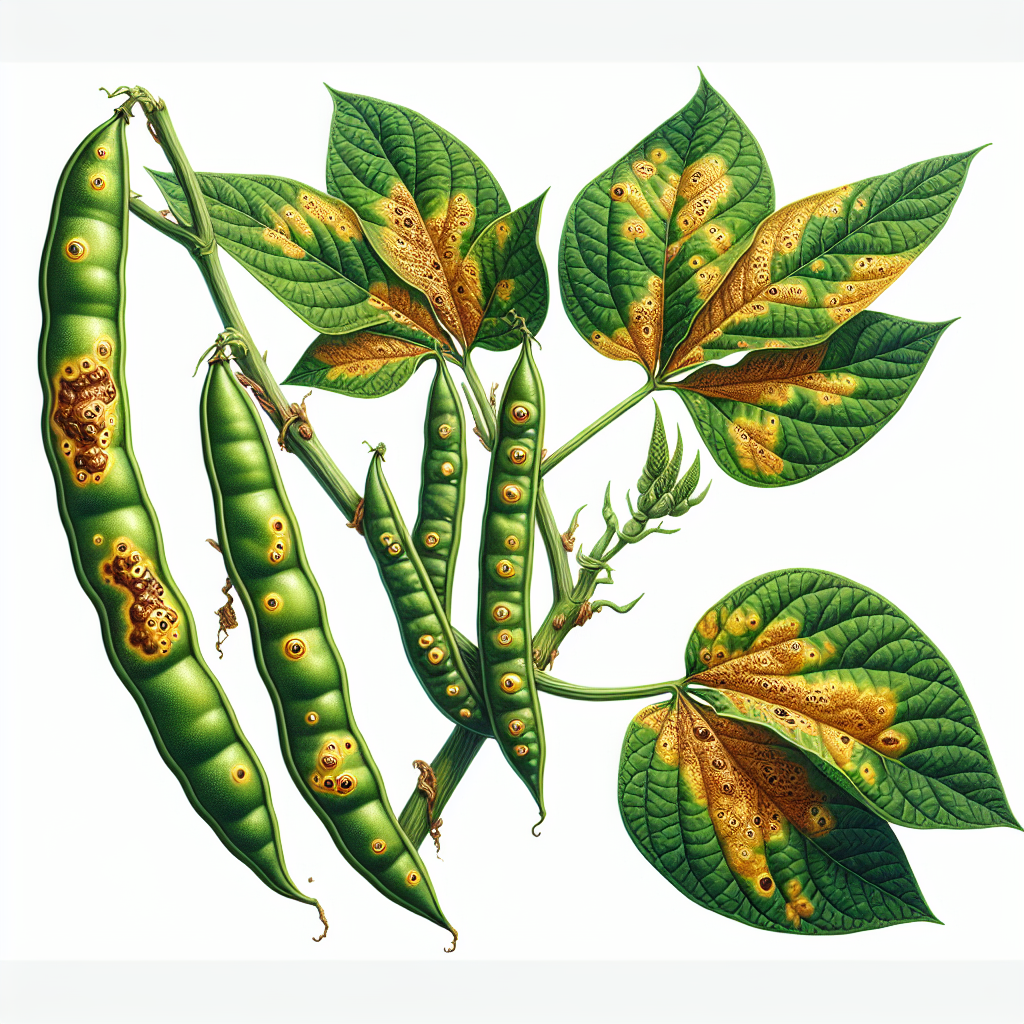
Common blight
Common blight is a devastating bacterial disease primarily affecting beans and legumes, caused by Xanthomonas axonopodis pv. phaseoli, leading to water-soaked lesions on leaves, pods, and stems that progress to necrotic spots with yellow halos. It thrives in warm, wet conditions and spreads rapidly via rain splash, contaminated seeds, and tools. Effective management relies on resistant varieties, sanitation, and organic copper-based sprays.
View Profile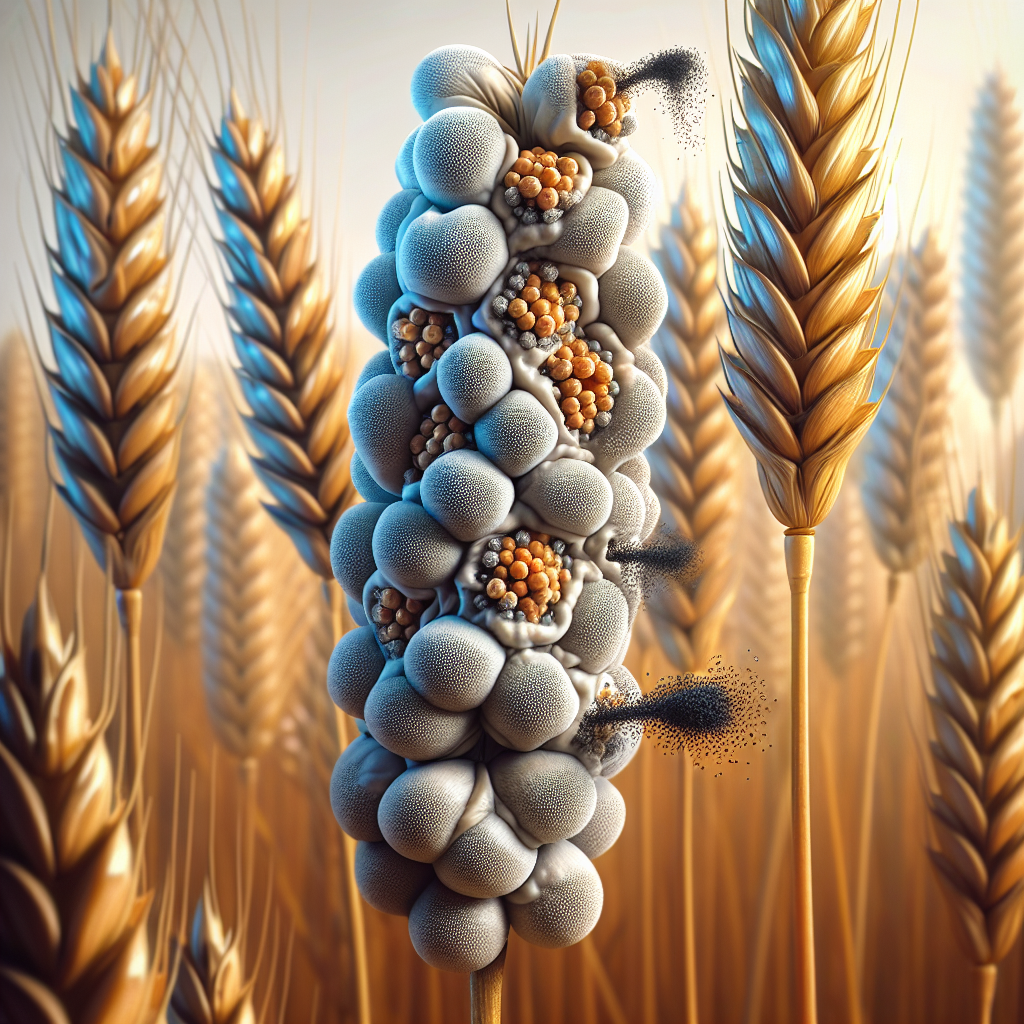
Common bunt
Common bunt is a destructive fungal disease of wheat caused by Tilletia tritici, transforming kernels into masses of black teliospores that emit a foul fishy odor and render grain unusable. Highly seedborne, it spreads through contaminated seed and persists in soil, devastating yields in susceptible varieties. Effective management relies on certified disease-free seed, resistant cultivars, and seed treatments.
View Profile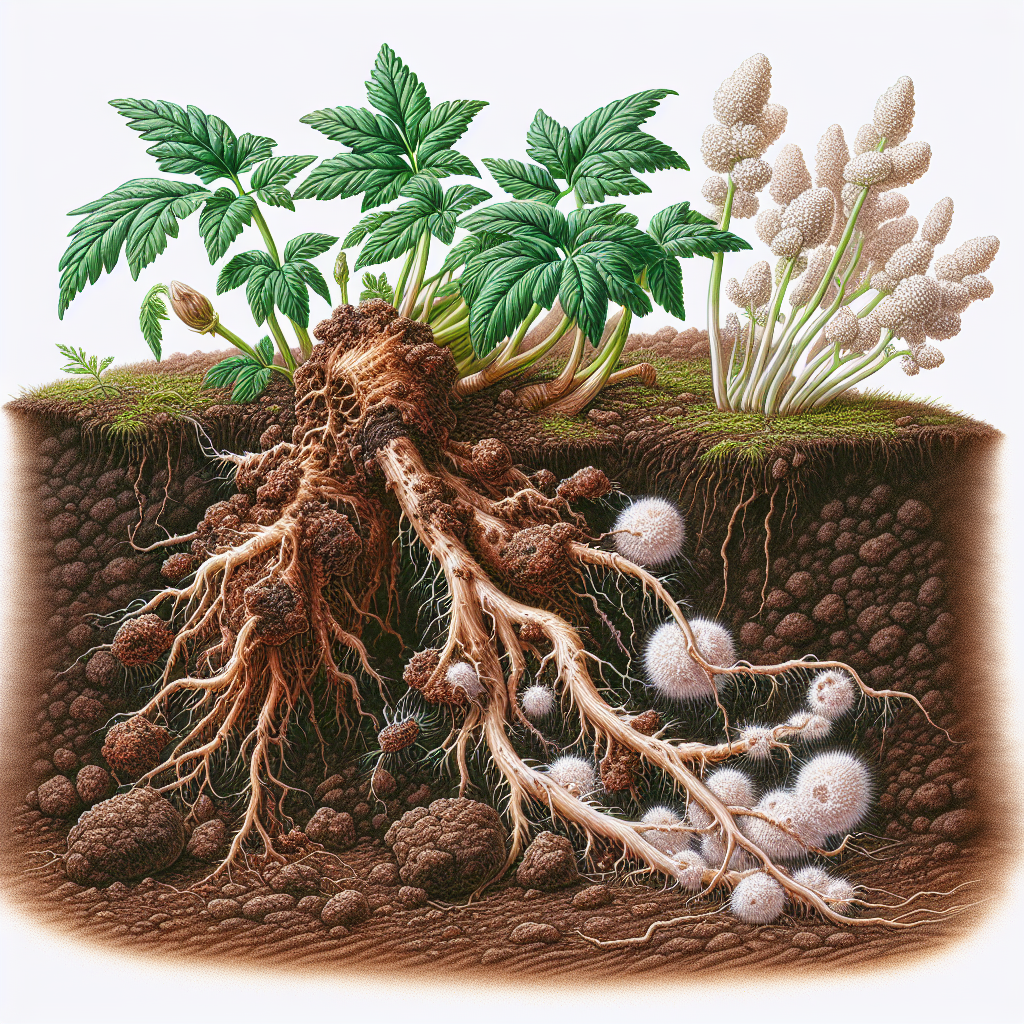
common root rots
Common root rots are devastating soil-borne fungal and oomycete diseases that attack plant roots, causing wilting, stunting, and plant death across a wide range of crops. Caused primarily by pathogens like Pythium, Phytophthora, Rhizoctonia, and Fusarium, they thrive in poorly drained, waterlogged soils. Effective management relies on prevention through cultural practices, improved drainage, and resistant varieties, with organic treatments focusing on biological controls and soil health.
View Profile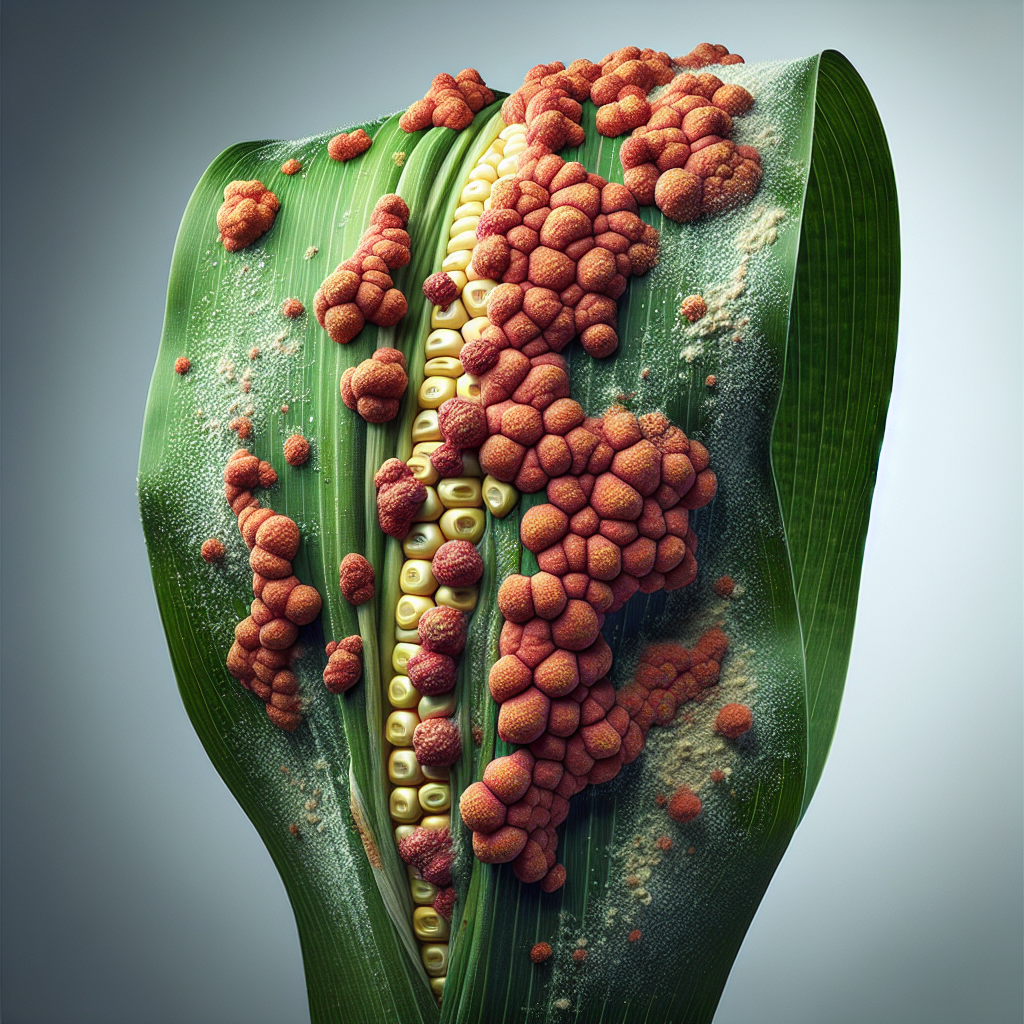
Common Rust
Common Rust is a widespread fungal disease primarily affecting corn and other grasses, characterized by distinctive reddish-brown pustules on leaves that reduce photosynthesis and yield. Caused by Puccinia sorghi, it thrives in warm, humid conditions and can lead to significant crop losses if unmanaged. Effective diagnosis, organic treatments, and cultural practices are key to minimizing its impact on susceptible crops like corn.
View Profile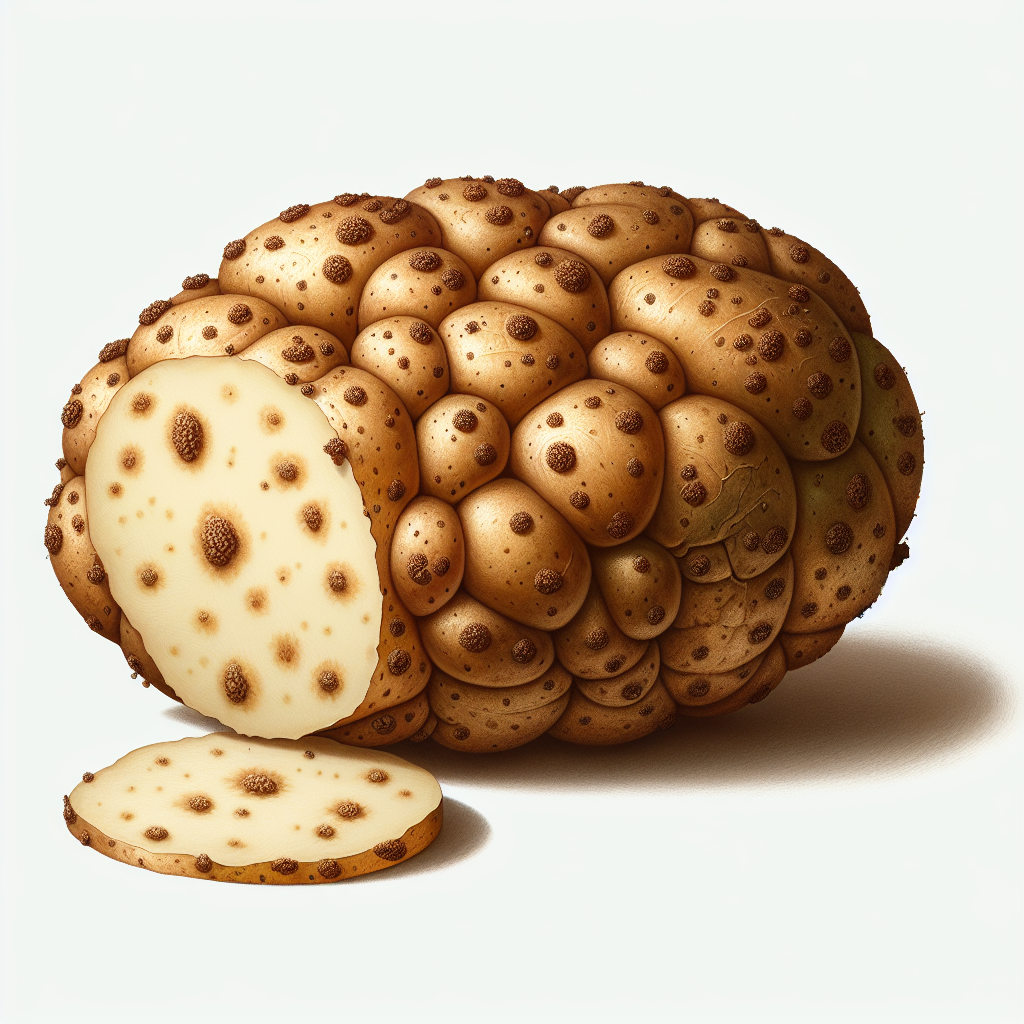
Common scab
Common scab is a widespread bacterial disease primarily affecting potato tubers, caused by Streptomyces scabies, leading to rough, corky lesions that reduce marketability. While it doesn't impact yield significantly, it causes substantial cosmetic damage, making tubers unappealing for fresh markets. Effective management relies on cultural practices, resistant varieties, and soil health optimization.
View Profile
Copper Hydroxide
Copper hydroxide is a widely used fungicide in agriculture, but excessive or improper application can lead to phytotoxicity, manifesting as leaf burn, fruit spotting, and growth inhibition mistaken for pest damage. This guide provides definitive diagnostics for distinguishing copper hydroxide injury from true pests or diseases, along with organic management strategies to mitigate residues and restore crop health. Farmers can prevent future issues through precise application timing and alternatives like [aphids](/wiki/aphids) control integration.
View Profile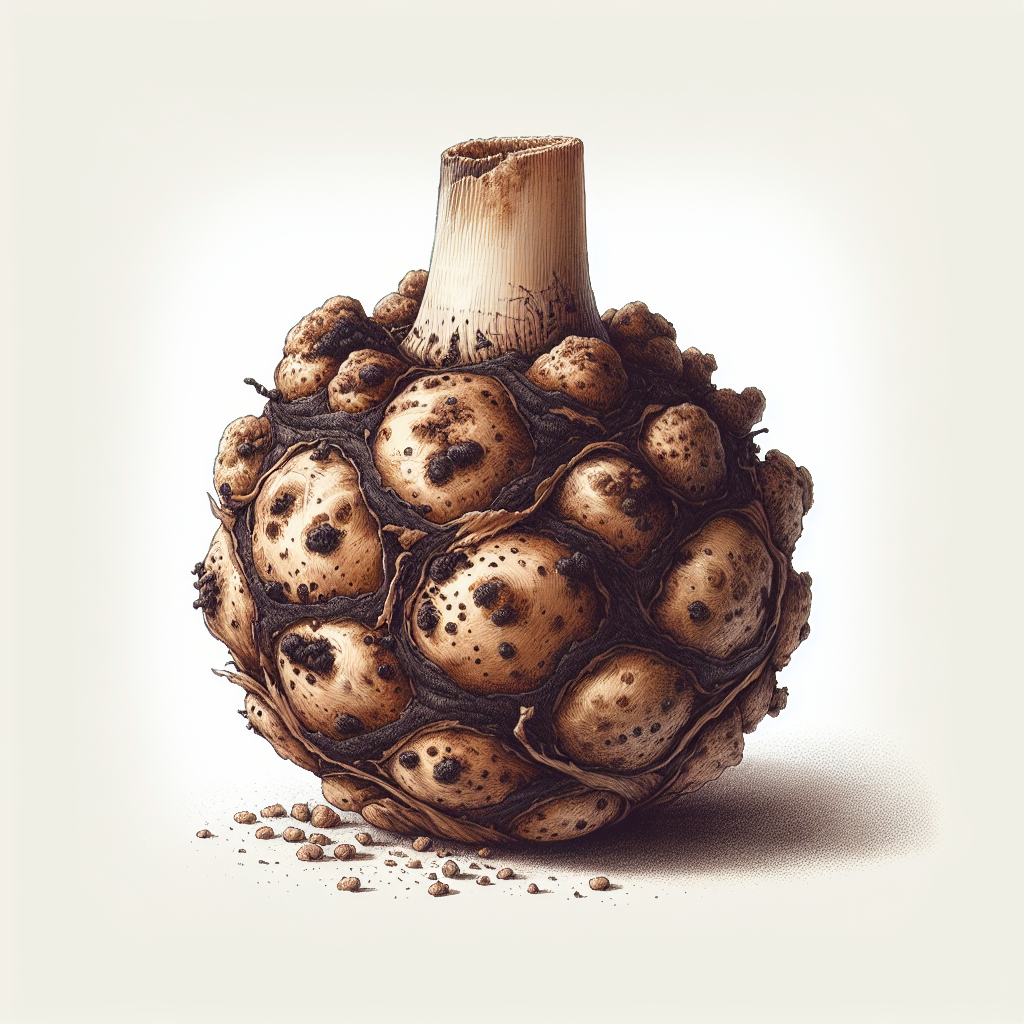
Corm rots
Corm rots are a group of destructive fungal and bacterial diseases affecting the underground storage structures of many crops. They cause significant yield losses by rotting corms, leading to poor plant growth and reduced harvests. This guide provides comprehensive diagnostics and management strategies for farmers.
View Profile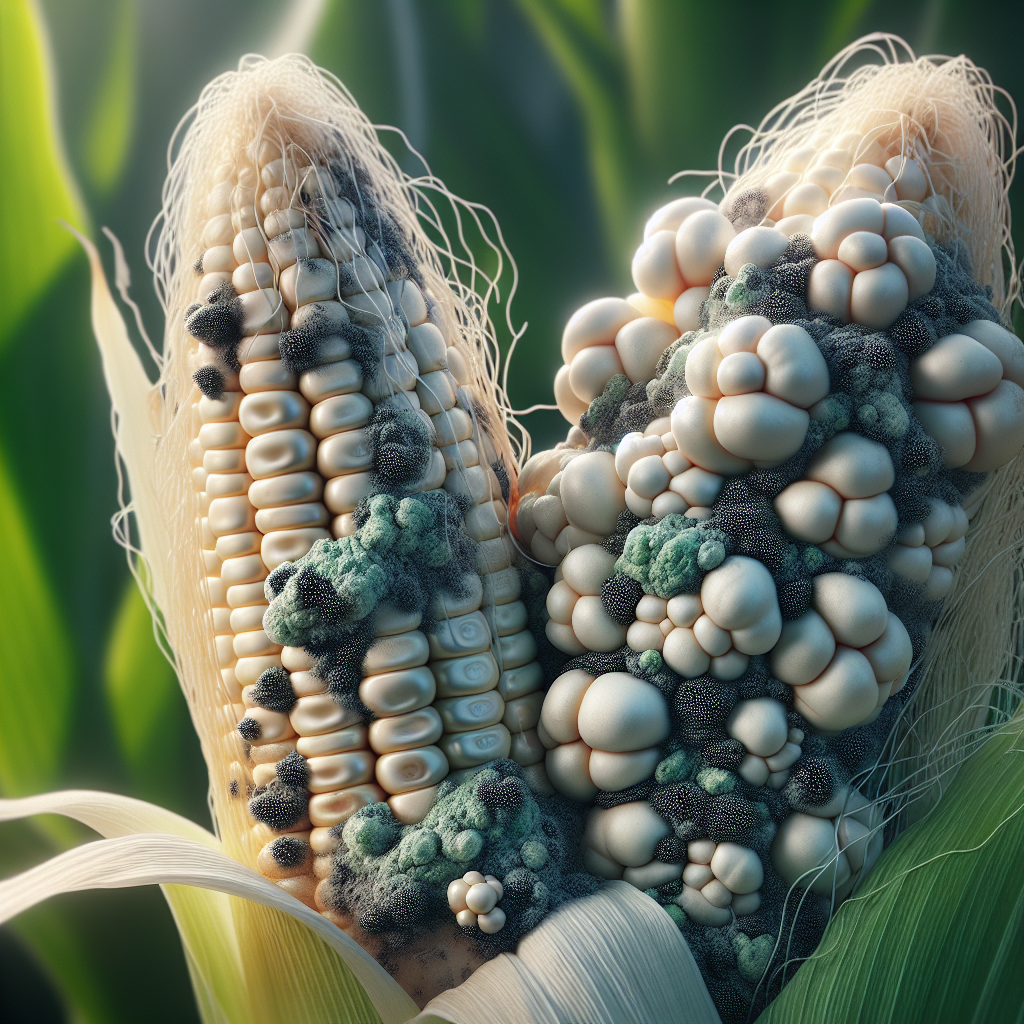
corn smut
Corn smut, caused by the fungus Ustilago maydis, transforms corn kernels and ears into large, tumor-like galls filled with black spores, devastating yields in affected fields. This guide provides definitive diagnostic criteria, lifecycle insights, organic management strategies, and prevention tactics for farmers battling this persistent pathogen. Early identification and cultural controls are key to minimizing losses in corn production.
View Profile
covered smut
Covered smut is a seed-borne fungal disease primarily affecting barley and oats, caused by Ustilago hordei, where infected grains are replaced by black teliospore masses covered by a thin membrane. It leads to significant yield losses in cereals if unmanaged, but can be effectively controlled through certified seeds and resistant varieties. This guide provides comprehensive diagnostics, organic management, and prevention strategies for farmers.
View Profile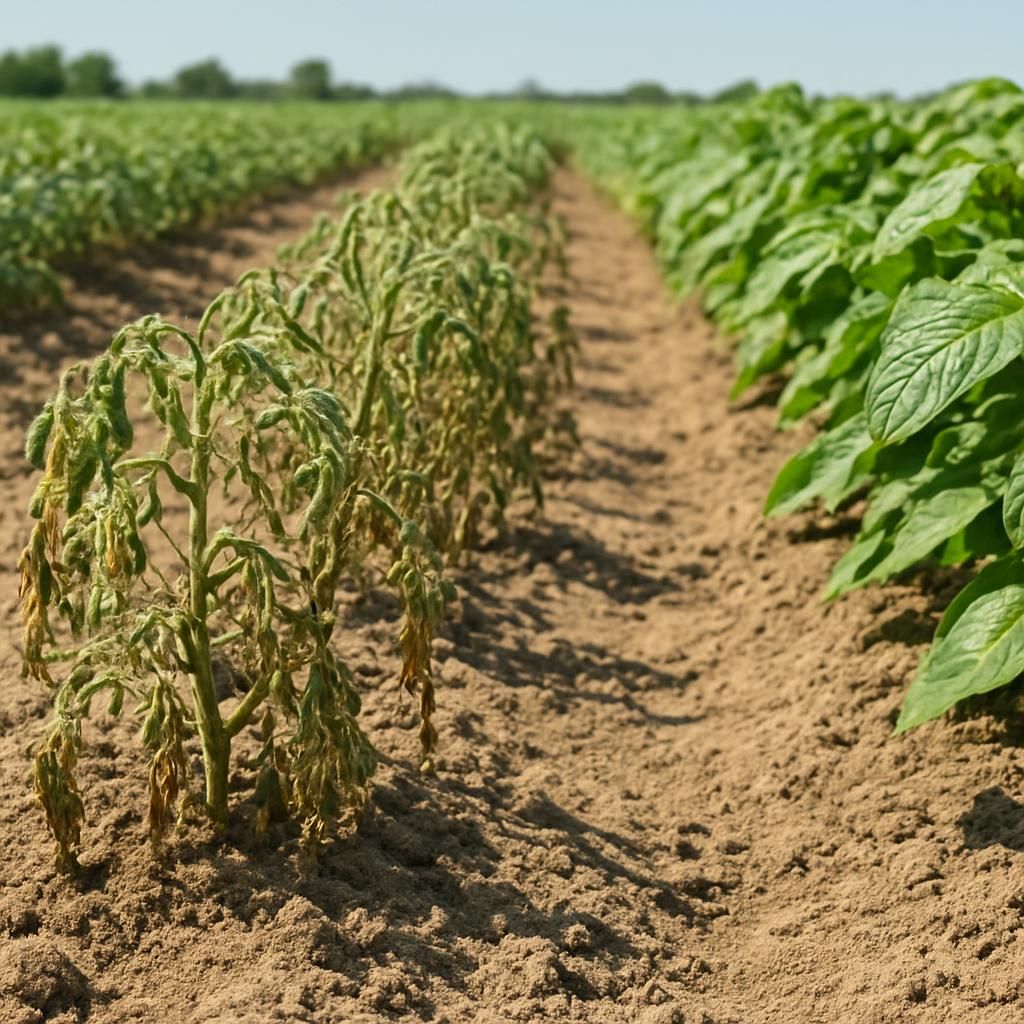
Crop Rotation
Crop Rotation is a cultural practice that mimics a persistent soil-borne syndrome, leading to nutrient depletion, pathogen buildup, and declining yields when the same crops are planted repeatedly without interruption. Effective diagnosis and management require recognizing early yield decline signals and implementing structured multi-year planting sequences.
View Profile
Crown gall
Crown gall represents a unique pathological growth on plants, primarily induced by the soil bacterium Agrobacterium tumefaciens, forming tumor-like galls at the crown or roots. While not a traditional crop, it serves as a model for studying plant pathology, genetic engineering via Agrobacterium-mediated transformation, and sustainable disease management in agriculture. This guide provides practical insights for researchers, educators, and farmers on propagating, maintaining, and utilizing crown gall in controlled settings for educational and scientific purposes.
View Profile
Crown or root rots
Crown and root rots are devastating soilborne fungal and oomycete diseases that attack the base of plants, causing wilting, root decay, and plant death. Commonly triggered by overwatering and poor drainage, they affect a wide range of crops from vegetables to ornamentals. Early detection and cultural management are key to preventing widespread losses.
View Profile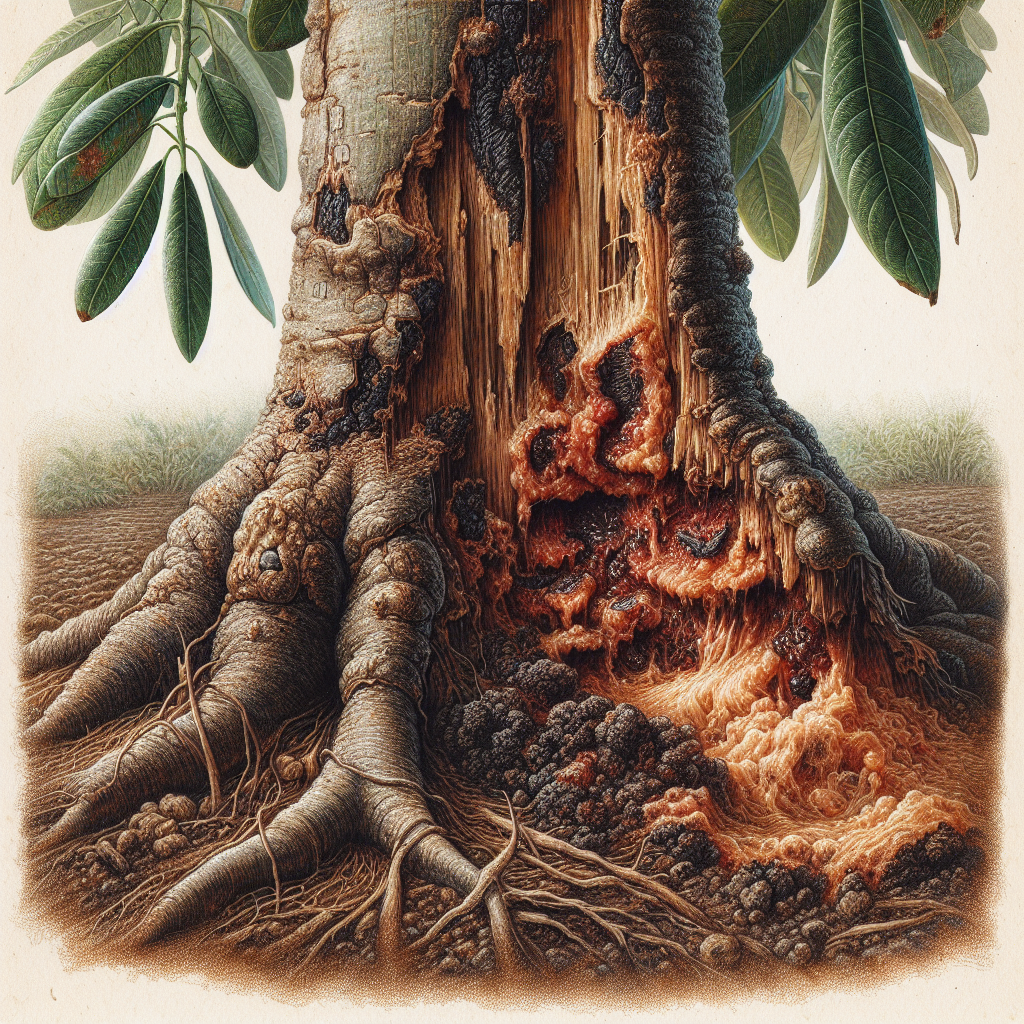
Crown rot
Crown rot is a devastating soilborne fungal disease that attacks the crown and lower stem of plants, leading to rapid wilting, discoloration, and plant death. Caused primarily by pathogens like Phytophthora, Fusarium, and Rhizoctonia, it thrives in poorly drained, waterlogged soils. Effective management relies on prevention through cultural practices, soil health improvement, and prompt removal of infected plants.
View Profile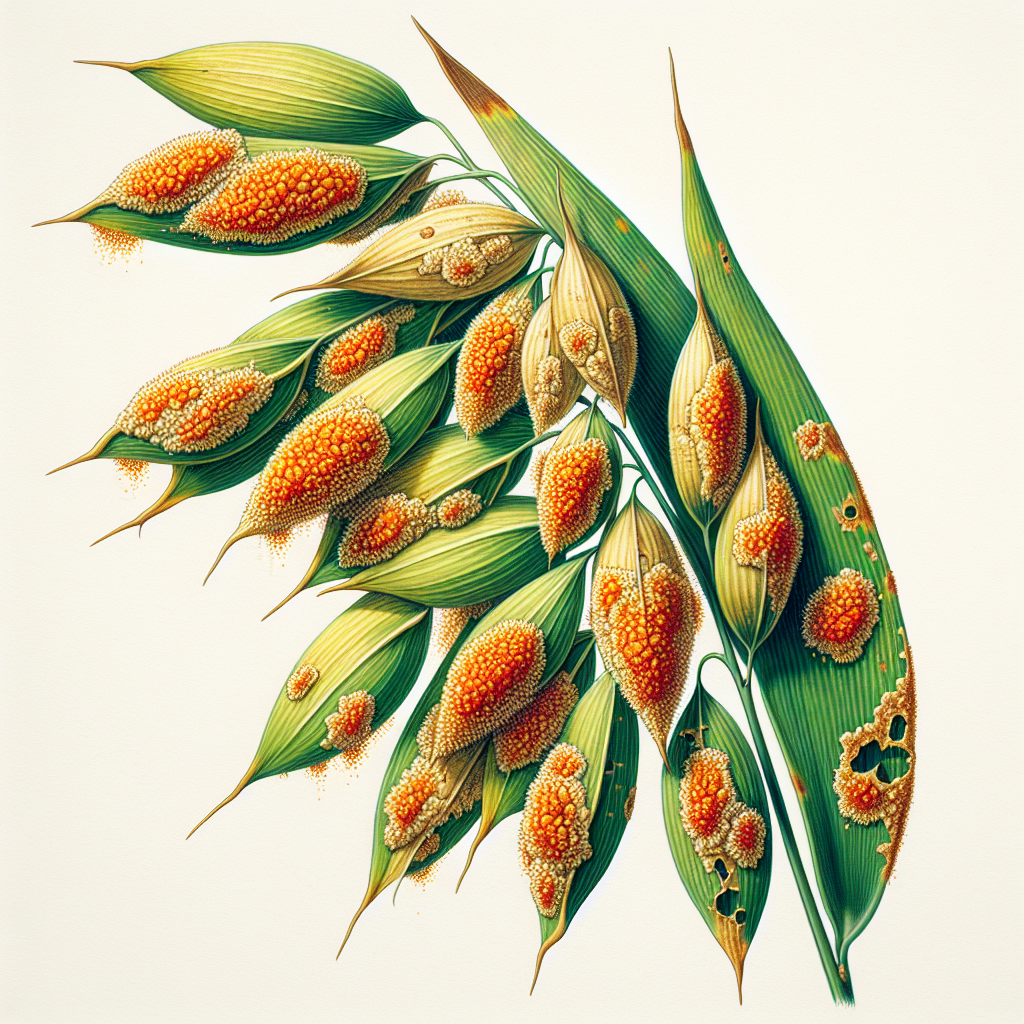
Crown rust
Crown rust is a devastating fungal disease primarily affecting oats and other grasses, characterized by distinctive orange pustules on leaves that reduce photosynthesis and yield. Caused by the obligate parasite Puccinia coronata, it thrives in cool, moist conditions and can lead to 10-50% yield losses in severe outbreaks. Effective management relies on resistant varieties, cultural practices, and timely fungicide applications.
View Profile