Encyclopedia
Definitive guides for crops, pests, and agricultural diseases.

botrytis fruit rot
Botrytis fruit rot, caused by the fungus Botrytis cinerea, is a widespread disease affecting numerous fruit crops, leading to significant yield losses through gray mold development on fruits, flowers, and stems. Known for thriving in cool, humid conditions, it spreads rapidly via spores and can devastate harvests if not managed properly. This guide provides comprehensive diagnostics, organic treatments, and prevention strategies for farmers and growers.
View Profile
Botrytis fruit rot (gray mold)
Botrytis fruit rot, commonly known as gray mold, is a widespread fungal disease caused by Botrytis cinerea that affects numerous crops by decaying fruits, flowers, and stems under humid conditions. It thrives in cool, moist environments, leading to significant yield losses in berries, grapes, tomatoes, and strawberries. Effective management relies on cultural practices, sanitation, and organic fungicides to prevent spore germination and spread.
View Profile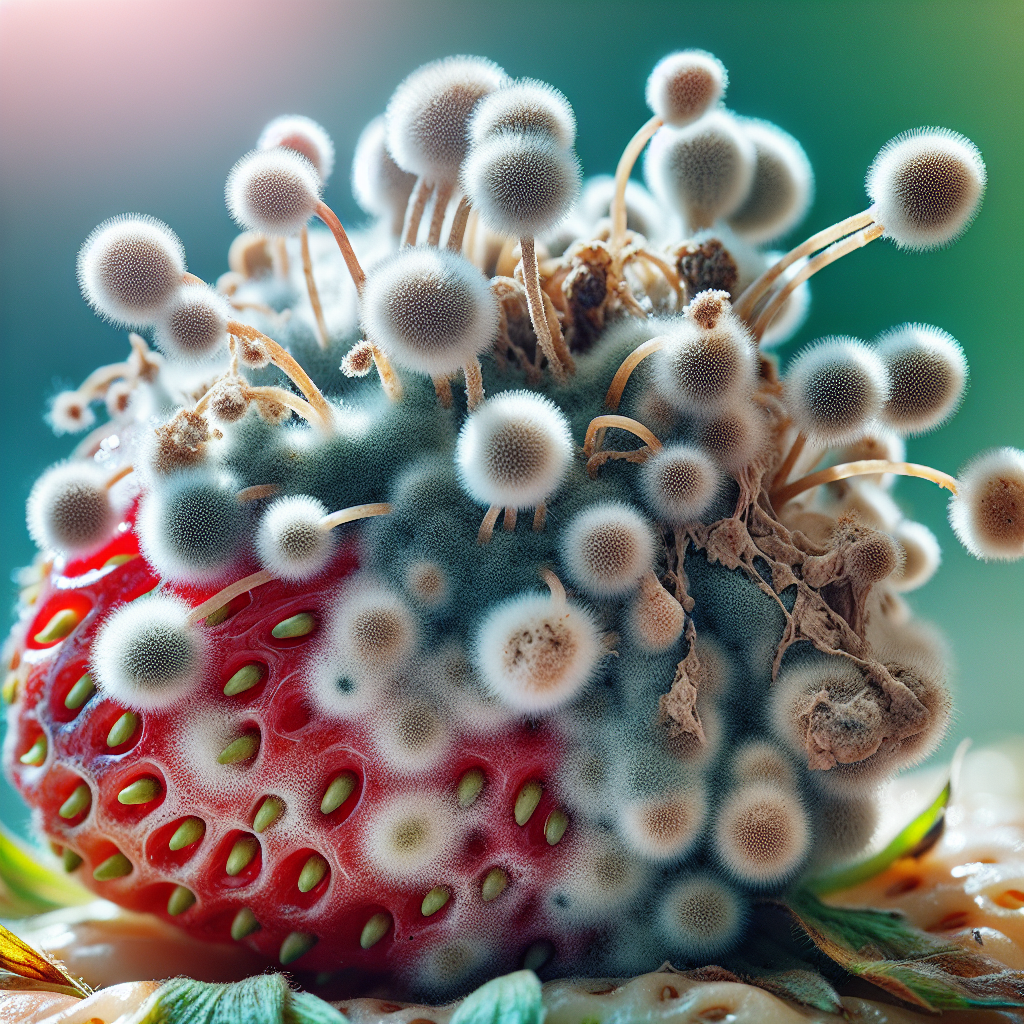
Botrytis gray mold
Botrytis gray mold, caused by the fungus Botrytis cinerea, is a ubiquitous plant pathogen that thrives in cool, humid conditions, leading to significant crop losses through grayish fuzz-covered lesions on leaves, stems, flowers, and fruits. This necrotrophic fungus infects over 200 plant species, making early diagnosis and integrated management essential for minimizing damage. Effective control relies on cultural practices, organic treatments, and environmental management to break its disease cycle.
View Profile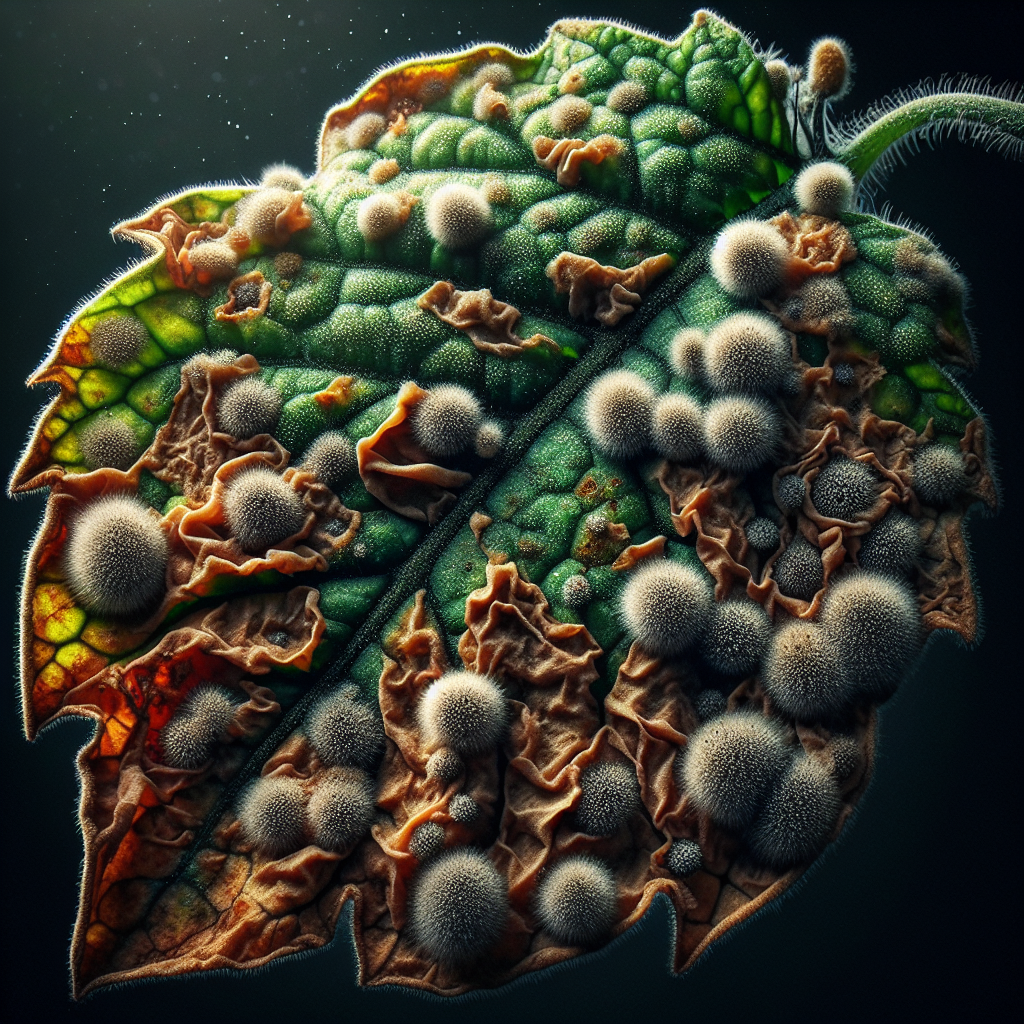
Botrytis leaf blight
Botrytis leaf blight, caused by the fungal pathogen Botrytis cinerea, is a destructive disease affecting a wide range of crops by producing grayish lesions on leaves that lead to rapid blighting and reduced yields. This guide provides comprehensive diagnostic criteria, lifecycle insights, environmental risk factors, organic management strategies, and prevention tactics for farmers facing this pervasive foliar pathogen. Early identification and cultural controls are key to minimizing losses in humid growing conditions.
View Profile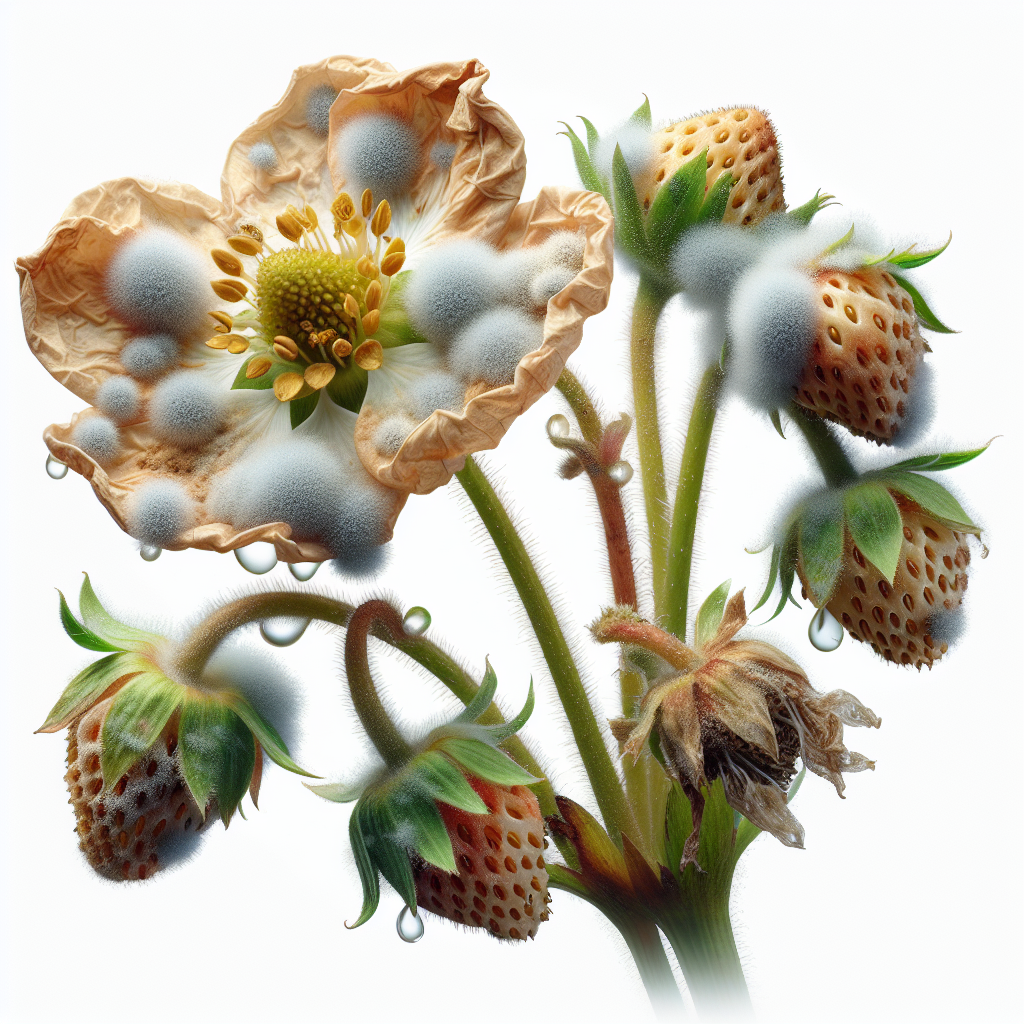
botrytis-like flower blights
Botrytis-like flower blights encompass a group of fungal diseases that cause grayish mold, wilting, and rot on flowers, primarily under cool, humid conditions. These pathogens thrive on stressed plants, leading to significant yield losses in ornamentals, fruits, and vegetables. Early detection and cultural management are key to effective control.
View Profile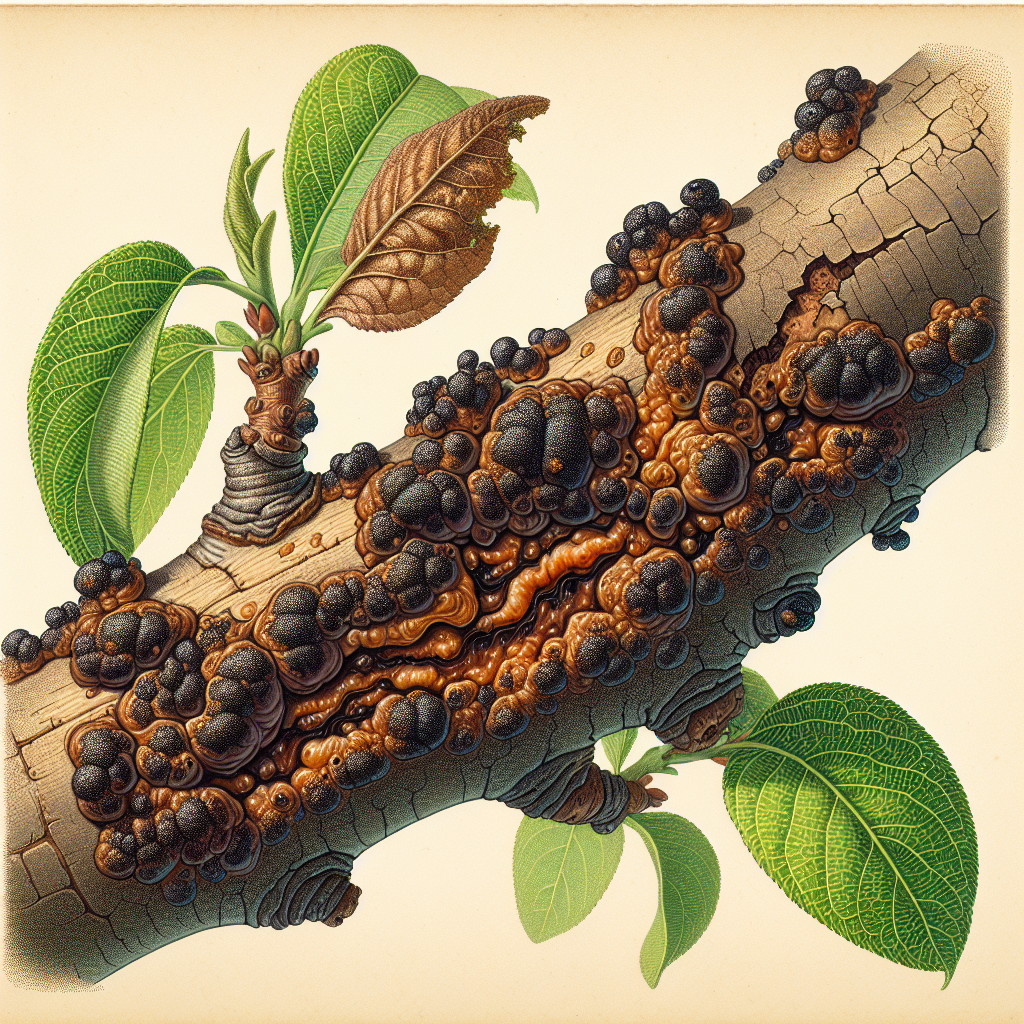
branch canker
Branch canker is a destructive fungal disease affecting woody plants, causing sunken, discolored lesions on branches that girdle and kill affected tissues. It leads to wilting, dieback, and reduced yields in fruit trees and ornamentals. Early detection and cultural management are key to limiting spread.
View Profile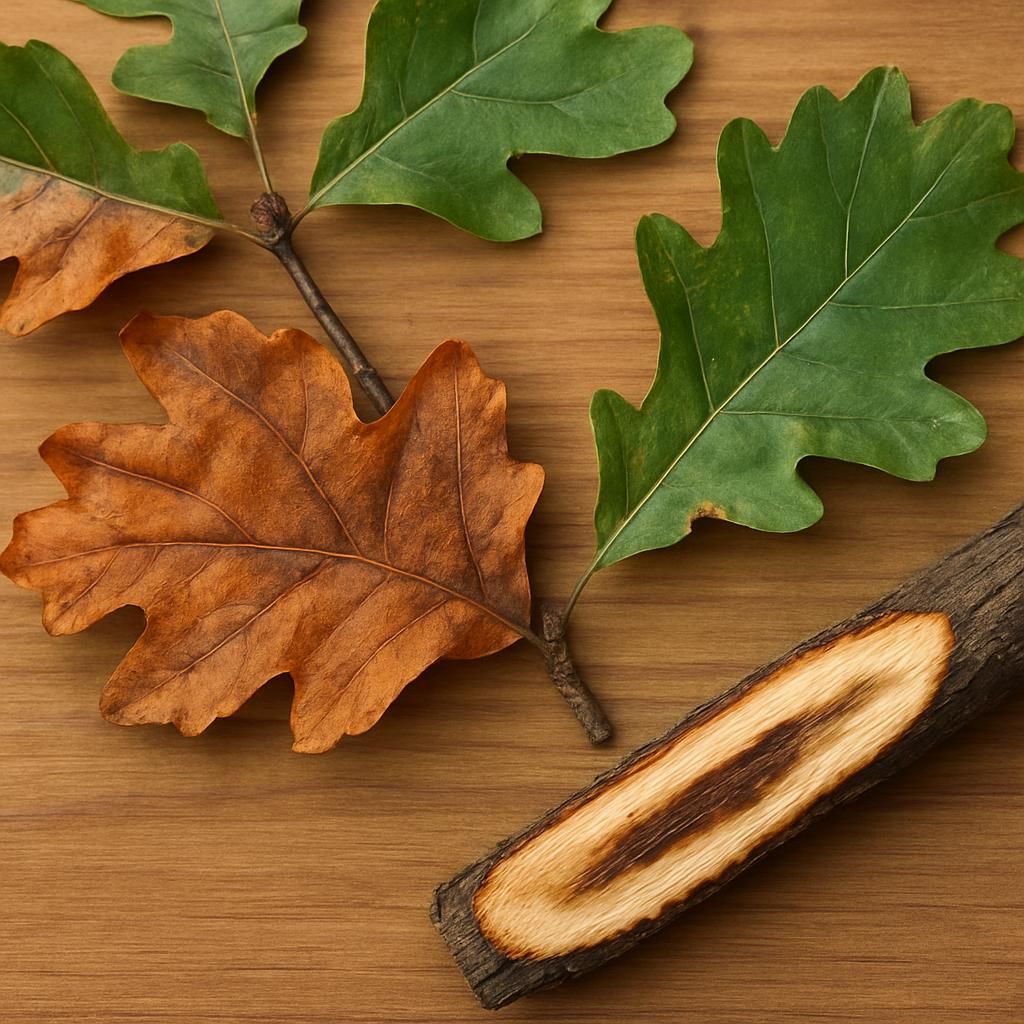
Bretziella fagacearum
Bretziella fagacearum is the fungal pathogen responsible for oak wilt, a lethal vascular disease that primarily affects oak species across North America. It spreads rapidly through root grafts and insect vectors, causing severe wilting, defoliation, and tree mortality within weeks to months. Effective management requires early detection, sanitation, and preventive practices to protect both forest and urban oak populations.
View Profile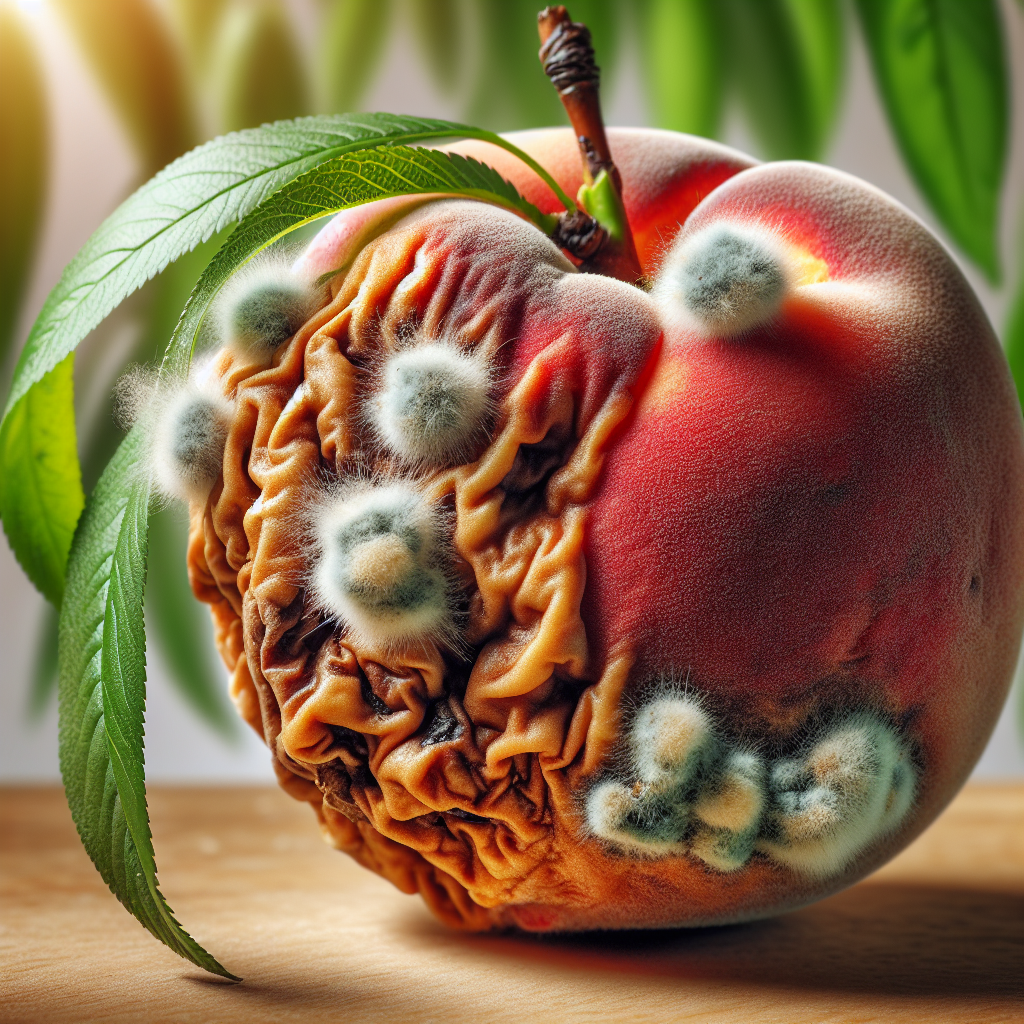
Brown rot
Brown rot is a devastating fungal disease caused by Monilinia species that primarily affects stone fruits like peaches, cherries, and plums, leading to rapid fruit decay and blossom blight. It thrives in warm, wet conditions, causing brown, shriveled lesions on fruit and twigs that produce spore masses resembling gray-brown cotton candy. Effective management relies on cultural practices, sanitation, and targeted organic fungicides to prevent epidemics.
View Profile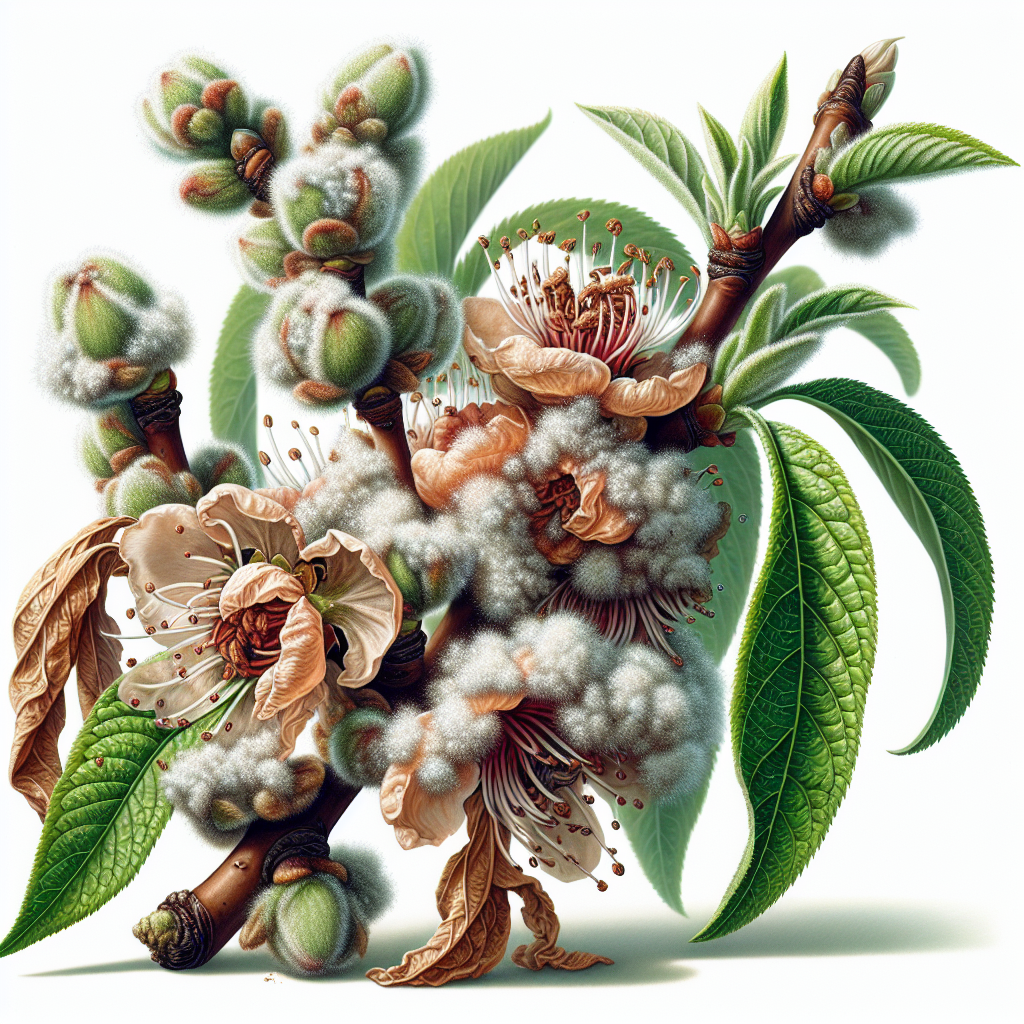
Brown rot blossom blight
Brown rot blossom blight is a destructive fungal disease caused by Monilinia species that primarily attacks the blossoms, twigs, and fruit of stone fruit trees, leading to rapid blighting and fruit rot. It thrives in cool, wet spring conditions and can devastate entire crops if not managed properly. Effective control relies on cultural practices, resistant varieties, and timely organic fungicide applications.
View Profile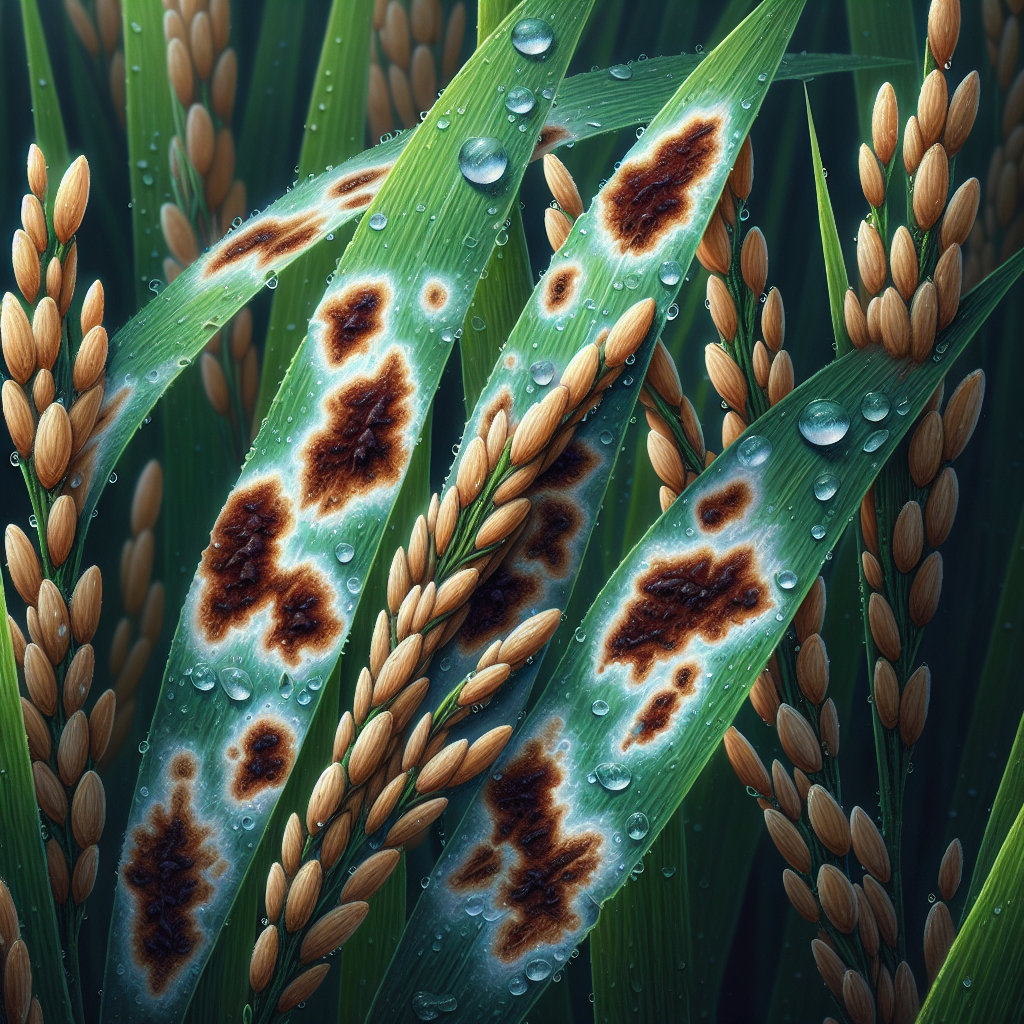
brown spot
Brown spot is a widespread fungal disease primarily affecting rice crops, caused by Bipolaris oryzae, leading to significant yield losses in tropical and subtropical regions. It manifests as characteristic brown lesions on leaves, sheaths, and glumes, exacerbated by high humidity and nutrient deficiencies. Effective management relies on cultural practices, resistant varieties, and organic fungicides to minimize damage.
View Profile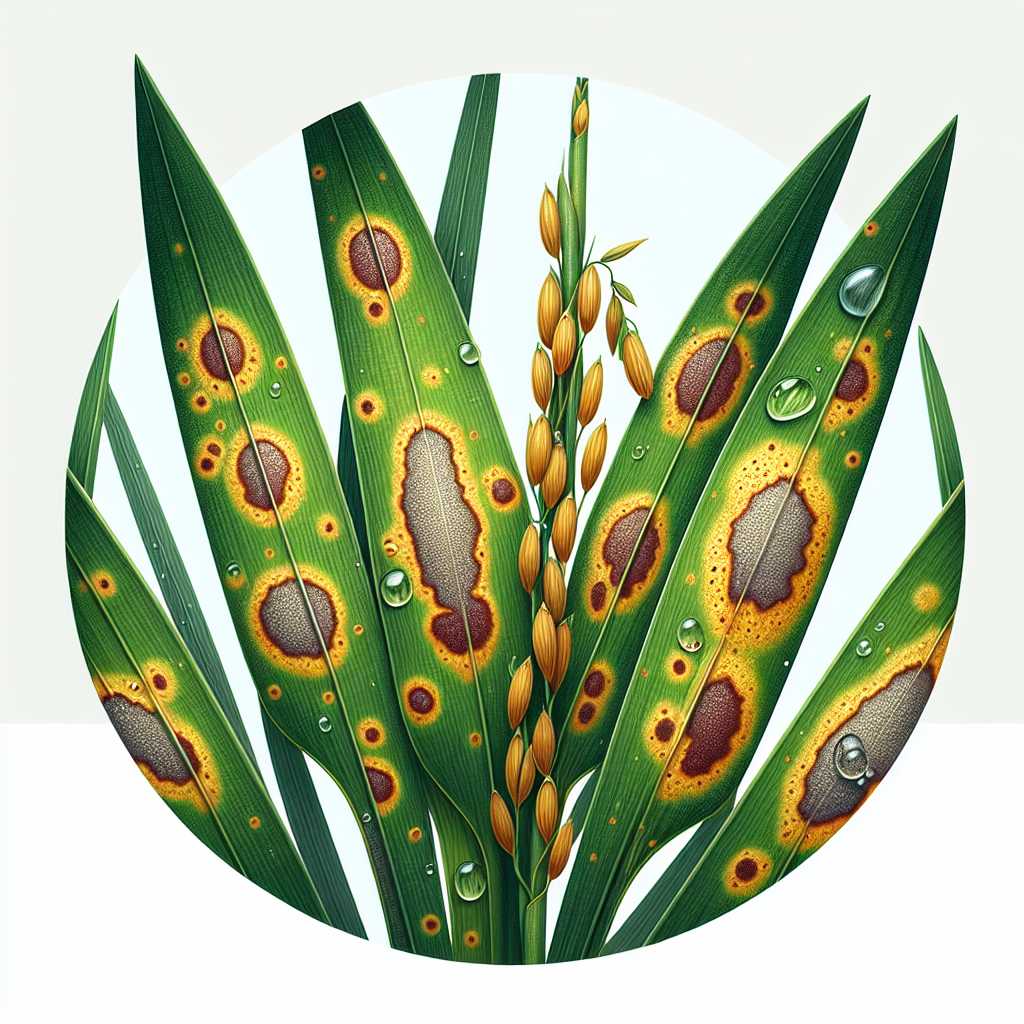
brown spot (disease)
Brown spot is a widespread fungal disease primarily affecting rice crops, caused by Bipolaris oryzae, leading to significant yield losses in tropical and subtropical regions. Characterized by distinctive brown lesions on leaves and glumes, it thrives in nutrient-poor soils and high humidity environments. Effective management combines resistant varieties, cultural practices, and organic fungicides for sustainable control.
View Profile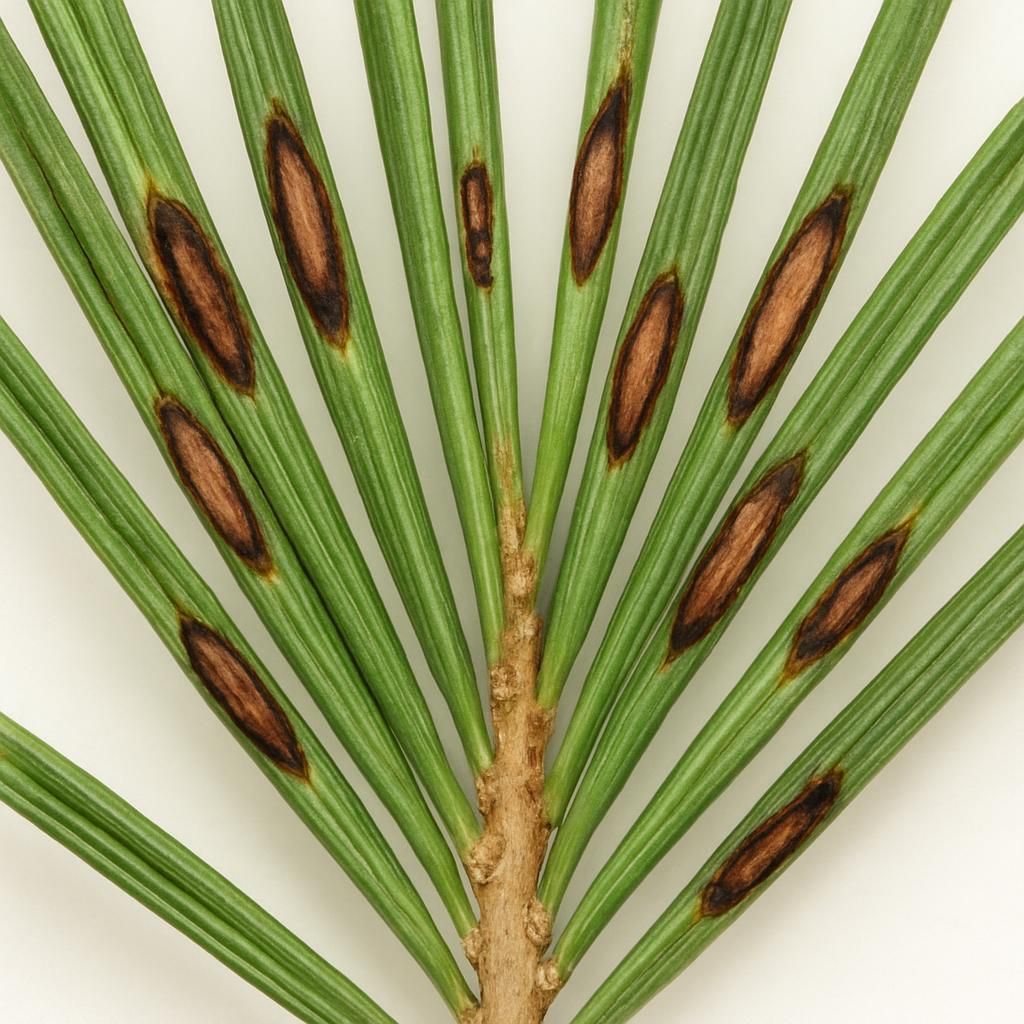
brown spot needle blight
Brown spot needle blight is a destructive fungal disease primarily affecting pine species, causing progressive needle discoloration, premature defoliation, and reduced tree vigor. Effective management relies on integrated cultural practices, resistant planting stock, and targeted fungicide applications during critical infection windows.
View Profile
Bud rot
Bud rot is a devastating fungal disease primarily caused by Phytophthora species, leading to the rapid decay and death of plant buds, shoots, and young tissues. It thrives in warm, wet conditions, causing significant losses in tropical and subtropical crops like palms, avocados, and bananas. Early detection and cultural management are key to preventing widespread damage.
View Profile
Bunchy top virus
Bunchy top virus (BBTV) is a devastating nanovirus that infects banana plants, causing stunted growth, bunchy leaf tops, and significant yield losses. Transmitted primarily by the banana aphid (Pentalonia nigronervosa), it spreads rapidly in tropical regions, rendering infected plants unproductive. Early detection and rogueing are critical for management, as no curative treatments exist.
View Profile
Bunt diseases
Bunt diseases are devastating fungal infections primarily affecting cereal crops like wheat and barley, converting grain kernels into masses of black teliospores that render harvests worthless. Caused by soilborne and seedborne basidiomycete fungi, these diseases spread through contaminated seeds and persist in soil for years. Effective management relies on certified disease-free seed, resistant varieties, and cultural practices to break the lifecycle.
View Profile
bunts
Bunts are devastating fungal diseases primarily affecting wheat and barley, caused by Tilletia species that replace grain with masses of foul-smelling black spores. Highly destructive to cereal crops, they can ruin entire harvests if not managed properly. Effective control relies on seed treatment, resistant varieties, and cultural practices.
View Profile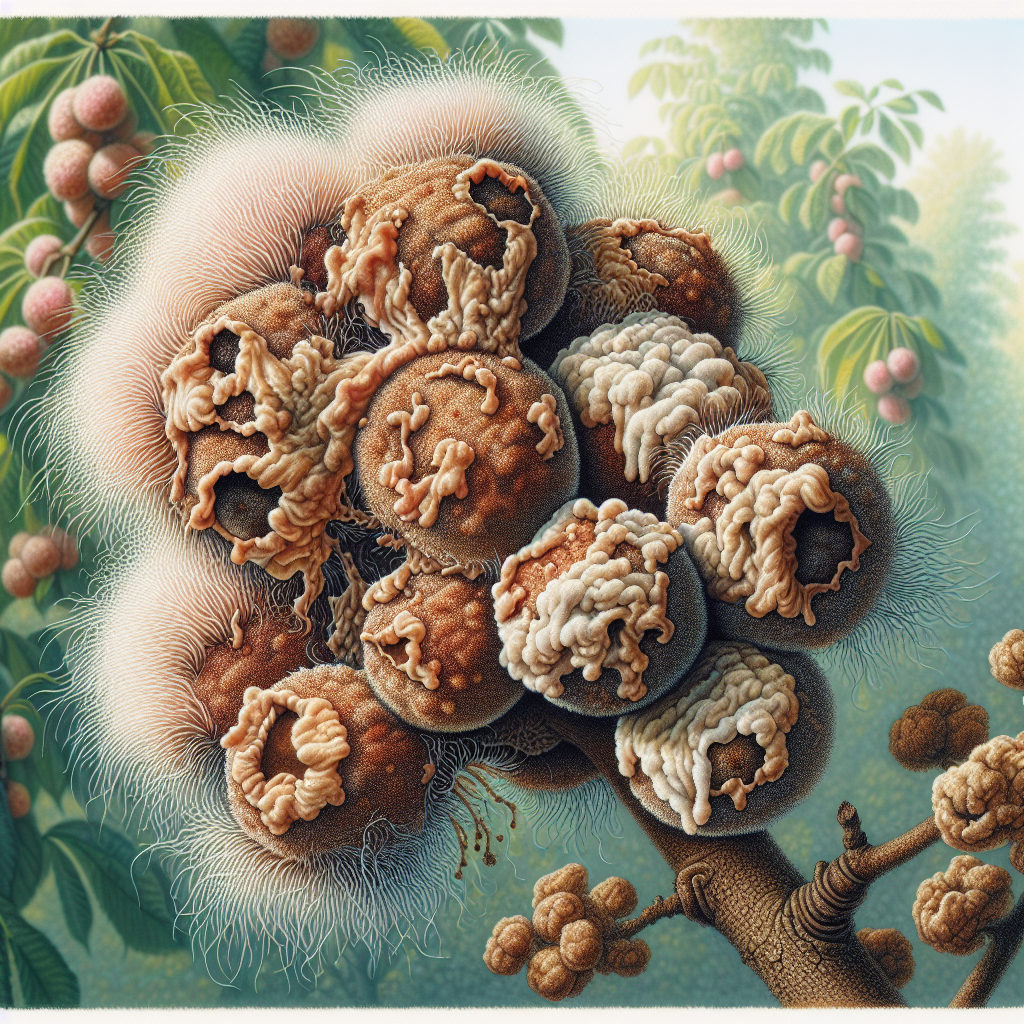
Burr rots
Burr rots is a devastating fungal disease complex affecting burr-bearing crops, causing soft, mushy rot in fruits and burrs with characteristic white mycelial 'burrs' on infected tissues. It thrives in warm, wet conditions, leading to rapid crop loss if unmanaged. This guide provides definitive diagnosis, organic management, and prevention strategies for sustainable farming.
View Profile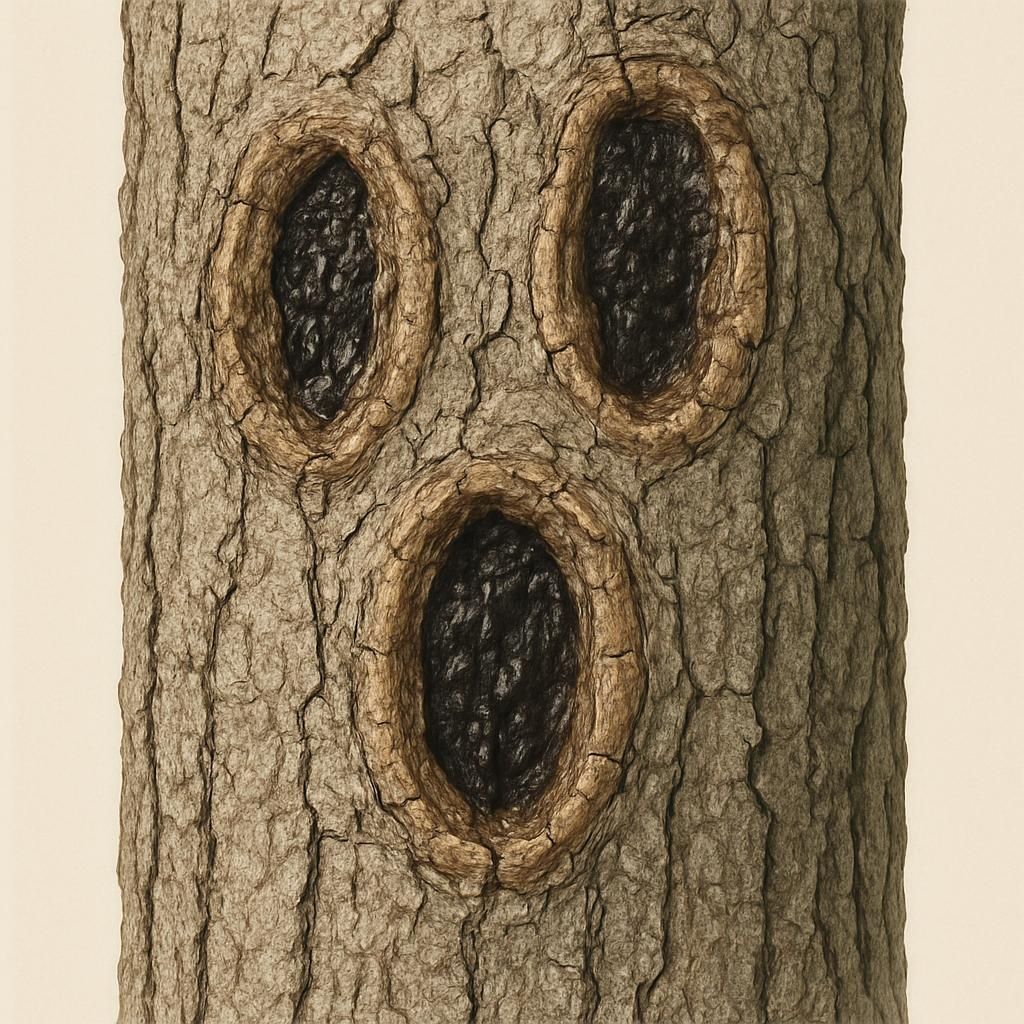
Butternut canker
Butternut canker is a lethal fungal disease that primarily affects butternut trees (Juglans cinerea), causing progressive bark cankers, dieback, and eventual tree mortality. The pathogen spreads through spores and wounds, thriving in moist environments and leading to significant losses in native populations and orchards.
View Profile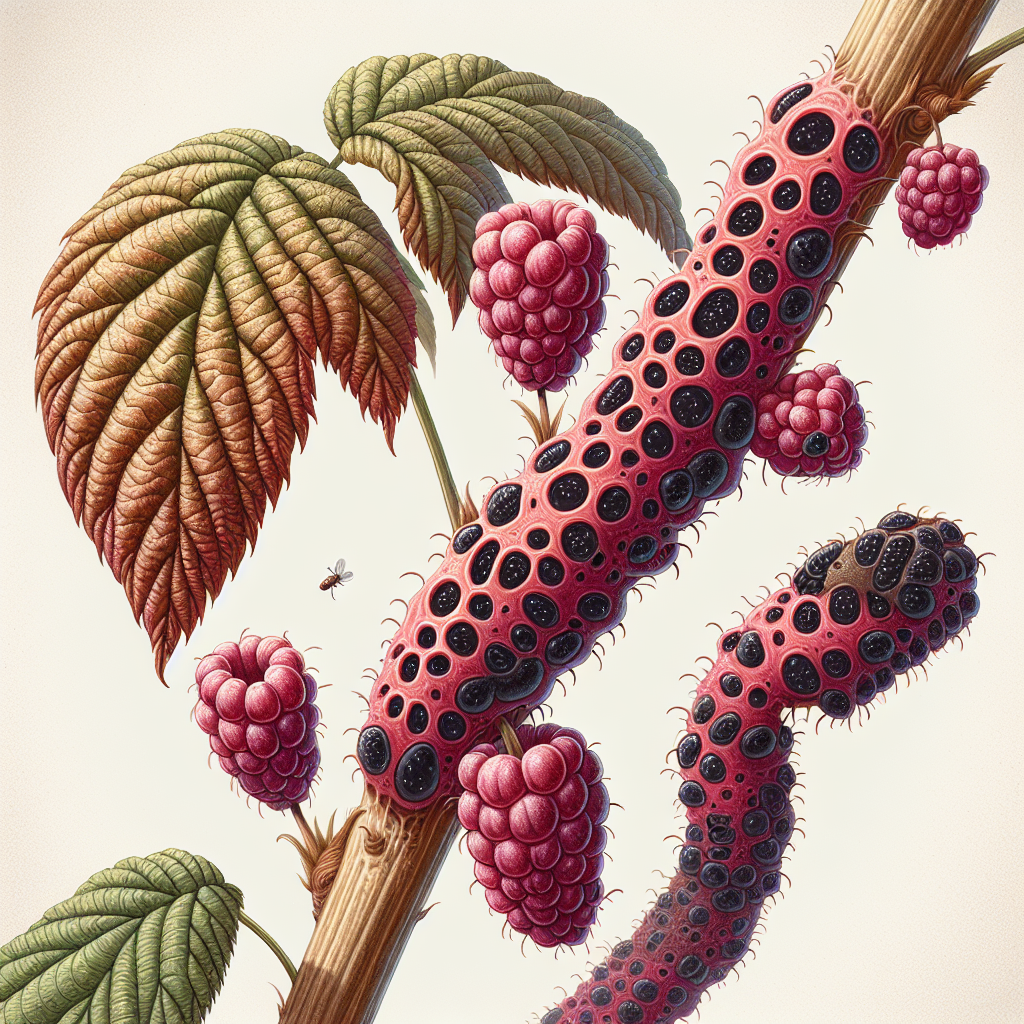
Cane Blight
Cane blight is a fungal disease primarily affecting woody shrubs and brambles like raspberries, blackberries, and roses, causing dark cankers and dieback on canes. It enters through wounds and thrives in moist conditions, leading to significant yield losses if unmanaged. Effective diagnosis, cultural practices, and organic treatments can control its spread and protect crops.
View Profile
Cane dieback
Cane dieback is a fungal disease primarily affecting cane crops like raspberries, blackberries, and [sugarcane](/wiki/sugarcane), causing progressive wilting and death of canes from the tips inward. This comprehensive guide provides professional agricultural strategies for prevention, management, and cultural practices to minimize losses in berry and cane fruit production. Learn step-by-step protocols for diagnosis, organic controls, and resilient growing systems to protect yields.
View Profile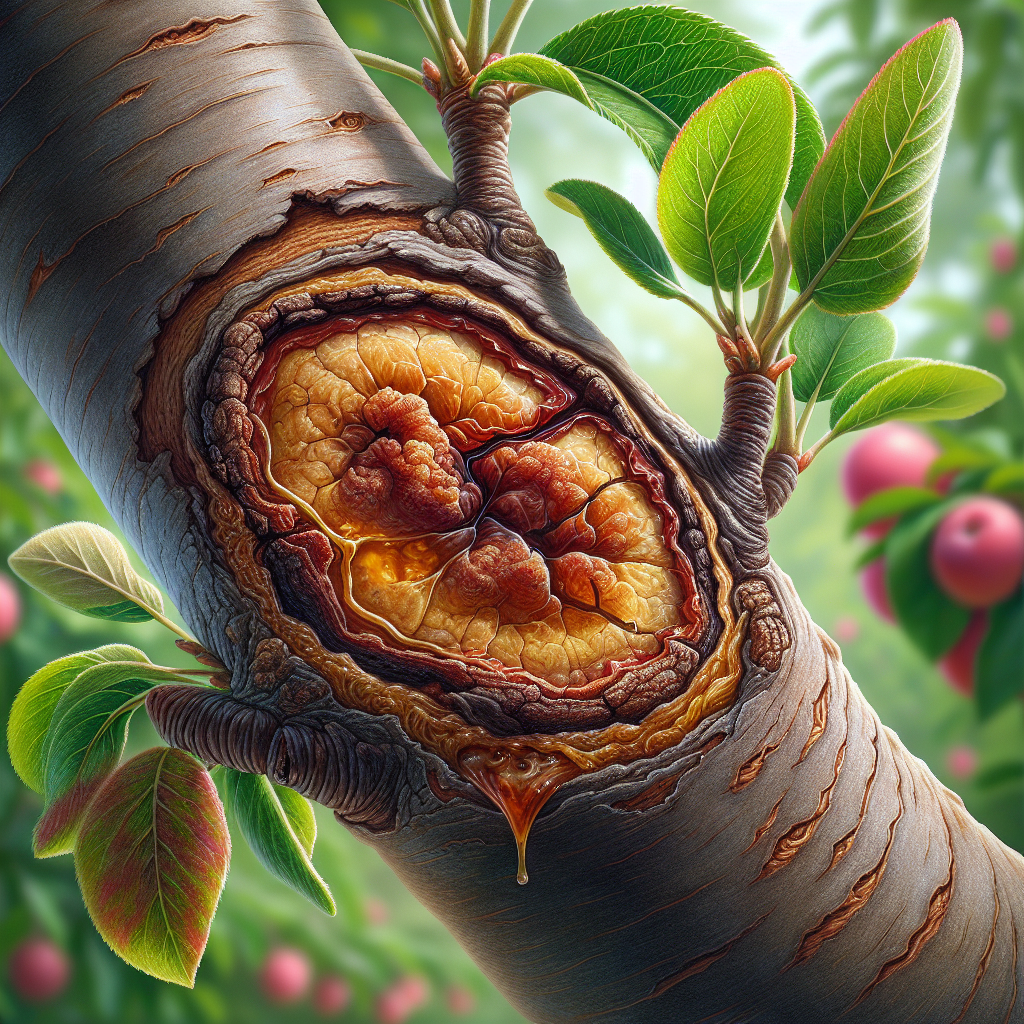
Canker
Canker is a destructive plant disease characterized by sunken, necrotic lesions on stems, branches, and trunks, often caused by fungi, bacteria, or environmental stress. It disrupts vascular tissue, leading to girdling, dieback, and plant death if unmanaged. This guide provides comprehensive diagnostics, organic treatments, and prevention for affected crops.
View Profile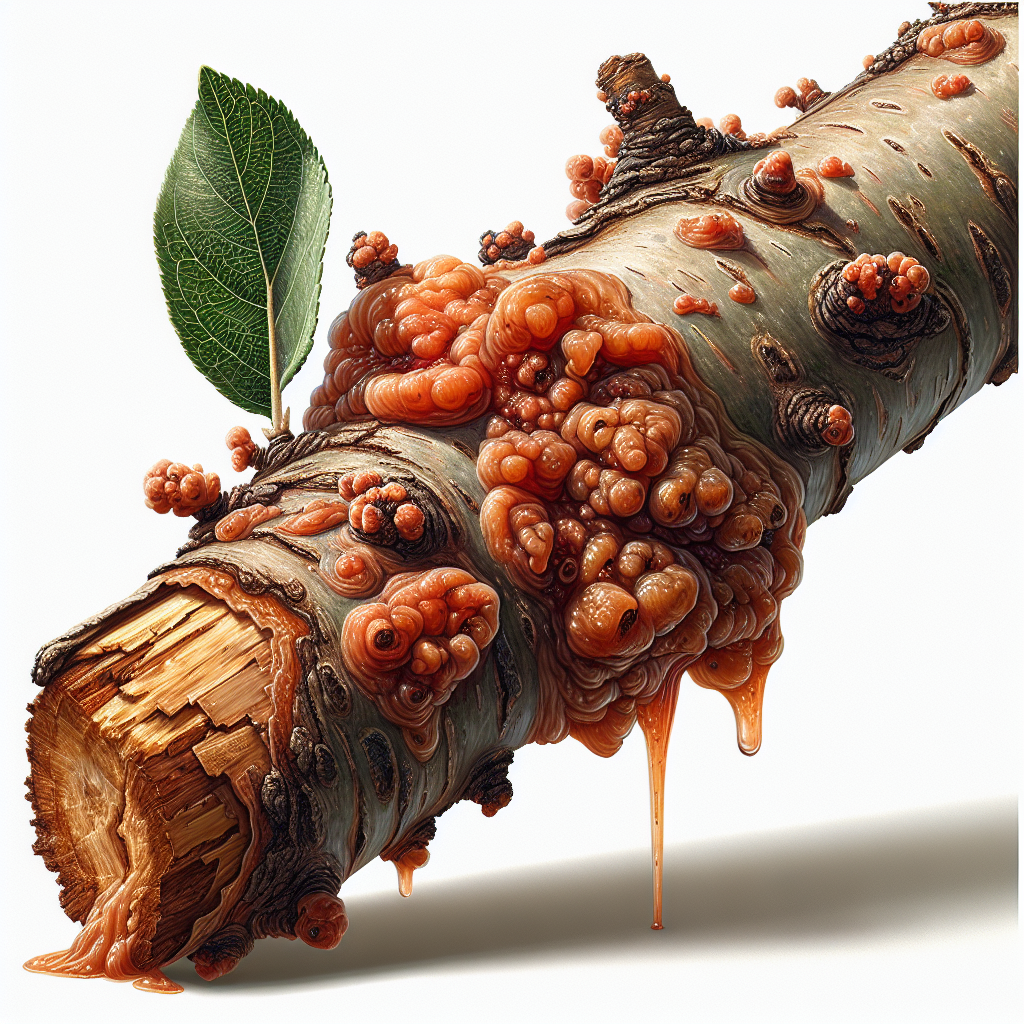
Canker diseases
Canker diseases are destructive plant pathologies caused primarily by fungi and bacteria that create sunken, necrotic lesions on stems, branches, and trunks, disrupting vascular tissue and leading to dieback. Affecting woody plants and some herbaceous crops worldwide, they thrive in wounded tissues under stressful conditions. Effective management relies on prevention, cultural practices, and targeted organic treatments to minimize spread and crop losses.
View Profile
Cardamom mosaic
Cardamom mosaic is a devastating viral disease primarily affecting cardamom plants, caused by the Cardamom mosaic virus (CdMV), leading to mosaic patterns, stunted growth, and significant yield losses. Transmitted mainly by aphids, it poses a major threat to cardamom plantations in tropical regions like India and Guatemala. Effective management relies on early detection, vector control, and certified planting material.
View Profile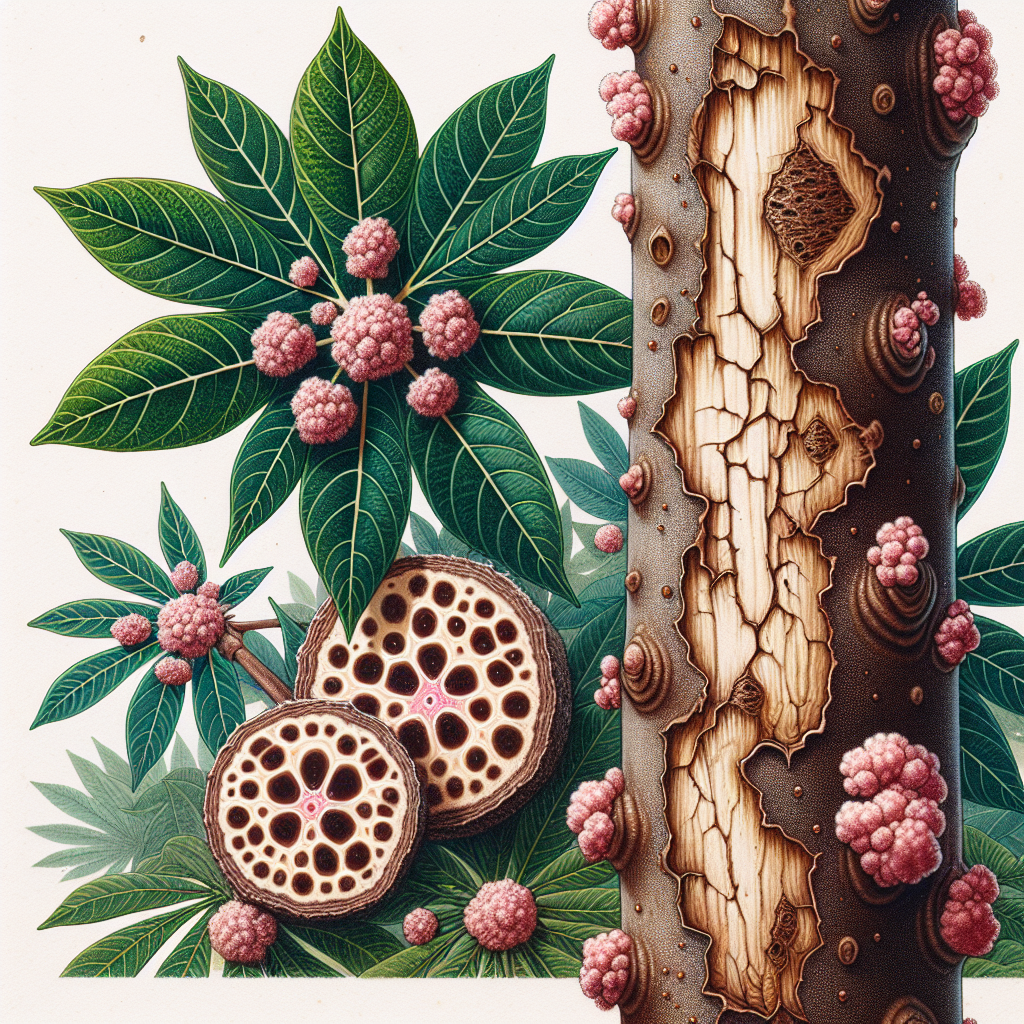
Cassava anthracnose
Cassava anthracnose is a destructive fungal disease caused by Colletotrichum gloeosporioides, leading to significant yield losses in cassava crops worldwide. It manifests as dark lesions on leaves, stems, and tubers, thriving in warm, humid conditions. Effective management relies on resistant varieties, cultural practices, and organic fungicides for sustainable control.
View Profile