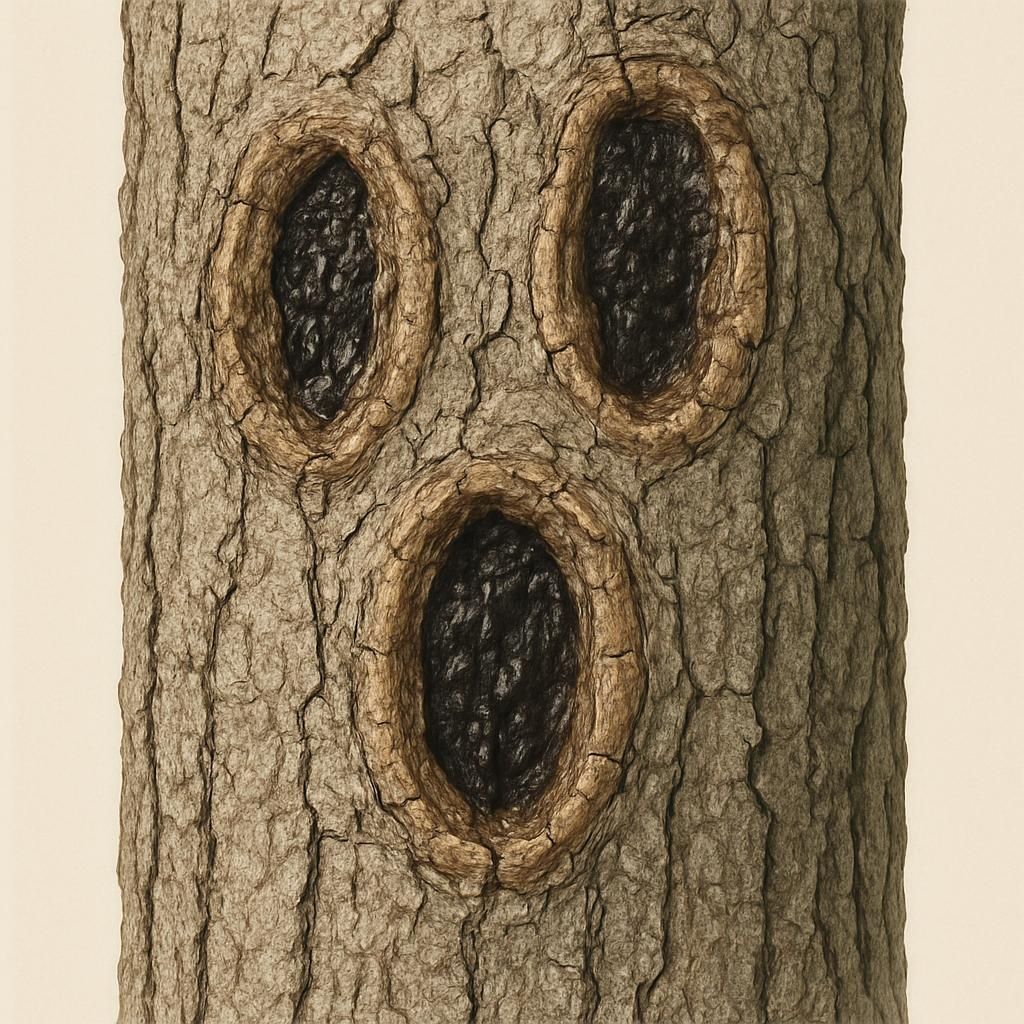
Introduction to Butternut canker
Butternut canker, caused by the fungus Ophiognomonia clavigignenti-juglandacearum, is a devastating disease that has decimated native butternut populations across North America. First identified in the 1960s, the disease has spread rapidly, threatening the survival of this valuable hardwood species. The pathogen enters through wounds or natural openings in the bark, establishing infections that girdle branches and trunks over time. Professional growers and forest managers must recognize early signs and implement integrated strategies to slow progression and protect remaining stands. Understanding the biology of this fungus is essential for effective long-term management in both wild and cultivated settings.
Identifying Symptoms & Damage
Initial symptoms of butternut canker appear as small, sunken, elliptical lesions on the bark of branches and the main trunk. These cankers often exude a dark, inky fluid or sap, particularly during wet periods. As the infection advances, the lesions expand, causing the bark to crack and peel, exposing the underlying wood. Leaves above infected areas may wilt, turn yellow, and drop prematurely, signaling vascular disruption. In advanced stages, multiple cankers coalesce, girdling stems and leading to extensive dieback or complete tree death. Diagnostic confirmation typically involves observing the characteristic black stromata and perithecia within the cankered tissue under magnification.
Lifecycle and Progression of Butternut canker
The lifecycle of Ophiognomonia clavigignenti-juglandacearum involves both asexual and sexual stages, with spores playing a critical role in dissemination. Conidia are produced in sticky masses during wet weather and are spread primarily by rain splash and insects. Ascospores are released from perithecia embedded in older cankers, enabling long-distance wind dispersal. Infections occur through fresh wounds, lenticels, or leaf scars, with the fungus colonizing the cambium and phloem layers. The disease progresses slowly at first but accelerates as multiple infection sites merge.
| Lifecycle Stage | Description | Duration | Key Conditions |
|---|---|---|---|
| Spore Production | Conidia and ascospores form in stromata on cankered bark | Spring through fall | High humidity and temperatures 15-25°C |
| Dispersal | Spores spread by rain, wind, and insect vectors | Year-round, peak in wet seasons | Rainfall events and wind |
| Infection | Spores enter through wounds or natural openings | Immediate upon contact | Fresh wounds or young tissues |
| Colonization | Fungus invades cambium and phloem, forming cankers | Weeks to months | Moderate temperatures and moisture |
| Symptom Development | Lesions expand, girdling occurs, dieback appears | 1-3 years | Repeated infections and stress |
| Tree Mortality | Complete girdling leads to death | 3-10 years post-infection | Cumulative canker load |
Environmental Triggers & Risk Factors
Butternut canker thrives in environments with frequent rainfall, high humidity, and moderate temperatures between 15°C and 25°C. Stressed trees, particularly those affected by drought, poor soil drainage, or mechanical injury, are more susceptible to infection. Wounds from pruning, wildlife, or storms provide primary entry points for the pathogen. Dense plantings or forests with poor air circulation increase spore dispersal efficiency. Soil compaction and nutrient deficiencies further weaken host defenses, accelerating disease progression. Climate change may expand the geographic range of the disease by altering precipitation patterns and extending favorable infection windows.
Organic Control & Treatment Plans
Organic management focuses on cultural practices, sanitation, and biological agents rather than synthetic fungicides. Removing and destroying infected branches and trees reduces inoculum sources. Improving tree vigor through proper mulching, irrigation, and balanced organic fertilization enhances natural resistance. Biological control agents such as Trichoderma species and beneficial bacteria can be applied to wounds to outcompete the pathogen. Pruning should be performed during dry periods with sterilized tools, followed by wound protectants like copper-based compounds approved for organic use.
| Treatment Option | Frequency | Application Method | Notes |
|---|---|---|---|
| Sanitation Pruning | Annually in late winter | Remove infected branches 30 cm below visible canker | Disinfect tools between cuts |
| Mulching & Irrigation | Seasonally | Apply 5-10 cm organic mulch; maintain consistent soil moisture | Avoid trunk contact |
| Wound Protectants | As needed after pruning | Apply approved copper or neem-based sealants | Use on fresh wounds only |
| Biological Inoculants | Spring and fall | Spray Trichoderma or Bacillus formulations on bark | Reapply after heavy rain |
| Resistant Stock Planting | At establishment | Use grafted seedlings from tolerant selections | Source from certified nurseries |
Preventing Butternut canker in the Future
Prevention begins with selecting disease-free planting stock and resistant cultivars when available. Maintain optimal tree spacing to promote airflow and reduce humidity around trunks. Implement rigorous sanitation by promptly removing and burning infected material. Avoid wounding trees unnecessarily and protect trunks from mechanical damage with guards. Monitor orchards and woodlots regularly for early symptoms, especially after storm events. Integrating these practices with ongoing soil health improvements builds long-term resilience against butternut canker and similar pathogens.
Crops Most Affected by Butternut canker
Butternut canker primarily impacts Butternut Squash and related Juglans species, though its effects are most severe on native butternut trees. Secondary hosts may include other walnut species under stress, but the disease does not significantly affect major agricultural crops such as Tomato, Potato, or Corn. Forest and orchard managers should focus monitoring efforts on Juglans stands while maintaining vigilance in mixed plantings.
For more detailed guidance on related fungal diseases, see the Crop Diseases Under the Microscope: 9 Organic Fixes for Small Farm Resilience resource.