Encyclopedia
Definitive guides for crops, pests, and agricultural diseases.

Sigatoka leaf spot
Sigatoka leaf spot is a devastating fungal disease primarily affecting banana plantations worldwide, caused by Mycosphaerella musicola (yellow Sigatoka) and more aggressively by black Sigatoka. It manifests as necrotic leaf spots that reduce photosynthesis, leading to significant yield losses of up to 50% in severe cases. Effective management relies on cultural practices, resistant varieties, and targeted fungicide applications.
View Profile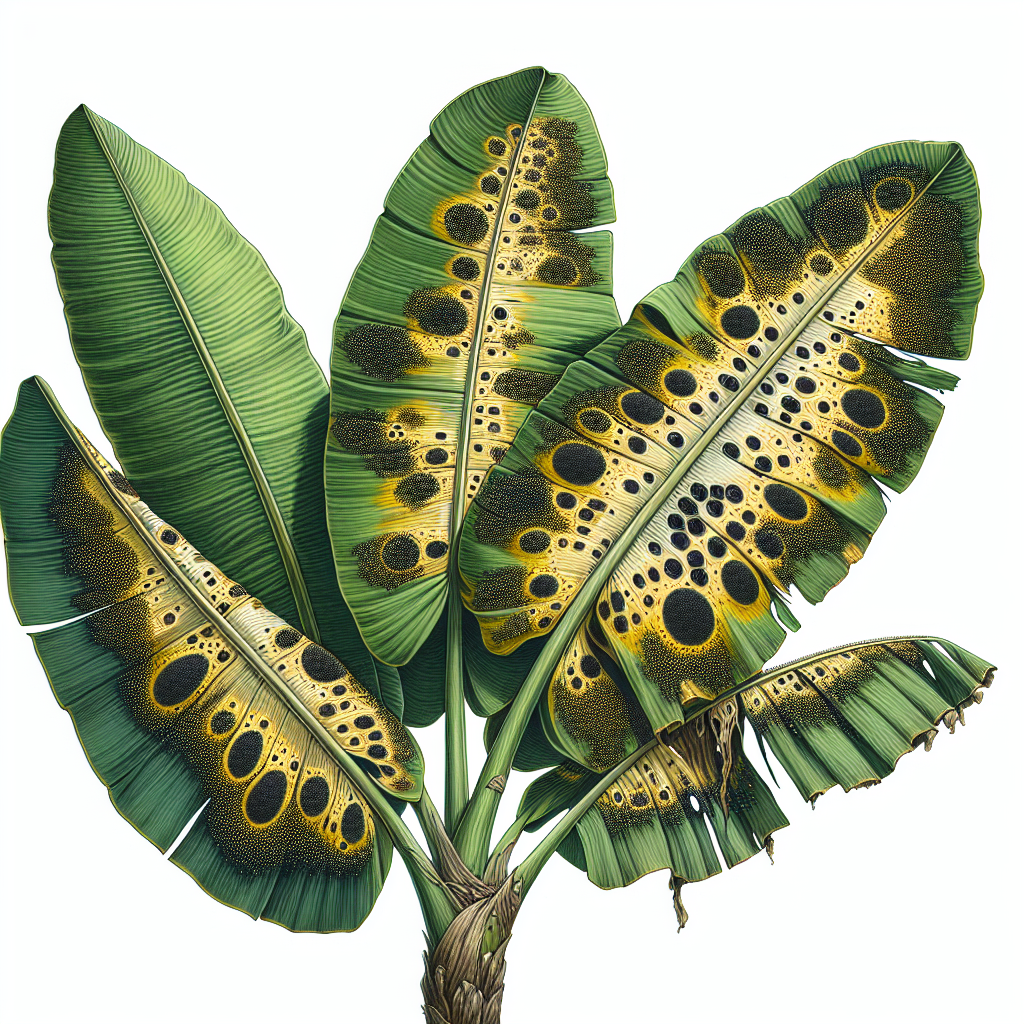
Sigatoka leaf spot diseases
Sigatoka leaf spot diseases, caused by fungal pathogens Mycosphaerella fijiensis and Mycosphaerella musicola, devastate banana plantations worldwide by reducing photosynthetic capacity through leaf necrosis. Known as black and yellow Sigatoka, these diseases spread rapidly in humid tropics, leading to significant yield losses of up to 50% if unmanaged. Effective integrated management combining cultural practices, resistant varieties, and organic fungicides is essential for control.
View Profile
Sigatoka-type leaf spot diseases
Sigatoka-type leaf spot diseases are devastating fungal infections primarily affecting banana and plantain crops, causing necrotic leaf spots that reduce photosynthesis and yield. Known as black Sigatoka and yellow Sigatoka, these pathogens thrive in humid tropical environments, leading to significant economic losses in commercial plantations. Effective management combines cultural practices, resistant varieties, and targeted organic treatments.
View Profile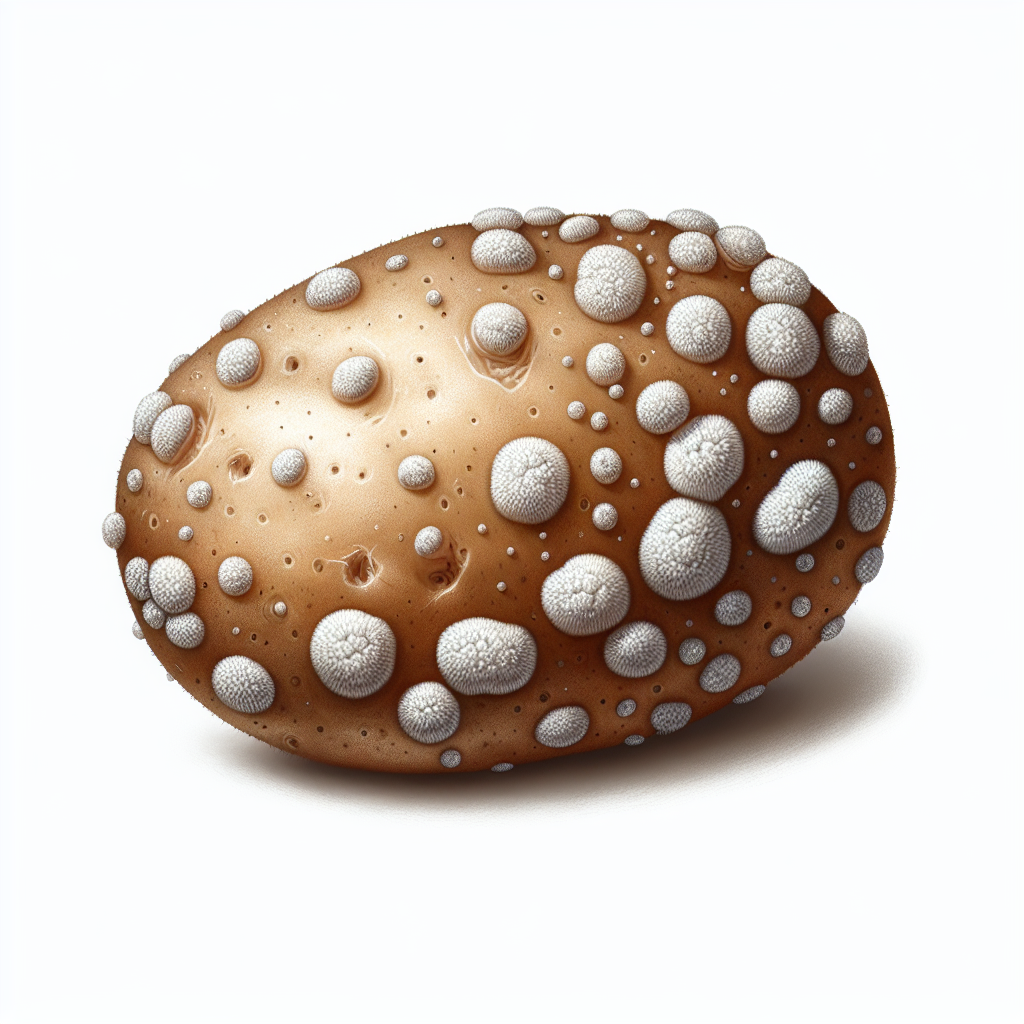
Silver Scurf
Silver scurf is a fungal disease primarily affecting potato tubers, caused by Helminthosporium solani, leading to superficial silver-gray lesions that reduce marketability and promote weight loss in storage. It thrives in cool, moist conditions during harvest and storage, making it a significant concern for potato growers worldwide. Effective management relies on cultural practices, seed tuber treatment, and vigilant post-harvest handling to minimize economic losses.
View Profile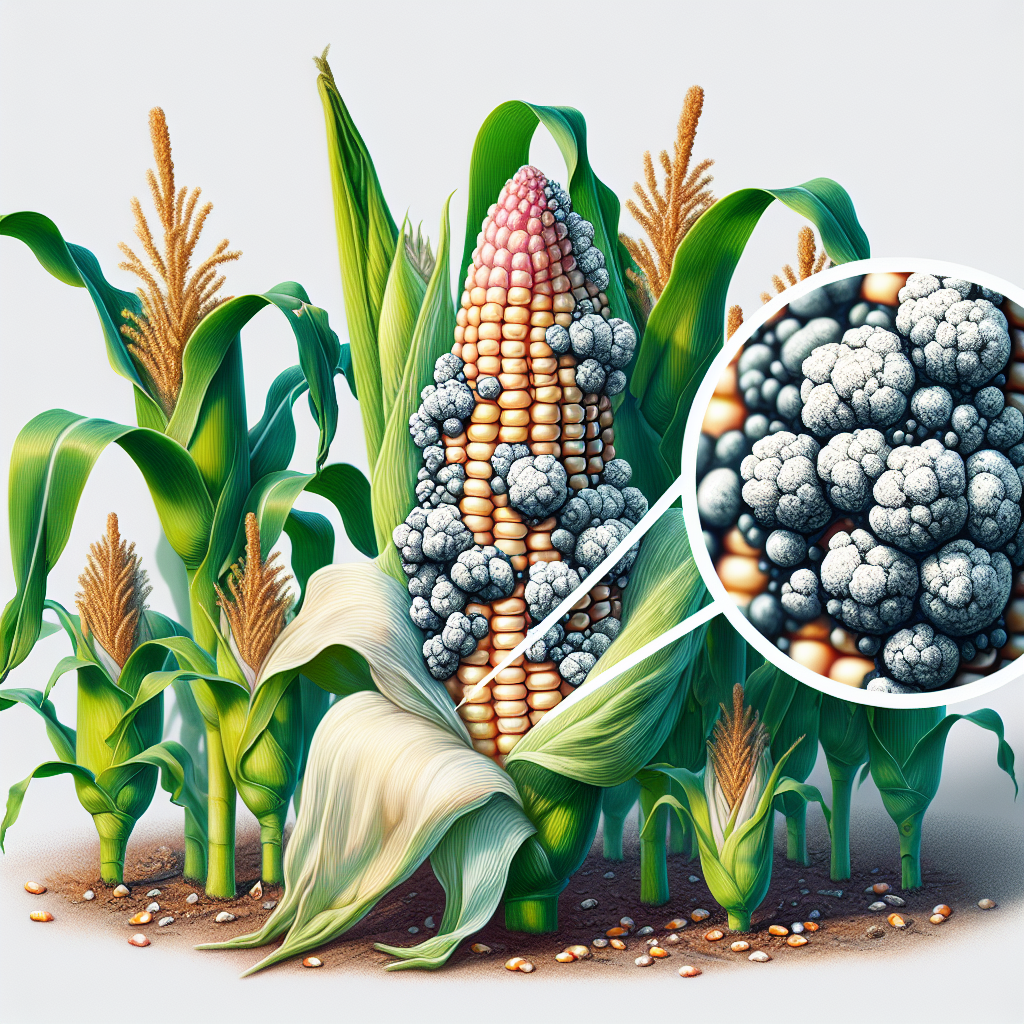
Smut
Smut is a group of fungal diseases affecting cereal crops and grasses, characterized by the production of black, powdery spore masses that replace plant tissues. Common in corn, wheat, rice, and sorghum, it leads to significant yield losses if unmanaged. Effective control relies on resistant varieties, seed treatment, and cultural practices.
View Profile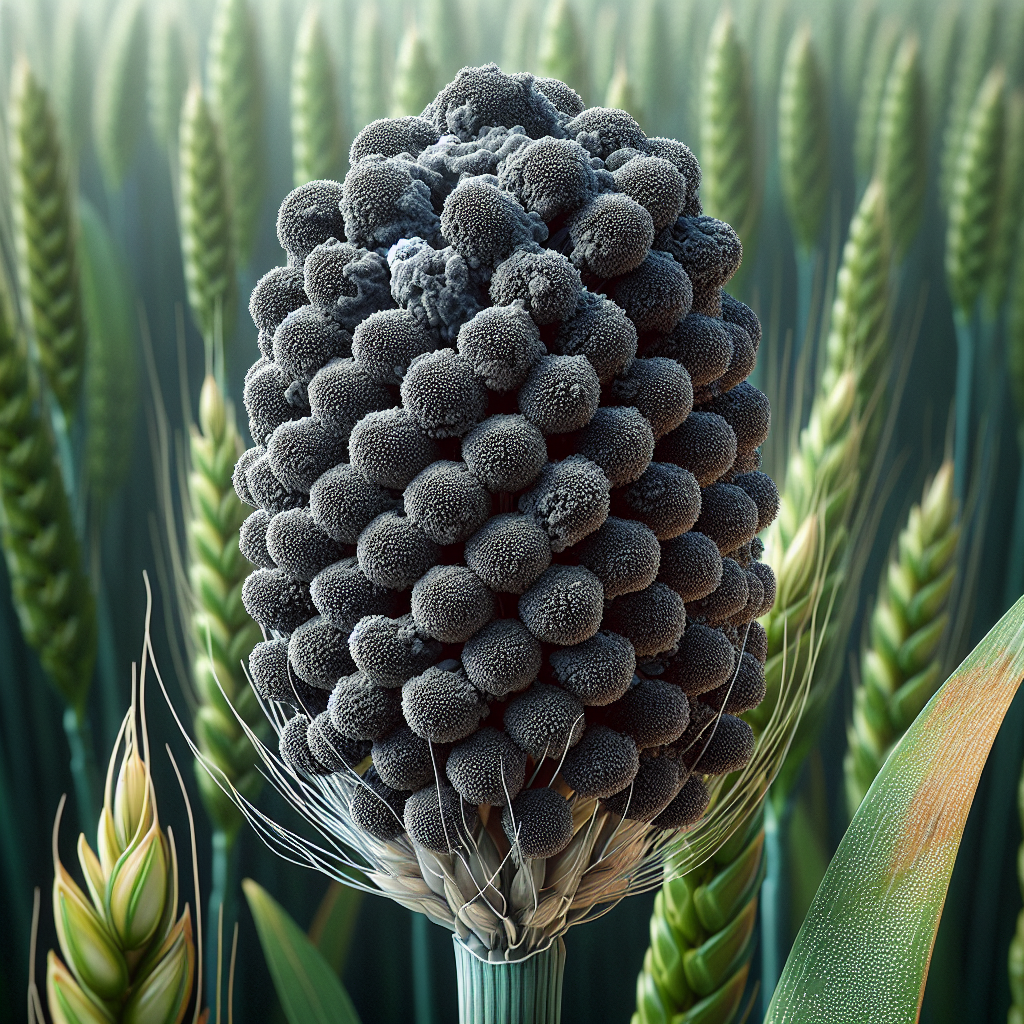
smut-like head infections
Smut-like head infections are fungal diseases primarily affecting cereal crops, causing dark, powdery masses to replace grain heads, leading to significant yield losses. These infections mimic true smuts but can involve multiple Ustilago species or similar pathogens targeting panicles and ears. Early detection and cultural management are key to minimizing damage in affected fields.
View Profile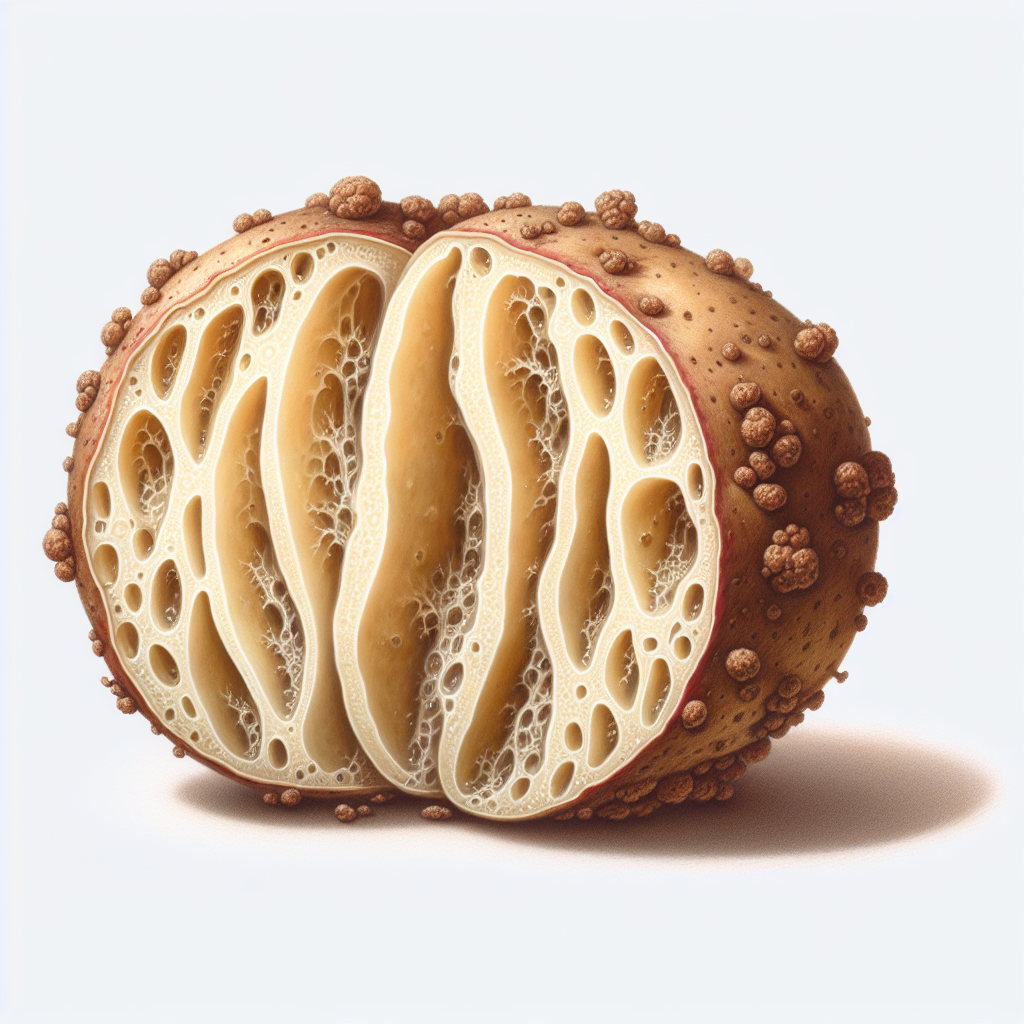
Soft rots
Soft rots are devastating bacterial diseases caused by pectolytic bacteria that liquefy plant tissues, leading to rapid decay of roots, stems, tubers, and fruits. They thrive in warm, wet conditions and spread via contaminated tools, water, and insects. Effective management relies on cultural practices, sanitation, and resistant varieties to prevent widespread crop loss.
View Profile
sooty blotch
Sooty blotch is a superficial fungal disease affecting fruit surfaces, primarily on apples, pears, and other tree fruits, characterized by dark, sooty patches that reduce market value without penetrating the fruit flesh. It thrives in warm, humid conditions and spreads via rain splash and wind. Effective management relies on cultural practices, organic fungicides, and timely pruning to improve airflow.
View Profile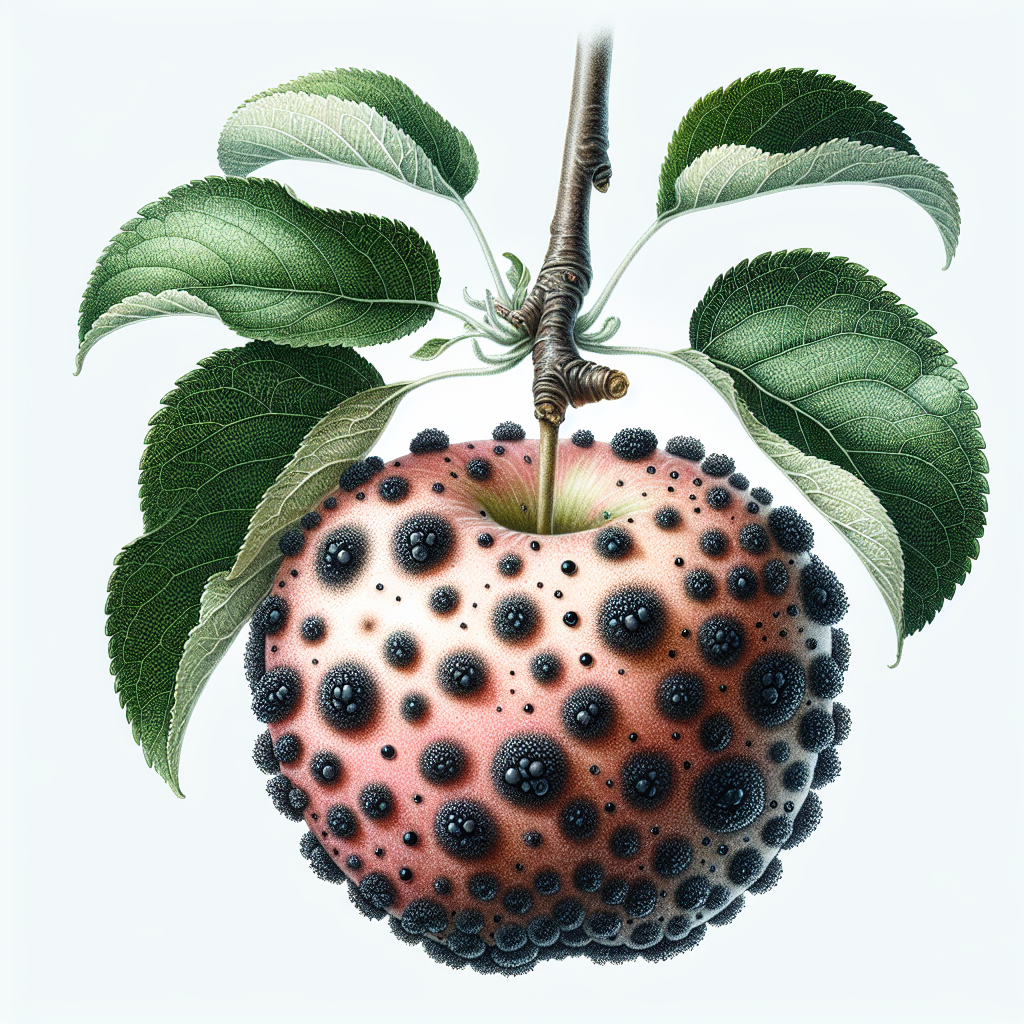
sooty blotch/flyspeck
Sooty blotch and flyspeck are superficial fungal diseases primarily affecting apple and pear fruits, causing dark, sooty patches and tiny black specks that reduce market value without impacting yield. These pathogens thrive in warm, humid conditions and spread via splashing rain and wind. Effective management relies on cultural practices, sanitation, and organic fungicides applied preventively.
View Profile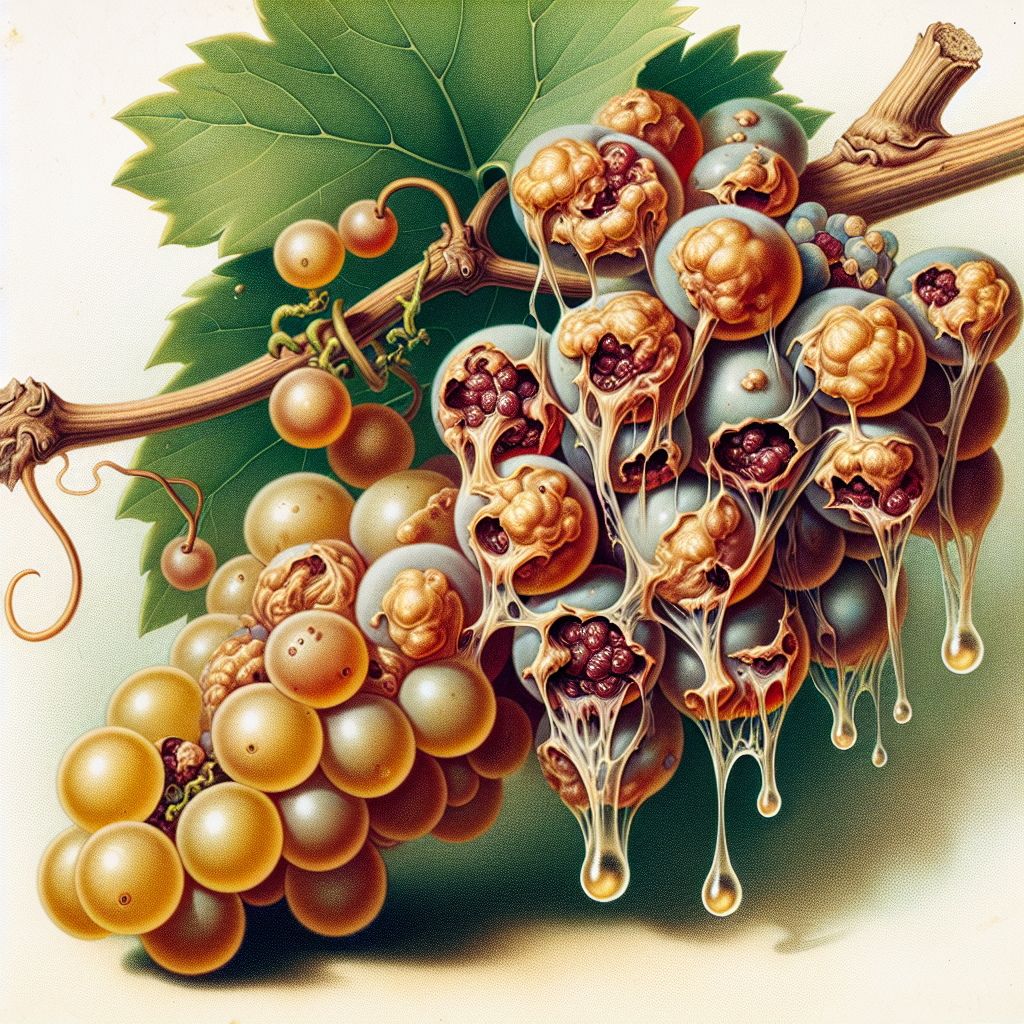
Sour rot
Sour rot is a destructive post-harvest and late-season disease primarily affecting grapes and soft fruits, characterized by fermentation and breakdown of fruit tissue into a vinegar-like mush. It spreads rapidly in warm, humid conditions, often initiated by insect damage from spotted wing drosophila. Effective management relies on cultural practices, sanitation, and targeted organic treatments to minimize losses.
View Profile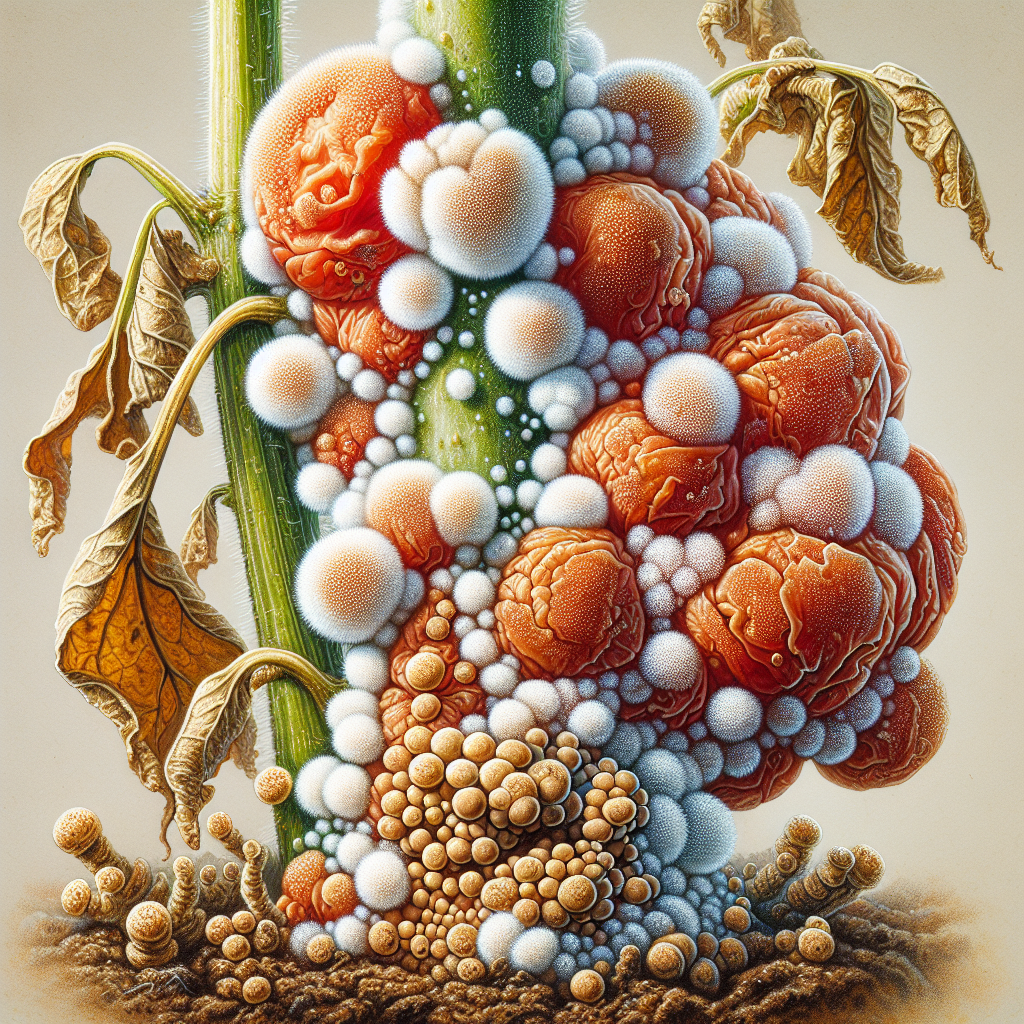
southern blight
Southern blight is a destructive soilborne fungal disease caused by Sclerotium rolfsii, primarily affecting warm-season crops in humid environments through root and stem rot. It spreads via hardy sclerotia and thrives in high-temperature, poorly drained soils, leading to rapid plant wilting and death. Effective management relies on cultural practices, sanitation, and organic amendments to suppress the pathogen.
View Profile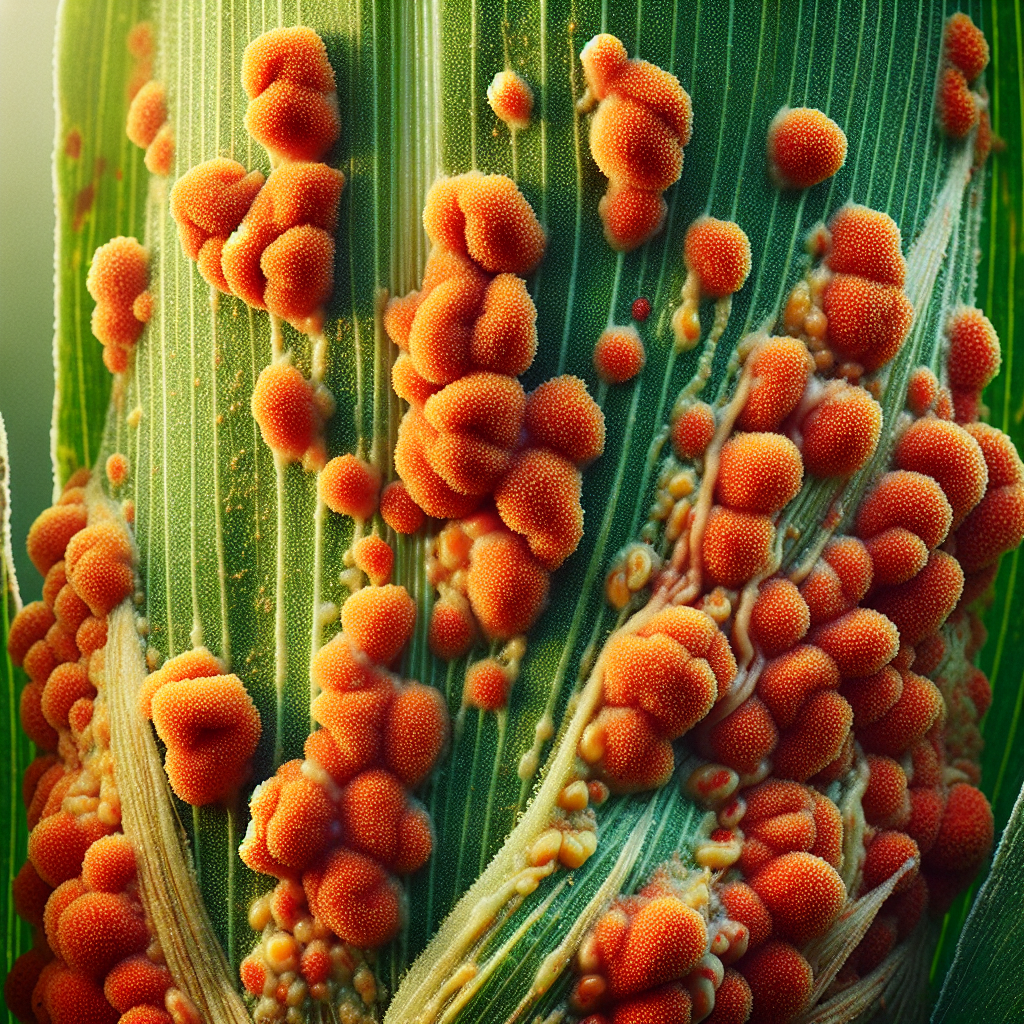
Southern rust
Southern rust is a destructive fungal disease primarily affecting corn, caused by Puccinia polysora, leading to significant yield losses in warm, humid regions. It manifests as distinctive orange pustules on leaves, disrupting photosynthesis and weakening plants. Effective management relies on resistant hybrids, timely fungicide applications, and cultural practices to minimize spread.
View Profile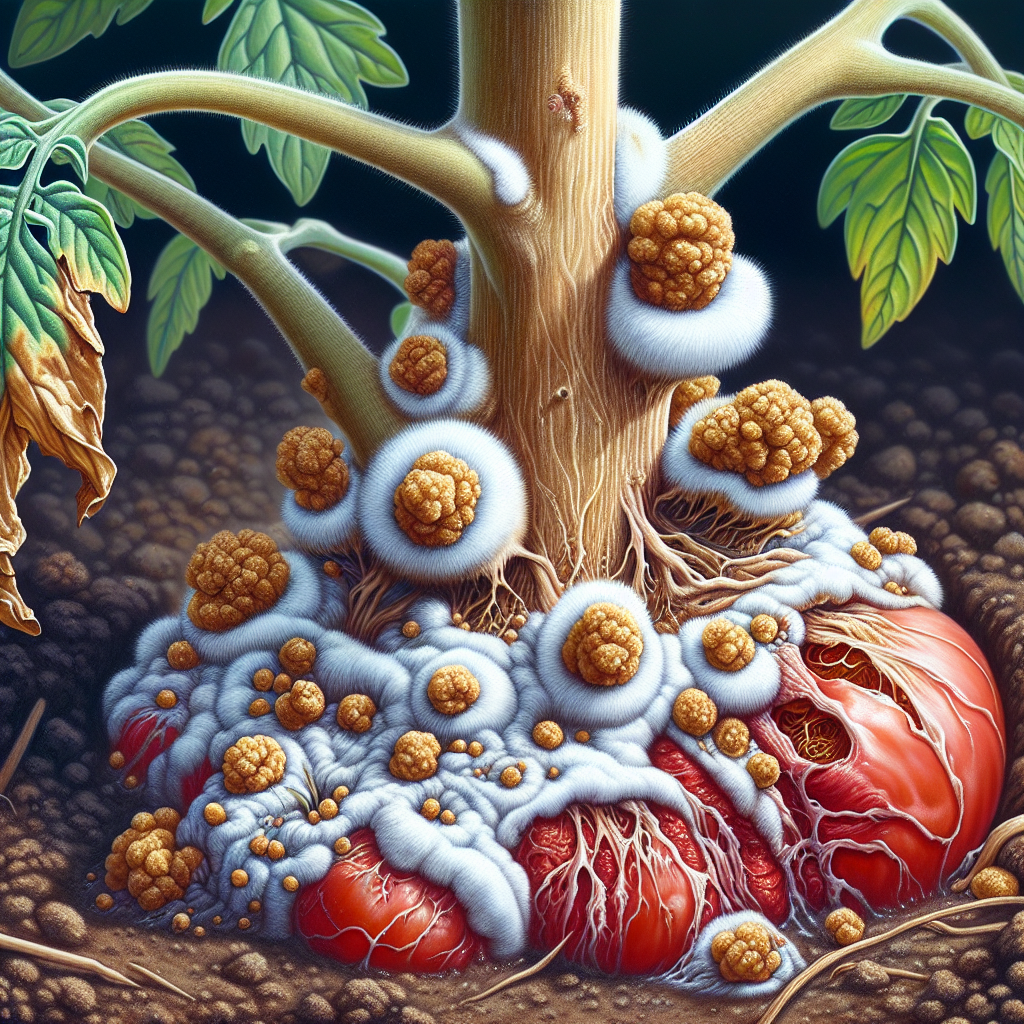
Southern stem rot
Southern stem rot is a destructive soilborne fungal disease caused by Sclerotium rolfsii, primarily affecting warm-season crops in humid environments by rotting stems at the soil line. It spreads rapidly through sclerotia and infected plant debris, leading to sudden wilting and plant death. Effective management relies on cultural practices, sanitation, and organic biocontrols since no cure exists once infection occurs.
View Profile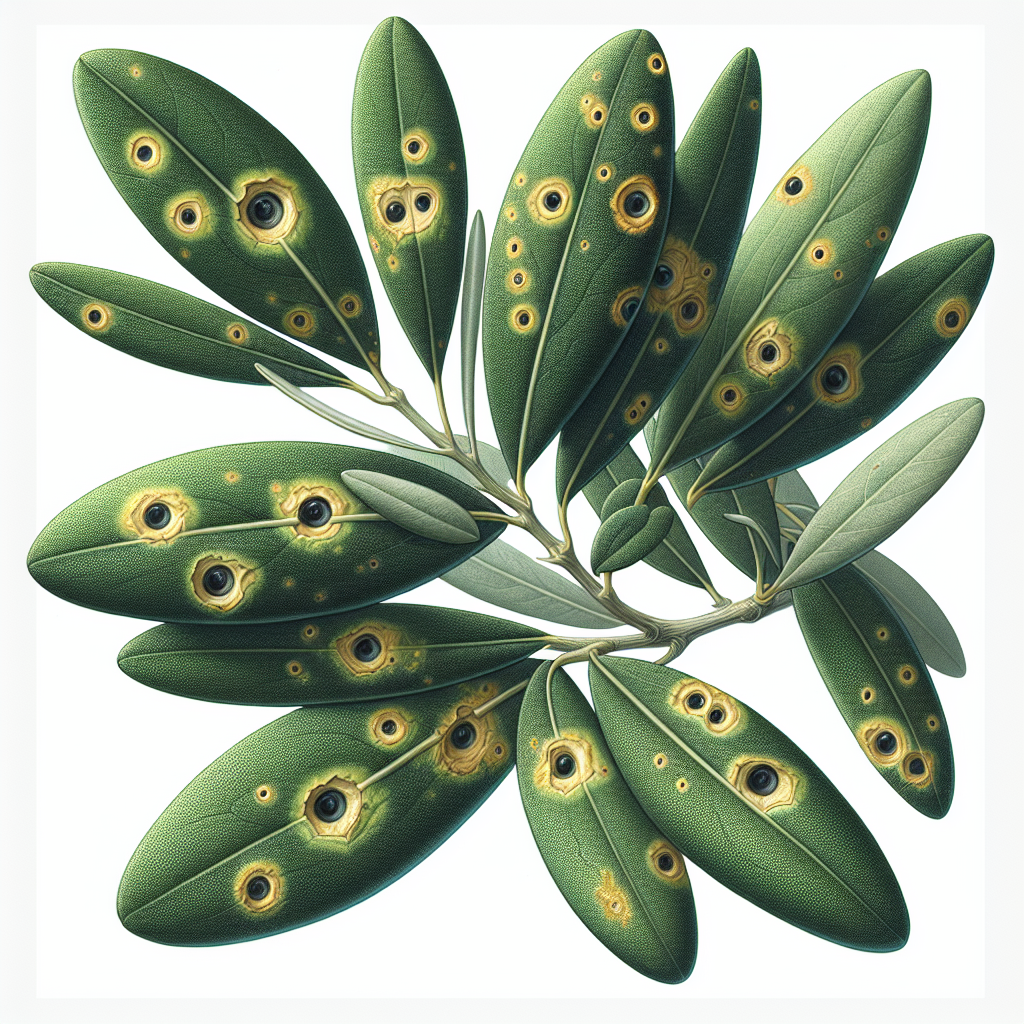
Spilocaea oleagina
Spilocaea oleagina, commonly known as olive leaf spot or peacock spot, is a widespread fungal disease affecting olive trees worldwide. It causes characteristic eye-shaped lesions on leaves, leading to defoliation, reduced photosynthesis, and weakened trees. Effective management relies on cultural practices, resistant varieties, and targeted organic fungicides.
View Profile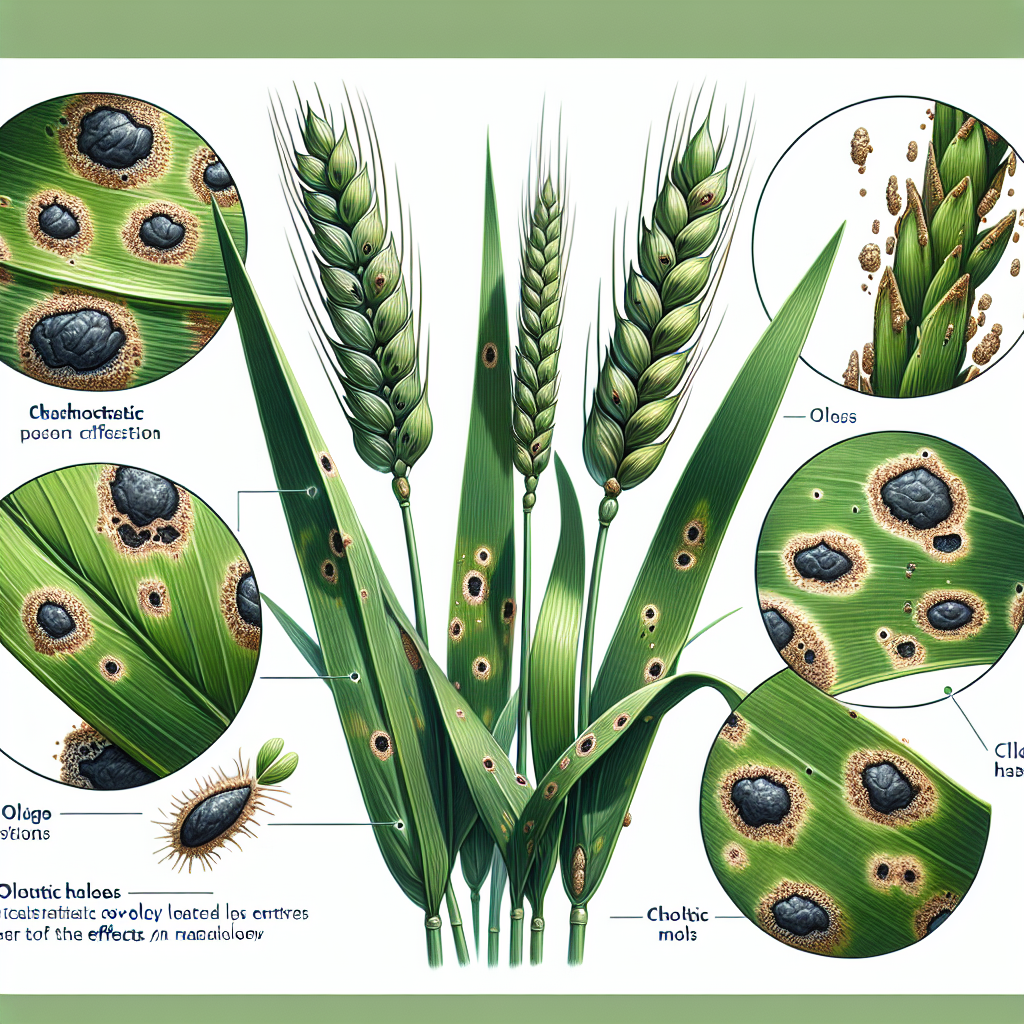
spot blotch
Spot blotch is a destructive foliar disease primarily affecting wheat and barley crops, caused by the fungus Cochliobolus sativus. It manifests as dark brown spots on leaves that merge into blotches, leading to premature senescence and significant yield losses up to 50% in susceptible varieties. Effective management relies on resistant cultivars, cultural practices, and timely fungicide applications.
View Profile
spotted wilt viruses
Spotted wilt viruses, primarily transmitted by thrips, cause devastating symptoms like chlorotic spots, wilting, and necrosis in a wide range of crops, leading to significant yield losses. Effective management relies on thrips control, resistant varieties, and cultural practices rather than curative treatments. This guide provides diagnostic, organic control, and prevention strategies for farmers facing these persistent viral threats.
View Profile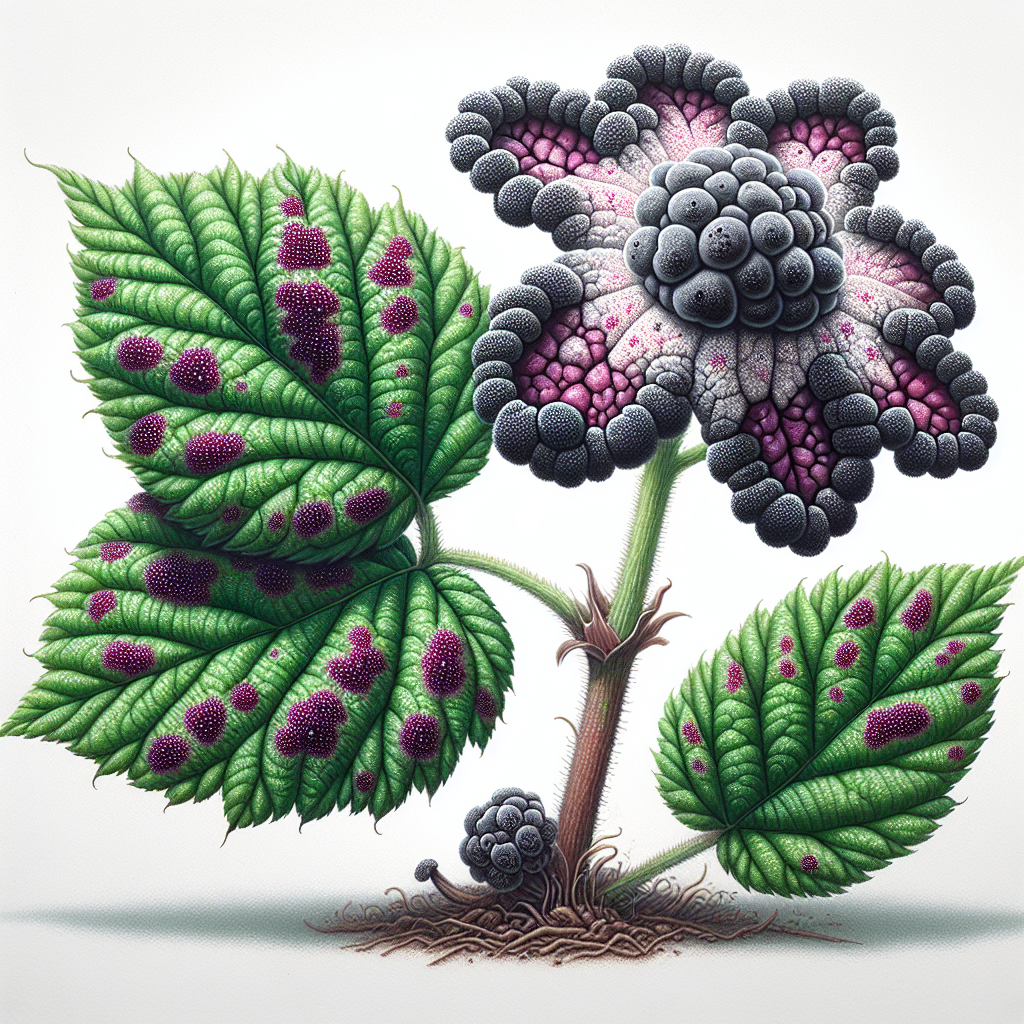
spur blight
Spur blight is a fungal disease primarily affecting Rubus species like raspberries and blackberries, caused by Didymella tremulicola. It targets buds, spurs, and canes, leading to significant yield losses through blighting and dieback. Effective management relies on cultural practices, sanitation, and targeted organic fungicides.
View Profile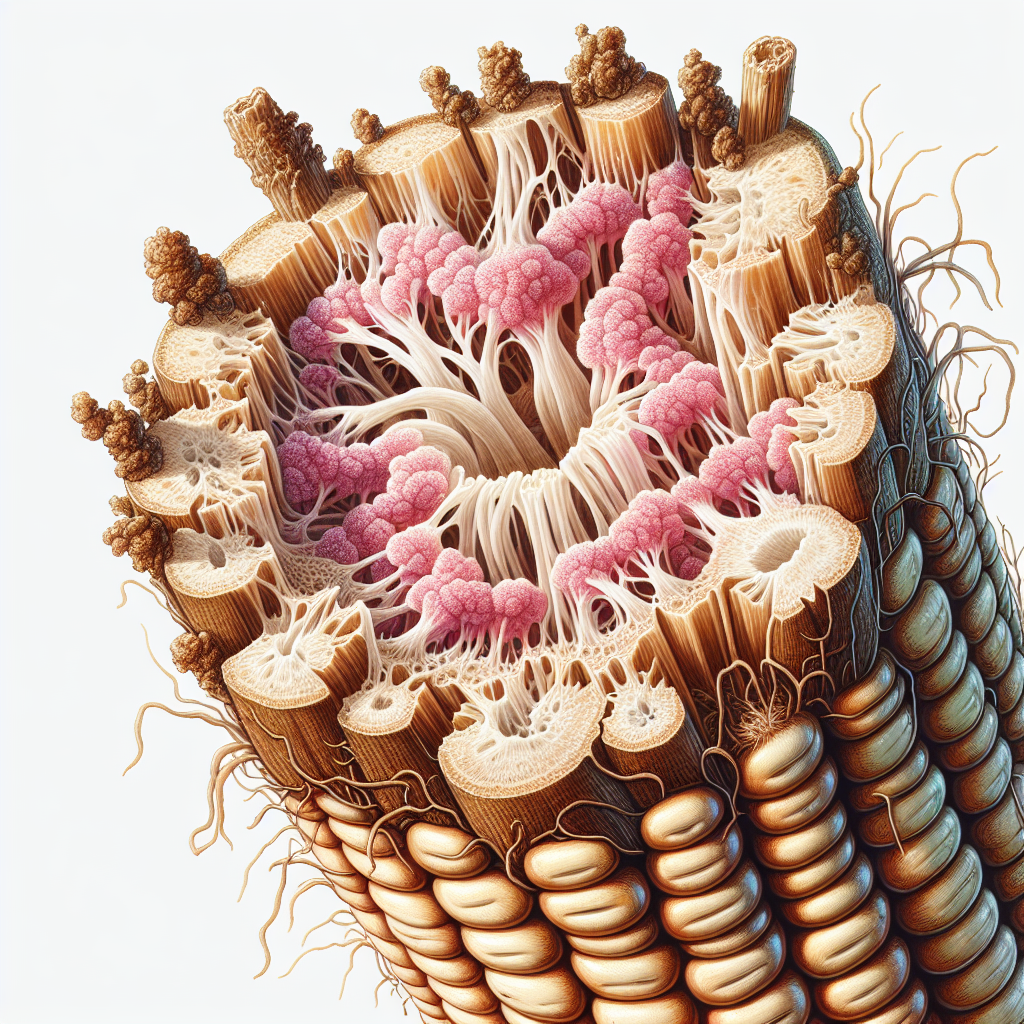
Stalk rots
Stalk rots are devastating fungal diseases affecting the vascular tissues of cereal and row crops, leading to lodging, reduced yields, and poor grain quality. Caused primarily by soilborne pathogens thriving in warm, wet conditions, they compromise plant structural integrity during critical growth stages. Effective management relies on integrated cultural practices, resistant varieties, and timely interventions to minimize losses.
View Profile
Stem and root rots
Stem and root rots are devastating soilborne diseases caused by multiple fungal and oomycete pathogens that attack plant roots and lower stems, leading to wilting, yellowing, and plant death. They thrive in poorly drained, waterlogged soils and are particularly destructive in warm, humid conditions. Effective management relies on cultural practices, resistant varieties, and organic biocontrols to prevent widespread crop losses.
View Profile
Stem base rots
Stem base rots are devastating soil-borne fungal and oomycete diseases that attack the lower stems and crowns of plants, leading to rapid wilting, lodging, and crop failure. Commonly triggered by excessive moisture and poor drainage, they affect a wide range of field and horticultural crops. Effective management relies on cultural practices, resistant varieties, and organic biocontrols to minimize losses.
View Profile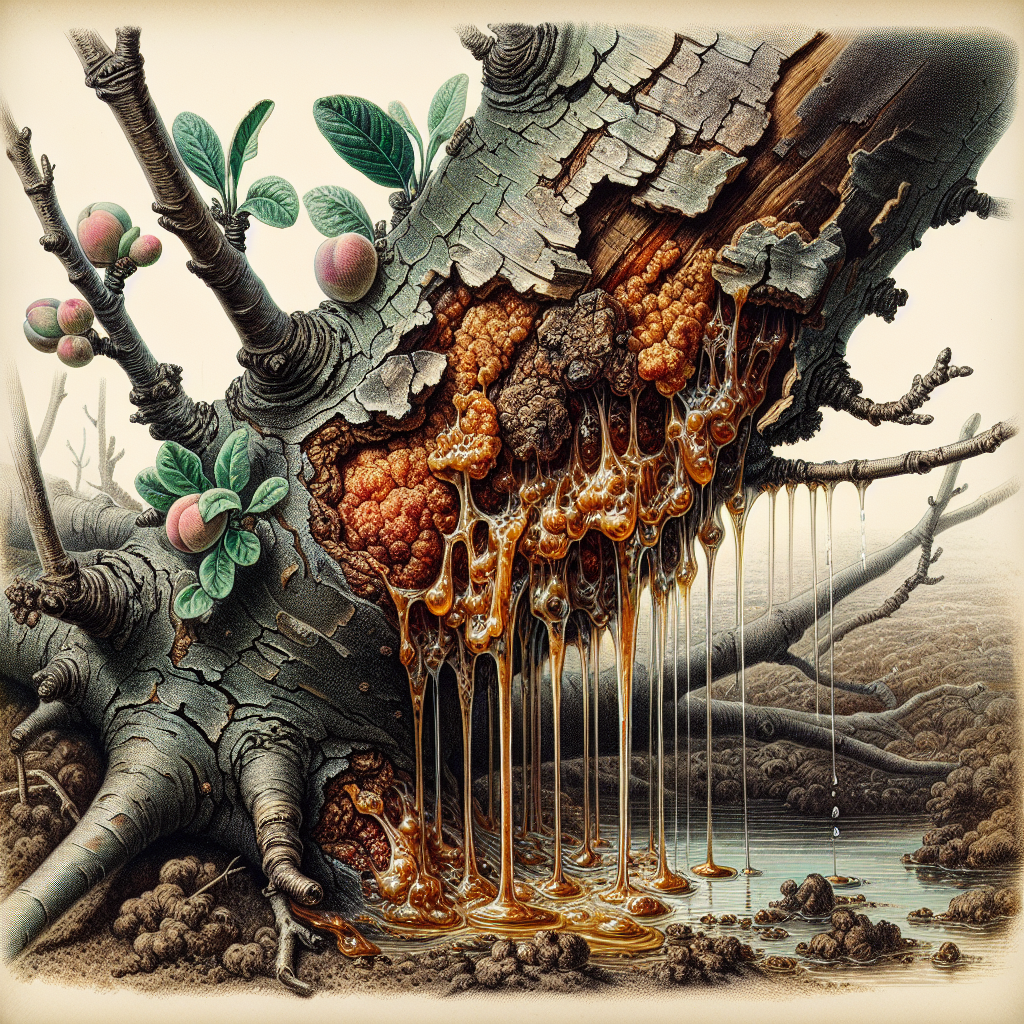
Stem bleeding
Stem bleeding, also known as gummosis, is a destructive disease primarily affecting stone fruit trees and tropical crops, characterized by oozing sap or gum from stem lesions. Caused mainly by Phytophthora fungi, it thrives in wet conditions and leads to girdling, dieback, and plant death if unmanaged. This guide provides diagnostic, organic management, and prevention strategies for affected crops.
View Profile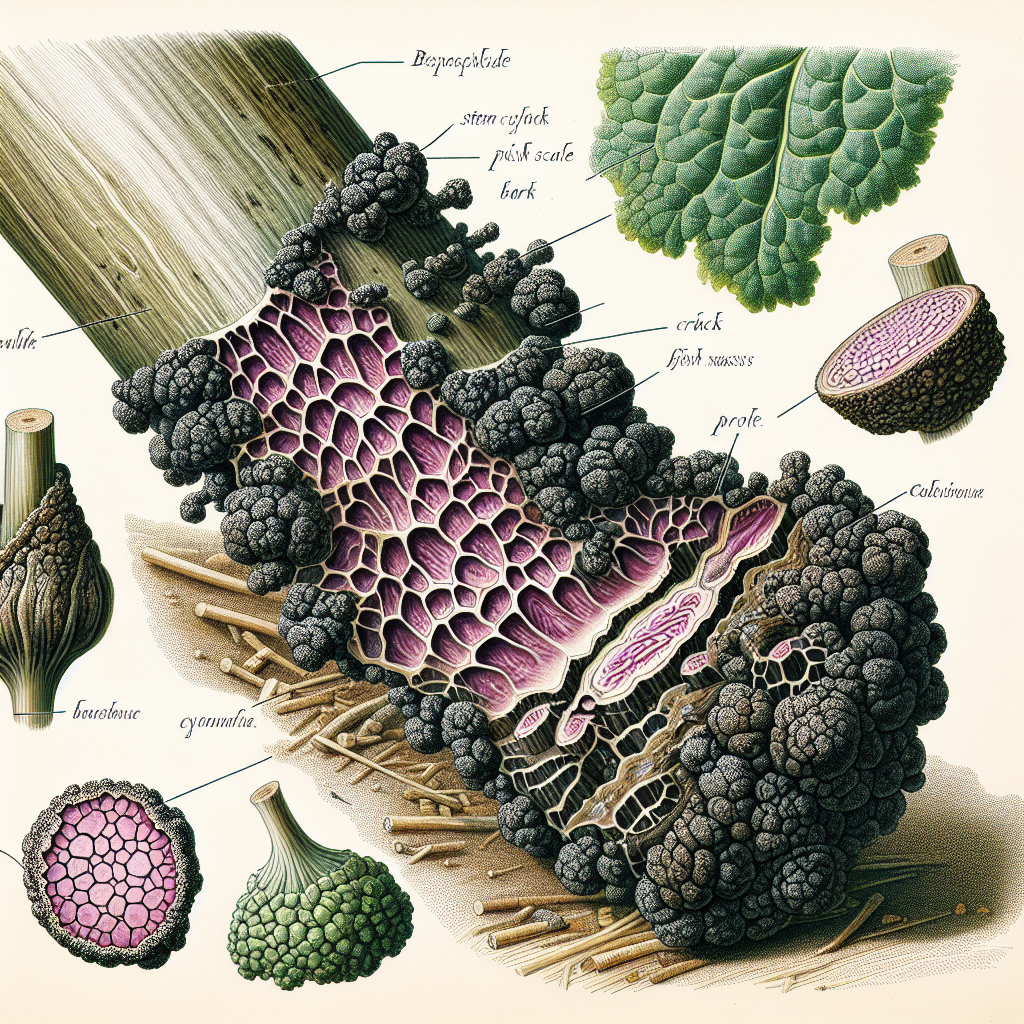
Stem canker
Stem canker is a devastating fungal disease primarily affecting cruciferous crops like cabbage and broccoli, causing sunken lesions on stems that girdle and kill plants. Early detection through characteristic dark cankers and wilting is crucial for management. Organic control relies on crop rotation, resistant varieties, and sanitation, while prevention focuses on reducing moisture and improving airflow.
View Profile
Stem Rot
Stem rot is a devastating fungal disease affecting a wide range of crops, causing wilting, discoloration, and collapse of plant stems due to tissue decay. Primarily triggered by soilborne pathogens thriving in wet conditions, it leads to significant yield losses in vegetables, legumes, and ornamentals. Effective management relies on cultural practices, resistant varieties, and organic fungicides to prevent outbreaks.
View Profile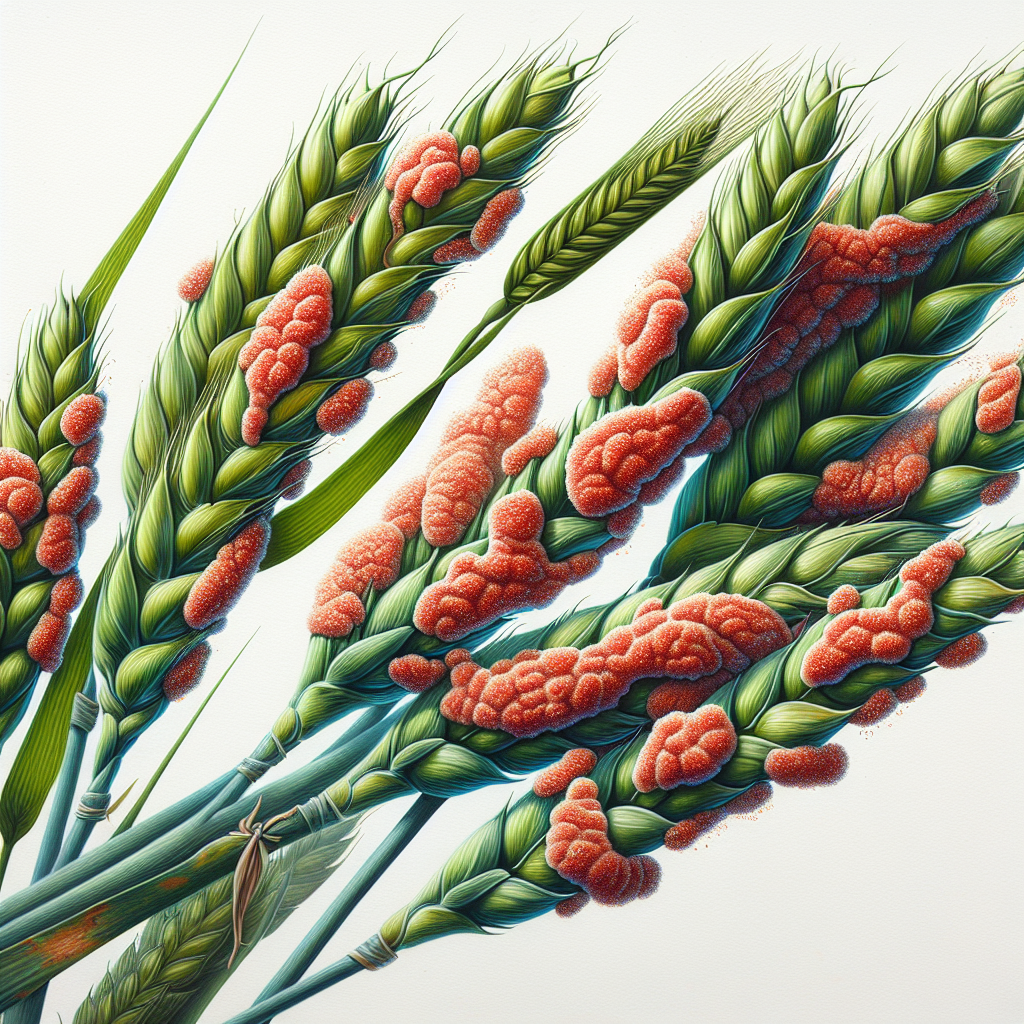
Stem Rust
Stem rust is a devastating fungal disease primarily affecting cereal crops like wheat, barley, and oats, caused by Puccinia graminis. It manifests as reddish-brown pustules on stems, leaves, and heads, leading to severe yield losses if unmanaged. Effective management relies on resistant varieties, timely fungicide applications, and cultural practices to disrupt the pathogen's lifecycle.
View Profile