Introduction to Soft rots
Soft rots represent one of the most destructive groups of bacterial diseases affecting agricultural crops worldwide, particularly in warm, humid environments. Caused primarily by pectolytic bacteria such as Pectobacterium carotovorum, Dickeya dadantii, and Erwinia species, these pathogens produce enzymes that break down pectin in plant cell walls, resulting in a mushy, water-soaked decay. Unlike fungal rots, soft rots progress rapidly, often collapsing entire plants or storage organs within days, leading to significant yield losses estimated at 10-50% in susceptible crops under favorable conditions.
These bacteria are ubiquitous in soil, water, and plant debris, entering through wounds or natural openings. They are especially problematic in vegetable production, where high moisture from irrigation or rain exacerbates spread. Farmers often confuse soft rots with root rots or Phytophthora infections, but the distinctive foul odor and slimy texture set them apart. Early detection and integrated management are crucial, as chemical controls are limited due to the bacteria's resistance and the disease's rapid progression. This guide provides professional-grade diagnostic criteria, lifecycle insights, and organic strategies to safeguard your fields. For small farms struggling with disease identification, tools like AI-powered plant diagnosis can pinpoint issues early—check out Why Misidentifying Plants Costs Small Farms Thousands - And How AI Camera Diagnosis Fixes It Fast.
Understanding soft rots empowers growers to implement preventive measures, minimizing post-harvest losses that can reach 30% in stored produce like potatoes and carrots. This comprehensive resource draws from entomological, botanical, and agronomic expertise to deliver actionable advice.
Identifying Symptoms & Damage
Diagnosing soft rots requires keen observation of characteristic symptoms that distinguish them from other decays. Initial signs appear as water-soaked, pale lesions on leaves, stems, roots, or fruits, often following injury from insects, mechanical damage, or frost. Within 24-48 hours, affected tissues turn soft, mushy, and translucent, exuding a viscous, slimy liquid that darkens to gray, brown, or black as bacteria multiply.
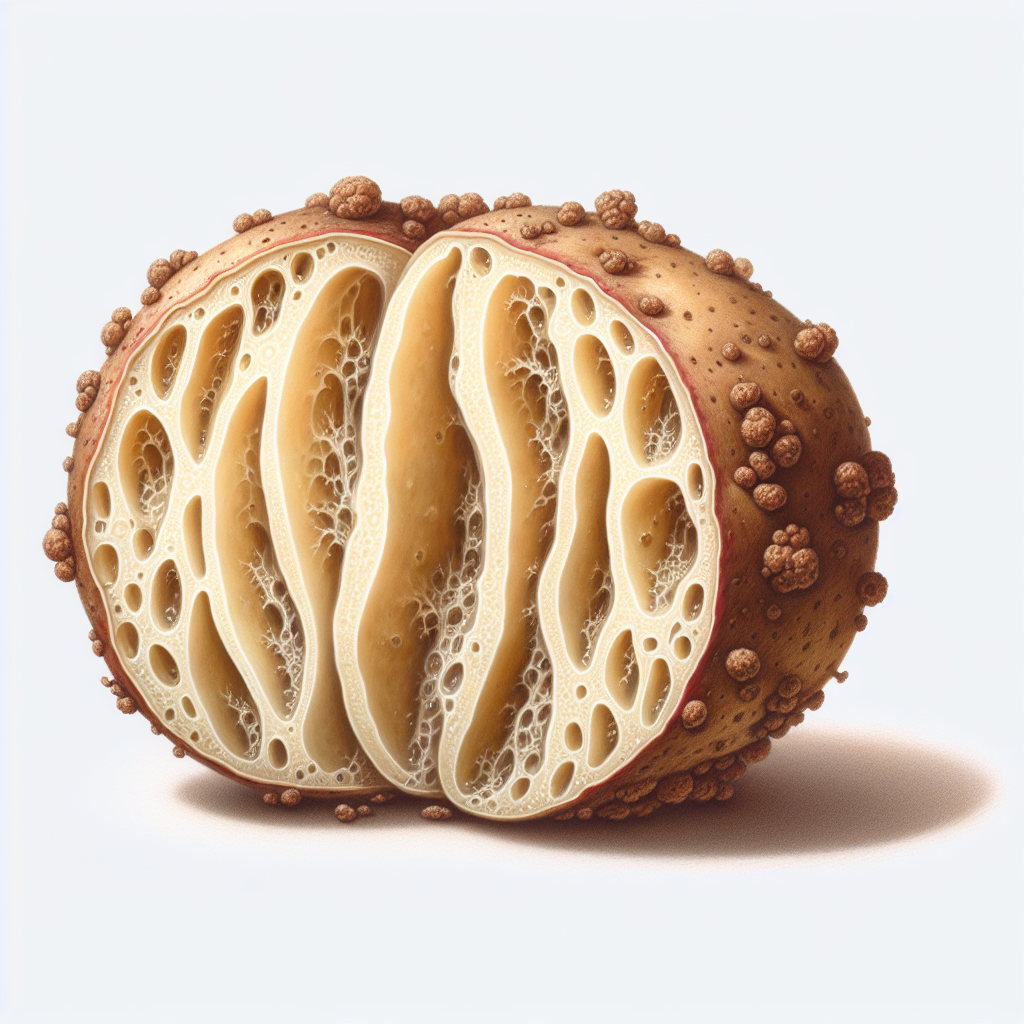
A hallmark is the foul, rotten odor resembling fermented vegetables, caused by secondary invaders. In tubers like potato, cavities form with slippery walls; in fruits such as tomato or cucumber, the entire organ collapses into a soupy mass. Stem infections lead to wilting, lodging, and internal hollowing, while root rots produce blackened, disintegrating tissues. Unlike dry rots, soft rots lack mycelium or spore structures, confirming bacterial etiology via lab tests showing gram-negative rods and pectinase activity.
Damage extends beyond the field: in storage, soft rots spread contagiously, fermenting adjacent produce and causing total bin losses. Yield impacts are severe—up to 100% in advanced outbreaks—disproportionately affecting organic systems without synthetic bactericides. Scout regularly during wet periods, slicing suspect tissues to check for oozing sap. Differentiate from Fusarium (dry, pinkish) or Rhizoctonia (firm, brown) by the softness and odor. Early intervention halts spread, preserving harvestable portions.
Lifecycle and Progression of Soft rots
Soft rot bacteria are soilborne opportunists with complex lifecycles tied to plant susceptibility and environment. They survive epiphytically on debris, weeds, or as dormant cells in soil for years, activating via wounds or high moisture. Infection begins when bacteria enter through stomata, lenticels, or cuts, multiplying in the intercellular spaces and secreting pectinases, cellulases, and proteases that dissolve middle lamella.
Progression is temperature-dependent: optimal at 24-30°C (75-86°F), with Dickeya thriving above 30°C unlike cooler-adapted Pectobacterium. From entry, symptoms emerge in 12-24 hours, expanding radially as enzymes create cavities filled with bacterial ooze. Under anaerobic conditions (e.g., flooded soils), fermentation produces gases, causing tissue separation. Bacteria disseminate via rain splash, irrigation, tools, insects like flies (not listed, avoid), or machinery.
In storage, low oxygen and high humidity favor explosive epidemics. Lifecycle completes without a true host alternation, but crop residues perpetuate inoculum. Disease cycles accelerate in monocultures, with peaks post-harvest or during transit. Understanding this enables timed interventions, such as drying foliage before rain.
Environmental Triggers & Risk Factors
Soft rots flourish under specific conditions mimicking their native wetland habitats. High humidity (>90% RH) and temperatures of 25-35°C are primary triggers, with free water on surfaces enabling bacterial motility via flagella. Poor drainage, over-irrigation, and compacted soils create anaerobic pockets ideal for pathogenesis.
Wounds from cultivation, hail, or pests like slugs provide entry points, while dense planting reduces airflow, trapping moisture. Nutrient imbalances, especially excess nitrogen promoting succulent growth, heighten susceptibility. Contaminated seeds, tools, or water sources (e.g., rivers with debris) introduce inoculum. Warm rains following dry spells trigger outbreaks, as cracked soils expose roots.
Risk factors include continuous cropping without rotation, ignoring sanitation, and storing wet produce. Tropical/subtropical regions see chronic issues, but climate change expands ranges northward. Monitor weather forecasts—prolonged leaf wetness (>12 hours) signals danger. Mitigate by elevating beds and timing irrigation for mornings.
Organic Control & Treatment Plans
Organic management emphasizes exclusion, sanitation, and biologicals, as antibiotics are restricted. Remove and destroy infected plants immediately, avoiding composting to prevent survival. Disinfect tools with 10% bleach or alcohol between uses. Apply biocontrols like Pseudomonas fluorescens or Bacillus subtilis strains (e.g., Serenade) as foliar/root drenches, which compete and produce antibiotics.
Copper-based products (e.g., Bordeaux mixture) offer limited suppression pre-symptom, but rotate to avoid resistance. Introduce beneficial microbes via compost teas rich in Trichoderma. For storage, cure produce at 15-20°C with good ventilation, applying chitosan coatings to wounds. Companion planting with garlic or thyme repels vectors.
Integrated plans: 1) Scout weekly; 2) Apply biocontrols preventively in high-risk periods; 3) Use row covers to block rain splash; 4) Solarize soil pre-planting to reduce inoculum. In severe cases, rogue 20-30% of field to create buffers. Track efficacy with yield maps. Success rates exceed 70% with diligence, outperforming reactives.
Preventing Soft rots in the Future
Prevention is paramount, focusing on cultural resilience. Select resistant varieties like 'Defender' potato or 'Marketmore' cucumber. Rotate with non-hosts (e.g., grains) for 2-3 years, breaking soil inoculum cycles. Improve drainage with raised beds and organic matter to enhance aeration.
Avoid overhead irrigation; use drip systems and mulch to minimize foliage wetting. Time planting to evade peak wet seasons. Sanitize greenhouses, treating water with UV or chlorine dioxide. Harvest during dry spells, handling gently to prevent wounds. Post-harvest, store at 4-10°C with 85-90% RH, ventilating regularly.
Build soil biology with cover crops like clover, fostering antagonists. Monitor with traps for early vectors. Long-term, breed for pectin-rich barriers. These strategies reduce incidence by 80-90%, ensuring sustainable yields.
Crops Most Affected by Soft rots
Soft rots strike a wide array of crops, favoring those with dense, moist tissues. Vegetables top the list: potato tubers rot in storage; carrot roots liquefy; onion and garlic bulbs collapse. Tomato, cabbage, cucumber, and squash fruits/stems succumb rapidly. Roots like cassava and sweet potato suffer post-harvest.
Tropicals including banana, mango, and pineapple face stem/fruit rots. Grains like corn ears and rice sheaths are vulnerable in wet fields. Ornamentals and weeds serve as reservoirs. Global losses exceed billions annually, underscoring universal threat.