Introduction to smut-like head infections
Smut-like head infections represent a group of devastating fungal diseases that target the reproductive structures of cereal and grass crops, transforming developing grain heads into masses of black or dark powdery spores. Caused primarily by basidiomycete fungi in the genus Ustilago and related genera like Sporisorium, these pathogens are obligate parasites that penetrate host tissues early in development, remaining latent until heading stage. Unlike corn smut, which affects ears and galls, head smuts specifically colonize panicles, ears, or inflorescences, rendering them unproductive and contaminating harvests with teliospores.
These diseases are particularly problematic in warm, humid regions where cereals like wheat, rice, corn, sorghum, and pearl millet are staple crops. Yield losses can exceed 50-100% in severe epidemics, with spores spreading via wind, rain splash, and contaminated seed. Global outbreaks have been documented in major production areas, from the U.S. Corn Belt to Asian rice paddies and African sorghum fields. Understanding smut-like head infections is crucial for farmers aiming to protect yields through integrated management. This guide provides diagnostic criteria, lifecycle details, risk factors, organic treatments, and prevention strategies tailored for small to medium-scale operations.
Economic impacts are profound: contaminated grain is downgraded or rejected, and spore masses can clog harvesting equipment. In organic systems, control relies on cultural practices rather than synthetic fungicides, making proactive scouting essential. Recent research highlights varietal resistance and biological controls as promising avenues, but success hinges on timely intervention.
Identifying Symptoms & Damage
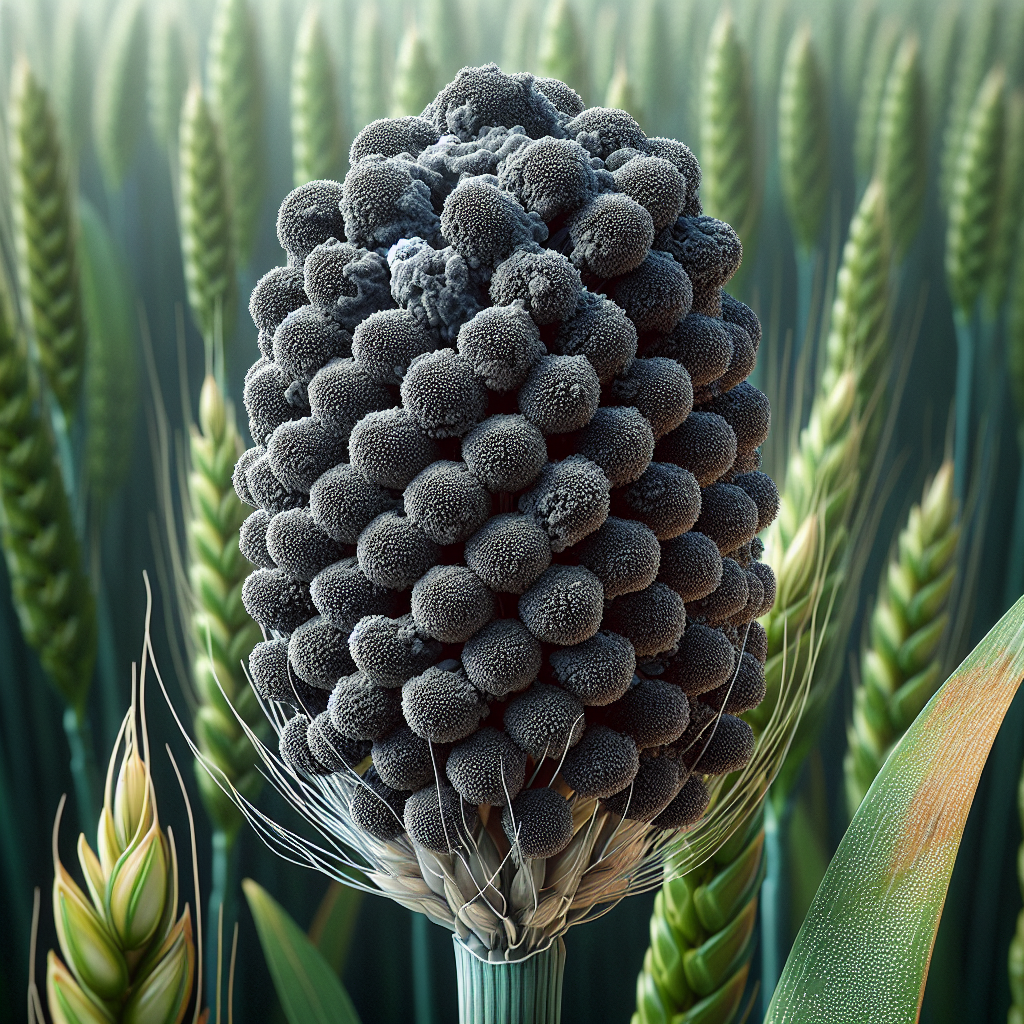
Early symptoms of smut-like head infections are subtle, often overlooked until irreversible damage occurs. Infected plants appear normal during vegetative growth, but at boot stage (just before heading), small distortions like twisted leaves or stunted tillers may emerge. The hallmark sign is at anthesis: affected heads emerge partially or fully converted into a mass of black, sooty spores enclosed in a thin, silvery membrane that ruptures upon maturity, releasing billions of teliospores.
In wheat, look for sori (spore masses) replacing florets in 10-50% of spikelets, with healthy grains interspersed. Rice panicles show loose aggregation of spores, mimicking loose smut. Corn tassels or ears may exhibit galls, but true head infections target silks and kernels. Sorghum and millet heads turn into 'frog-eye' sori, with spores eroding to leave malformed rachises. Secondary symptoms include premature senescence, reduced tillering, and increased susceptibility to head-feeding insects like headworms.
Damage assessment involves counting infected heads per square meter; thresholds above 5% warrant action. Spores are 7-12 microns, olive-black, and viable for years in soil. Differentiate from ergot (elongated sclerotia) or fusarium head blight (pinkish mold without powder). Lab confirmation via microscopy reveals dikaryotic teliospores with thick walls. Yield loss correlates with infection rate: 1% infected heads = 1-2% yield reduction; 20%+ = crop failure.
Lifecycle and Progression of smut-like head infections
Smut fungi overwinter as dormant teliospores in soil, seed, or crop residue. Spring germination under moist conditions (20-30°C) produces basidiospores (sporidia) that germinate into hyphae. Infection occurs systemically via floral parts, coleoptiles, or wounds during seedling stage, with optimal windows at planting or tillering.
Hyphae grow intercellularly, evading defenses via biotrophism. Latency lasts 60-90 days until heading, triggered by floral induction. At booting, sori form, maturing over 7-14 days. Membrane rupture disperses spores up to 1 km via wind. In rice, false smut (a related 'smut-like' Ustilaginoidea) infects via conidia at anthesis. Two-year cycles occur in some species, with volunteer plants as reservoirs.
Progression: 1) Teliospore germination (moist soil, 25°C); 2) Sporidial infection (24-48 hrs); 3) Mycelial colonization (vegetative phase); 4) Sorogenesis (heading); 5) Spore dispersal (maturity). High humidity (>90%) prolongs sporulation. Crop rotation disrupts cycles, as spores persist 3-5 years.
Environmental Triggers & Risk Factors
Warm, humid climates (25-35°C, 80-100% RH) favor epidemics, especially during flowering. Acidic soils (pH <6), poor drainage, and high nitrogen promote susceptibility. Risk factors include:
- Contaminated seed (up to 10% infection).
- Monoculture or short rotations with wheat, corn, or sorghum.
- Overhead irrigation or heavy dews.
- Susceptible varieties like older durum wheat.
- Stress from drought or root rots.
Outbreaks spike after mild winters; wind currents spread spores from wild grasses. Soil inoculum builds in no-till fields. For more on timing impacts, see Why Timing Kills Small Farm Profits. Scout high-risk zones weekly from boot stage.
Organic Control & Treatment Plans
Organic management emphasizes prevention, but curative options exist:
- Seed Treatment: Hot water (52°C, 10 min) or biofungicides like Trichoderma spp. reduce inoculum by 80-90%.
- Cultural: Rogue infected plants pre-heading; destroy residue by deep plowing.
- Biological: Apply Pseudomonas fluorescens or Bacillus subtilis at tillering (1-2 kg/ha). Compost teas with compost suppress soil spores.
- Resistant Varieties: Plant hybrids like 'Head Smut Resistant Sorghum' lines.
- Foliar Sprays: Potassium bicarbonate or sulfur-based organics at boot stage (repeat 7-10 days).
Integrated Plan:
- Pre-plant: Solarize soil (4-6 weeks summer).
- In-season: Scout, irrigate early AM, balance N (avoid excess).
- Post-harvest: Rotate to clover or legumes; flame-weed volunteers.
Efficacy: Combined approaches yield 70-95% control. Monitor with sticky traps for sporidia.
Preventing smut-like head infections in the Future
Long-term prevention builds resilient systems:
- Crop Rotation: 3-4 years with non-hosts like potato or soybeans.
- Certified Seed: Test for smut (0% threshold).
- Sanitation: Clean equipment; bury residue >20 cm.
- Soil Health: Maintain pH 6.5-7.5; add lime, organics. See Soil Health Mastery.
- Varietal Selection: Use resistant cultivars (e.g., 'Pioneer smut-resistant corn').
- Monitoring: Weekly field walks; threshold 1 infected head/100 m².
- Barriers: Windbreaks reduce spore drift.
IPM integrates these for <1% incidence. Track via field maps.
Crops Most Affected by smut-like head infections
Primary hosts:
- Cereals: Wheat (loose/covered smut), Rice (false head smut).
- Grains: Corn (head smut variants), Sorghum (covered kernel smut).
- Millets: Pearl millet, foxtail millet.
- Others: Barley, oats, wild grasses.
Susceptibility varies: Hybrid corns > heirlooms; tropical > temperate. Losses highest in dense plantings. Co-infections with rusts amplify damage.