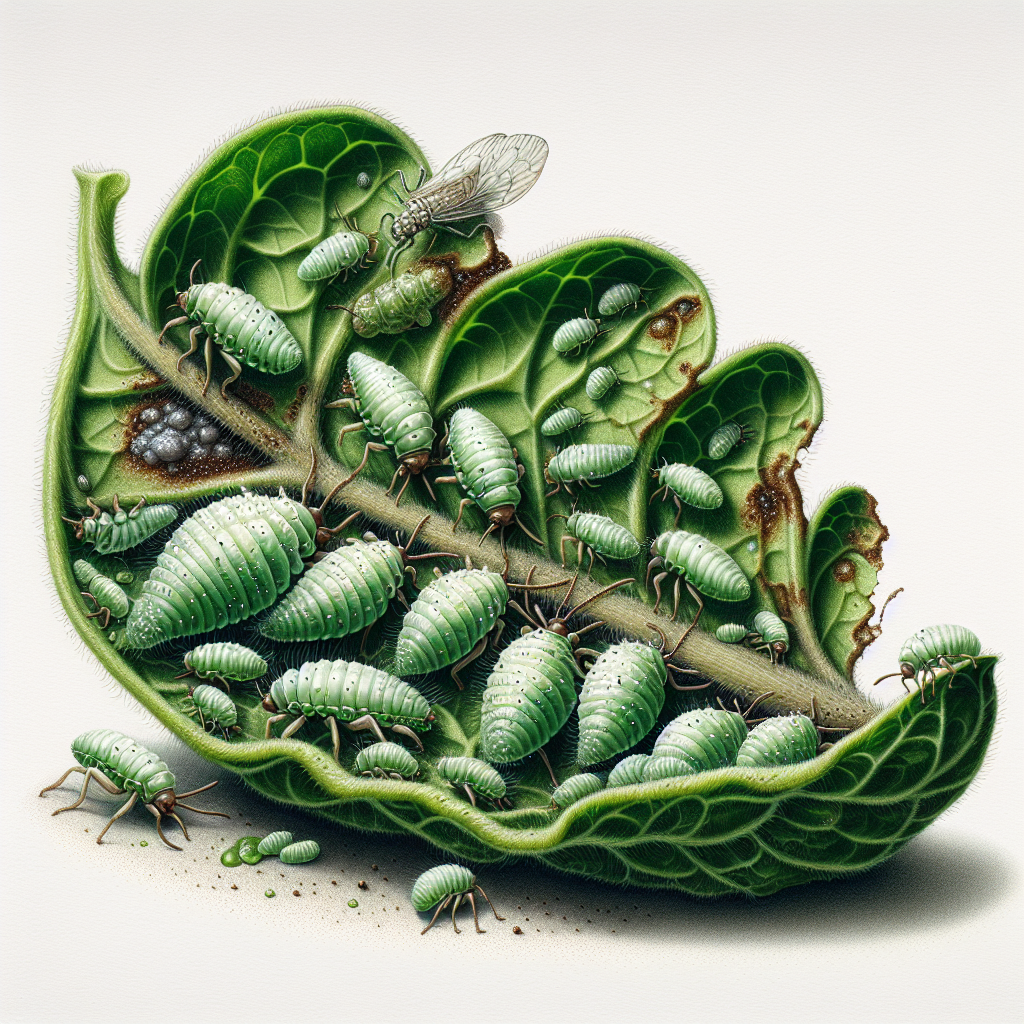
Introduction to Snowden
Snowden (Pseudosnowdenia infestans), commonly referred to as the Snowden pest, is a notorious agricultural threat that has plagued farmers for decades. This sap-feeding insect, belonging to the family Snowdeniidae, thrives in a variety of climates, particularly those with cool, moist conditions that mimic its temperate origins. First identified in the mid-20th century in northern Europe, Snowden has since spread to North America, Asia, and parts of Africa through international trade and contaminated planting material. Its insidious nature lies in its ability to multiply rapidly under favorable conditions, often going unnoticed until severe damage appears.
Farmers encounter Snowden primarily during the vegetative growth stages of crops, where it clusters on tender shoots and undersides of leaves. A single infestation can reduce yields by up to 40-60% in susceptible varieties, making it a priority pest in integrated pest management (IPM) programs. Understanding Snowden's biology is crucial for timely intervention, as its populations can explode from a few overwintering individuals to thousands within weeks. This guide provides comprehensive diagnostics, lifecycle insights, and proven organic strategies to combat Snowden effectively. For small farms, early detection using tools like Spring Pest Patrol: Organic AI Strategies to Shield Your Crops from Common Invaders can prevent outbreaks. Related pests like aphids often co-occur, exacerbating damage through honeydew production and sooty mold.
Identifying Symptoms & Damage
Diagnosing Snowden infestations requires keen observation of both visual cues and plant responses. Early symptoms include subtle leaf curling and yellowing, particularly on new growth. Affected leaves develop a characteristic 'silver sheen' from air injection into leaf tissues during feeding, distinguishing Snowden from similar pests like whiteflies. Heavily infested plants exhibit stunted growth, with stems becoming brittle and prone to breakage.
Damage progresses to wilting terminals and premature leaf drop, mimicking nutrient deficiencies or root-knot nematodes. Nymphs, the most destructive stage, cluster in colonies of 50-200 individuals, exuding sticky honeydew that attracts ants and promotes sooty mold growth. On fruits and pods, feeding punctures lead to deformed, scarred produce, rendering it unmarketable. Severe cases result in plant death, especially in young seedlings.
To confirm Snowden, use a hand lens to spot the pear-shaped, pale green adults (2-4mm long) with black legs and prominent antennae. Eggs are laid in clusters of 20-30, appearing as tiny, white cylinders on leaf veins. Differentiate from mites by the presence of piercing mouthparts and lack of webbing. Regular scouting—twice weekly during peak seasons—is essential for crops like tomato and potato, where Snowden thresholds are low (5-10 insects per plant).
Lifecycle and Progression of Snowden
Snowden completes 6-10 generations per year, depending on temperature and host availability. Overwintering occurs as eggs or diapausing nymphs in plant debris or soil cracks. Adults emerge in early spring (10-15°C), laying 200-400 eggs over 2-4 weeks. Eggs hatch in 5-7 days into nymphs, which undergo 5 instars over 2-3 weeks, feeding voraciously.
Adults live 4-6 weeks, with peak activity in summer. Parthenogenetic reproduction allows all-female populations to persist without mates, accelerating outbreaks. Progression follows a predictable pattern: eggs (1 week), nymphs (3 weeks), adults (1 month). Environmental cues like day length trigger diapause in fall. Understanding this cycle enables targeted interventions, such as removing debris to break overwintering sites.
In warm climates, continuous breeding leads to year-round pressure, while cooler areas see synchronized peaks. Monitor with yellow sticky traps, which capture winged morphs dispersing to new hosts. Lifecycle knowledge is key to timing organic sprays, as nymphs are most vulnerable.
Environmental Triggers & Risk Factors
Snowden flourishes in cool (15-25°C), humid environments (>70% RH), often triggered by prolonged cloudy weather or irrigation overhead. High nitrogen fertilizers promote succulent growth, ideal for feeding. Poor air circulation in dense canopies exacerbates infestations, as does planting near overwintering refugia like weedy borders.
Risk factors include monoculture fields, susceptible varieties, and proximity to cabbage or lettuce, alternate hosts. Weeds like clover harbor Snowden, serving as reservoirs. Climate change extends growing seasons, potentially increasing generations. Soil moisture stress weakens plants, making them prime targets. Mitigate by selecting resistant cultivars and avoiding excess N.
Organic Control & Treatment Plans
Organic management emphasizes prevention and biological controls. Introduce predators like ladybugs and lacewings early; thrips predators often overlap. Neem oil (0.5-2%) applied at dusk targets nymphs without harming beneficials—repeat every 7-10 days for 3 applications. Insecticidal soaps smother clusters effectively.
Horticultural oils suffocate all stages. For heavy infestations, pyrethrin-based sprays (OMRI-listed) provide knockdown. Cultural tactics include reflective mulches to deter alates and high-pressure water blasts to dislodge colonies. Companion planting with marigold repels Snowden via allelochemicals.
Integrated plans: Scout weekly, treat at 5% infestation. Rotate with non-hosts like onion. Release predatory mites if spider mites co-occur. Success rates exceed 80% with consistent IPM. For potato, hilling buries lower stems, reducing access.
Preventing Snowden in the Future
Prevention hinges on sanitation and cultural practices. Destroy crop residues post-harvest to eliminate overwintering sites. Use row covers during early growth. Select resistant varieties and diversify plantings. Monitor with traps; remove weeds promptly.
Encourage biodiversity via hedgerows with yarrow to attract parasitoids. Adjust irrigation to drip systems, minimizing humidity. Scout borders first, as Snowden invades from edges. Long-term, soil solarization kills soil-stage eggs. Annual planning prevents carryover.
Crops Most Affected by Snowden
Snowden devastates solanaceous and brassicaceous crops. Top targets: potato, tomato, eggplant, bell pepper, cabbage, broccoli. Tubers like sweet potato suffer yield drops up to 50%. Leafy greens (lettuce, spinach) show rapid wilting. Fruit crops like strawberry and cucumber face scarring. Grains (wheat) and legumes (soybeans) are secondary. For detailed potato management, see Soil Health Mastery: 5 Proven Strategies for Small Farms to Build Fertile Ground Without Breaking the Bank.