Introduction to Alternaria fruit rot
Alternaria fruit rot, caused primarily by the fungal pathogen Alternaria spp. (such as A. alternata, A. arborescens, and A. solani), is a widespread post-harvest and field disease affecting a variety of fruit-bearing crops. This necrotrophic fungus infects maturing fruits through wounds, natural openings, or directly via epidermal penetration, leading to rapid tissue decay and substantial economic losses for growers. In commercial agriculture, Alternaria fruit rot can reduce marketable yield by 20-50% in severe outbreaks, particularly in humid tropical and subtropical regions.
The disease is favored by high temperatures (25-32°C or 77-90°F) and prolonged leaf wetness, making it a major concern during rainy seasons or in poorly ventilated greenhouses. Unlike foliar Alternaria leaf spot, fruit rot specifically targets ripe or ripening fruits, often appearing post-harvest during storage or transport. Early detection and integrated management are crucial, as the fungus produces abundant conidia that spread via wind, rain splash, and contaminated tools. This guide provides professional-grade diagnostic criteria, lifecycle insights, and organic control strategies optimized for small to medium-scale farms growing susceptible crops like tomatoes and peppers.
Understanding Alternaria fruit rot's biology is key to prevention. The pathogen overwinters in plant debris, soil, and infected seeds, sporulating profusely under optimal conditions to initiate new infection cycles. For more on fungal pathogens, see our comprehensive entry on Alternaria. With climate change increasing humidity extremes, proactive scouting and cultural adjustments are non-negotiable for sustainable production.
Identifying Symptoms & Damage
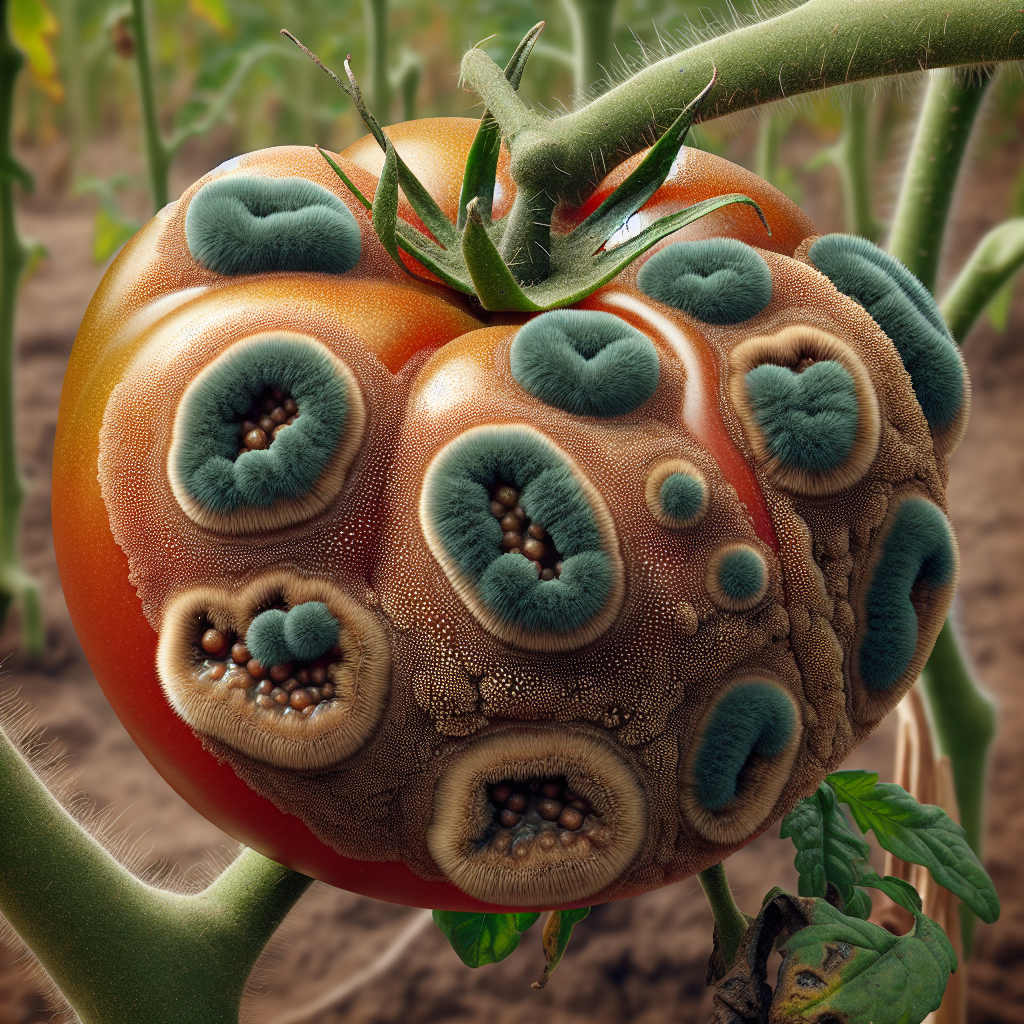
Accurate diagnosis begins with recognizing characteristic symptoms on affected fruits. Initial infections appear as small, firm, slightly sunken brown spots (1-3 mm diameter) on the fruit surface, often near the stem end or injury sites. These lesions expand rapidly into large, circular to irregular dark brown to black rotted areas with a velvety gray or olive-green spore mass under humid conditions.
Cross-sections of infected fruit reveal firm, leathery rot extending 2-5 mm deep, with concentric rings of fungal mycelium resembling target spots. Unlike bacterial rots, Alternaria lesions lack a watery appearance and emit no foul odor; instead, they develop a slightly bitter taste if tasted (not recommended). Advanced stages show fruit shriveling, cracking, and mummification, rendering them unmarketable.
Damage assessment includes yield loss from premature fruit drop and post-harvest decay. In tomato crops, for instance, lesions on Roma Tomato (crop) can cover 30-70% of fruit surface, while peppers exhibit similar sunken spots with zonate patterns. Differentiate from anthracnose fruit rot by Alternaria's fuzzy spore production and lack of pink spore masses. Lab confirmation via culturing on potato dextrose agar shows olive-black colonies with beaked conidia under microscopy.
Field scouting involves checking 20-50 fruits per plant weekly from fruit set. Economic thresholds: remove plants if >10% fruit infection. Secondary symptoms include chlorosis on nearby leaves from spore dispersal. For farms battling multiple fruit issues, consult Why Misidentifying Plants Costs Small Farms Thousands - And How AI Camera Diagnosis Fixes It Fast for rapid diagnostic tools.
Lifecycle and Progression of Alternaria fruit rot
Alternaria fruit rot follows a polycyclic lifecycle, with multiple infection cycles per season. Primary inoculum overwinters as mycelium or chlamydospores in crop residue, soil, and alternate hosts. Spring rains trigger conidial production on debris, with conidia (10-50 x 3-10 μm, multicellular, beaked) dispersing via wind up to 1 km.
Germination requires 12-24 hours free moisture at 20-30°C, penetrating fruit via stomata or wounds. Latency period is 3-7 days, followed by lesion expansion and new sporulation every 48-72 hours under wet conditions. Optimal progression occurs at 28°C with 90-100% RH, producing 10^5-10^6 conidia per lesion daily.
Progression accelerates on ripening fruits due to reduced cuticular resistance and higher sugar content. In storage, low temperatures (10°C) slow but don't stop decay if inoculum present. Disease gradients show epicenters near debris piles, emphasizing sanitation. Integrated with foliar early blight, it forms disease complexes devastating solanaceous crops.
Environmental Triggers & Risk Factors
Warm, humid weather is the primary trigger, with infection risk peaking when temperatures exceed 25°C and leaves wet >12 hours. High nitrogen fertilization promotes succulent tissues prone to infection, while dense canopies trap moisture, extending leaf wetness duration. Overhead irrigation splash-disperses conidia, doubling infection rates versus drip systems.
Soil pH >7.0 and calcium deficiency exacerbate fruit susceptibility by weakening cell walls. Wounds from thrips, hail, or mechanical harvest serve as entry points. Risk factors include monocropping, poor rotation (especially after potato or eggplant), and inadequate airflow. Climate models predict 15-30% higher incidence with wetter summers.
Monitor using weather stations for DSV (disease severity values): spray if >20 DSV accumulate. Mulching reduces splash but can increase humidity if excessive.
Organic Control & Treatment Plans
Organic management emphasizes IPM: cultural, biological, and approved fungicides. Cultural: Remove infected fruits weekly, destroy debris post-harvest (flame or solarize). Rotate 2-3 years away from solanaceae. Prune for 20-30% canopy openness.
Biological: Apply Trichoderma harzianum or Bacillus subtilis (e.g., Serenade) at 7-10 day intervals from fruit set. Streptomyces lydicus (Actinovate) suppresses soil inoculum.
Organic Fungicides: Copper octanoate (Bonide Liquid Copper) or potassium bicarbonate at 1-2 gal/acre, 5-7 day sprays during high risk. Neem oil + sulfur rotations reduce resistance. Timing: begin at 5% fruit infection.
Treatment Plan:
- Scout weekly.
- Apply biofungicide at first symptoms.
- Follow with copper if >10% incidence.
- Post-harvest dip in 1% baking soda + 0.1% soap. Resistant varieties like 'Mountain Merit' tomato outperform susceptible ones by 40%.
Preventing Alternaria fruit rot in the Future
Prevention hinges on exclusion and resilience. Use certified disease-free seeds/transplants. Solarize soil 4-6 weeks pre-planting (kills 80% inoculum). Drip irrigate, mulch with straw (3-5 inches). Plant resistant cultivars: 'Iron Lady' for tomatoes, 'Reba' for peppers.
Enhance plant vigor with balanced nutrition (avoid excess N), foliar calcium sprays (1-2% chelated). Barrier screens in greenhouses block windborne spores. Post-harvest: cure fruits at 20°C/85% RH 48 hours, store <15°C. Crop rotation with cabbage or lettuce breaks cycles.
Long-term: interplant with marigold for biofumigation. Monitor via traps for spore counts. For farms scaling up, integrate with Spring Pest Patrol: Organic AI Strategies to Shield Your Crops from Common Invaders.
Crops Most Affected by Alternaria fruit rot
Solanaceae dominate: tomato (20-60% losses), bell pepper, chili pepper, eggplant. Cucurbits like cucumber, squash suffer stem-end rots. Tropical fruits: mango, banana, papaya. Citrus (orange, lemon) show brown spot variants. Berries (strawberry) and stone fruits (peach) also vulnerable. Hybrids like Hass Avocado report post-harvest incidence.