Encyclopedia
Definitive guides for crops, pests, and agricultural diseases.
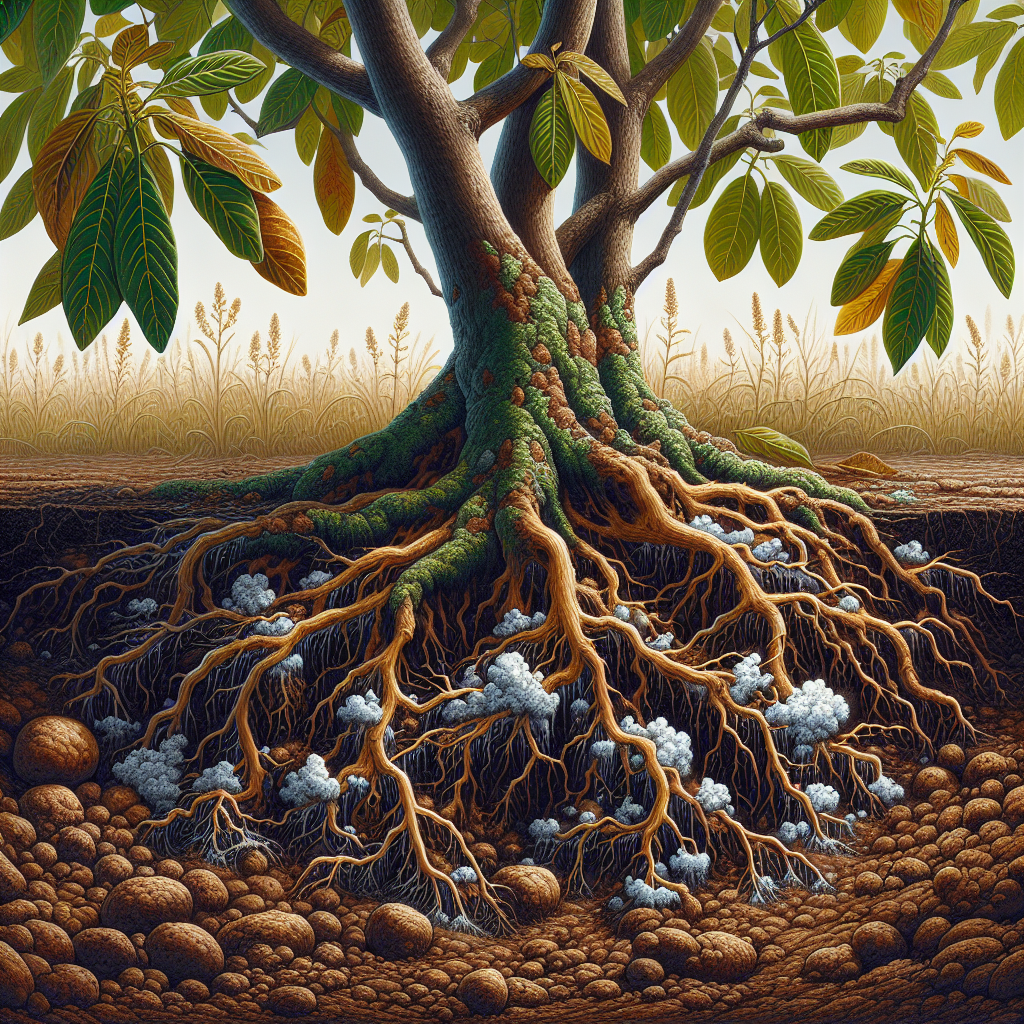
Fungal decline
Fungal decline is a progressive syndrome affecting perennial crops, characterized by root decay, canopy thinning, and tree death due to soilborne fungal pathogens thriving in poor drainage and stressed conditions. Early detection through symptom monitoring and soil testing is crucial for management. Organic strategies focus on cultural practices, biocontrols, and resistant varieties to halt progression and restore orchard health.
View Profile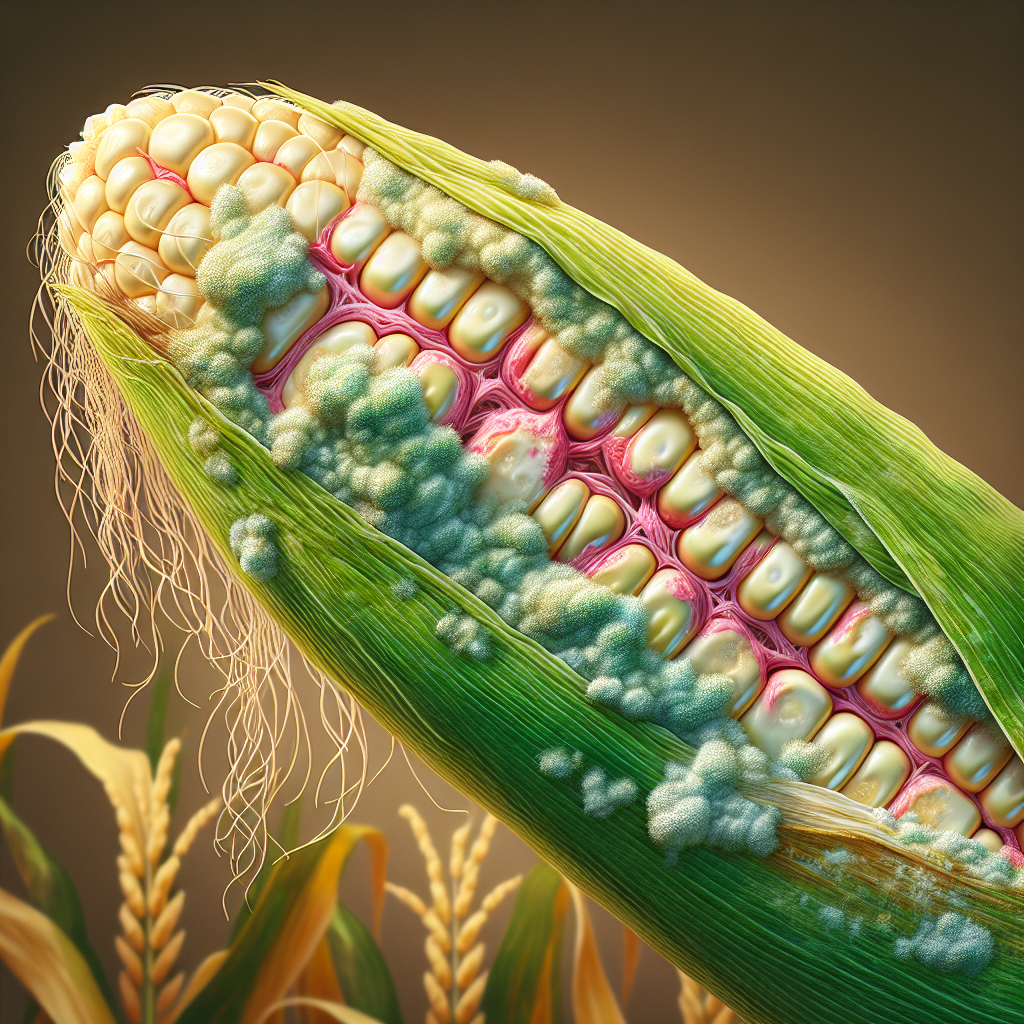
Fungal ear rots
Fungal ear rots are devastating diseases primarily affecting corn ears, caused by multiple fungal pathogens that thrive in warm, humid conditions. They lead to significant yield losses through kernel discoloration, mycotoxin production, and reduced grain quality. Effective management relies on cultural practices, resistant hybrids, and timely harvest.
View Profile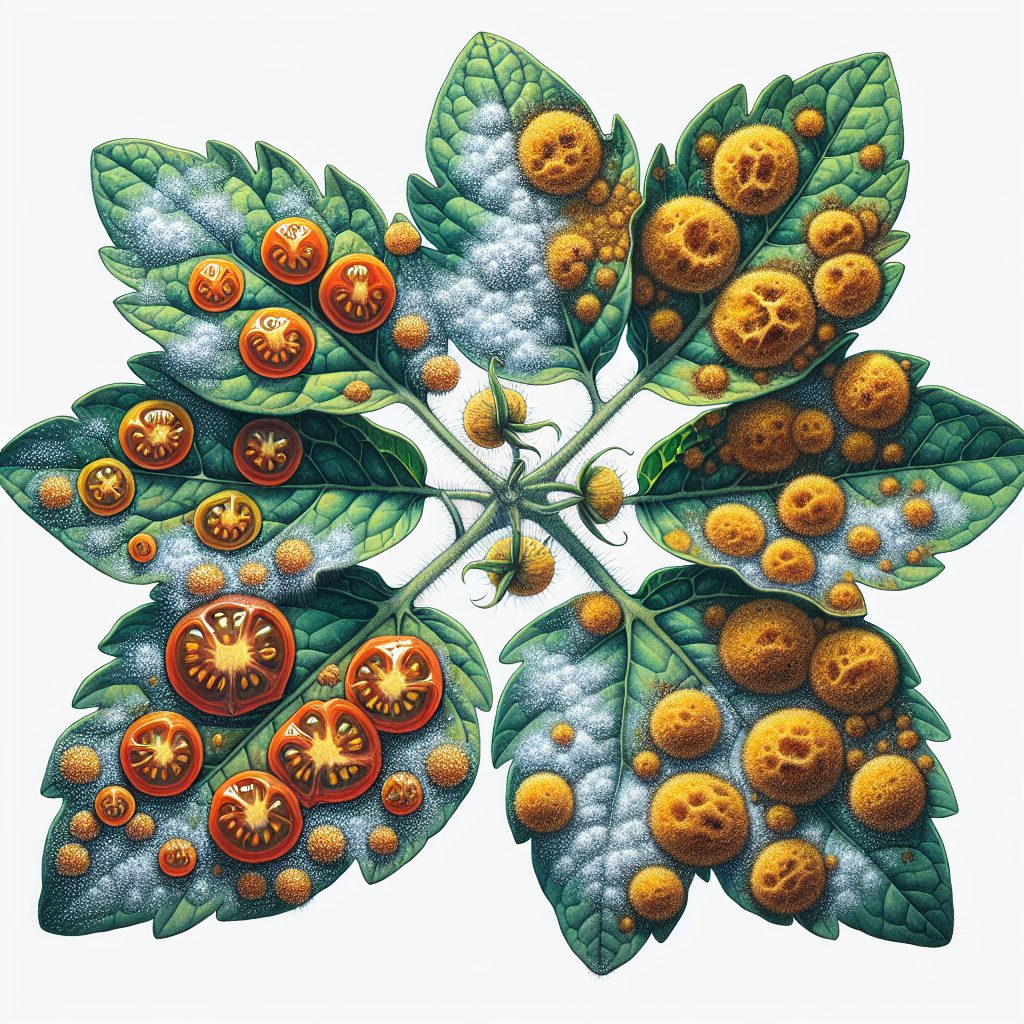
Fungal leaf diseases
Fungal leaf diseases are widespread pathogens that cause spots, blights, and wilting on plant foliage, leading to reduced photosynthesis and yield losses. Common culprits include powdery mildew, leaf spots, and rusts, thriving in humid conditions. Effective management relies on cultural practices, organic fungicides, and resistant varieties.
View Profile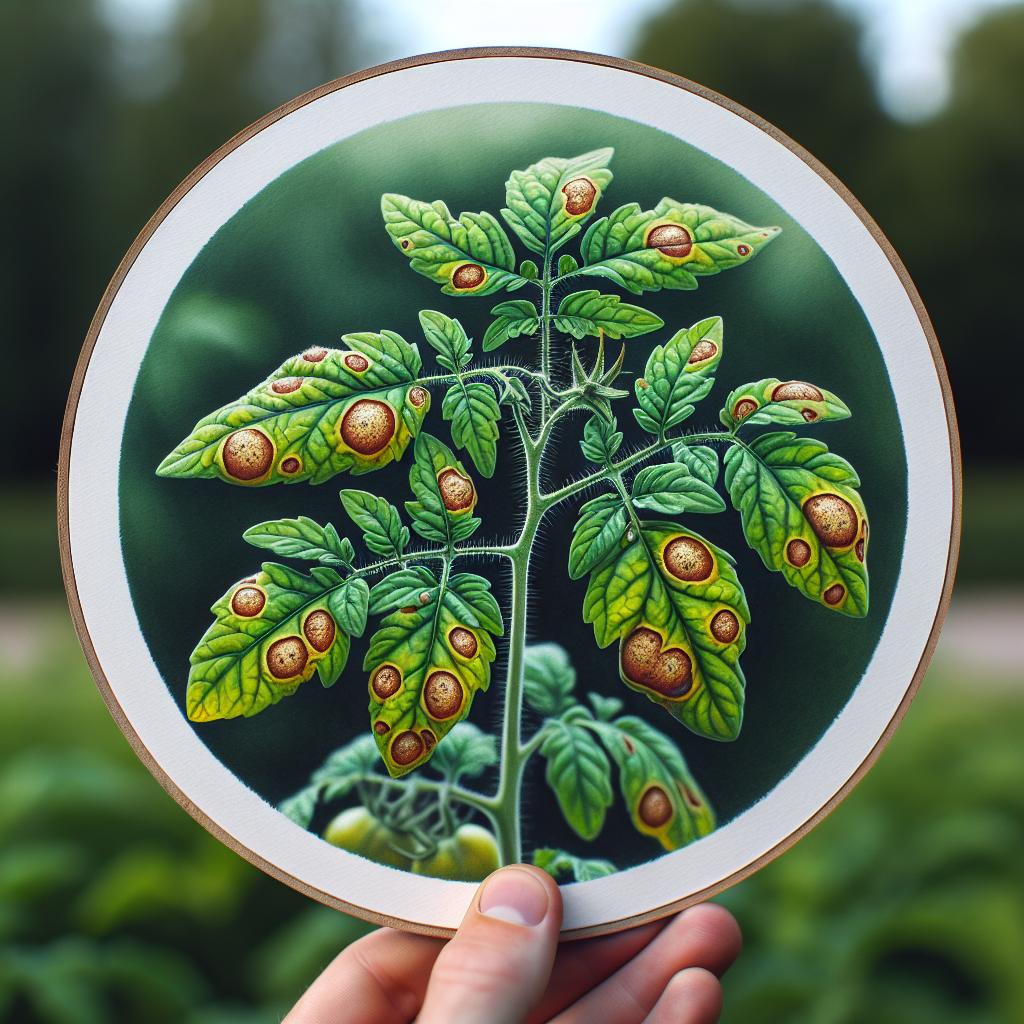
Fungal leaf spots
Fungal leaf spots are common plant diseases caused by various fungal pathogens that produce characteristic necrotic lesions on leaves, leading to reduced photosynthesis and yield losses. These diseases thrive in humid conditions and can affect a wide range of crops, from vegetables to fruits and ornamentals. Effective management relies on cultural practices, resistant varieties, and timely organic fungicide applications.
View Profile
fungal soft rots
Fungal soft rots are destructive diseases caused by soilborne fungi that rapidly degrade plant tissues into mushy, watery masses, primarily affecting roots, stems, fruits, and tubers. They thrive in warm, wet conditions and can lead to complete crop loss if not managed properly. This guide provides comprehensive diagnostics, organic treatments, and prevention strategies for affected crops.
View Profile
fungal twig dieback
Fungal twig dieback is a destructive disease affecting woody plants, caused by multiple fungal pathogens that invade stressed twigs, leading to progressive wilting and death. Early identification through characteristic symptoms like blackened tips and cankers is crucial for effective management. Organic control focuses on cultural practices, pruning, and biological agents to restore tree health and prevent spread.
View Profile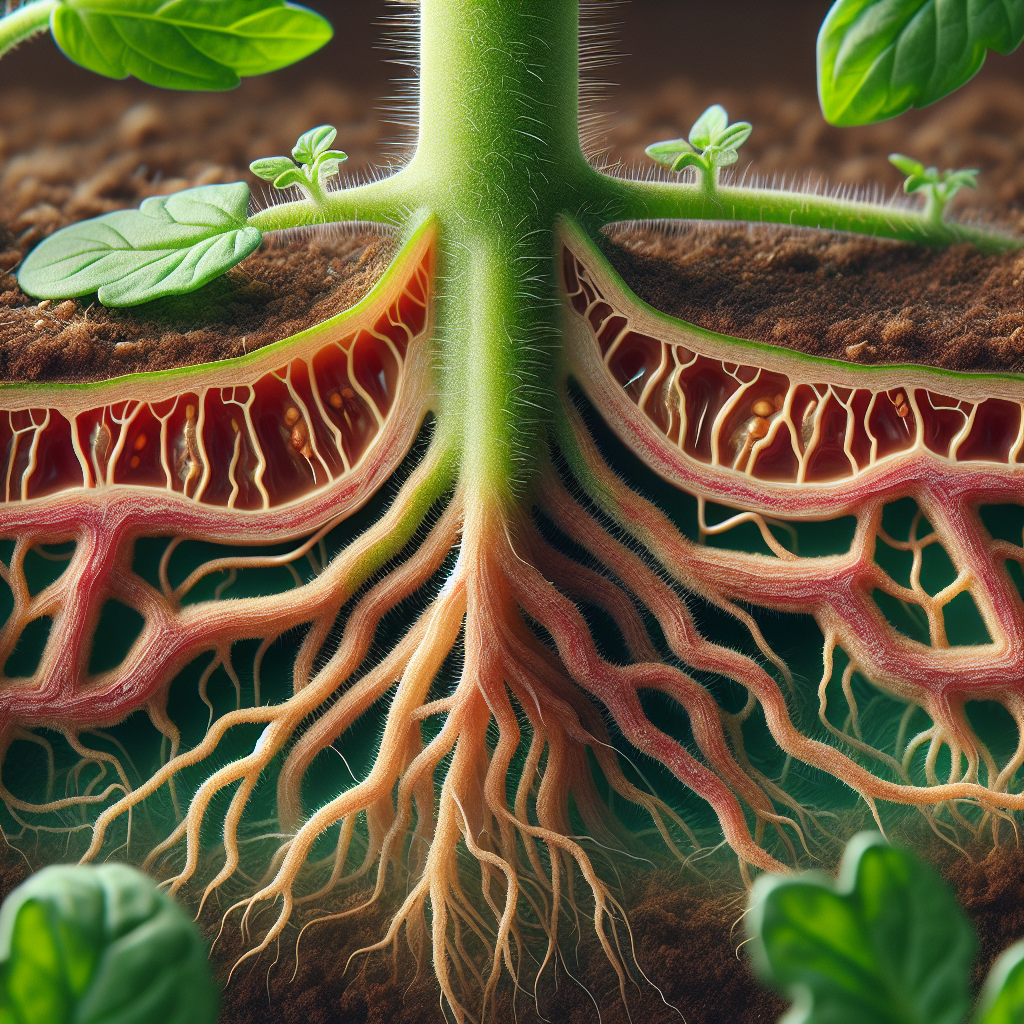
Fusarium species
Fusarium species are soilborne fungal pathogens causing devastating wilts, rots, and blights in numerous crops worldwide. Highly resilient with long-lived chlamydospores, they thrive in warm, moist conditions and spread via contaminated soil, water, seeds, and equipment. Effective management demands integrated cultural practices, resistant varieties, and vigilant prevention.
View Profile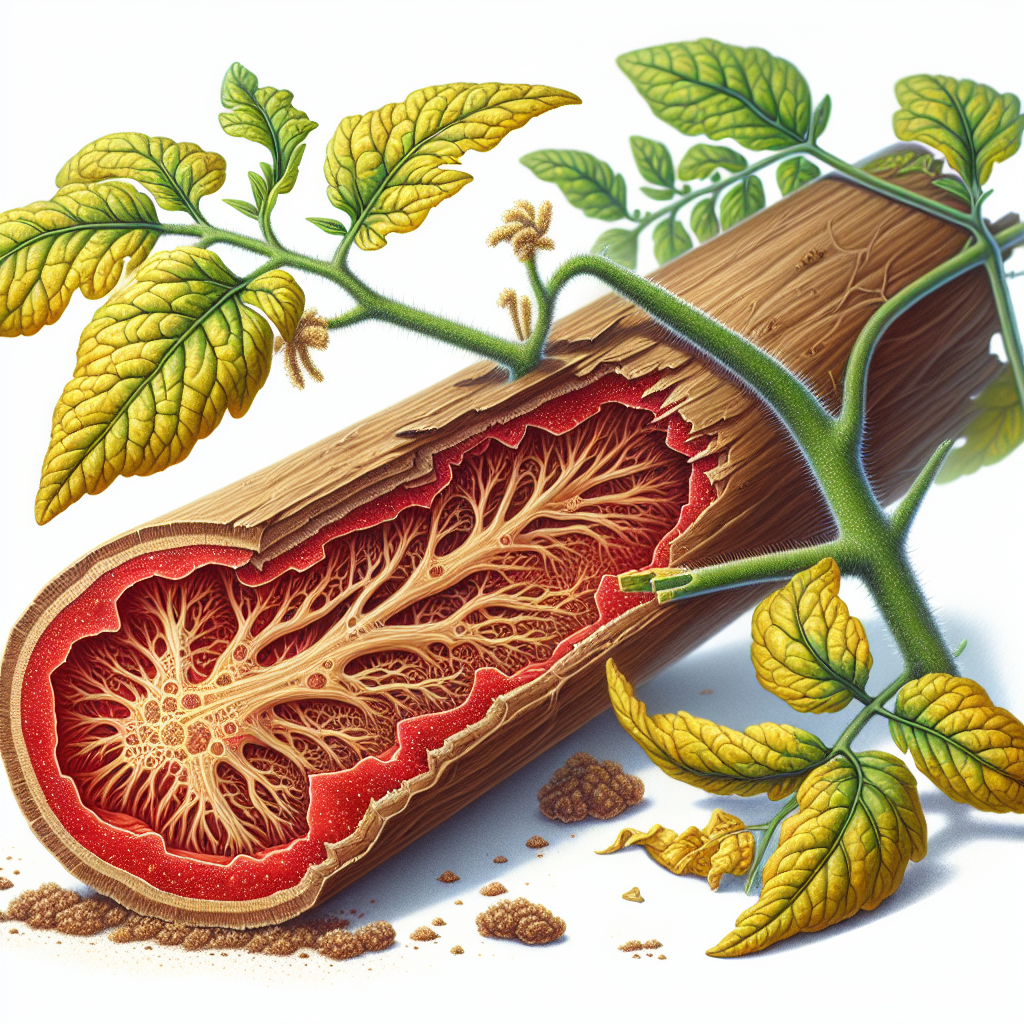
Fusarium spp.
Fusarium spp. are soilborne fungal pathogens causing devastating wilts, rots, and blights in numerous crops worldwide. Highly adaptable and persistent, they thrive in warm, moist conditions, leading to rapid plant decline and significant yield losses. Effective management relies on cultural practices, resistant varieties, and integrated organic strategies.
View Profile
gray mold
Gray mold, caused by the fungus Botrytis cinerea, is a widespread disease affecting numerous crops by producing fuzzy gray spores on infected tissues, leading to rot and significant yield losses. It thrives in cool, humid conditions and can infect plants at any growth stage, making early detection and management essential for agricultural success. This guide provides comprehensive diagnostic symptoms, lifecycle details, organic treatments, and prevention strategies to protect your crops effectively.
View Profile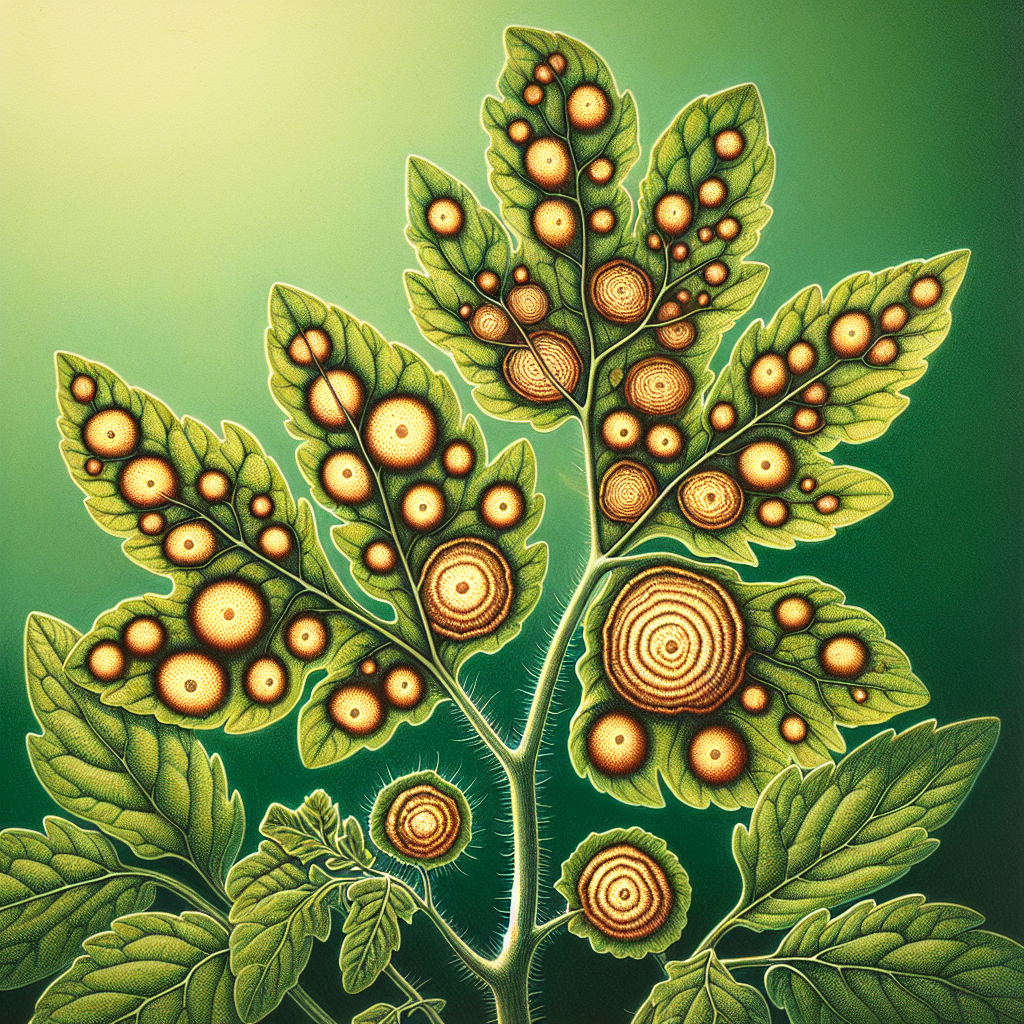
leaf spot fungi
Leaf spot fungi encompass a diverse group of fungal pathogens that cause characteristic necrotic spots on plant leaves, leading to reduced photosynthesis and yield losses. These diseases affect numerous crops worldwide, thriving in humid conditions and spreading via spores. Effective management relies on cultural practices, resistant varieties, and timely fungicide applications.
View Profile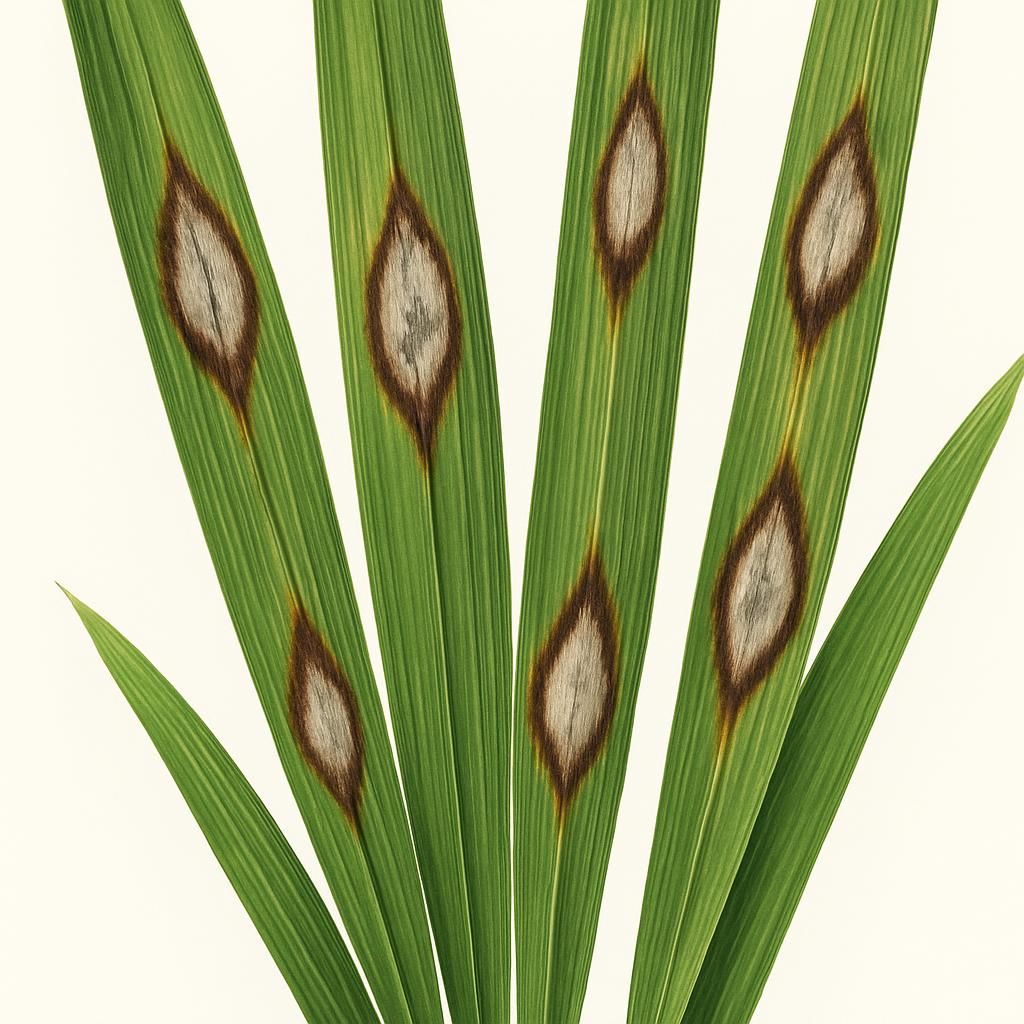
Magnaporthe oryzae
Magnaporthe oryzae is the causal agent of rice blast, one of the most destructive fungal diseases affecting [Rice](/wiki/rice) worldwide. It produces characteristic diamond-shaped lesions on leaves and can destroy entire panicles under favorable conditions. Effective management relies on resistant varieties, cultural practices, and timely fungicide applications.
View Profile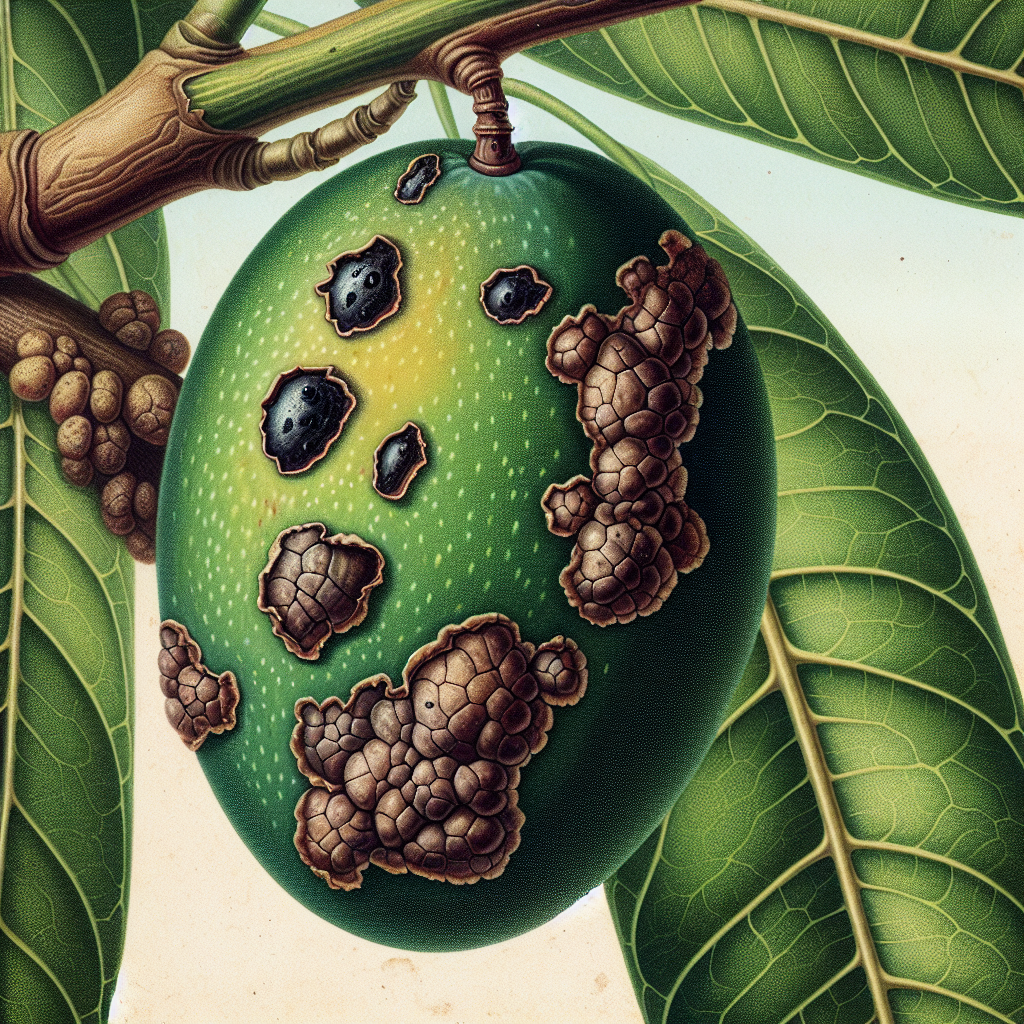
Mango Scab
Mango scab, caused by the fungus Elsinoë mangiferae, is a destructive disease primarily affecting mango leaves, flowers, and fruits, leading to significant yield losses in tropical and subtropical regions. It manifests as scab-like lesions that distort growth and reduce fruit quality, thriving in warm, humid conditions. Effective management relies on cultural practices, resistant varieties, and timely organic fungicide applications.
View Profile
Moniliophthora perniciosa
Moniliophthora perniciosa, commonly known as the causal agent of witches' broom disease, is a devastating fungal pathogen primarily targeting cacao trees, leading to severe yield losses in tropical regions. This guide provides comprehensive diagnostics, lifecycle insights, organic management strategies, and prevention tactics for farmers battling this pernicious disease. Early identification and integrated cultural practices are key to mitigating its impact on cacao production.
View Profile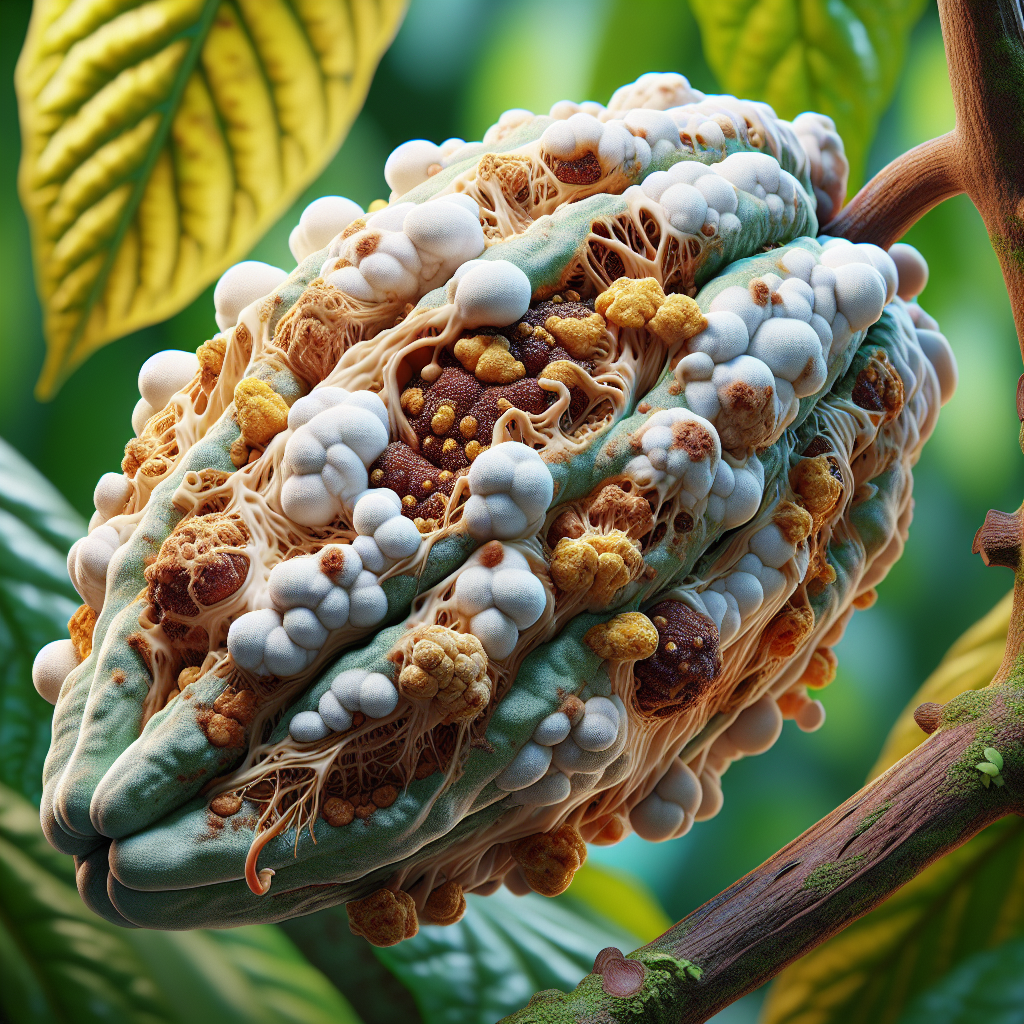
Moniliophthora roreri
Moniliophthora roreri, commonly known as frosty pod rot, is a devastating fungal pathogen primarily affecting cacao crops in tropical regions. It causes significant pod damage, leading to yield losses up to 40-90% in severe outbreaks. This guide provides comprehensive diagnostics, lifecycle insights, organic management strategies, and prevention tactics for cacao farmers.
View Profile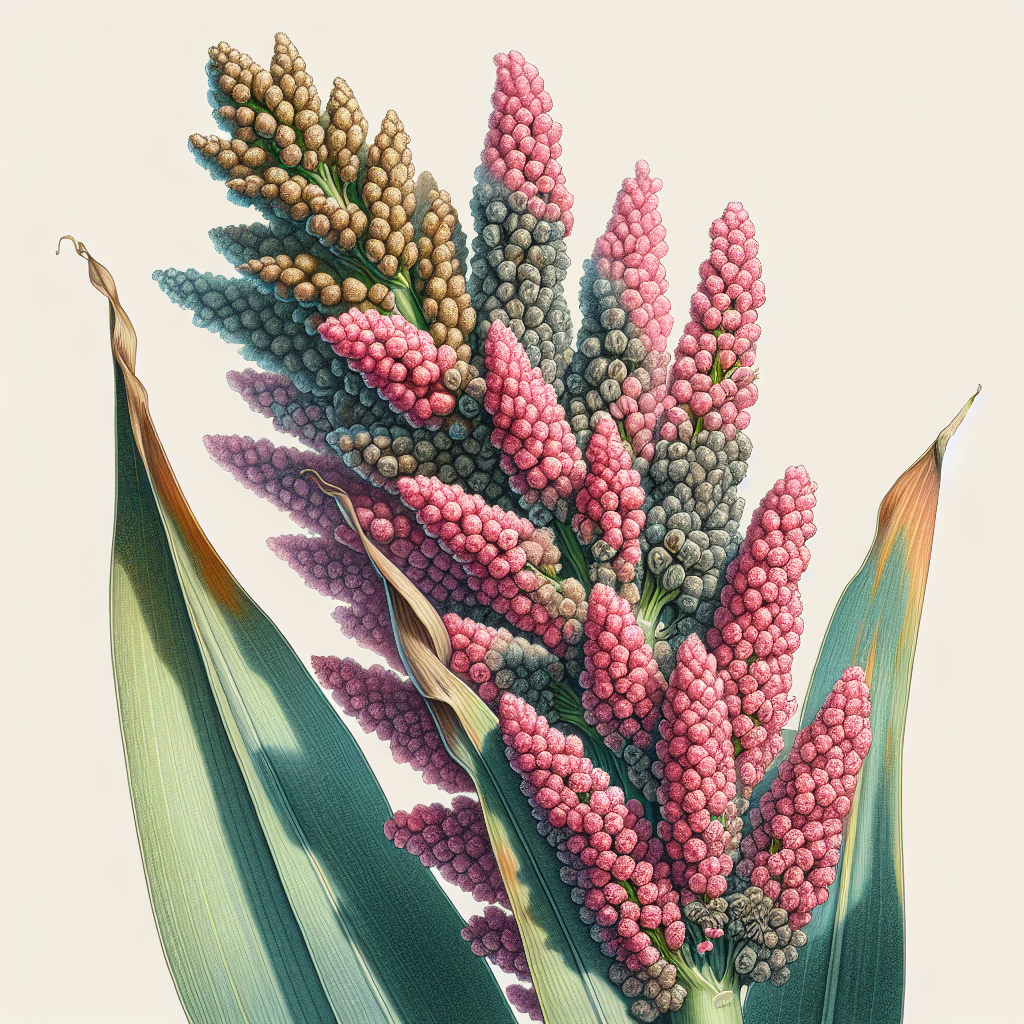
Panicle molds
Panicle molds are fungal diseases that infect the panicles of cereal crops like rice, sorghum, and pearl millet, causing grain discoloration, shriveling, and significant yield losses under high humidity conditions. Primarily triggered by wet weather during grain filling, they reduce grain quality and market value. Effective management relies on cultural practices, resistant varieties, and timely fungicide applications.
View Profile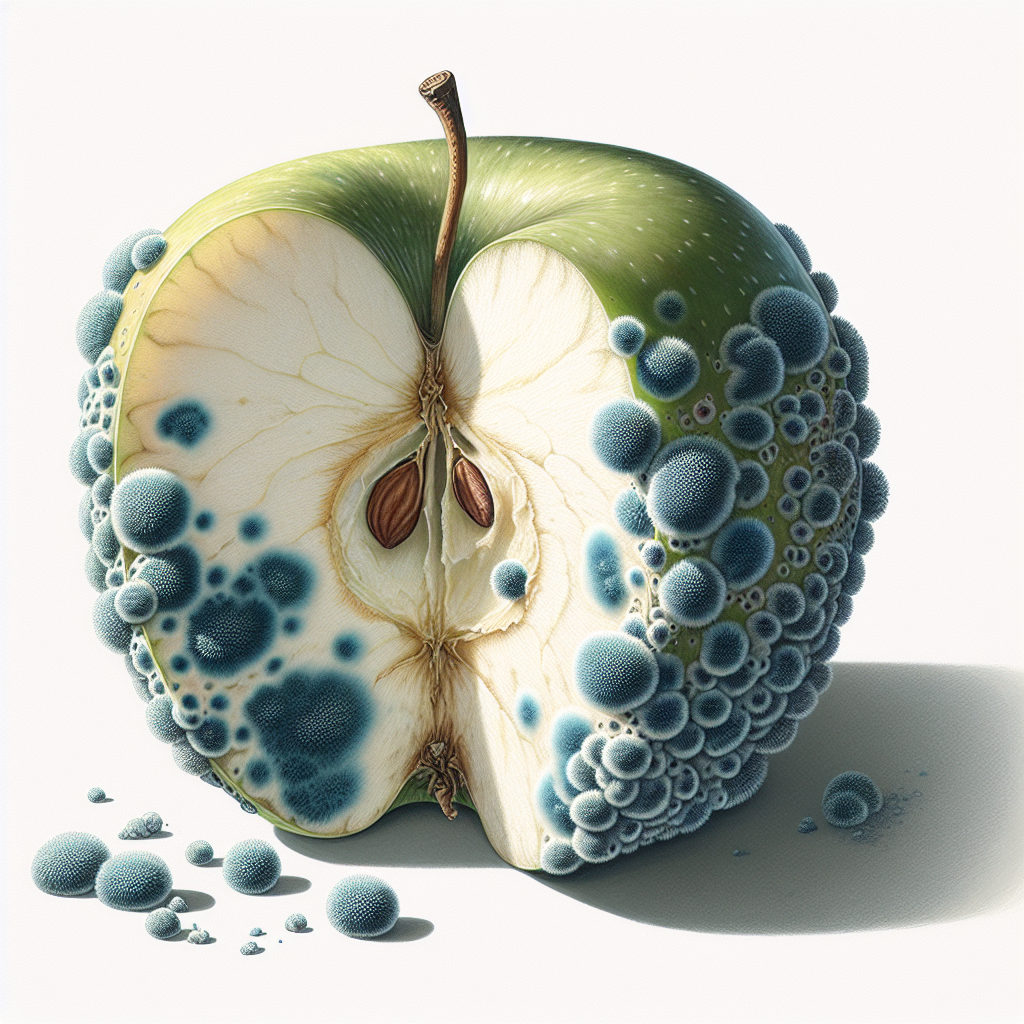
Penicillium
Penicillium is a ubiquitous fungal genus causing post-harvest blue mold rot in fruits and vegetables, leading to significant crop losses in storage. It thrives in high-humidity environments, producing fuzzy blue-green spores that render produce unsellable. Effective management relies on sanitation, proper storage, and organic fungicides for prevention and control.
View Profile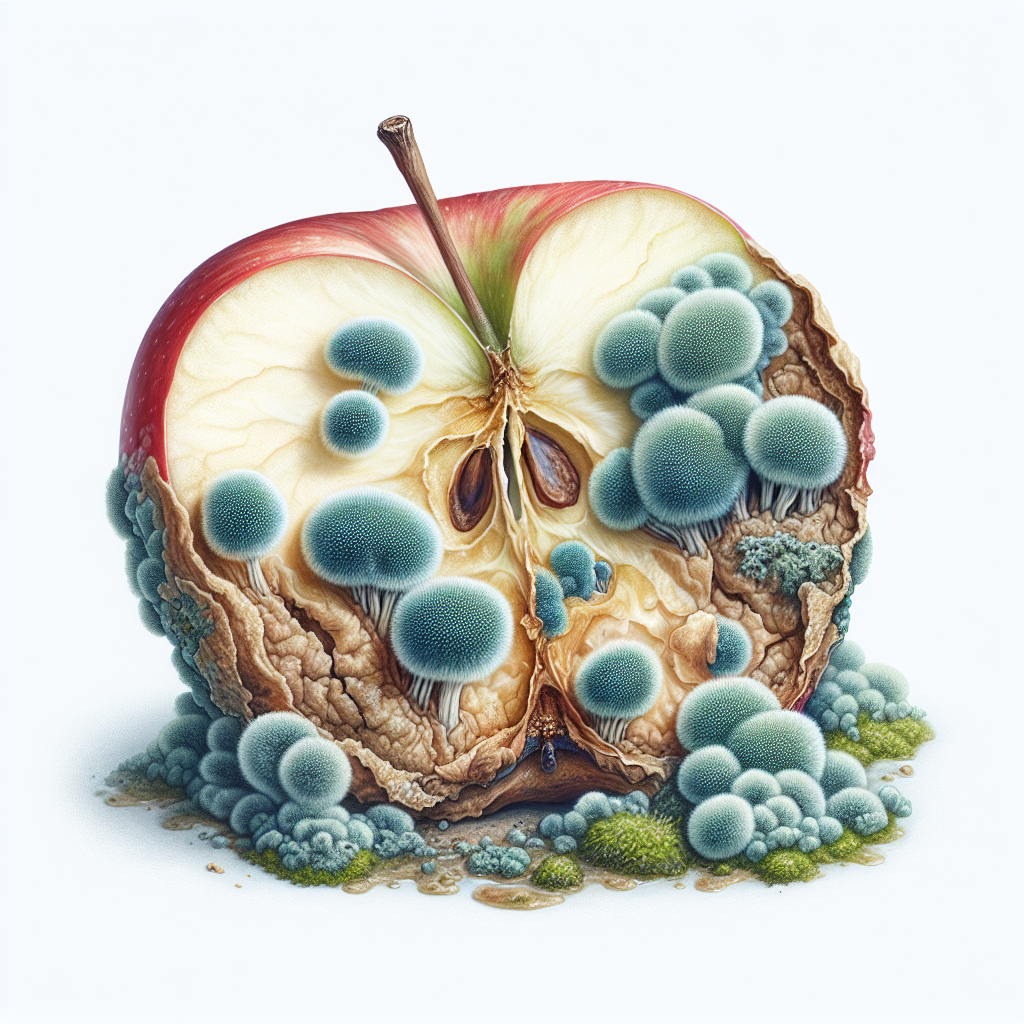
Penicillium decay
Penicillium decay is a widespread post-harvest fungal disease caused by Penicillium species, leading to rapid spoilage of fruits and vegetables with characteristic blue-green mold. It thrives in warm, humid conditions during storage, causing significant economic losses for growers. Effective management relies on sanitation, proper storage, and organic fungicides to minimize outbreaks.
View Profile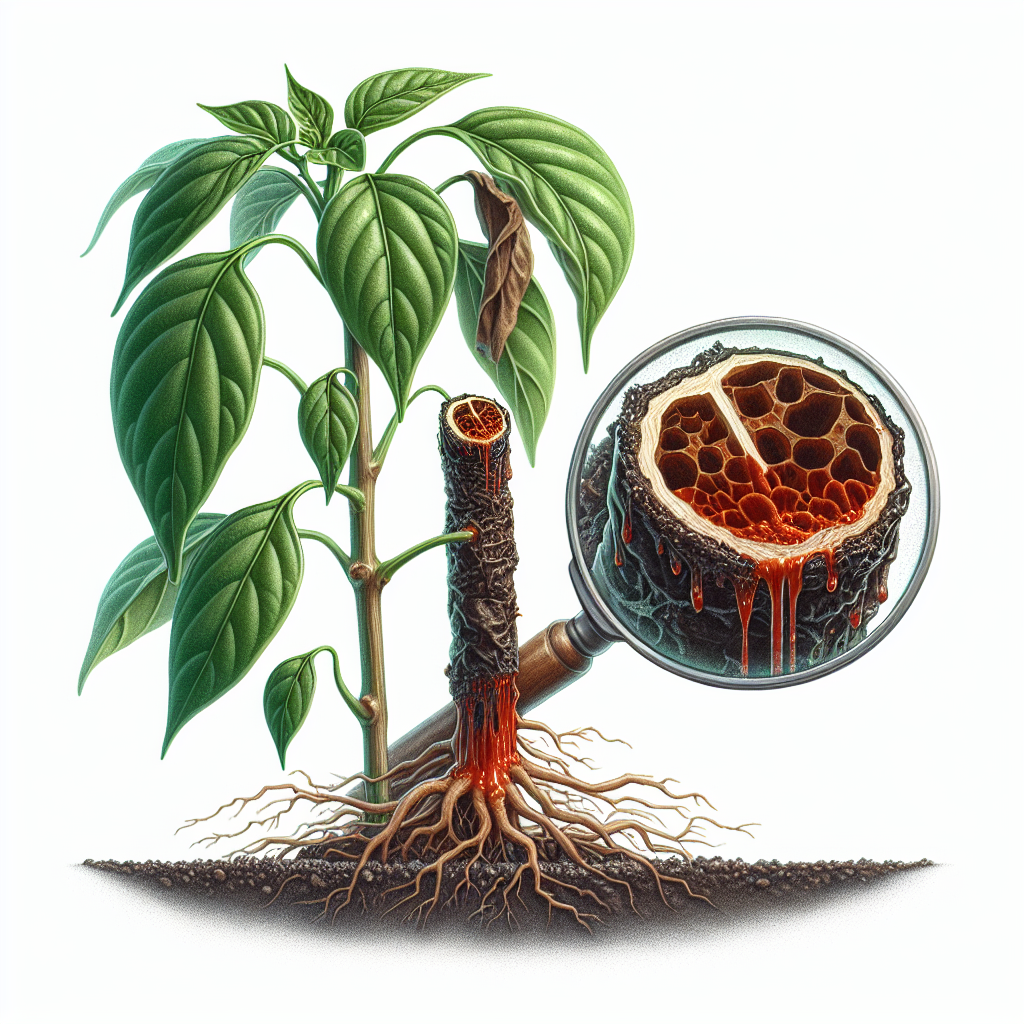
Phytophthora capsici
Phytophthora capsici is a highly destructive oomycete pathogen causing root rot, crown rot, and fruit rot in peppers, tomatoes, cucurbits, and other crops. It thrives in warm, wet soils, leading to rapid plant wilting and yield losses up to 100% in susceptible varieties. Effective management relies on cultural practices, resistant cultivars, and organic biocontrols.
View Profile
Phytophthora cinnamomi
Phytophthora cinnamomi is a highly destructive soilborne oomycete pathogen causing root rot, crown rot, and stem cankers in a wide range of crops and plants worldwide. It thrives in warm, wet soils, leading to rapid plant decline and significant agricultural losses. Effective management relies on prevention, cultural practices, and organic treatments to limit spread and enhance plant resilience.
View Profile
Phytophthora rot
Phytophthora rot is a devastating oomycete disease affecting roots, crowns, stems, and fruits of numerous crops, thriving in wet, poorly drained soils. Caused by various Phytophthora species, it leads to rapid plant decline, wilting, and death. Effective management relies on prevention, cultural practices, and targeted organic treatments.
View Profile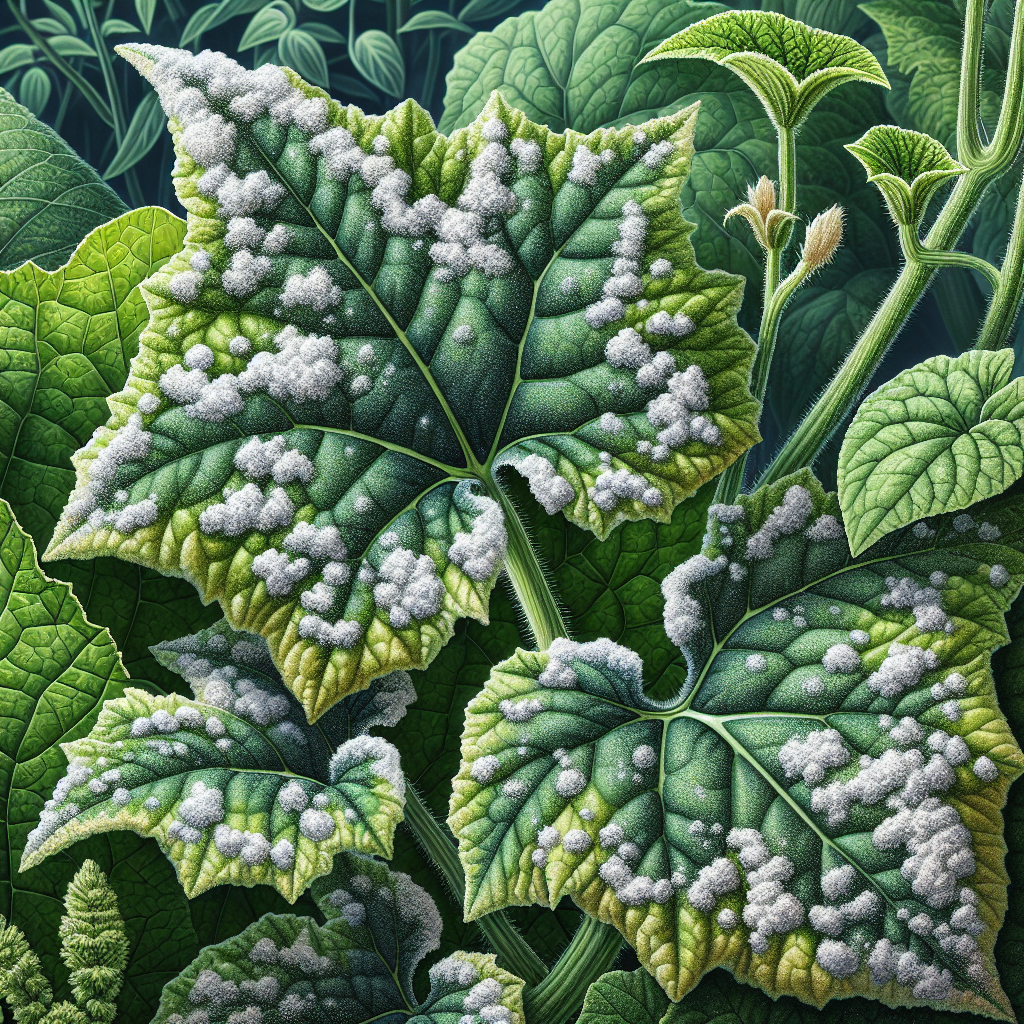
Powdery mildew (Podosphaera xanthii)
Powdery mildew caused by Podosphaera xanthii is a widespread fungal disease affecting cucurbits like cucumbers, squash, and melons, characterized by white powdery spots on leaves that reduce photosynthesis and yield. This guide provides definitive diagnostic criteria, lifecycle details, organic management strategies, and prevention tactics for farmers and gardeners. Effective control hinges on early detection, cultural practices, and organic fungicides to minimize crop losses.
View Profile
Pythium rot
Pythium rot is a devastating water mold disease caused by Pythium species that attacks plant roots, crowns, and stems, leading to rapid wilting and plant death under wet conditions. It primarily affects seedlings and young plants but can strike mature crops in poorly drained soils. Effective management relies on cultural practices, sanitation, and organic biocontrols to prevent outbreaks.
View Profile
Pythium species
Pythium species are oomycete pathogens causing devastating root rot, damping-off, and seedling blights in crops worldwide. Thriving in saturated soils, they rapidly infect roots leading to wilting and plant death. Effective management relies on cultural practices, sanitation, and organic biocontrols to prevent outbreaks.
View Profile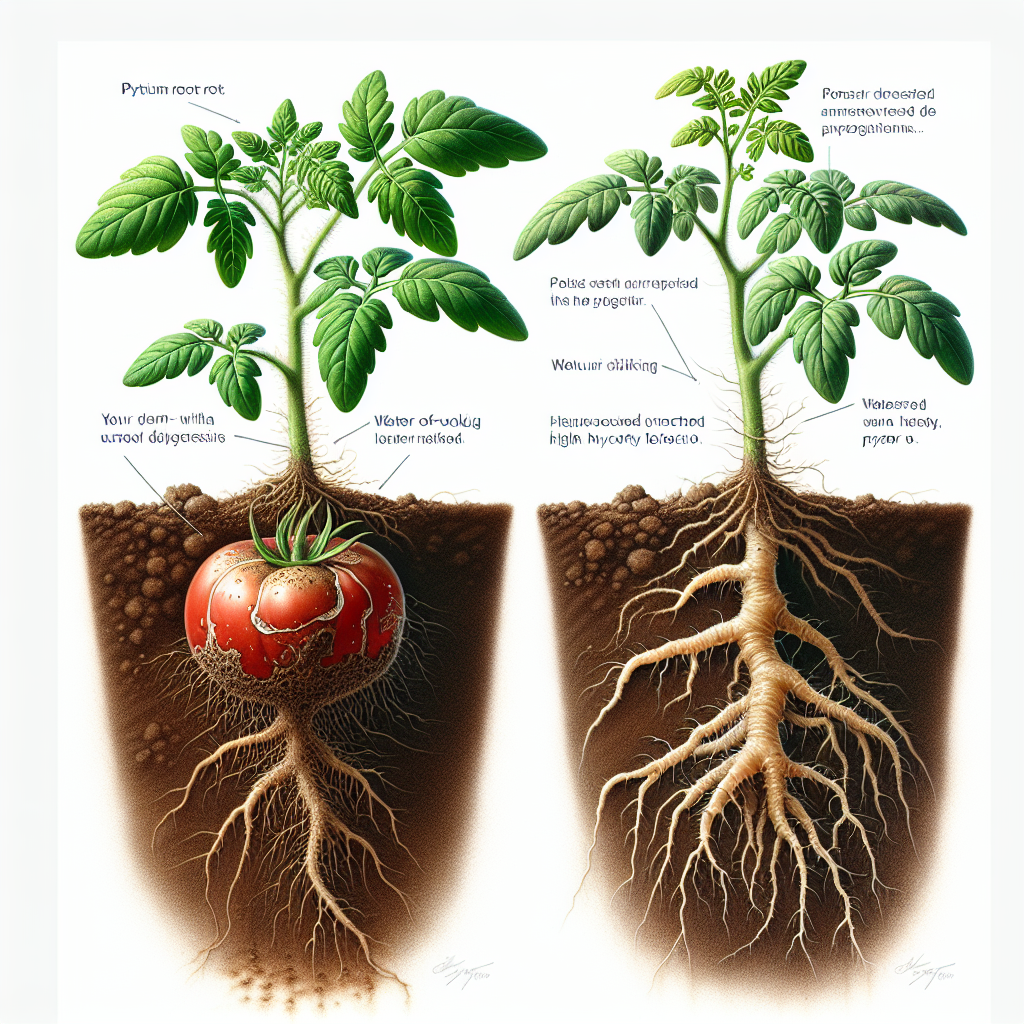
Pythium spp.
Pythium spp. is a genus of oomycete pathogens causing devastating root rot, damping-off, and seedling blights in crops worldwide. Thriving in saturated, cool soils, it rapidly kills young plants and stresses mature ones through root destruction. Effective management relies on cultural practices, sanitation, and targeted organic treatments to prevent outbreaks.
View Profile