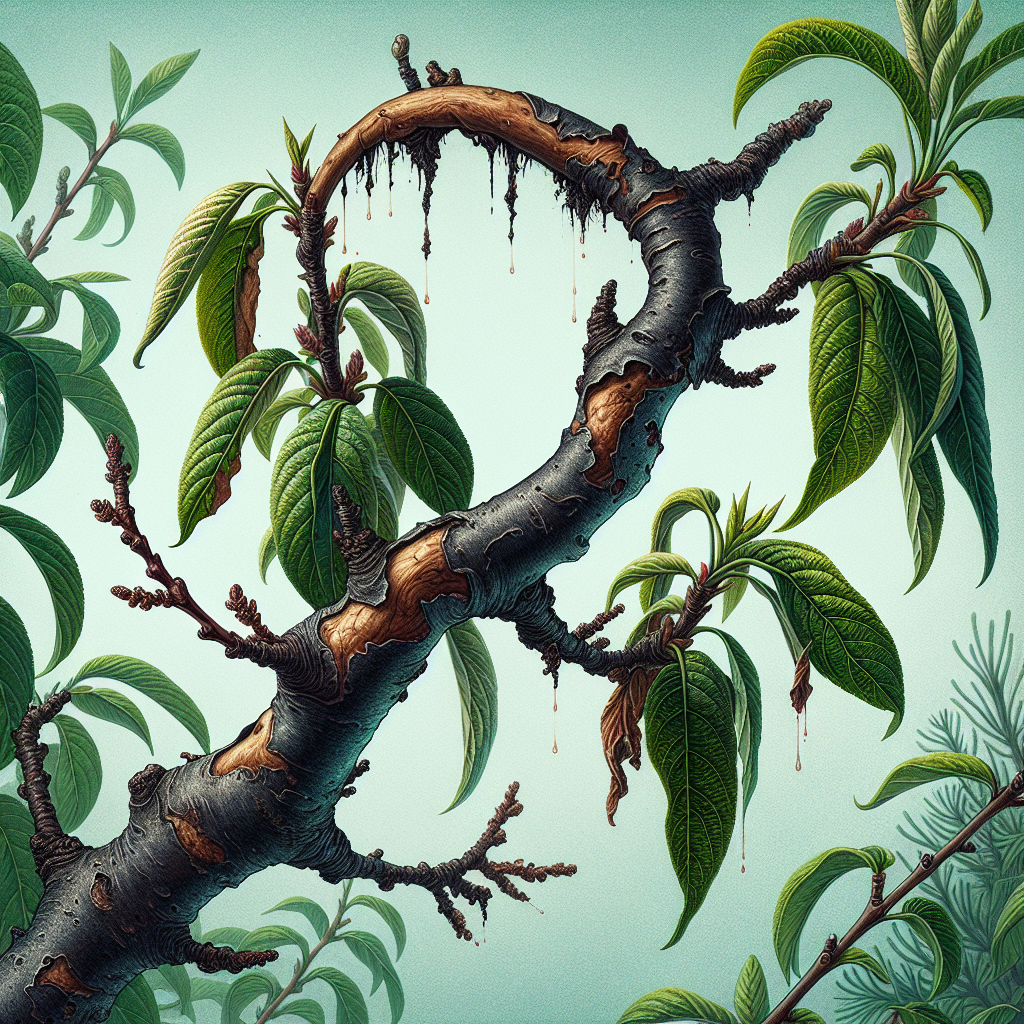
Introduction to fungal twig dieback
Fungal twig dieback represents a significant threat to orchards, vineyards, and ornamental landscapes worldwide, manifesting as the progressive death of small branches and twigs on woody plants. This disease complex, driven by opportunistic fungal pathogens such as Botryosphaeria spp., Nectria spp., Phomopsis spp., and Diaporthe spp., exploits environmental stress and plant weaknesses to colonize vascular tissues. Unlike acute blights, twig dieback advances stealthily, often going unnoticed until substantial canopy loss occurs, compromising fruit production and tree vigor.
In agricultural settings, fungal twig dieback can reduce yields by 20-50% in severe cases, particularly in apple and peach orchards. The pathogens enter through wounds, prune cuts, or natural openings, producing cankers that girdle twigs and block nutrient flow. This guide provides professional-grade diagnostics, organic management strategies, and prevention tactics tailored for small farms and commercial growers. Understanding the interplay of fungal biology, host susceptibility, and environmental cues is key to mitigating losses. For instance, in Hass Avocado groves, twig dieback often coincides with drought stress, amplifying secondary infections. Early intervention through vigilant scouting and cultural adjustments can salvage crop potential and extend orchard lifespan.
Identifying Symptoms & Damage
Accurate diagnosis of fungal twig dieback hinges on recognizing distinct visual cues across disease progression stages. Initial symptoms appear as wilting or browning of terminal leaves on affected twigs, often during late spring or summer. Twigs exhibit a characteristic 'shepherd's crook' curvature, where tips bend sharply downward due to rapid dieback. Closer inspection reveals sunken, discolored cankers—dark brown to black lesions with cracked bark—that expand longitudinally along branches.
Cankers frequently ooze amber-colored gum or sap in stone fruits like cherry, a hallmark of Botryosphaeria infection. Underside bark peeling exposes blackened, necrotic cambium, while cross-sections show wedge-shaped discoloration in xylem. In advanced stages, entire branches die, leading to sparse canopies and prolific watersprouts from the base. Differentiate from powdery mildew by the absence of white powdery growth and from fire blight by slower progression without shoot blackening.
Damage quantification involves assessing percentage canopy loss: under 10% warrants monitoring, 10-30% prompts aggressive pruning, and over 30% signals potential tree removal. Use a hand lens to spot fungal fruiting bodies—pycnidia or acervuli—on canker surfaces, appearing as black dots exuding spores in wet conditions. Lab confirmation via isolation on potato dextrose agar reveals diagnostic conidia shapes. In grapes, symptoms mimic Eutypa dieback, but fungal twig dieback shows more uniform twig mortality without sectoring. Scouting protocols: inspect 25 trees per block biweekly, focusing on lower canopy and pruning wounds.
Lifecycle and Progression of fungal twig dieback
Fungal twig dieback pathogens follow a polycyclic lifecycle synchronized with host phenology and weather. Primary inoculum overwinters in cankers, bark, or mummified fruit as stromata or mycelium. Spores (conidia, ascospores) release in spring rains, splashing onto fresh tissues or entering via wounds. Infection requires moisture >8 hours at 15-25°C, with latent periods of 4-8 weeks before symptoms emerge.
Secondary spread occurs via rain-splashed conidia from expanding cankers, amplifying epidemics in dense canopies. Progression accelerates post-infection: mycelium colonizes xylem, producing toxins that induce girdling. Twigs die within 2-4 weeks, serving as new inoculum sources. In pear, Phomopsis completes 3-5 cycles per season, peaking during bud swell to fruit set.
Over years, cankers coalesce into branch blight, compromising structural integrity. Systemic progression links to root rot complexes under chronic stress. Lifecycle interruption targets spore germination via fungistats or desiccation. Understanding this cycle informs timing: prune post-harvest to minimize inoculum carryover.
Environmental Triggers & Risk Factors
Fungal twig dieback thrives under conditions stressing host defenses, primarily drought, poor drainage, and mechanical injury. High humidity (>80%) coupled with temperatures 18-28°C optimalizes spore germination, while water-stressed plants exhibit 3x higher susceptibility due to stomatal closure and reduced resin flow. Overcrowded plantings reduce airflow, extending leaf wetness durations critical for infection.
Soil factors like compaction or high clay content impede root health, predisposing trees to Phytophthora co-infections. Excessive nitrogen promotes succulent growth vulnerable to canker expansion. Risk peaks in 2-4 year-old orchards during establishment. Recent hail or frost injury creates entry courts, as seen in plum after spring freezes. Assess site risk via drainage audits and vigor mapping; mitigate with cover crops enhancing microbial antagonism.
Organic Control & Treatment Plans
Organic management emphasizes integrated cultural, biological, and mechanical tactics over synthetic fungicides. Pruning Strategy: Remove infected twigs 10-15cm below visible cankers during dry periods (summer/fall), sterilizing tools with 10% bleach between cuts. Dispose prunings by burning or deep burial to eliminate inoculum.
Biological Controls: Apply Trichoderma harzianum or Bacillus subtilis sprays (OMRI-listed) at bud break and post-rain, targeting spore germination. Mycorrhizal inoculants bolster root resilience against stress. Nutritional Boost: Foliar calcium and potassium sprays enhance cell wall strength, reducing canker expansion by 40%.
Treatment Timeline:
- Early Detection: Scout weekly; prune immediately.
- Active Season: Biweekly biofungicide applications.
- Post-Harvest: Deep prune, apply compost teas.
For Hass Avocado, integrate Spring Pest Patrol: Organic AI Strategies to Shield Your Crops from Common Invaders for synergistic pest management. Monitor efficacy via symptom tracking; expect 70-85% control with consistent execution. Avoid overhead irrigation to shorten wetness periods.
Preventing fungal twig dieback in the Future
Prevention hinges on resilience-building practices from planting onward. Select resistant cultivars like 'Honeycrisp' apple or 'Redhaven' peach. Optimize spacing (4-6m) for airflow, using reflective mulches to reduce humidity. Implement drip irrigation, maintaining soil moisture at 60-80% field capacity without waterlogging.
Annual sanitation removes 90% inoculum: rake fallen debris, thin crowded canopies. Boost immunity via balanced fertility—avoid excess N—and silicon amendments strengthening tissues. Windbreaks mitigate hail damage. For new plantings, fumigate soil if root rot history exists, and dip roots in biofungicide slurries. Long-term, diversity intercropping with Thai Basil repels vectors. Annual audits track incidence; thresholds under 5% indicate success.
Crops Most Affected by fungal twig dieback
Fungal twig dieback strikes a broad spectrum of woody crops, with pome and stone fruits most vulnerable. High-Risk: Apple (30-50% incidence), peach, cherry, plum, pear—cankers devastate yields. Moderate: Grapes, Hass Avocado, mango, citrus. Emerging: Blueberry, raspberry.
In cherry, Botryosphaeria causes gummosis and spur dieback, slashing fruit set. Peach suffers rapid branch blight post-bloom. Global reports note 15-25% annual losses untreated. Tailor prevention to crop: stone fruits demand vigilant pruning, avocados prioritize drainage. Co-management with anthracnose essential in tropics.