Encyclopedia
Definitive guides for crops, pests, and agricultural diseases.
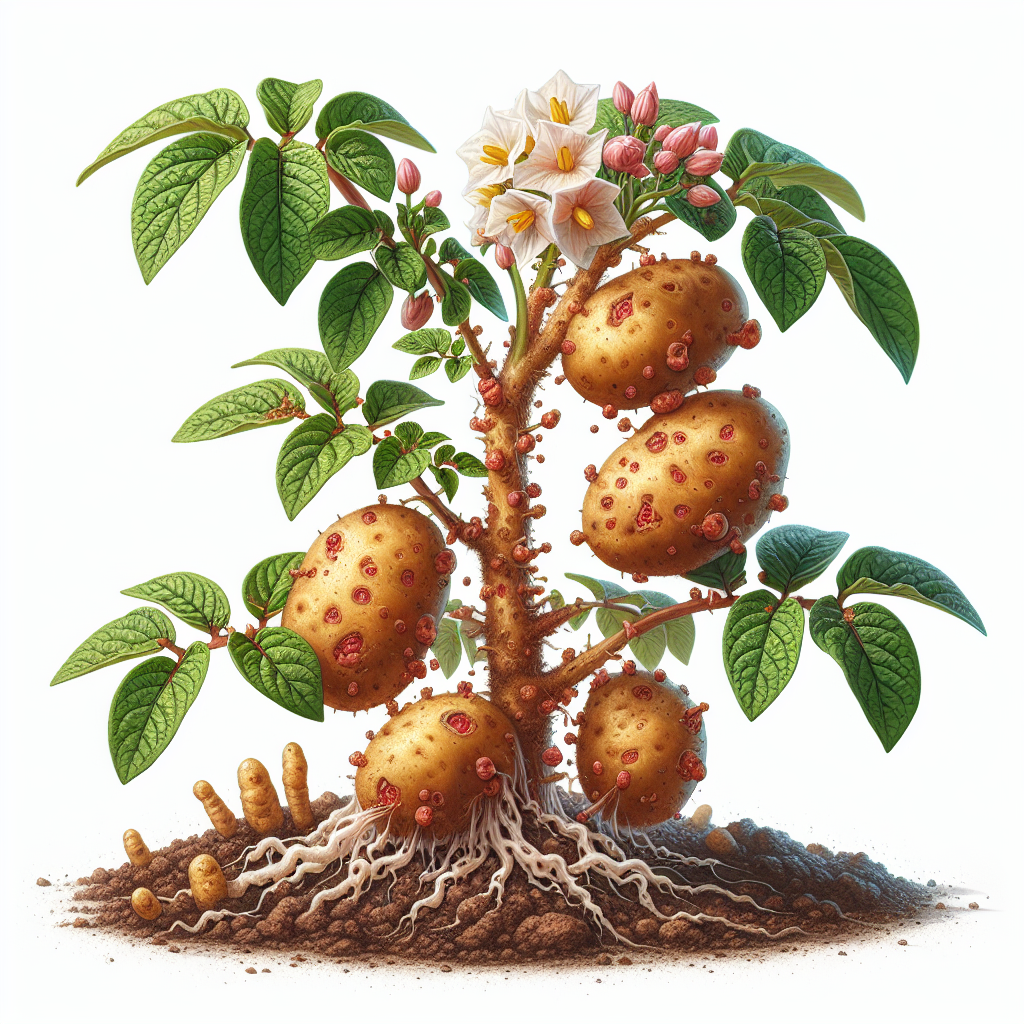
Rhizoctonia Canker
Rhizoctonia Canker is a destructive fungal disease caused by Rhizoctonia solani, leading to cankers on stems, crowns, and roots that girdle plants and cause wilting and death. It thrives in warm, wet soils and affects a wide range of crops, making early detection and cultural management essential for control. This guide provides comprehensive diagnostic symptoms, lifecycle details, organic treatments, and prevention strategies for farmers.
View Profile
Rhizoctonia crown and root rot
Rhizoctonia crown and root rot, caused by the soilborne fungus Rhizoctonia solani, is a devastating disease affecting a wide range of crops by rotting roots, crowns, and lower stems, leading to stunted growth and plant death. It thrives in warm, wet soils with poor drainage, making prevention through cultural practices essential. Effective management combines sanitation, resistant varieties, and organic biocontrols for sustainable control.
View Profile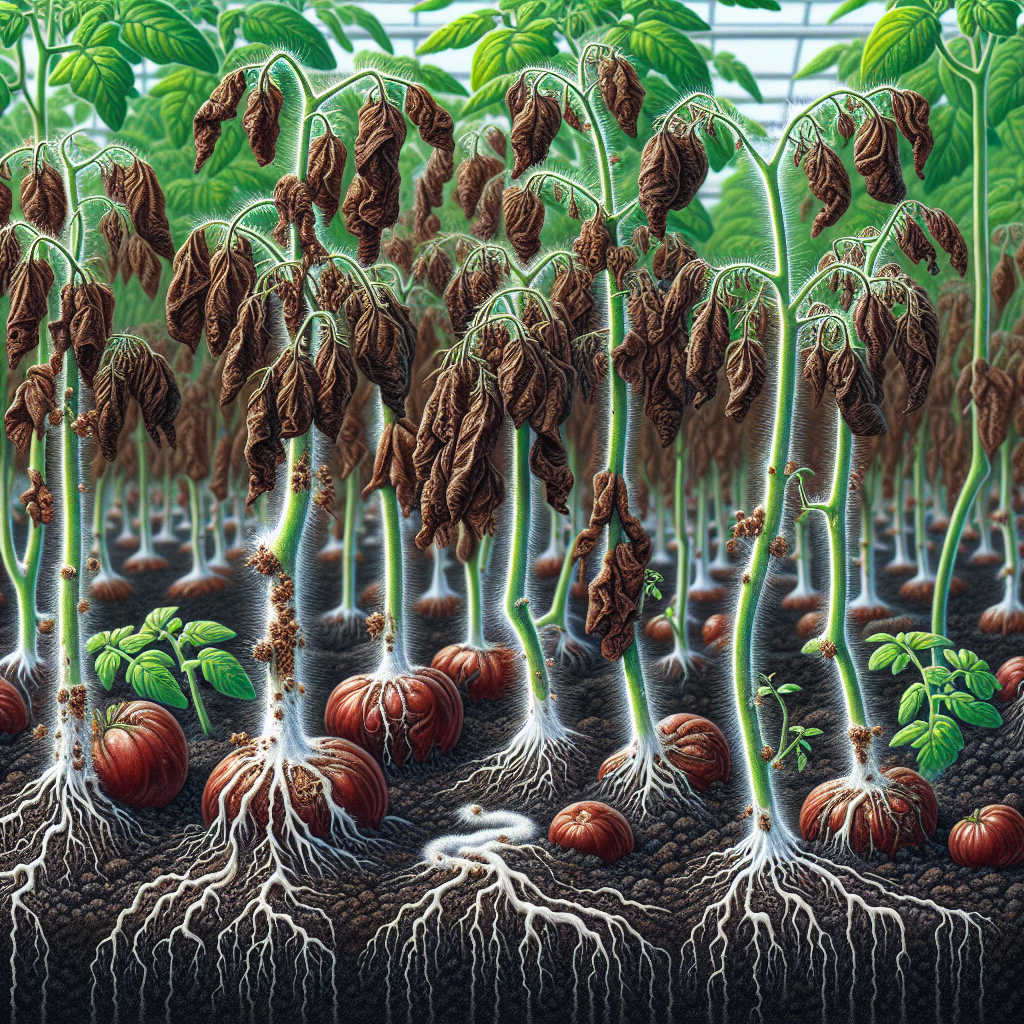
Rhizoctonia damping-off
Rhizoctonia damping-off is a devastating fungal disease caused by Rhizoctonia solani that primarily attacks seedlings, leading to rapid collapse and death in pre- and post-emergence stages. This soil-borne pathogen thrives in overly wet, compacted soils and cool temperatures, causing significant losses in greenhouses, nurseries, and field crops. Effective management relies on cultural practices, sanitation, and organic biocontrols to prevent outbreaks and protect vulnerable young plants.
View Profile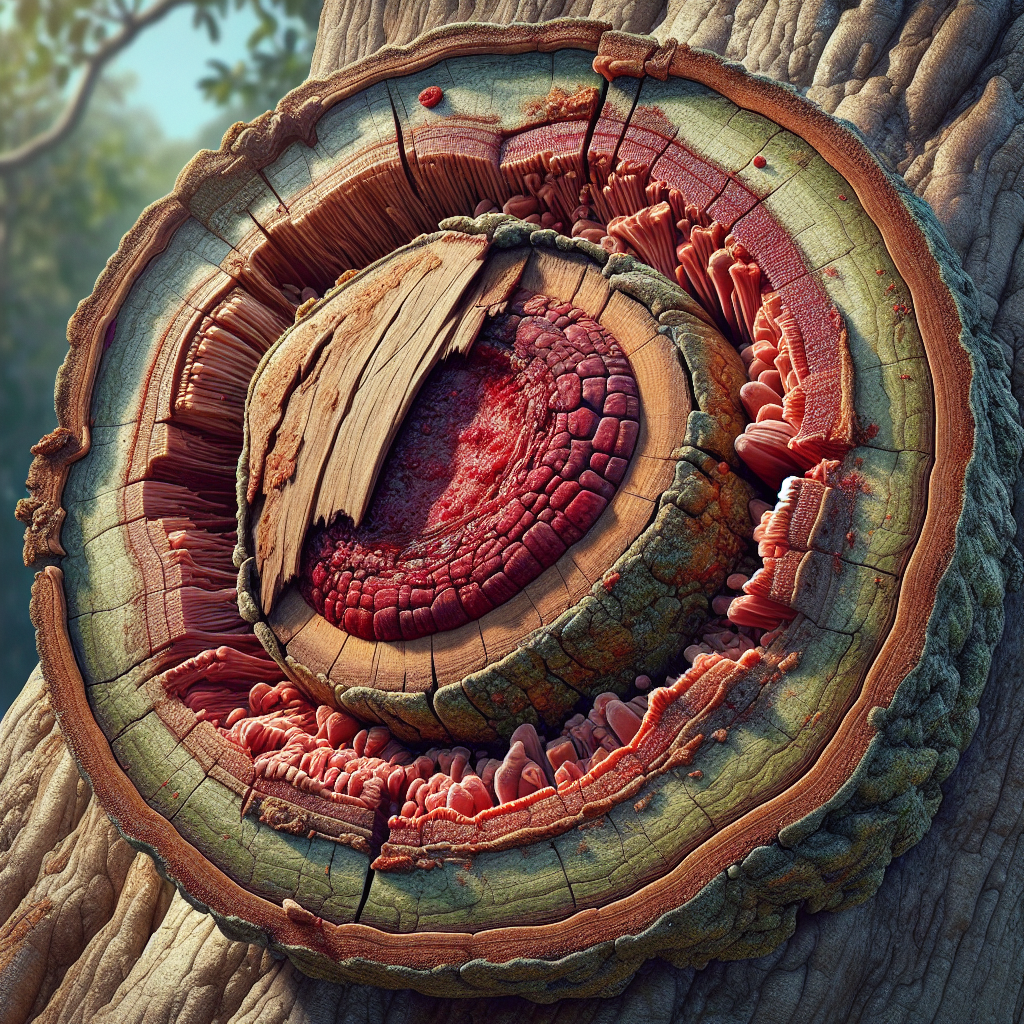
Rhizoctonia limb rot
Rhizoctonia limb rot is a destructive fungal disease caused by Rhizoctonia solani that primarily affects the limbs, branches, and trunks of trees and woody perennials, leading to cankers, girdling, and eventual plant death. It thrives in warm, wet soils and spreads through infected plant debris and soil. Early detection and cultural management are key to preventing widespread damage in orchards and perennial crops.
View Profile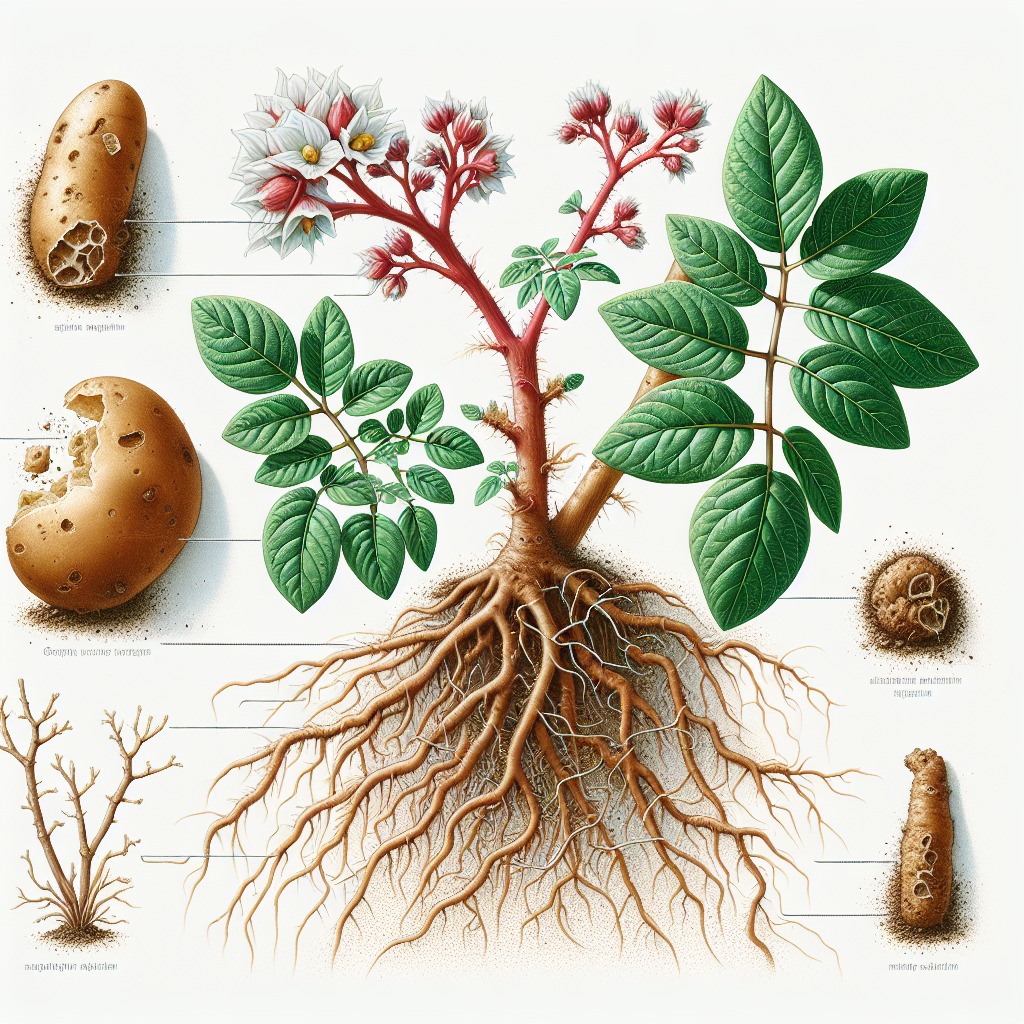
Rhizoctonia root rot
Rhizoctonia root rot, caused by the soilborne fungus Rhizoctonia solani, is a devastating disease affecting roots and lower stems of numerous crops, leading to wilting, stunting, and plant death. It thrives in warm, wet soils with poor drainage, making early diagnosis and cultural management essential for control. This guide provides comprehensive strategies for identification, organic treatment, and prevention to safeguard yields.
View Profile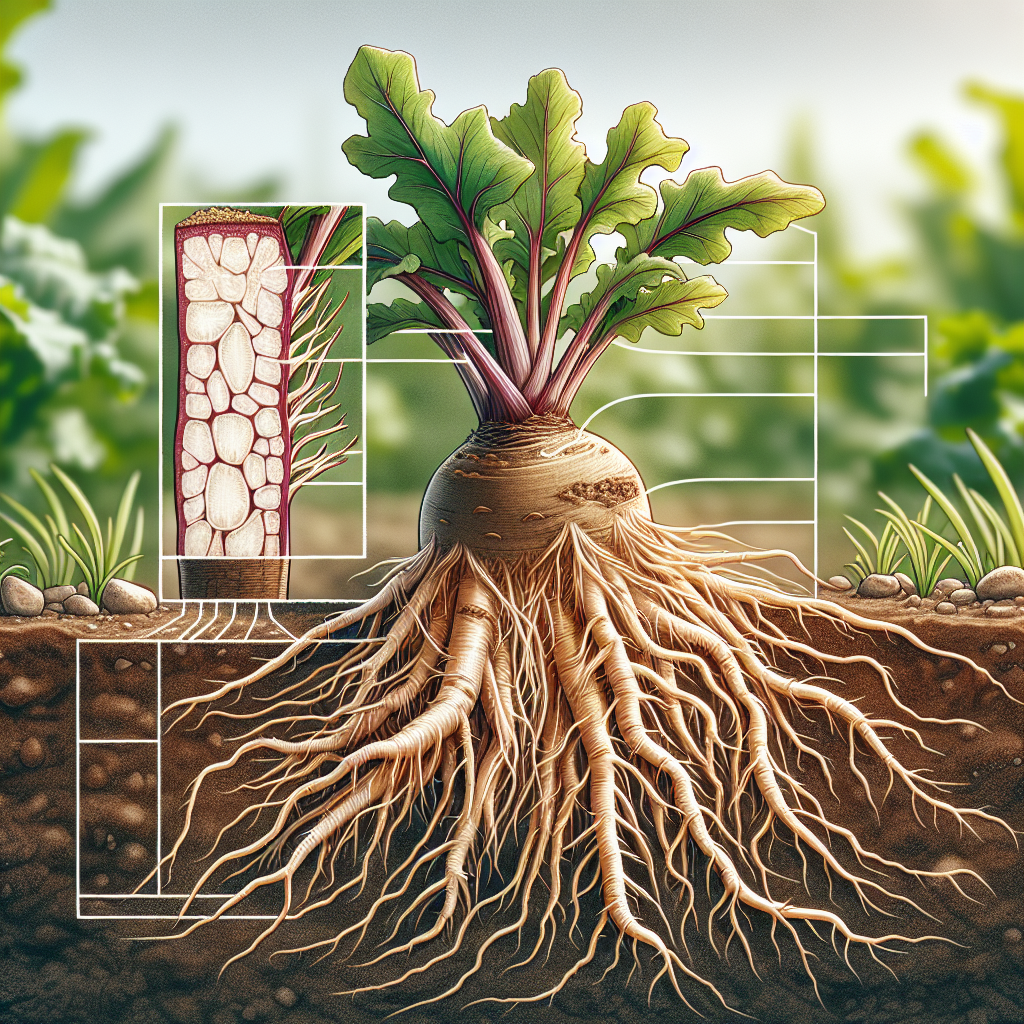
rhizomania
Rhizomania is a devastating viral disease primarily affecting sugar beet crops, caused by the Beet necrotic yellow vein virus (BNYVV) and transmitted by the soilborne protozoan Polymyxa betae. It leads to stunted growth, prolific root branching, and severe yield losses of up to 80%. Effective management relies on resistant varieties, strict sanitation, and crop rotation.
View Profile
Rice Blast
Rice Blast is a devastating fungal disease caused by Pyricularia oryzae that affects rice crops worldwide, leading to significant yield losses up to 100% in severe cases. It manifests as characteristic lesions on leaves, nodes, and panicles, thriving in warm, humid conditions. Effective management combines resistant varieties, cultural practices, and organic fungicides for sustainable control.
View Profile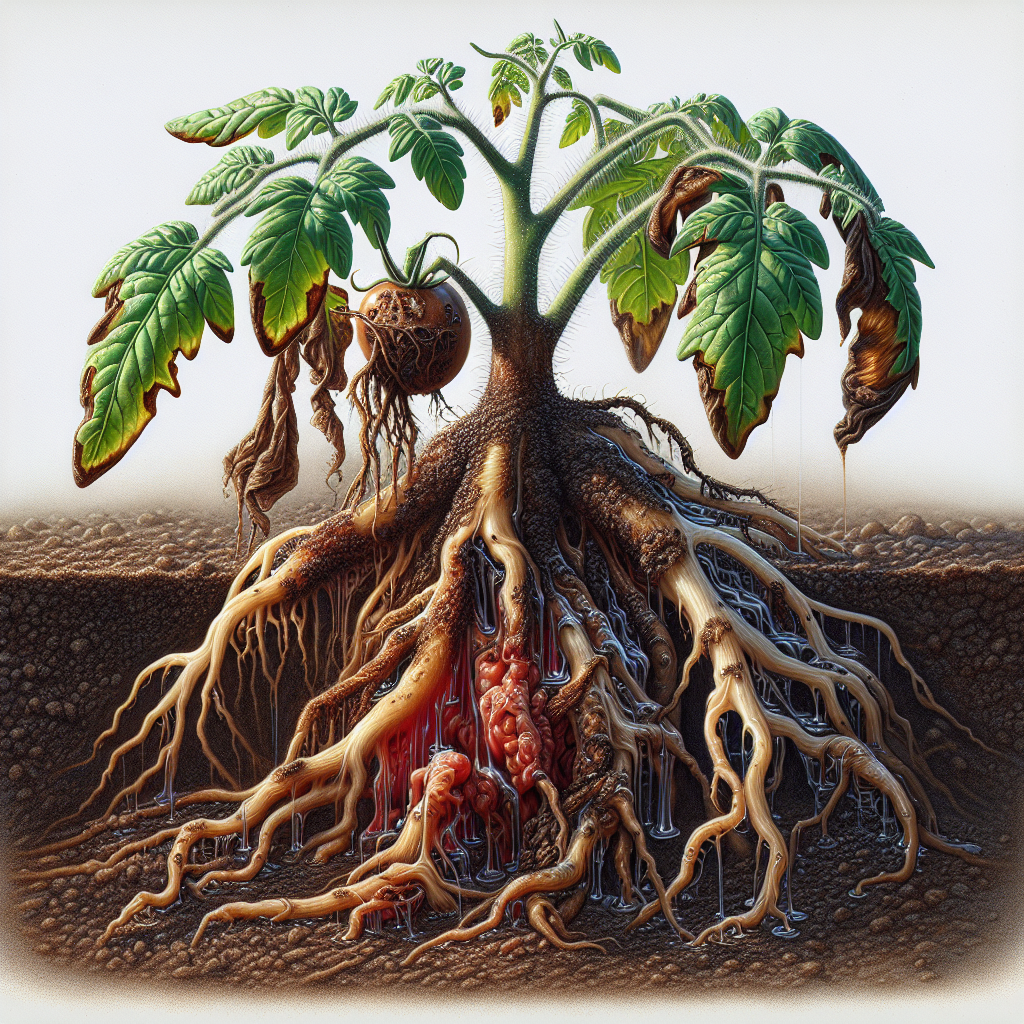
Root and Crown Rots
Root and crown rots are devastating soilborne fungal and oomycete diseases that attack plant roots and lower stems, leading to wilting, stunted growth, and plant death. Caused by pathogens like Phytophthora, Pythium, and Fusarium, they thrive in poorly drained, waterlogged soils. Effective management relies on prevention through cultural practices, soil health improvement, and prompt organic interventions.
View Profile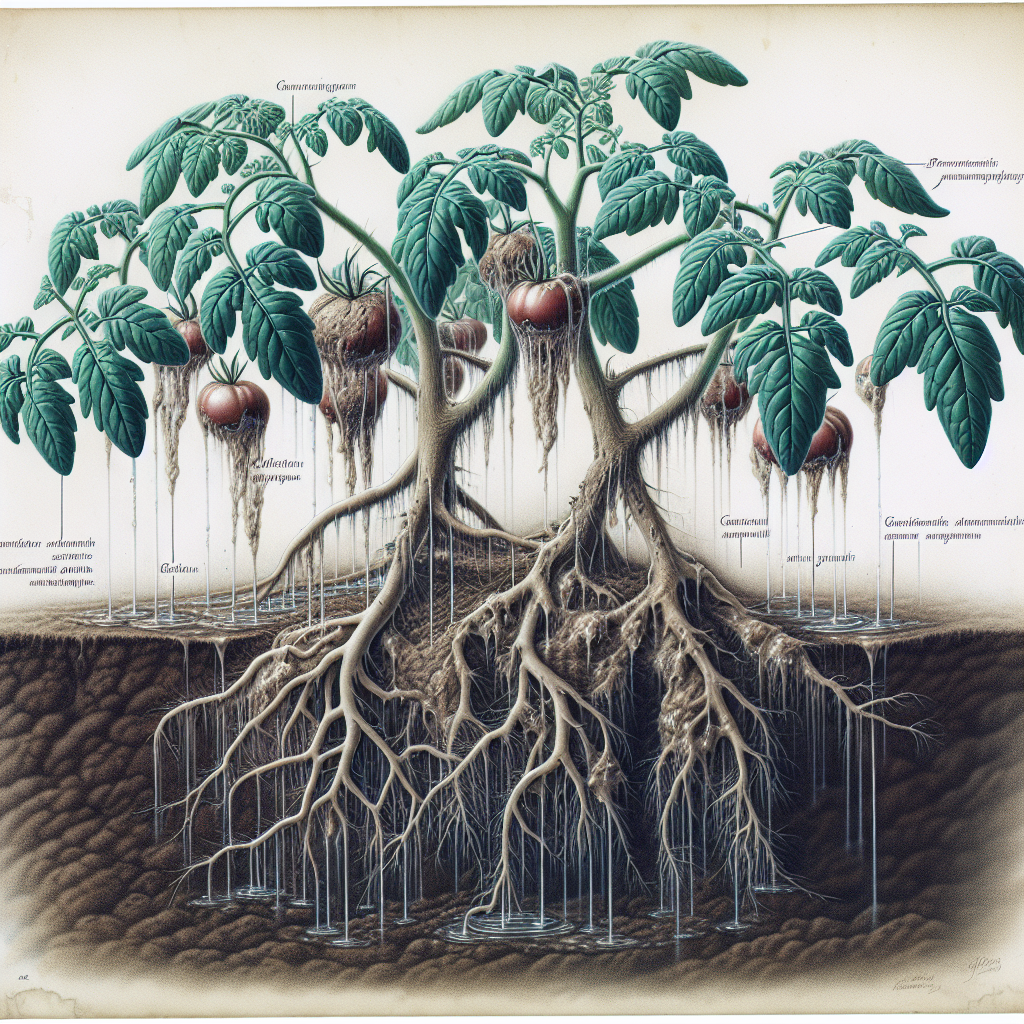
Root and seedling diseases
Root and seedling diseases are devastating soilborne fungal and oomycete pathogens that attack plant roots and young seedlings, causing damping-off, root rot, and stunted growth. These diseases thrive in poorly drained, waterlogged soils and can wipe out entire stands of crops before emergence. Effective management relies on cultural practices, resistant varieties, and biological controls to prevent outbreaks.
View Profile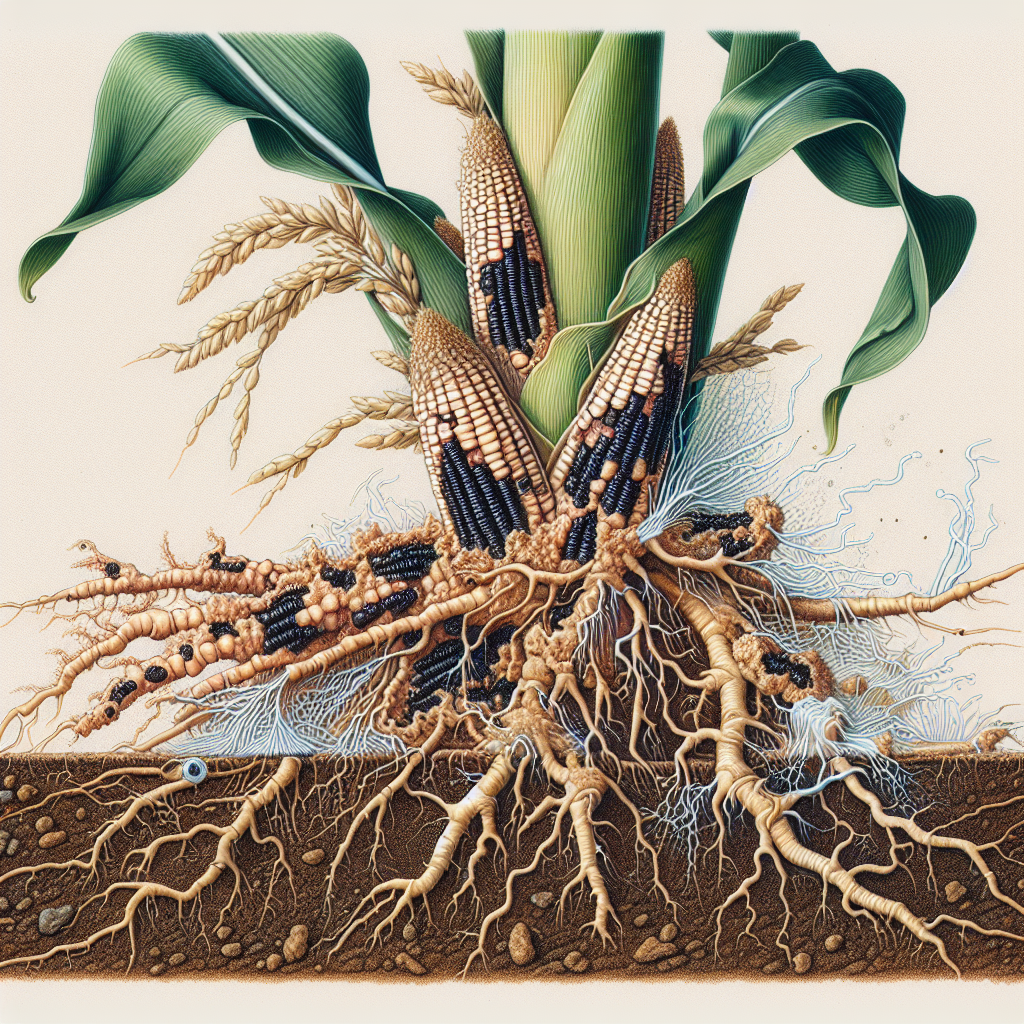
root and stalk rots
Root and stalk rots are devastating soilborne fungal and oomycete diseases that attack the underground and lower stem tissues of crops, leading to wilting, lodging, and significant yield losses. Caused by multiple pathogens thriving in wet, poorly drained conditions, they affect a wide range of field and horticultural crops. Effective management relies on cultural practices, resistant varieties, and organic biocontrols to minimize damage.
View Profile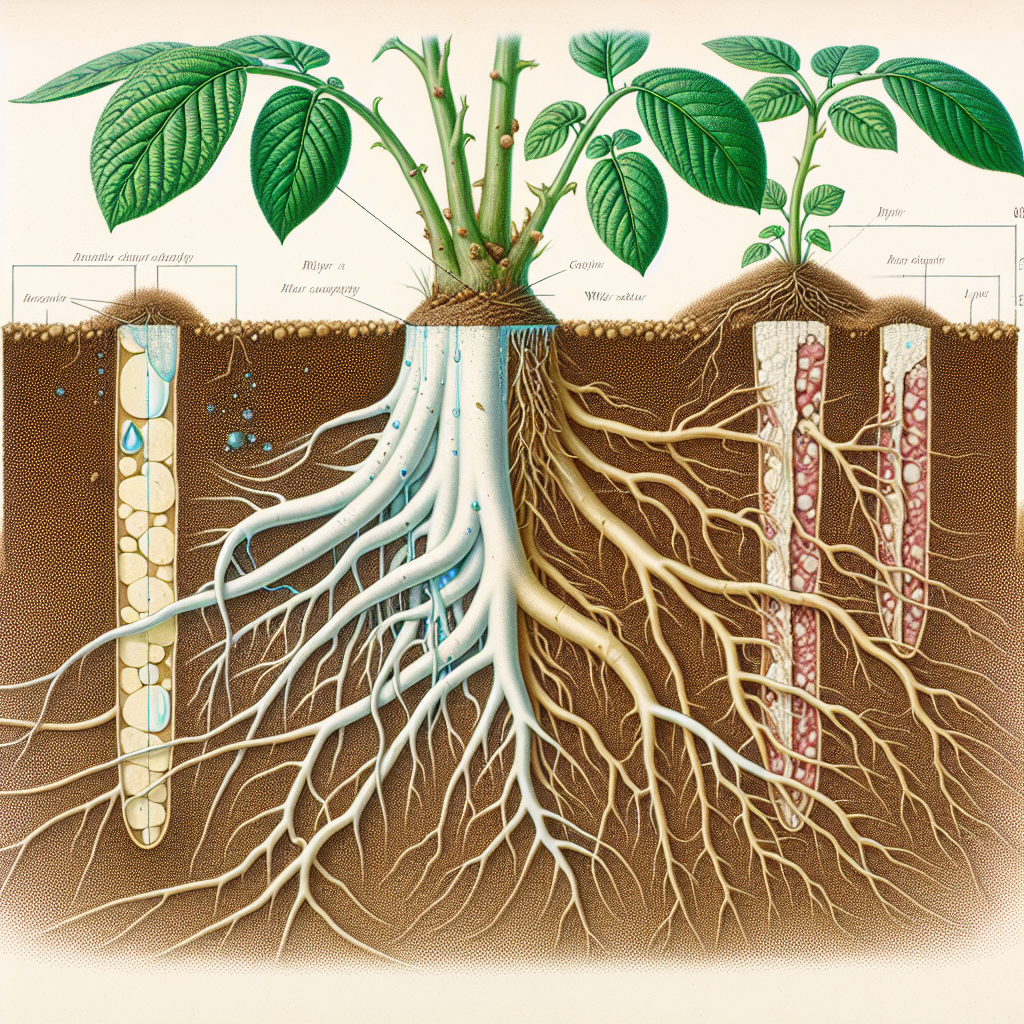
Root decay
Root decay is a devastating soil-borne fungal disease that causes progressive rotting of plant roots, leading to wilting, stunted growth, and plant death. Commonly triggered by overwatering and poor drainage, it affects a wide range of crops by depriving them of water and nutrient uptake. Early detection and cultural management are key to controlling this pervasive issue in agriculture.
View Profile
root diseases
Root diseases are devastating soil-borne infections caused primarily by fungi, oomycetes, and bacteria that attack plant roots, leading to rot, wilting, and plant death. These pathogens thrive in poorly drained, waterlogged soils and can persist for years, making prevention critical for sustainable agriculture. Effective management combines cultural practices, organic treatments, and resistant varieties to protect yields.
View Profile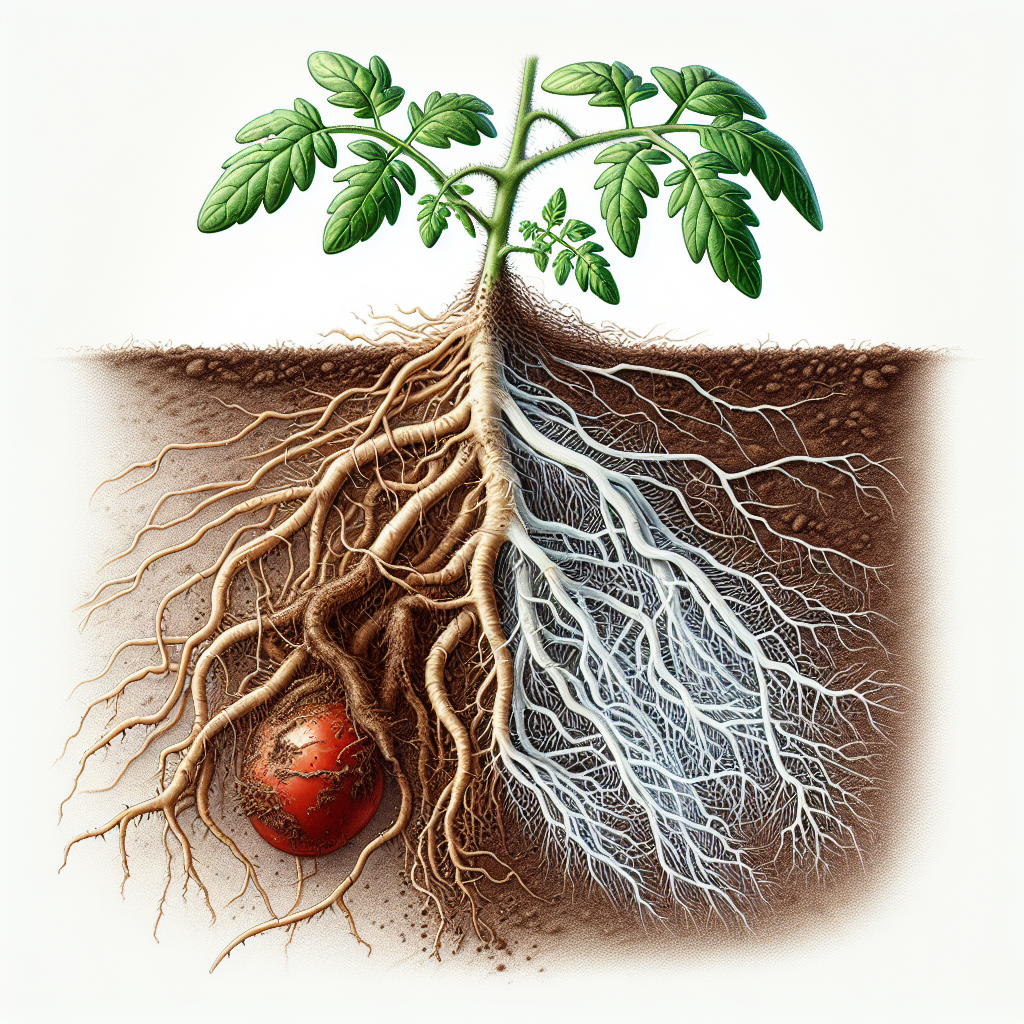
Root rot
Root rot is a devastating soilborne fungal and oomycete disease that causes roots to decay, leading to wilting, stunted growth, and plant death in crops worldwide. Commonly triggered by overwatering and poor drainage, it affects a broad range of plants from vegetables to ornamentals. Early detection and cultural management are key to minimizing losses.
View Profile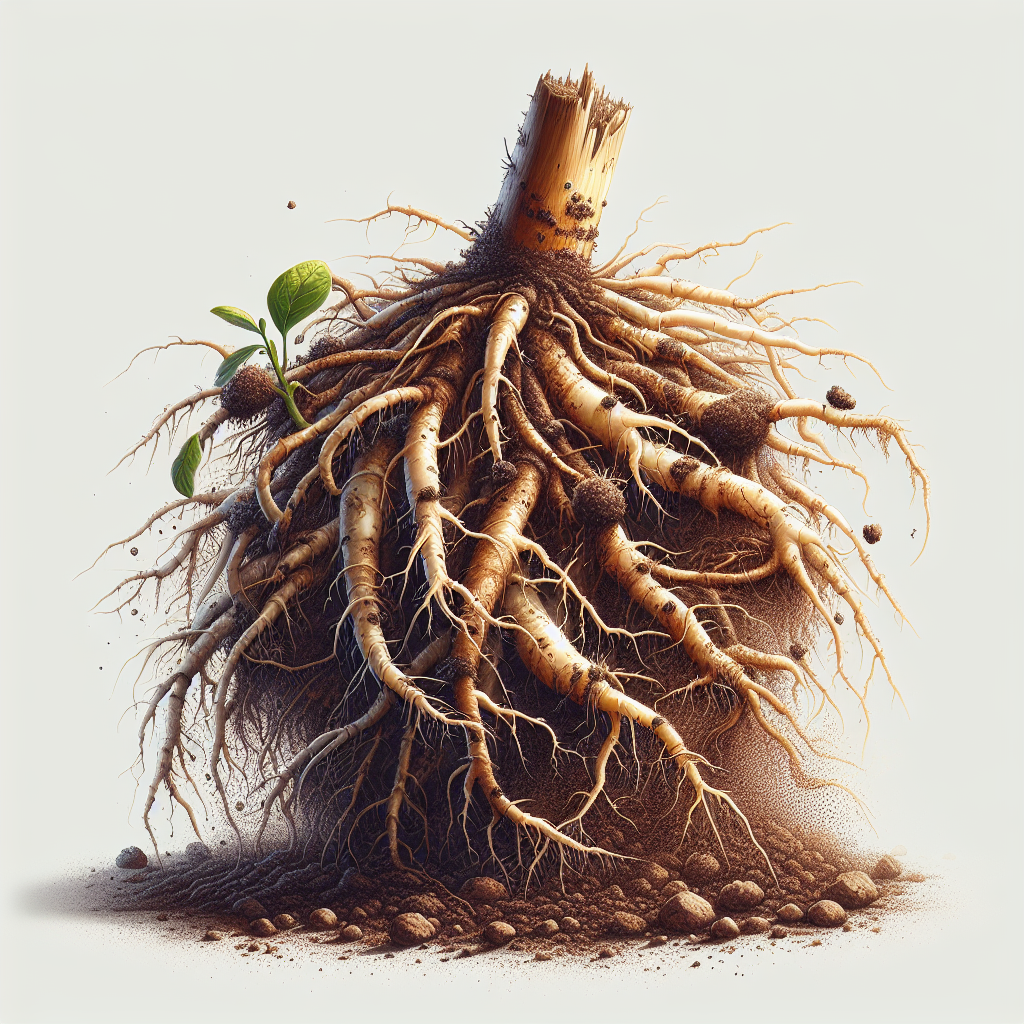
Root rot (Phytophthora)
Root rot caused by Phytophthora is a devastating soilborne disease affecting numerous crops worldwide, leading to rapid wilting and plant death due to root decay. This oomycete pathogen thrives in waterlogged conditions, making it a major threat in poorly drained soils. Effective management relies on prevention, cultural practices, and targeted organic treatments.
View Profile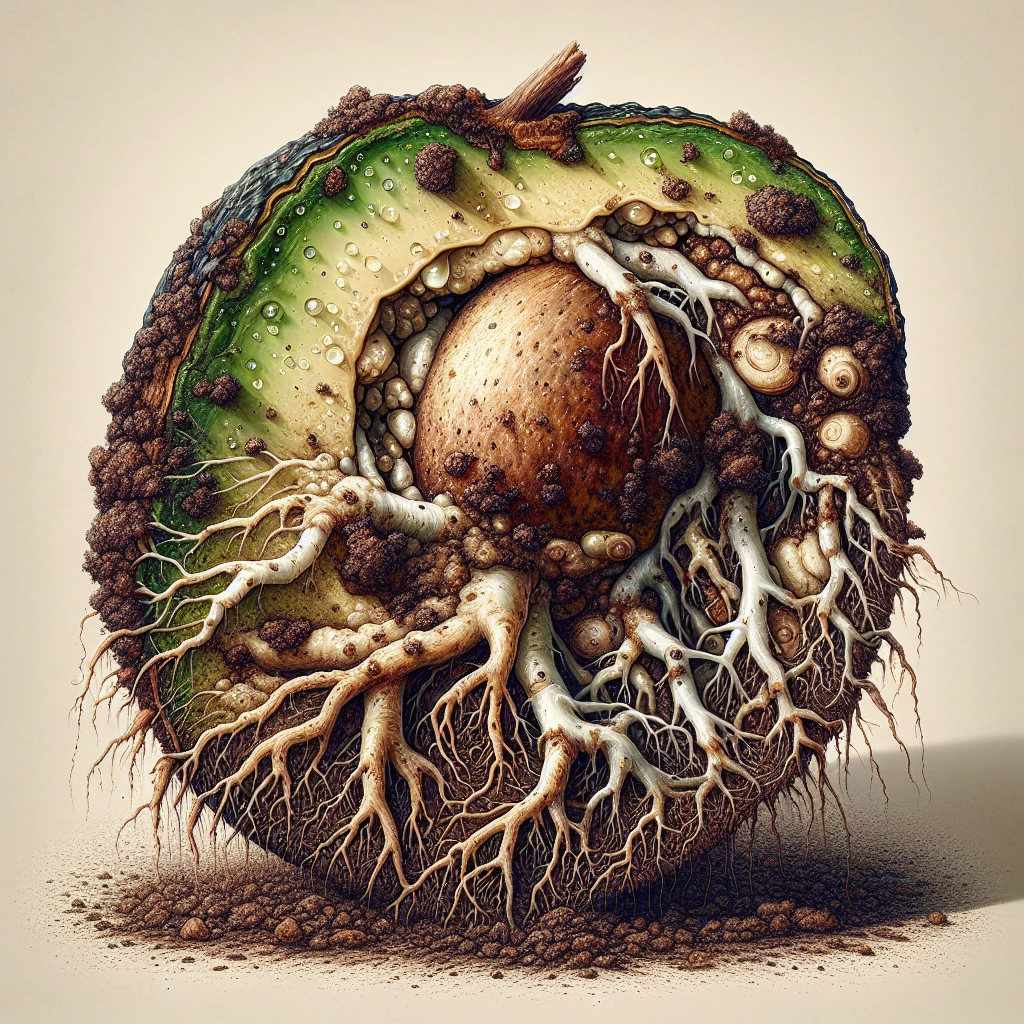
root rot complexes
Root rot complexes are devastating soilborne disease syndromes caused by multiple pathogens thriving in waterlogged conditions, leading to root decay, stunted growth, and plant death. Affecting a wide range of crops, these complexes are challenging to manage due to their synergistic interactions and persistence in soil. Effective control relies on prevention through improved drainage, resistant varieties, and cultural practices.
View Profile
Root rots
Root rots are devastating soilborne fungal and oomycete diseases that decay plant roots, leading to wilting, stunted growth, and plant death. Caused by multiple pathogens thriving in wet conditions, they affect a wide range of crops from vegetables to ornamentals. Early detection, cultural practices, and organic treatments are key to management and prevention.
View Profile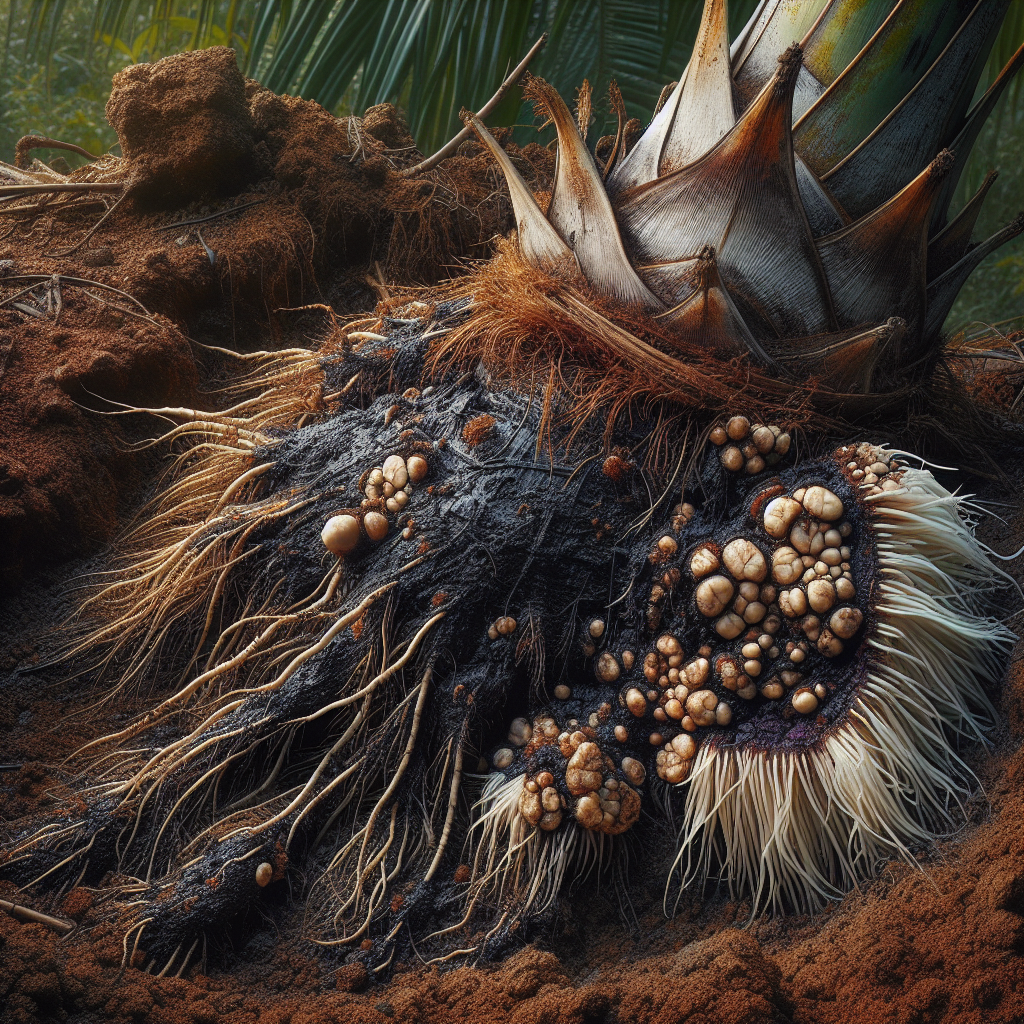
Root wilt
Root wilt is a devastating fungal disease primarily affecting coconut palms and other tropical crops, caused mainly by Phytophthora meadii, leading to root decay, wilting, and eventual tree death. It spreads through soil and water, thriving in poorly drained conditions. Early detection and cultural management are key to limiting its spread in affected plantations.
View Profile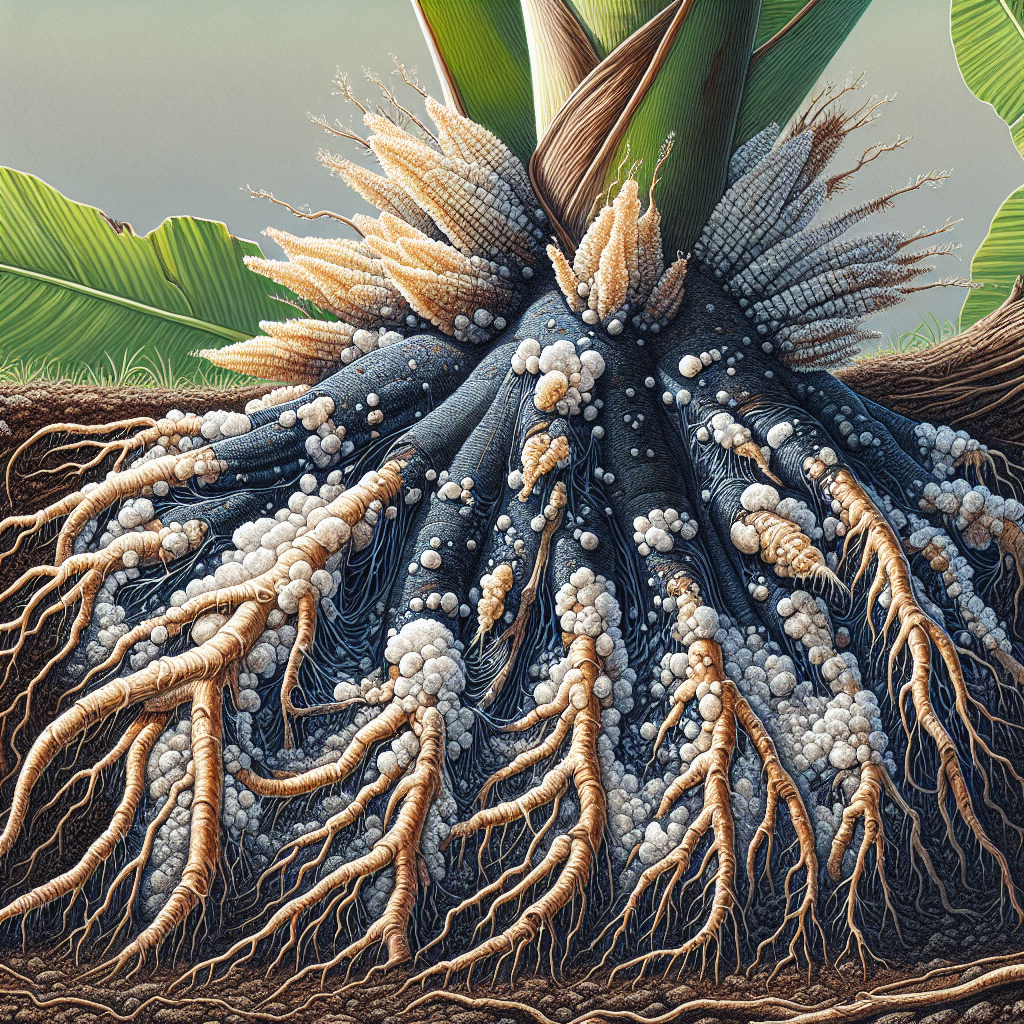
Root wilt complexes
Root wilt complexes are devastating soilborne disease syndromes caused by interactions between fungal pathogens, oomycetes, bacteria, and nematodes that lead to root decay, vascular blockage, and plant wilting. These complexes mimic single diseases but involve multiple agents, making diagnosis and management challenging. Effective control relies on integrated cultural practices, resistant varieties, and soil health optimization.
View Profile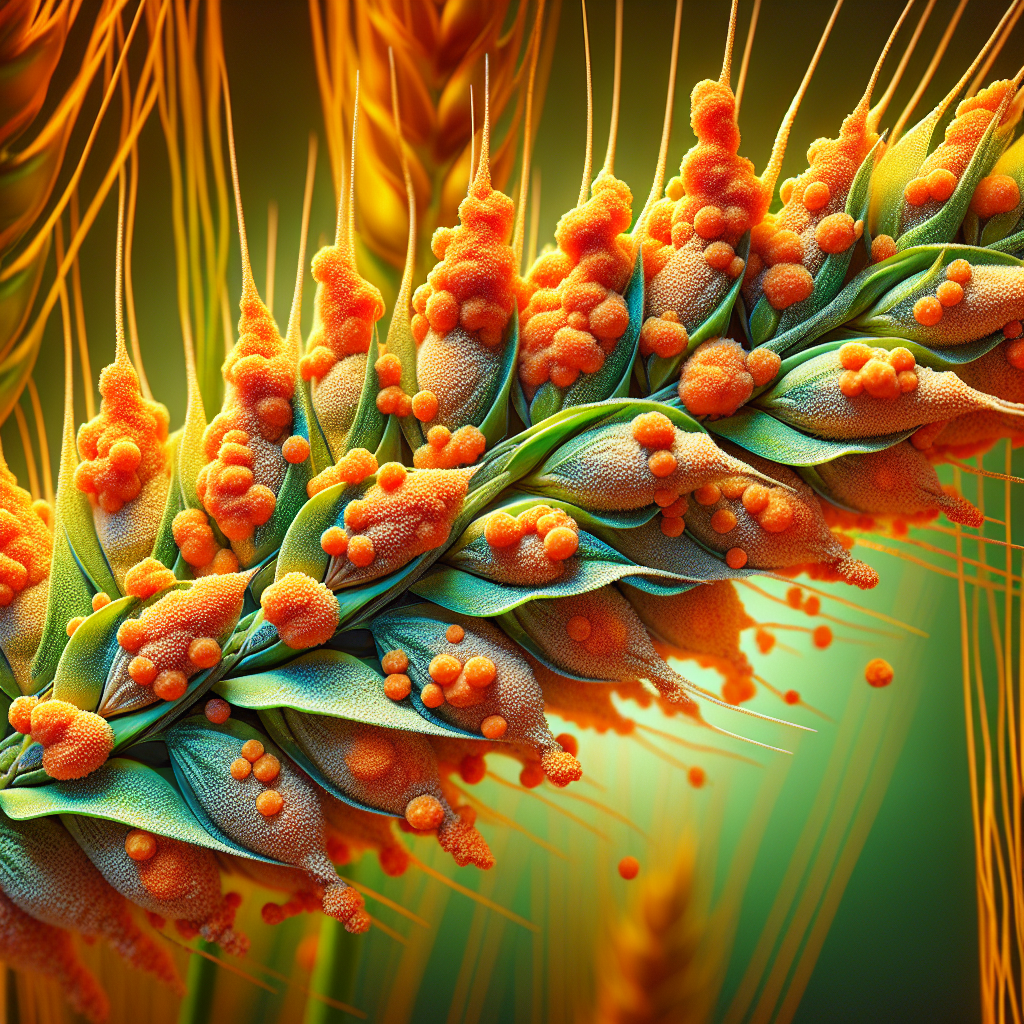
Rust-like diseases
Rust-like diseases are fungal infections primarily caused by Pucciniales order fungi, producing characteristic orange, yellow, or reddish powdery spores on plant surfaces, mimicking true rusts. These diseases affect leaves, stems, and fruits, leading to reduced photosynthesis, yield loss, and plant weakening. Effective management relies on early identification, cultural practices, and organic fungicides for sustainable control.
View Profile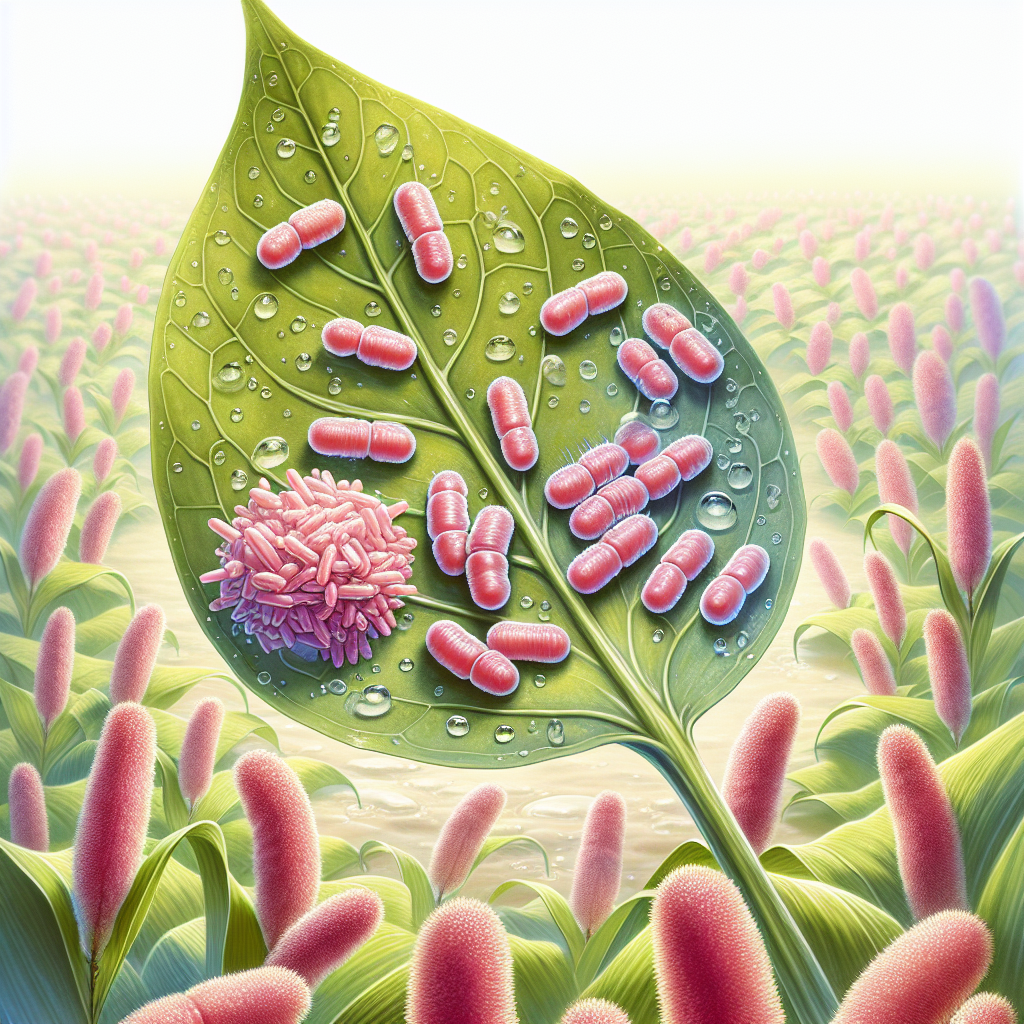
Salmonella
Salmonella is a bacterial pathogen that contaminates fresh produce through fecal matter, irrigation water, and poor hygiene, posing severe risks to leafy greens, tomatoes, and sprouts in agricultural settings. This guide provides diagnostic signs of contamination, lifecycle insights, and organic management strategies to safeguard crops and prevent foodborne outbreaks. Farmers can implement sanitation protocols and biological controls to minimize Salmonella persistence in soil and on plant surfaces.
View Profile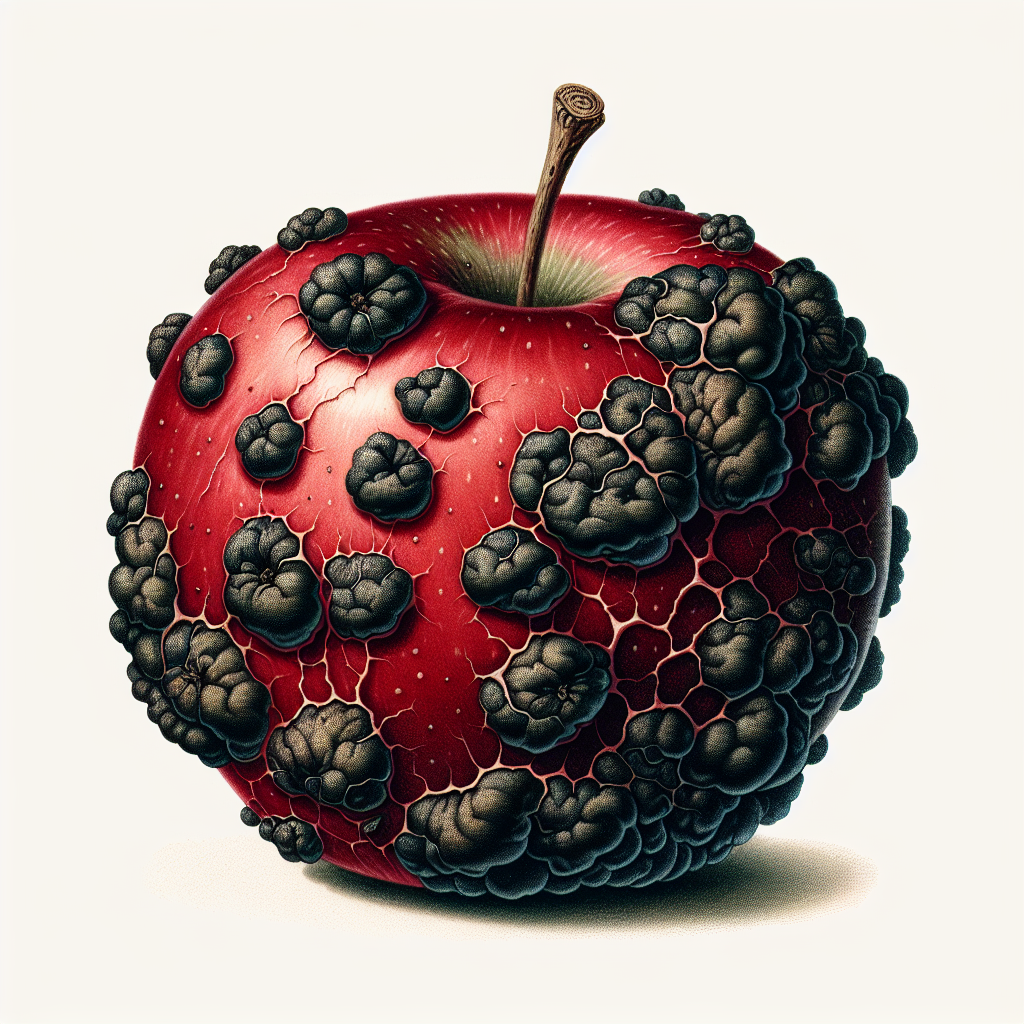
Scab
Scab is a widespread fungal disease affecting numerous crops, characterized by rough, corky lesions on leaves, fruits, and stems that reduce yield and marketability. It thrives in warm, humid conditions and spreads via spores, making early detection and cultural management essential. This guide covers diagnosis, organic treatments, and prevention strategies for affected crops like apples, potatoes, and pecans.
View Profile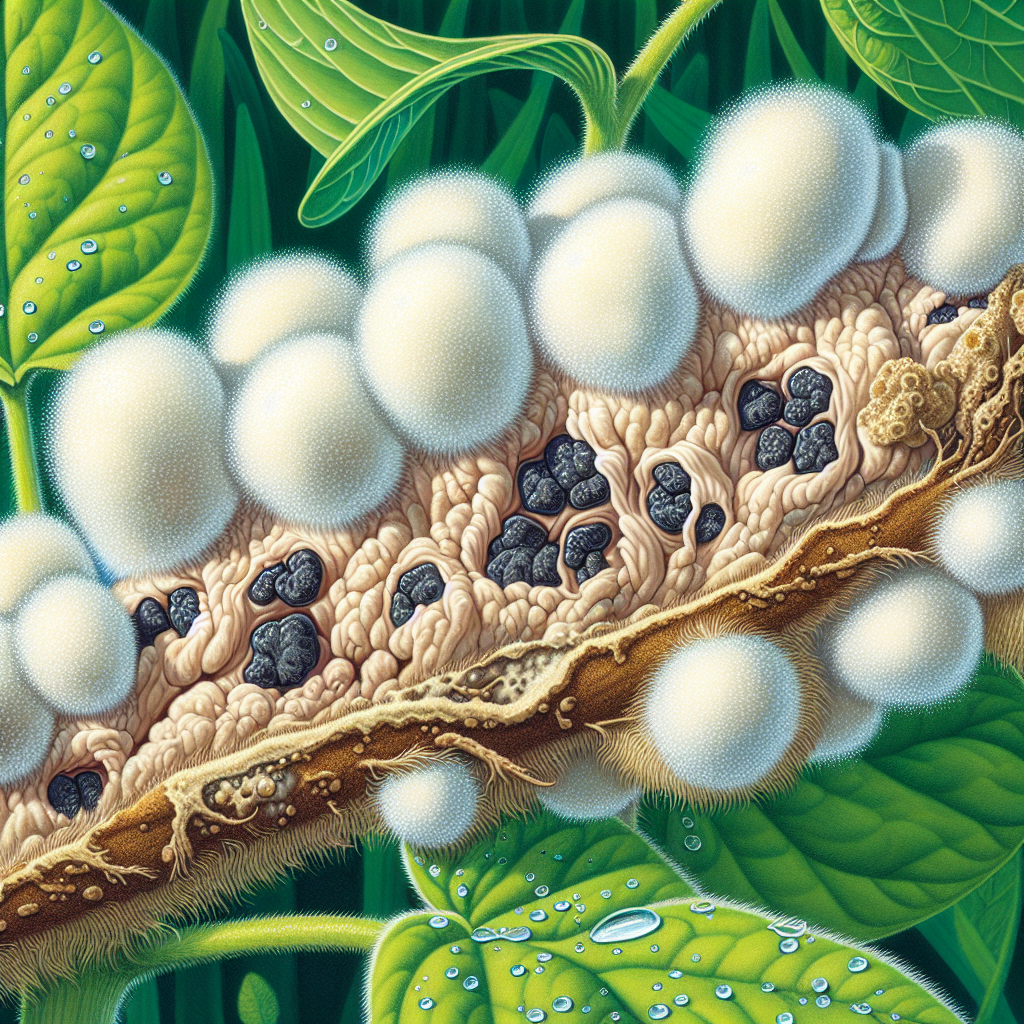
Sclerotinia
Sclerotinia, caused by the fungus Sclerotinia sclerotiorum, is a devastating soilborne disease affecting over 400 plant species, leading to white mold, stem rot, and severe yield losses in cool, wet conditions. This guide provides definitive diagnostic criteria, lifecycle insights, organic management strategies, and prevention tactics for farmers battling this persistent pathogen. Early identification and cultural controls are key to minimizing damage in high-risk crops like soybeans and lettuce.
View Profile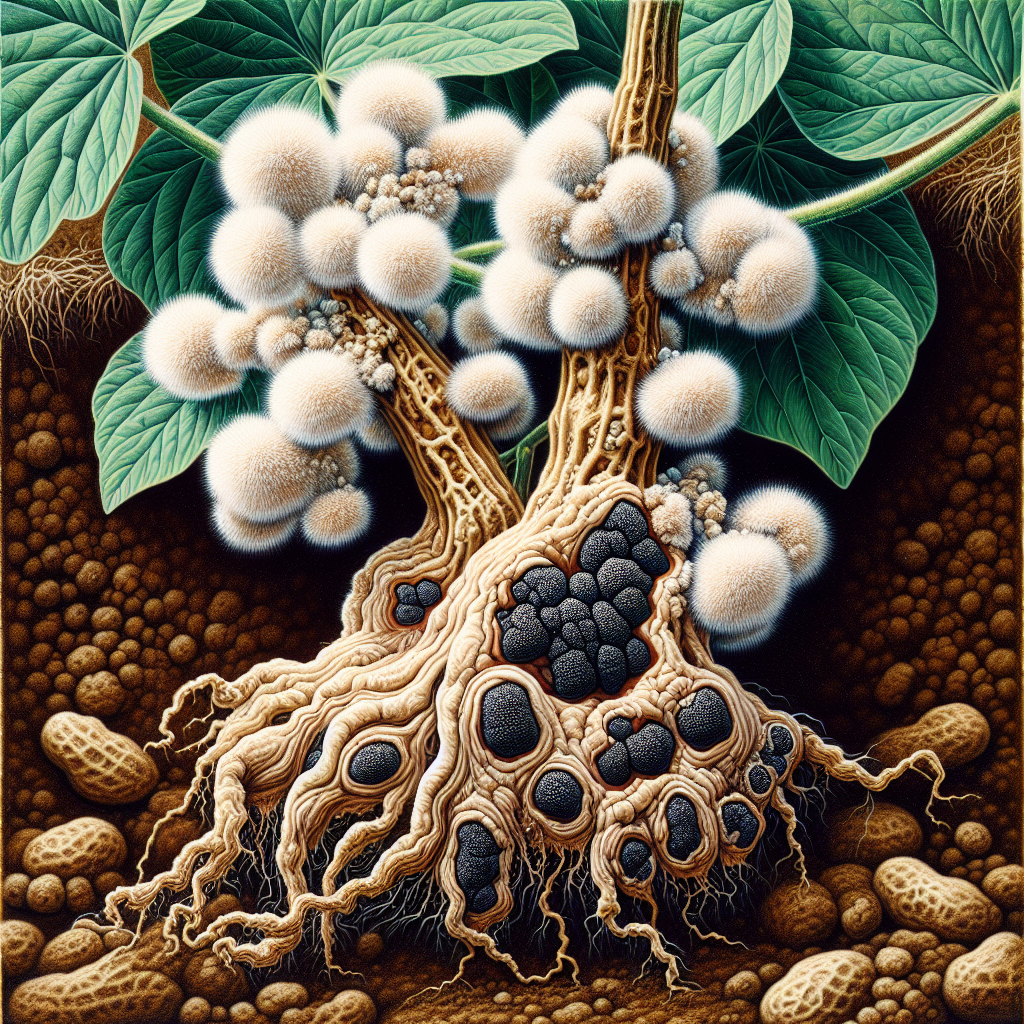
Sclerotinia blight
Sclerotinia blight is a destructive fungal disease caused by Sclerotinia sclerotiorum, primarily affecting peanuts, soybeans, and other legumes in cool, moist conditions. It leads to stem blights, wilting, and plant death, with hard sclerotia persisting in soil for years. Effective management relies on cultural practices, resistant varieties, and organic fungicides to minimize losses.
View Profile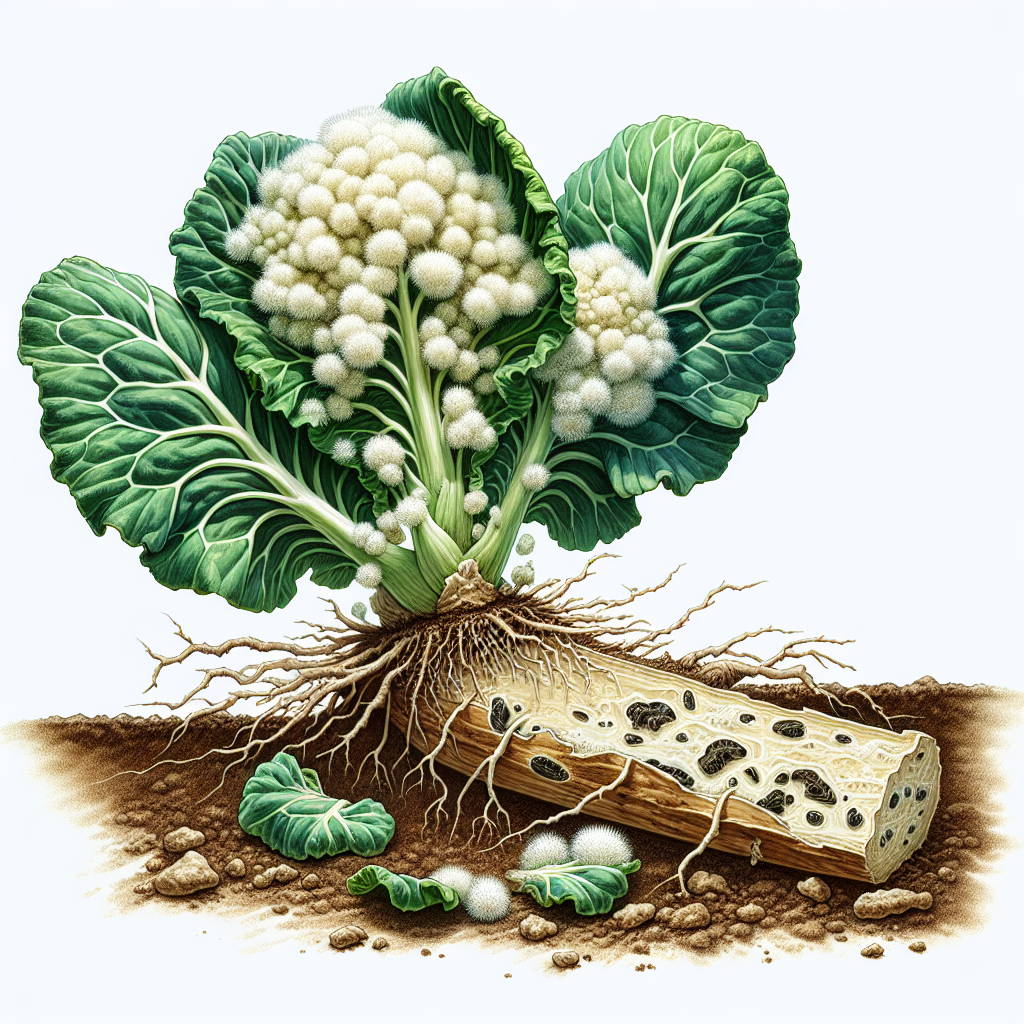
Sclerotinia drop
Sclerotinia drop is a devastating fungal disease caused by Sclerotinia sclerotiorum, leading to sudden wilting and drop of infected plant parts, particularly in brassicas and legumes. It thrives in cool, moist conditions, producing hard sclerotia that persist in soil for years. Effective management relies on cultural practices, resistant varieties, and organic biocontrols to minimize crop losses.
View Profile