Encyclopedia
Definitive guides for crops, pests, and agricultural diseases.
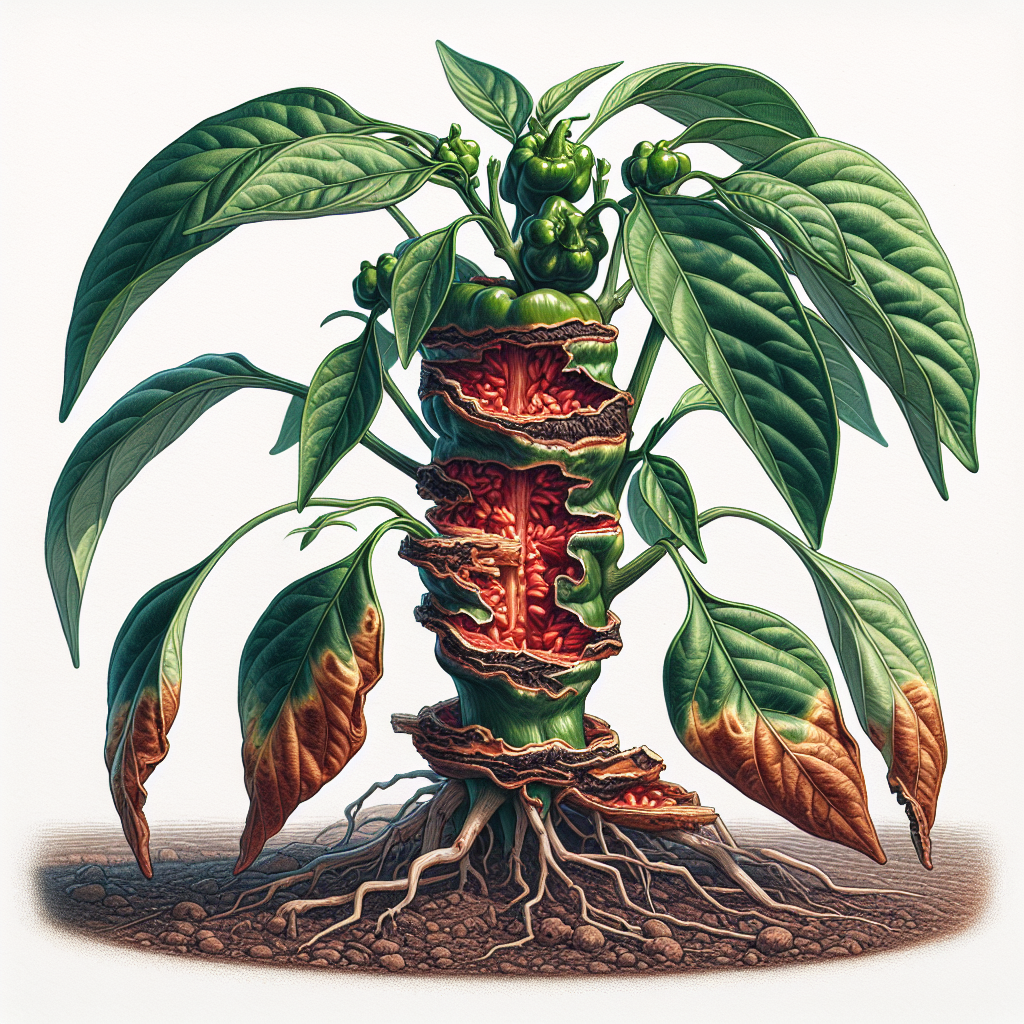
Phytophthora crown or fruit rot
Phytophthora crown or fruit rot is a devastating soilborne disease caused by Phytophthora species that attacks plant crowns, roots, and fruits, leading to rapid wilting and crop failure in warm, wet conditions. This guide provides definitive diagnostic criteria, symptom identification, lifecycle details, and proven organic management strategies for affected crops. Farmers can prevent outbreaks through cultural practices, resistant varieties, and soil health optimization.
View Profile
Phytophthora crown rot
Phytophthora crown rot is a devastating soilborne fungal-like disease caused by Phytophthora species that attacks the crown and roots of plants, leading to girdling and plant death. It thrives in wet, poorly drained soils and affects a wide range of crops, particularly woody perennials and fruit trees. Early detection through wilting and cankers, combined with cultural practices and organic treatments, is essential for management.
View Profile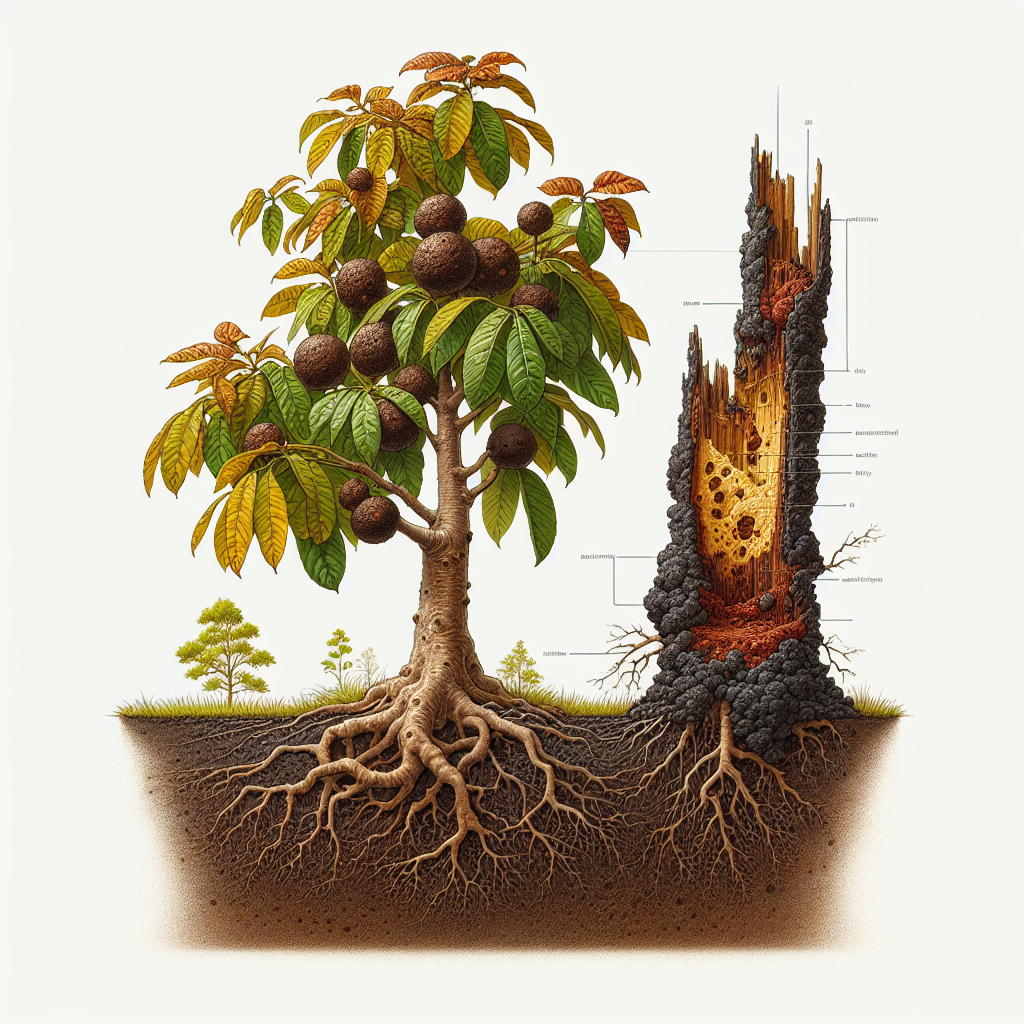
Phytophthora crown/root rots
Phytophthora crown/root rots are devastating soilborne diseases caused by oomycete pathogens that thrive in wet conditions, leading to girdling of crowns and roots, plant wilting, and rapid death. Affecting a wide range of crops, these rots are challenging to control once established but can be managed through cultural practices, resistant varieties, and organic treatments. Early diagnosis and prevention are key to minimizing losses in agriculture.
View Profile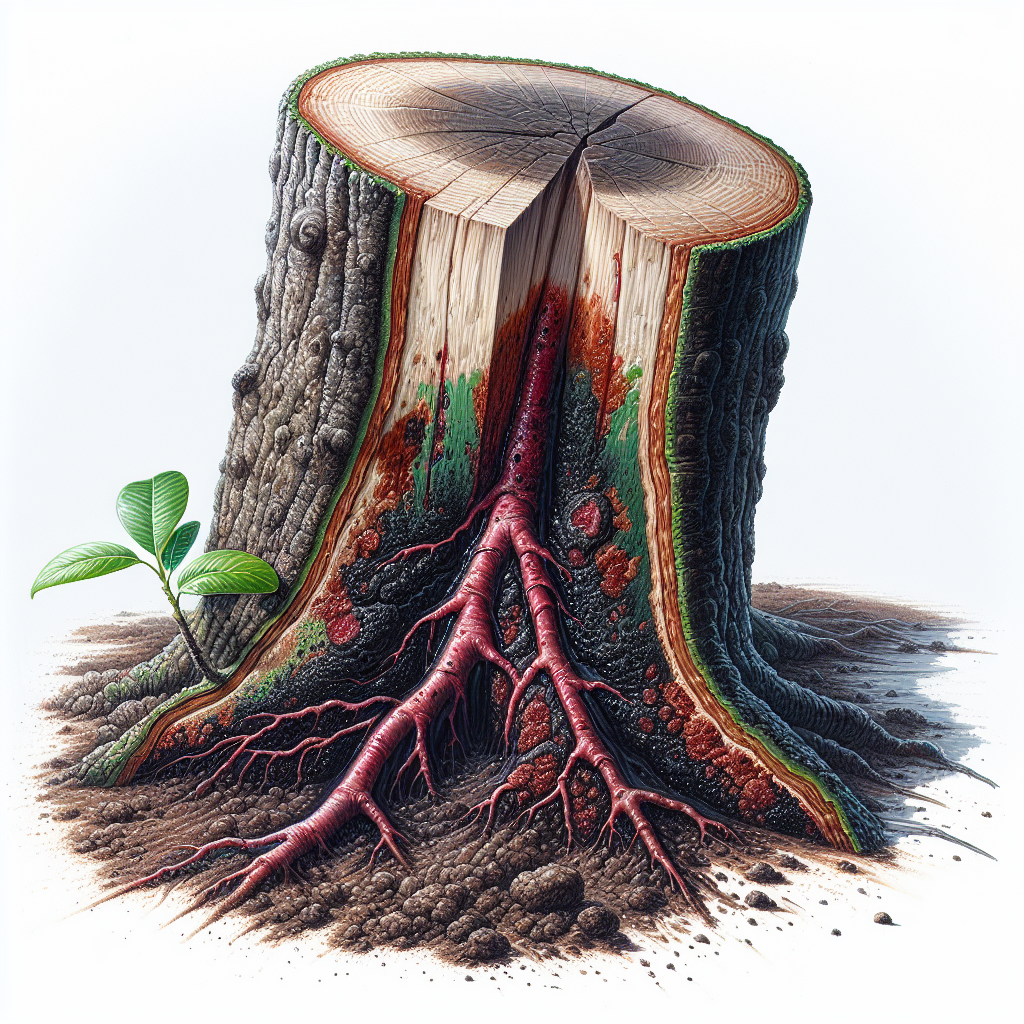
Phytophthora foot rot
Phytophthora foot rot is a destructive soilborne fungal-like disease that attacks the base of trunks and roots of perennial crops, causing girdling lesions, wilting, and plant death. Caused by water mold pathogens thriving in wet conditions, it spreads via contaminated soil, water, and tools. Effective management relies on cultural practices, resistant varieties, and phosphonate treatments for long-term control.
View Profile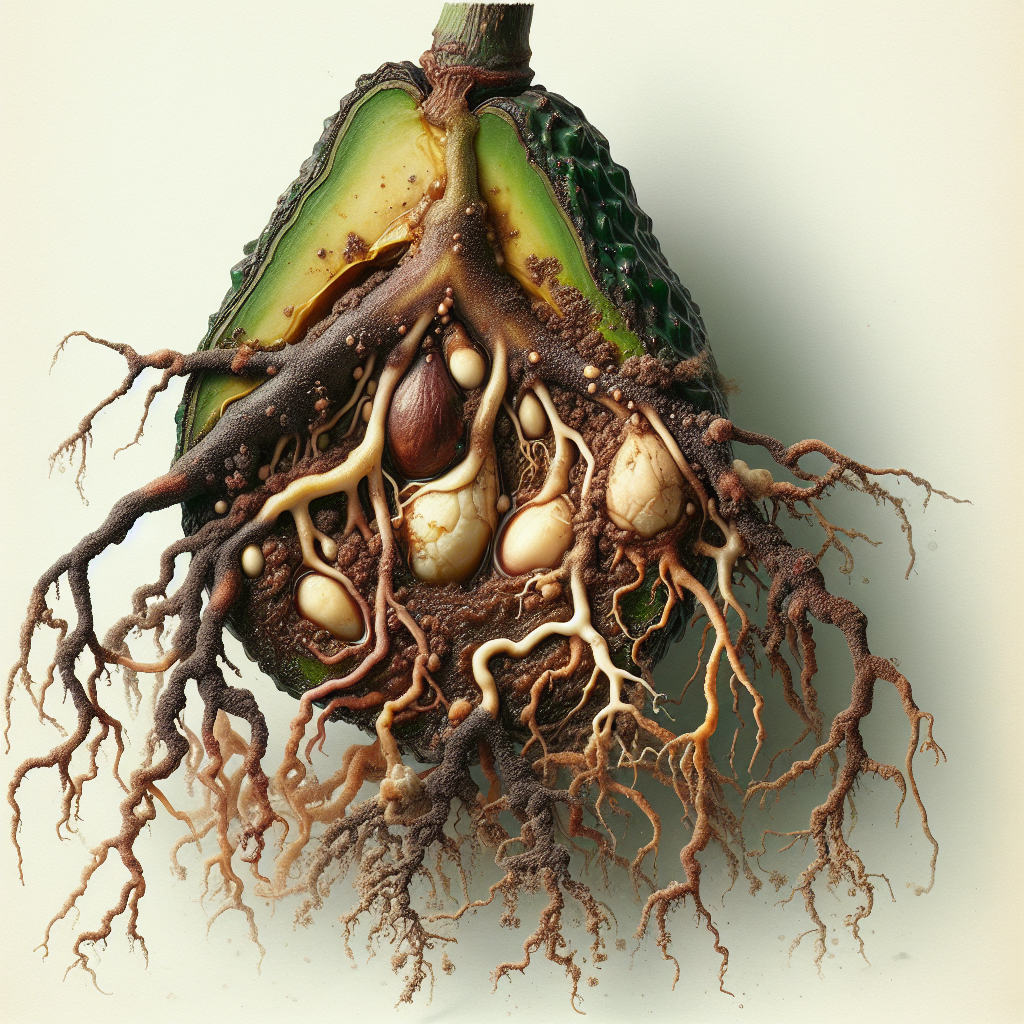
Phytophthora palmivora
Phytophthora palmivora is a highly destructive oomycete pathogen causing root rot, crown rot, and fruit rot in numerous tropical and subtropical crops. This soil-borne disease thrives in wet conditions, leading to rapid plant decline and significant yield losses. Effective management relies on cultural practices, resistant varieties, and organic treatments to prevent outbreaks.
View Profile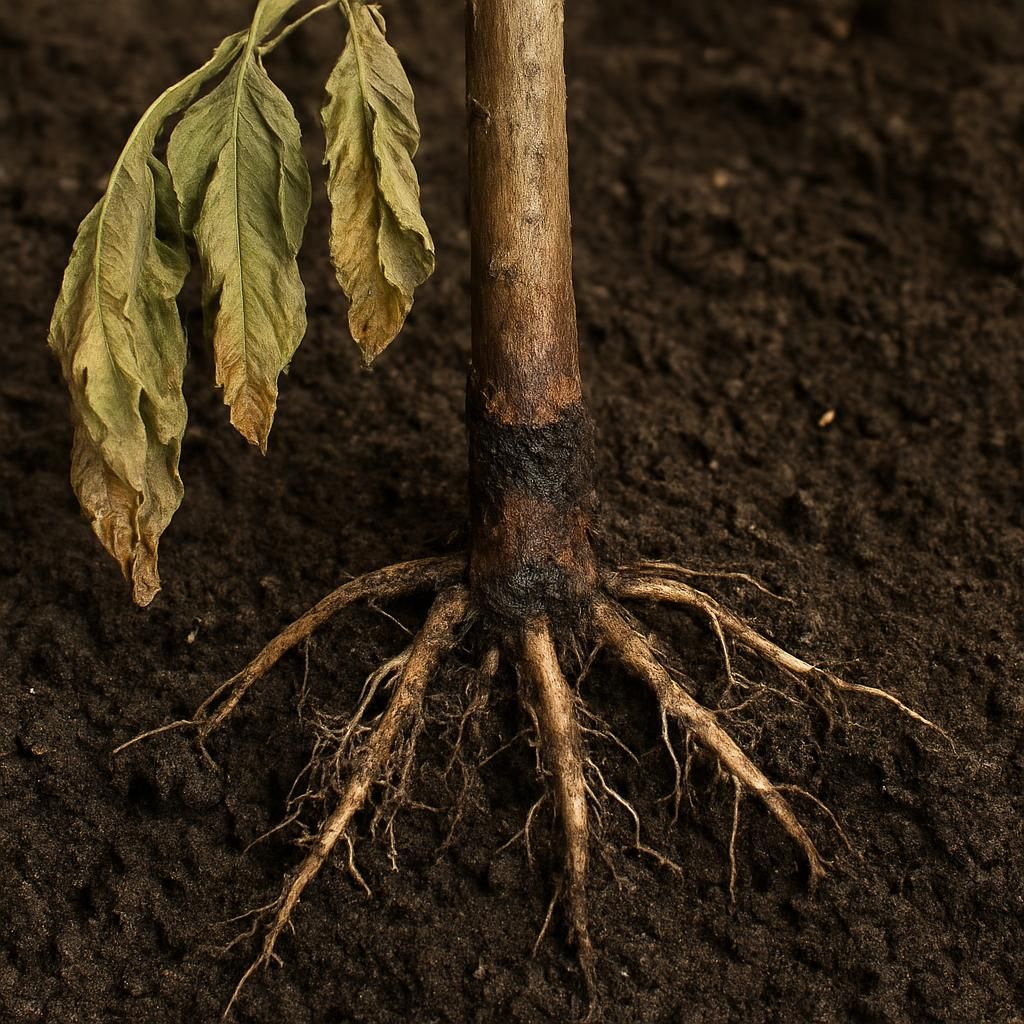
Phytophthora root and collar rot
Phytophthora root and collar rot is a devastating soilborne disease caused by oomycete pathogens that attack plant roots and lower stems, leading to wilting, decline, and plant death. It thrives in wet, poorly drained soils and affects a wide range of crops, making early diagnosis and cultural management essential for control. Organic strategies focus on soil health, drainage improvement, and resistant varieties to prevent outbreaks.
View Profile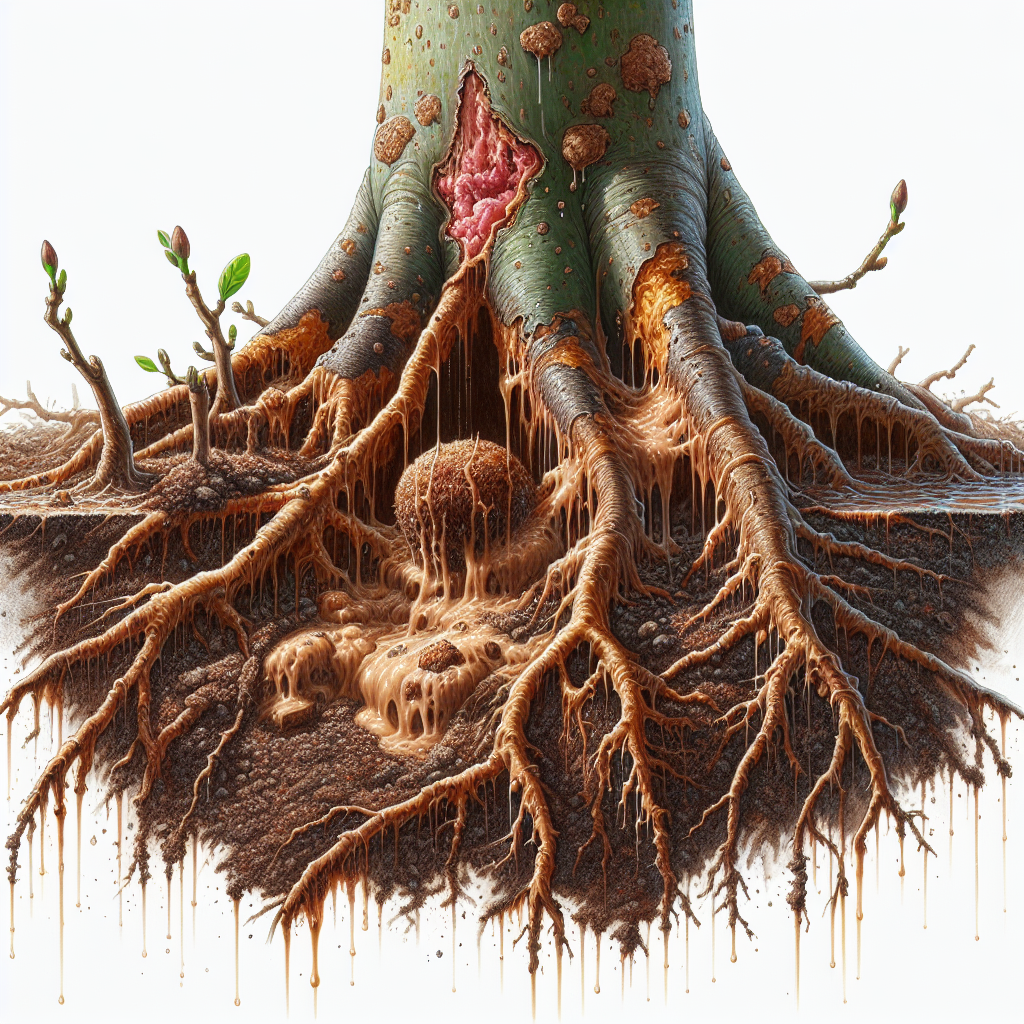
Phytophthora root and crown rot
Phytophthora root and crown rot is a devastating soilborne disease caused by oomycete pathogens that thrive in wet conditions, leading to root decay, crown lesions, and plant death. It affects a wide range of crops, particularly those in poorly drained soils, causing stunted growth, wilting, and rapid decline. Effective management relies on cultural practices, resistant varieties, and sanitation to prevent spread.
View Profile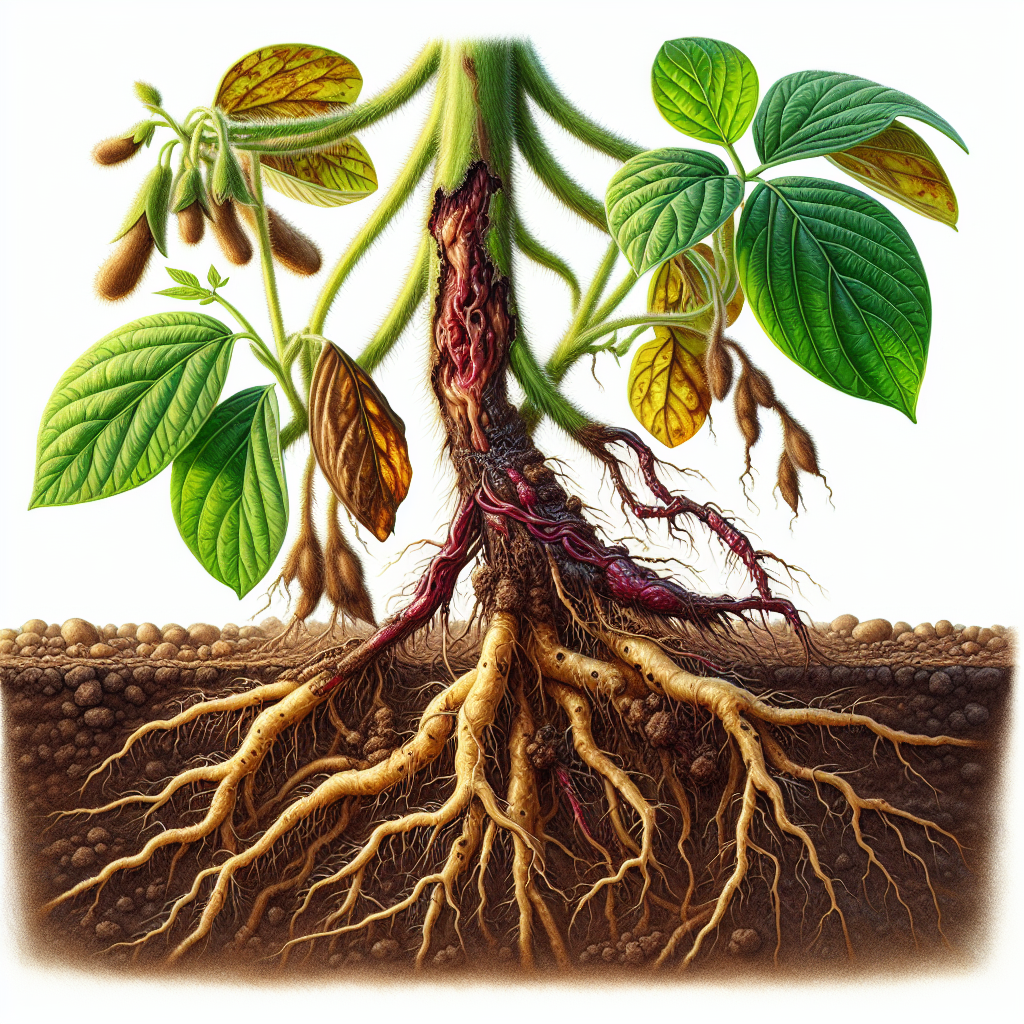
Phytophthora root and stem rot
Phytophthora root and stem rot is a devastating soilborne disease caused by oomycete pathogens that thrive in wet conditions, leading to root decay, stem lesions, and rapid plant death. Affecting numerous crops worldwide, it spreads via infested soil, water, and infected plant material, making prevention through cultural practices essential. Early diagnosis and integrated management can minimize losses in susceptible crops like soybeans and tomatoes.
View Profile
Phytophthora root rot
Phytophthora root rot is a devastating soilborne disease caused by oomycete pathogens that thrive in wet conditions, leading to root decay, wilting, and plant death. Affecting a wide range of crops, it spreads via water and infected soil, making prevention through drainage and resistant varieties essential. This guide provides diagnostic symptoms, lifecycle details, organic management strategies, and prevention tips for farmers.
View Profile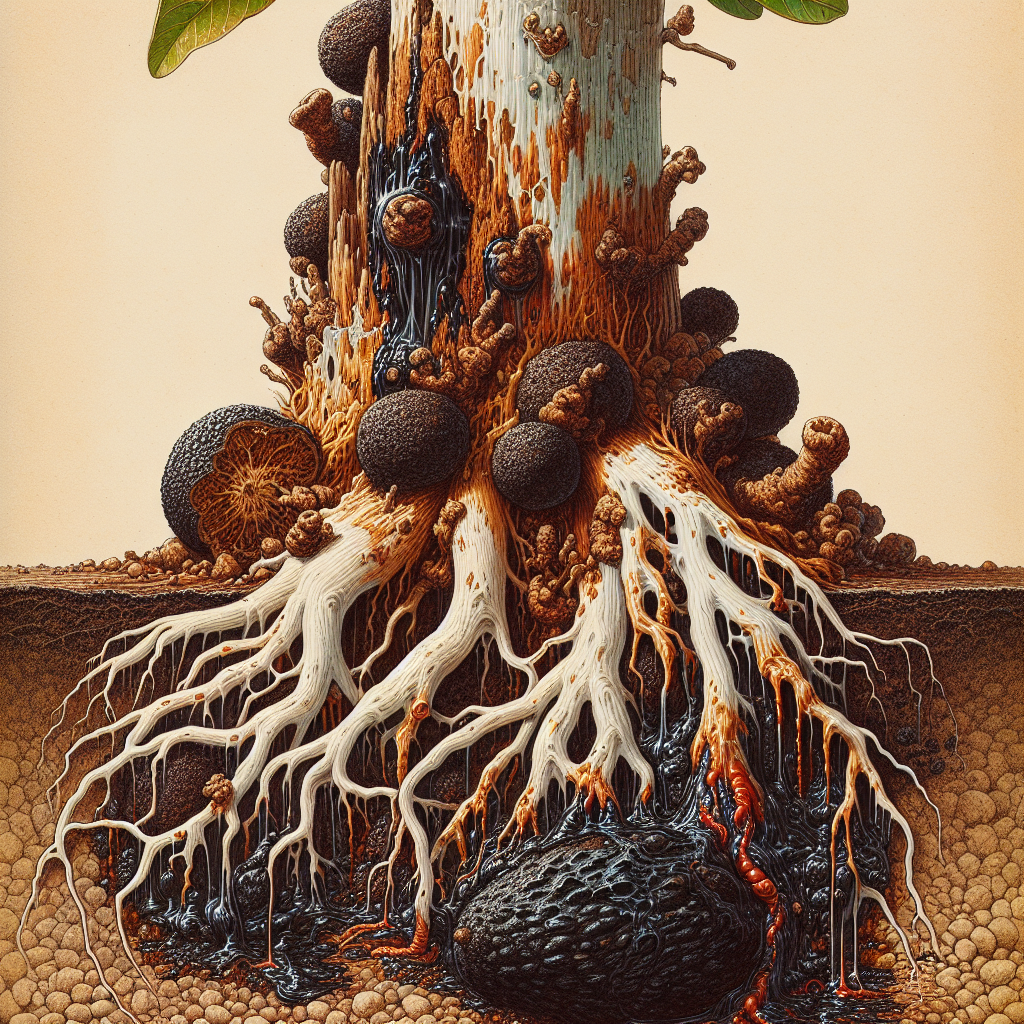
Phytophthora root/crown rot
Phytophthora root/crown rot is a devastating soilborne disease caused by oomycete pathogens that attack plant roots and lower stems, leading to wilting, decline, and plant death. It thrives in wet, poorly drained soils and affects a wide range of crops, making early diagnosis and cultural management essential for control. This guide provides professional diagnostic tips, organic treatments, and prevention strategies for farmers.
View Profile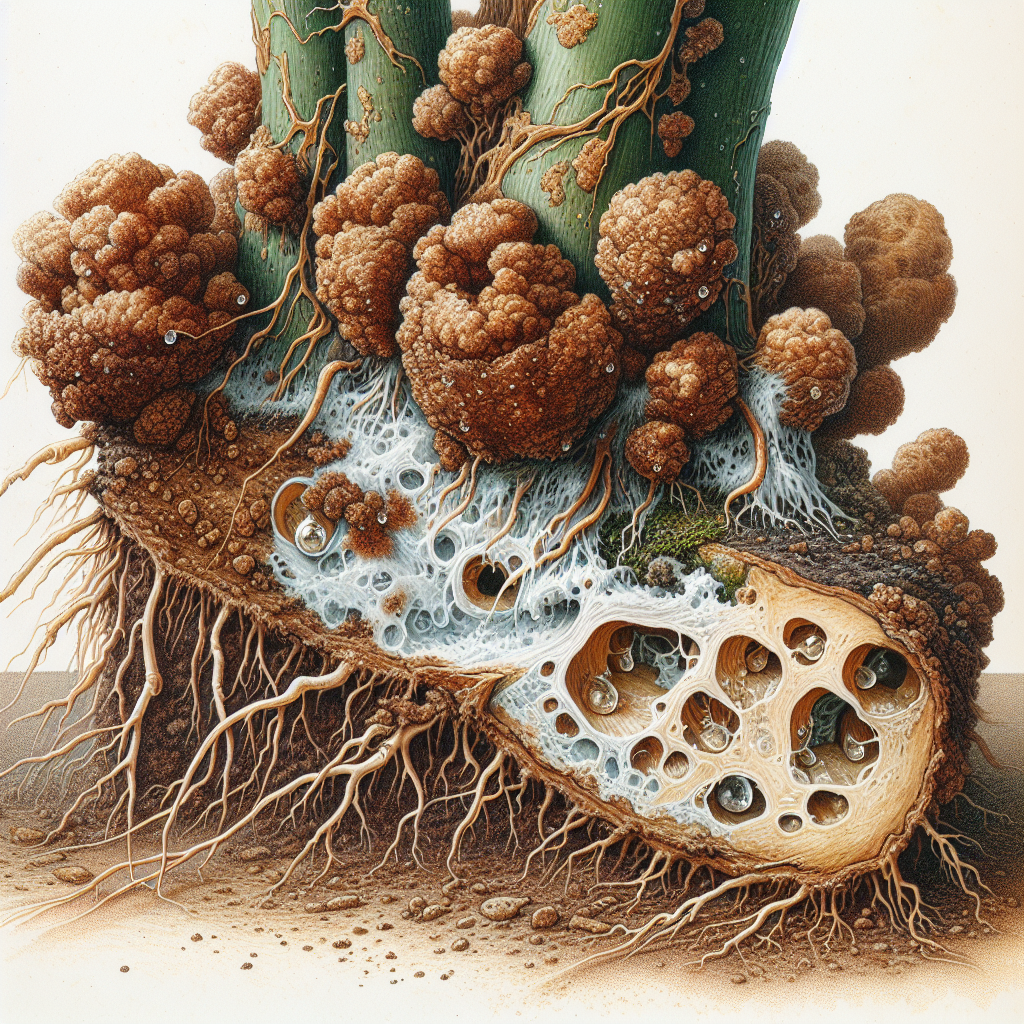
Phytophthora species
Phytophthora species are highly destructive oomycete pathogens causing root rot, crown rot, and blight in a wide range of crops, thriving in wet soils and leading to rapid plant decline. This guide provides definitive diagnostic symptoms, lifecycle details, organic management strategies, and prevention tactics for farmers facing these soilborne threats. Effective control hinges on cultural practices, resistant varieties, and environmental management to minimize losses.
View Profile
Phytophthora spp.
Phytophthora spp. are highly destructive oomycete pathogens causing root rot, crown rot, and blight in numerous crops worldwide, thriving in wet conditions and leading to rapid plant decline. This guide provides definitive diagnostic symptoms, lifecycle details, organic management strategies, and prevention tactics for farmers. Early detection and cultural practices are key to minimizing devastating losses in susceptible crops like potatoes and avocados.
View Profile
Pierce's disease
Pierce's disease is a devastating bacterial infection caused by Xylella fastidiosa, primarily affecting grapevines through transmission by sharpshooter insects. It clogs the plant's xylem vessels, leading to wilting, leaf scorch, and eventual vine death. Effective management relies on vector control, resistant varieties, and sanitation practices.
View Profile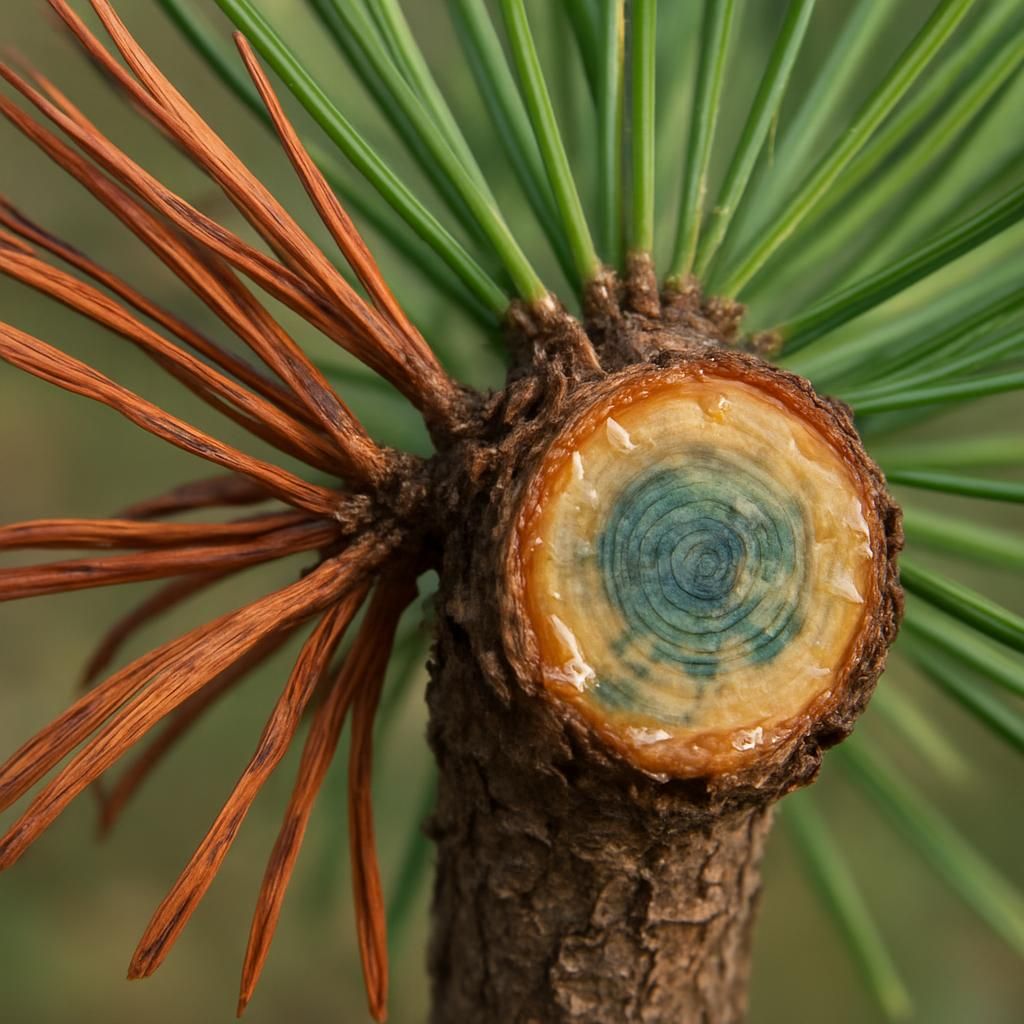
Pine wilt
Pine wilt is a lethal vascular disease of pines caused by the pine wood nematode Bursaphelenchus xylophilus, transmitted primarily by pine sawyer beetles. It leads to rapid wilting, needle discoloration, and tree death within weeks to months. Early detection and integrated management are critical to limit spread in susceptible pine stands.
View Profile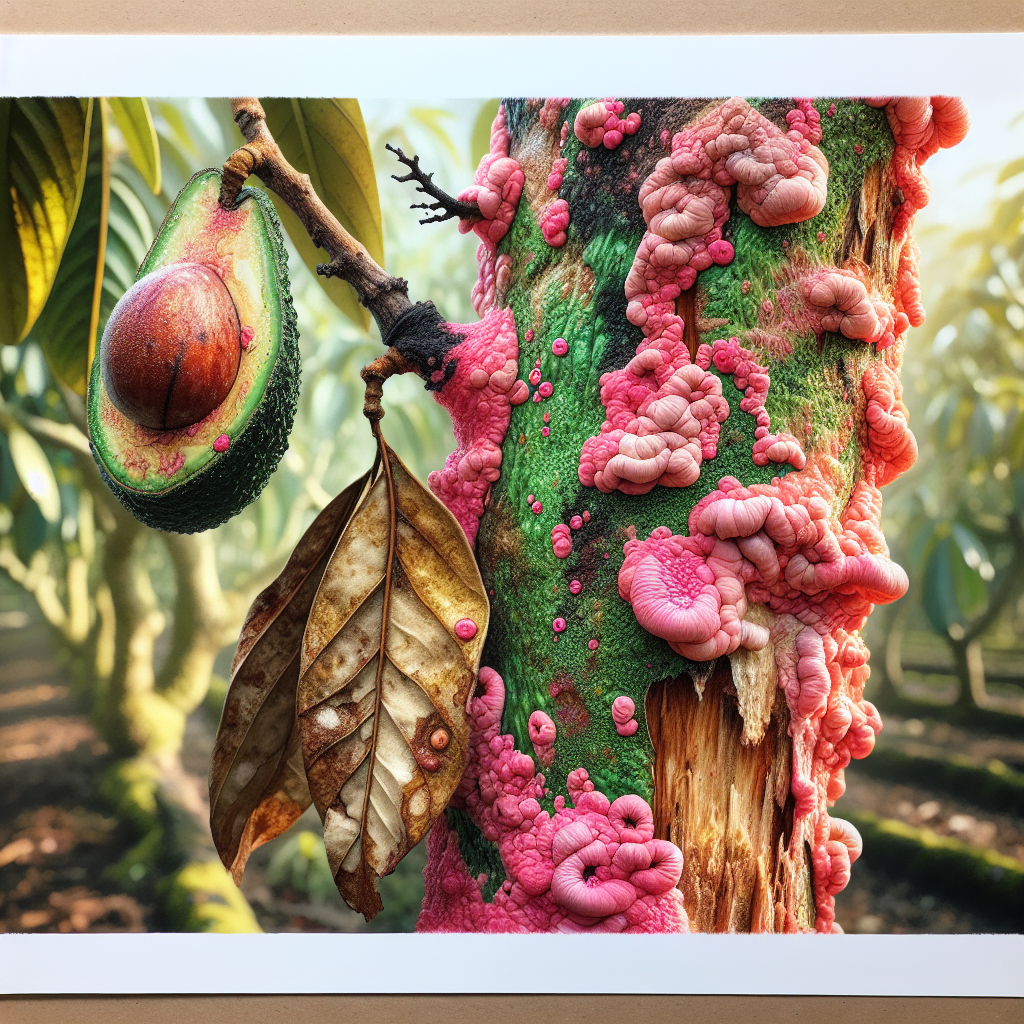
Pink Disease
Pink Disease is a destructive fungal disorder primarily affecting tropical and subtropical trees, characterized by pink spore masses on bark that lead to branch dieback and tree decline. Caused by the fungus Erythricium salmonicolor, it spreads via airborne spores and thrives in humid conditions, posing significant threats to crops like avocado, mango, and citrus. Effective management relies on cultural practices, organic fungicides, and vigilant pruning to prevent widespread damage.
View Profile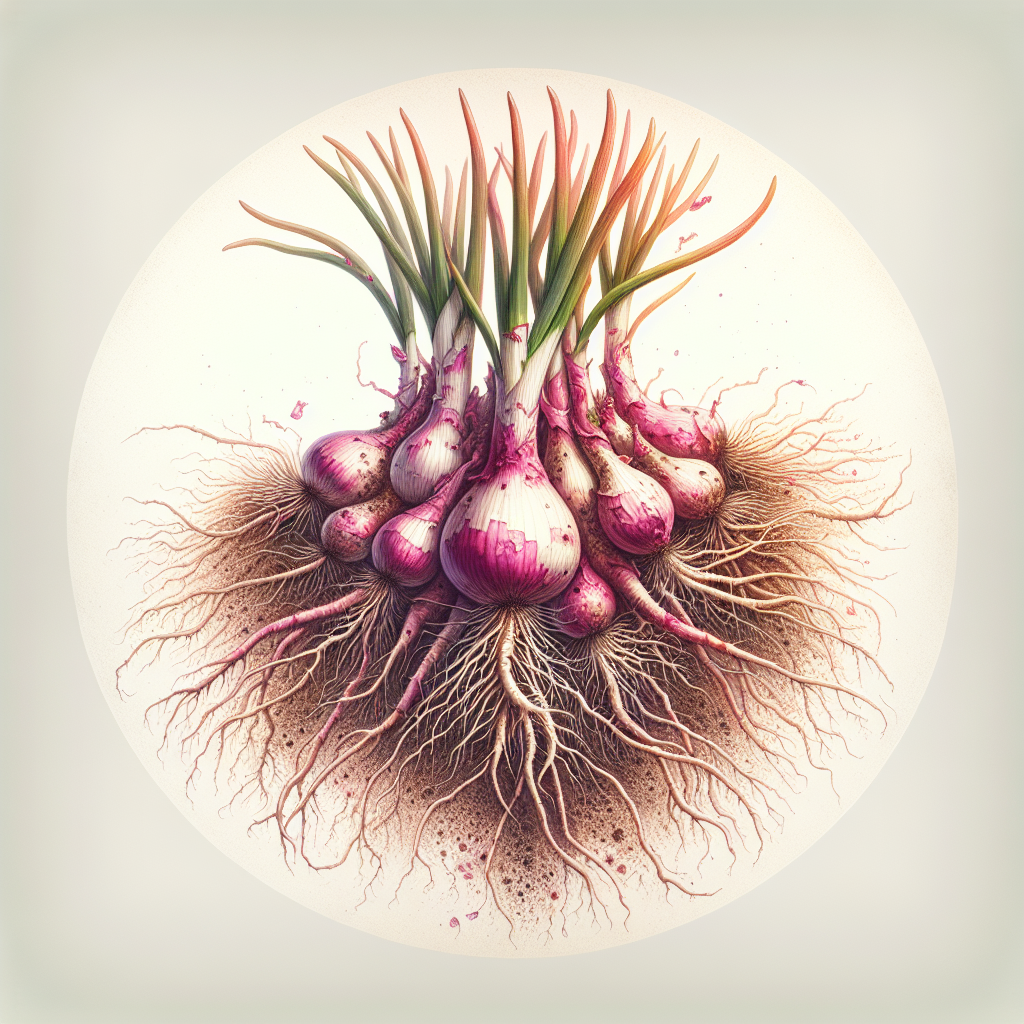
Pink root
Pink root is a destructive soilborne fungal disease primarily affecting onions and related crops, caused by the pathogen Phymatotrichopsis omnivora, leading to pink discoloration of roots and severe yield losses. Early detection through root inspection is crucial, with management relying on resistant varieties, crop rotation, and soil health improvements. This guide provides comprehensive diagnostic, organic control, and prevention strategies for farmers.
View Profile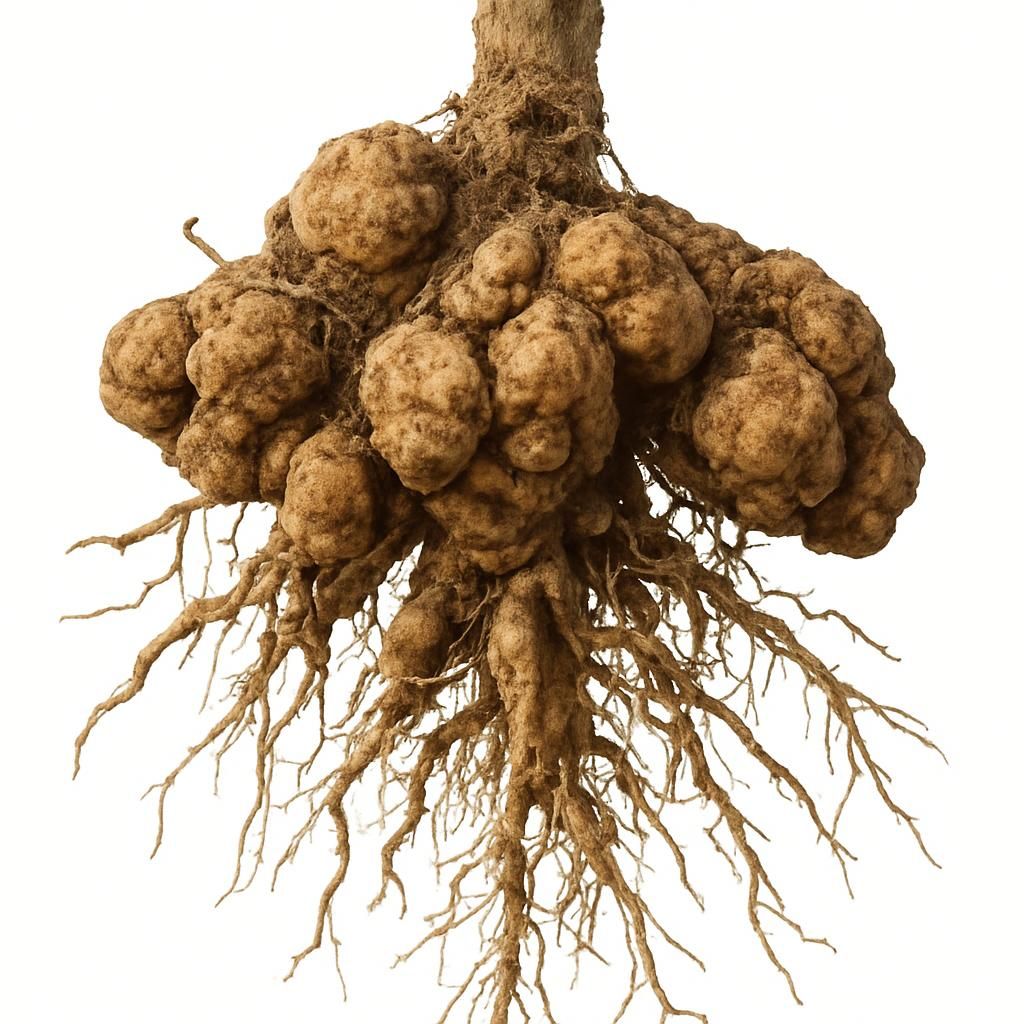
Plasmodiophora brassicae
Plasmodiophora brassicae is a soil-borne protist that causes clubroot, a devastating disease in brassica crops worldwide. It survives as durable resting spores in soil for decades and triggers massive root galls that impair water and nutrient uptake. Effective management combines long-term cultural practices with targeted organic amendments.
View Profile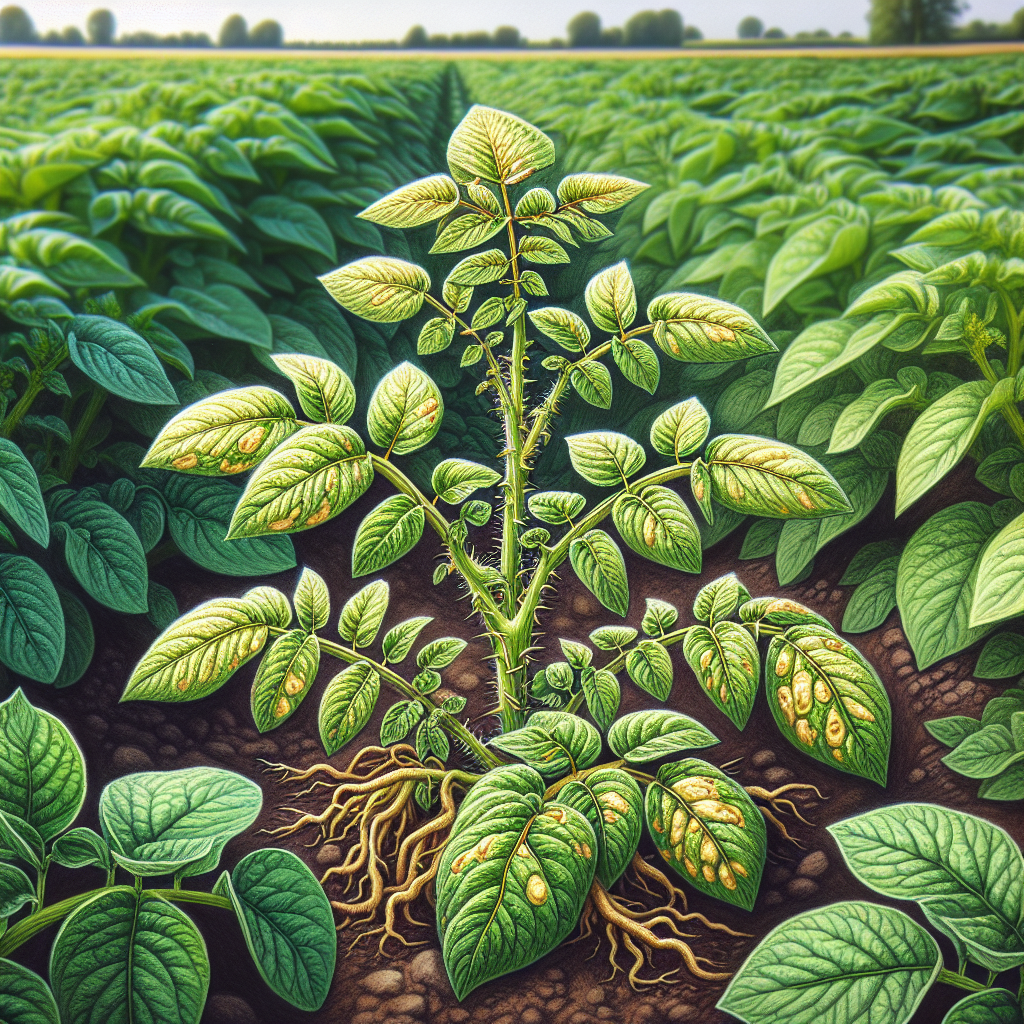
PLRV
Potato Leafroll Virus (PLRV) is a persistent aphid-transmitted virus that causes severe yield losses in potatoes and related crops by inducing leaf rolling, stunting, and reduced tuber quality. Primarily spread by aphids like the green peach aphid, it poses a major threat to solanaceous crops worldwide. Effective management relies on certified seed, aphid control, and resistant varieties.
View Profile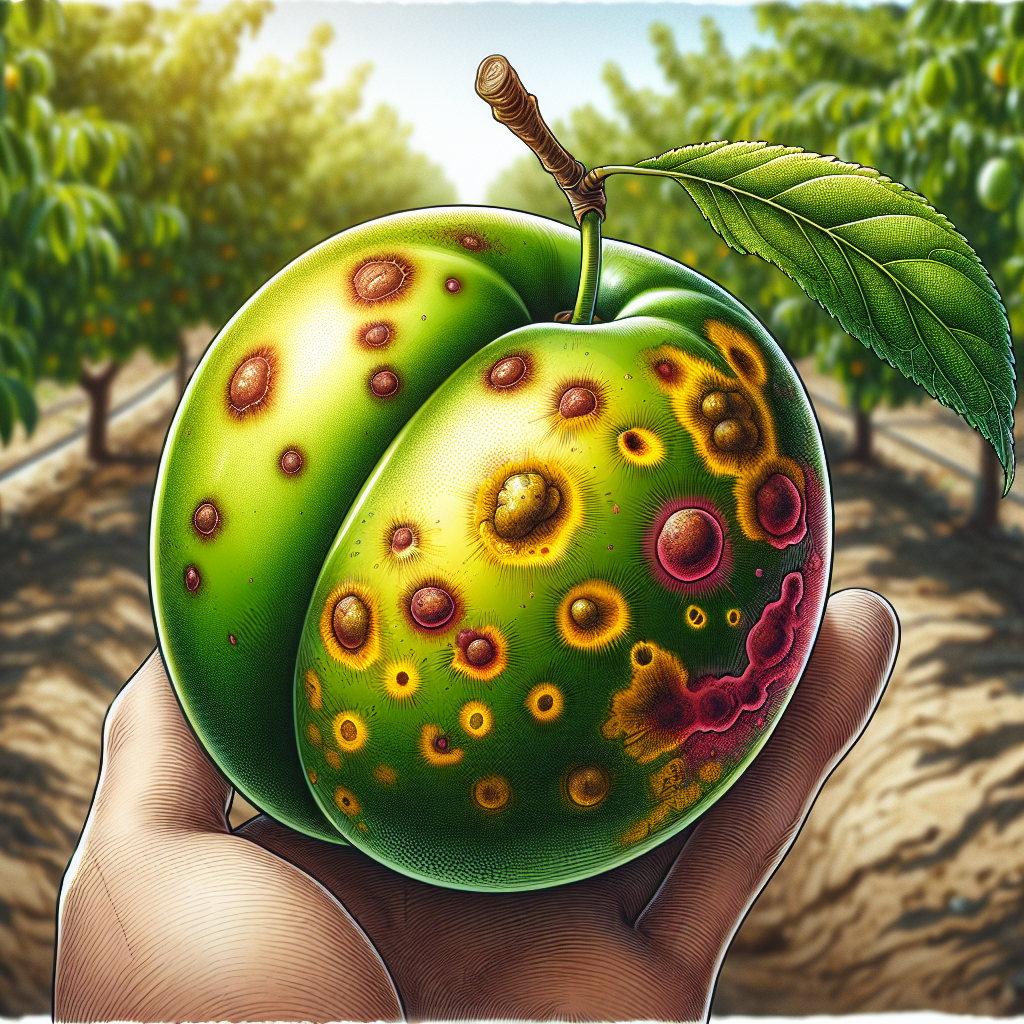
plum pox virus
Plum pox virus (PPV), also known as sharka disease, is a devastating potyvirus that infects stone fruit trees, causing severe fruit deformation, yield losses up to 100%, and rendering produce unmarketable. Transmitted primarily by aphids in a non-persistent manner, it spreads rapidly in orchards without proper management. This guide provides comprehensive diagnostics, organic controls, and prevention strategies for growers facing this quarantine threat.
View Profile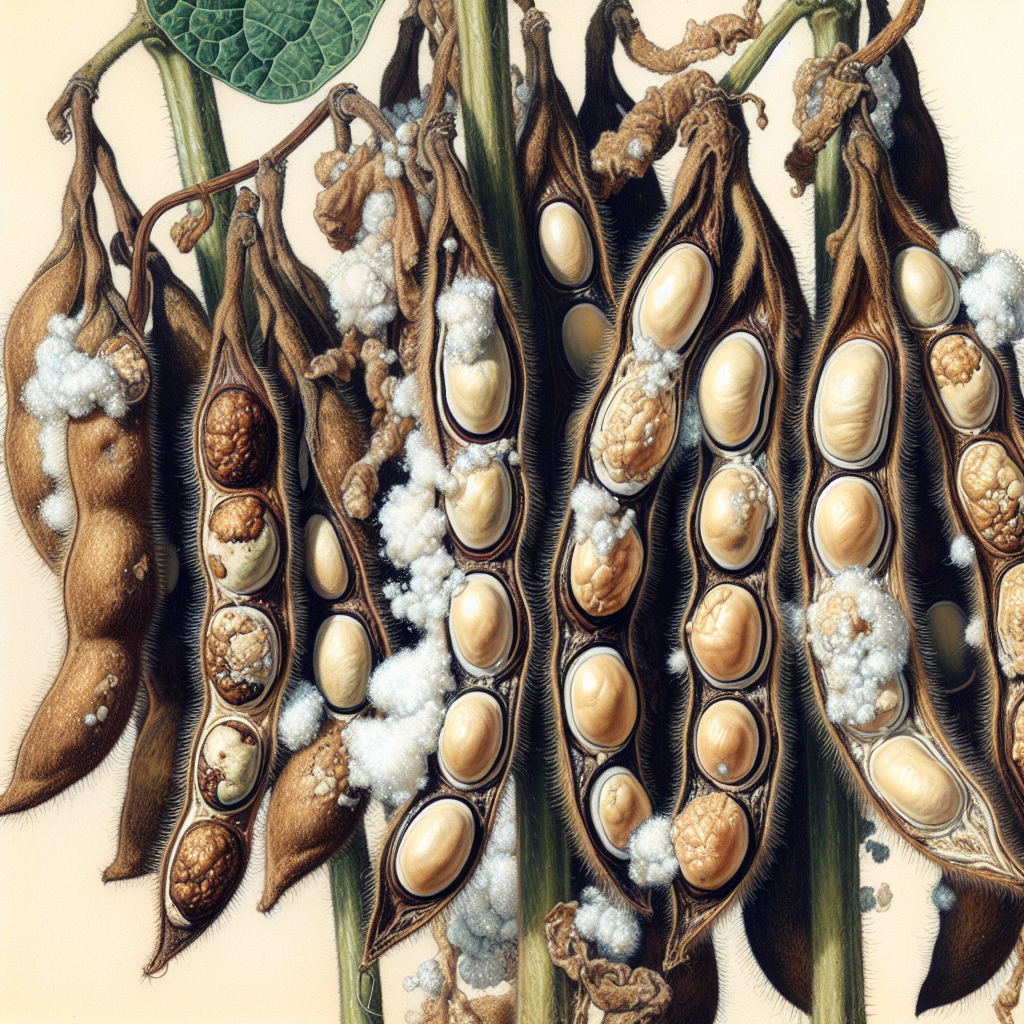
Pod rots
Pod rots are devastating fungal and oomycete diseases that cause pods to decay, leading to significant yield losses in legumes and other pod-bearing crops. Primarily triggered by excessive moisture and poor soil drainage, they infect through wounds or directly via soilborne spores. Effective management relies on cultural practices, resistant varieties, and organic biocontrols to minimize damage.
View Profile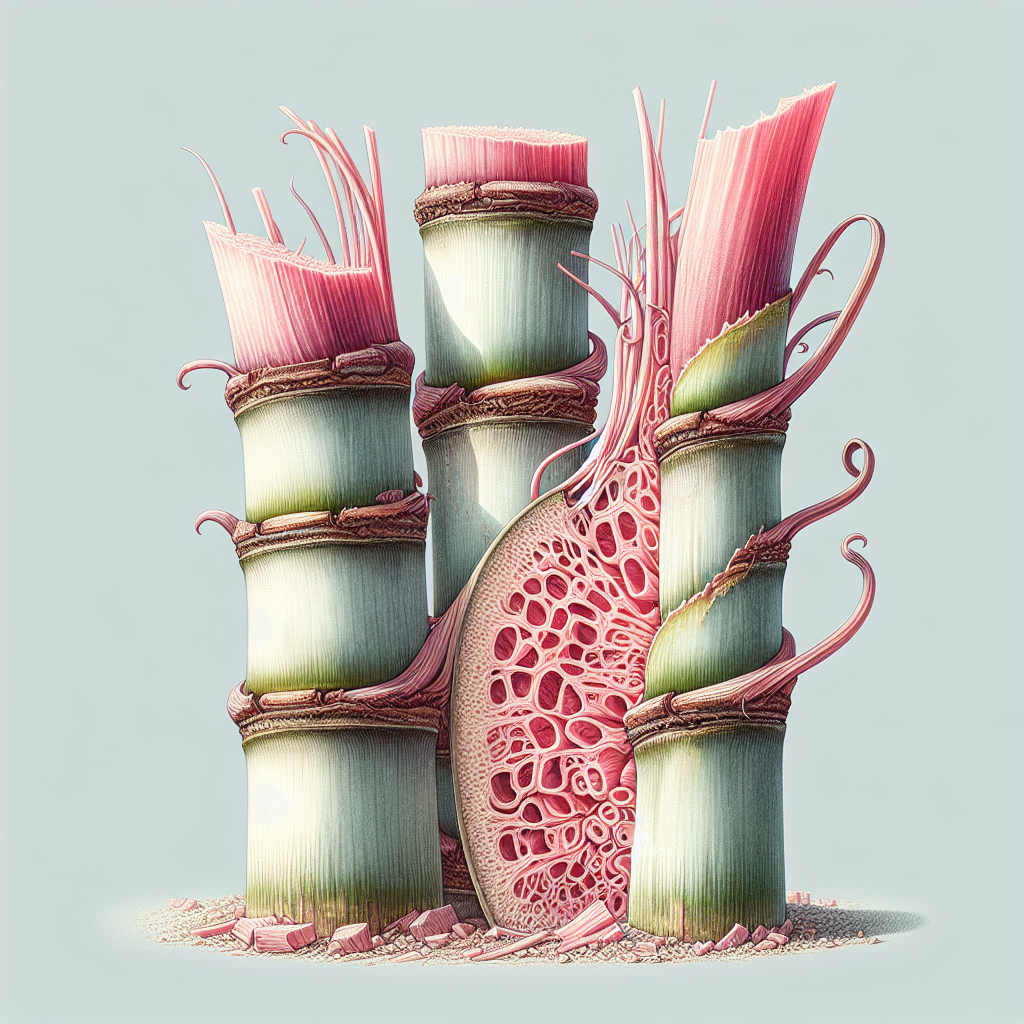
pokkah boeng
Pokkah boeng is a destructive fungal disease primarily affecting sugarcane, caused by Fusarium species, leading to stem deformities, rotting, and significant yield losses. Early identification of symptoms like pinkish lesions and twisted stalks is crucial for effective management. Organic control relies on cultural practices, resistant varieties, and biological agents, with prevention focusing on sanitation and environmental optimization.
View Profile
Post-harvest fungal decay
Post-harvest fungal decay is a collective term for fungal infections that cause significant spoilage and economic losses in stored fruits, vegetables, and grains after harvest. Triggered by pathogens like Penicillium, Botrytis, and Fusarium, it thrives in warm, humid conditions during storage and transport. Effective management relies on rapid diagnosis, sanitation, and preventive strategies to minimize losses.
View Profile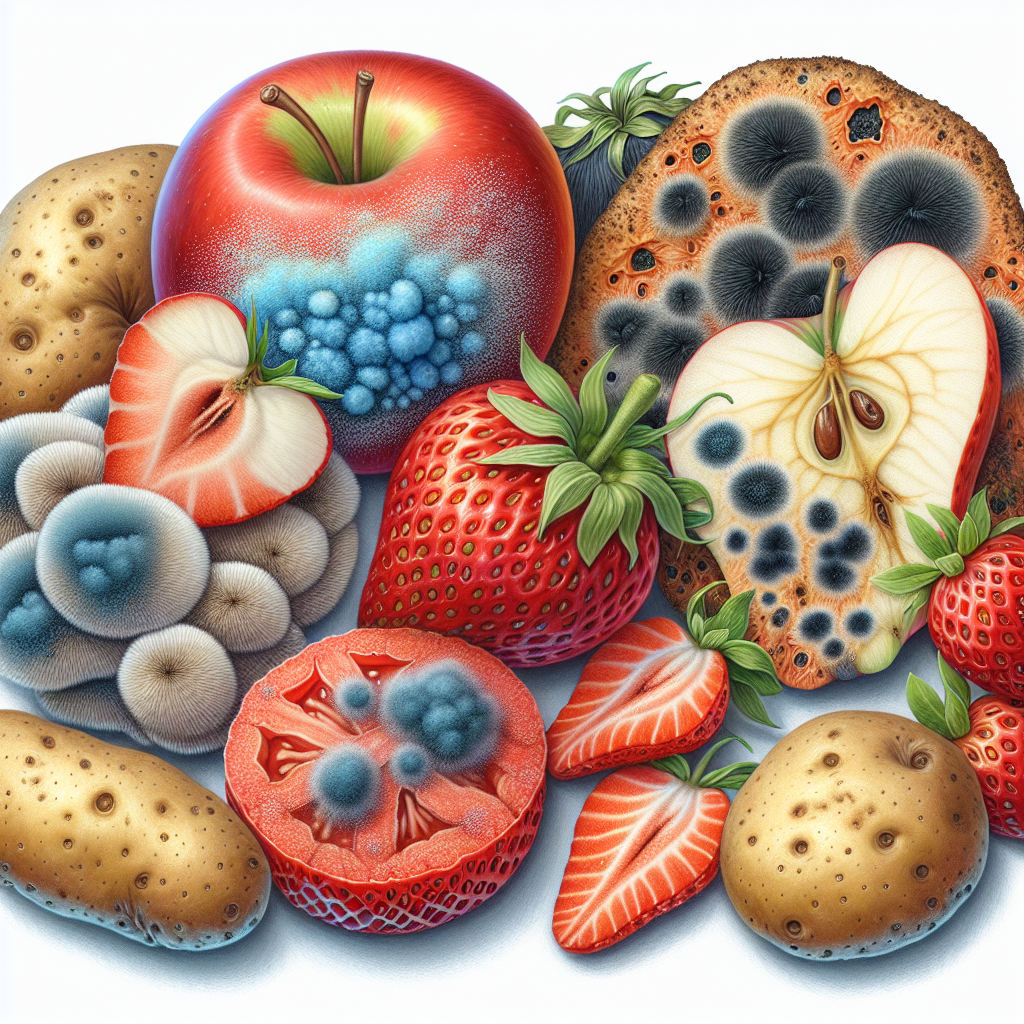
postharvest rots
Postharvest rots are fungal and bacterial diseases that cause rapid decay in harvested fruits, vegetables, and grains, leading to significant economic losses worldwide. These rots thrive in warm, humid storage conditions and often enter through wounds or bruises made during harvest and handling. Effective management relies on prevention through sanitation, proper curing, and controlled atmosphere storage.
View Profile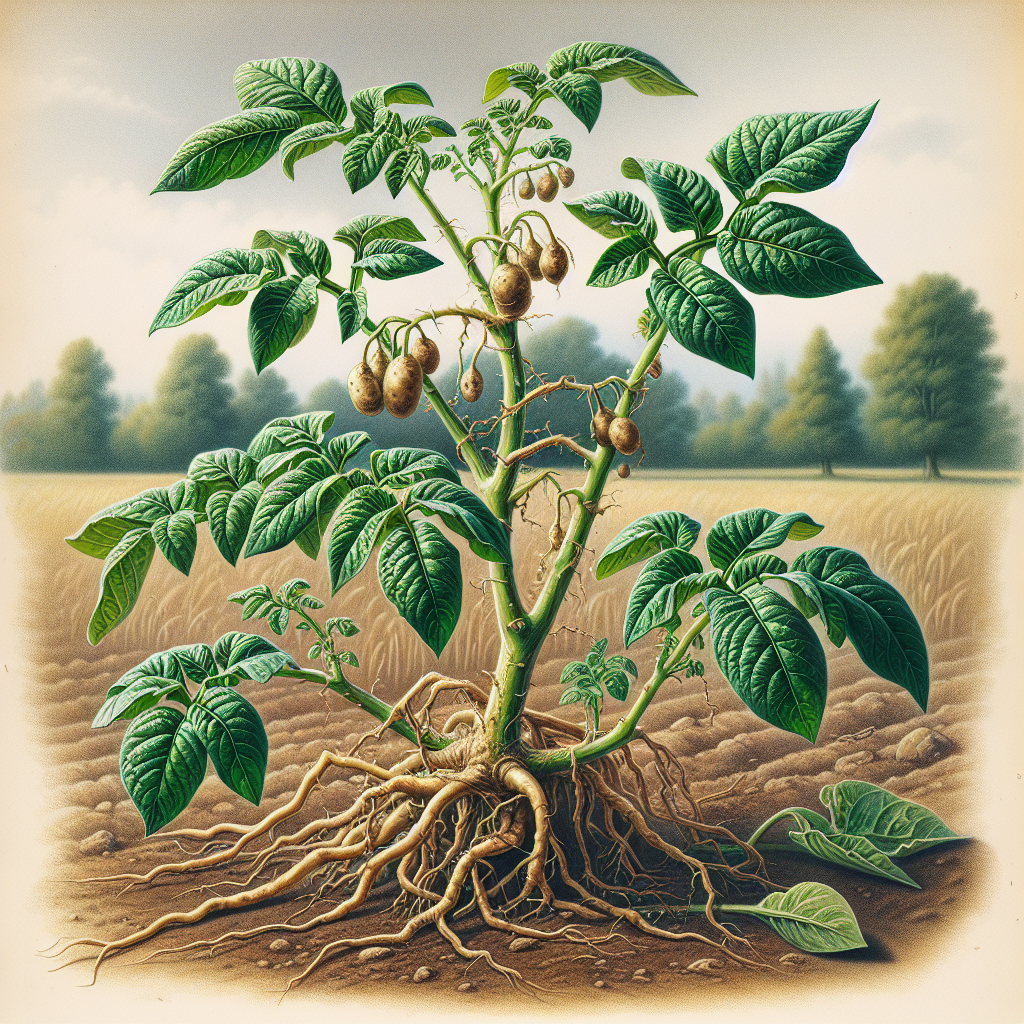
Potato leafroll virus
Potato leafroll virus (PLRV) is a widespread viral pathogen transmitted primarily by aphids, causing significant yield losses in potato crops through leaf rolling, stunting, and reduced tuber quality. This guide provides comprehensive diagnostics, symptom identification, organic management strategies, and prevention tactics for farmers and growers. Effective control hinges on vector management, certified seed use, and vigilant field monitoring.
View Profile