Encyclopedia
Definitive guides for crops, pests, and agricultural diseases.
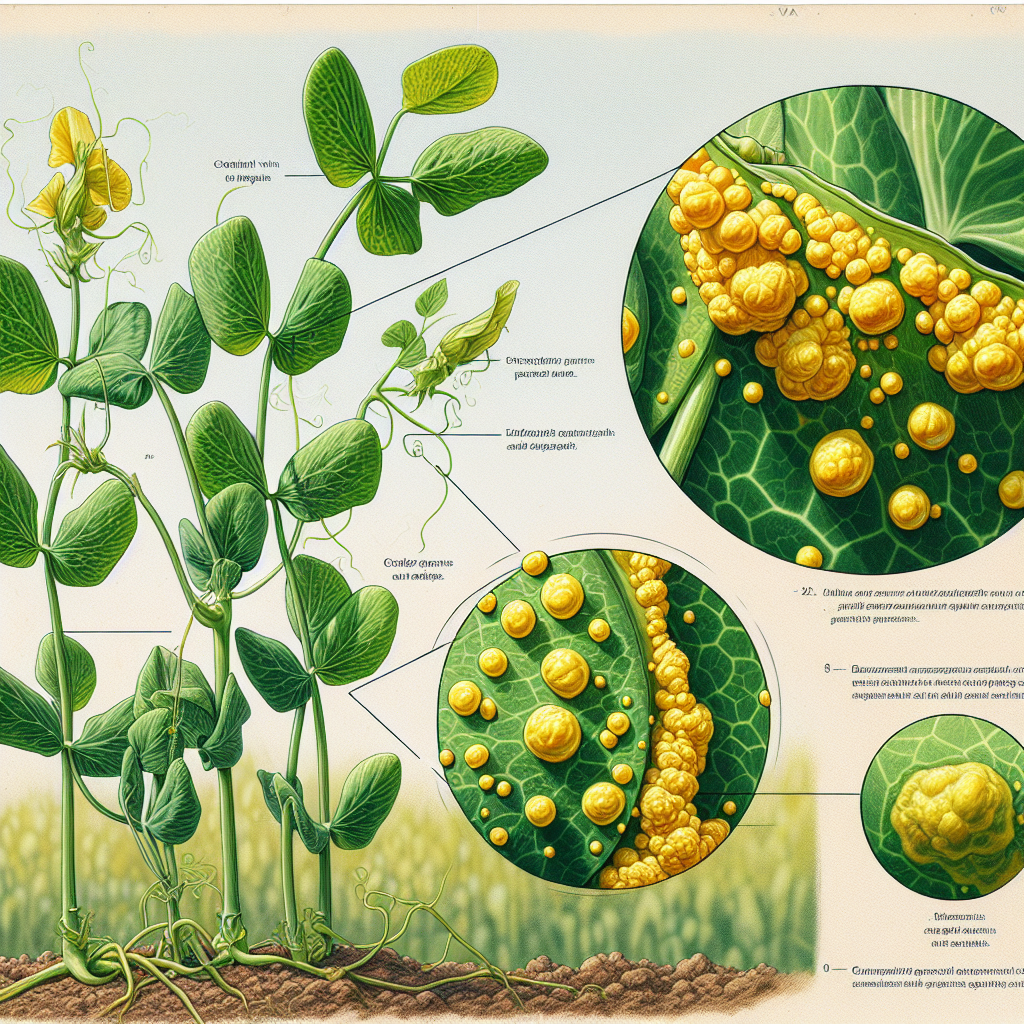
Pea enation mosaic
Pea enation mosaic is a viral disease primarily affecting pea crops, transmitted by aphids, causing leaf distortion, enations, and significant yield losses. It involves a complex of two viruses: pea enation mosaic virus-1 (PEMV-1) and pea enation mosaic virus-2 (PEMV-2). Effective management relies on aphid control, resistant varieties, and cultural practices to prevent outbreaks.
View Profile
Peach leaf curl
Peach leaf curl is a widespread fungal disease caused by Taphrina deformans that severely impacts peach and nectarine trees, causing distorted, curled leaves with reddish blisters. It primarily infects in cool, wet spring conditions and can lead to significant defoliation and reduced fruit yields if unmanaged. Effective prevention through fungicide timing and cultural practices is key to long-term control.
View Profile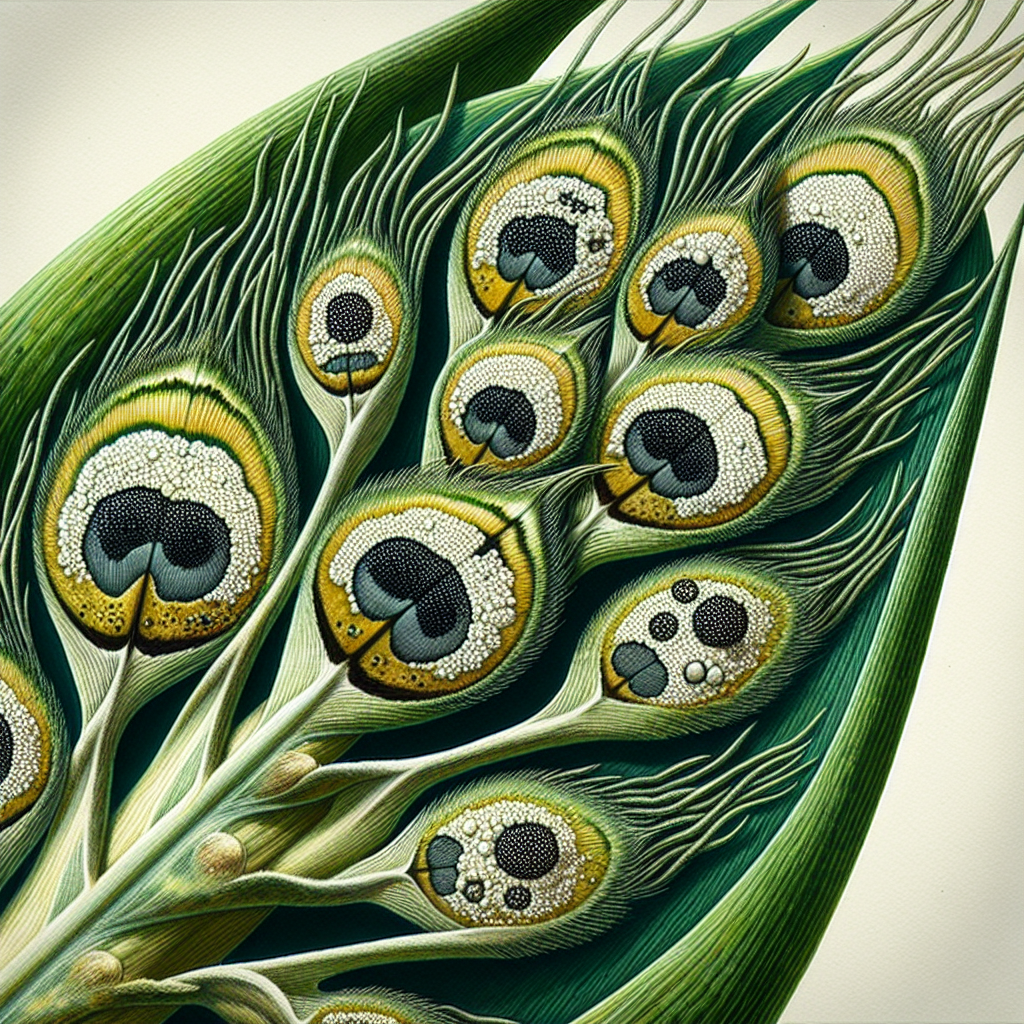
Peacock spot
Peacock spot, caused by the fungus Stagonospora nodorum, is a widespread foliar disease primarily affecting wheat and barley, leading to significant yield losses through leaf spotting and glume blotch. Recognizable by its distinctive eye-like spots with black centers and yellow margins resembling peacock feathers, it thrives in cool, wet conditions. Effective management combines resistant varieties, cultural practices, and timely fungicide applications.
View Profile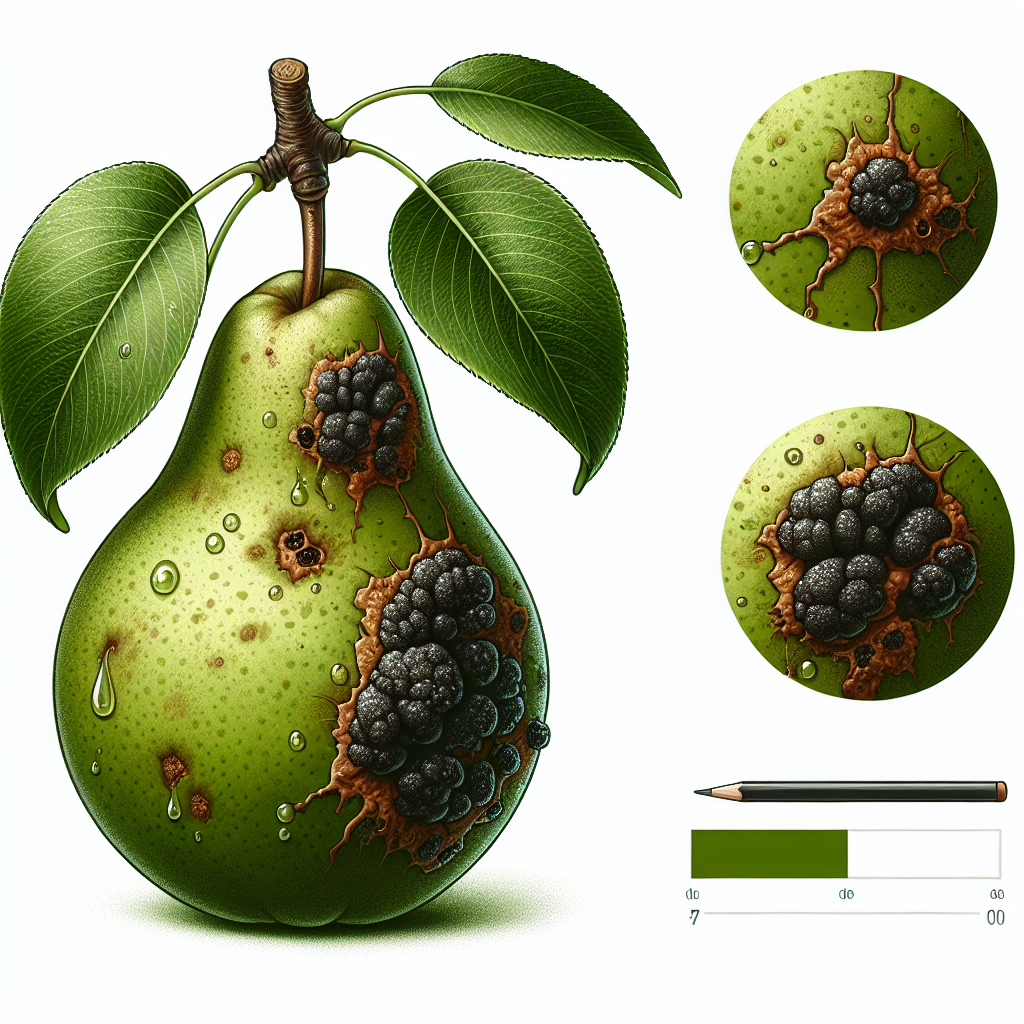
pear scab
Pear scab, caused by the fungus Venturia pirina, is a widespread disease affecting pear trees, leading to scab-like lesions on leaves, fruits, and twigs that reduce yield and quality. It thrives in cool, wet conditions and can be managed through resistant varieties, cultural practices, and organic fungicides. Early detection and prevention are key to protecting [Pear](/wiki/pear) crops from significant losses.
View Profile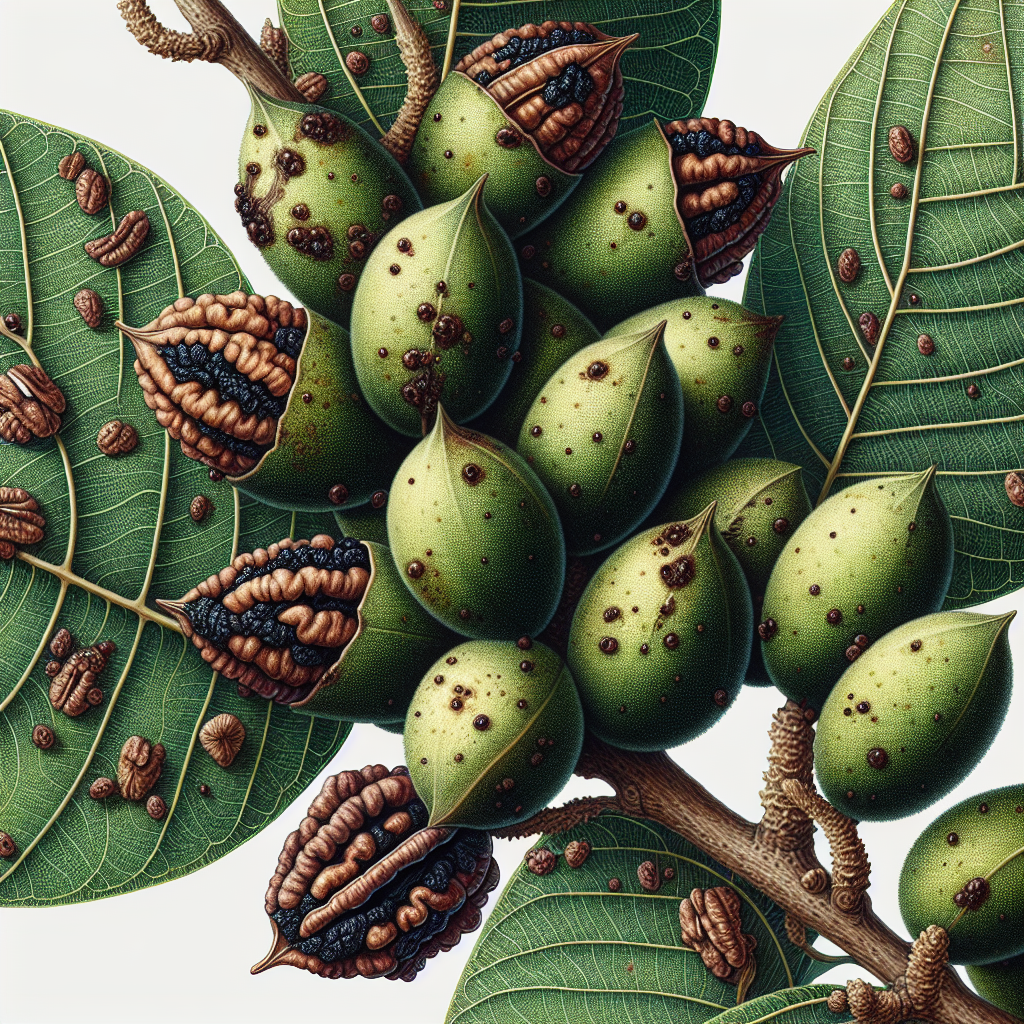
pecan scab
Pecan scab is a devastating fungal disease caused by Cladosporium caryigenum that primarily affects pecan nuts and leaves, leading to significant yield losses in humid regions. Early identification of olive-green to black lesions is crucial for effective management. This guide provides comprehensive diagnostic symptoms, lifecycle details, organic treatments, and prevention strategies for pecan growers.
View Profile
Pepper mottle
Pepper mottle virus (PeMoV) is a potyvirus that causes significant yield losses in pepper crops through mottled leaves, stunted growth, and deformed fruits. Transmitted primarily by aphids in a non-persistent manner, it thrives in warm conditions and can devastate bell peppers, chili peppers, and related solanaceous crops. Effective management relies on resistant varieties, vector control, and cultural practices to prevent outbreaks.
View Profile
Pepper mottle virus
Pepper mottle virus (PeMoV) is a potyvirus that infects peppers and tomatoes, causing mottled leaves, stunted growth, and reduced yields. Transmitted primarily by aphids in a non-persistent manner, it poses significant challenges to solanaceous crop production. Effective management relies on resistant varieties, vector control, and strict sanitation practices.
View Profile
Pepper viruses
Pepper viruses encompass a group of viral pathogens that devastate pepper crops worldwide, causing mosaic patterns, stunting, and yield losses up to 100%. Transmitted primarily by aphids, whiteflies, and mechanical means, these viruses lack curative treatments, making prevention essential. This guide provides diagnostic, management, and prevention strategies for sustainable pepper production.
View Profile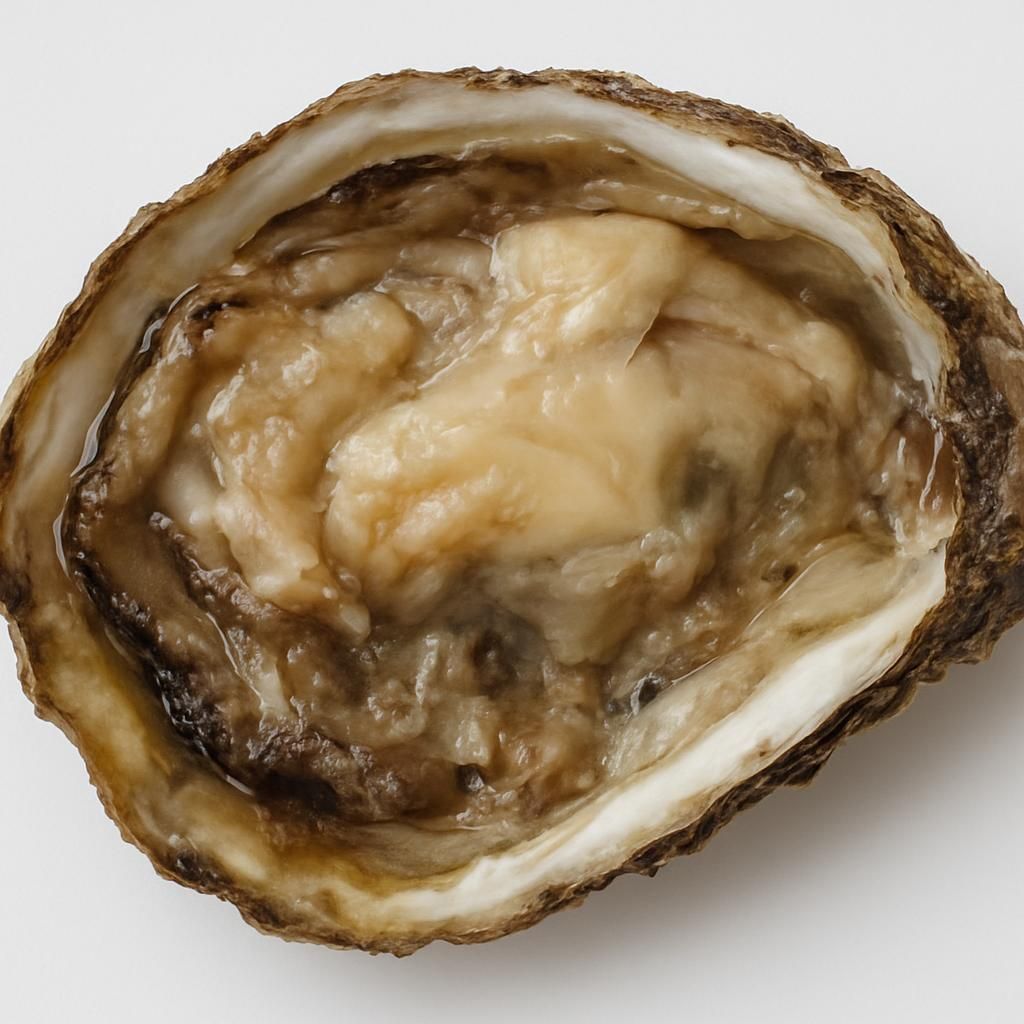
Perkinsus marinus
Perkinsus marinus is a protozoan parasite primarily affecting marine bivalves, notably oysters, causing significant economic losses in aquaculture. It leads to tissue degradation and mortality through a complex life cycle involving multiple stages. Effective management requires integrated environmental control and biosecurity measures.
View Profile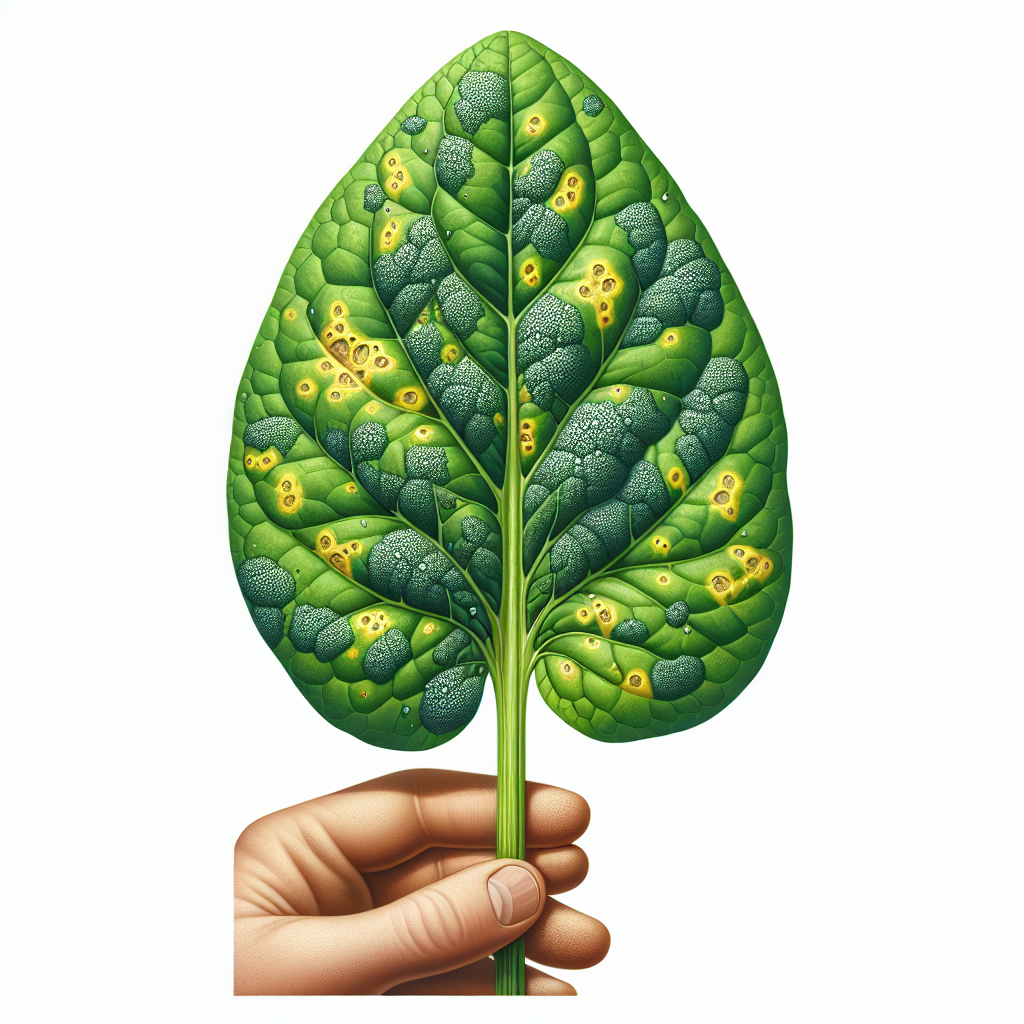
Peronospora variabilis
Peronospora variabilis is an obligate parasitic oomycete causing downy mildew on various crops, characterized by angular leaf lesions and grayish sporulation on the underside of leaves. This disease thrives in cool, humid conditions, leading to significant yield losses if unmanaged. Effective organic control relies on cultural practices, resistant varieties, and timely fungicide applications.
View Profile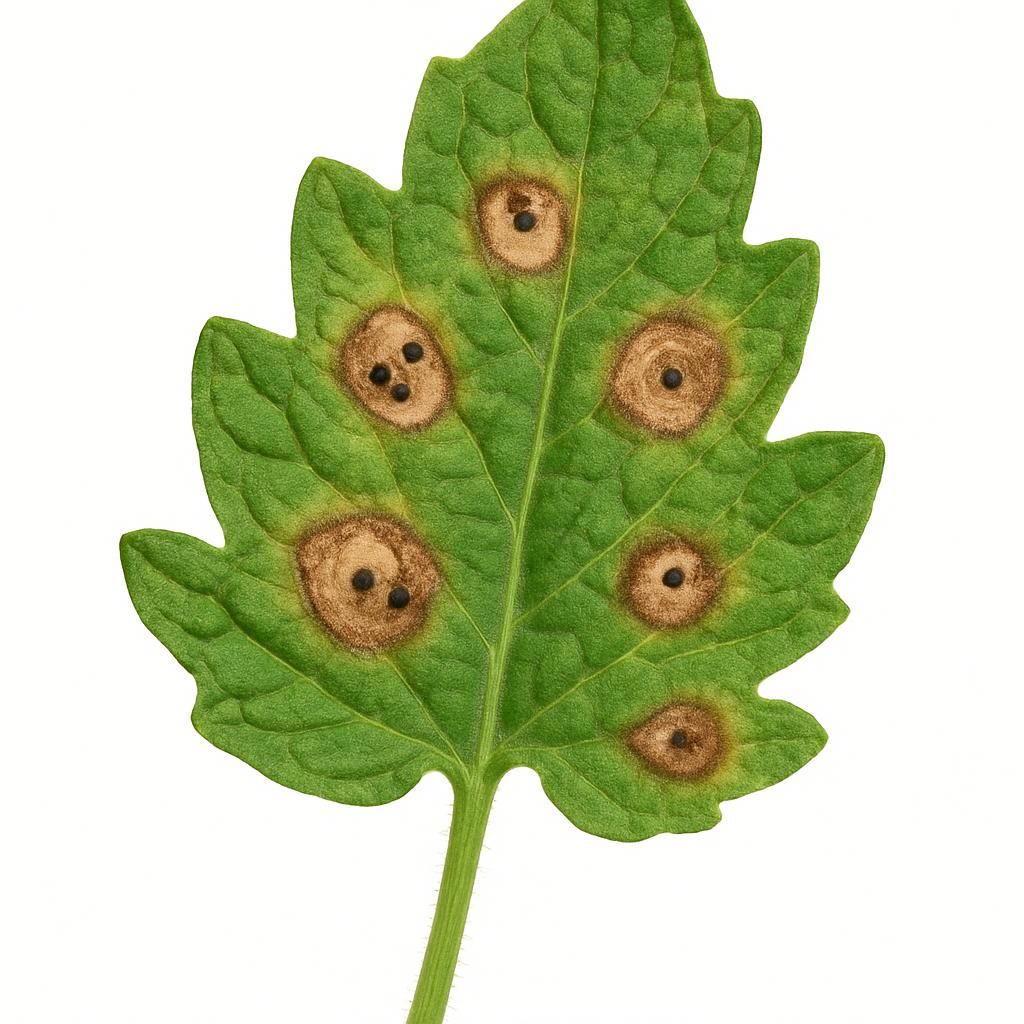
Phoma
Phoma is a genus of ascomycete fungi that causes destructive leaf spots, stem cankers, and fruit rots on a wide range of crops. Infections spread rapidly under cool, wet conditions and can lead to significant yield losses if left unmanaged.
View Profile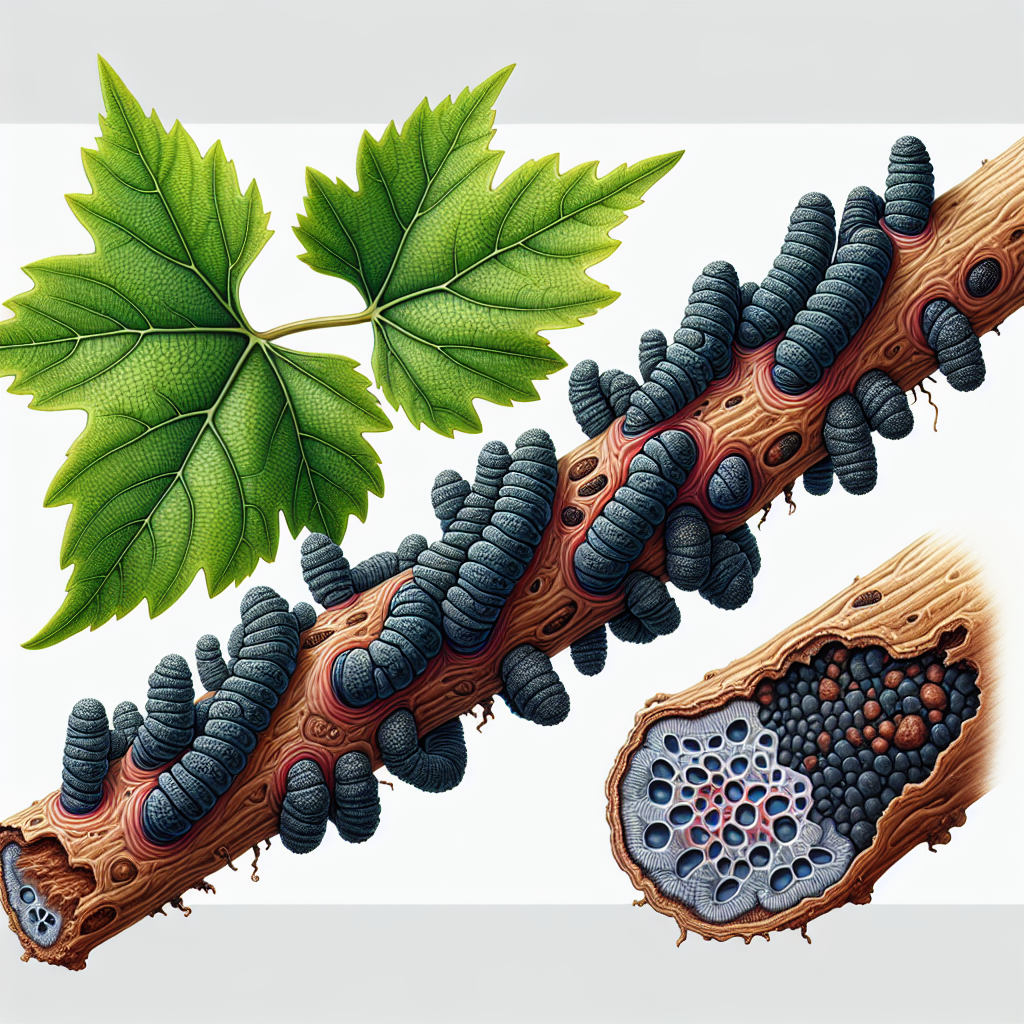
Phomopsis
Phomopsis is a destructive fungal disease caused by Phomopsis species, primarily affecting woody plants like grapes, blueberries, and stone fruits through blight, cane lesions, and fruit rot. It thrives in warm, wet conditions, leading to significant yield losses if unmanaged. This guide provides comprehensive diagnostics, organic management strategies, and prevention tactics for affected crops.
View Profile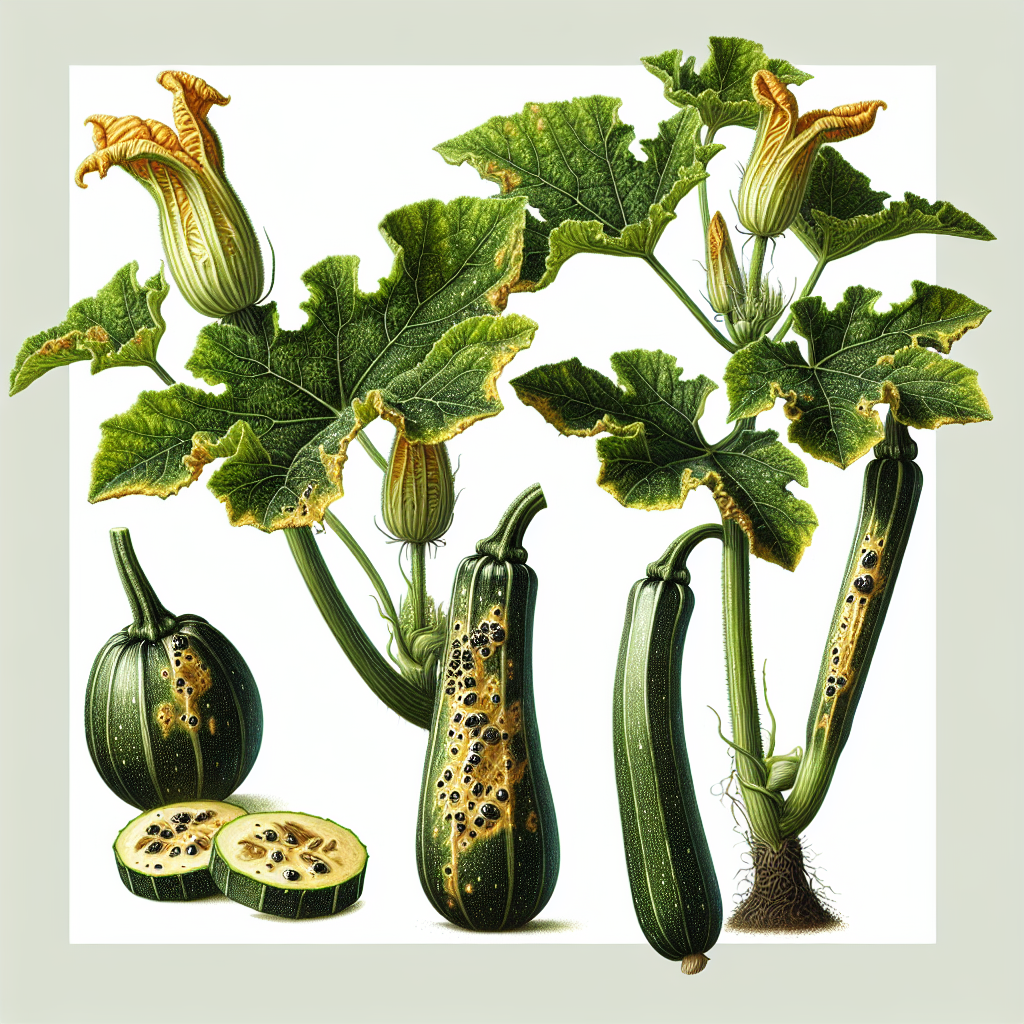
Phomopsis blight
Phomopsis blight is a destructive fungal disease primarily affecting cucurbits, eggplant, and grapes, causing stem cankers, leaf spots, and fruit rot that lead to significant yield losses. Caused by Diaporthe and Phomopsis species, it thrives in warm, wet conditions and spreads via rain splash and infected debris. Effective management relies on cultural practices, resistant varieties, and timely organic fungicides.
View Profile
Phomopsis blight and fruit rot
Phomopsis blight and fruit rot is a destructive fungal disease affecting numerous fruit crops, causing twig blight, leaf spots, and fruit decay leading to significant yield losses. Caused by Phomopsis species, it thrives in warm, wet conditions and spreads via spores and infected plant debris. Effective management relies on cultural practices, resistant varieties, and timely organic fungicide applications.
View Profile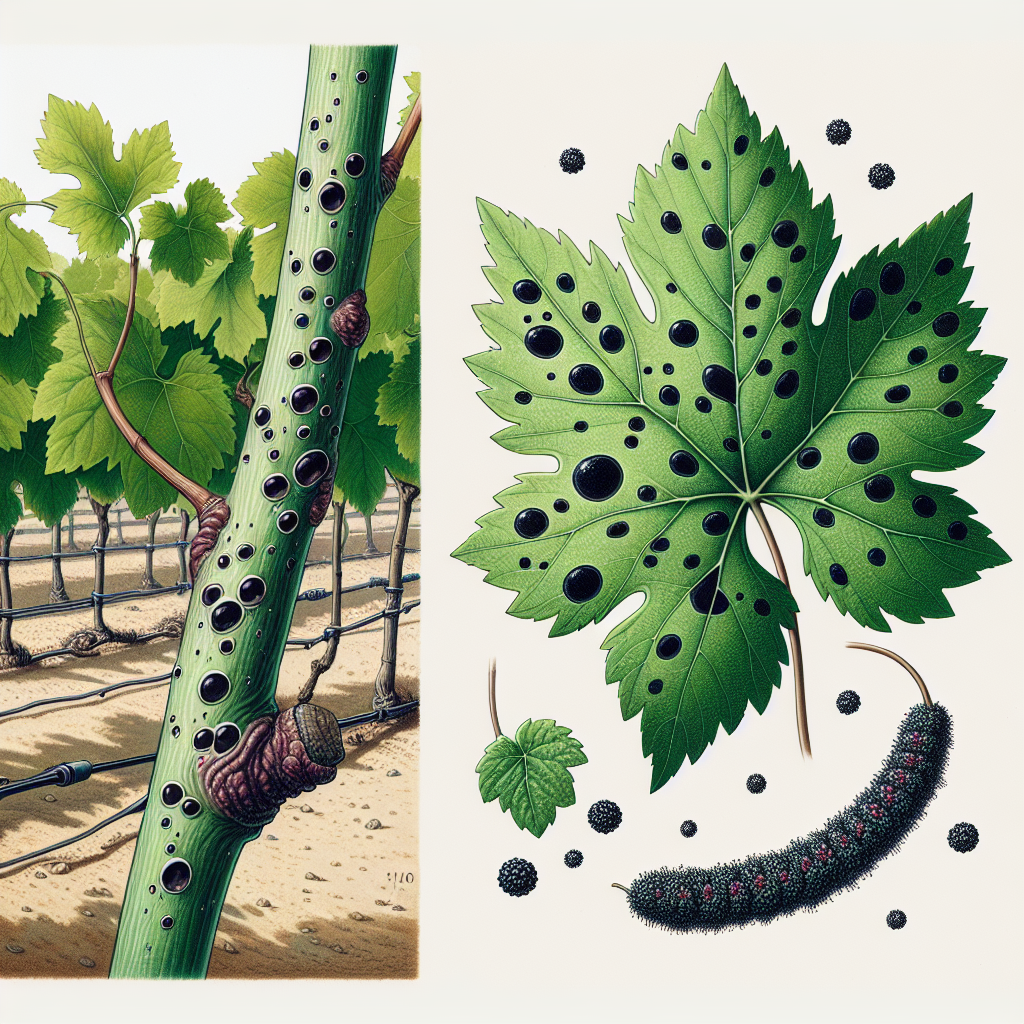
Phomopsis cane and leaf spot
Phomopsis cane and leaf spot is a destructive fungal disease primarily affecting grapevines, causing elliptical spots on leaves, necrotic streaks on canes, and significant yield losses through fruit rot and dieback. Caused by the fungus Phomopsis viticola, it thrives in cool, wet springs and spreads via rain-splashed spores. Effective management relies on cultural practices, resistant varieties, and timely organic fungicide applications to minimize damage.
View Profile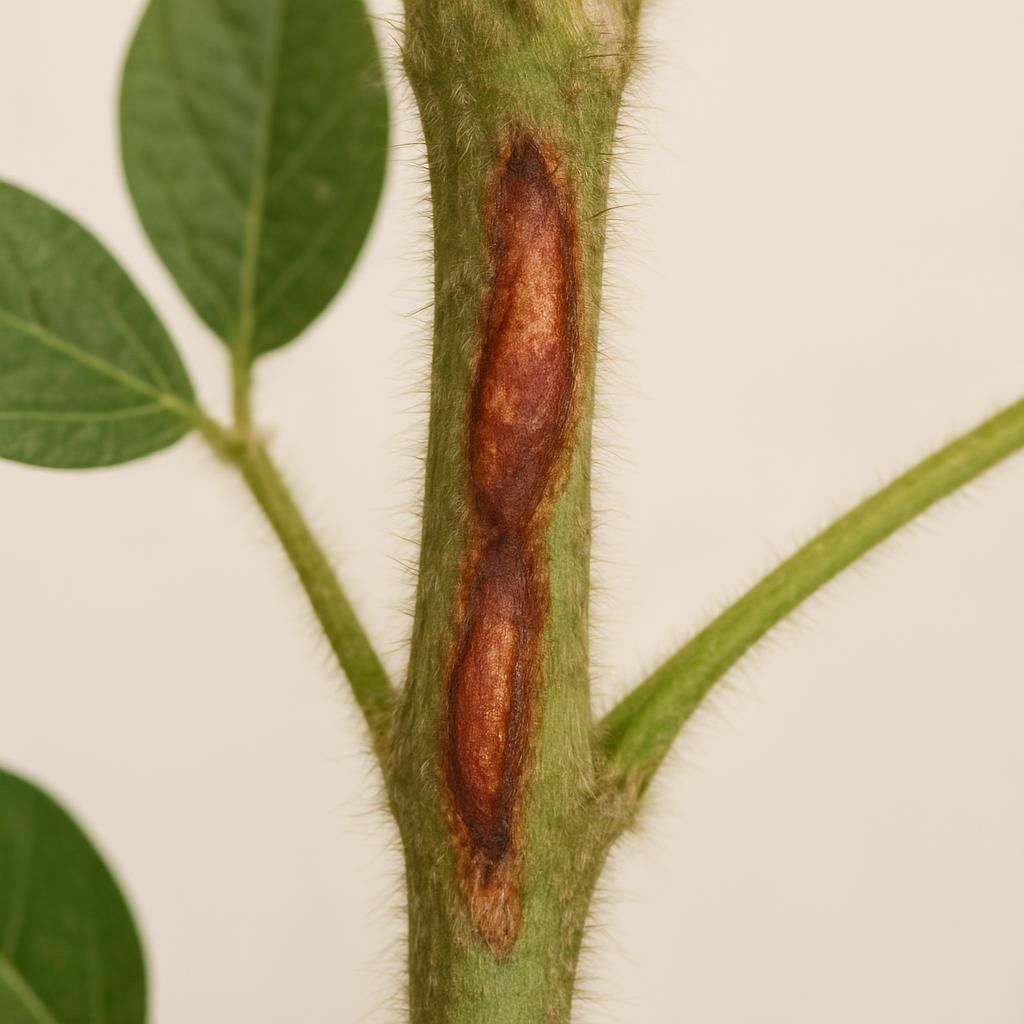
Phomopsis stem canker
Phomopsis stem canker is a destructive fungal disease primarily affecting soybeans and other legumes, causing stem lesions, wilting, and significant yield losses. Early identification and integrated management are critical to limit spread and protect crop productivity.
View Profile
phyllody
Phyllody is a devastating phytoplasma-induced disorder causing floral organs to transform into leaf-like structures, severely reducing crop yields. Transmitted primarily by leafhoppers, it affects numerous plants worldwide, leading to witches' broom symptoms and sterility. Early detection and vector control are crucial for effective management in agriculture.
View Profile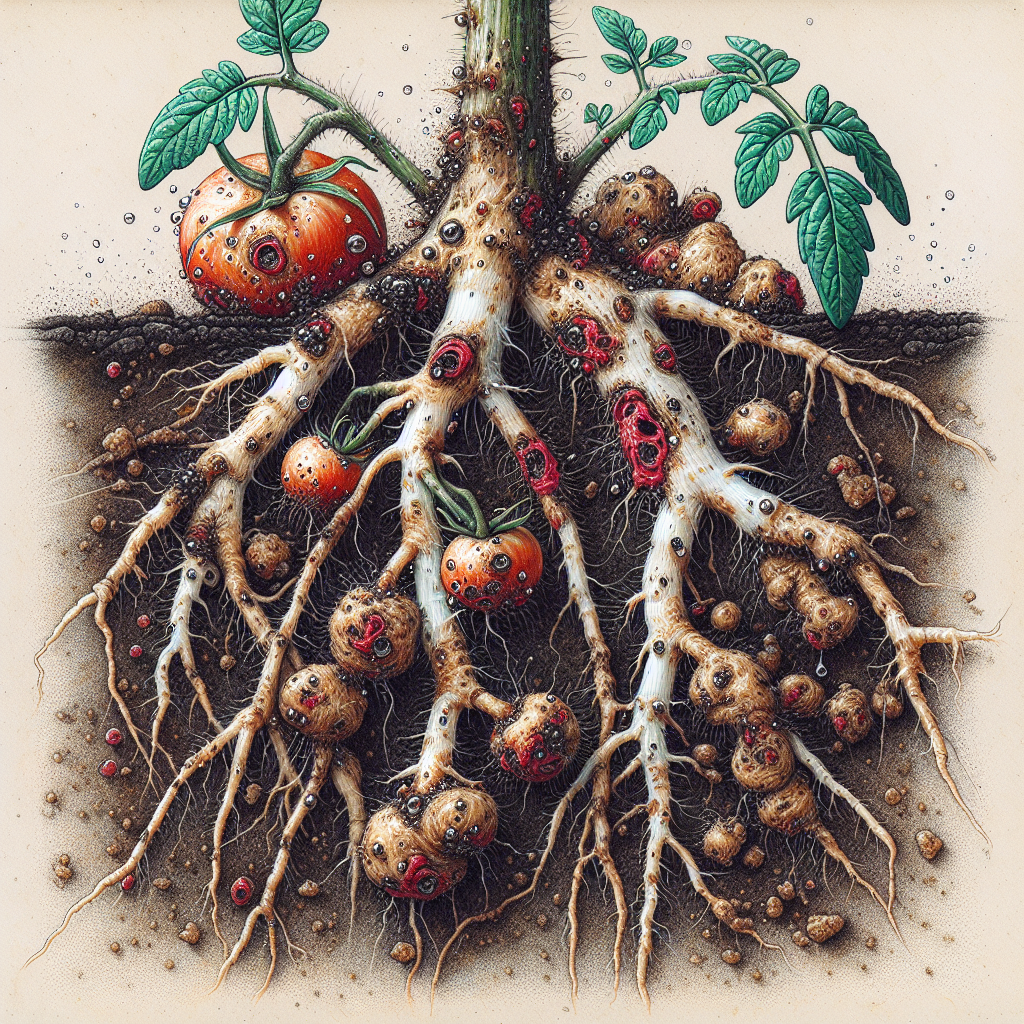
Phytophthora
Phytophthora is a destructive genus of oomycetes causing root rot, crown rot, and blight in numerous crops worldwide. Thriving in wet conditions, it leads to wilting, discoloration, and plant death, often mimicking other soil-borne diseases. Effective management relies on prevention, cultural practices, and targeted organic treatments.
View Profile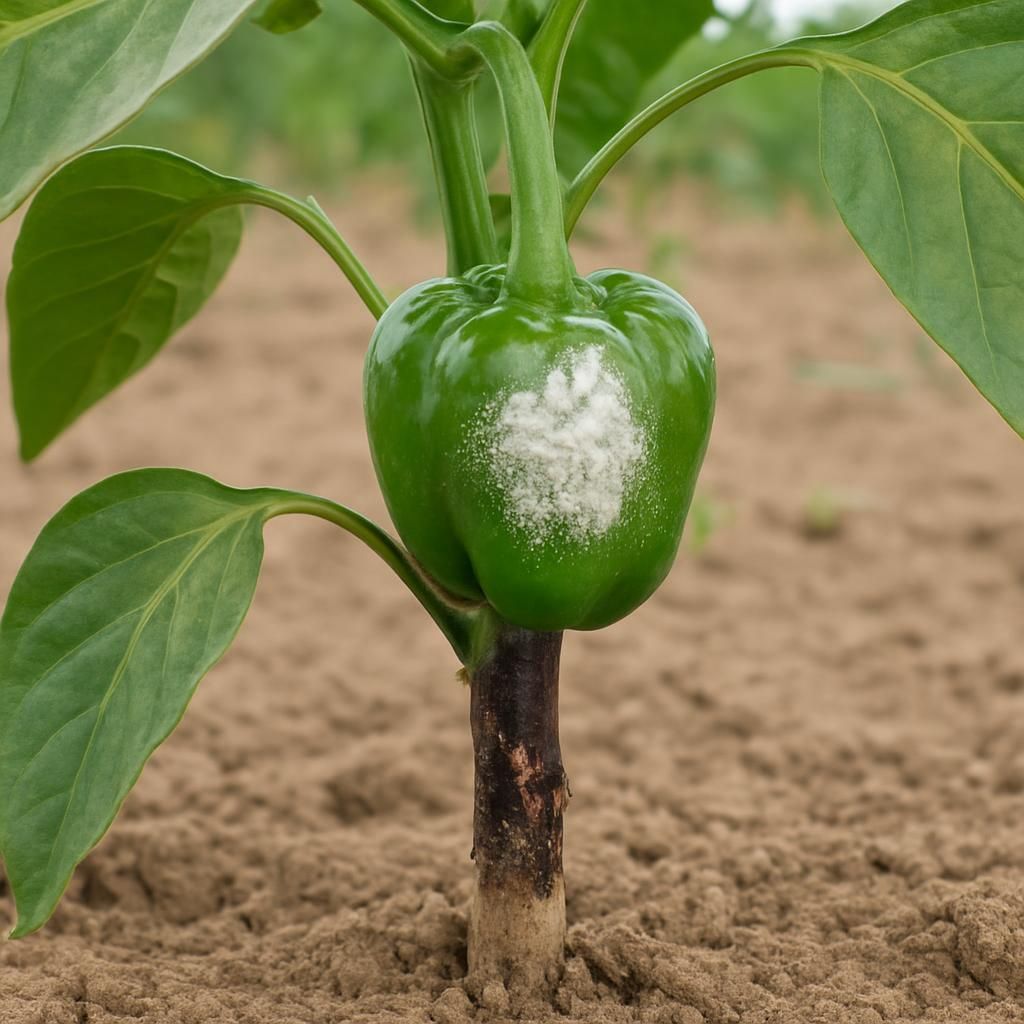
Phytophthora blight
Phytophthora blight is a devastating fungal-like disease caused by water mold pathogens in the Phytophthora genus, leading to rapid foliar, stem, root, and fruit infections in numerous crops. It thrives in warm, wet conditions, causing dark lesions, wilting, and plant collapse. Effective management relies on cultural practices, resistant varieties, and targeted organic treatments to minimize losses.
View Profile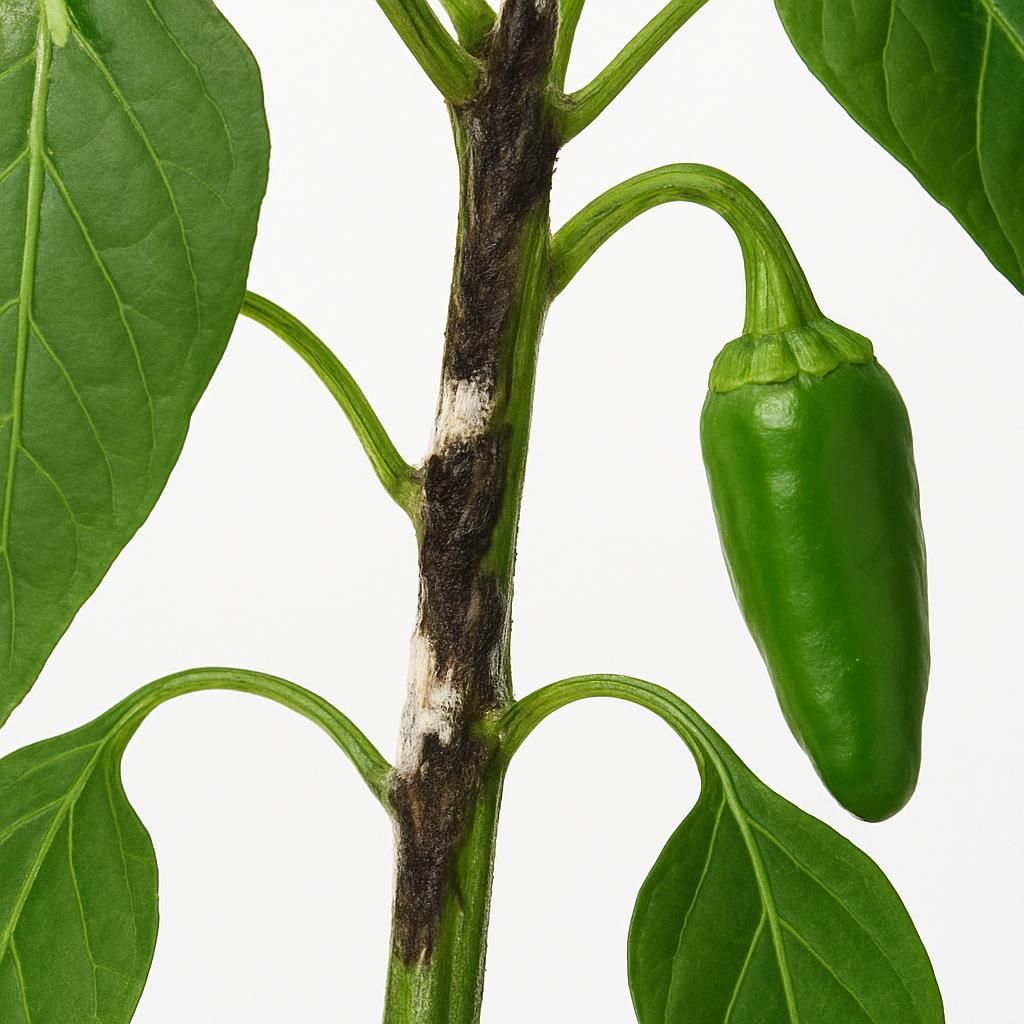
Phytophthora blight (disease)
Phytophthora blight is a destructive oomycete disease that causes rapid wilting, stem lesions, and fruit rot in solanaceous and cucurbit crops. It spreads through soil, water, and infected plant material, thriving in warm, wet conditions and leading to significant yield losses if unmanaged.
View Profile
Phytophthora cinnamomi root rot
Phytophthora cinnamomi root rot is a devastating soilborne oomycete pathogen causing widespread decline in crops worldwide, particularly in warm, wet conditions. It attacks roots, leading to rot, wilting, and plant death, with no cure once established. Effective management relies on prevention, cultural practices, and resistant varieties.
View Profile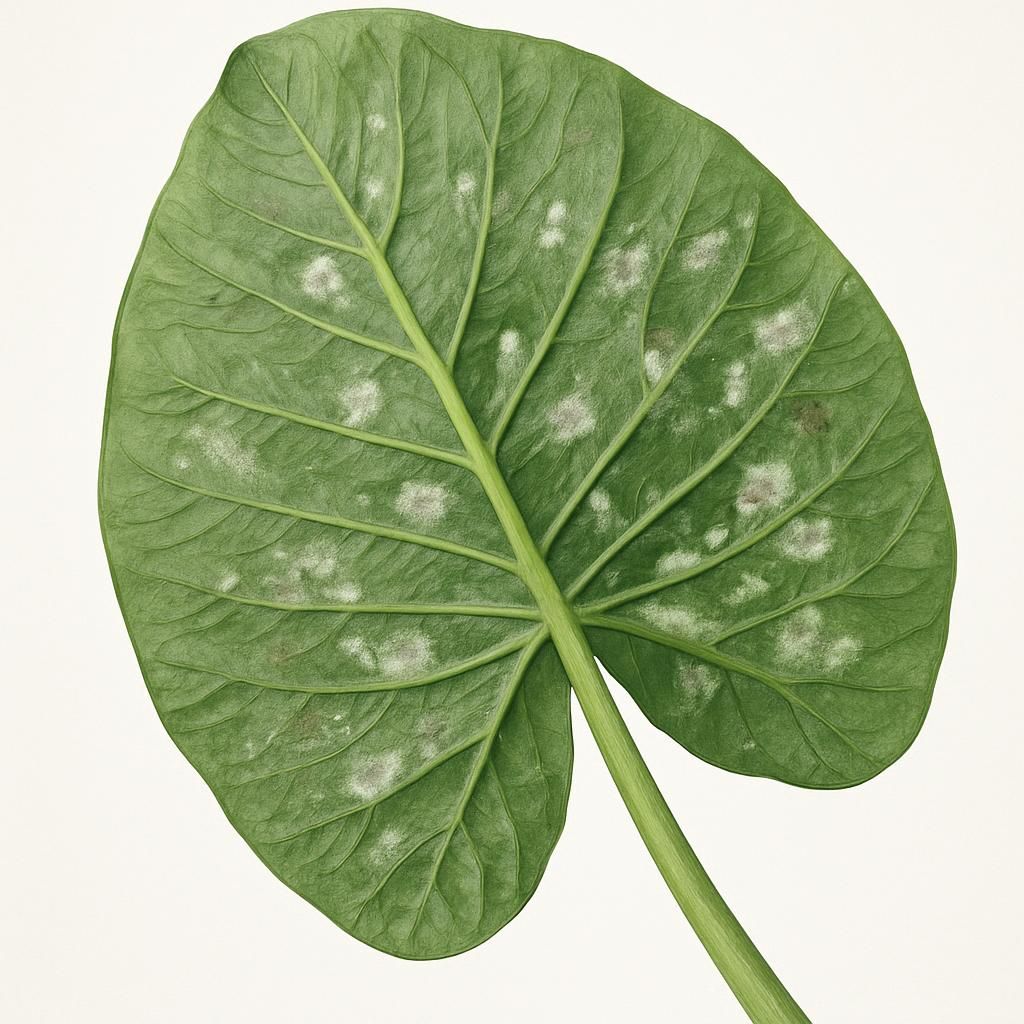
Phytophthora colocasiae
Phytophthora colocasiae is an oomycete pathogen that causes severe leaf blight and corm rot primarily in taro (Colocasia esculenta), leading to rapid defoliation and yield losses of 50-100% in humid tropics. The disease spreads through water-borne zoospores and survives in soil and infected planting material. Effective management combines cultural practices, resistant varieties, and targeted organic treatments.
View Profile
Phytophthora crown and fruit rot
Phytophthora crown and fruit rot is a devastating soilborne disease caused by Phytophthora oomycetes, leading to rapid wilting, crown lesions, and fruit decay in susceptible crops. It thrives in wet, warm conditions, often resulting in complete plant loss if unmanaged. Effective control relies on cultural practices, resistant varieties, and targeted organic treatments.
View Profile
Phytophthora crown and root rot
Phytophthora crown and root rot is a devastating soilborne disease caused by oomycete pathogens that thrive in wet conditions, leading to rapid decline and death of infected plants. It affects the crown and roots, causing wilting, root decay, and dark lesions, often mistaken for other root rots. Effective management relies on prevention through improved drainage, resistant varieties, and sanitation.
View Profile