Encyclopedia
Definitive guides for crops, pests, and agricultural diseases.

Loose Smut
Loose smut is a fungal disease primarily affecting cereal crops like wheat, barley, and oats, where the pathogen infects seeds or seedlings and replaces the grain head with a mass of black teliospores. It spreads via contaminated seed and thrives in cool, moist conditions during early plant growth. Effective management relies on certified disease-free seeds and resistant varieties, preventing up to 100% yield loss in severe cases.
View Profile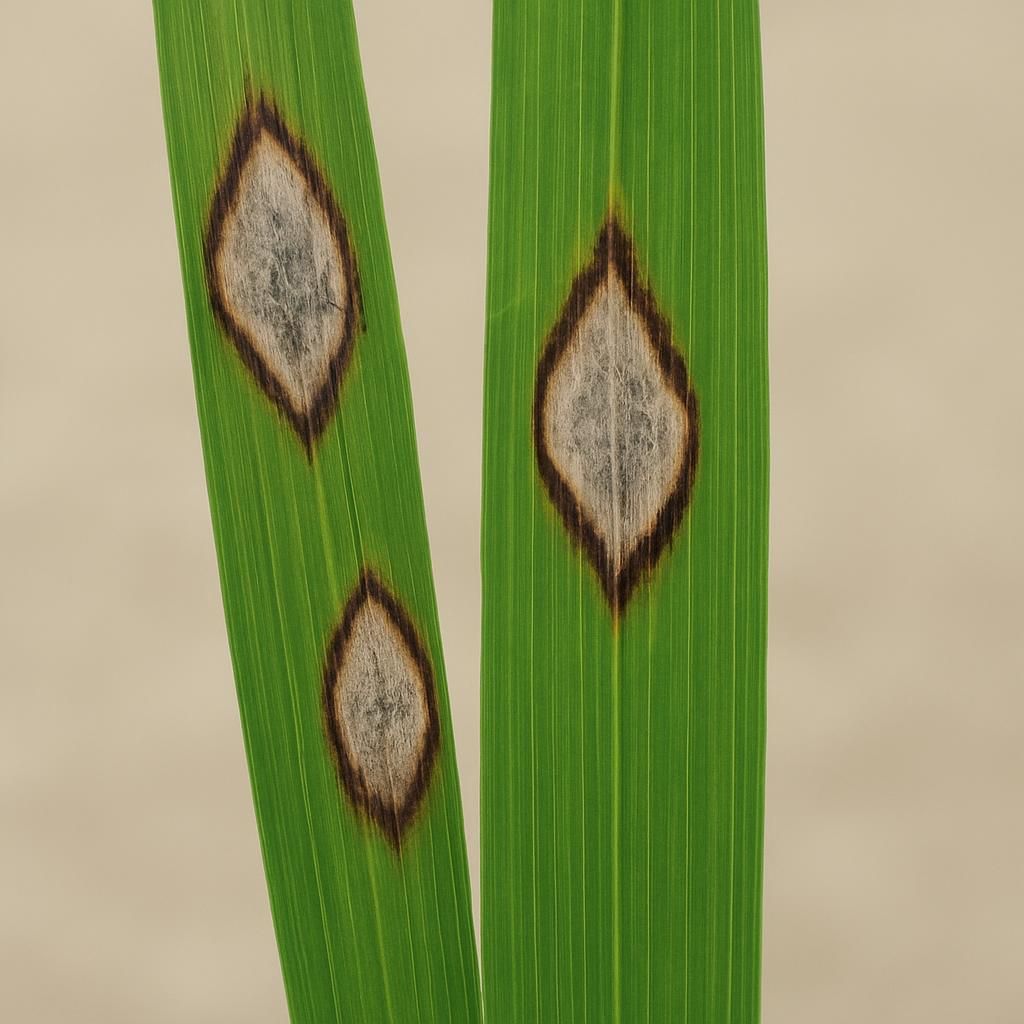
Magnaporthe
Magnaporthe oryzae is the fungal pathogen responsible for rice blast disease, one of the most destructive diseases of rice worldwide. It infects all above-ground parts of the plant, causing lesions that reduce photosynthesis and can lead to total crop failure under favorable conditions. Effective management combines resistant varieties, cultural practices, and targeted fungicide use.
View Profile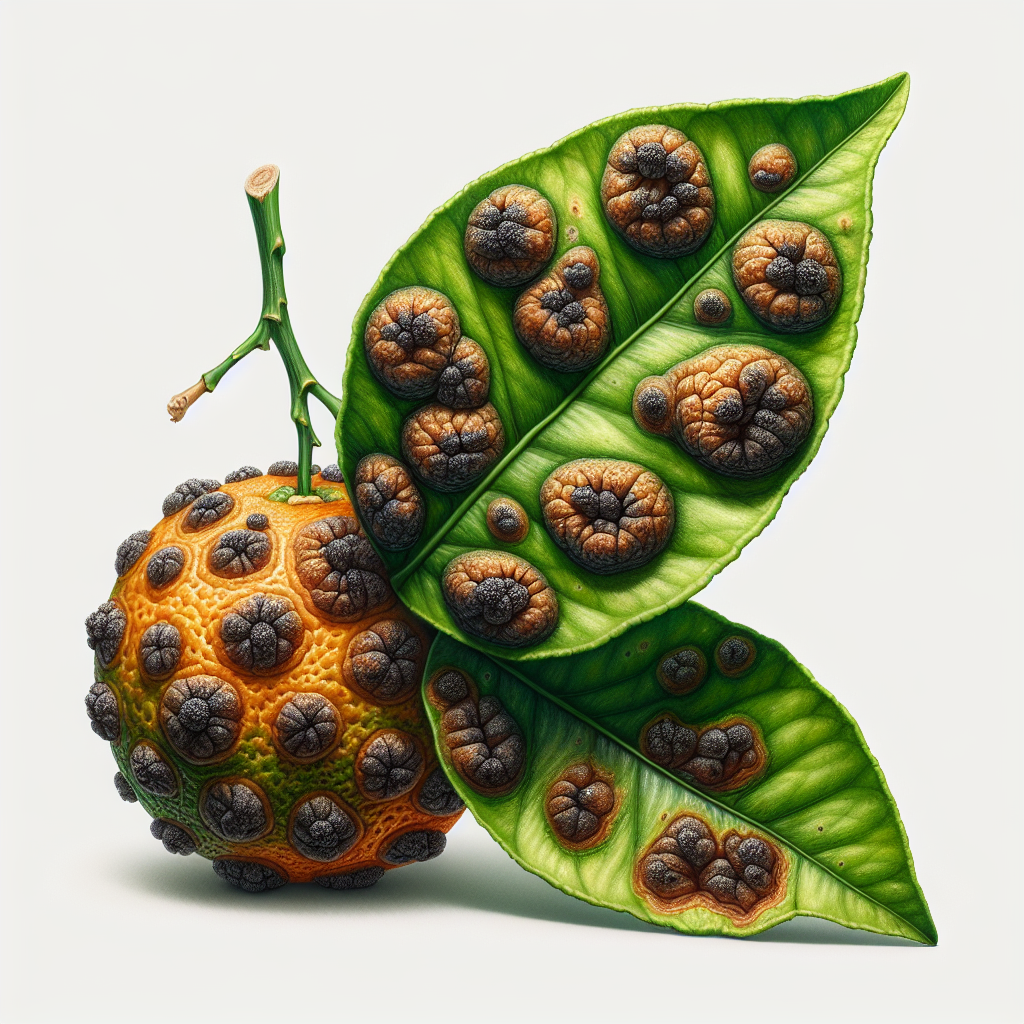
melanose
Melanose is a common fungal disease affecting citrus trees, caused by Diaporthe citri, characterized by distinctive dark, raised lesions on leaves, twigs, and fruit. While primarily cosmetic on mature fruit, it can reduce tree vigor and yield if severe. Effective management relies on cultural practices, sanitation, and targeted fungicide applications during wet periods.
View Profile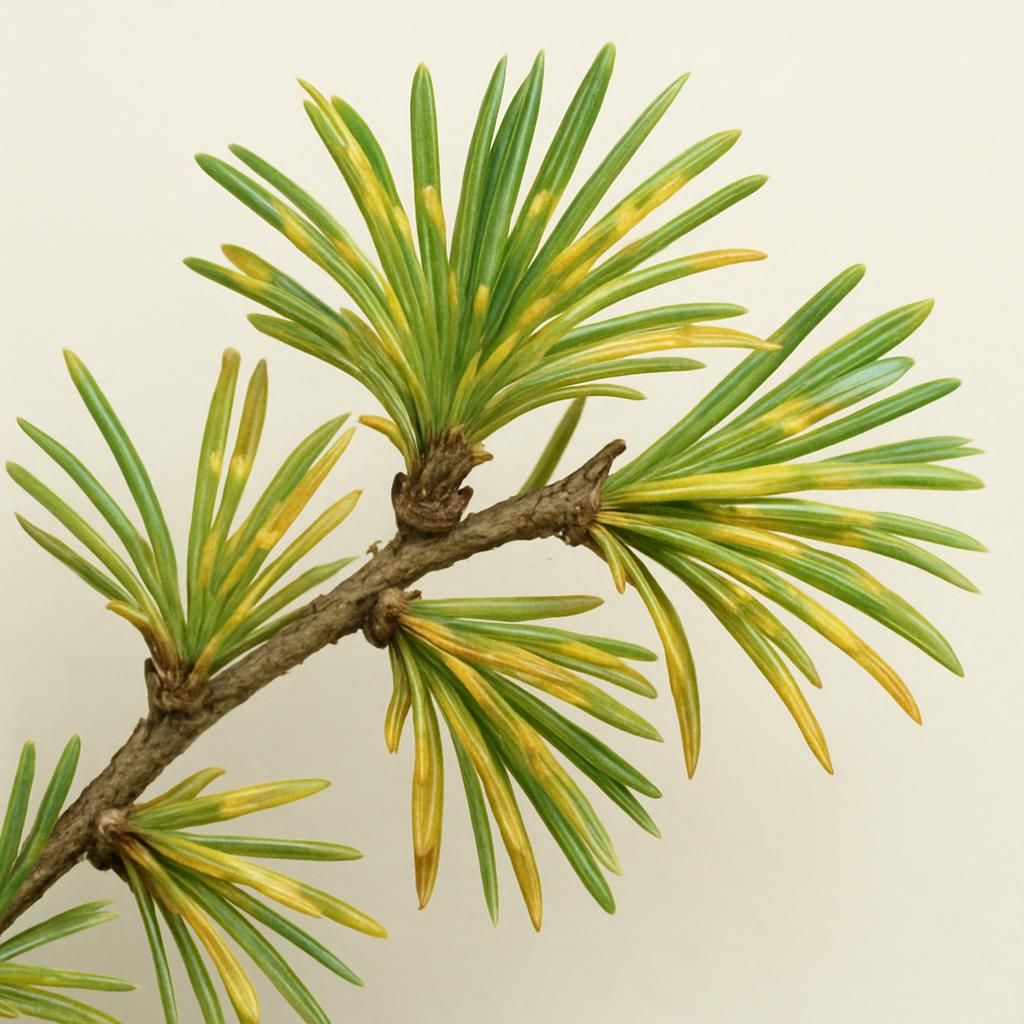
Meria laricis
Meria laricis is a fungal needle cast pathogen primarily affecting larch species, causing progressive defoliation, reduced vigor, and long-term growth suppression in both forestry and ornamental plantings. Early recognition combined with integrated cultural and targeted fungicide programs can limit spread and restore tree health.
View Profile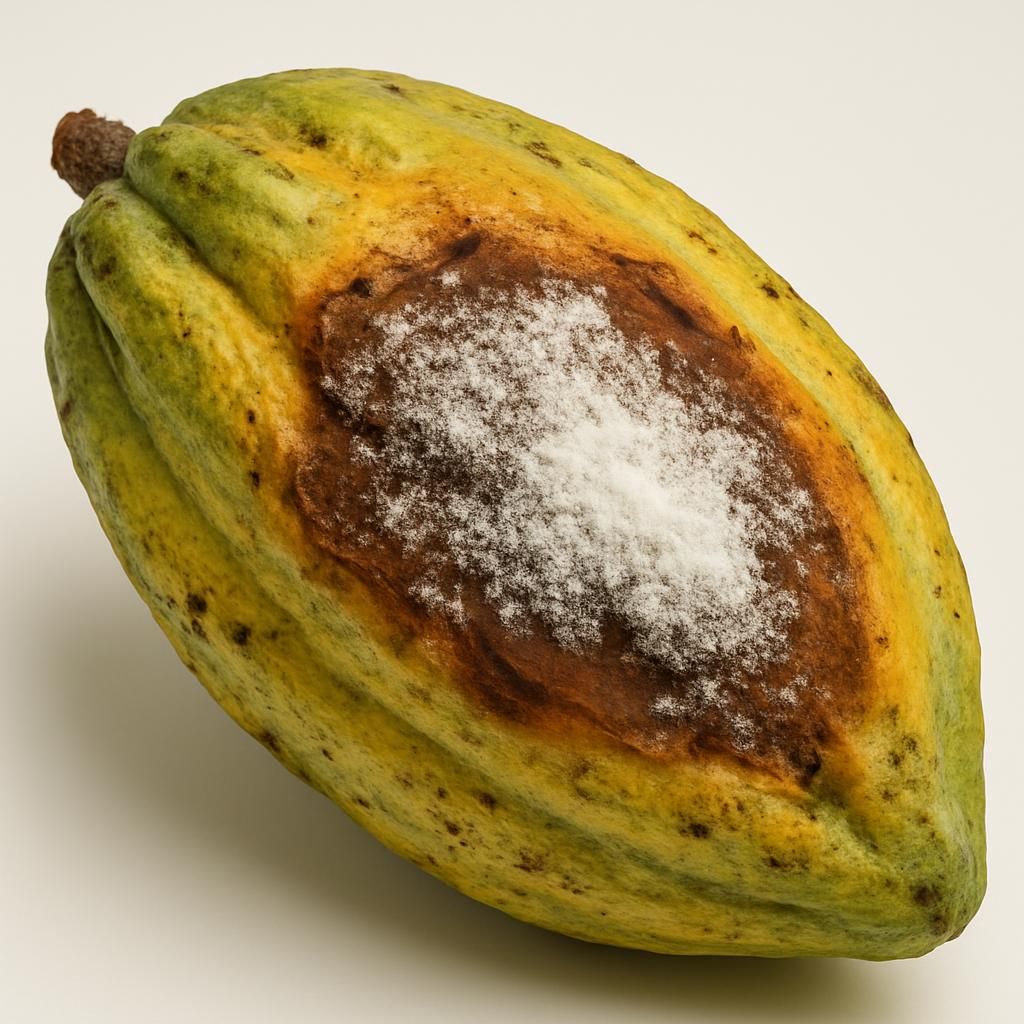
moniliophthora
Moniliophthora is a devastating fungal disease primarily affecting cacao, causing frosty pod rot that leads to massive yield losses in tropical agriculture. The pathogen spreads rapidly under humid conditions and requires integrated cultural and organic management for control.
View Profile
Mosaic
Mosaic is a viral disease affecting numerous crops, characterized by mottled leaf patterns, stunted growth, and reduced yields. Transmitted primarily by insect vectors like aphids and through mechanical means, it poses significant challenges to agricultural productivity. Effective management relies on prevention, vector control, and resistant varieties.
View Profile
Mosaic complexes
Mosaic complexes refer to a group of viral diseases causing mottled, mosaic-like patterns on leaves, stunted growth, and reduced yields in numerous crops. Transmitted primarily by insect vectors like aphids and whiteflies, these viruses create light and dark green patches that disrupt photosynthesis. Effective management relies on prevention, vector control, and resistant varieties.
View Profile
Mosaic virus
Mosaic viruses are a group of plant viruses causing characteristic mottled leaf patterns, stunted growth, and yield losses in numerous crops. Transmitted primarily by aphids, mechanical injury, or infected seeds, they lack curative treatments but can be effectively managed through prevention and resistant varieties. This guide provides diagnostic, organic control, and prevention strategies for affected farms.
View Profile
Mosaic viruses
Mosaic viruses are a group of plant viruses causing characteristic mottled leaf patterns, stunted growth, and reduced yields across numerous crops. Transmitted primarily by aphids and other insects, they pose significant challenges in vegetable, legume, and cereal production. Effective management relies on prevention through resistant varieties, vector control, and sanitation practices.
View Profile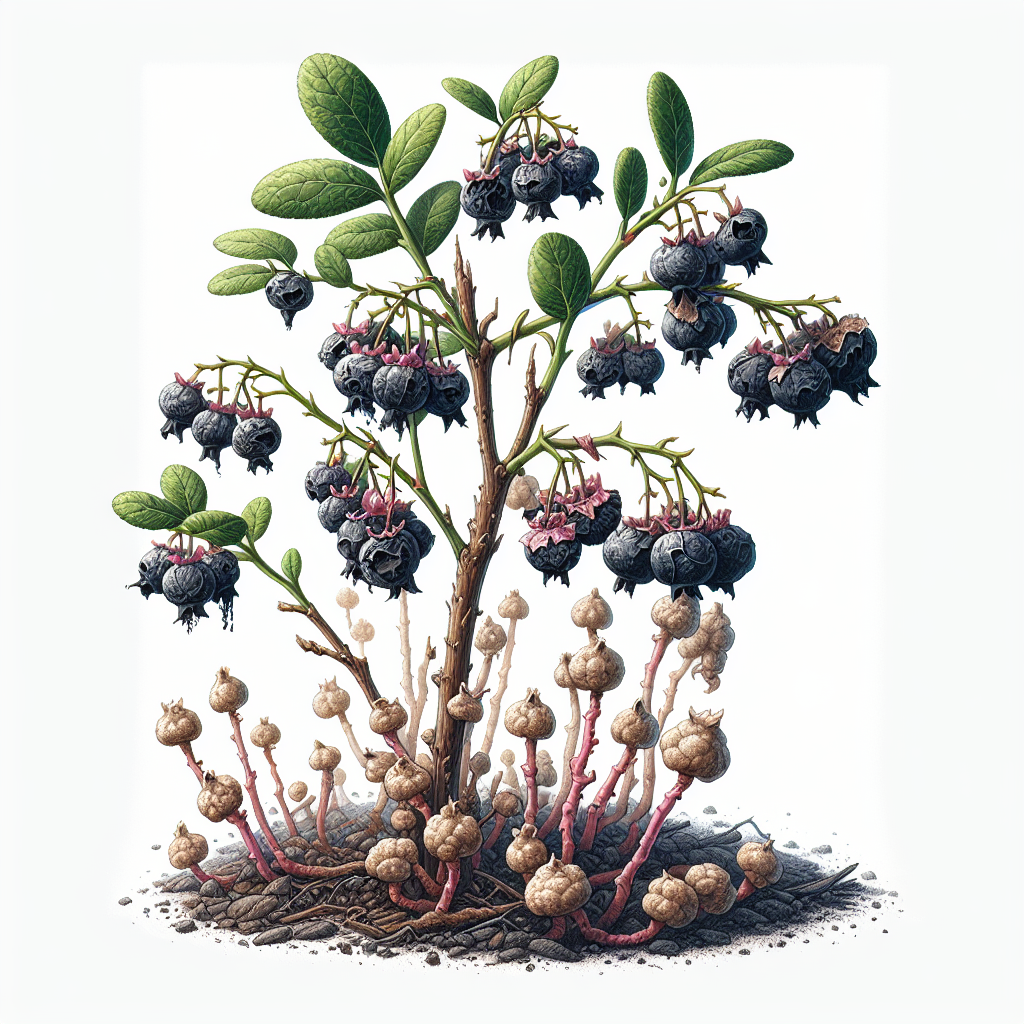
Mummy berry
Mummy berry is a destructive fungal disease caused by Monilinia vaccinii-corymbosi that primarily affects blueberry crops, turning developing berries into hard, shriveled 'mummies.' It spreads through ascospores infecting new leaves and conidia on flowers, leading to significant yield losses if unmanaged. Effective control relies on cultural practices, sanitation, and targeted organic fungicides during key infection periods.
View Profile
mung bean yellow mosaic virus
Mung bean yellow mosaic virus (MYMV) is a devastating begomovirus transmitted by whiteflies, causing severe yield losses in mung bean crops through characteristic yellow mosaics and leaf distortions. This guide provides comprehensive diagnostics, organic management strategies, and prevention tactics for farmers battling this pervasive disease. Early detection and integrated approaches can safeguard harvests effectively.
View Profile
Narcissus yellow stripe virus
Narcissus yellow stripe virus is a potyvirus that causes striking yellow striping, stunting, and reduced flower quality in Narcissus species. It is primarily spread by aphids and infected bulbs, making early detection and strict sanitation essential for commercial and home growers.
View Profile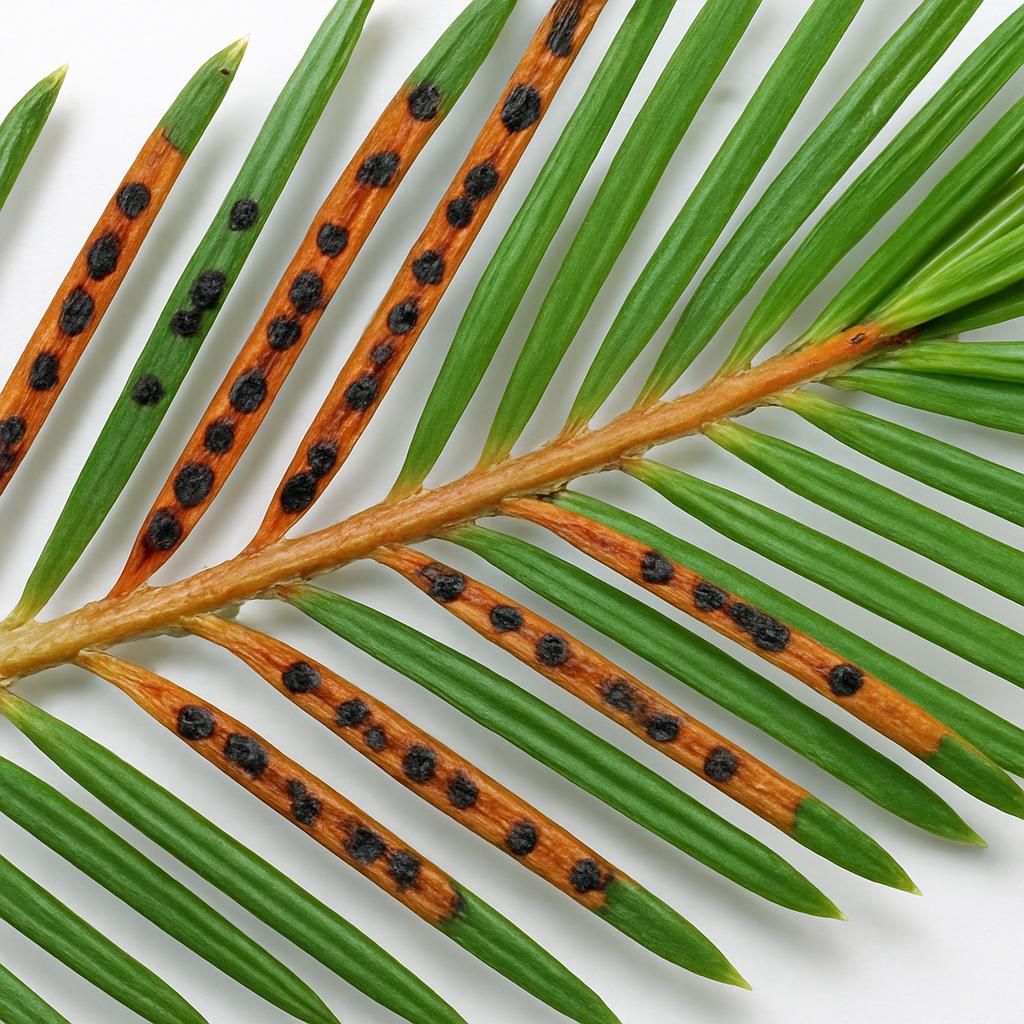
needle cast
Needle cast is a group of fungal diseases affecting conifers that causes progressive browning, premature needle drop, and reduced tree vigor. Accurate identification combined with timely cultural and chemical management prevents long-term canopy thinning and economic loss in Christmas tree plantations and timber stands.
View Profile
Net Blotch
Net Blotch is a widespread foliar disease primarily affecting barley crops, caused by the fungus Pyrenophora teres f. teres. It manifests as distinctive net-like patterns on leaves, leading to significant yield losses if unmanaged. This guide provides comprehensive diagnostic, management, and prevention strategies for farmers.
View Profile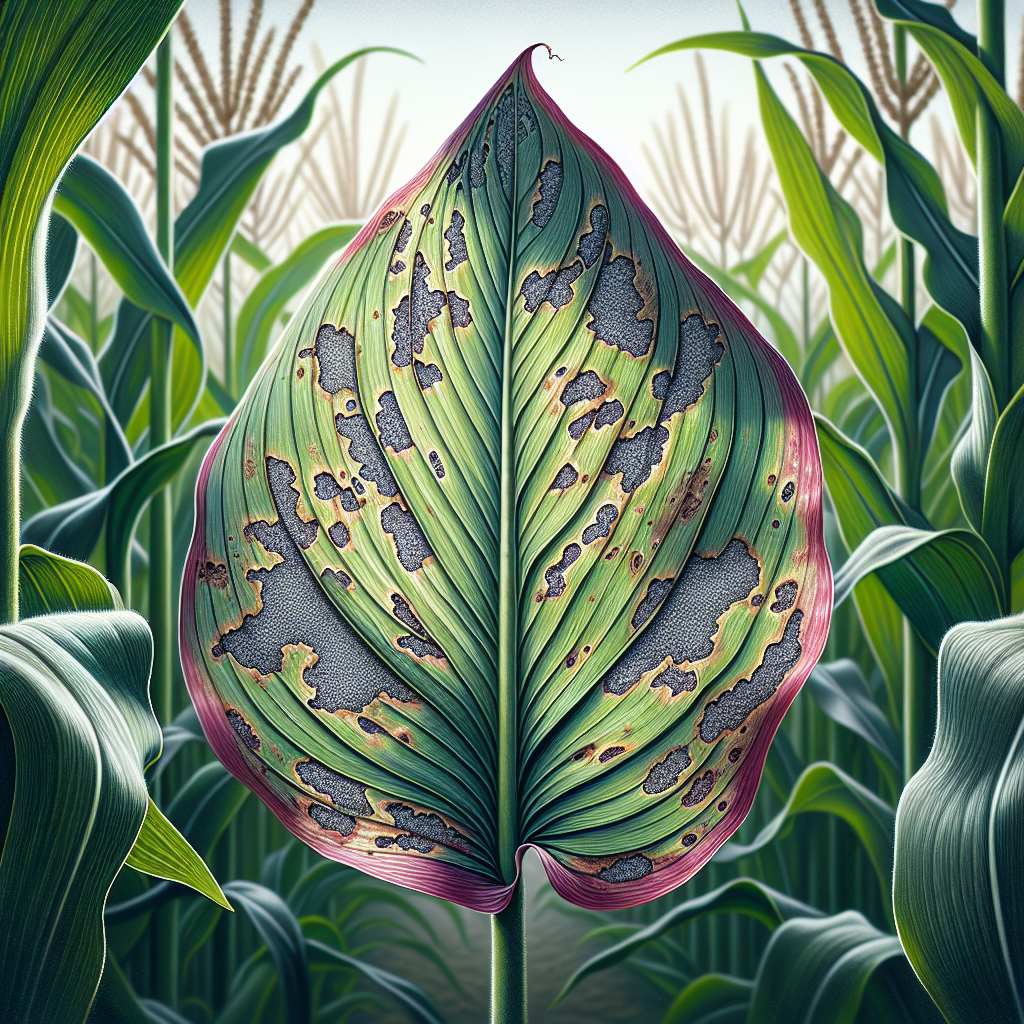
Northern Corn Leaf Blight
Northern Corn Leaf Blight (NCLB) is a widespread fungal disease affecting corn crops, caused by Exserohilum turcicum, leading to significant yield losses through leaf lesions and reduced photosynthesis. It thrives in humid, temperate environments and progresses rapidly under favorable conditions. Effective management combines resistant hybrids, cultural practices, and timely fungicide applications for optimal control.
View Profile
Oak wilt
Oak wilt is a lethal vascular disease caused by the fungus Bretziella fagacearum that affects oak trees across North America. It spreads through interconnected root systems and sap-feeding beetles, leading to rapid wilting and death. Effective management combines sanitation, chemical treatments, and prevention strategies.
View Profile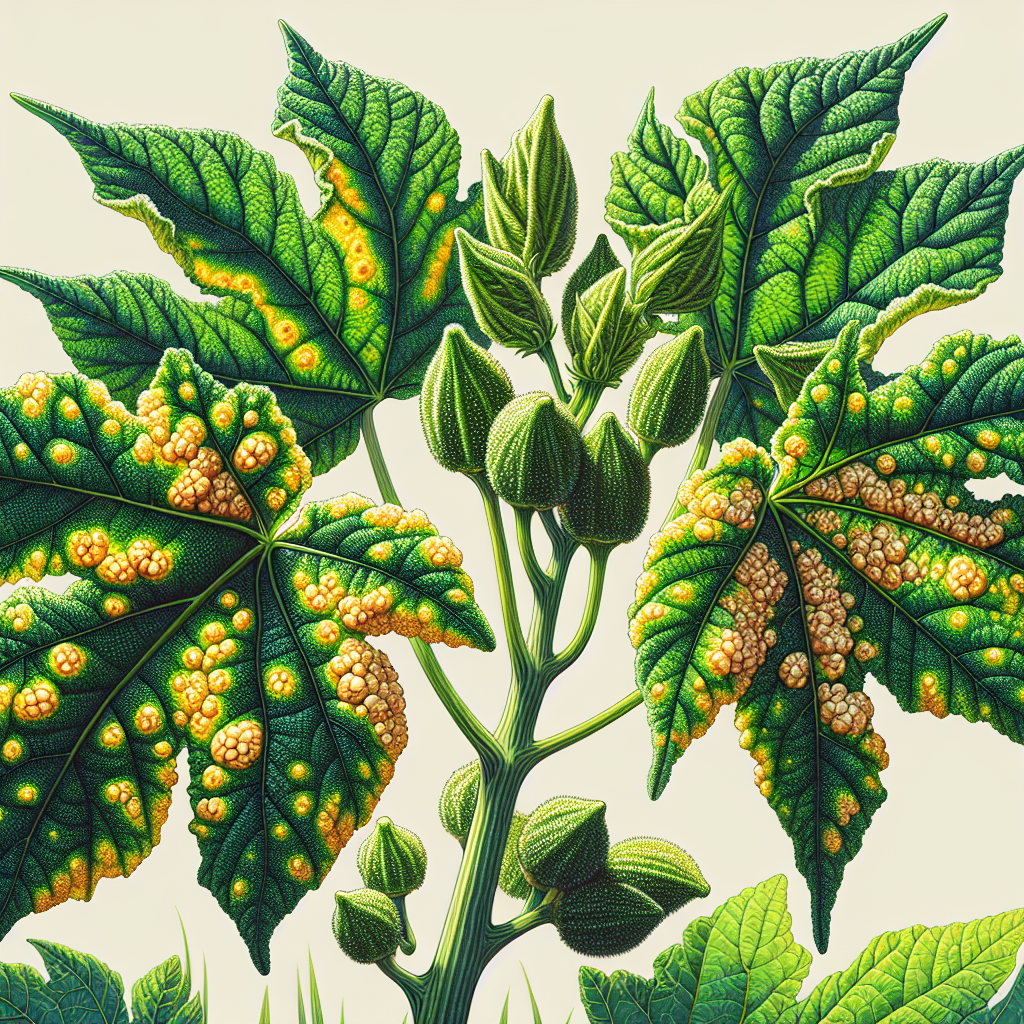
okra mosaic
Okra mosaic is a viral disease primarily transmitted by aphids, causing severe mosaic patterns, leaf distortion, and stunted growth in okra plants, leading to significant yield losses. Early identification and management through vector control and resistant varieties are crucial for minimizing damage. This guide provides comprehensive diagnostic, organic control, and prevention strategies for okra growers.
View Profile
Olive knot
Olive knot is a bacterial disease caused by Pseudomonas syringae pv. savastanoi, leading to tumor-like galls on olive tree branches, trunks, and twigs. It weakens trees, reduces yields, and spreads via wounds and contaminated tools. Effective management relies on prevention, cultural practices, and organic treatments.
View Profile
Olive Leaf Scab
Venturia oleaginea, commonly known as olive leaf scab, is a fungal pathogen causing significant defoliation and reduced yields in olive groves worldwide. This guide provides comprehensive diagnostics, organic management strategies, and prevention tactics tailored for olive growers. Early identification and cultural practices are key to minimizing economic losses from this persistent disease.
View Profile
orange rust
Orange rust is a devastating fungal disease primarily affecting sugarcane and related grasses, characterized by bright orange pustules on leaves that release powdery spores. It spreads rapidly in warm, humid conditions, leading to significant yield losses if unmanaged. Effective organic management relies on resistant varieties, sanitation, and cultural practices.
View Profile
Panama disease
Panama disease, also known as Fusarium wilt of banana, is a devastating soil-borne fungal disease that has wiped out entire banana plantations worldwide, particularly targeting the Cavendish banana. Caused by the pathogen Fusarium oxysporum f. sp. cubense, it clogs the plant's vascular system, leading to wilting and death. This guide provides essential diagnostic, management, and prevention strategies for growers facing this global threat.
View Profile
Papaya leaf curl
Papaya leaf curl is a devastating viral disease caused by begomoviruses transmitted by whiteflies, leading to leaf curling, stunted growth, and significant yield losses in papaya crops. Early identification and integrated management are crucial for minimizing damage. This guide provides practical diagnostic, organic control, and prevention strategies for farmers.
View Profile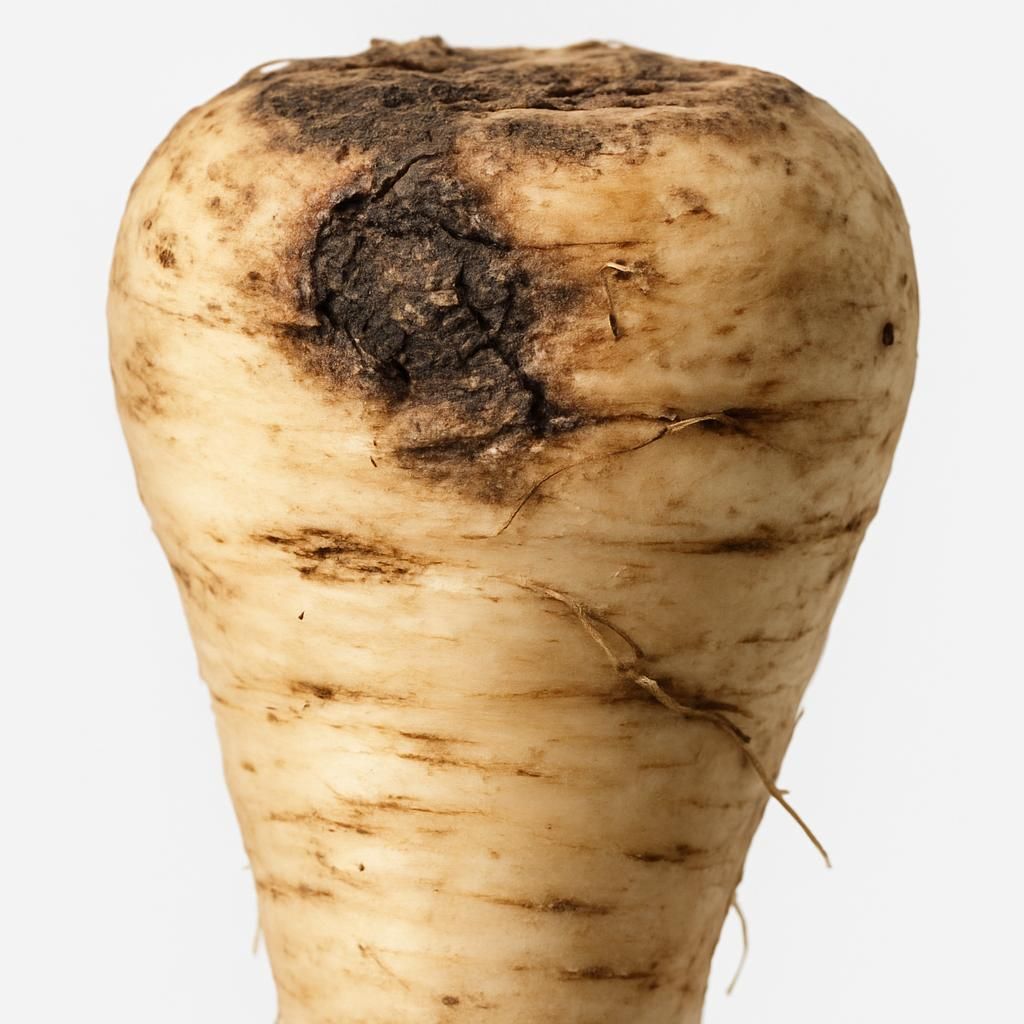
Parsnip canker
Parsnip canker is a fungal disease that primarily affects parsnip roots, causing dark lesions, cracking, and secondary rots that reduce marketability. The pathogen survives in soil and crop debris and spreads through splashing water and infected seed. Effective management combines resistant varieties, crop rotation, and strict sanitation.
View Profile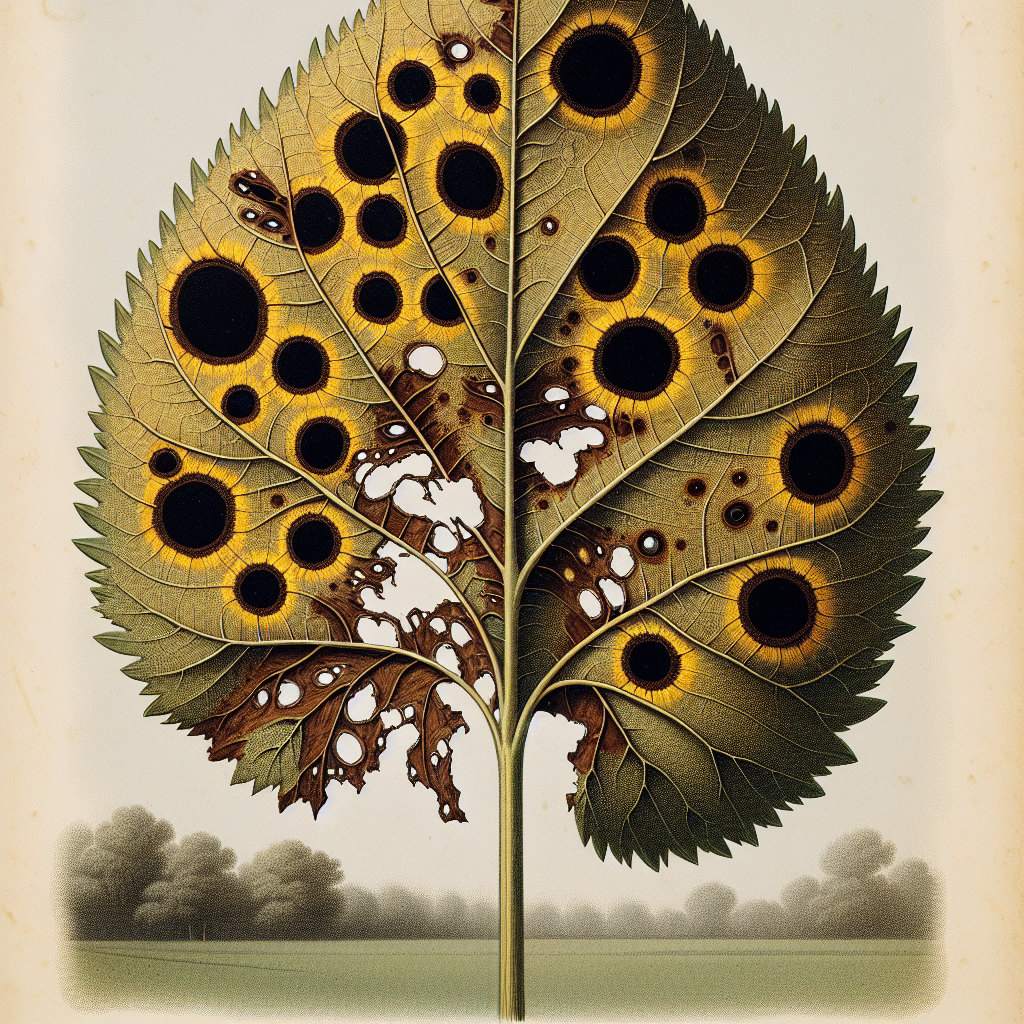
Pasmo
Pasmo is a destructive fungal disease primarily affecting sunflowers, causing leaf spots, stem lesions, and significant yield losses in warm, humid conditions. Early identification of its characteristic symptoms allows for timely organic interventions to minimize crop damage. Effective management relies on cultural practices, resistant varieties, and preventive strategies to protect sunflower fields.
View Profile