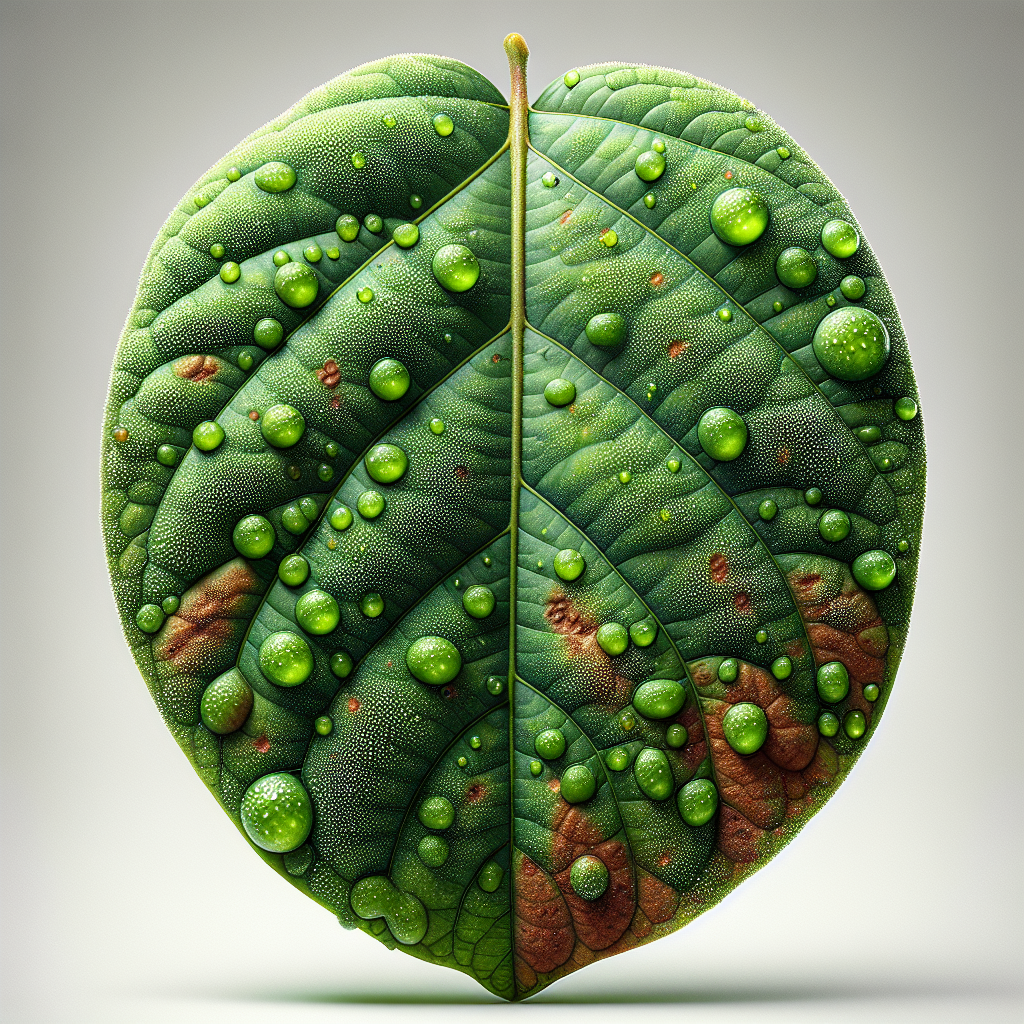
Introduction to Algal leaf spot
Algal leaf spot, scientifically known as Cephaleuros virescens infection, is a cosmopolitan disease affecting a wide range of plants, particularly in humid, tropical, and subtropical regions. Unlike fungal or bacterial pathogens, this disease is caused by a parasitic alga that thrives on leaf surfaces, forming characteristic green to reddish-brown spots. First identified in the early 20th century, algal leaf spot has become increasingly problematic in warm, wet climates where overhead irrigation and poor air circulation exacerbate its spread.
This guide provides professional-grade diagnostic criteria, lifecycle insights, and actionable management strategies for farmers, horticulturists, and agricultural experts. Understanding algal leaf spot is crucial for crops like avocado, tea, and magnolia, as infections can reduce photosynthetic capacity by up to 30-50% in severe cases, leading to defoliation, stunted growth, and diminished fruit quality. Early detection and integrated management can prevent economic losses, making this disease manageable with consistent vigilance.
The pathogen's unique biology—combining algal and fungal-like traits—allows it to penetrate leaf tissues via haustoria, extracting nutrients while forming visible sporangia. Global warming has expanded its range, pushing it into new areas with prolonged wet seasons. This comprehensive resource equips growers with tools to diagnose, treat, and prevent outbreaks effectively.
Identifying Symptoms & Damage
Diagnosing algal leaf spot requires keen observation of its hallmark symptoms, which distinguish it from powdery mildew or Alternaria leaf spot. Initial signs appear as small, raised, green velvety spots (1-2 mm) on the upper leaf surface, often clustered along veins or leaf margins. These spots feel rough to the touch and may emit a faint earthy odor when mature.
As the disease progresses, spots enlarge to 1-2 cm, turning olive-green to reddish-brown with a powdery appearance due to abundant sporangia production. Affected leaves exhibit chlorosis (yellowing) around spots, necrosis in advanced stages, and premature leaf drop. Undersides may show faint corresponding marks, but the primary damage is topside.
Damage assessment reveals reduced photosynthetic area, with severe infections causing up to 40% leaf loss. On fruit trees like mango, spots on young leaves lead to distorted growth and sunscald on exposed branches. Twigs and fruits can develop cankers, appearing as sunken, discolored lesions that crack open, inviting secondary Botrytis infections.
Microscopic confirmation involves identifying branched filaments (10-20 μm wide) with quadriflagellate zoospores under 400x magnification. Differentiate from look-alikes: algal spots lack fungal mycelium and produce motile spores, unlike static fungal conidia. Field diagnosis tip: spots persist through dry periods, regreening with rain—key for confirmation.
Yield impacts vary: tea plantations report 10-20% production drops; avocado groves see fruit size reduction by 15%. Systemic weakening predisposes plants to mites and drought stress, compounding losses.
Lifecycle and Progression of Algal leaf spot
Cephaleuros virescens exhibits a complex lifecycle alternating between vegetative thallus growth and reproductive phases, spanning 2-4 weeks per cycle in optimal conditions. Infection begins with flagellated zoospores (5-10 μm) splashing onto leaves via rain or wind, germinating within hours in free water. They form a discoid thallus that penetrates stomata or wounds, developing haustoria for nutrient uptake.
Vegetative phase lasts 7-14 days, producing erect sporangiophores (50-100 μm) bearing lemon-shaped sporangia. These release secondary zoospores during wet periods, perpetuating cycles. Sexual reproduction via gametangia occurs rarely, forming thick-walled zygospores for overwintering on fallen debris.
Progression accelerates in extended leaf wetness (>48 hours), with 3-5 cycles per rainy season. Dry spells induce dormancy, reactivating with moisture. On perennials like tea, persistent thalli serve as reservoirs; annuals suffer total defoliation.
Epidemiology shows polycyclic spread: primary inoculum from weeds or ornamentals, secondary via splash dispersal up to 1-2 meters. Peak activity coincides with monsoon seasons, with sporulation peaking at 25-30°C and 90% RH.
Environmental Triggers & Risk Factors
Algal leaf spot thrives in high-humidity environments (RH >85%), temperatures 20-32°C, and prolonged leaf wetness from overhead watering or dew. Poor canopy aeration—dense planting, excessive nitrogen—creates microclimates ideal for zoospores. Acidic soils (pH <6) and magnesium deficiencies weaken leaf cuticles, enhancing penetration.
Risk factors include tropical/subtropical locales (Florida, Hawaii, Southeast Asia), rainy seasons (>1000 mm annually), and susceptible varieties. Overhead irrigation splashes inoculum; mulching retains humidity. Companion stressors like aphids honeydew provide landing sites.
Climate change extends wet periods, increasing outbreak frequency by 20-30% in marginal areas. Monitor with weather stations: alert when leaf wetness >36 hours + temp >25°C.
Organic Control & Treatment Plans
Organic management emphasizes cultural, biological, and low-toxicity sprays. Step 1: Prune infected parts (20-30% canopy removal) during dry periods, destroying debris to cut inoculum by 70%. Improve airflow with 1-2 m spacing.
Step 2: Nutritional boosts. Apply foliar calcium (2% chelate) and potassium (1% sulfate) biweekly; magnesium via Epsom salts (1 tbsp/gal) corrects deficiencies, thickening cuticles.
Step 3: Biocontrol. Bacillus subtilis or Trichoderma harzianum sprays (1x10^9 CFU/ml) colonize surfaces, outcompeting algae (efficacy 50-60%). Neem oil (0.5%) disrupts zoospores.
Step 4: Approved organics. Copper octanoate (0.7 ml/L) or potassium bicarbonate (2%) every 10-14 days during wet weather—rotate to prevent resistance. Baking soda (1 tbsp/gal + hort oil) raises pH, inhibiting growth.
Integrated plan: Scout weekly, apply at first spots, reapply post-rain. Efficacy reaches 80% with consistency. For Hass Avocado, combine with reflective mulches to reduce splash.
Why Misidentifying Plants Costs Small Farms Thousands - And How AI Camera Diagnosis Fixes It Fast
Preventing Algal leaf spot in the Future
Prevention hinges on site selection, resistant varieties, and cultural vigilance. Choose breezy sites with well-drained, neutral soils (pH 6.5-7). Plant resistant cultivars: for avocado, select 'Reed'; tea, high-country clones.
Drip irrigation eliminates wetting; time applications pre-dawn. Prune annually for 30% light penetration. Cover crops like clover suppress weeds harboring inoculum.
Soil amendments: lime to pH 6.8, compost for micronutrients. Monitor with sticky traps for vectors; sanitize tools. Rotate crops, avoiding host sequences with tomato or citrus.
Long-term: Breed resistant lines; use shade cloth (30%) in nurseries. Annual audits reduce incidence by 90%.
Crops Most Affected by Algal leaf spot
Tropical perennials top vulnerability lists. High-risk: Avocado (Hass, Fuerte), mango (Tommy Atkins), tea (Camellia sinensis), magnolia. Moderate: Citrus (orange, lemon), guava, coconut. Emerging: Banana, coffee in wet zones.
Annuals like cotton, sorghum suffer sporadic outbreaks. Ornamentals (oak, maple) act as reservoirs. Economic hotspots: Florida avocado (10% acreage affected), Indian tea estates (5-15% yield loss). Select varieties wisely per crop wiki.