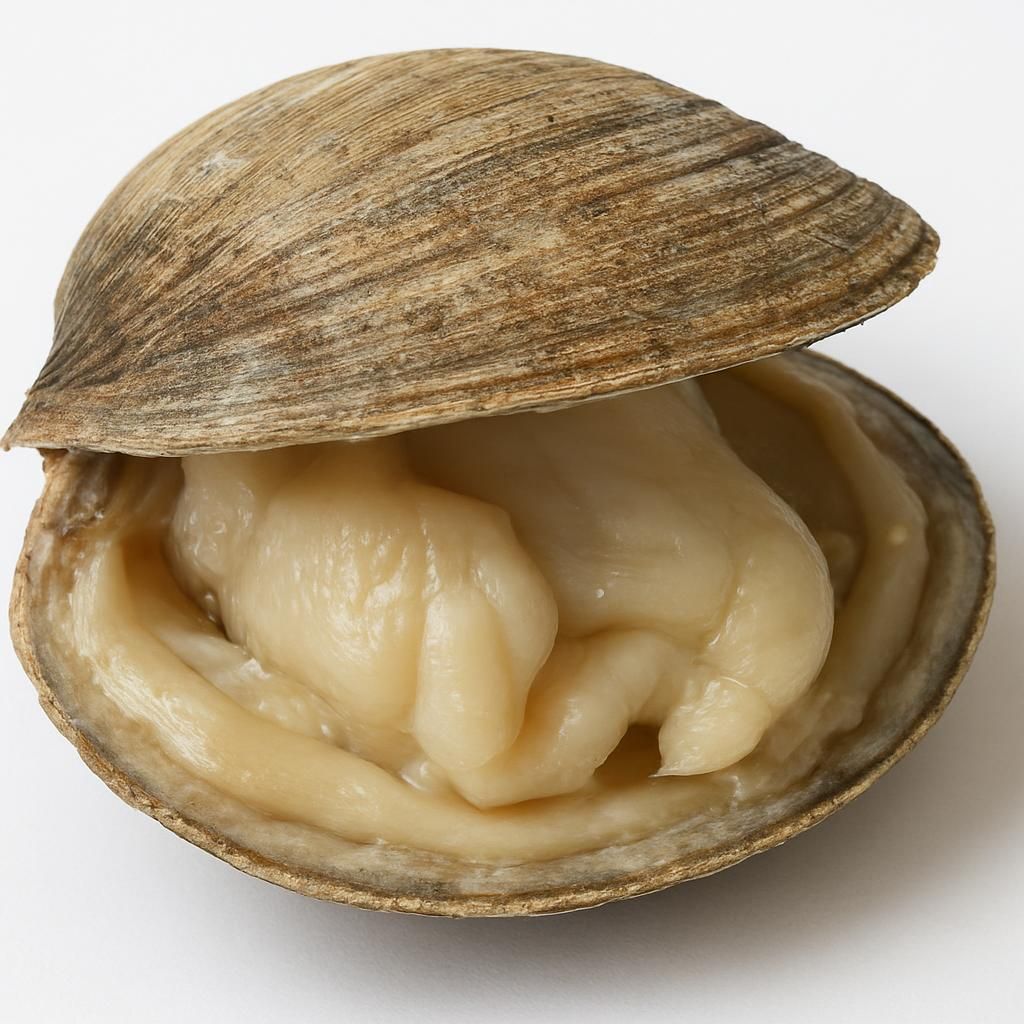
Introduction to Quahog Parasite Unknown (QPX)
Quahog Parasite Unknown (QPX) is a thraustochytrid-like protist that emerged as a major pathogen of hard clams in the early 1990s. First identified in New York and Massachusetts waters, the disease has since spread along the Atlantic coast from Virginia to Canada. It causes significant economic losses in both wild harvest and commercial clam aquaculture operations. Potato growers facing similar soil-borne threats can draw parallels in biosecurity approaches.
Identifying Symptoms & Damage
Infected clams exhibit pale, watery mantle tissue, retracted siphons, and gaping shells that fail to close. Histological examination reveals extensive granulomatous lesions in gill, mantle, and digestive tissues. Heavily infected individuals show reduced meat yield and slower burrowing behavior, increasing predation risk. Advanced cases lead to mass mortality events, especially during summer temperature spikes.
Lifecycle and Progression of Quahog Parasite Unknown (QPX)
QPX progresses through distinct developmental stages within the host and environment. Transmission occurs via waterborne zoospores that penetrate clam tissues, followed by intracellular proliferation and release of new infective stages upon host death.
| Lifecycle Stage | Description | Duration | Environmental Conditions |
|---|---|---|---|
| Zoospore Release | Motile zoospores exit decaying clam tissue | 1-3 days | 15-25°C, salinity 20-30 ppt |
| Host Penetration | Zoospores attach and invade mantle/gill epithelia | Hours to 1 day | Moderate water flow |
| Intracellular Proliferation | Parasite multiplies within host cells forming granulomas | 2-6 weeks | Optimal at 18-22°C |
| Tissue Necrosis | Extensive lesions cause host weakening | 1-4 weeks | Rising summer temperatures |
| Spore Release & Transmission | Dead clams release new zoospores into water column | Ongoing | High host density accelerates spread |
Environmental Triggers & Risk Factors
QPX outbreaks intensify when water temperatures exceed 18°C for prolonged periods and salinity drops below 25 ppt. High stocking densities and poor water exchange in grow-out systems promote rapid transmission. Stress from handling, low dissolved oxygen, or concurrent infections with Phytophthora species further compromise clam immunity. Climate-driven warming trends are expanding the geographic range northward.
Organic Control & Treatment Plans
No approved chemical treatments exist for QPX in food shellfish; management focuses on cultural and biological strategies. Early culling of symptomatic clams and rigorous site fallowing are the primary tools.
| Treatment Option | Application Method | Frequency | Notes |
|---|---|---|---|
| Site Fallowing | Remove all stock; dry beds for minimum 60 days | Once per production cycle | Allows natural die-off of free-living stages |
| Low-Density Stocking | Reduce clam density to <50 per square meter | At seeding | Lowers transmission probability |
| Temperature Management | Use deeper water leases or shade structures | Continuous during summer | Keeps temperatures below 18°C where possible |
| Salinity Monitoring | Track and adjust via tidal flushing or relocation | Weekly | Maintain >25 ppt to inhibit zoospore viability |
| Resistant Stock Selection | Plant QPX-tolerant clam strains from selective breeding programs | Each cohort | Genetic resistance reduces mortality by 40-70% |
Preventing Quahog Parasite Unknown (QPX) in the Future
Implement strict biosecurity by sourcing seed from certified QPX-free hatcheries and quarantining new stock for 30 days. Rotate grow-out sites annually and avoid areas with historical outbreaks. Regular histological screening of sentinel clams provides early warning. Maintaining optimal water quality and minimizing handling stress strengthens host resistance. Collaboration with state shellfish health programs ensures compliance with movement regulations.
Crops Most Affected by Quahog Parasite Unknown (QPX)
While QPX specifically targets hard clams (Mercenaria mercenaria), related thraustochytrid pathogens have been reported in other bivalves including Oyster Mushroom cultivation systems and various marine Cassava analogs used in experimental aquaculture feeds. No terrestrial crops are known hosts.