Encyclopedia
Definitive guides for crops, pests, and agricultural diseases.

leaf wetness duration
Leaf wetness duration refers to the time plant leaves remain wet from dew, rain, or irrigation, creating ideal conditions for fungal pathogens and disease outbreaks. Managing this critical environmental factor is essential for preventing devastating crop losses in humid climates. This guide provides diagnostic tools, organic management strategies, and prevention tactics tailored for farmers.
View Profile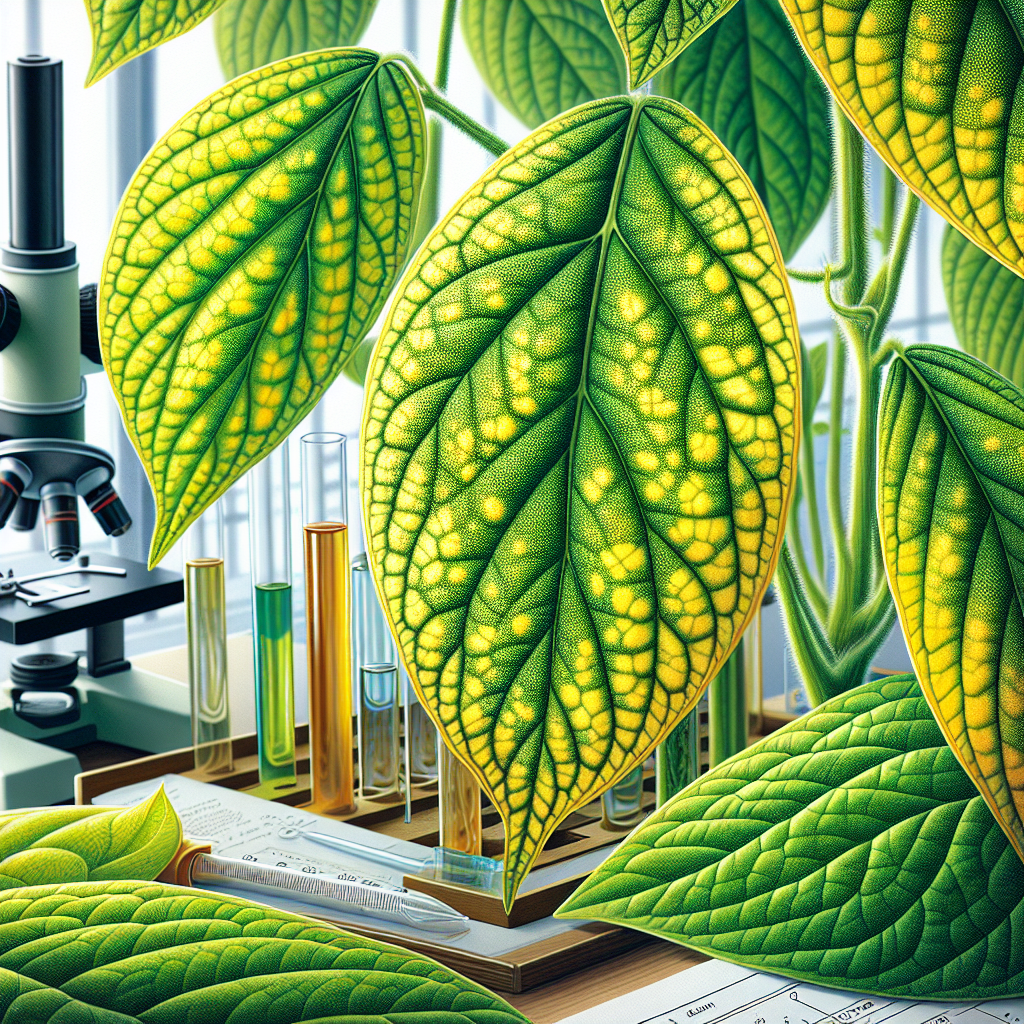
manganese deficiency
Manganese deficiency is a widespread micronutrient disorder affecting plants, characterized by interveinal chlorosis in young leaves and reduced yields. It occurs in high-pH soils where manganese availability is limited, mimicking pest or disease damage. Proper diagnosis and targeted foliar or soil applications can quickly restore plant health and prevent economic losses.
View Profile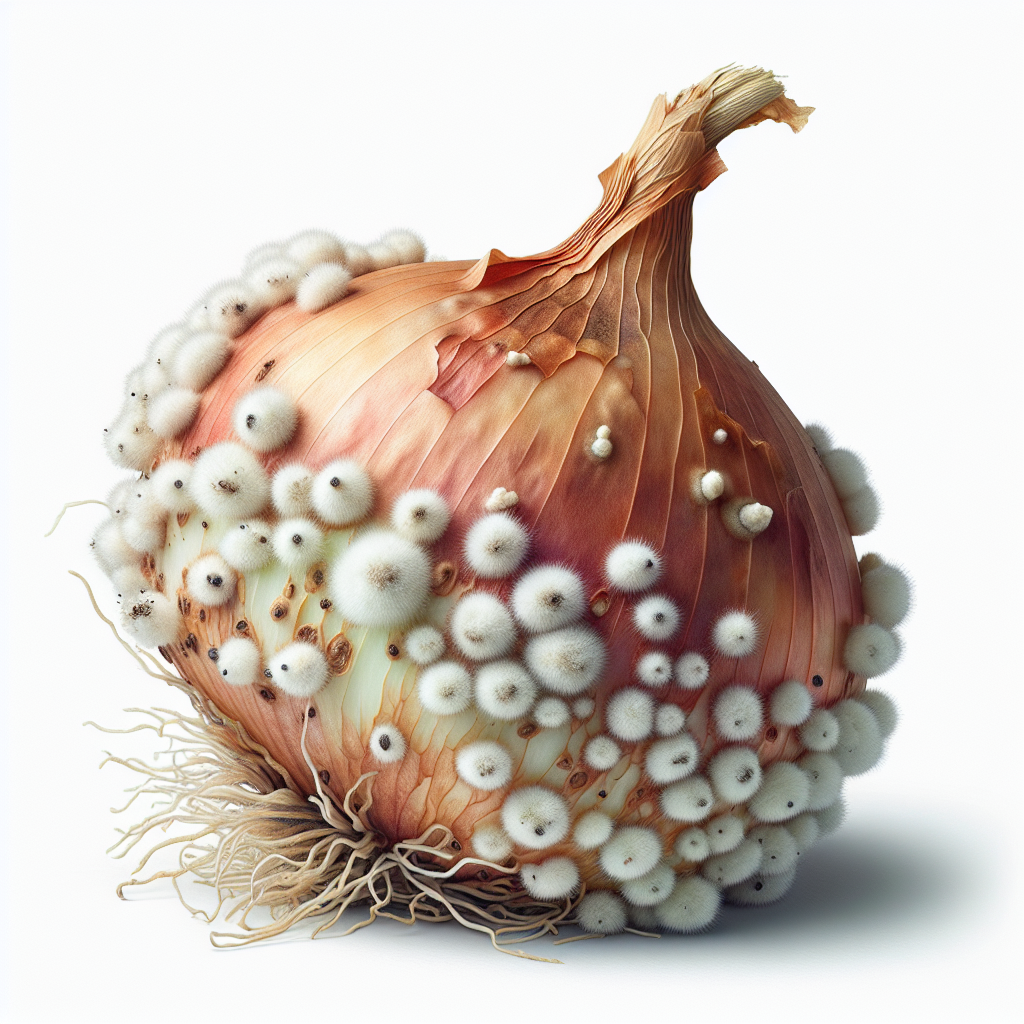
Neck rot
Neck rot, caused primarily by the fungus Sclerotinia sclerotiorum, is a devastating soilborne disease affecting onions and garlic, leading to rotting of necks and bulbs during storage. It thrives in cool, moist conditions and spreads via sclerotia that persist in soil for years. Effective management relies on cultural practices, sanitation, and resistant varieties to minimize losses.
View Profile
Neem oil
Neem oil is a natural biopesticide extracted from the seeds of the neem tree, widely used in organic farming to control a broad spectrum of pests including aphids, mites, and whiteflies. This guide provides definitive diagnostic methods to identify pest damage mistaken for neem issues and comprehensive management strategies for safe, effective application. Learn organic control plans, prevention techniques, and crops most benefiting from neem oil treatments to protect your harvest sustainably.
View Profile
nitrogen
Nitrogen, while essential for plant growth, becomes a destructive 'pest' when applied in excess, leading to rapid vegetative growth at the expense of fruit quality and yield. This guide provides definitive diagnostic criteria, lifecycle progression, and proven organic management strategies to balance soil fertility and prevent nitrogen toxicity in crops. Farmers can reclaim productivity by recognizing symptoms early and implementing targeted soil amendments.
View Profile
OnlyCrops AI's Zone Management
Zone Management revolutionizes crop production by dividing fields into optimized micro-zones based on soil variability, microclimates, and crop needs, maximizing yields and resource efficiency. This advanced agricultural strategy leverages data-driven insights to create tailored growing environments, reducing inputs by up to 30% while boosting profitability. Ideal for small to medium farms seeking sustainable, high-performance cultivation.
View Profile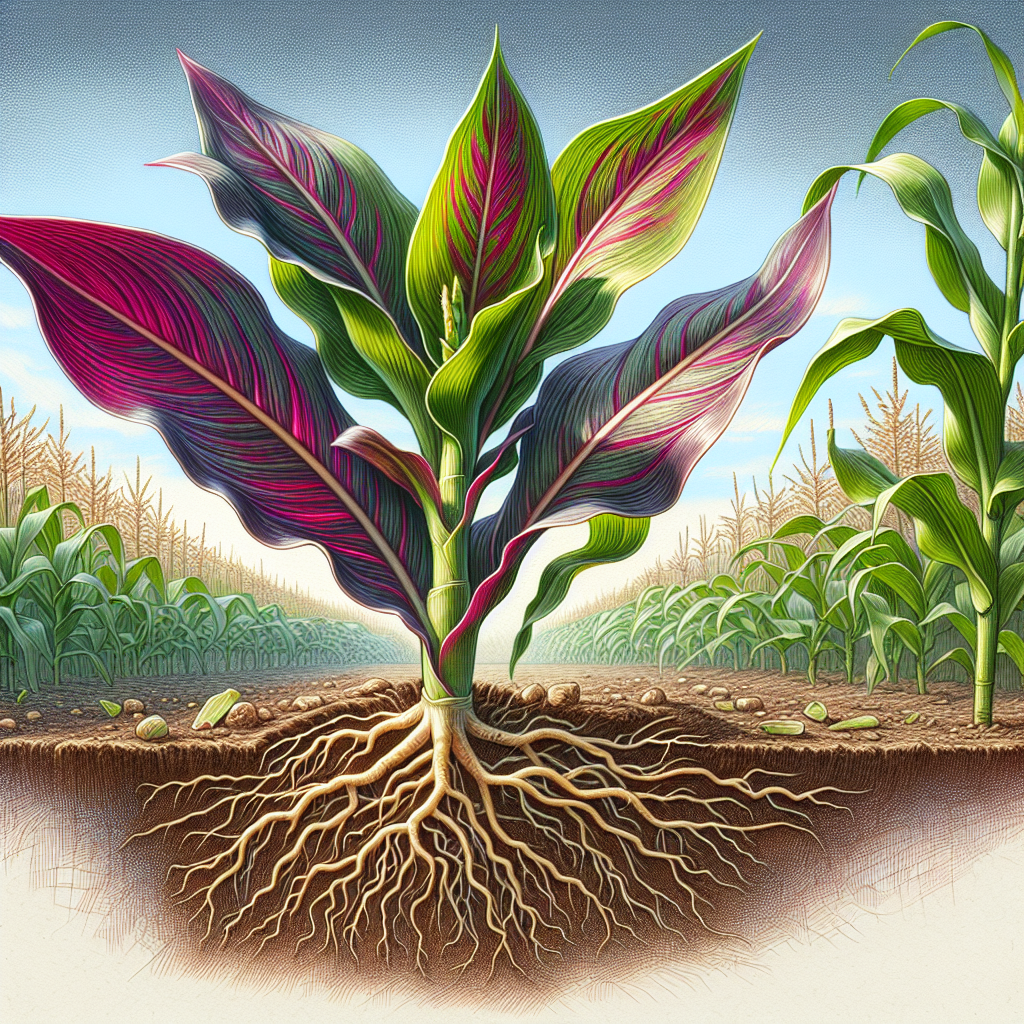
phosphorus shortages
Phosphorus shortages in crops manifest as stunted growth, purplish leaves, and poor root development, severely impacting yield and plant vigor. This guide provides definitive diagnostics, organic management strategies, and prevention techniques for farmers dealing with P deficiencies. Learn to identify symptoms early, understand triggers, and implement soil-building practices for resilient agriculture.
View Profile
pine fines
Pine fines are finely screened pine bark particles widely used as a premium soil amendment and mulch in agriculture and horticulture. They improve soil structure, drainage, and acidity while suppressing weeds and moderating soil temperature. Proper sourcing, application rates, and pH monitoring are essential for optimal crop performance.
View Profile
Post-bloom Fruit Drop
Post-bloom fruit drop (PFD) is a critical disorder in citrus orchards where flowers and young fruitlets abscise after bloom due to fungal infection by Colletotrichum species, exacerbated by wet weather. This guide provides definitive diagnostic criteria, symptom identification, lifecycle details, environmental triggers, organic management strategies, and prevention tactics for sustainable citrus production. Affecting yield by up to 90%, early detection and cultural controls are essential for mitigation.
View Profile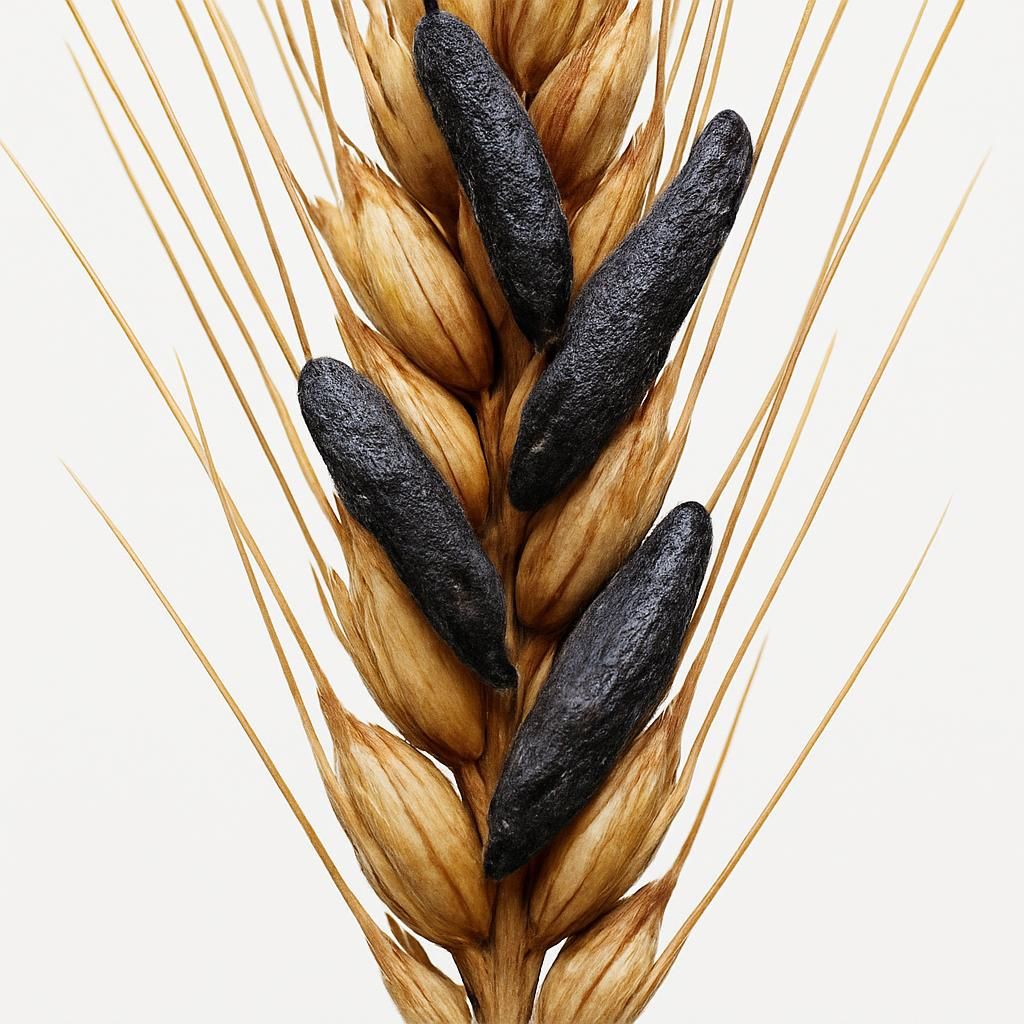
purpurea
Claviceps purpurea, commonly known as ergot, is a destructive fungal pathogen affecting cereal crops. It produces toxic sclerotia that contaminate grain and pose serious risks to livestock and human health. Effective management requires integrated cultural, mechanical, and chemical strategies.
View Profile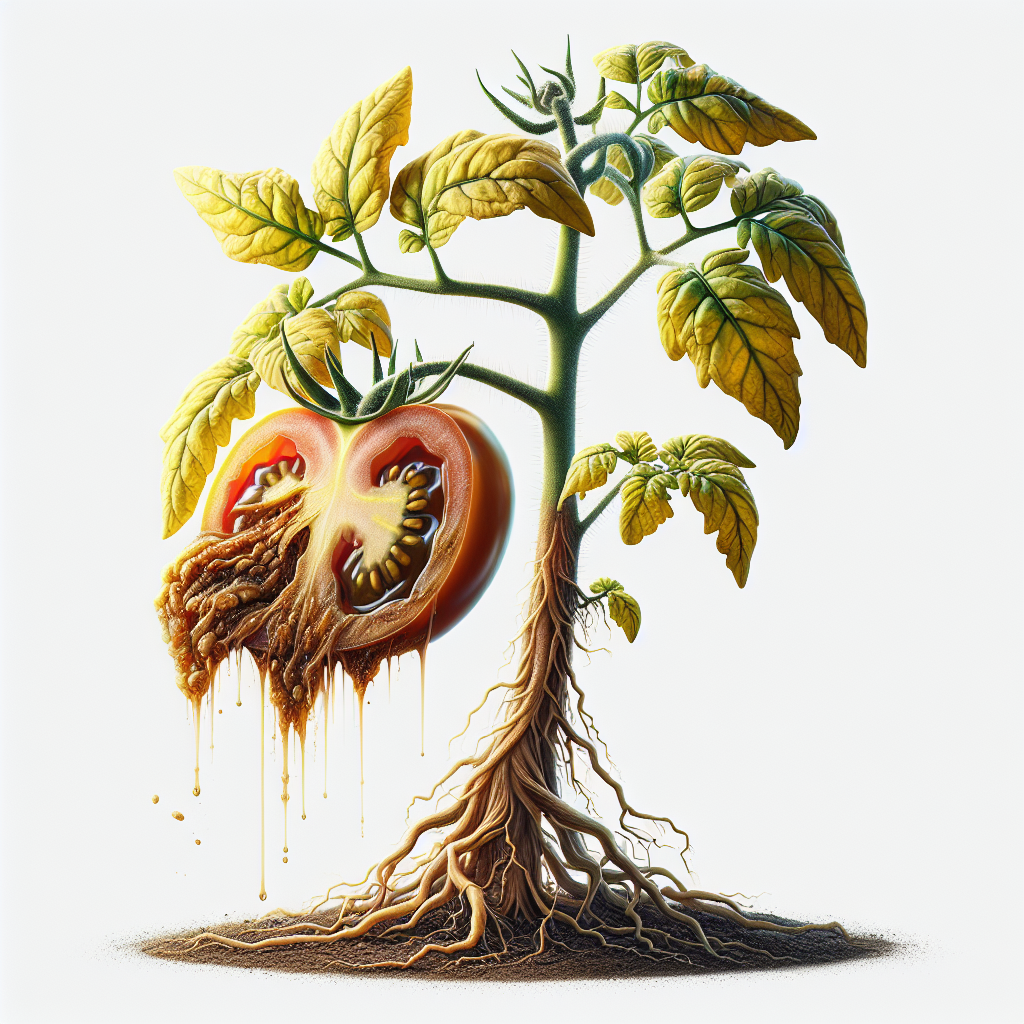
Quick wilt
Quick wilt is a devastating bacterial disease causing rapid vascular wilting and plant collapse, primarily in warm, humid environments. It infects through roots, blocking water flow and leading to sudden death within days. Effective management relies on prevention, sanitation, and resistant varieties.
View Profile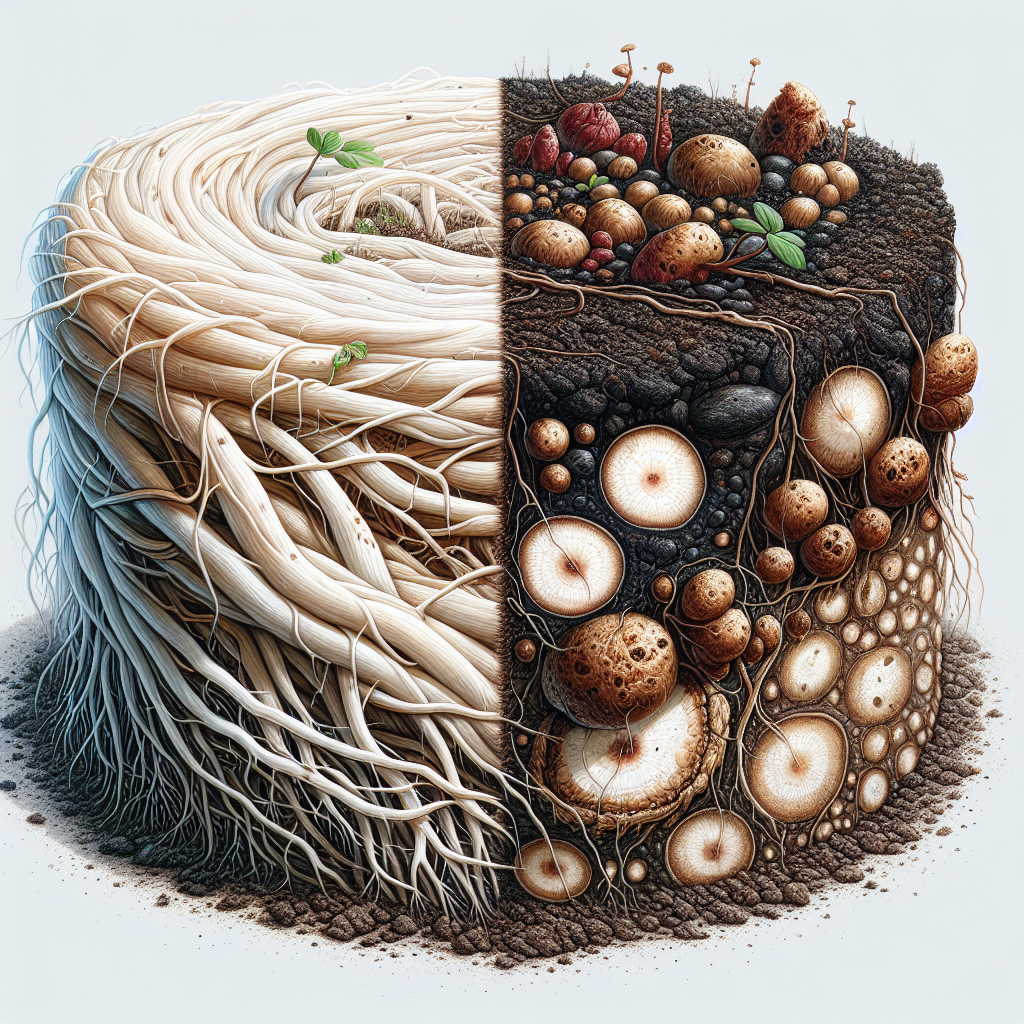
root disorders
Root disorders encompass a range of abiotic and biotic issues that impair root health, leading to stunted growth, wilting, and yield losses in crops. Common causes include poor drainage, nutrient imbalances, pathogens like [Pythium](/wiki/pythium) and [Phytophthora](/wiki/phytophthora), and pests such as [root-knot nematodes](/wiki/root-knot-nematodes). Early diagnosis and targeted management are crucial for recovery and prevention.
View Profile
rubber
Rubber, scientifically known as Hevea brasiliensis, is a major tropical crop exploited for its latex but faces severe pest and disease pressures that can devastate plantations. This guide provides comprehensive diagnostics, lifecycle insights, and organic management strategies to protect yields. Learn to identify early symptoms, understand environmental triggers, and implement prevention for sustainable rubber cultivation.
View Profile
Scald
Scald is a widespread fungal disease primarily affecting cereal crops like barley, rye, and wheat, as well as turfgrasses and certain fruits, causing bleached, scalded leaf lesions that reduce photosynthesis and yield. It thrives in cool, moist conditions, leading to significant economic losses in grain production. Effective management relies on resistant varieties, cultural practices, and targeted organic fungicides.
View Profile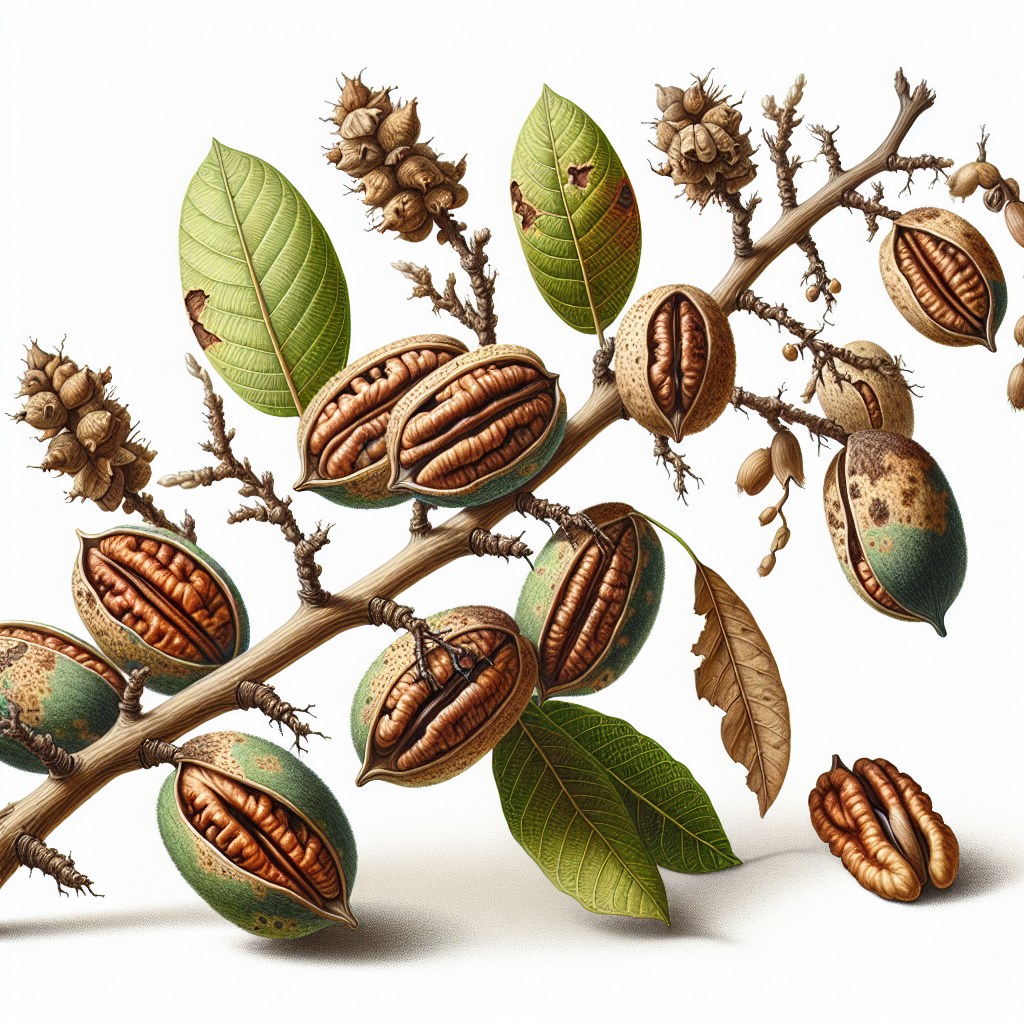
shuck disorders
Shuck disorders refer to a range of physiological abnormalities affecting the shuck (outer husk or covering) of nut crops, particularly pecans, leading to poor kernel development, premature dehiscence, and reduced yields. These non-infectious issues arise from environmental stresses, nutritional imbalances, and cultural mismanagement rather than pathogens. Effective management focuses on prevention through balanced nutrition, irrigation, and site selection.
View Profile
silver leaf
Silver leaf is a destructive fungal disease primarily affecting woody plants like plums, cherries, and other stone fruits, caused by the fungus Chondrostereum purpureum. It leads to silvering of leaves, branch dieback, and eventual tree death through vascular blockage. Early detection and prompt management are crucial for limiting spread in orchards and gardens.
View Profile
Slow decline
Slow decline is a insidious root and vascular disease caused primarily by Phytophthora species, leading to gradual tree and vine deterioration over years. It manifests as subtle canopy thinning, reduced vigor, and eventual dieback, often mistaken for environmental stress. Effective management relies on soil health optimization, resistant rootstocks, and organic biocontrols to halt progression.
View Profile
Spongy Tissues
Spongy Tissues is a devastating physiological disorder primarily affecting avocado fruits, causing internal flesh to become soft, watery, and inedible with a characteristic spongy texture. Triggered by environmental stresses and exacerbated by pathogens like Phytophthora, it leads to significant crop losses in subtropical regions. This guide provides comprehensive diagnostic, organic management, and prevention strategies for affected growers.
View Profile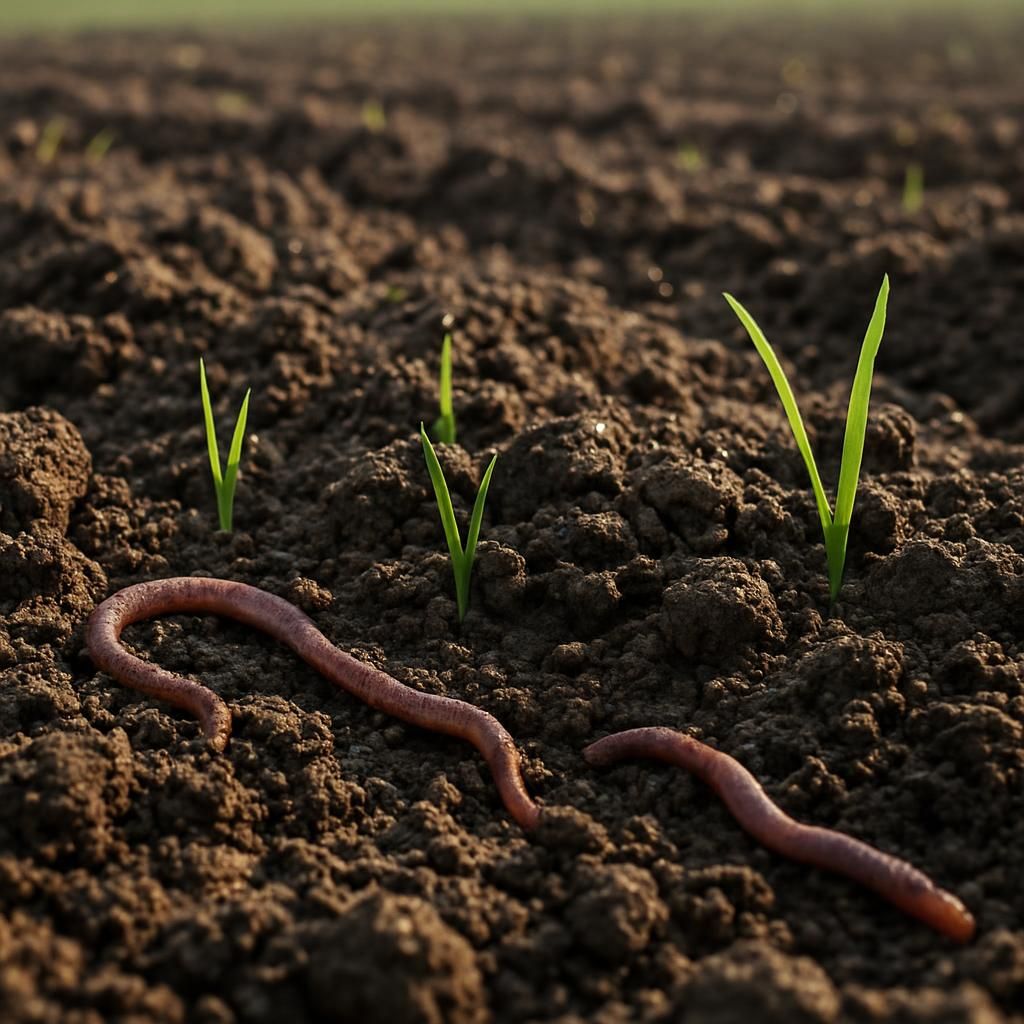
Spring Soil Awakening
Spring soil awakening describes the biological and physical transition of agricultural soils from winter dormancy to active fertility as temperatures rise and microbial life resumes. Effective management during this period sets the foundation for season-long crop performance through targeted testing, organic amendments, and structural improvements.
View Profile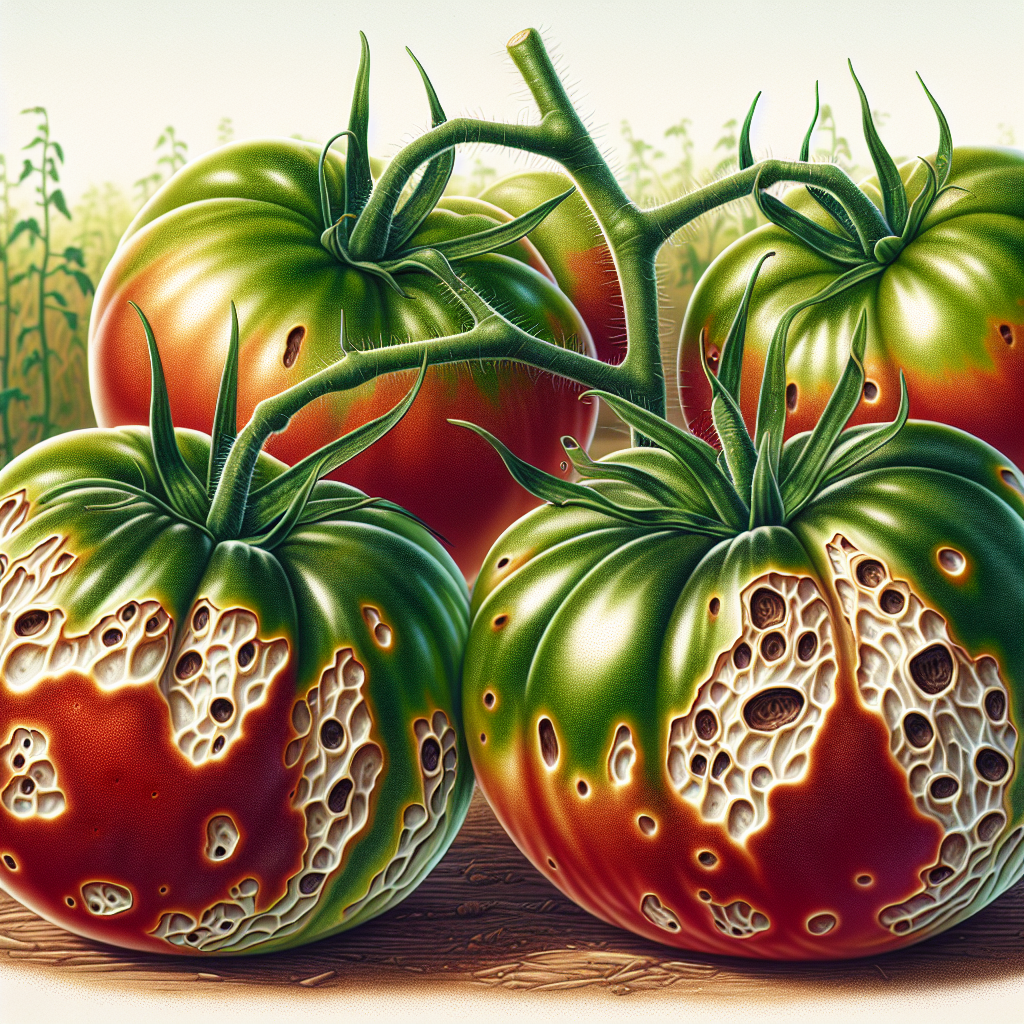
Sunburn
Sunburn in crops is a prevalent abiotic disorder triggered by intense solar radiation and high temperatures, causing cellular damage to leaves, fruits, and stems. This guide delivers expert diagnostics, organic management strategies, and prevention techniques to safeguard yields. Tailored for farmers tackling sunburn in tomatoes, peppers, and fruit crops.
View Profile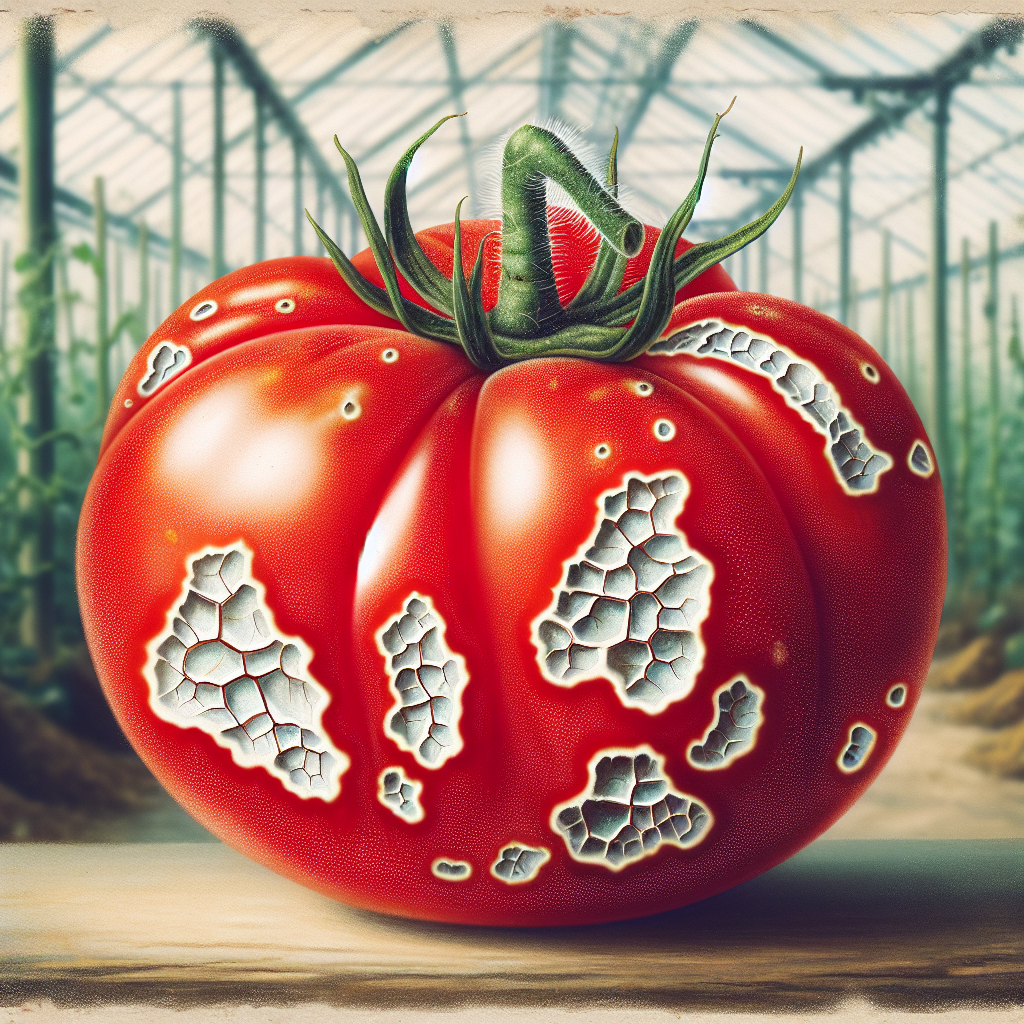
sunscald
Sunscald is a common abiotic disorder affecting fruits and vegetables, caused by intense solar radiation and high temperatures damaging plant tissues. It manifests as bleached, sunken, or necrotic spots on exposed fruits, stems, and leaves, leading to reduced yields and marketability. Effective management relies on prevention through shading, mulching, and proper irrigation rather than chemical controls.
View Profile
Tipburn
Tipburn is a non-infectious physiological disorder primarily affecting leafy greens and rapidly growing crops, characterized by necrosis at leaf tips and margins due to localized calcium deficiency. It disrupts cell wall development in young tissues, leading to significant yield losses in lettuce, cabbage, and tomatoes under high transpiration and low calcium conditions. Effective management focuses on balanced irrigation, calcium supplementation, and environmental control to ensure uniform nutrient delivery.
View Profile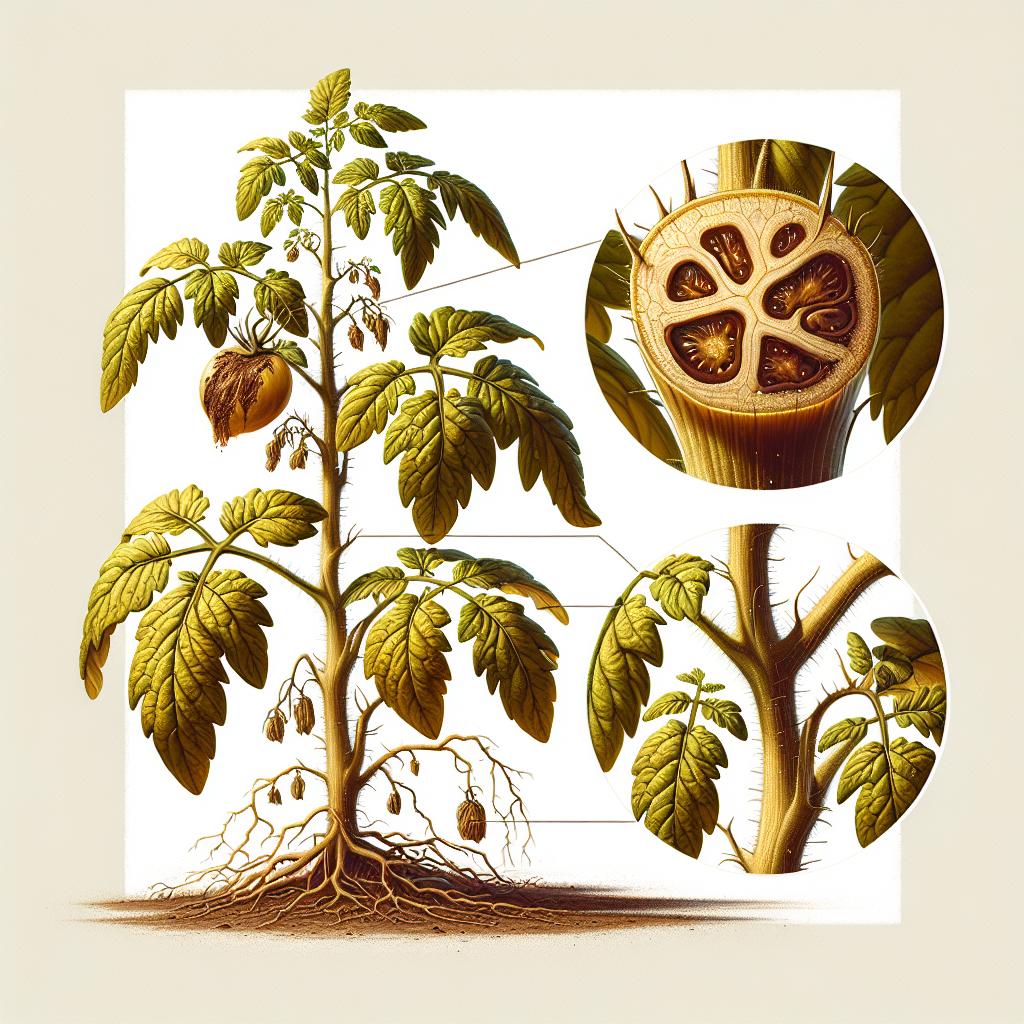
wilt
Wilt is a devastating vascular disease affecting numerous crops, caused primarily by fungal, bacterial, or nematode pathogens that clog the plant's water-conducting tissues, leading to rapid drooping and death. Early identification through symptoms like yellowing leaves and stem discoloration is crucial for management. Effective organic strategies focus on soil health, resistant varieties, and cultural practices to prevent outbreaks and minimize losses.
View Profile
wilt complexes
Wilt complexes are devastating disease syndromes caused by interactions of soilborne fungi, bacteria, nematodes, and environmental stresses leading to rapid plant wilting and death. They affect a wide range of crops by compromising vascular systems and root health, often resulting in total stand loss if unmanaged. This guide provides diagnostic, organic management, and prevention strategies for sustainable agriculture.
View Profile