Encyclopedia
Definitive guides for crops, pests, and agricultural diseases.
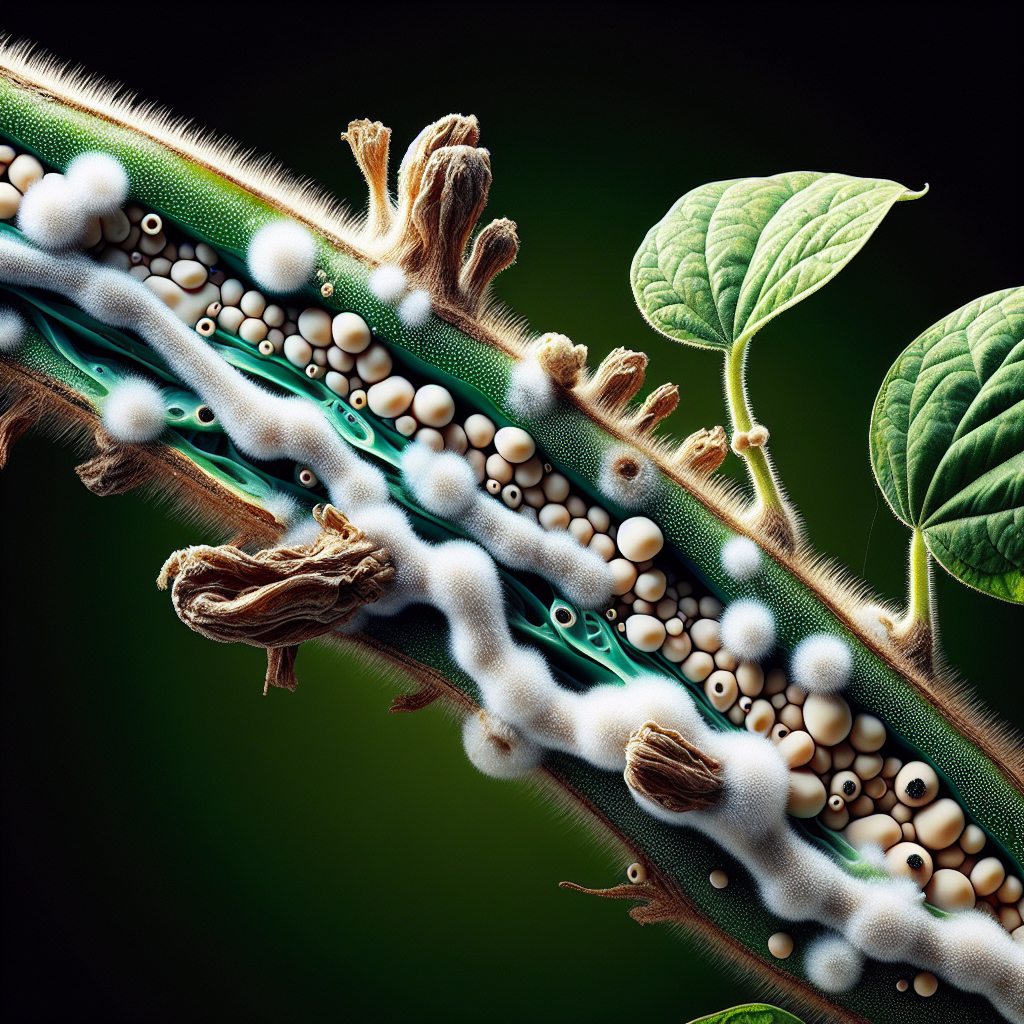
Sclerotinia stem rot
Sclerotinia stem rot, caused by the fungus Sclerotinia sclerotiorum, devastates broadleaf crops by rotting stems, leading to wilting and yield losses up to 100% in severe cases. This guide covers symptom identification, lifecycle, environmental risks, organic management, and prevention strategies for farmers. Early detection and cultural practices are key to minimizing damage in affected fields.
View Profile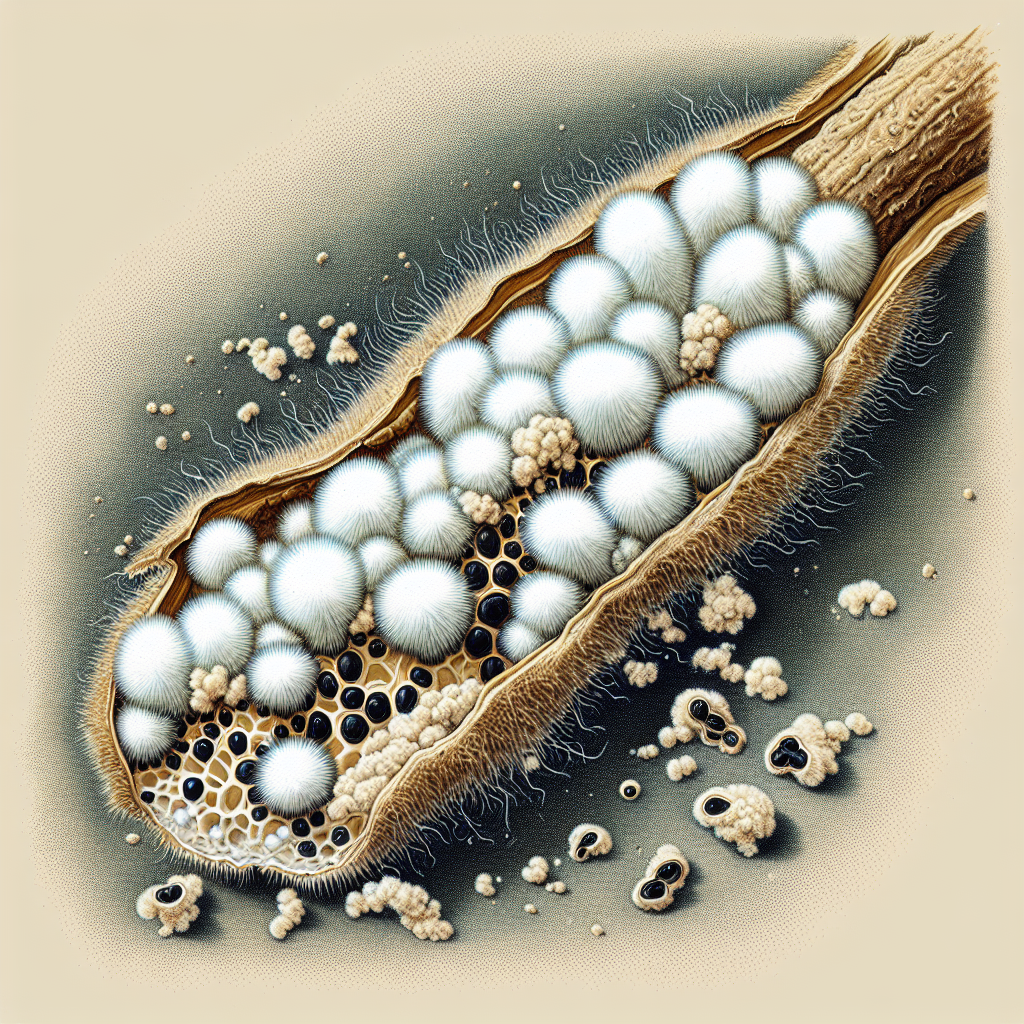
Sclerotinia white mold
Sclerotinia white mold is a devastating fungal disease caused by Sclerotinia sclerotiorum, affecting over 400 plant species worldwide, particularly legumes and vegetables. It produces hard black sclerotia and fluffy white mycelium, leading to wilting, stem rot, and significant yield losses in cool, moist conditions. Effective management relies on cultural practices, resistant varieties, and organic biocontrols to break the disease cycle.
View Profile
Scurf
Scurf is a fungal disease primarily affecting potato tubers, caused by soilborne pathogens like Rhizoctonia solani, resulting in dark, crusty lesions that reduce marketability and storage life. It spreads through infected soil, seed tubers, and plant debris, thriving in cool, moist conditions. Effective management relies on cultural practices, resistant varieties, and organic fungicides for sustainable control.
View Profile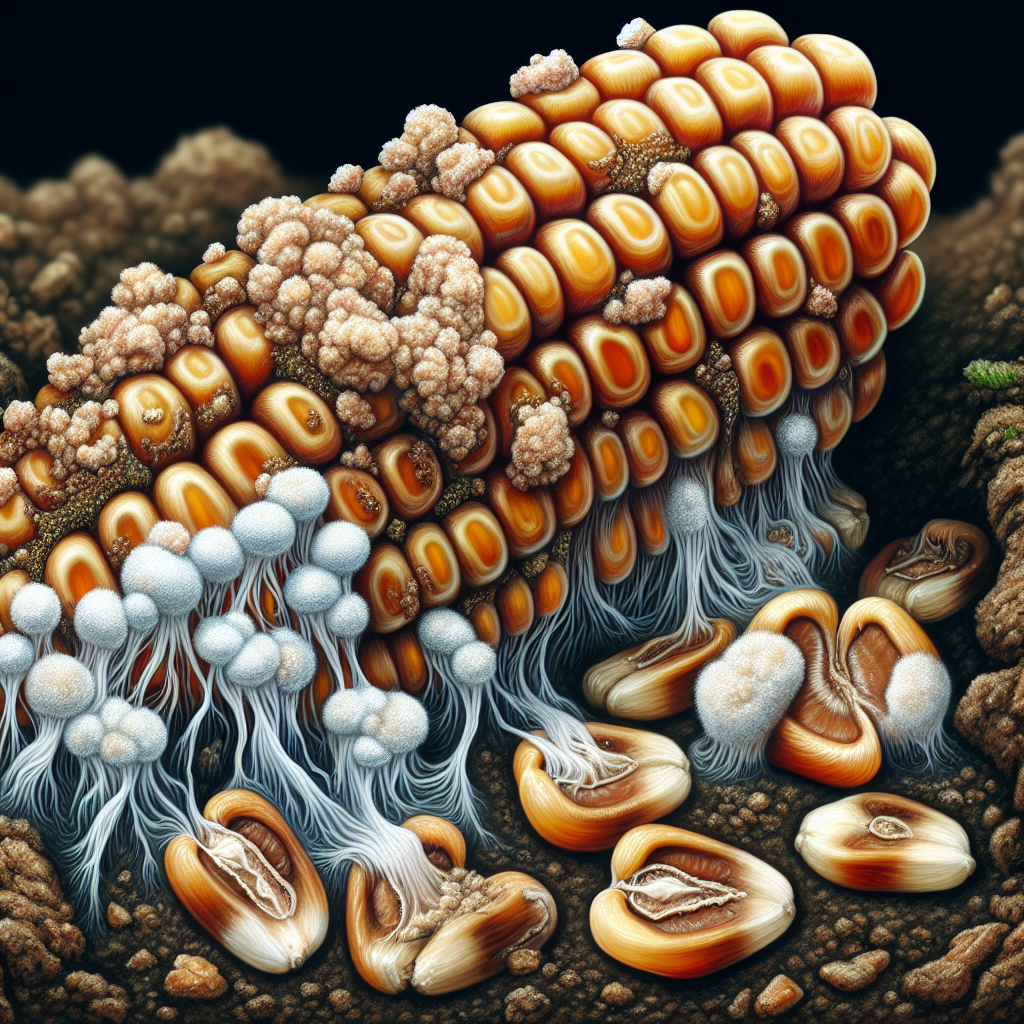
Seed rot
Seed rot is a devastating pre-emergence fungal disease that causes seeds to decay in soil, preventing germination and leading to poor stand establishment. Primarily driven by soilborne pathogens like Pythium, Fusarium, and Rhizoctonia, it thrives in cool, wet conditions and can wipe out entire plantings. Effective management relies on high-quality seed, optimal planting conditions, and cultural practices to minimize moisture excess.
View Profile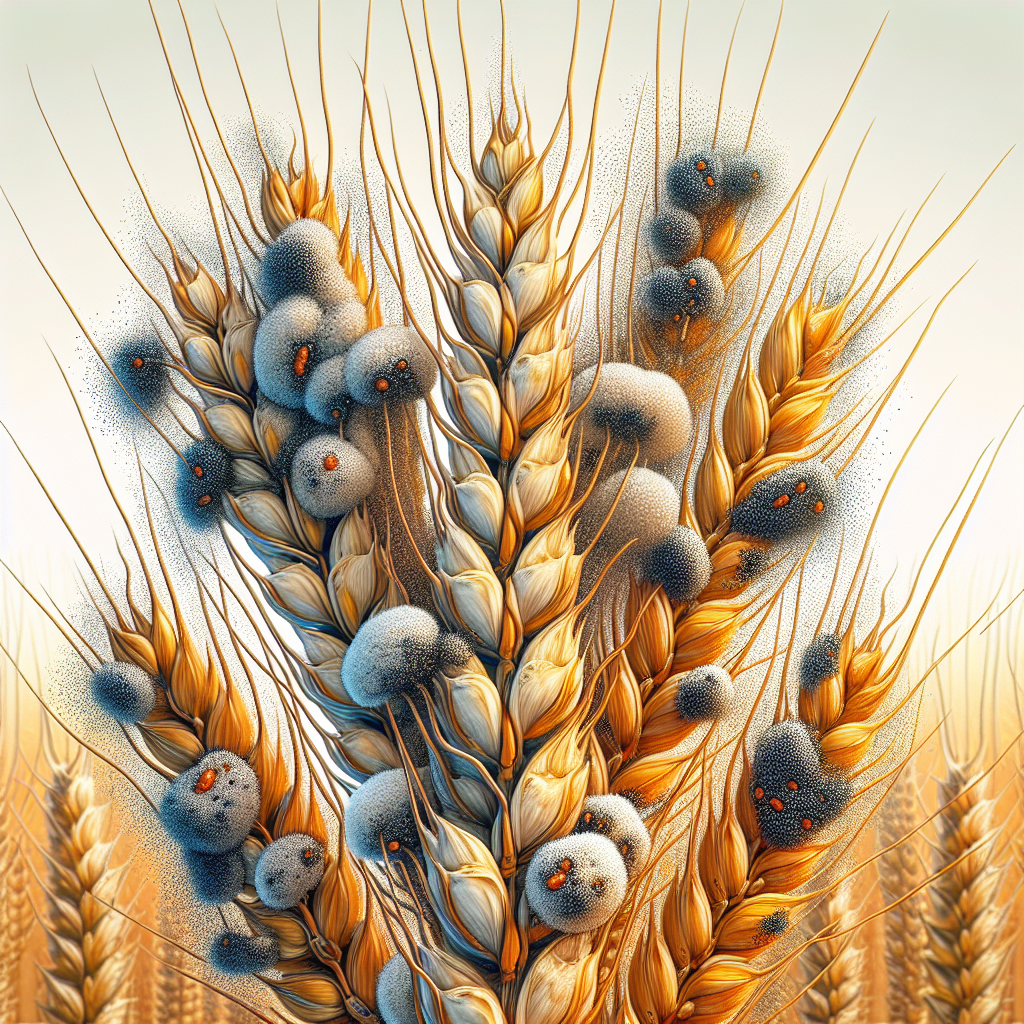
Seed-borne smuts
Seed-borne smuts are fungal diseases transmitted through infected seeds, causing significant yield losses in cereal and grass crops by replacing grain with black powdery spore masses. Early detection through seedling symptoms and seed treatment is crucial for management. This guide provides comprehensive diagnostic, organic control, and prevention strategies for affected crops.
View Profile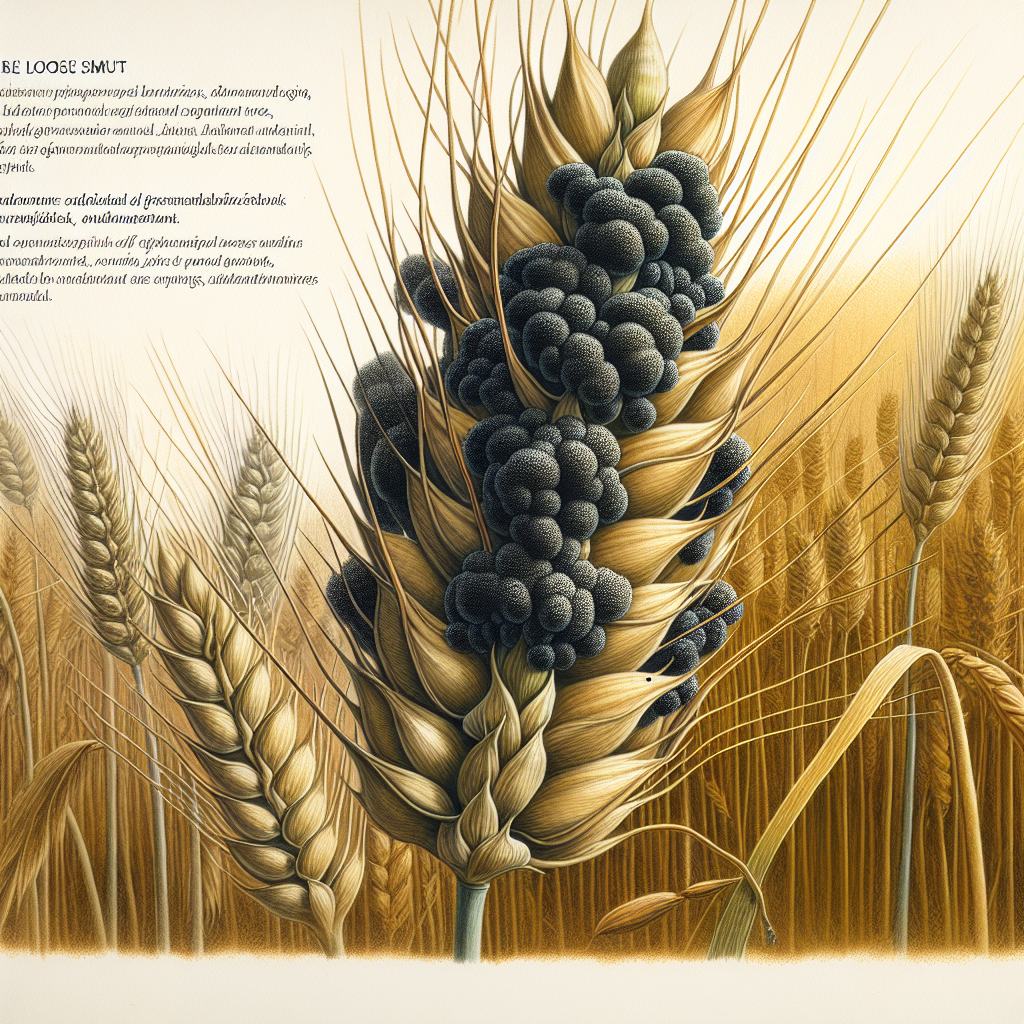
seedborne smuts
Seedborne smuts are fungal diseases transmitted through infected seeds, primarily affecting cereal crops like wheat, barley, and rice by replacing grain with black powdery spore masses. These pathogens cause significant yield losses and can contaminate harvests, making early detection and certified seed use critical for management. Organic control relies on hot water treatment, resistant varieties, and crop rotation to break the disease cycle.
View Profile
Seedling Blights
Seedling blights are devastating fungal diseases that attack young plants in their most vulnerable stage, causing rapid wilting, discoloration, and death shortly after germination. Primarily triggered by soil-borne pathogens thriving in wet, cool conditions, they lead to significant stand losses in crops. Effective management relies on cultural practices, resistant varieties, and organic treatments to protect emerging seedlings.
View Profile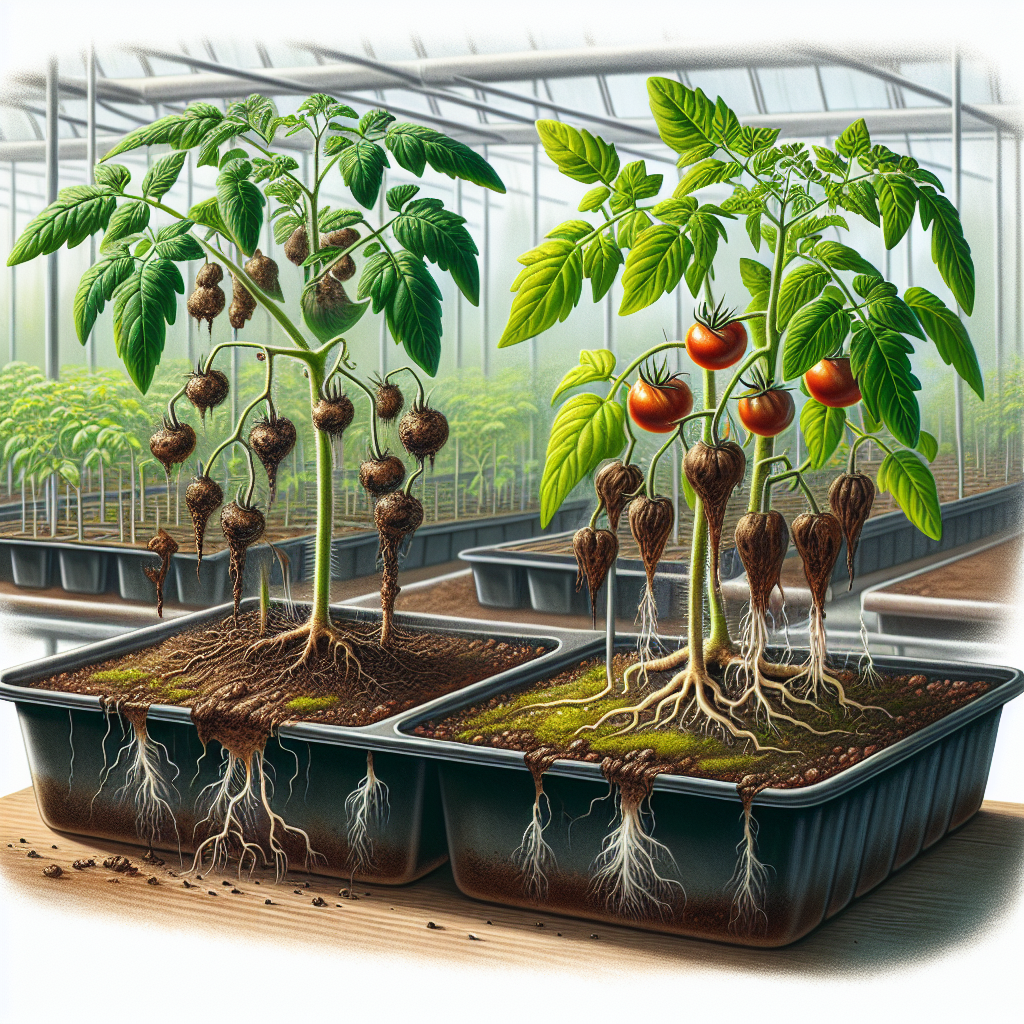
Seedling damping-off
Seedling damping-off is a devastating fungal disease that kills young seedlings shortly after germination, causing stems to rot at soil level and collapse. Caused primarily by water molds like Pythium and fungi such as Rhizoctonia and Fusarium, it thrives in overly wet, poorly aerated soils. Effective management relies on prevention through sanitation, proper sowing practices, and environmental control to ensure healthy crop establishment.
View Profile
Seedling diseases
Seedling diseases encompass a range of fungal and oomycete infections that attack germinating seeds and young plants, causing damping-off, root rot, and seedling blight. These diseases lead to rapid death of seedlings, resulting in poor stands and reduced yields in crops. Effective management relies on cultural practices, resistant varieties, and environmental control to minimize losses.
View Profile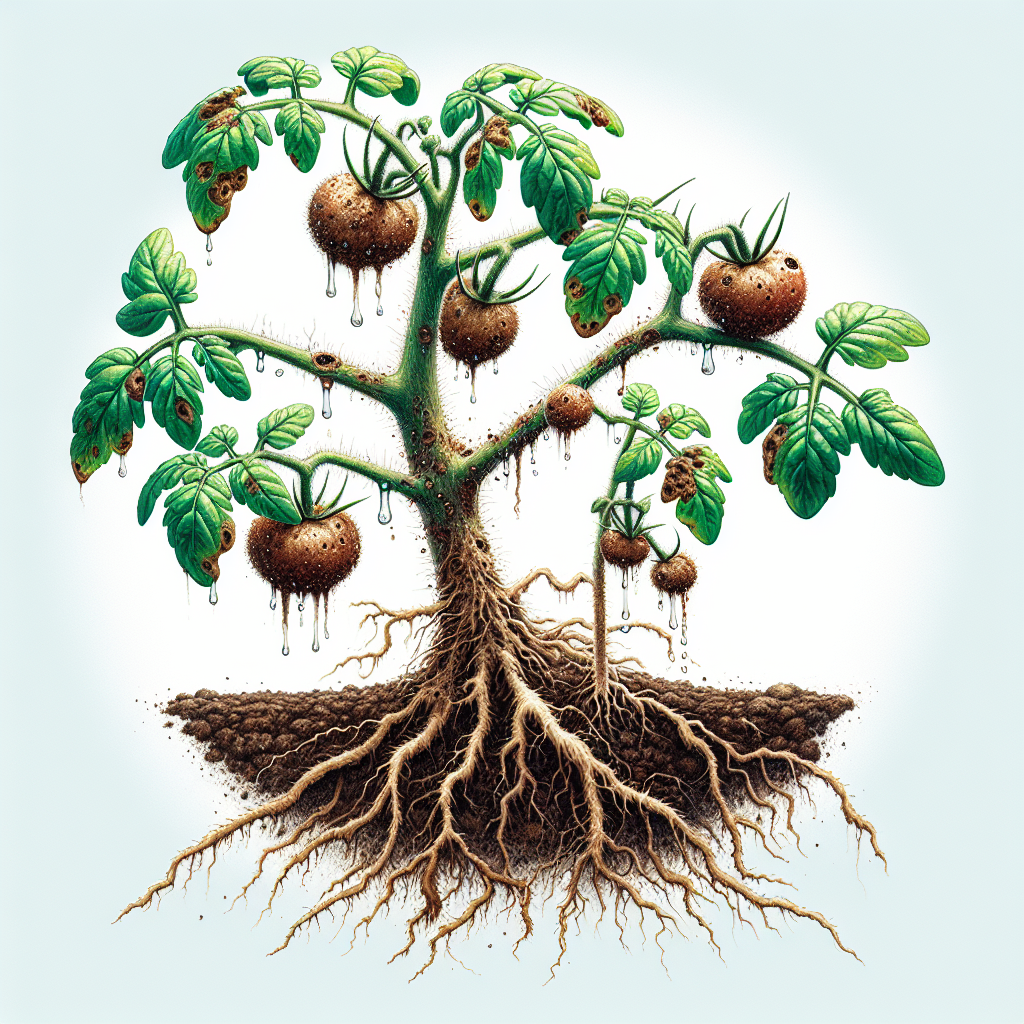
Seedling Rots
Seedling rots are devastating soilborne diseases that cause rapid decay of germinating seeds and young seedlings, leading to poor stands and yield losses. Primarily caused by fungi like Pythium, Rhizoctonia, and Fusarium, they thrive in wet, cool conditions and attack vulnerable hypocotyls and roots. Effective management relies on cultural practices, resistant varieties, and organic biocontrols to protect early growth stages.
View Profile
Septoria brown spot
Septoria brown spot is a widespread fungal disease primarily affecting soybeans, causing brown lesions on leaves that lead to premature defoliation and reduced yields. Caused by the pathogen Septoria glycines, it thrives in warm, wet conditions and can result in 10-40% yield losses in severe cases. Effective management relies on resistant varieties, cultural practices, and timely fungicide applications.
View Profile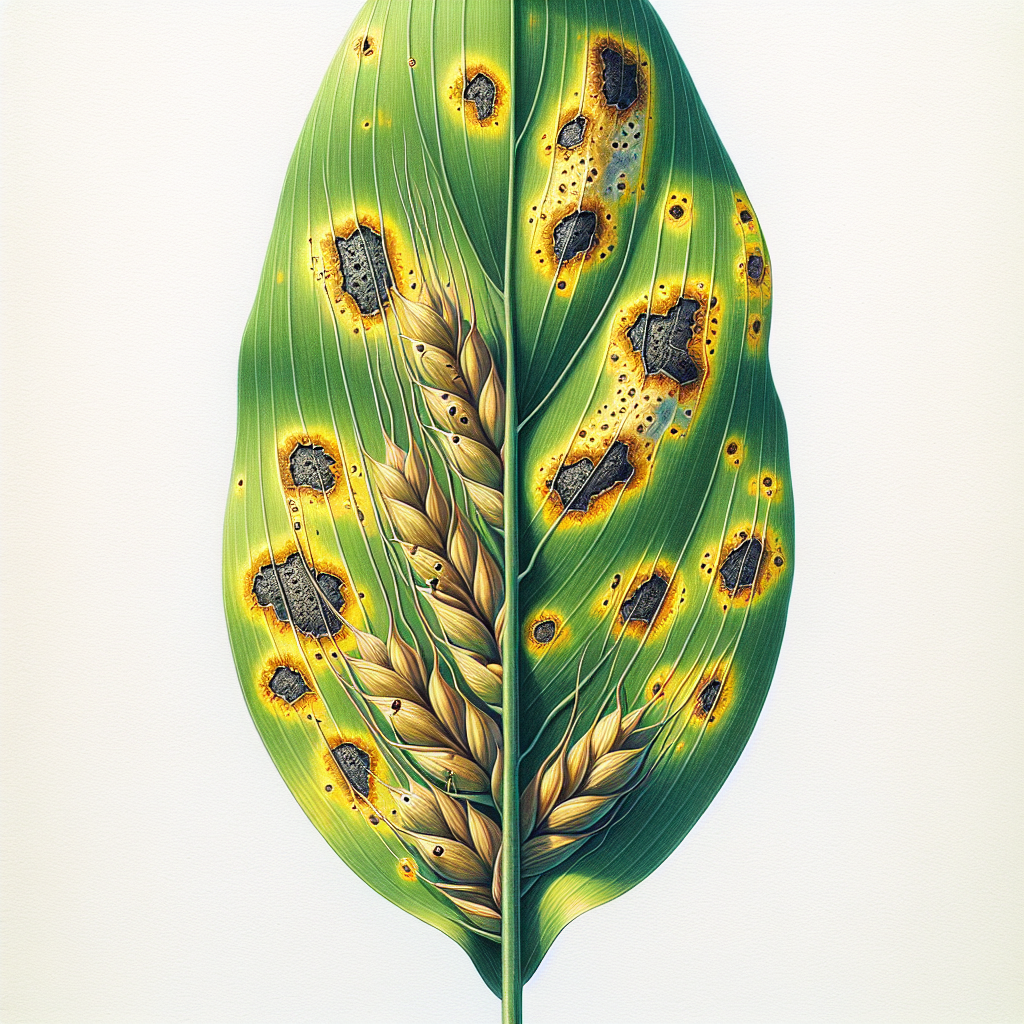
Septoria Leaf Blotch
Septoria Leaf Blotch is a widespread fungal disease primarily affecting cereals like wheat and tomatoes, causing characteristic leaf spots with dark borders and gray centers that reduce photosynthesis and yield. Triggered by prolonged leaf wetness and cool temperatures, it spreads via splashing rain and infected debris. Effective management relies on resistant varieties, cultural practices, and timely organic fungicides for sustainable control.
View Profile
Septoria leaf spot
Septoria leaf spot is a widespread fungal disease caused by Septoria species that primarily affects tomatoes, potatoes, and cereals like wheat, leading to significant defoliation and yield losses. It thrives in cool, wet conditions, producing characteristic leaf spots with dark borders and fruiting bodies. Effective management relies on cultural practices, resistant varieties, and timely organic fungicides.
View Profile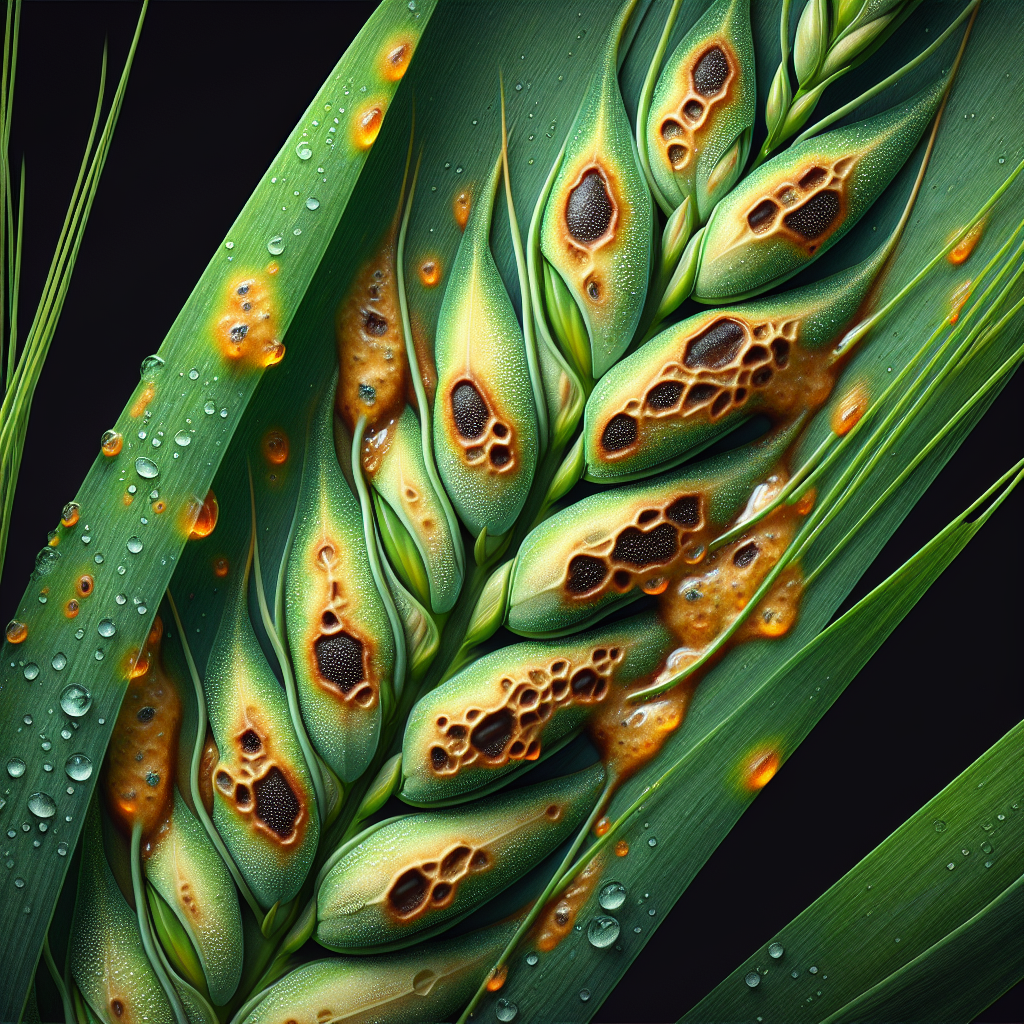
Septoria tritici blotch
Septoria tritici blotch is a devastating foliar disease of wheat caused by the fungus Zymoseptoria tritici, leading to significant yield losses worldwide. It manifests as necrotic leaf spots with distinctive pycnidia, progressing from lower to upper leaves during wet conditions. Effective management combines resistant varieties, cultural practices, and timely fungicide applications.
View Profile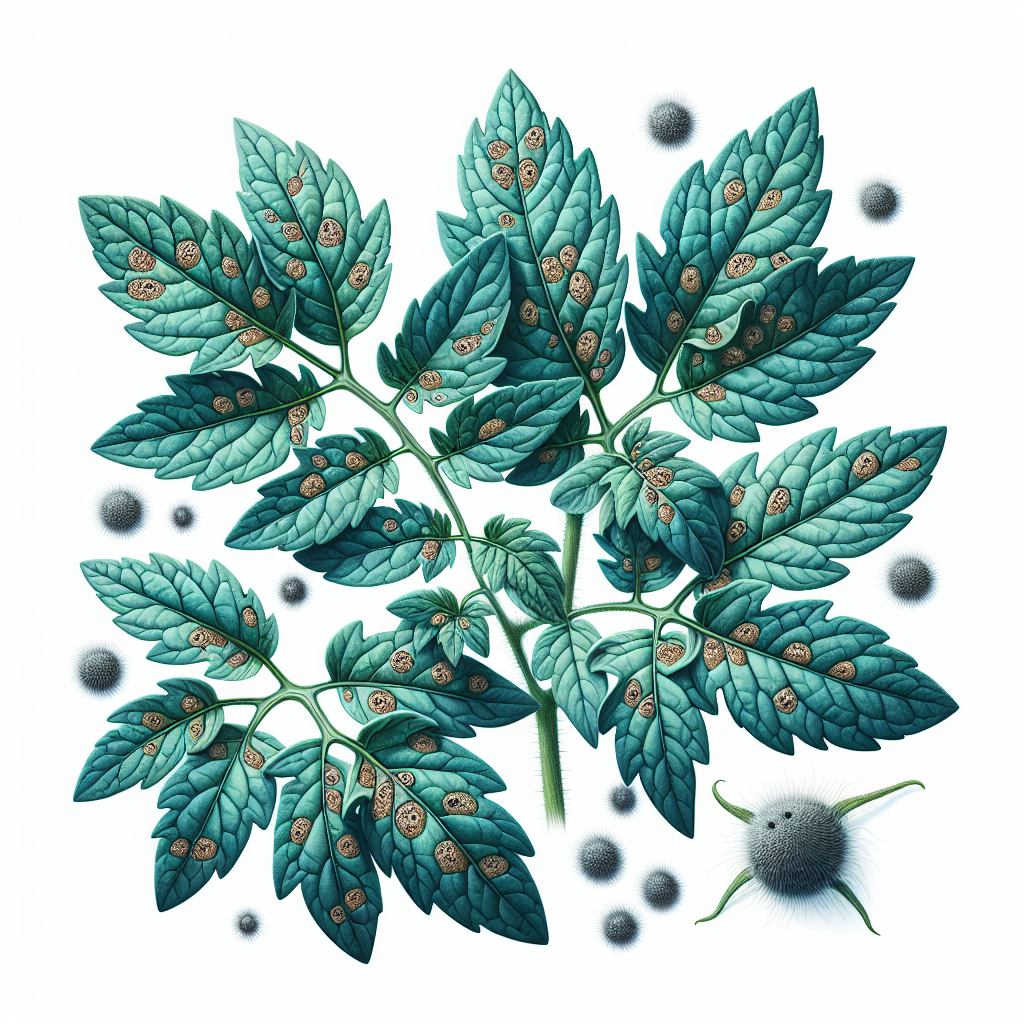
Septoria-type blotches
Septoria-type blotches are fungal leaf diseases characterized by small, dark-spotted lesions that expand into irregular blotches, often with yellow halos, severely impacting photosynthesis and yield in susceptible crops. Commonly confused with other leaf spots like [Alternaria leaf spot](/wiki/alternaria-leaf-spot) or [Cercospora leaf spot](/wiki/cercospora-leaf-spot), they thrive in wet, humid conditions. Effective management relies on cultural practices, resistant varieties, and timely organic fungicides.
View Profile
Septoria-type leaf blotches
Septoria-type leaf blotches are common fungal diseases causing distinctive angular spots on leaves, primarily affecting tomatoes, cereals, and solanaceous crops. These blotches reduce photosynthesis, leading to defoliation and yield losses if unmanaged. Early detection and integrated organic strategies provide effective control.
View Profile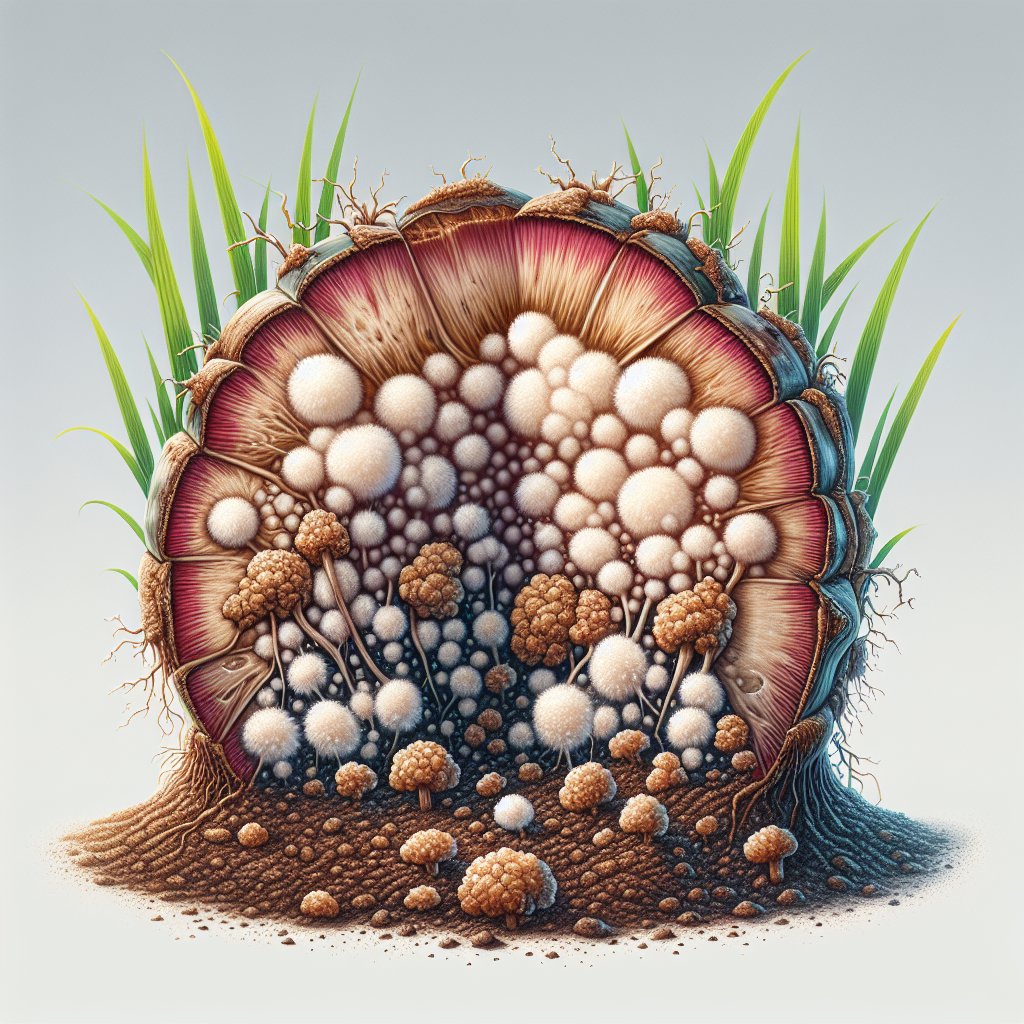
Sett Rot
Sett rot is a devastating fungal disease primarily affecting root and tuber crops in tropical and subtropical regions, caused by Sclerotium rolfsii var. settensis. It leads to rapid rotting of underground plant parts, causing wilting, yellowing, and plant death. Effective management relies on cultural practices, organic biocontrols, and strict prevention strategies.
View Profile
Sheath Blight
Sheath blight, caused by the soilborne fungus Rhizoctonia solani, is a devastating disease primarily affecting rice and other gramineous crops, leading to significant yield losses through lesions on leaf sheaths and stems. It thrives in warm, humid conditions with high nitrogen levels, making it a major concern in tropical and subtropical rice-growing regions. Effective management relies on cultural practices, resistant varieties, and targeted organic treatments to minimize spread and damage.
View Profile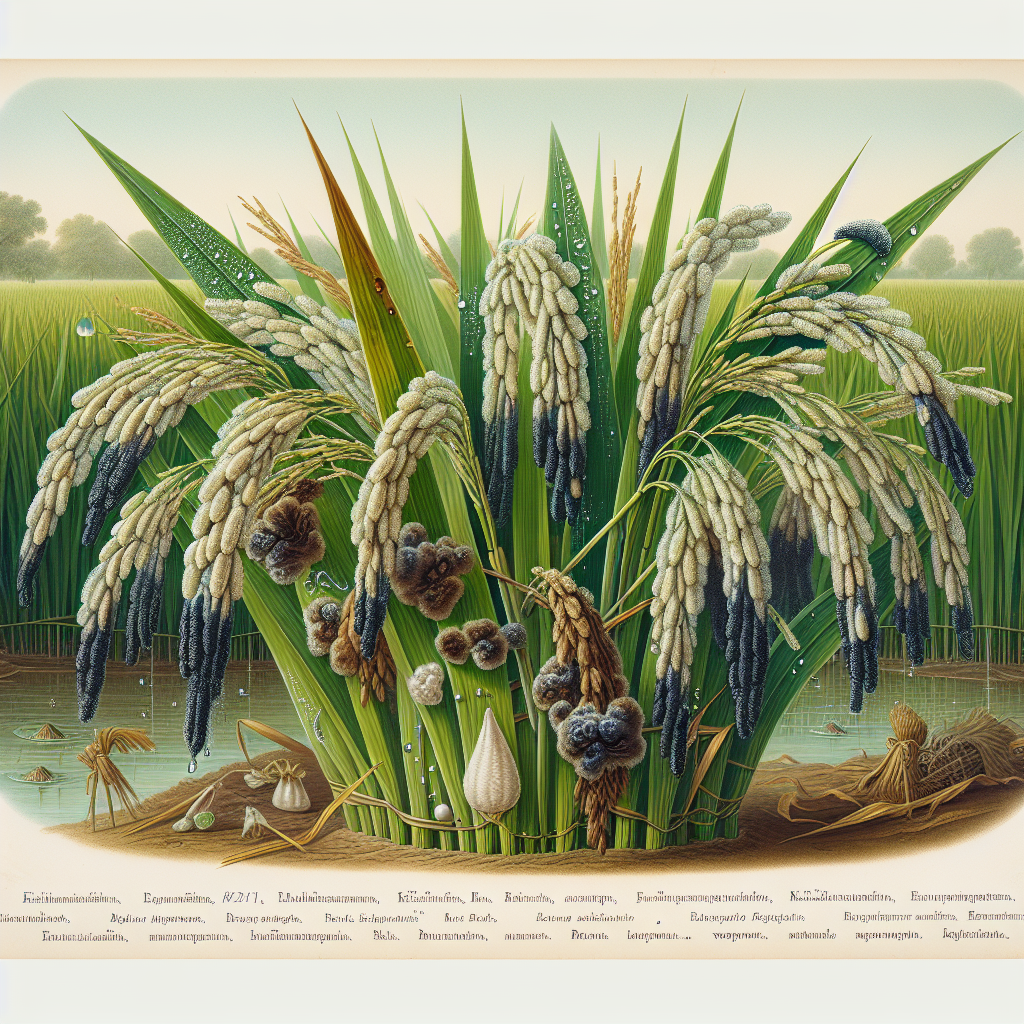
Sheath rots
Sheath rots are devastating fungal diseases primarily affecting rice and other gramineous crops, causing leaf sheath discoloration, rotting, and premature plant death. They thrive in high humidity and warm temperatures, leading to significant yield losses. Effective management relies on cultural practices, resistant varieties, and organic biocontrols.
View Profile
Shot hole
Shot hole is a widespread fungal disease causing characteristic small, shot-like holes in leaves, stems, and fruit of stone fruits and ornamentals. Triggered by wet spring weather, it weakens trees by reducing photosynthesis and predisposing them to secondary infections. Effective management relies on cultural practices, resistant varieties, and timely organic fungicides.
View Profile
Shot hole disease
Shot hole disease is a widespread fungal infection primarily affecting stone fruits like peaches, cherries, and apricots, characterized by small, shot-like holes in leaves caused by fungal fruiting bodies. It thrives in cool, wet conditions and can lead to significant defoliation and reduced yields if unmanaged. Effective organic management focuses on cultural practices, sanitation, and targeted fungicides.
View Profile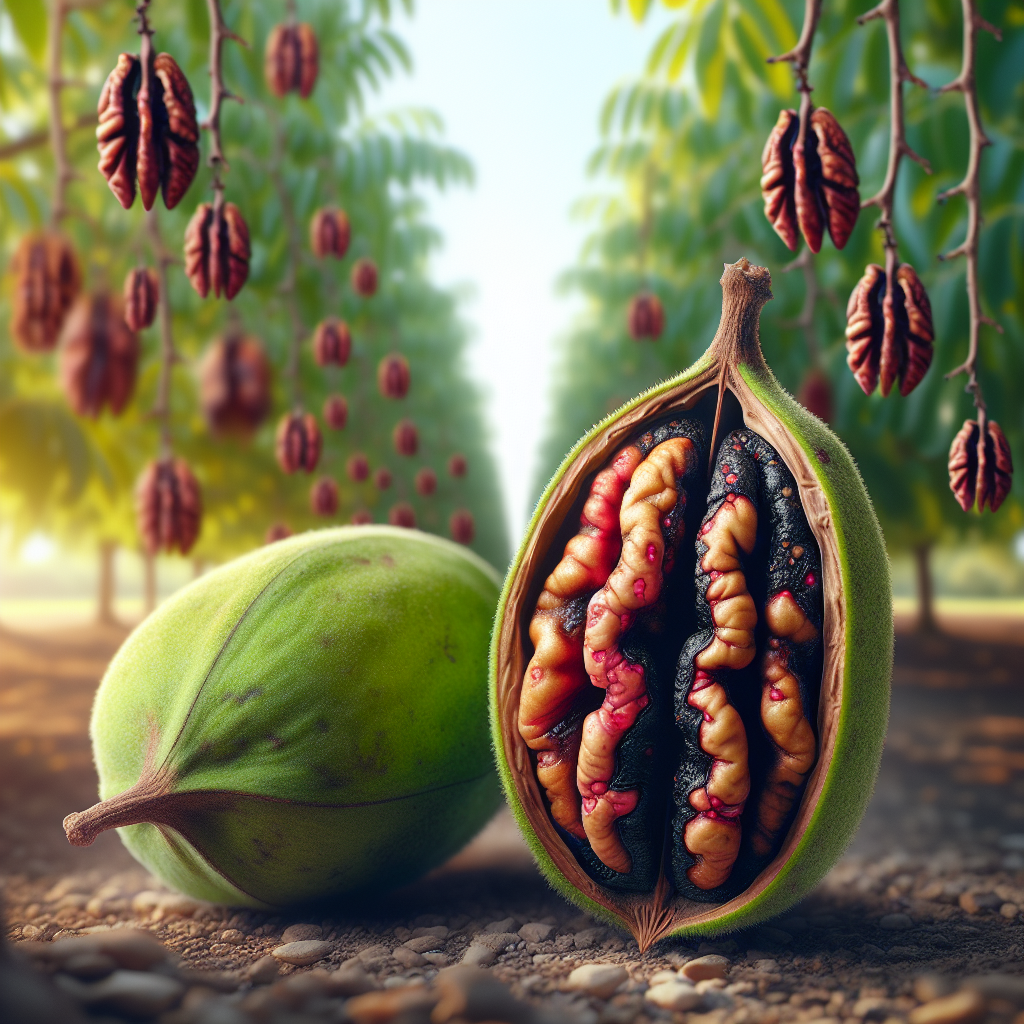
Shuck Dieback
Shuck dieback is a destructive fungal disease primarily affecting pecan trees, causing premature drying and blackening of the shuck (hull) surrounding developing nuts. It leads to significant nut drop and reduced yields, often exacerbated by environmental stress. Effective management relies on cultural practices, organic fungicides, and resistant cultivars.
View Profile
shuck dieback complexes
Shuck dieback complexes are devastating disease syndromes primarily affecting pecan trees, characterized by progressive necrosis and premature drop of shucks, often caused by a combination of fungal pathogens. These complexes lead to significant nut crop losses, with symptoms exacerbated by environmental stress. Effective management relies on cultural practices, sanitation, and targeted organic fungicides.
View Profile
Sigatoka
Sigatoka, also known as banana leaf spot disease, is a devastating fungal infection primarily affecting banana plantations worldwide, caused by Mycosphaerella species. It manifests as necrotic leaf spots that reduce photosynthesis, leading to significant yield losses of up to 50% in severe cases. Effective management relies on cultural practices, resistant varieties, and targeted fungicide applications.
View Profile