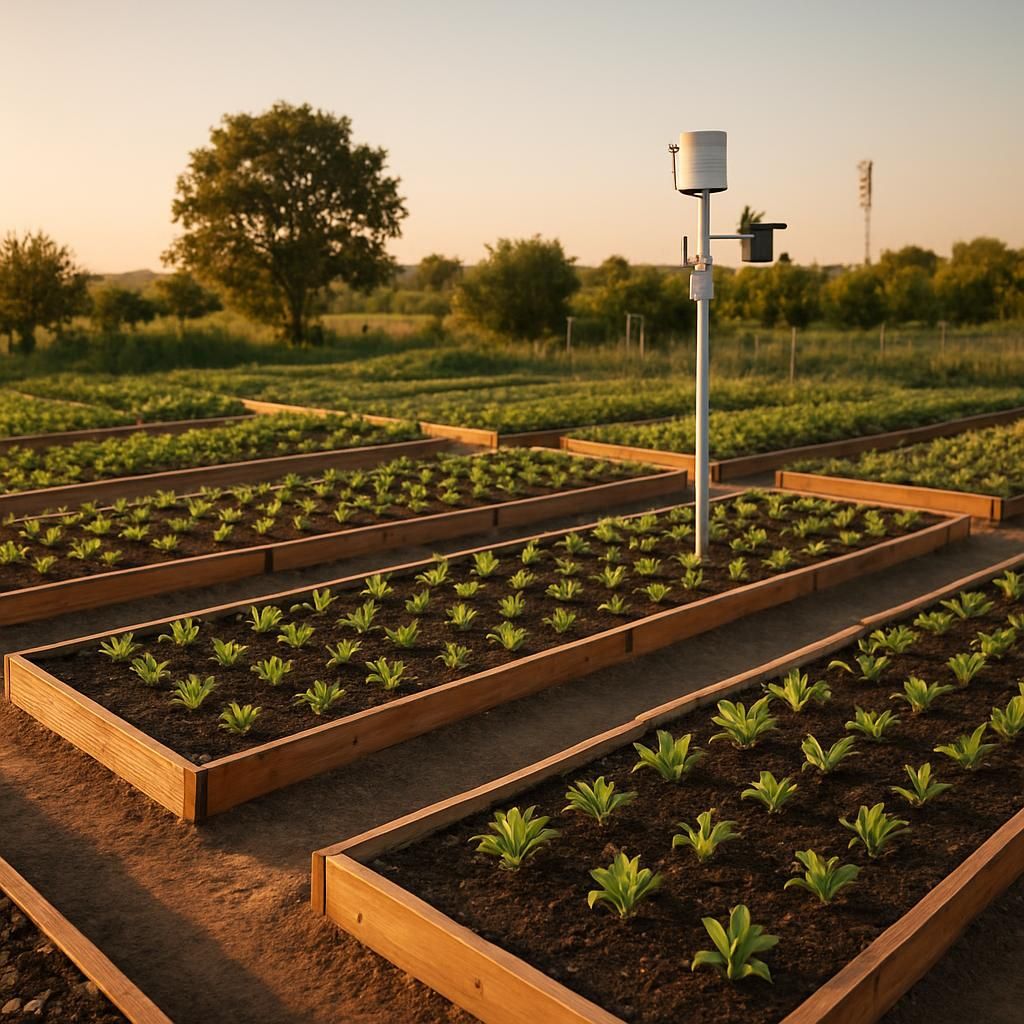
The Truth About Weather Patterns and Small Farm Resilience
Small farms often lose entire plantings to sudden temperature swings or unexpected rain that larger operations can shrug off. The difference usually comes down to paying close attention to the specific conditions right where your crops are growing rather than relying on broad regional forecasts.
Reading the Signs in Your Own Fields
Every farm has its own microclimates created by slopes, windbreaks, and nearby structures. Low spots collect cold air on spring nights, while south-facing slopes warm up earlier in the season. Keeping a simple notebook of daily observations for each area helps you notice patterns that generic weather apps miss. Over time these notes reveal which beds or zones tend to stay warmer, which ones dry out faster after rain, and which corners need extra protection during storms.
Understanding your soil acidity becomes easier when you combine these observations with regular soil checks. The combination lets you adjust planting dates and variety choices based on real conditions instead of calendar dates.
Building Simple Weather Tracking Habits
Start by noting the date, temperature at sunrise and sunset, rainfall amount, and any unusual wind or humidity. These four data points take less than two minutes each day but create a powerful record over a single season. Many small farmers find that a basic rain gauge and a max-min thermometer placed in a shaded spot give enough information to guide decisions. Comparing your numbers to the nearest official station often shows differences of several degrees or an inch of rain that can change how you manage irrigation and frost protection.
Using Local Forecasts Effectively
National forecasts give a useful starting point, but they rarely capture the exact conditions on your land. Checking the forecast for your specific latitude and longitude each morning allows you to anticipate changes hours earlier than neighbors who rely on city-wide reports. When a front is approaching, you can move sensitive seedlings under cover or adjust watering schedules before the rain arrives. This kind of preparation protects young plants and reduces unnecessary work.
Planning Around Seasonal Shifts
Spring planting windows shift every year because of temperature trends and last-frost dates. Recording when certain insects first appear or when particular weeds start growing gives you additional signals that temperatures are right for specific crops. Fall transitions benefit from the same careful watching. Many growers extend their season by using row covers and cold frames informed by their own temperature logs rather than general advice.
Protecting Crops From Surprises
Sudden hail, heavy downpours, or early frosts catch unprepared farms every year. Having lightweight row covers, cloches, and temporary windbreaks ready reduces the damage from these events. Storing them in a central location near the main growing areas means you can deploy them quickly when conditions change. Small farms that treat weather preparedness as routine maintenance rather than emergency response usually see steadier production across the seasons.
Keeping Records That Actually Help
A simple spreadsheet or garden journal that tracks weather alongside crop performance turns scattered observations into usable knowledge. Columns for date, high and low temperature, rainfall, and notes on plant health or harvest dates create a searchable record you can review before each new season. Over several years these records reveal reliable planting windows and highlight which varieties perform best under your specific conditions.
The overlooked art of zone mapping for small farm efficiency pairs naturally with weather tracking. When you know which parts of your land warm up first or stay wet longest, you can match crops to the right spots and reduce losses from weather-related stress.
Moving Forward With Confidence
Weather will always bring uncertainty to farming, but consistent observation and simple record-keeping turn that uncertainty into manageable information. Small farms that develop these habits spend less time reacting to problems and more time growing healthy crops. The payoff comes in steadier harvests and fewer surprises across the entire growing year.