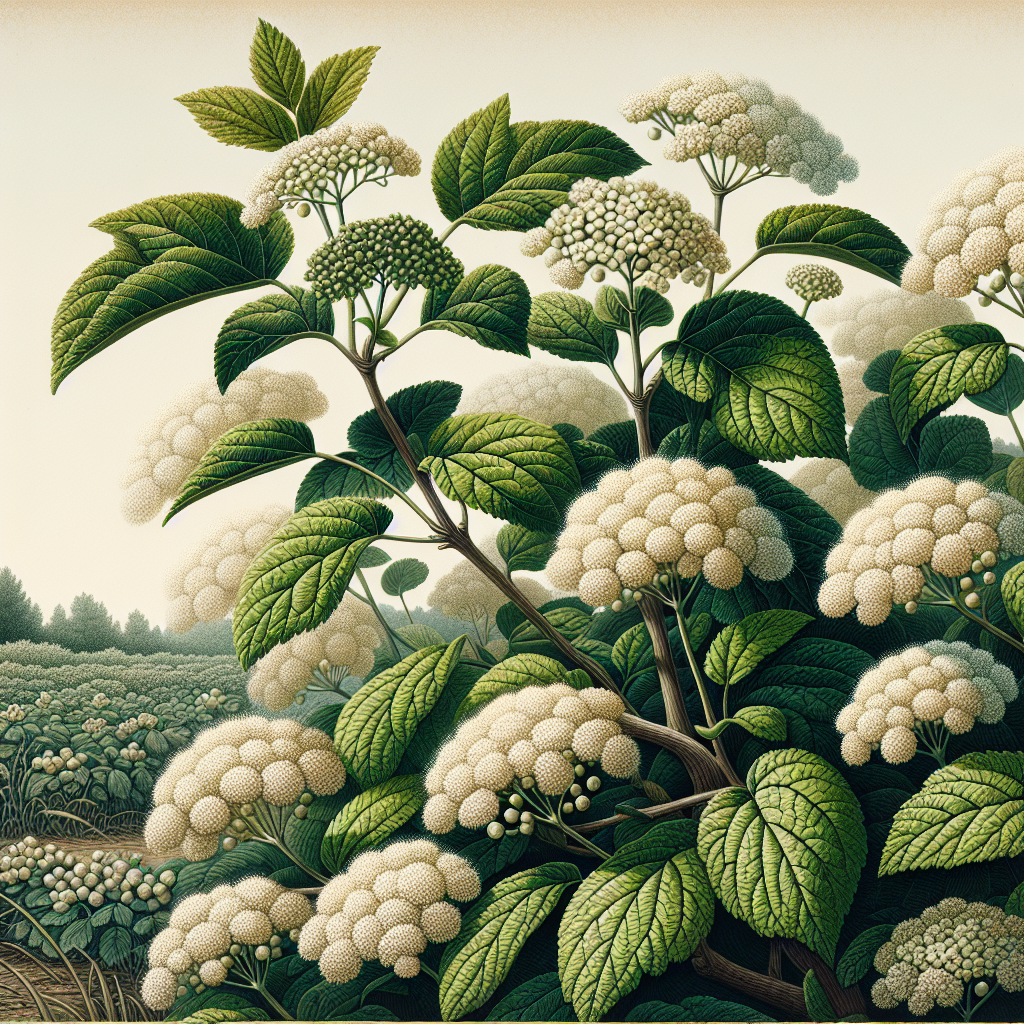
Introduction to arrowwood viburnum
Arrowwood viburnum, scientifically known as Viburnum dentatum, is a deciduous shrub native to eastern North America, commonly found in wetlands, forest edges, and disturbed areas. While valued in native landscaping for its white spring flowers, blue-black berries, and fall foliage, it poses significant challenges in agricultural settings. This shrub can aggressively colonize crop fields, orchards, and nurseries, outcompeting desirable plants like blueberry and raspberry bushes for sunlight, water, and nutrients. In unmanaged areas, it forms dense thickets up to 15 feet tall, reducing biodiversity and hindering farm operations. This comprehensive guide equips farmers, horticulturists, and smallholders with professional-grade diagnostics, lifecycle understanding, and organic management protocols to mitigate arrowwood viburnum infestations effectively. Early identification and intervention are crucial, as mature plants develop extensive root systems that make removal labor-intensive. For small farms battling invasive shrubs, integrating these strategies with Spring Pest Patrol: Organic AI Strategies to Shield Your Crops from Common Invaders can enhance control efforts. Understanding its biology empowers proactive defense, preserving soil health and boosting yields in vulnerable regions from USDA zones 2-8.
Identifying Symptoms & Damage
Diagnosing arrowwood viburnum requires keen observation of its distinctive features and the damage it inflicts on agricultural landscapes. The shrub features opposite, toothed leaves (3-5 inches long) that turn red-purple in fall, clusters of small white flowers in late spring, and berry clusters ripening from green to blue-black. Stems show prominent lenticels (raised pores) and grayish bark with lighter vertical streaks; older branches reveal orange inner pith when cut. Unlike look-alikes like elderberry, arrowwood lacks compound leaves and has straighter shoots ideal for arrows—hence its name.
Damage manifests as competition-driven yield losses: dense thickets shade out low-growing crops, stunting growth in strawberry patches or smothering young apple trees. Roots deplete soil moisture and nutrients, exacerbating drought stress during dry spells. In orchards, seedlings invade understories, complicating harvest and machinery access. Physical indicators include clusters of multi-stemmed shrubs with arching branches forming impenetrable barriers. Economic impacts are severe; unmanaged stands can reduce berry crop yields by 30-50% through shading and resource theft. Scout edges of fields near woods or wetlands, especially post-rain when seedlings emerge. Differentiate from pests like Japanese beetles by confirming woody stems versus insect frass. Use a hand lens to inspect for toothed leaf margins and opposite branching—hallmarks absent in many weedy vines. Early detection via regular perimeter walks prevents establishment, saving thousands in removal costs annually.
Lifecycle and Progression of arrowwood viburnum
Arrowwood viburnum exhibits a perennial lifecycle adapted to temperate climates, progressing through distinct phases that inform targeted management. Germination occurs in spring from bird-dispersed seeds, which require cold stratification (90-120 days at 34-41°F) for viability. Seedlings emerge rapidly in moist, loamy soils (pH 5.5-7.5), developing true leaves within weeks and establishing taproots by summer's end.
Vegetative growth peaks in years 1-3, with shoots elongating 1-2 feet annually under full sun. By age 3-5, plants flower in May-June, producing pollinator-attracting umbels that set fruit by August. Berries persist into winter, ensuring seed spread via birds like cedar waxwings. Sexual maturity yields 100-500 seeds per shrub, with 20-40% germination success in disturbed sites. Clonal reproduction via root suckers expands colonies vegetatively, especially after mowing or grazing.
Maturity at 5-10 years brings thicket formation, with lifespans exceeding 50 years in ideal conditions. Progression accelerates in nutrient-rich farm soils, invading from fencerows into fields within 2-3 years. Dormancy in winter protects buds from frost, resuming growth by March. Generations overlap, with seedlings beneath mature plants creating multi-age stands. Monitoring fruit production tracks infestation age; heavy berry loads signal peak reproductive phase, demanding immediate action. Understanding this cycle allows timing interventions—like fall seedhead removal—to disrupt progression before thickets dominate.
Environmental Triggers & Risk Factors
Arrowwood viburnum thrives under specific triggers that amplify its pest status in agriculture. Moist, acidic-to-neutral soils (pH 5.0-7.0) near water sources prime invasion, as does full sun exposure in cleared fields. Disturbance from tillage, fire, or logging creates seedbeds, with 80% of infestations linked to edge effects from woodlots. Climate shifts exacerbate risks: warmer winters reduce stratification barriers, boosting germination by 25%, while erratic rainfall favors seedlings over mature crops.
High wildlife activity spreads seeds; bird perches near cherry orchards deposit feces laden with viable propagules. Poor farm hygiene—unmowed fencerows or composted prunings—harbors rootstocks. Nutrient runoff from fertilized fields accelerates growth, outpacing competitors like grasses. Risk factors include proximity to native habitats (within 1/4 mile), history of wetland drainage, and companion planting with berry crops sharing viburnum's preferences. Drought-stressed soils invite invasion as crops weaken, allowing shrub establishment. Assess sites via soil tests and edge scouting; scores above 7/10 (moisture + disturbance + wildlife) warrant preemptive clearing. Integrating cover crops like clover mitigates triggers by stabilizing soil and suppressing seedlings.
Organic Control & Treatment Plans
Organic management of arrowwood viburnum emphasizes integrated, non-chemical tactics for sustainable control. Mechanical Control: For seedlings (<3 ft), hand-pull post-rain when soil is soft, ensuring taproot removal to prevent resprouting. Mow thickets repeatedly (every 4-6 weeks, May-September) at 6-inch height to exhaust roots; combine with solarization using clear plastic for 6-8 weeks in summer to kill via heat (>120°F). Larger plants demand cut-stump treatment: sever stems at ground level in late summer, immediately covering cuts with vinegar (20% acetic acid) or boiling water to block resprouts—95% effective.
Biological Controls: Encourage natural enemies like deer browsing (fence selectively) or goats for intensive grazing (3-5 days per rotation). Introduce competition via dense planting of aggressive natives like switchgrass. Mulch heavily (6-8 inches organic matter) around crop rows to smother seedlings. Cultural Practices: Flame weeding with propane torches targets regrowth without residues; apply in dry conditions for safety. For severe infestations, excavate roots with a skid-steer, composting off-site to avoid suckering. Monitor efficacy quarterly; repeat as needed for 2-3 years. Pair with aphids controls if secondary pests vector on weakened shrubs. Success rates exceed 85% with consistent application, restoring crop vigor without synthetics.
Preventing arrowwood viburnum in the Future
Prevention hinges on landscape hygiene and proactive barriers. Maintain 50-foot buffers of mowed grass or gravel around fields, eliminating seed sources. Plant allelopathic companions like garlic or thyme along perimeters to chemically deter seedlings. Solarize high-risk soils pre-planting and rotate deep-rooted crops to disrupt establishment. Wildlife management includes bird netting over berries and removing perches. Scout weekly during germination windows (April-May), hand-pulling emergents. Soil amendments raising pH above 7.5 reduce suitability. Long-term, foster biodiversity with understory natives outcompeting viburnum. Annual audits using grid sampling track incursions early. For small farms, Why Misidentifying Plants Costs Small Farms Thousands - And How AI Camera Diagnosis Fixes It Fast aids vigilant prevention. These measures slash reinvasion by 90%, securing future harvests.
Crops Most Affected by arrowwood viburnum
Arrowwood viburnum disproportionately impacts woody perennials and low shrubs in eastern U.S. agriculture. Berry crops top the list: blueberry, raspberry, blackberry, and strawberry suffer shading and root competition, with yield drops up to 40% in invaded patches. Orchards like apple, peach, and cherry face understory invasion, complicating pruning and pest scouting. Native-adjacent fields of grapes and elderberry provide ideal bridges. Vegetable edges near wetlands see spillover to cucumber and squash, though annuals recover faster. Nut crops such as hazelnut and chestnut endure thicket encroachment, reducing nut set. Small farms diversifying into natives risk rapid spread to adjacent arborio rice paddies or oyster mushroom beds via moist corridors. Prioritize perimeter defense in these high-risk systems.