Encyclopedia
Definitive guides for crops, pests, and agricultural diseases.
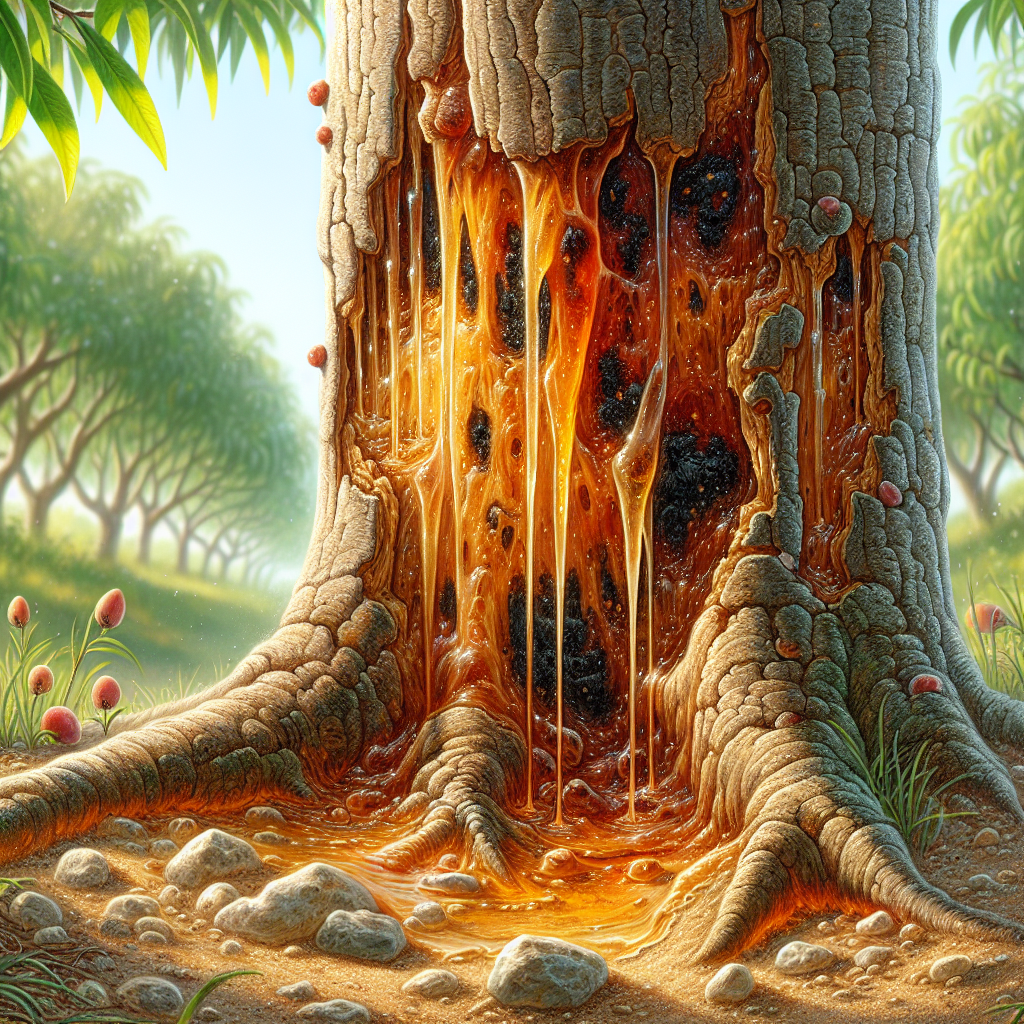
trunk gummosis
Trunk gummosis is a destructive fungal disease affecting the trunks and lower branches of fruit trees, characterized by oozing gum-like sap, bark cracking, and eventual tree decline. Commonly caused by Phytophthora species, it thrives in wet soils and wounds the tree's vascular system. Early detection and cultural management are key to saving affected trees and preventing spread.
View Profile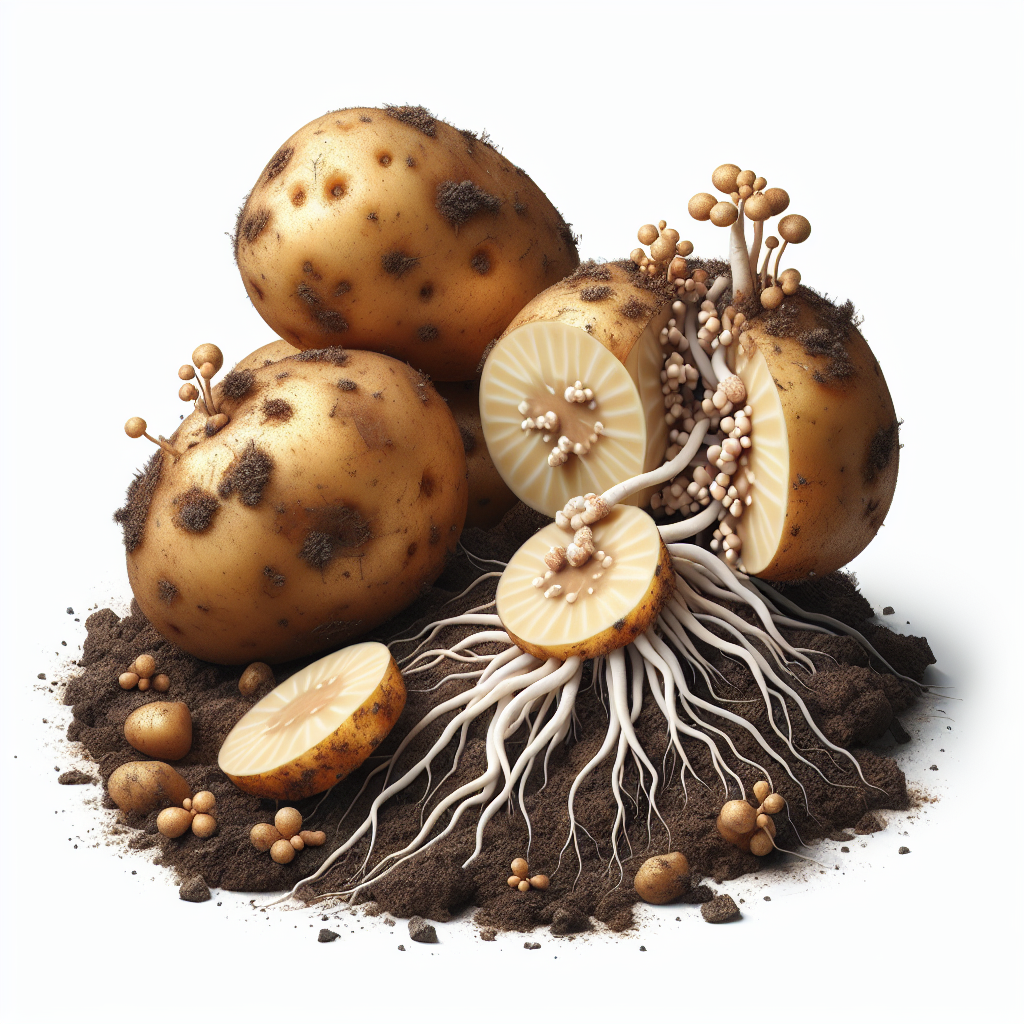
Tuber and root rots
Tuber and root rots are devastating soilborne diseases caused by fungi, oomycetes, and bacteria that infect underground plant parts, leading to decay, wilting, and plant death. They affect a wide range of crops, particularly those with tubers or enlarged roots, causing significant yield losses worldwide. Effective management relies on prevention, cultural practices, and prompt intervention using organic methods.
View Profile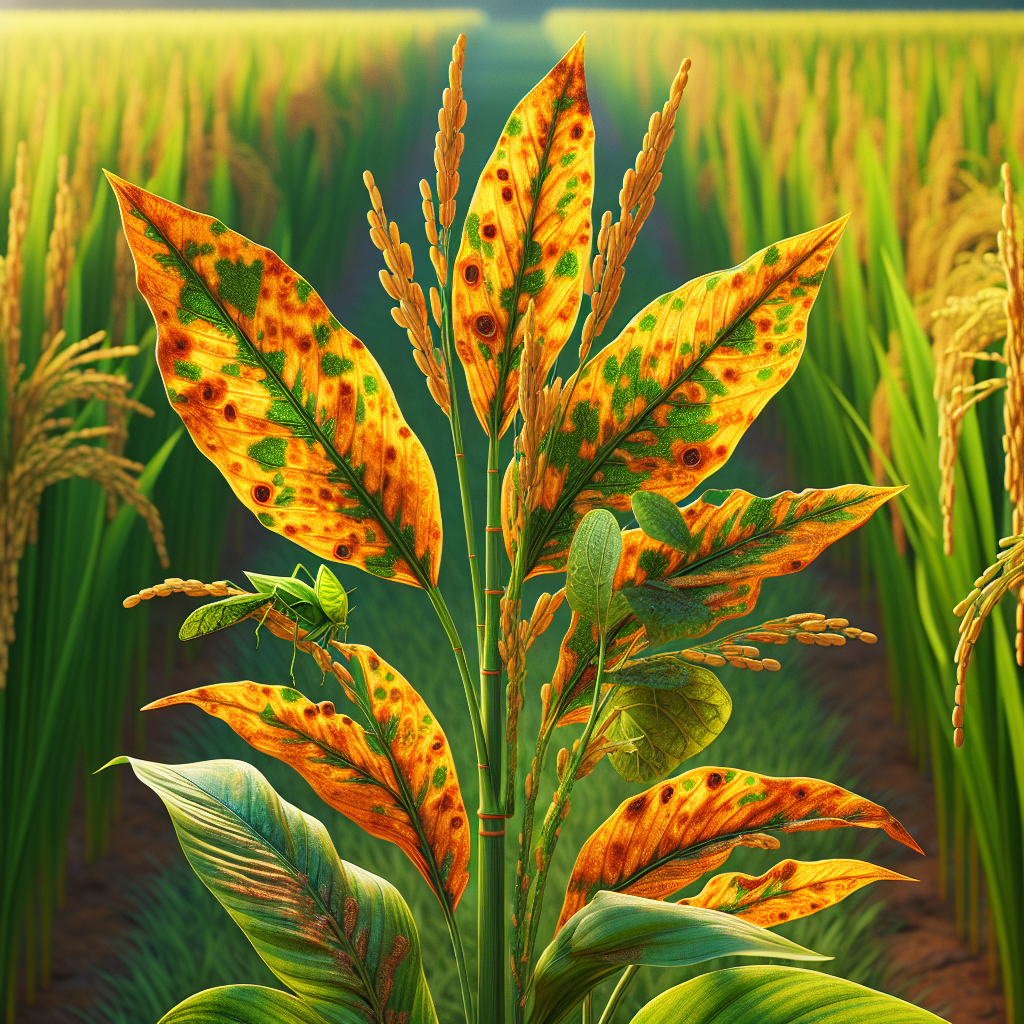
tungro
Tungro is a devastating viral disease primarily affecting rice crops, transmitted by the green leafhopper Nephotettix virescens. It causes stunted growth, yellow-orange discoloration, and significant yield losses up to 100% in severe cases. Effective management relies on resistant varieties, vector control, and cultural practices.
View Profile
Turnip yellows virus
Turnip yellows virus (TuYV) is a widespread aphid-transmitted virus that primarily affects brassica crops, causing yellowing of leaves, stunted growth, and reduced yields. Transmitted persistently by the cabbage aphid (Brevicoryne brassicae) and other species, it poses significant threats to commercial and home vegetable production. Effective management relies on cultural practices, resistant varieties, and vector control.
View Profile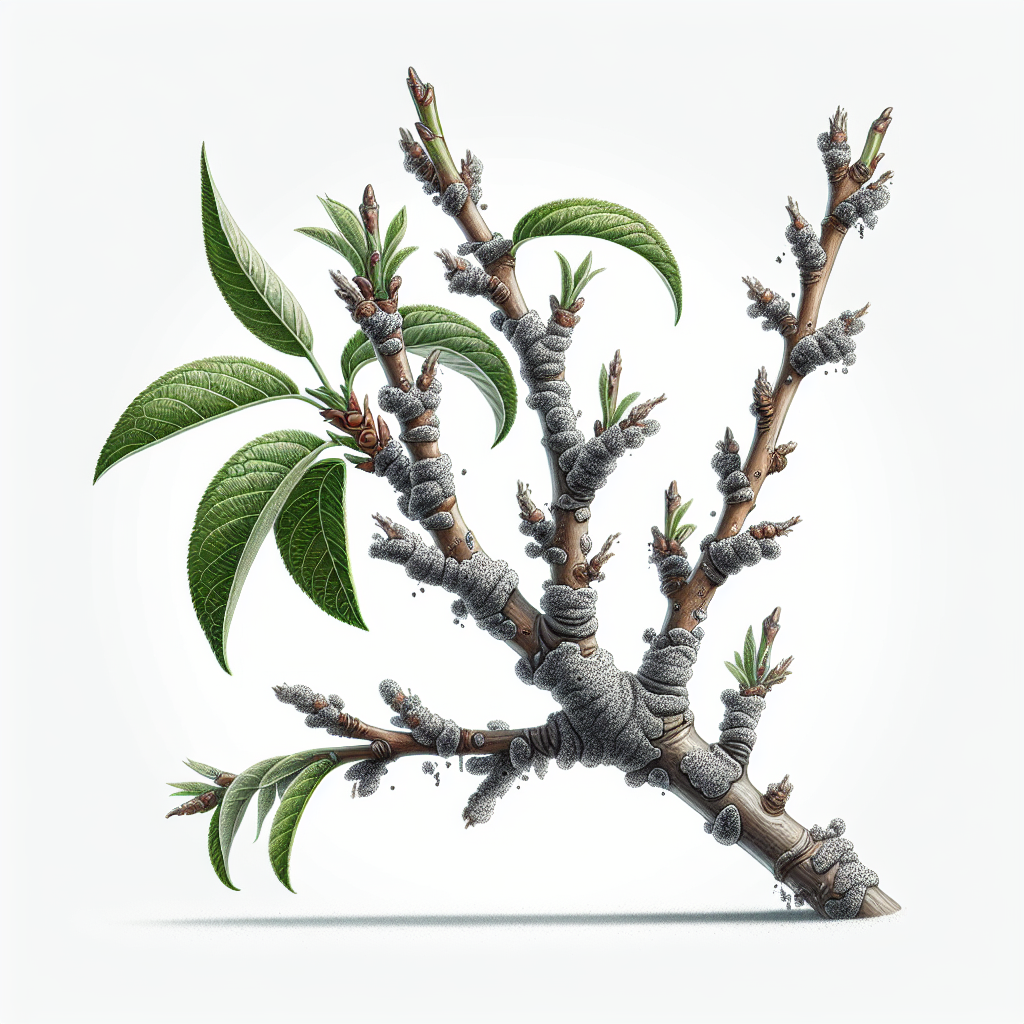
Twig blights
Twig blights are fungal diseases that cause dieback and necrosis of small branches and twigs in fruit trees and woody ornamentals, leading to significant crop losses if unmanaged. They thrive in cool, wet conditions and spread via spores, often entering through wounds or buds. Early detection and cultural practices are key to effective management.
View Profile
various leaf spots
Various leaf spots are common foliar diseases caused by fungi and bacteria, manifesting as discolored lesions on leaves that reduce photosynthesis and yield. They affect a wide range of crops under humid conditions, with symptoms including circular to irregular spots with halos or centers. Effective management relies on cultural practices, resistant varieties, and targeted organic treatments.
View Profile
various viral diseases
Various viral diseases devastate crops worldwide by causing mosaic patterns, stunting, and yield losses through insect vectors and infected planting material. These pathogens replicate inside plant cells, spreading rapidly in warm, humid conditions. Effective management relies on prevention, vector control, and resistant varieties rather than curative treatments.
View Profile
Vascular-streak dieback
Vascular-streak dieback (VSD) is a lethal vascular disease primarily affecting avocado trees, caused by the fungus Ceratocystis cacaofunestum and related species, leading to rapid wilting and tree death. It spreads via wounds and insects, manifesting as dark streaks in the vascular tissue. Early detection and strict sanitation are critical for management in tropical and subtropical regions.
View Profile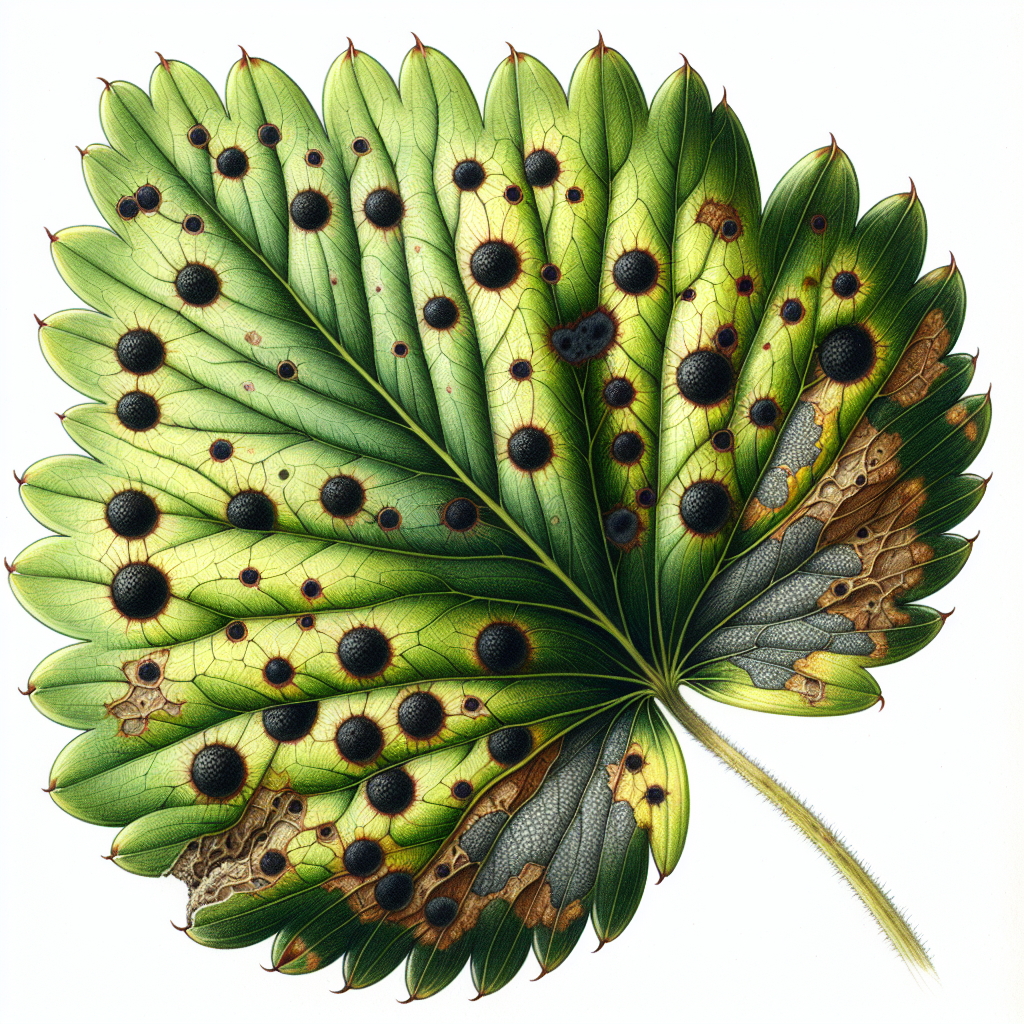
vein spot
Vein spot is a fungal disease primarily affecting strawberry leaves, caused by the pathogen Cercospora traversiana, leading to dark brown spots along leaf veins that can reduce photosynthesis and yield. It thrives in warm, humid conditions and is managed through cultural practices, resistant varieties, and organic fungicides. Early detection and prevention are key to minimizing crop losses in affected fields.
View Profile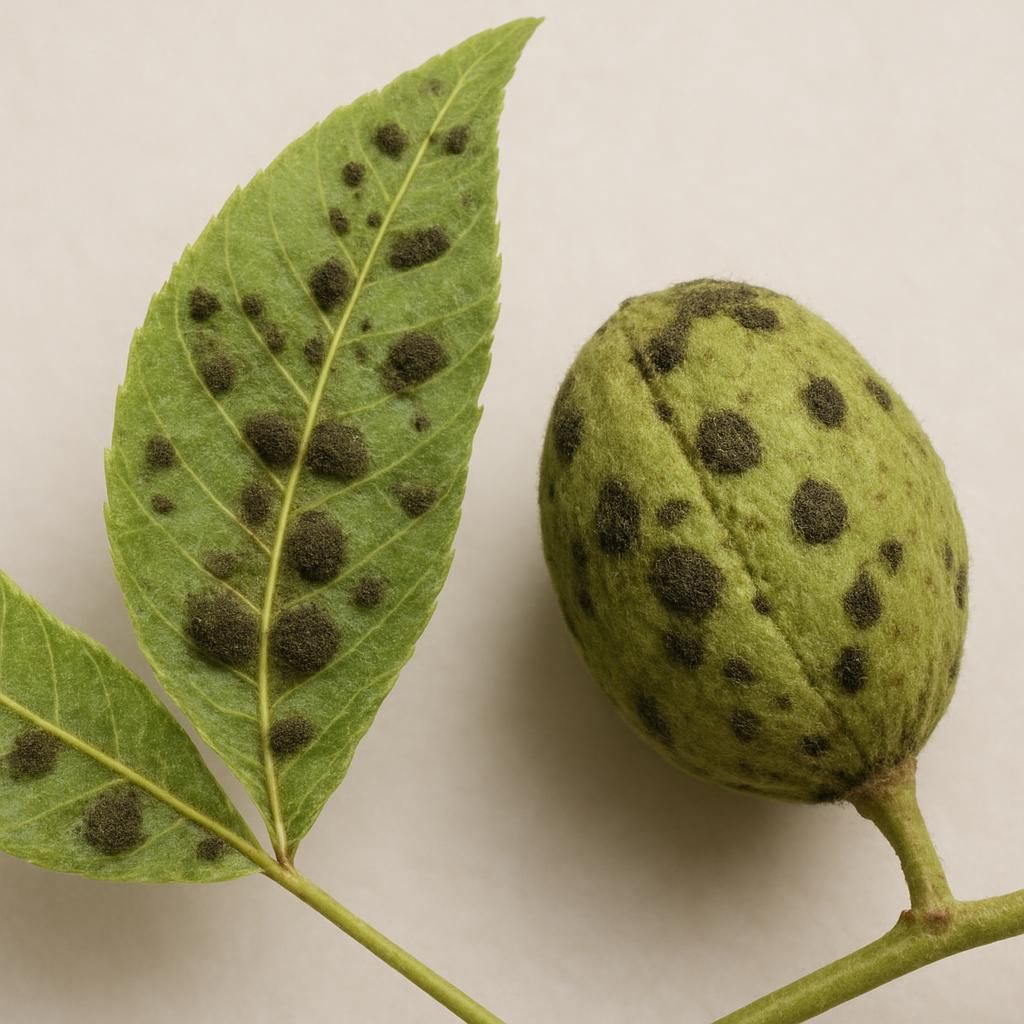
Venturia effusa
Venturia effusa is an ascomycete fungal pathogen that causes scab disease primarily on pecan trees, leading to significant reductions in nut quality and yield. The disease manifests as olive-green to black lesions on foliage, shucks, and young nuts, progressing under prolonged leaf wetness and moderate temperatures. Effective management relies on integrated cultural practices, timely fungicide applications, and resistant cultivar selection.
View Profile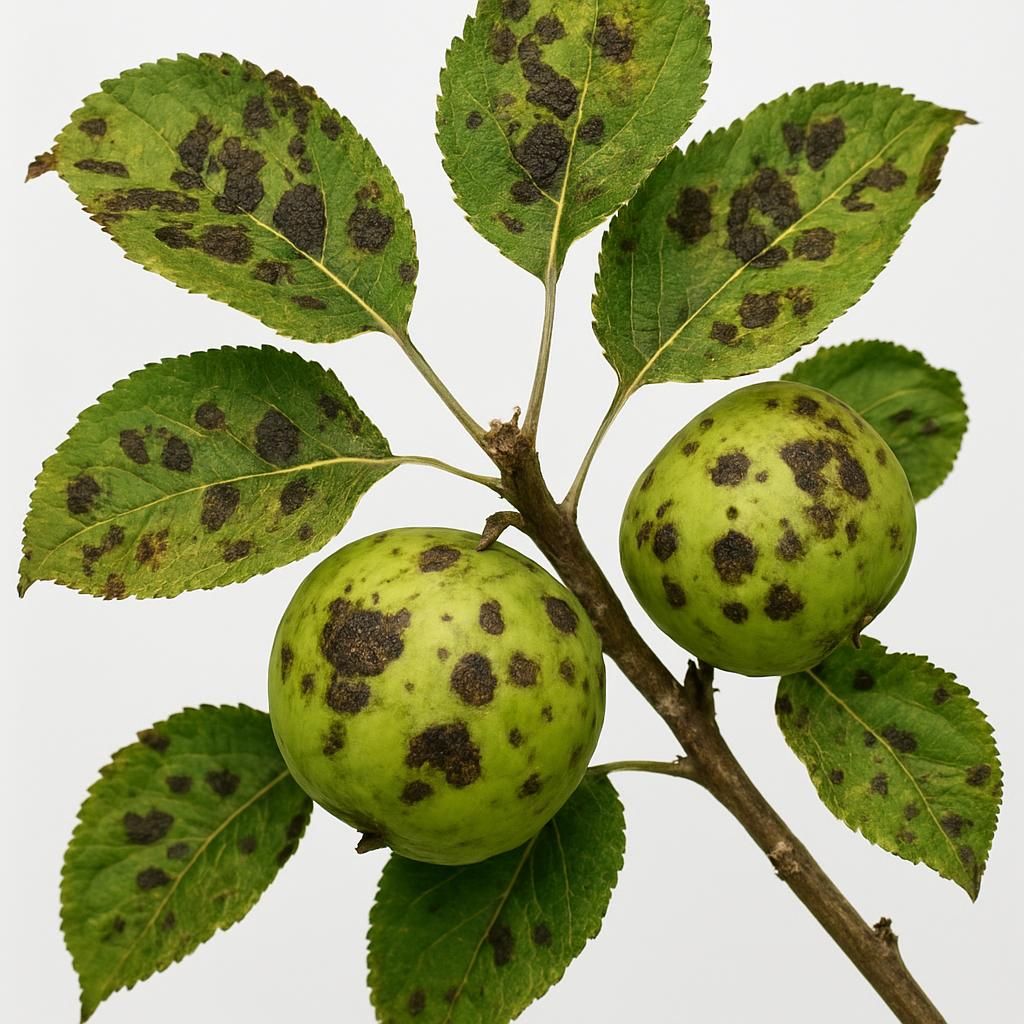
Venturia inaequalis
Venturia inaequalis is the fungal pathogen responsible for apple scab, a major disease affecting apple and pear orchards worldwide. It causes dark, scabby lesions on leaves, fruit, and twigs, leading to premature defoliation and reduced fruit quality. Effective management relies on integrated cultural practices, resistant cultivars, and timely fungicide applications.
View Profile
Venturia pirina
Venturia pirina, commonly known as pear scab, is a fungal disease that severely impacts pear orchards by causing scab lesions on leaves, fruits, and stems. This guide provides comprehensive diagnostics, lifecycle insights, organic management strategies, and prevention tactics to safeguard pear crops. Effective control hinges on timely monitoring and cultural practices, particularly in humid climates.
View Profile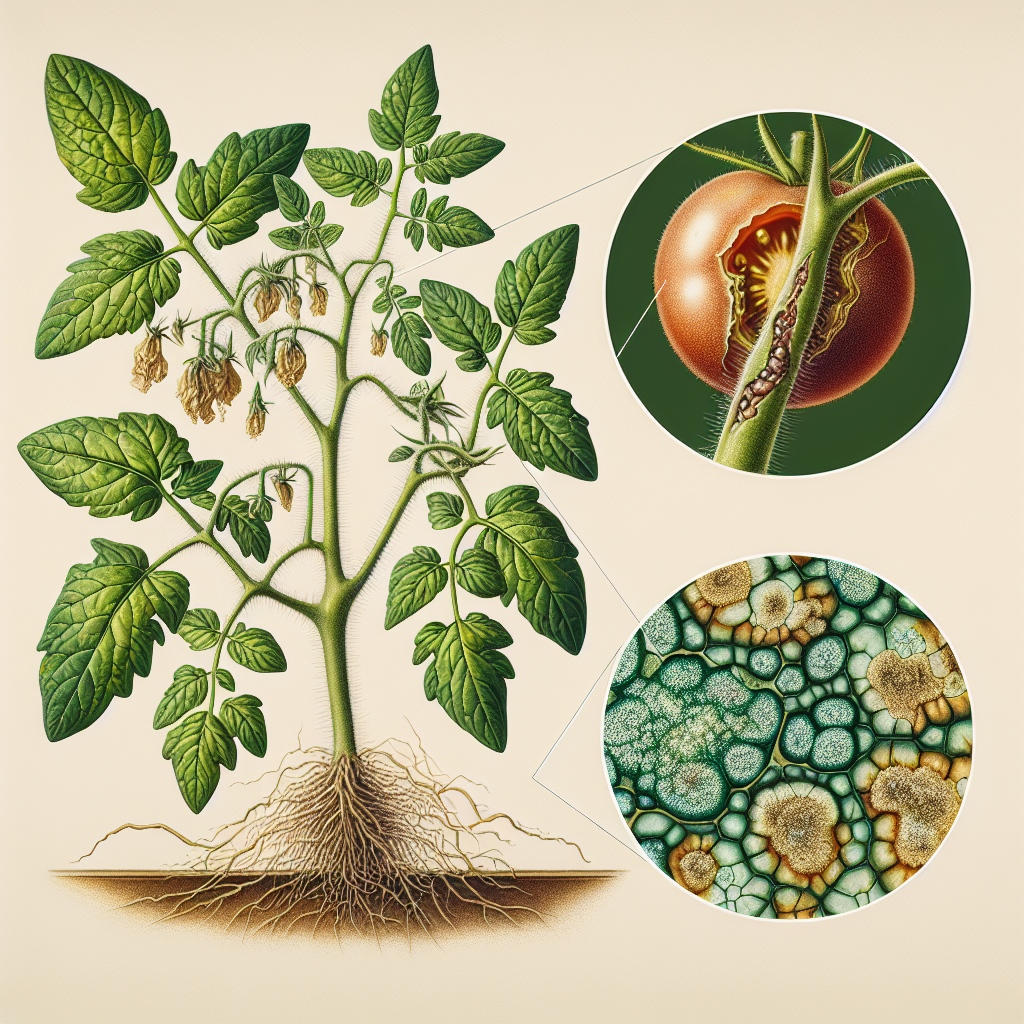
Verticillium wilt
Verticillium wilt is a devastating soilborne fungal disease affecting a wide range of crops, causing vascular wilting, yellowing, and plant death. Caused primarily by Verticillium dahliae and V. albo-atrum, it persists in soil for years, making management challenging. This guide provides essential diagnostic, organic control, and prevention strategies for farmers.
View Profile
Viral complexes
Viral complexes are synergistic infections involving multiple plant viruses that amplify damage far beyond individual infections, causing mottling, stunting, and yield losses in crops. Transmitted primarily by insect vectors like aphids and whiteflies, these complexes devastate vegetable and fruit crops. Effective management relies on prevention through resistant varieties, vector control, and sanitation.
View Profile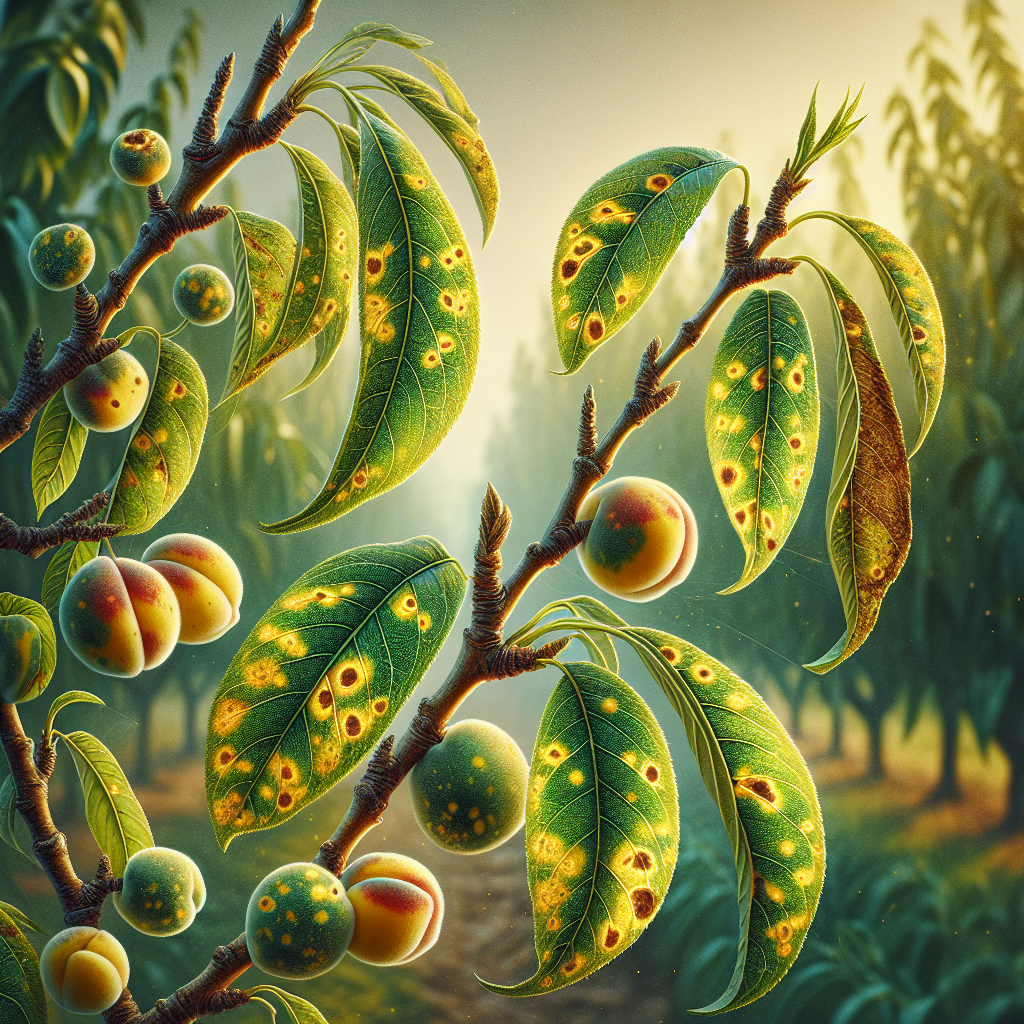
Viral Decline
Viral decline is a devastating syndrome affecting fruit trees, particularly stone fruits like peaches and cherries, characterized by gradual tree weakening, leaf chlorosis, and yield loss due to persistent viral infections. Transmitted primarily by vectors such as aphids and nematodes, it leads to premature tree decline and death without curative treatments. Effective management relies on prevention through certified stock, vector control, and removal of infected trees.
View Profile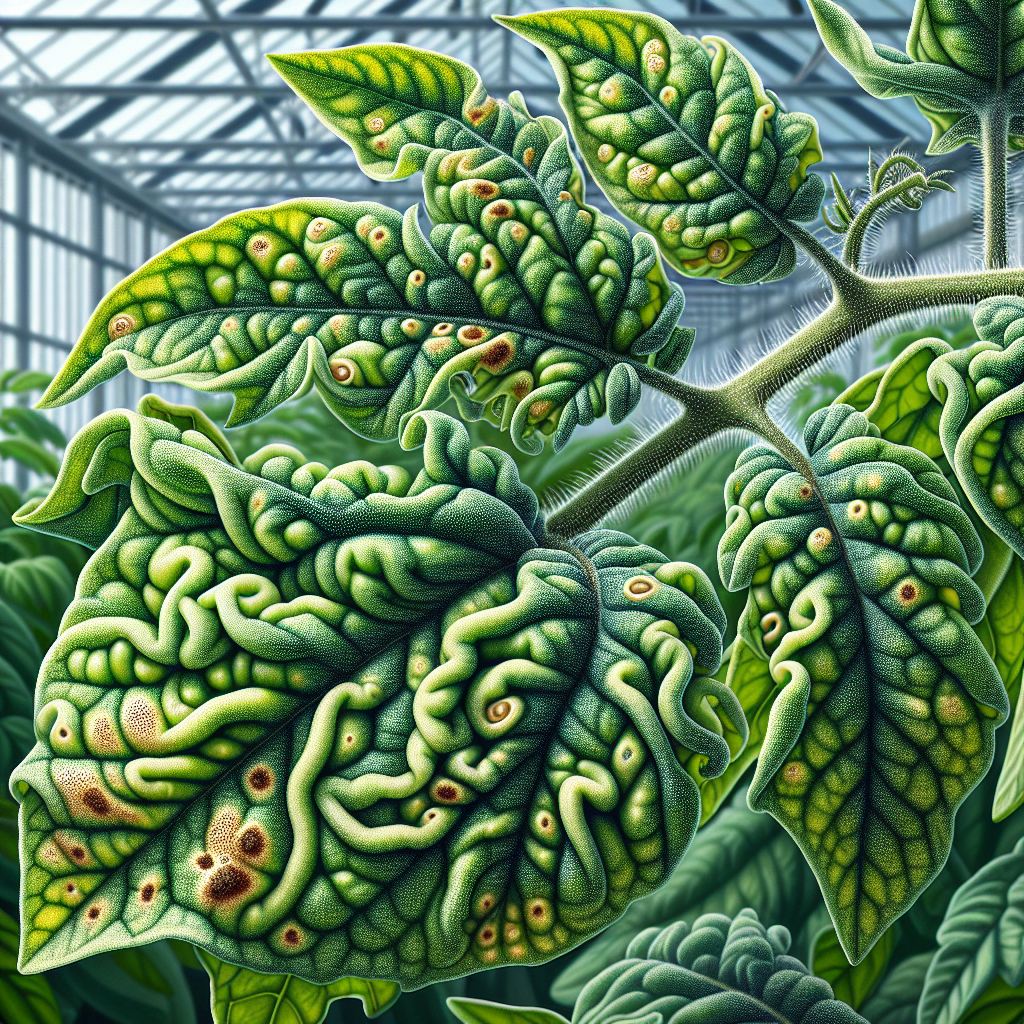
viral diseases
Viral diseases in plants are caused by microscopic pathogens transmitted primarily by insects, tools, or infected planting material, leading to stunted growth, mosaic patterns, and reduced yields. These incurable infections spread rapidly in crops, devastating harvests without targeted prevention. Effective management relies on vector control, certified seeds, and resistant varieties to safeguard agricultural productivity.
View Profile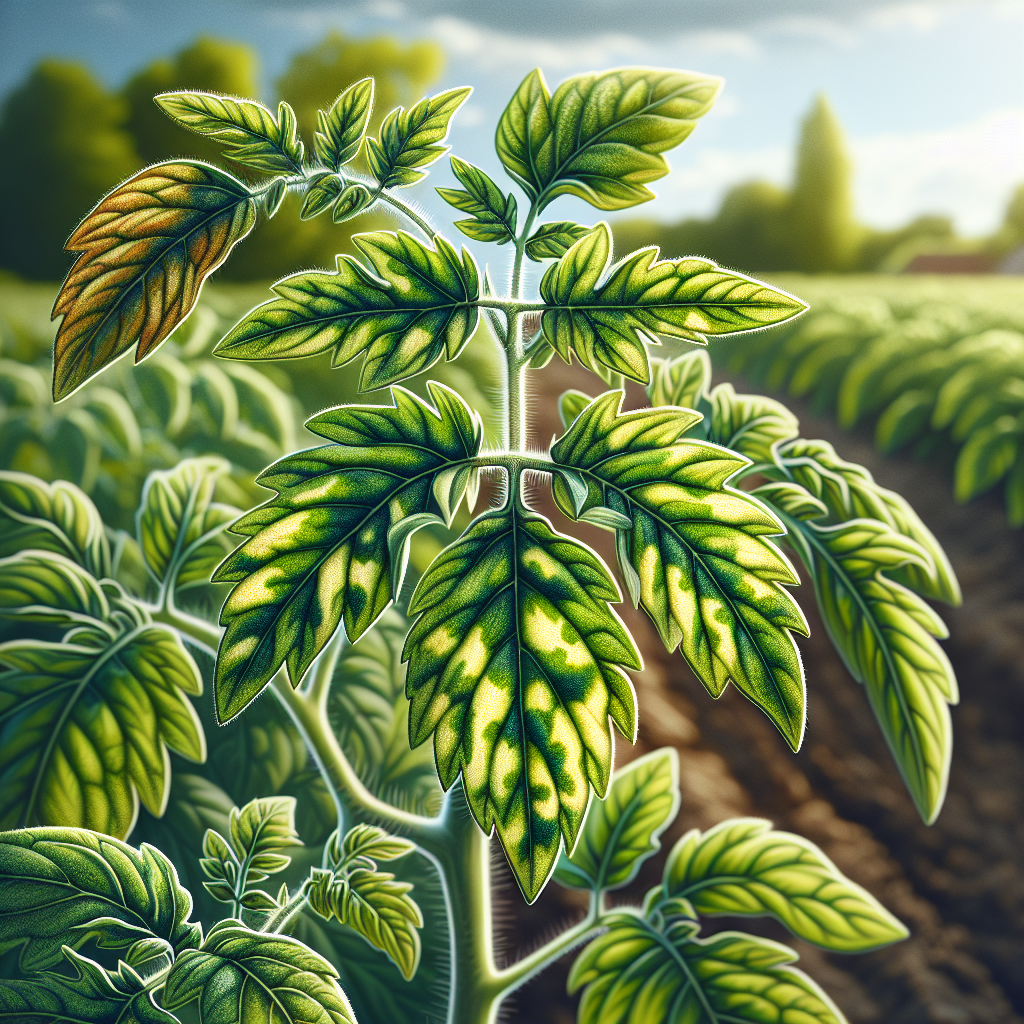
Viruses
Plant viruses are microscopic pathogens that infect crops, causing stunted growth, mosaics, and yield losses up to 100% in severe cases. Transmitted primarily by insect vectors like aphids and whiteflies, they spread rapidly in warm, humid conditions. Effective management relies on prevention through certified seeds, vector control, and resistant varieties rather than curative treatments.
View Profile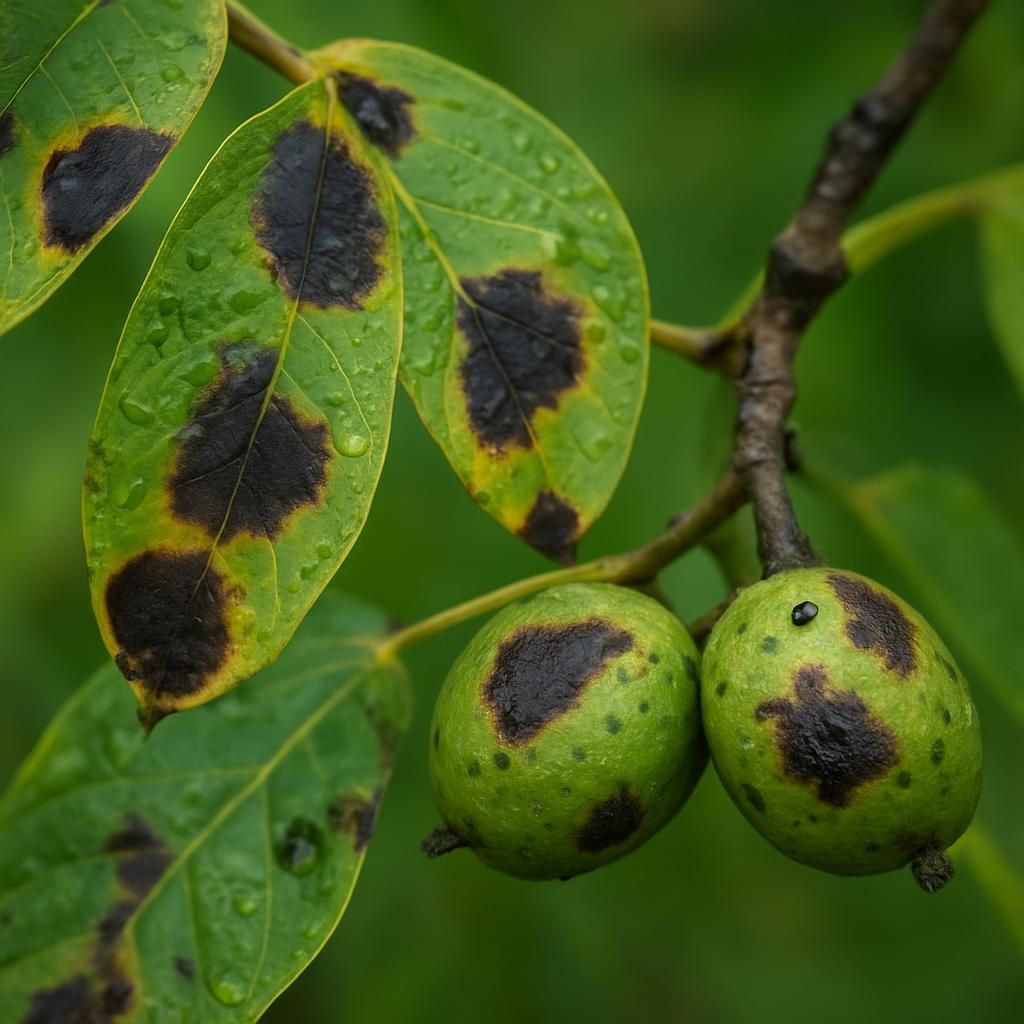
Walnut blight
Walnut blight, caused by the bacterium Xanthomonas arboricola pv. juglandis, is a devastating disease affecting walnut trees worldwide, leading to blighted shoots, leaves, and nuts with dark lesions and bacterial ooze. It thrives in wet spring conditions, causing significant yield losses in commercial orchards. Effective management relies on cultural practices, resistant varieties, and timely copper-based sprays.
View Profile
water-mold pathogens
Water-mold pathogens, also known as oomycetes, are fungus-like organisms that thrive in wet conditions, causing devastating root rots, damping-off, and blights in crops worldwide. These pathogens spread rapidly through water-saturated soils and splashing rain, leading to rapid plant decline and significant yield losses. Effective management relies on cultural practices, resistant varieties, and organic biocontrols to minimize moisture and pathogen pressure.
View Profile
Watermelon Mosaic Virus
Watermelon Mosaic Virus (WMV) is a destructive potyvirus that causes mottled leaves, stunted growth, and deformed fruits in cucurbits, leading to significant yield losses. Transmitted primarily by aphids in a non-persistent manner, it spreads rapidly in warm, humid conditions. Effective management relies on resistant varieties, vector control, and strict sanitation practices.
View Profile
white mold
White mold, caused by the fungus Sclerotinia sclerotiorum, is a devastating soilborne disease affecting over 400 plant species, leading to stem rot, wilt, and fluffy white fungal growth under cool, moist conditions. It produces hard black sclerotia that persist in soil for years, making management challenging. Effective control relies on cultural practices, resistant varieties, and targeted organic fungicides.
View Profile
White pine blister rust
White pine blister rust is a devastating fungal disease caused by Cronartium ribicola that primarily affects five-needle white pines, leading to branch and stem cankers that can girdle and kill trees. It requires an alternating host, typically Ribes species like currants and gooseberries, to complete its lifecycle. Early detection and management through resistant varieties, sanitation, and cultural practices are essential for control in forestry and ornamental settings.
View Profile
white rust
White rust is a devastating oomycete disease affecting brassicas, spinach, and other crops, characterized by white pustules on leaves and stems that lead to distortion and defoliation. Caused by Albugo species, it thrives in cool, moist conditions and can cause up to 100% yield loss in severe infections. Effective management relies on cultural practices, resistant varieties, and timely organic fungicides.
View Profile
Wilt diseases
Wilt diseases are devastating vascular pathologies caused primarily by soilborne fungi, bacteria, and nematodes that clog plant xylem, leading to rapid wilting and plant death. Affecting countless crops worldwide, they manifest as sudden drooping, yellowing, and browning from the base up, often proving fatal without intervention. This guide provides comprehensive diagnostics, organic management, and prevention strategies for sustainable agriculture.
View Profile