Encyclopedia
Definitive guides for crops, pests, and agricultural diseases.
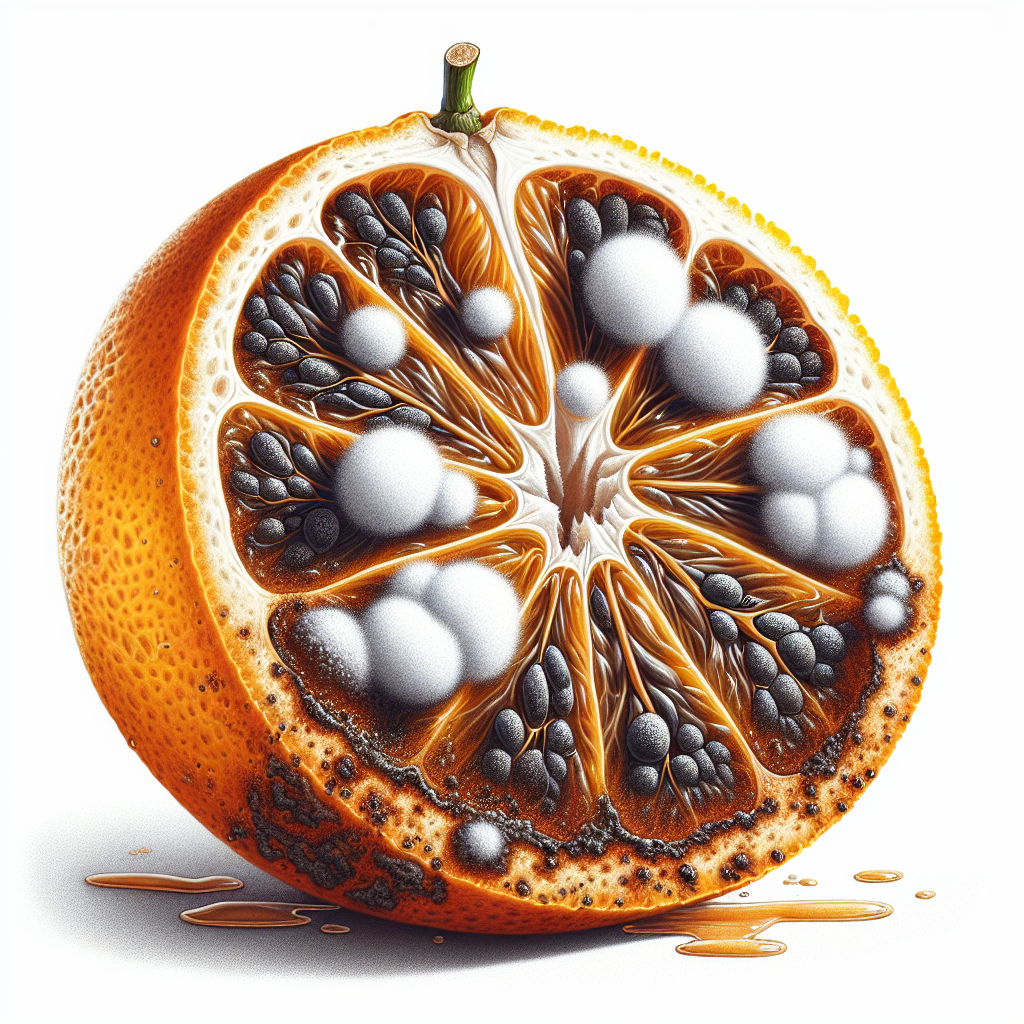
Stem-end rot
Stem-end rot is a destructive postharvest fungal disease affecting fruits like citrus, avocado, and mango, caused by Phytophthora species that enter through stem wounds. It leads to rapid fruit decay, dark lesions, and significant economic losses in storage and transport. Effective management relies on sanitation, fungicide dips, and cultural practices to minimize infection risks.
View Profile
Stemphylium
Stemphylium is a fungal disease causing leaf spots, blights, and defoliation in various crops, thriving in warm, humid conditions. Early identification of characteristic dark brown spots with yellow halos is crucial for effective management. Organic control relies on cultural practices, resistant varieties, and biofungicides to minimize yield losses.
View Profile
Stemphylium species
Stemphylium species are fungal pathogens causing leaf spots, blights, and defoliation in a wide range of crops, thriving in warm, humid conditions. Early identification through characteristic necrotic lesions is crucial for effective management. Organic control relies on cultural practices, resistant varieties, and biocontrol agents to minimize yield losses.
View Profile
Sterility Mosaic Disease
Sterility mosaic disease is a devastating viral infection primarily affecting pigeon pea crops, transmitted by eriophyid mites, leading to complete sterility and significant yield losses. Early symptoms include mosaic patterns on leaves and bushy growth, progressing to floral abortion and plant death. Effective management relies on resistant varieties, vector control, and cultural practices.
View Profile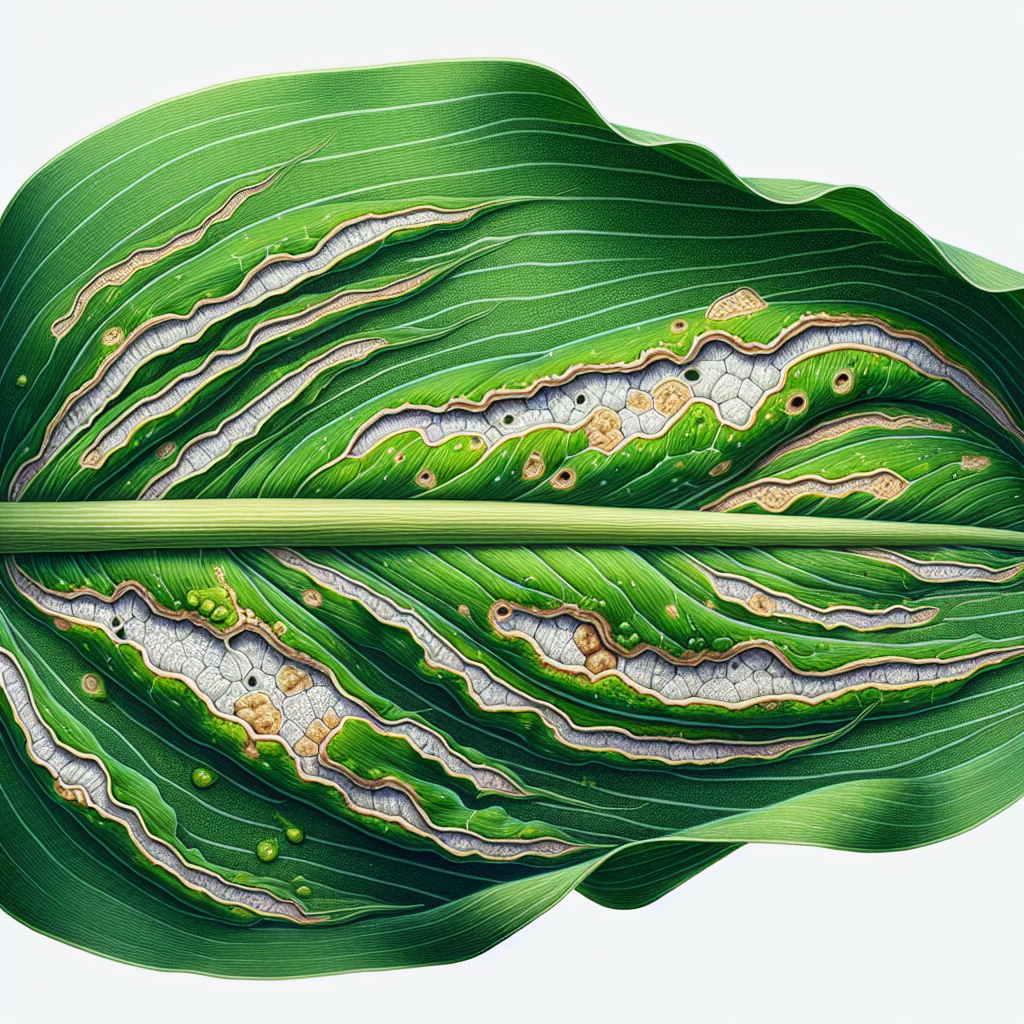
Stewart's Wilt
Stewart's wilt is a serious bacterial disease primarily affecting corn plants, transmitted by flea beetles, causing leaf lesions and potentially devastating yields. Early detection through characteristic symptoms like gray-white streaks and systemic wilting is crucial for effective management. Organic control relies on resistant corn varieties, flea beetle suppression, and sanitation practices to minimize spread.
View Profile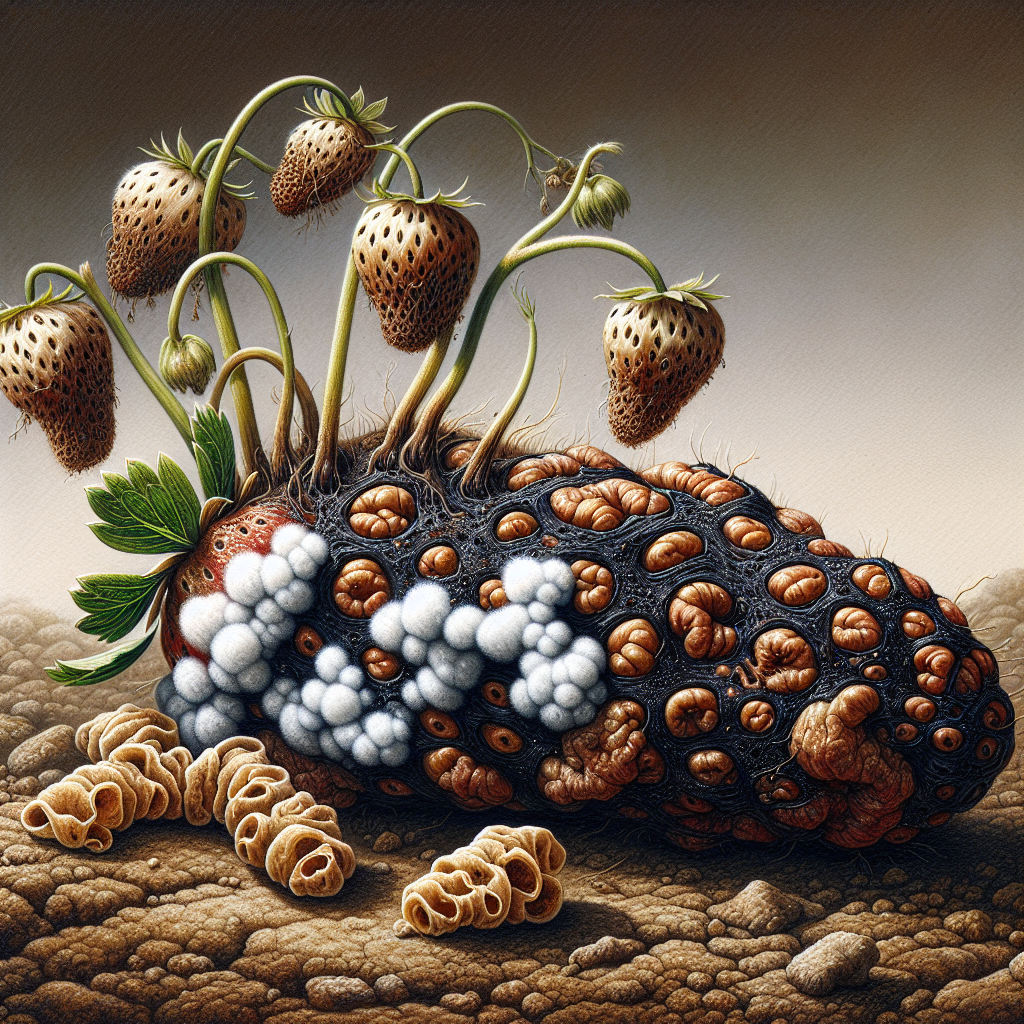
stolon rots
Stolon rots are devastating fungal diseases that target the horizontal stems (stolons) of stoloniferous crops like strawberries and raspberries, causing rapid decay, plant collapse, and significant yield losses. Caused primarily by soilborne pathogens thriving in wet conditions, they spread through contaminated soil, water, and equipment. Effective management relies on cultural practices, organic treatments, and vigilant prevention to protect runner production and plant health.
View Profile
Storage rots
Storage rots are post-harvest diseases caused by fungi and bacteria that decay harvested crops in storage, leading to significant economic losses. They thrive in warm, humid conditions and spread rapidly through contaminated produce or poor ventilation. Effective management relies on pre-harvest cultural practices, proper curing, and vigilant storage monitoring.
View Profile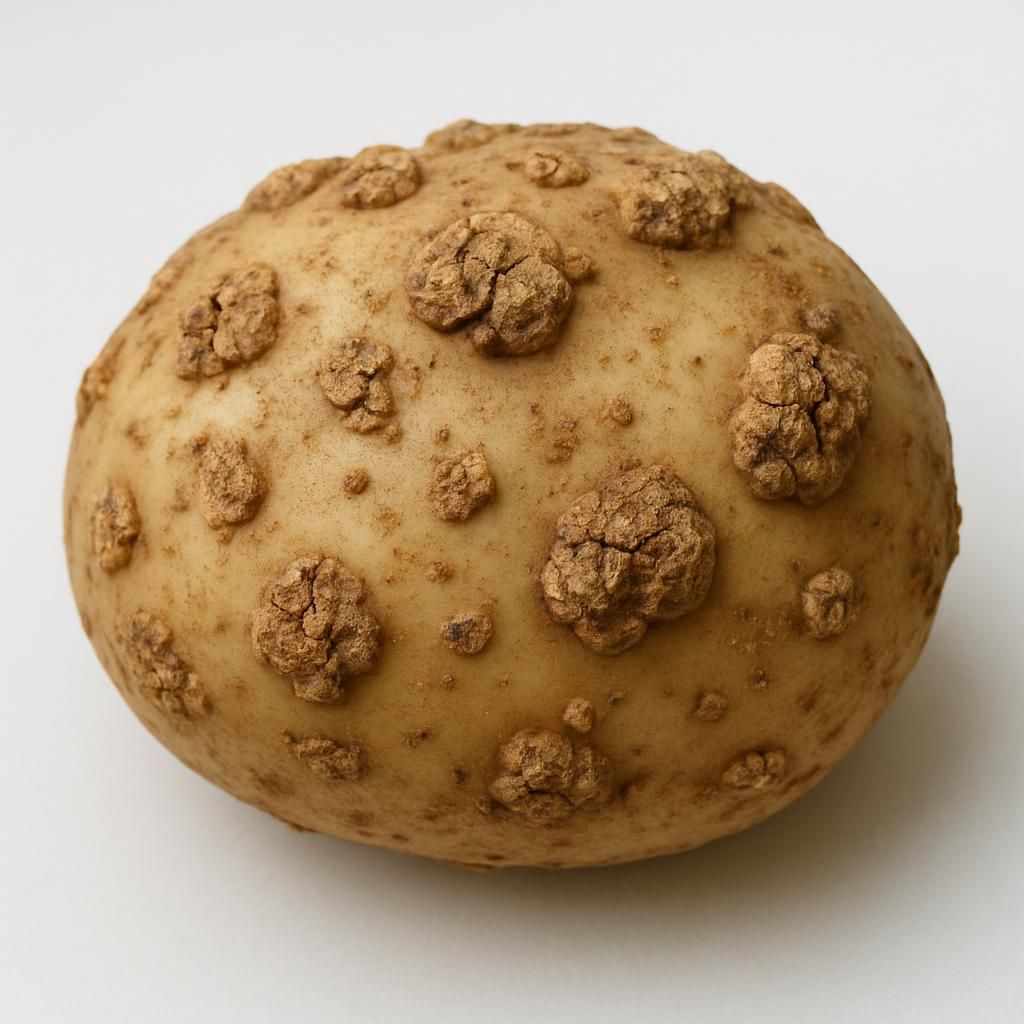
Streptomyces scabies
Streptomyces scabies is a soil-borne actinomycete bacterium responsible for common scab, a widespread disease primarily affecting potatoes and other root and tuber crops. It produces raised, corky lesions on tubers that reduce marketability and storage quality. Effective management relies on integrated cultural practices that modify soil conditions and limit pathogen survival.
View Profile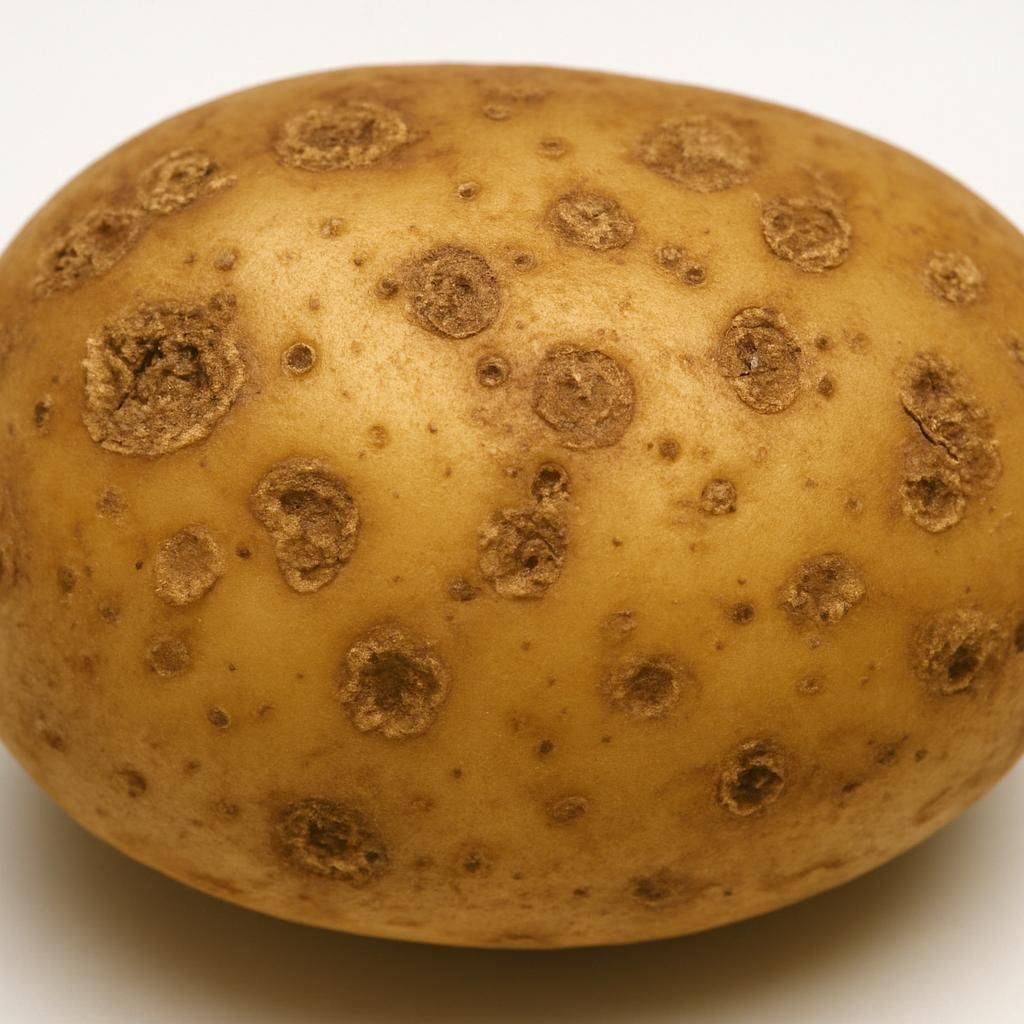
streptomyces soil rot
Streptomyces soil rot is a persistent soil-borne bacterial disease caused by actinomycetes that produces corky, pitted lesions on underground plant parts. It thrives in dry, alkaline soils and can cause significant quality losses in root and tuber crops. Effective management relies on integrated cultural, biological, and chemical practices rather than curative sprays.
View Profile
Stripe Rust
Stripe rust, caused by the fungus Puccinia striiformis f. sp. tritici, is a devastating foliar disease primarily affecting wheat and barley crops worldwide. It manifests as bright yellow-orange stripes on leaves, leading to significant yield losses if unmanaged. Effective management relies on resistant varieties, timely fungicide applications, and cultural practices to disrupt the pathogen's lifecycle.
View Profile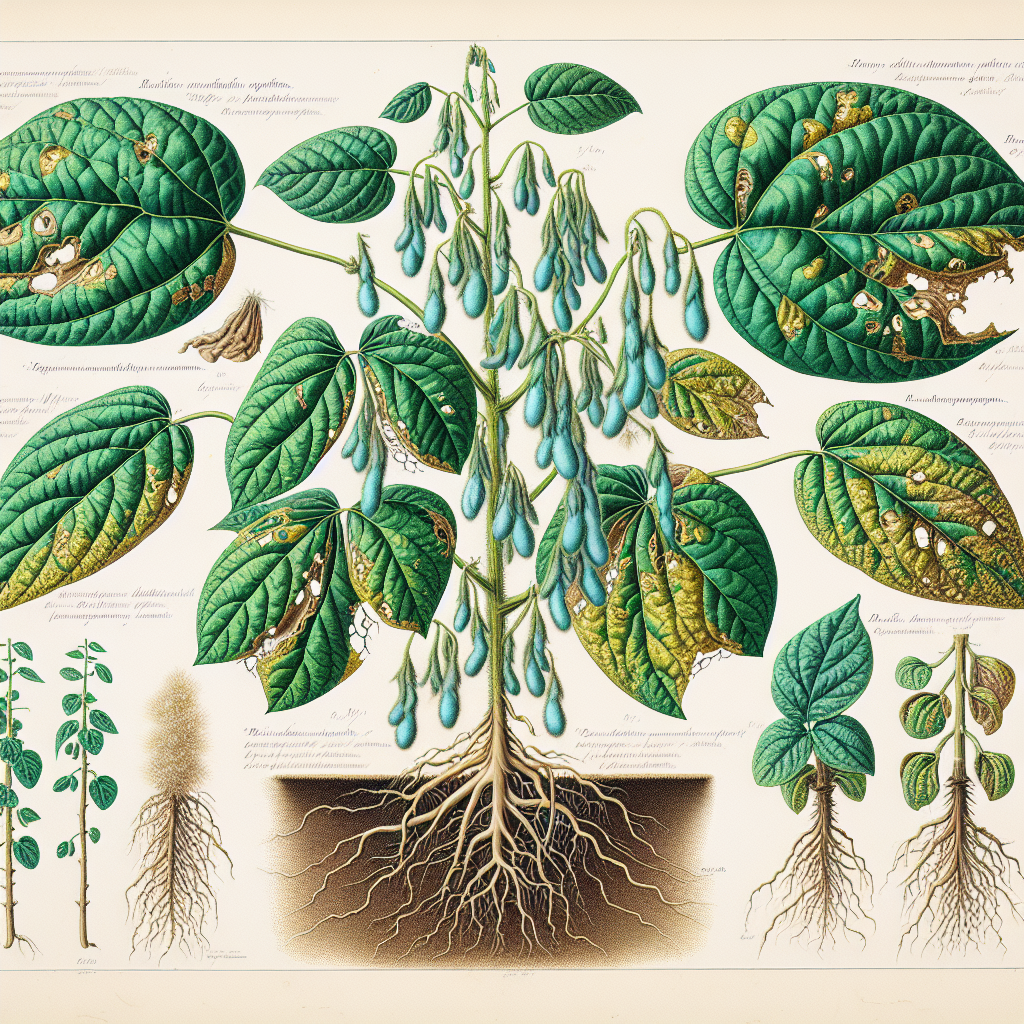
sudden death syndrome
Sudden Death Syndrome (SDS) is a devastating fungal root disease primarily affecting soybeans, caused by Fusarium virguliforme, leading to rapid plant wilting and death during reproductive stages. It manifests as yellowing leaves with interveinal chlorosis progressing to necrosis, often without prior visible symptoms. Effective management relies on resistant varieties, soil health practices, and timely interventions to minimize yield losses up to 80%.
View Profile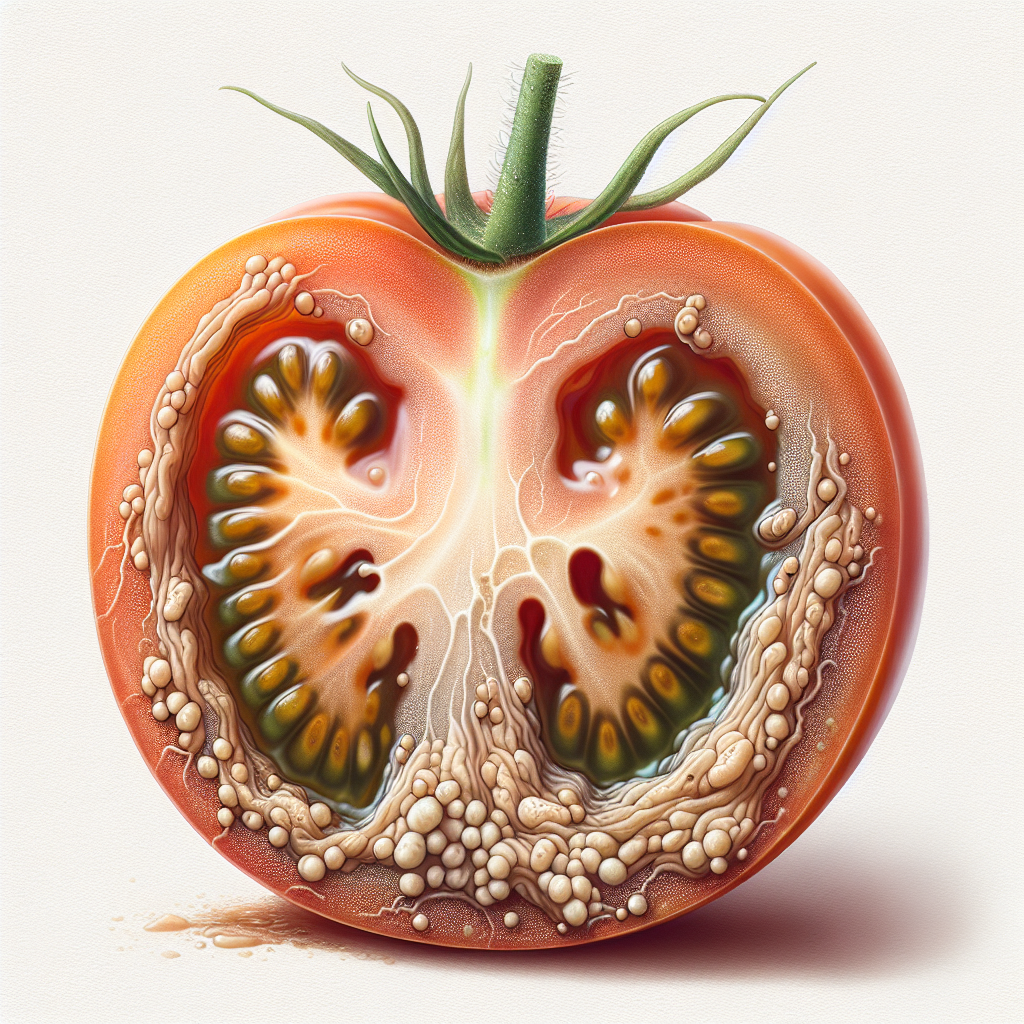
Summer rots
Summer rots are devastating fruit and stem diseases caused primarily by Phytophthora pathogens thriving in hot, humid conditions, leading to rapid tissue decay in susceptible crops. They manifest as soft, watery lesions that progress to complete rot, often exacerbated by poor drainage and overhead watering. Effective management relies on cultural practices, resistant varieties, and organic fungicides to minimize losses during peak summer heat.
View Profile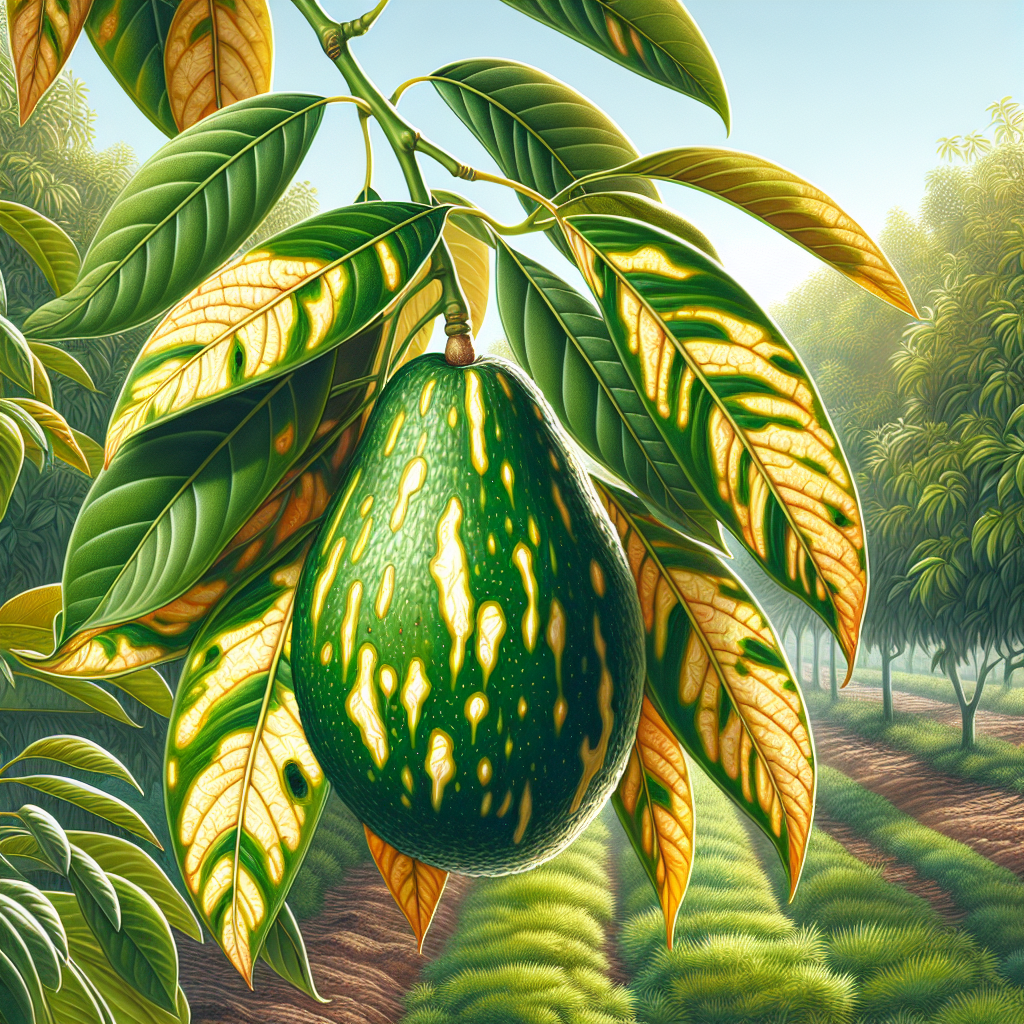
Sunblotch viroid
Sunblotch viroid is a highly contagious pathogen that primarily affects avocado trees, causing characteristic yellow or white blotches on leaves, stunted growth, and reduced fruit yield. This subviral agent spreads mechanically through contaminated tools, infected propagation material, and pollen. Effective management relies on certified disease-free planting stock and strict sanitation practices, as no curative treatments exist.
View Profile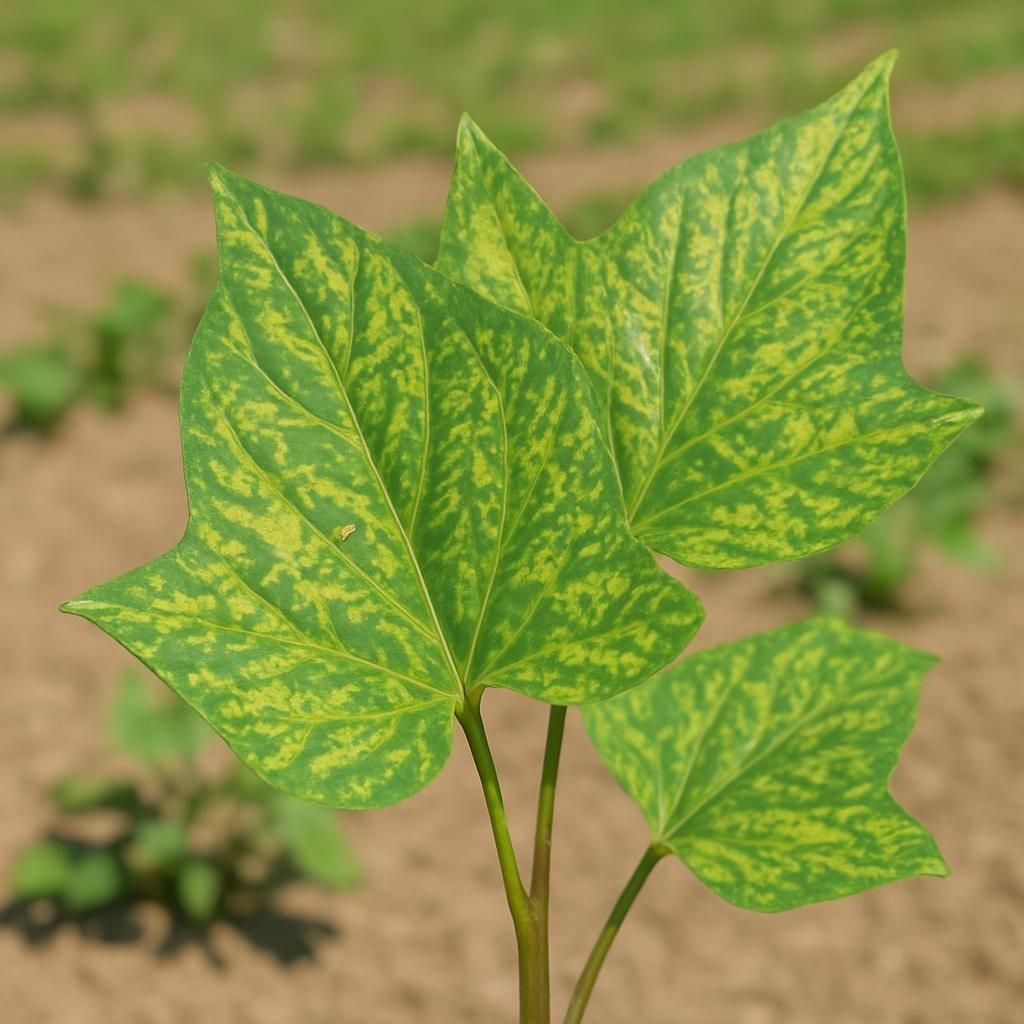
sweet potato feathery mottle virus
Sweet potato feathery mottle virus is a widespread potyvirus that causes chlorotic feathering, leaf mottling, and yield reductions in sweet potato crops. It is primarily spread by aphids in a non-persistent manner and through infected planting material. Early diagnosis combined with strict sanitation and vector management is essential for limiting losses.
View Profile
Take-all
Take-all is a devastating root and crown disease primarily affecting cereal crops like wheat and barley, caused by the soilborne fungus Gaeumannomyces tritici. It leads to poor nutrient and water uptake, causing stunted growth, premature ripening, and significant yield losses up to 50% in severe cases. Effective management relies on cultural practices, resistant varieties, and crop rotation rather than chemical controls.
View Profile
Tan spot
Tan spot is a widespread foliar disease of wheat caused by the fungus Pyrenophora tritici-repentis, leading to significant yield losses in susceptible varieties. It manifests as tan-colored lesions on leaves, reducing photosynthesis and grain quality. Effective management relies on resistant cultivars, crop rotation, and cultural practices.
View Profile
taro leaf blight
Taro leaf blight, caused by the oomycete Phytophthora colocasiae, is a devastating foliar disease affecting taro crops worldwide, leading to significant yield losses through rapid leaf necrosis and plant defoliation. This guide provides comprehensive diagnostics, organic management strategies, and prevention tactics tailored for small-scale farmers growing [Taro](/wiki/taro). Early detection and cultural practices are key to minimizing damage in humid tropical environments.
View Profile
tobacco mosaic virus
Tobacco mosaic virus (TMV) is a highly contagious plant virus causing mosaic patterns, leaf distortion, and yield losses in tobacco and numerous other crops. First identified in the late 19th century, it spreads mechanically via contaminated tools, hands, or sap and persists in plant debris. Effective management relies on prevention through sanitation, resistant varieties, and strict hygiene rather than curative treatments.
View Profile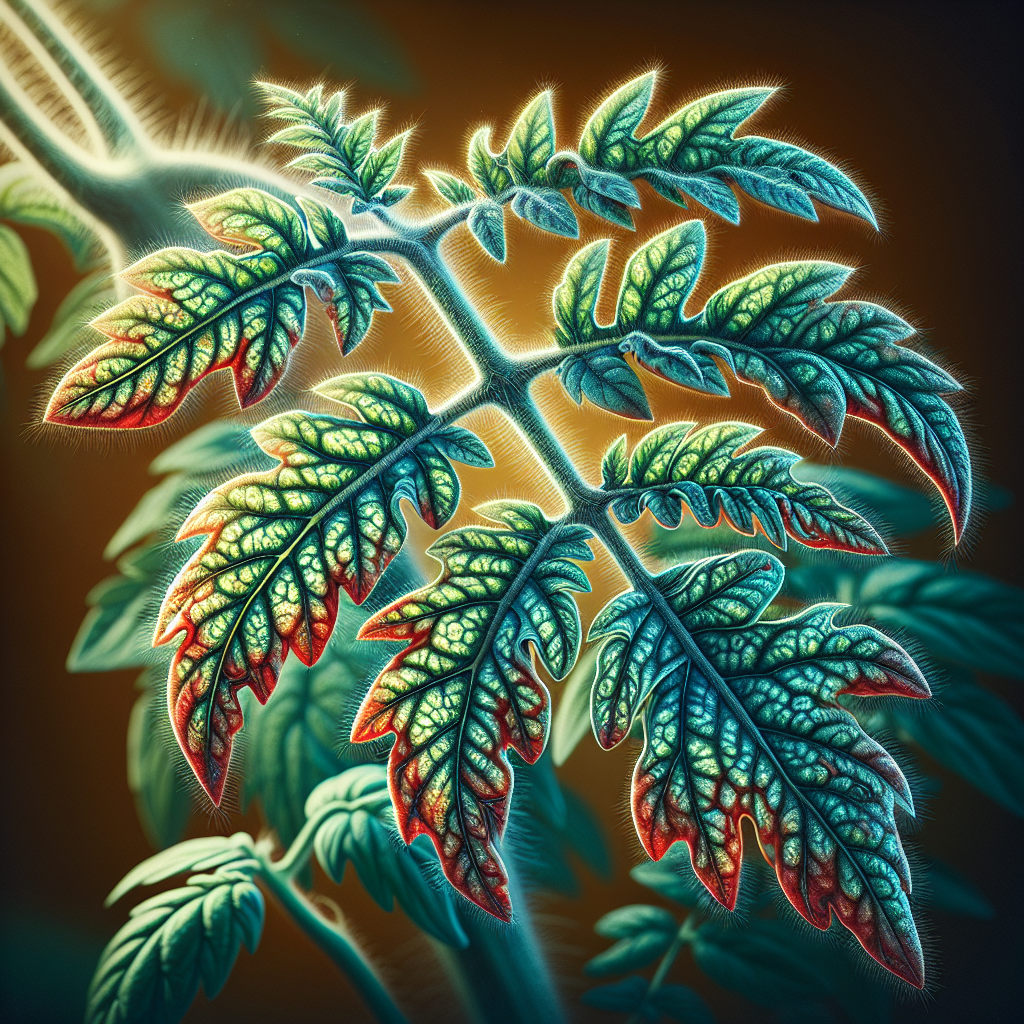
Tomato Mosaic Virus
Tomato Mosaic Virus (ToMV) is a highly contagious tobamovirus that causes mottled leaves, stunted growth, and reduced yields in tomato crops and related solanaceous plants. Transmitted mechanically through contaminated tools, hands, or infected plant debris, it persists in soil and seed for years. While no cure exists, prevention through sanitation and resistant varieties offers the best management strategy for sustainable tomato production.
View Profile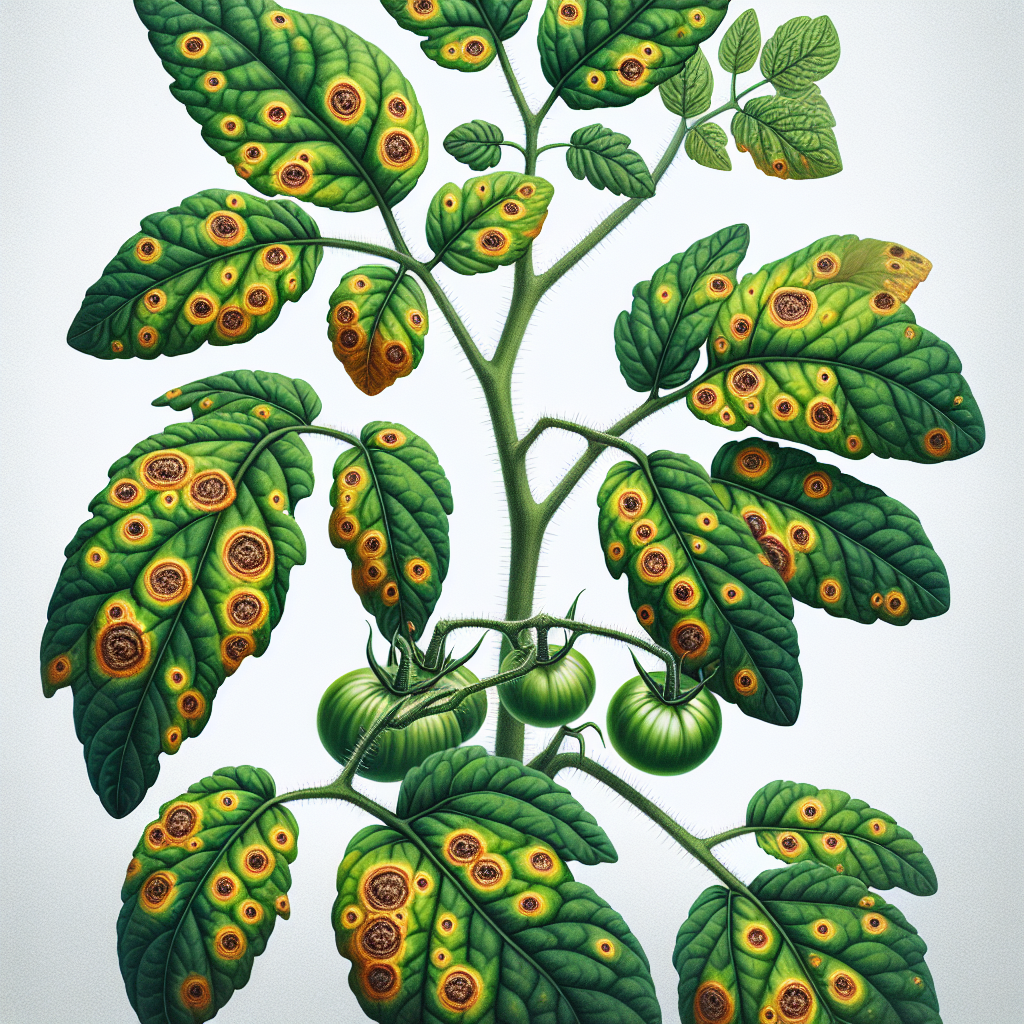
tomato spotted wilt virus
Tomato spotted wilt virus (TSWV) is a devastating viral disease transmitted primarily by thrips, causing characteristic bronze spots, wilting, and necrosis on tomatoes and other crops. It leads to significant yield losses through stunted growth and unmarketable fruit. Effective management relies on thrips control, resistant varieties, and strict sanitation practices.
View Profile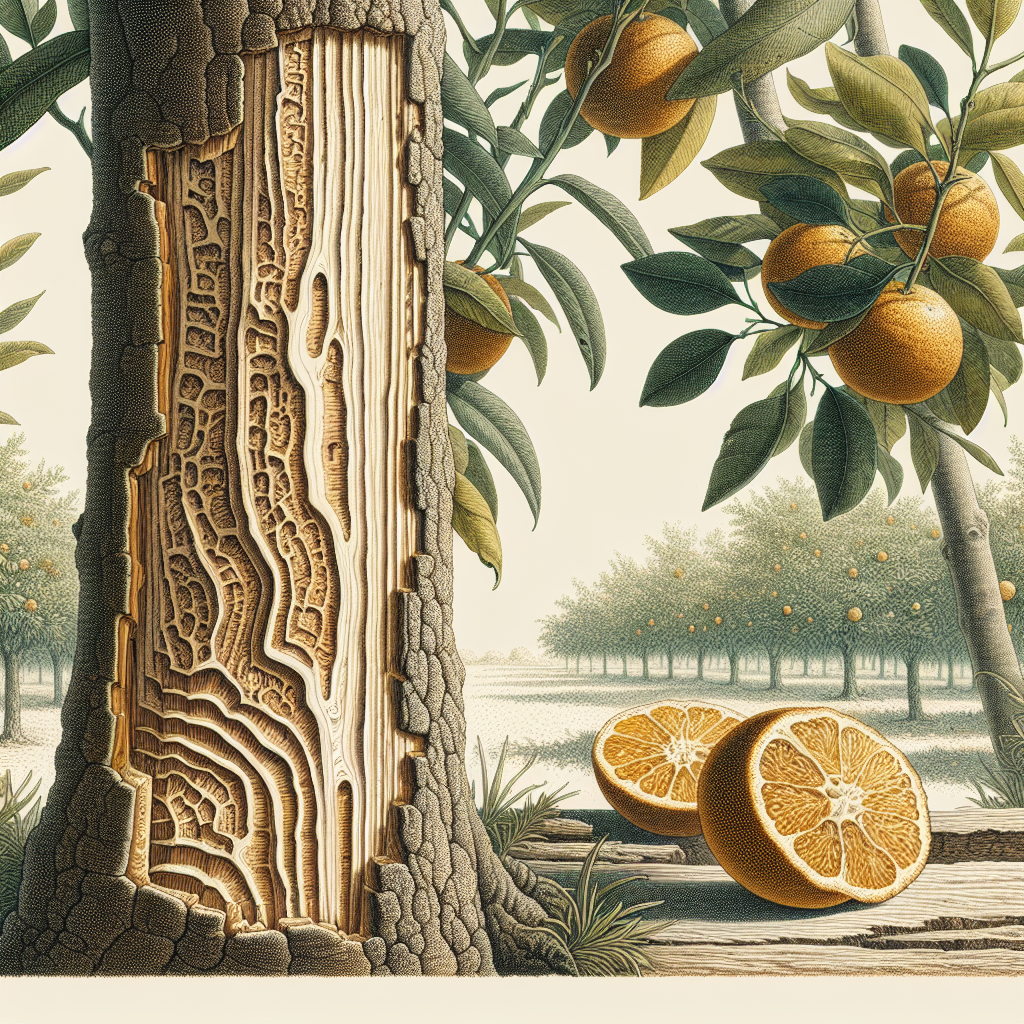
Tristeza
Tristeza, caused by Citrus tristeza virus (CTV), is one of the most devastating viral diseases affecting citrus crops worldwide, leading to quick decline and death of trees on susceptible rootstocks. Transmitted primarily by aphids, it causes stem pitting, decline, and massive yield losses in oranges, grapefruits, and other citrus varieties. Effective management relies on resistant rootstocks, vector control, and certified planting material.
View Profile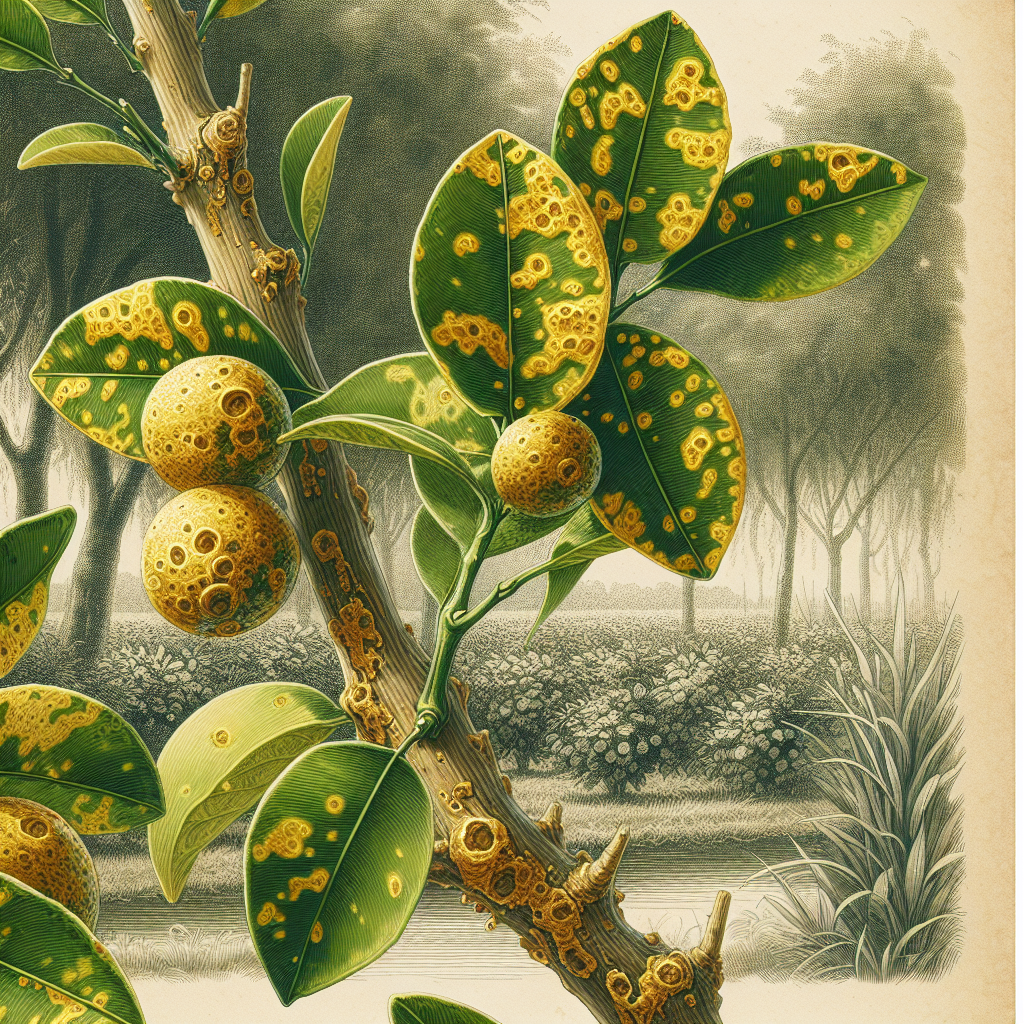
Tristeza virus
Tristeza virus, caused by Citrus tristeza virus (CTV), is a devastating aphid-transmitted pathogen primarily affecting citrus crops worldwide, leading to tree decline, stem pitting, and massive yield losses. Known for quick-spreading epidemics that have wiped out millions of trees, it poses a severe threat to commercial orchards and small farms alike. Effective management relies on certified virus-free stock, vector control, and vigilant monitoring.
View Profile
Tropical Race 4
Tropical Race 4 (TR4) is a devastating soil-borne fungal disease caused by Fusarium oxysporum f. sp. cubense, primarily targeting banana crops worldwide. It spreads through infected soil, water, and planting material, leading to rapid plant death and massive yield losses. Effective management relies on resistant varieties, strict biosecurity, and integrated cultural practices.
View Profile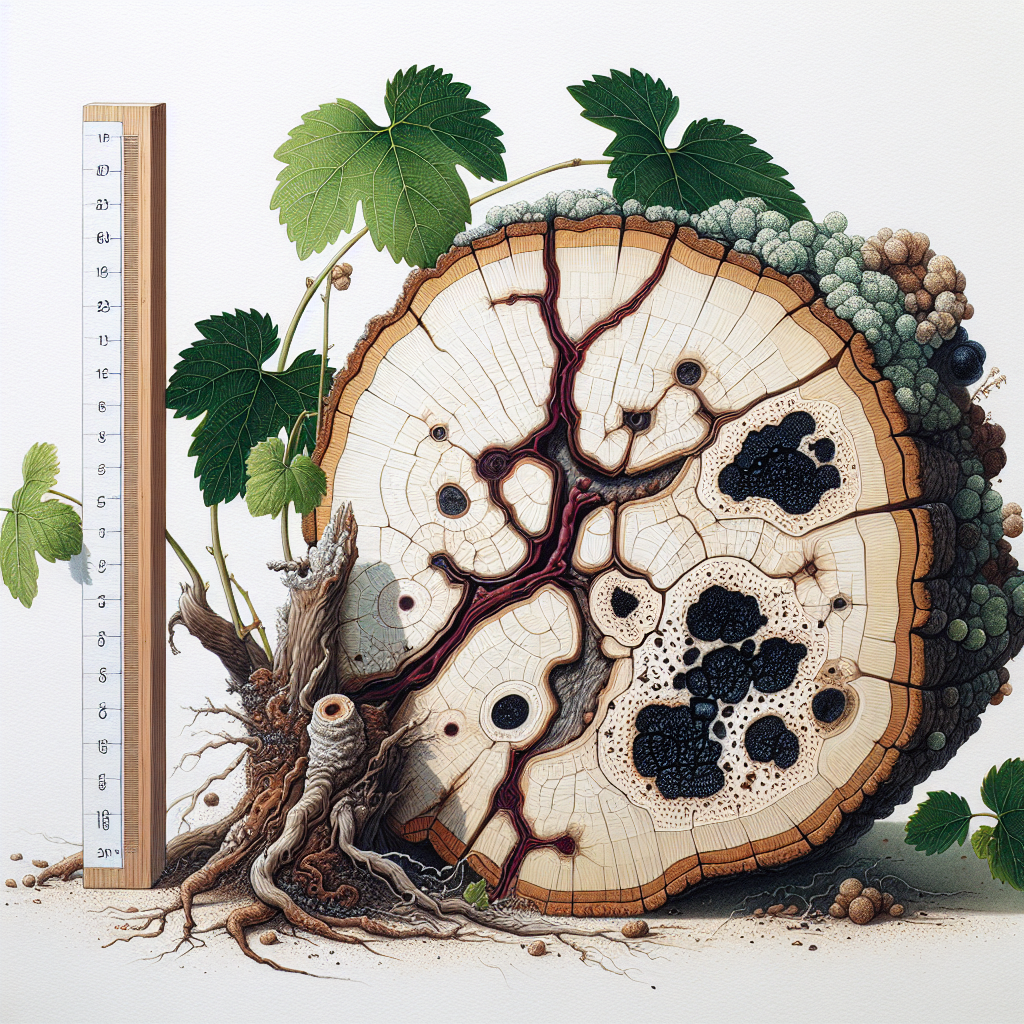
Trunk diseases
Trunk diseases are a complex of fungal infections affecting woody perennial crops, causing cankers, dieback, and internal wood decay that lead to tree decline and death. Primarily spread through pruning wounds, they pose significant threats to orchards and vineyards worldwide. Effective management relies on prevention, cultural practices, and organic treatments to minimize losses.
View Profile