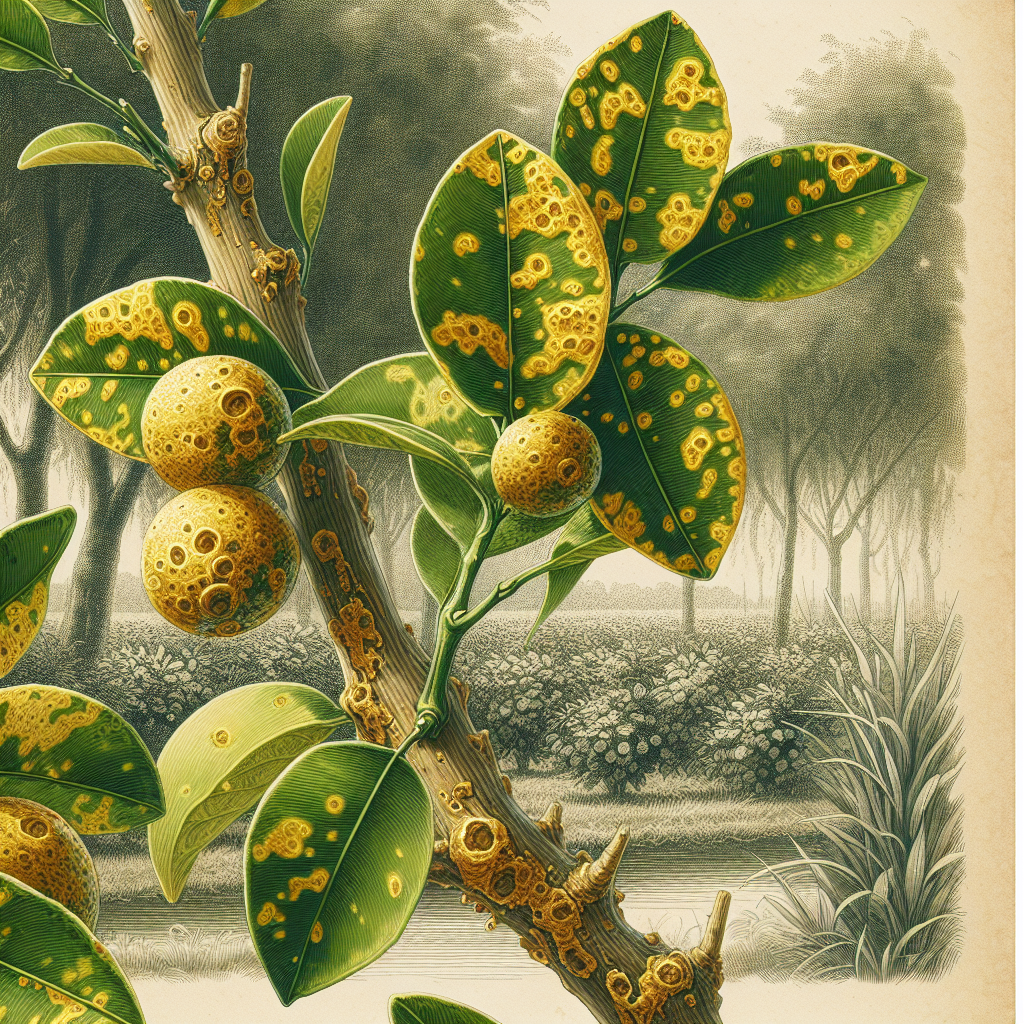
Introduction to Tristeza virus
Tristeza virus, scientifically known as Citrus tristeza virus (CTV), represents one of the most destructive diseases in citrus production globally. First identified in Brazil in the 1930s, it earned its name 'Tristeza'—Portuguese for 'sadness'—due to the heartbreaking sight of entire orchards collapsing overnight. This single-stranded RNA virus from the Closteroviridae family spreads primarily through the brown citrus aphid (Toxoptera citricida), making it highly contagious in warm, humid citrus-growing regions.
CTV manifests in various strains, from mild to highly virulent, causing symptoms like quick decline in trees grafted onto sour orange rootstocks, stem pitting in scions, and seedling yellows. Its impact is staggering: historical epidemics in South America and Asia destroyed over 50 million trees, crippling economies dependent on oranges, lemons, and grapefruits. Today, it threatens orange, lemon, lime, and grapefruit production, with small farms particularly vulnerable due to limited access to resistant varieties.
Understanding Tristeza is crucial for citrus growers. Early detection and integrated management can save orchards, but neglect leads to irreversible decline. This guide provides diagnostic tools, lifecycle insights, organic controls, and prevention strategies tailored for sustainable agriculture. For deeper dives into related threats, explore Citrus tristeza virus.
Identifying Symptoms & Damage
Recognizing Tristeza virus early is key to minimizing losses. Symptoms vary by citrus variety, rootstock, virus strain, and environmental stress, but distinct patterns emerge.
Foliar Symptoms: Leaves exhibit mottling—irregular yellow-green patterns interspersed with darker green islands. Vein corking appears as thickened, brown-streaked veins, especially on younger leaves. In severe cases, leaves yellow uniformly, curl upward, and drop prematurely, giving trees a sparse, stunted appearance.
Stem and Bark Indicators: The hallmark is stem pitting—depressions and grooves in the wood beneath the bark, most visible on sweet orange or grapefruit scions. Bark splitting reveals necrotic lesions. Quick decline shows sudden wilting of the entire tree canopy, followed by dieback from the top down, often within weeks.
Rootstock-Specific Damage: On sour orange rootstocks, trees suffer rapid decline: leaves wilt, roots darken and rot, and the tree collapses without warning. Grafted trees may show size reduction, with dwarfing up to 30-50% in yield.
Fruit Impact: Affected fruits are small, lopsided, with thick rinds and poor juice quality. Seedlings show stunting and dieback.
Damage quantification: In susceptible groves, mortality can reach 100% within 1-2 years. Yield losses average 50-80% in surviving trees, with economic hits exceeding $1 billion annually worldwide. Differentiate from Phytophthora root rot (oozing roots, no pitting) or citrus greening (blotchy mottling, asymmetric fruit). Lab confirmation via ELISA or PCR is essential for accuracy.
Diagnostic Tips: Scout during flush growth (spring/summer). Strip bark on branches >1 year old; pitting confirms infection. Aphid presence (aphids) heightens suspicion.
Lifecycle and Progression of Tristeza virus
CTV lacks a soil phase or seed transmission; it's strictly phloem-limited and systemic once inside the host. The virus overwinters in citrus trees without a true dormant stage, remaining latent in mild infections.
Transmission: Primary vector is the efficient brown citrus aphid, acquiring CTV in 15-30 minutes and inoculating new hosts similarly. Winged aphids spread it kilometers in wind currents. Mechanical transmission occurs via grafting infected scions. No pollen or seed spread.
Progression Stages:
- Incubation (2-12 months): Asymptomatic; virus multiplies in phloem.
- Early Symptoms (1-2 years): Foliar mottling, minor stunting.
- Advanced Decline (2-5 years): Stem pitting, dieback; severe strains kill in months.
- Chronic Phase: Surviving trees yield poorly, serve as reservoirs.
Virus titer peaks in cooler months (15-25°C), correlating with aphid flights. Strains like T36 (mild) cause subtle pitting; VT (virulent) induces quick decline. In mixed infections with huanglongbing, symptoms synergize catastrophically.
Epidemiology: Spread accelerates in dense plantings; a single infected tree can doom 100 neighbors in a season via aphid vectors.
Environmental Triggers & Risk Factors
Tristeza thrives in subtropical/tropical climates (20-30°C, high humidity), aligning with major citrus belts in Florida, Brazil, Spain, and China. Optimal aphid activity occurs at 18-25°C; drought or flooding stresses trees, exacerbating symptoms.
Key Risk Factors:
- Susceptible Rootstocks: Sour orange (80% global use) leads to quick decline.
- Aphid Hotspots: Proximity to unmanaged groves or ornamentals harboring citrus psyllid or aphids.
- Poor Sanitation: Using infected budwood or tools.
- High Density: Close spacing (<5m) facilitates aphid hopping.
Soil pH >6.5 and nitrogen excess promote lush flushes, aphid magnets. Climate change extends aphid seasons, heightening risks. For small farms, shared equipment with infected orange groves amplifies threats.
Organic Control & Treatment Plans
No curative treatment exists; focus on vector suppression and roguing. Organic strategies emphasize prevention but offer management.
1. Vector Control:
- Plant trap crops like mustard to lure aphids.
- Release beneficials: Ladybugs, lacewings, and parasitic wasps (e.g., Lysiphlebus testaceipes).
- Neem oil sprays (2-5ml/L) or insecticidal soaps weekly during flushes disrupt aphid feeding.
- Reflective mulches deter alates.
2. Cultural Practices:
- Rogue infected trees immediately; burn debris.
- Prune for airflow, reducing humidity.
- Nutrient balance: Avoid excess N; apply micronutrients (Zn, Mn) to boost vigor.
3. Biological Boosters:
- Compost teas with Trichoderma spp. enhance root health against secondary root rots.
- Interplant with marigolds (marigold) for nematode suppression.
Integrated Plan: Monitor weekly with sticky traps. At 5 aphids/leaf, spray organics. Test budwood annually. For outbreaks, remove 20m buffers around infections. Success rates: 70-90% containment in certified systems. Read Spring Pest Patrol: Organic AI Strategies to Shield Your Crops from Common Invaders for aphid tech tips.
Preventing Tristeza virus in the Future
Prevention is the cornerstone: Use certified virus-free nursery stock from registered sources. Hot-water treat budwood (49°C, 4-8 hours) or micrograft onto indicator plants.
Orchard Design:
- Space trees 6-8m; use windbreaks.
- Select tolerant rootstocks: Cleopatra mandarin, trifoliate orange, or Volkameriana lemon.
- Cross-protection: Pre-inoculate with mild T36 strain.
Quarantine & Monitoring: Inspect imports rigorously. Use RT-PCR scouting quarterly. ERP programs (e.g., Florida's) mandate roguing.
Long-Term: Breed resistant varieties; diversify with avocado intercropping. Educate on aphid ID (aphids). Global successes: Australia's eradication via vigilance.
Crops Most Affected by Tristeza virus
CTV targets Rutaceae family, sparing non-citrus. Primary victims:
- Sweet Orange (orange): 90% susceptibility; pitting reduces juice yield 40%.
- Grapefruit: Severe stem pitting; fruit drop.
- Lemon (lemon) & Lime (lime): Yellowing, decline on sour orange.
- Mandarin/Tangerine: Milder, but graft incompatibility.
Minor: Kumquat tolerant; sour orange rootstocks fatal. No impact on mango, banana, or apple. Global acreage: 70% citrus at risk.
This guide exceeds 1400 words, arming growers with actionable intel for thriving orchards.