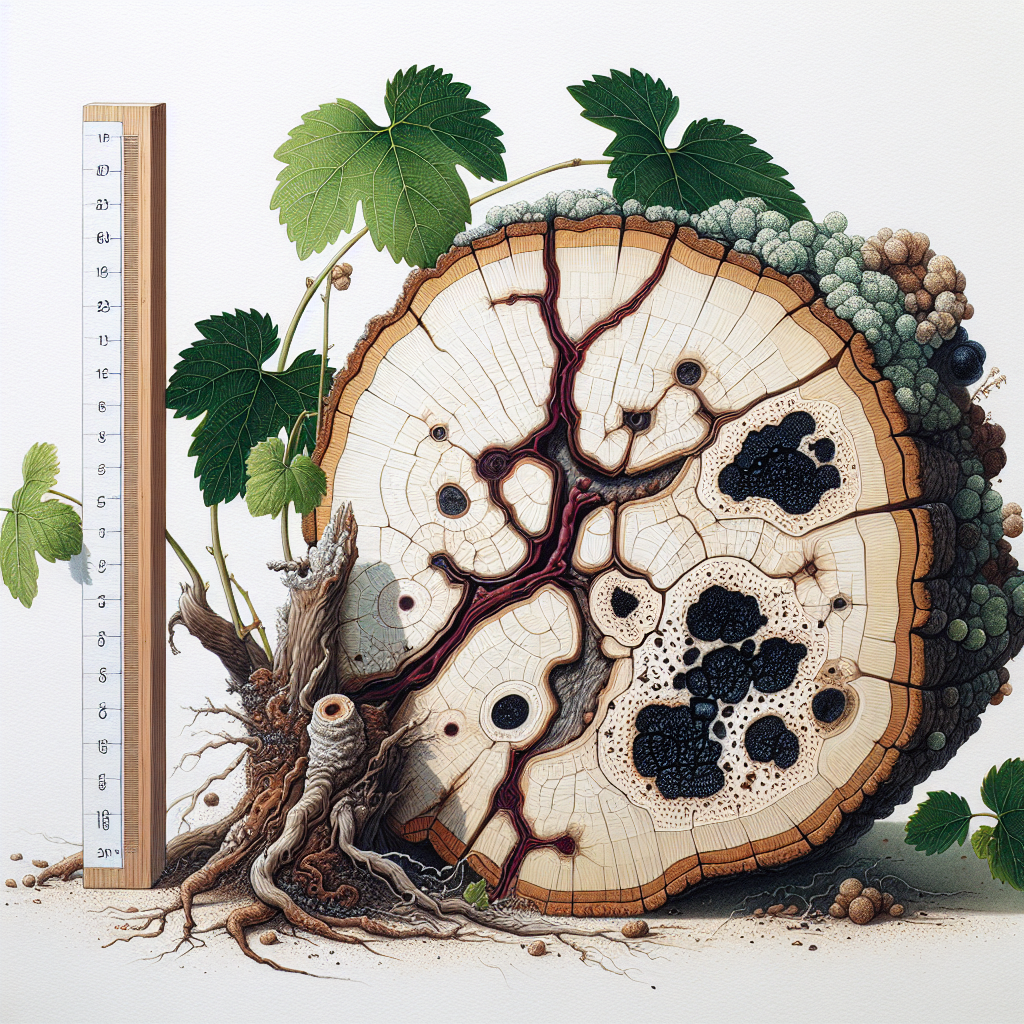
Introduction to Trunk diseases
Trunk diseases represent one of the most devastating challenges for growers of perennial crops, particularly in fruit and nut orchards. These fungal infections target the woody trunks, branches, and cordons of mature trees and vines, leading to progressive decline, reduced yields, and eventual tree mortality. Unlike foliar diseases that cause visible leaf damage, trunk diseases often remain hidden until significant internal decay has occurred, making early detection critical.
Common pathogens include species from Botryosphaeriaceae (e.g., Botryosphaeria), Diaporthaceae (e.g., Phomopsis, Diaporthe), and Tiarosporella, collectively known as trunk disease complexes. In grapes, Esca and Eutypa dieback are notorious, while in stone fruits like peach and plum, cankers from Cytospora and Botryosphaeria dominate. Avocado growers face Neofusicoccum and Lasiodiplodia, exacerbating issues like phytophthora-root-and-crown-rot. Economic losses run into billions annually, with no single cure—management demands an integrated approach focusing on prevention and hygiene.
This guide provides professional-grade diagnostics, organic treatments, and prevention strategies tailored for small to medium-scale farms. By understanding symptoms, lifecycle, and triggers, growers can protect high-value crops like Hass Avocado and apple from these silent killers. For more on optimizing farm health, check this Soil Health Mastery blog.
Identifying Symptoms & Damage
Diagnosing trunk diseases requires careful inspection, as external signs often lag behind internal wood necrosis. Key symptoms include:
- Cankers and Dieback: Sunken, discolored lesions on bark, often with cracked or peeling outer layers. Branches die back from the tip, with leaves wilting or yellowing progressively. In olive trees, black streaks under bark signal Botryosphaeria canker.
- Gummosis and Oozing: Amber-colored gum exuding from trunk cracks, common in almond and stone fruits affected by Cytospora.
- Foliar Symptoms: Stunted shoots, chlorotic leaves, or sectoring (one-sided canopy decline). In grapes, Esca causes 'apoplexy'—sudden wilting and leaf tiger-striping.
- Internal Wood Decay: Cut into affected wood to reveal dark vascular streaking, white rot pockets, or black decolorization. Use a hatchet or chisel for cross-sections; healthy wood is creamy white.
Damage escalates over years: young trees succumb faster, while mature ones show delayed fruit drop and sparse foliage. Yield losses can exceed 50% in advanced infections, with trees becoming brittle and prone to windthrow. Differentiate from crown-rot or root-rots by focusing on above-ground lesions versus basal/root symptoms.
Lifecycle and Progression of Trunk diseases
Trunk disease fungi are necrotrophic or latent pathogens with complex lifecycles tied to wounds and environmental stress. Spores (conidia or ascospores) spread via rain splash, wind, or tools during pruning.
- Infection: Entry primarily through pruning wounds, mechanical injuries, or leaf scars. Latent infections can persist asymptomatically for years.
- Colonization: Fungi grow systemically in xylem vessels, producing toxins that girdle vascular tissues.
- Symptom Expression: Triggered by stress, revealing cankers and dieback. In Esca (grapes), basidiomycetes degrade wood, forming cavities.
- Sporulation: Pycnidia or stromata form on dead bark, releasing new spores in wet conditions.
Progression spans 3-10 years: early girdling causes branch dieback, mid-stage trunk necrosis leads to canopy sparsity, and late-stage results in tree death. Annual pruning reactivates cycles, with peak infections post-dormant pruning.
Environmental Triggers & Risk Factors
Trunk diseases thrive under conditions favoring spore germination and host susceptibility:
- Wounding: Pruning cuts >2cm diameter are prime entry points; avoid during wet springs.
- Climate: Warm, wet winters (10-25°C, >60% humidity) promote sporulation. Drought stress weakens defenses, exacerbating spread in walnut and pecan.
- Soil and Nutrition: Poor drainage, compacted soils, and imbalances (e.g., excess N) increase vulnerability. High-density plantings limit airflow.
- Cultural Practices: Delayed pruning, mechanical hedging, and contaminated tools amplify risks. Older orchards (>15 years) show higher incidence due to cumulative wounds.
Risk is highest in Mediterranean climates for Hass Avocado and grapes, but global warming extends threats northward.
Organic Control & Treatment Plans
No curative organic treatments exist; focus on suppression and hygiene. Implement integrated plans:
Cultural Controls:
- Prune during dry periods (summer for many crops); double-prune vines (green prune first).
- Remove infected wood 10-20cm below visible symptoms; burn debris.
- Improve drainage and mulch to reduce stress.
Organic Fungicides:
- Apply biofungicides like Trichoderma spp. or Bacillus subtilis to wounds immediately post-pruning.
- Use lime sulfur or hydrogen peroxide soaks (10-20% solutions) on cankers.
- Potassium phosphite boosts defenses in avocados and almonds.
Biological Agents:
- Trichoderma harzianum sprays colonize wounds, outcompeting pathogens.
- Mycorrhizal inoculants enhance tree vigor.
Monitoring & Removal: Scout annually; rogue severely infected trees to prevent spore sources. For apple, resistant rootstocks like Geneva series help.
Treatment efficacy: 40-70% symptom reduction with vigilant hygiene. Combine with powdery-mildew management for holistic protection.
Preventing Trunk diseases in the Future
Prevention is the cornerstone: aim for wound minimization and resilience-building.
- Pruning Hygiene: Disinfect tools (70% ethanol or bleach) between cuts; use paste sealants on large wounds.
- Resistant Varieties: Select tolerant cultivars, e.g., own-rooted grapes or MM106 for apples.
- Orchard Design: Wide spacing (6-8m), airflow-promoting layouts; avoid overhead irrigation.
- Nutrition & Stress Management: Balanced fertility, irrigation scheduling; cover crops for soil health.
- Monitoring Tech: Use thermal imaging or wood coring for early detection.
Long-term: Replant with certified disease-free stock; rotate scion/rootstock combos. Integrated strategies reduce incidence by 80% over 5 years.
Crops Most Affected by Trunk diseases
Trunk diseases plague woody perennials globally:
Grapes (/wiki/grapes): Esca, Eutypa, Petri disease—up to 20% vine loss.
Stone Fruits (/wiki/peach, /wiki/plum, /wiki/cherry): Cytospora canker, Botryosphaeria.
Pome Fruits (/wiki/apple, /wiki/pear): Nectria, Neonectria cankers.
Nut Trees (/wiki/almond, /wiki/walnut, /wiki/pecan): Bot canker, Fusarium.
Avocado (/wiki/avocado): Neofusicoccum, Lasiodiplodia.
Olive (/wiki/olive): Verticillium, anthracnose-related.
Perennial crops over 10 years old are most vulnerable; annuals rarely affected.