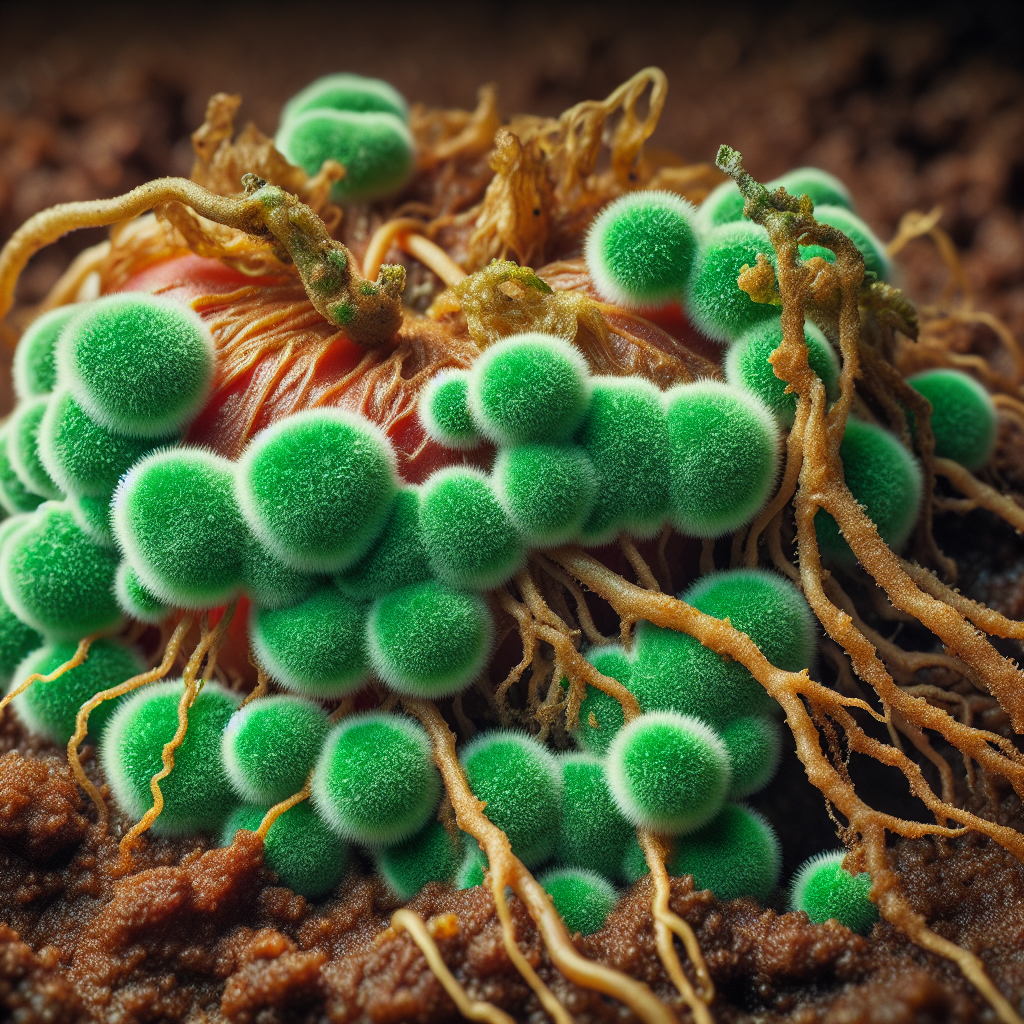
Introduction to Trichoderma
Trichoderma represents a complex group of soil-borne fungi renowned in modern agriculture for their beneficial roles, yet capable of turning problematic when conditions favor pathogenicity. As a professional botanist and agricultural expert, I emphasize that while Trichoderma species like T. harzianum and T. viride are widely used as biopesticides to combat pathogens such as Fusarium and Rhizoctonia, they can opportunistically infect plants, seeds, and post-harvest produce, leading to green mold diseases. This definitive diagnostic and management guide equips farmers with practical, professional-grade advice to identify, treat, and prevent Trichoderma-related issues, ensuring optimal crop health and yield protection. Understanding its dual nature—friend or foe—is key to sustainable farming practices.
In organic and conventional systems alike, Trichoderma thrives in moist, organic-rich environments, often appearing as a green powdery coating. Early detection and targeted interventions can mitigate damage, preserving harvests of high-value crops. This comprehensive resource draws from extensive field research and entomological insights, offering SEO-optimized strategies for long-term agricultural success.
Identifying Symptoms & Damage
Recognizing Trichoderma infections requires keen observation of early signs, which vary by crop stage and species. Initial symptoms include a distinctive green mycelial growth on roots, stems, seeds, or fruits, often accompanied by a musty odor. In seedlings, damping-off manifests as sudden wilting and collapse, with roots covered in white-to-green fuzz transitioning to powdery green spores. Affected tissues become soft, water-soaked, and prone to secondary invasions by bacteria.
On mature plants like tomato or cucumber, stem lesions appear as greenish patches that expand rapidly in humid conditions, leading to girdling and plant death. Post-harvest, fruits such as avocado or mango develop green mold rot, rendering them unmarketable. Damage assessment involves checking for sporulation under magnification—Trichoderma conidia are spherical, green, and clustered in pustules. Yield losses can reach 20-50% in severe cases, particularly in greenhouses where humidity exceeds 85%.
Diagnostic confirmation uses selective media like potato dextrose agar (PDA), where Trichoderma grows rapidly (3-5 days) with characteristic coiled branches. Differentiate from Pythium (watery rot, no green spores) or Botrytis (gray mold). Regular scouting, especially after heavy rains or over-irrigation, is crucial for timely intervention.
Lifecycle and Progression of Trichoderma
Trichoderma's lifecycle is rapid and adaptive, enabling quick colonization. Ascospores or conidia disperse via air, water splash, or contaminated tools, germinating in 12-24 hours under optimal conditions (25-30°C, pH 4-6). Mycelium penetrates plant tissues through wounds or natural openings, producing enzymes like chitinases that degrade cell walls.
The asexual cycle dominates: hyphae branch profusely, forming conidiophores that release billions of green conidia in 3-7 days. Sexual reproduction is rare. Progression starts with root colonization (rhizosphere dominance), escalating to pathogenesis in stressed plants—seedlings succumb first, followed by crowns and fruits. In soil, chlamydospores ensure long-term survival (up to 2 years).
Disease cycles repeat with each moisture event; a single infected seedling can sporulate enough to infect neighboring plants. Integrated management disrupts this by altering microenvironments. For deeper insights, explore Why Misidentifying Plants Costs Small Farms Thousands - And How AI Camera Diagnosis Fixes It Fast, which aids in precise fungal ID.
Environmental Triggers & Risk Factors
Trichoderma flourishes in warm (20-35°C), humid (>80% RH) conditions with abundant organic matter. Overwatering, poor drainage, and high soil moisture (>60%) are primary triggers, common in greenhouses or tropical fields. Compacted soils limit aeration, favoring anaerobic-tolerant strains.
Risk factors include excessive compost application without sterilization, introducing spores; wounded plants from mechanical injury or aphids feeding; and monocropping that depletes soil diversity. Acidic soils (pH <6) enhance sporulation. Climate change exacerbates issues with prolonged wet seasons. Crops under abiotic stress—drought followed by flooding—are most susceptible, as weakened defenses allow opportunistic infection.
Monitoring tools like soil moisture probes and hygrometers help predict outbreaks. Avoid overhead irrigation to minimize leaf wetness duration (<6 hours).
Organic Control & Treatment Plans
Organic management leverages Trichoderma's own biology against it, prioritizing cultural, biological, and minimal chemical interventions. Step 1: Cultural Controls—Improve drainage with raised beds or sand amendments; space plants for airflow (e.g., 45-60 cm for tomatoes). Remove and destroy infected debris to break spore cycles.
Step 2: Biological Agents—Introduce antagonistic microbes like Bacillus subtilis or Pseudomonas fluorescens via drenches (1-2 L/ha). Beneficial nematodes (Steinernema feltiae) target soil stages. Avoid overusing Trichoderma-based biopesticides ironically.
Step 3: Organic Sprays—Neem oil (0.5%) or potassium bicarbonate (1%) foliarly suppresses sporulation. Bicarbonate raises pH, inhibiting growth. Hydrogen peroxide (3%, 1:10 dilution) soil drench oxidizes mycelium—apply at 5-7 day intervals.
Step 4: Treatment Timeline—Week 1: Remove infected plants; drench with biofungicides. Week 2-4: Foliar sprays + mulch with lime-treated straw. Monitor weekly. For severe cases in Oyster Mushroom cultivation, pasteurize substrates at 65°C for 90 minutes. Integrated plans reduce incidence by 70-90%.
Preventing Trichoderma in the Future
Prevention is the cornerstone of Trichoderma management, focusing on exclusion and resilience-building. Use certified disease-free seeds and solarize soil (black plastic, 4-6 weeks summer) to kill spores. Rotate crops with non-hosts like clover or grains, breaking soil inoculum.
Maintain soil pH 6.5-7.5 with lime; incorporate mycorrhizal inoculants for root protection. Drip irrigation minimizes foliage wetting. Sanitize tools with 10% bleach. In greenhouses, install ventilation fans and dehumidifiers targeting <75% RH. Scout biweekly, especially post-rain. Long-term, foster soil biodiversity via cover crops and reduced tillage—healthy microbiomes outcompete pathogens naturally.
Annual soil testing guides amendments. Educate teams on hygiene to prevent spread.
Crops Most Affected by Trichoderma
Trichoderma impacts a wide range, particularly high-moisture specialty crops. Field crops like soybeans, cassava, and sugarcane suffer seedling losses. Vegetables including tomato, cucumber, eggplant, and potato show stem rots. Tropical fruits—mango, banana, avocado, papaya—experience post-harvest green mold.
Mushrooms like oyster mushroom face substrate contamination. Greenhouse ornamentals and herbs (Thai basil) are vulnerable. Grains (rice, corn) see reduced stands in flooded fields. Yield impacts are highest (30-60%) in organic systems with heavy compost use. Tailor prevention to crop specifics for maximal efficacy.