Encyclopedia
Definitive guides for crops, pests, and agricultural diseases.

husk rot
Husk rot is a destructive fungal disease primarily affecting nut crops like pecans, walnuts, and chestnuts, caused by Phytophthora species that thrive in wet conditions. It leads to rapid decay of fruit husks, causing premature drop and significant yield losses. Effective management relies on cultural practices, sanitation, and targeted organic fungicides.
View Profile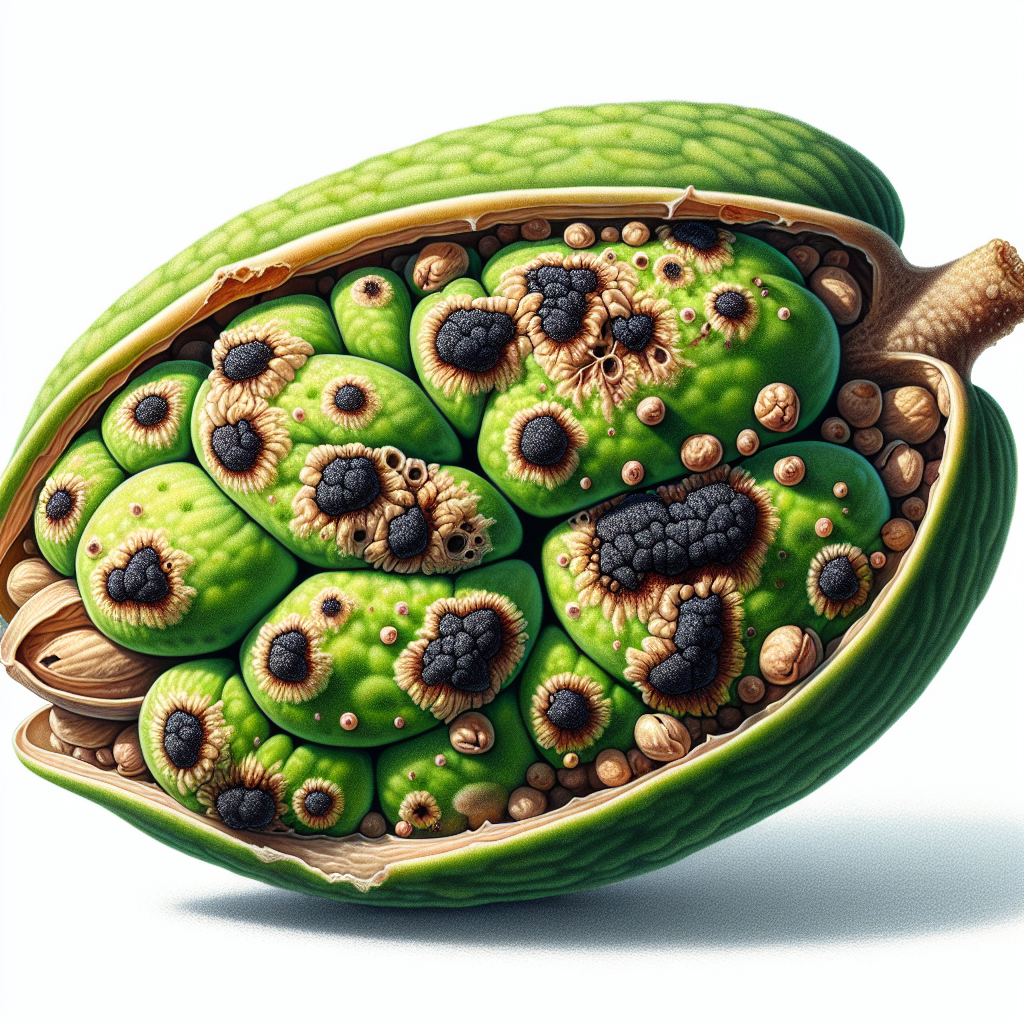
husk spot
Husk spot is a fungal disease primarily affecting pistachio trees, causing dark lesions and premature dehiscence of the husk surrounding the nut. Caused by Phomopsis pistaciae, it leads to significant yield losses through nut drop and reduced quality. Effective management relies on cultural practices, sanitation, and targeted fungicide applications during critical growth stages.
View Profile
Ink disease
Ink disease is a devastating soil-borne fungal-like pathogen primarily affecting chestnut trees and certain fruit crops, causing dark ink-like lesions on roots and stems. It thrives in poorly drained, wet soils and leads to rapid tree decline through root rot and girdling. Early detection and improved drainage are key to management in affected orchards.
View Profile
Katte disease
Katte disease, also known as little leaf disease, is a devastating phytoplasma-induced disorder primarily affecting cardamom crops in India. Transmitted by the vector Hishimonus phycitis, it causes witches' broom symptoms, stunted growth, and severe yield losses up to 100%. Early detection and integrated management are crucial for protecting cardamom plantations.
View Profile
Late blight
Late blight is a devastating fungal-like disease caused by Phytophthora infestans, infamous for causing the Irish Potato Famine. It rapidly destroys potato and tomato foliage, stems, and fruits under cool, moist conditions, leading to total crop loss if unchecked. This guide provides comprehensive diagnostics, organic management, and prevention strategies for farmers.
View Profile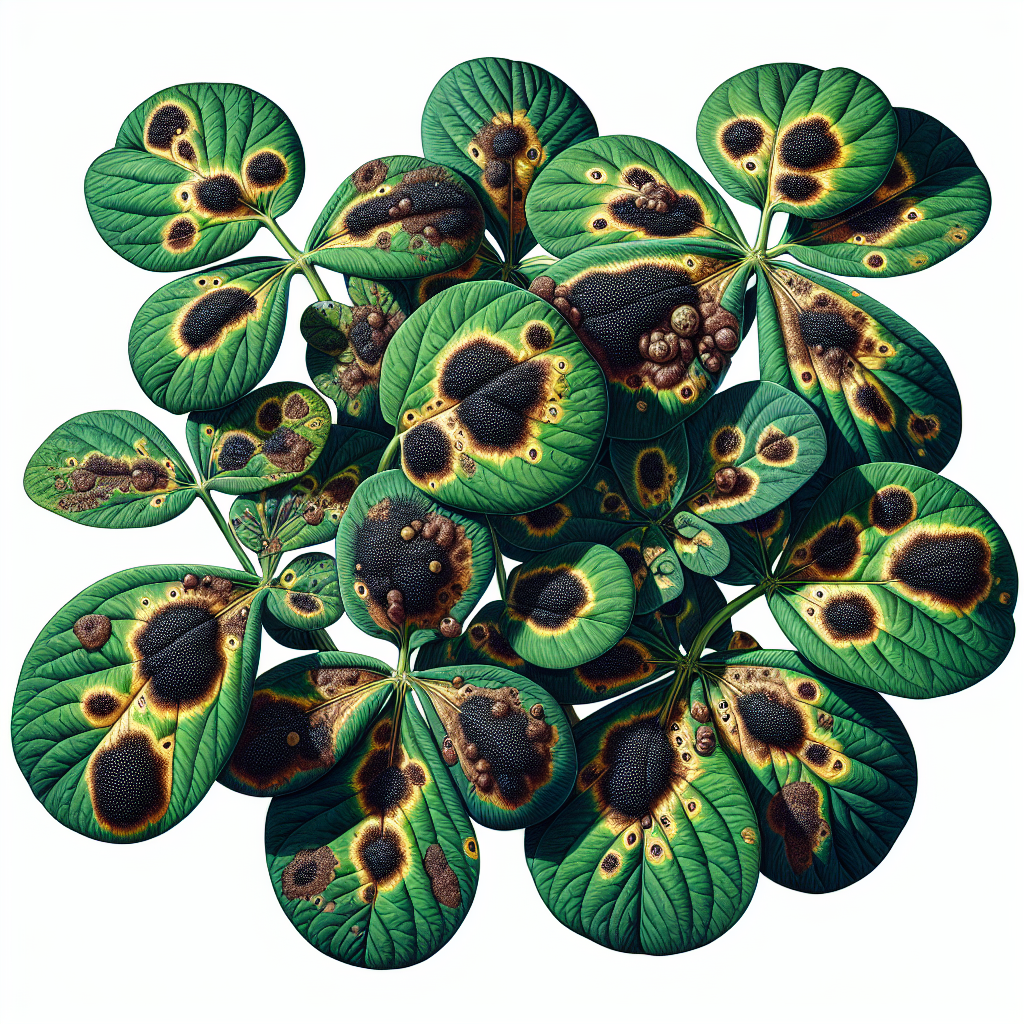
Late leaf spot
Late leaf spot is a devastating fungal disease primarily affecting peanuts, caused by Cercosporidium personatum, leading to significant defoliation and yield losses up to 50% in severe cases. It thrives in warm, humid conditions and is distinguished from early leaf spot by its darker lesions and later-season appearance. Effective management combines cultural practices, resistant varieties, and timely fungicide applications for optimal control.
View Profile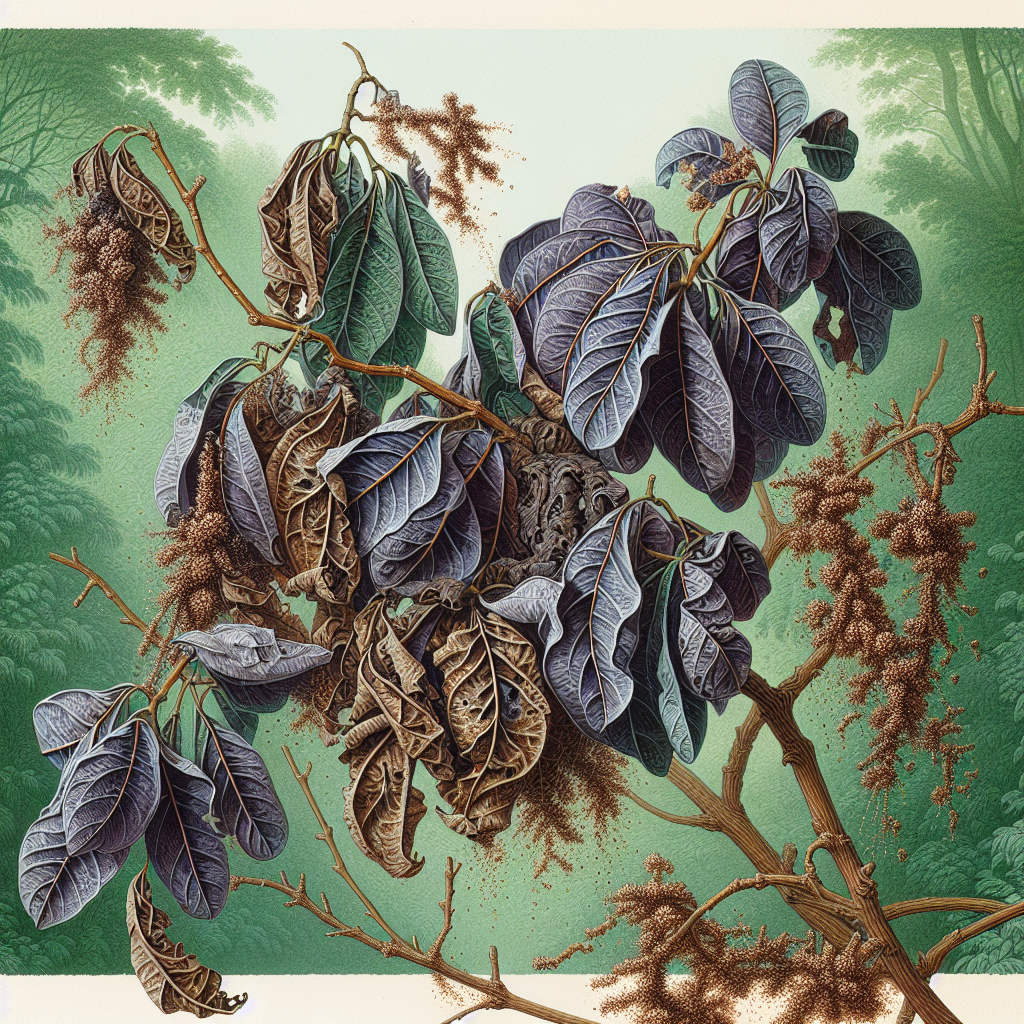
Laurel wilt
Laurel wilt is a lethal vascular disease caused by the fungus Raffaelea lauricola, primarily vectored by the invasive redbay ambrosia beetle (Xyleborus glabratus). It devastates trees in the Lauraceae family, causing rapid wilting and death, with significant impacts on native ecosystems and ornamental landscapes. Early detection and aggressive management are crucial to limit spread.
View Profile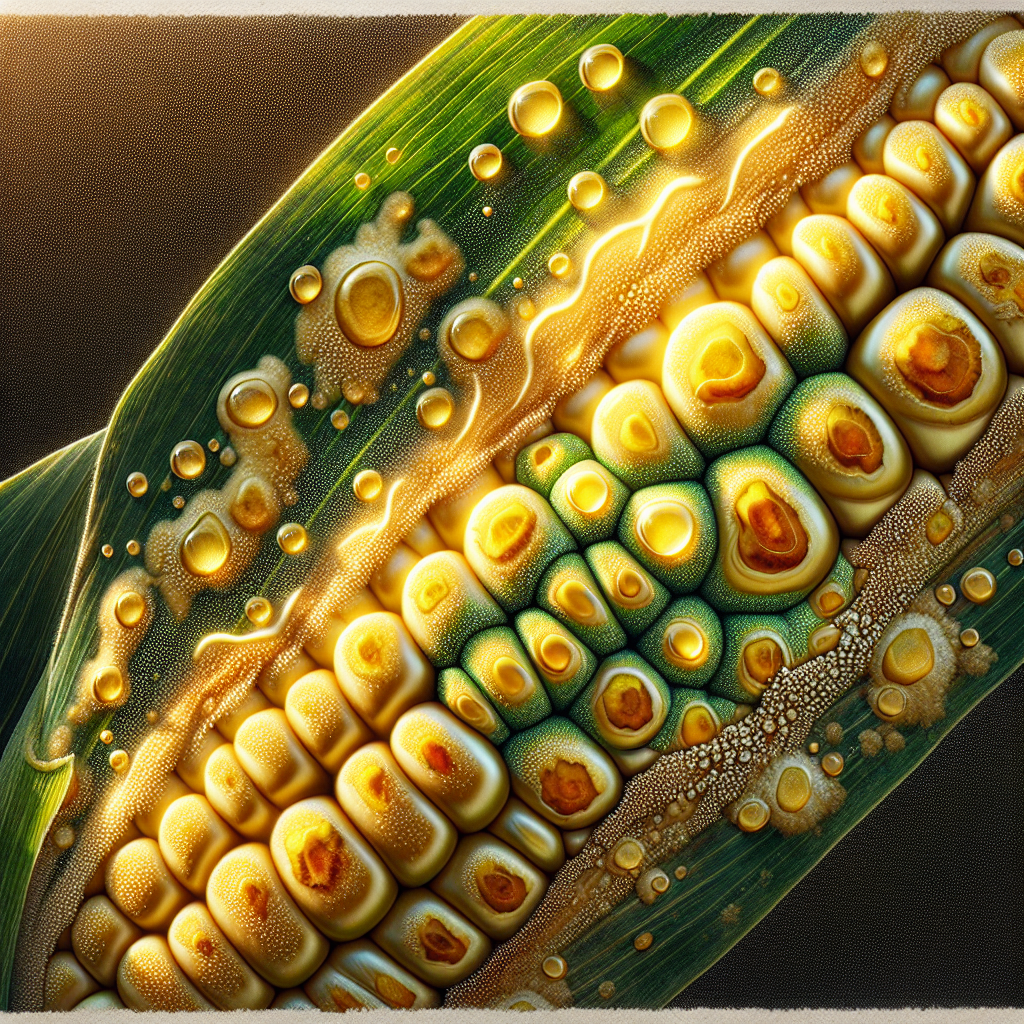
Leaf blight
Leaf blight is a widespread fungal disease causing rapid leaf necrosis and yield losses in major crops like corn, rice, and tomatoes. It thrives in warm, humid conditions, spreading via spores and leading to blighted patches that reduce photosynthesis. Early detection and integrated management are key to minimizing damage.
View Profile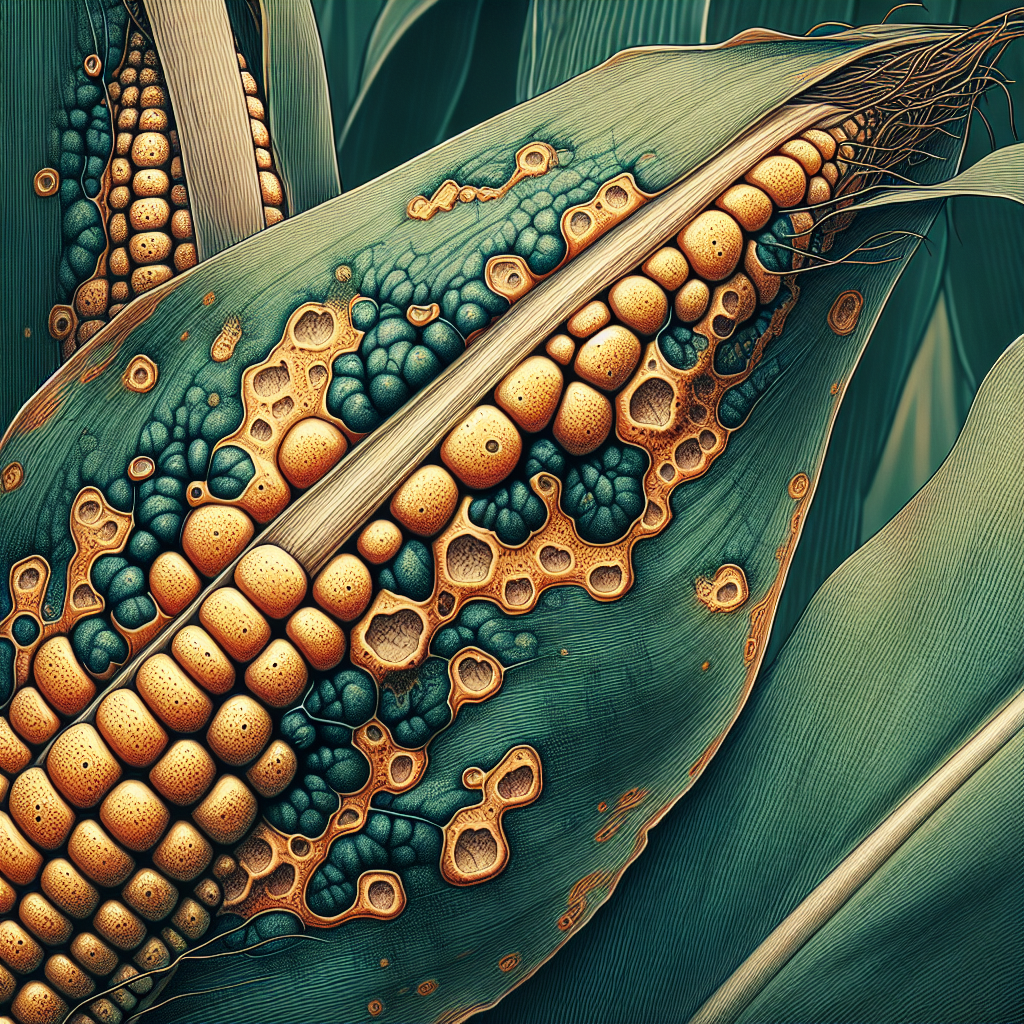
Leaf blights
Leaf blights are devastating fungal diseases that cause rapid browning, wilting, and necrosis of leaves, severely reducing photosynthesis and crop yields. Commonly affecting cereals, vegetables, and fruit trees, they thrive in warm, humid conditions and spread via spores. Early detection and integrated management are crucial for minimizing losses.
View Profile
leaf blotch
Leaf blotch is a widespread fungal disease primarily affecting cereal crops like wheat and barley, characterized by irregular dark brown to black blotches on leaves that reduce photosynthesis and yield. Caused by Cochliobolus sativus, it thrives in humid, moderate-temperature conditions and can lead to significant crop losses if unmanaged. This guide provides comprehensive diagnostics, organic management strategies, and prevention tactics for farmers.
View Profile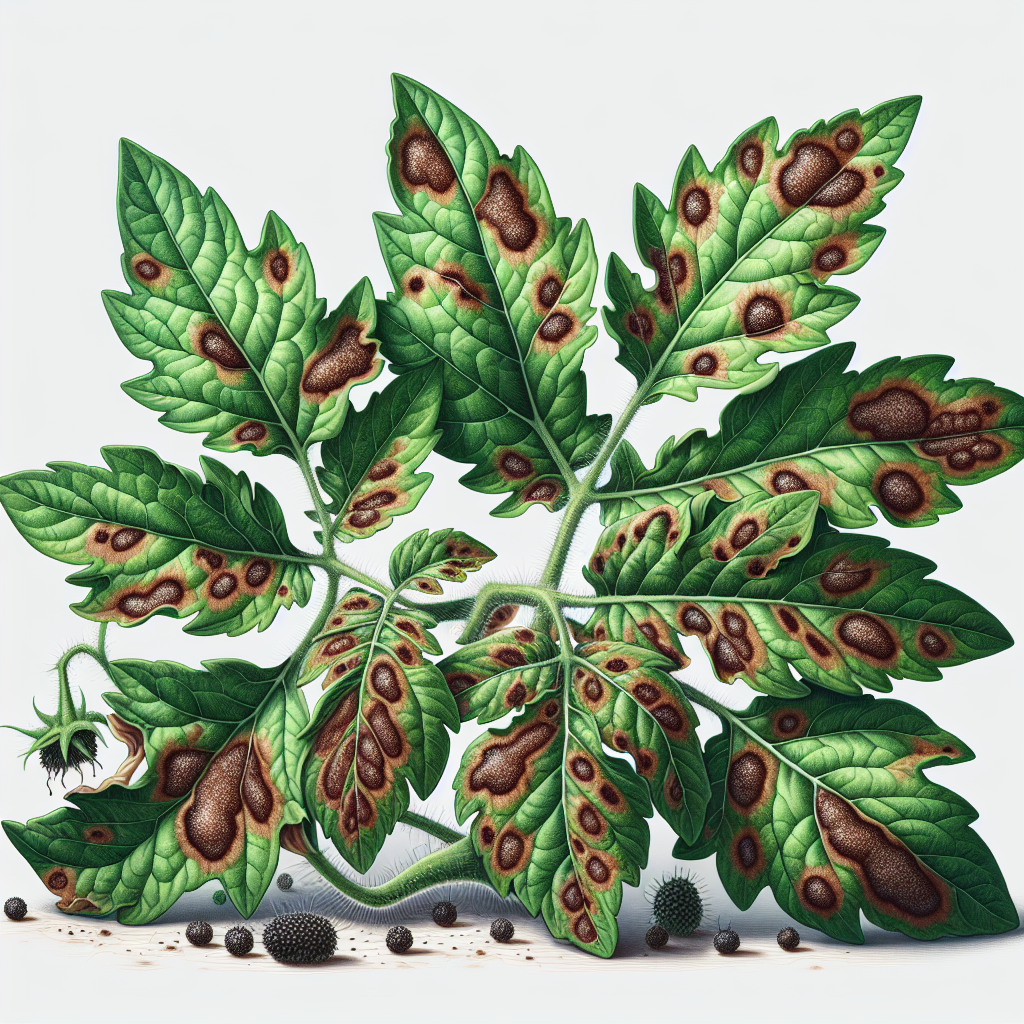
leaf blotches
Leaf blotches are irregular necrotic spots on plant leaves caused primarily by fungal infections, leading to reduced photosynthesis and yield loss. Common in humid conditions, they affect a wide range of crops from vegetables to fruits. Early detection and organic management can prevent severe outbreaks.
View Profile
leaf curl
Leaf curl is a widespread plant disease manifesting as distorted, curled leaves, often caused by fungal, viral, or environmental factors across multiple crops. It reduces photosynthesis, stunts growth, and slashes yields, demanding prompt diagnosis and targeted management. This guide delivers professional strategies for identification, organic control, and prevention to safeguard your harvest.
View Profile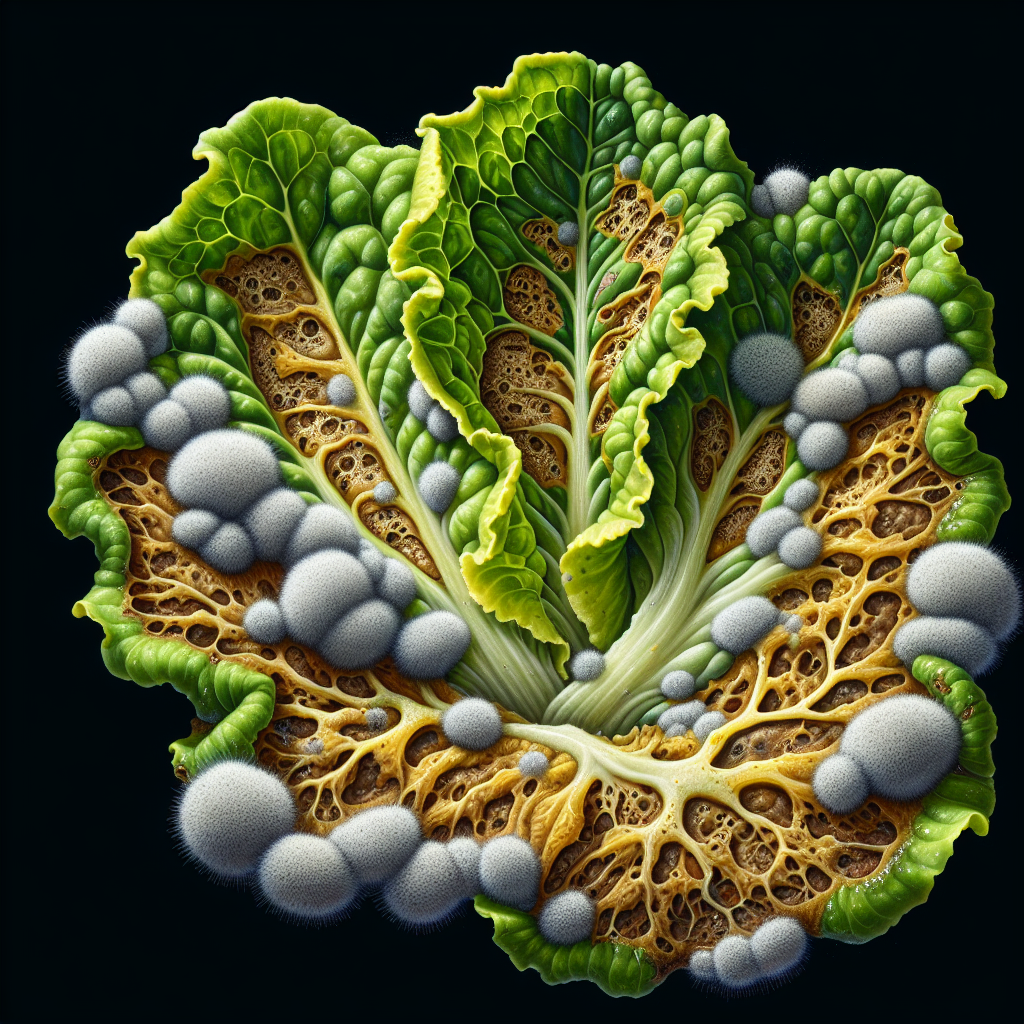
Leaf rot complexes
Leaf rot complexes are devastating disease syndromes caused by interactions of fungal, bacterial pathogens, and environmental stressors that lead to widespread leaf tissue breakdown in crops. These complexes often mimic single diseases but involve multiple causal agents, making diagnosis and management challenging. Effective control relies on cultural practices, resistant varieties, and integrated organic strategies to prevent outbreaks.
View Profile
Leaf Rust
Leaf rust is a widespread fungal disease primarily affecting cereal crops like wheat, barley, and oats, characterized by distinctive orange-red pustules on leaf surfaces that reduce photosynthesis and yield. Caused by various Puccinia species, it thrives in cool, moist conditions and can lead to 10-50% yield losses if unmanaged. Effective management combines resistant varieties, cultural practices, and timely fungicide applications for sustainable control.
View Profile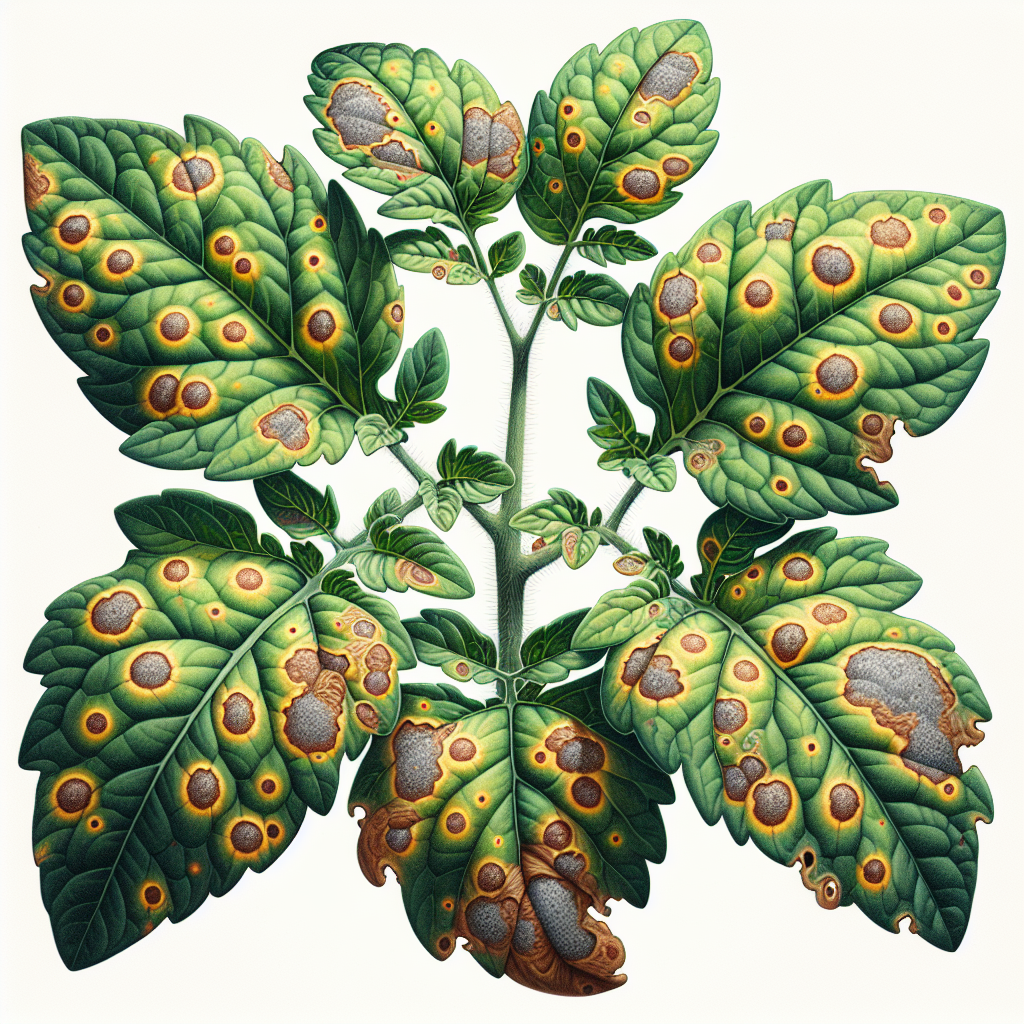
leaf spot complexes
Leaf spot complexes are multifaceted diseases caused by combinations of fungal and bacterial pathogens that produce overlapping necrotic spots on foliage, leading to reduced photosynthesis and crop yields. These complexes are prevalent in humid environments and affect a wide range of crops, making accurate diagnosis challenging without expert identification. Effective management relies on integrated cultural, organic, and preventive strategies to minimize spread and build plant resilience.
View Profile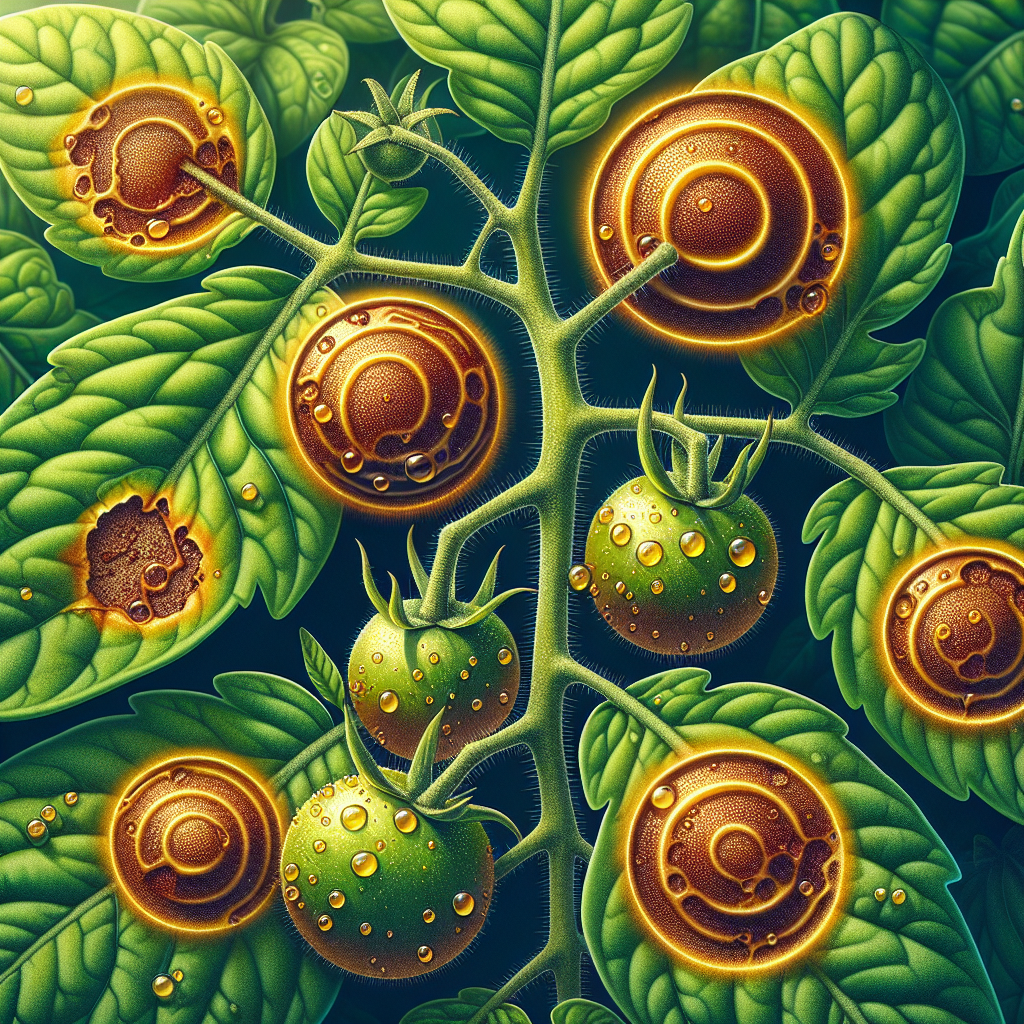
Leaf spot diseases
Leaf spot diseases are widespread fungal and bacterial infections causing necrotic spots on plant leaves, leading to reduced photosynthesis and yield losses. Caused primarily by pathogens like Alternaria, Cercospora, and Septoria, they thrive in humid conditions and spread via splashing water or wind. Effective management combines cultural practices, organic treatments, and resistant varieties for sustainable control.
View Profile
Leaf spots
Leaf spots are common plant diseases caused primarily by fungal or bacterial pathogens, manifesting as discolored, necrotic lesions on foliage that can reduce photosynthesis and yield. Effective management relies on early diagnosis, cultural practices, and organic treatments to minimize spread. This guide provides practical diagnostic and control strategies for farmers and gardeners.
View Profile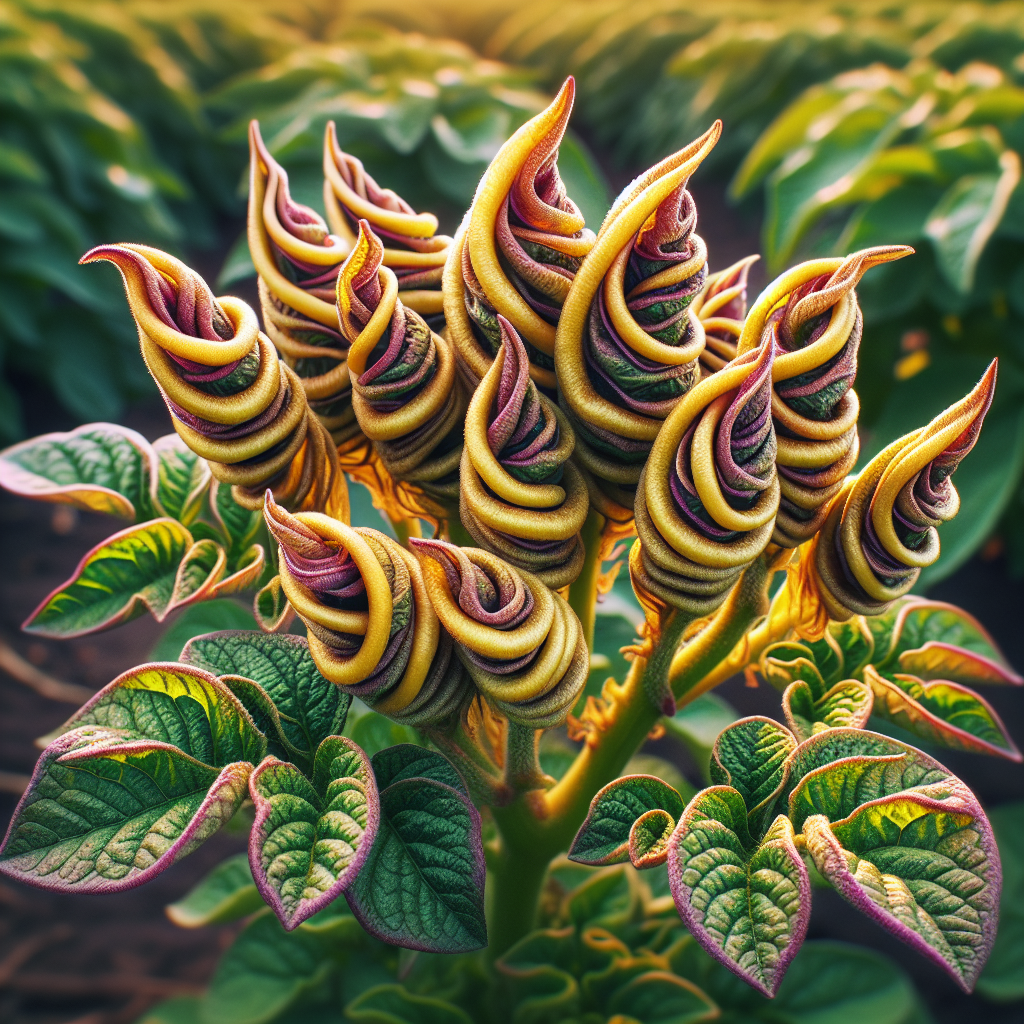
Leafroll Virus
Leafroll Virus, primarily Potato Leafroll Virus (PLRV), is a devastating aphid-transmitted pathogen that causes upward rolling of leaves, stunted growth, and significant yield losses in solanaceous crops. It spreads rapidly in warm conditions via persistent aphids, making early detection and vector control essential. This guide provides comprehensive diagnostics, organic management, and prevention strategies for affected farms.
View Profile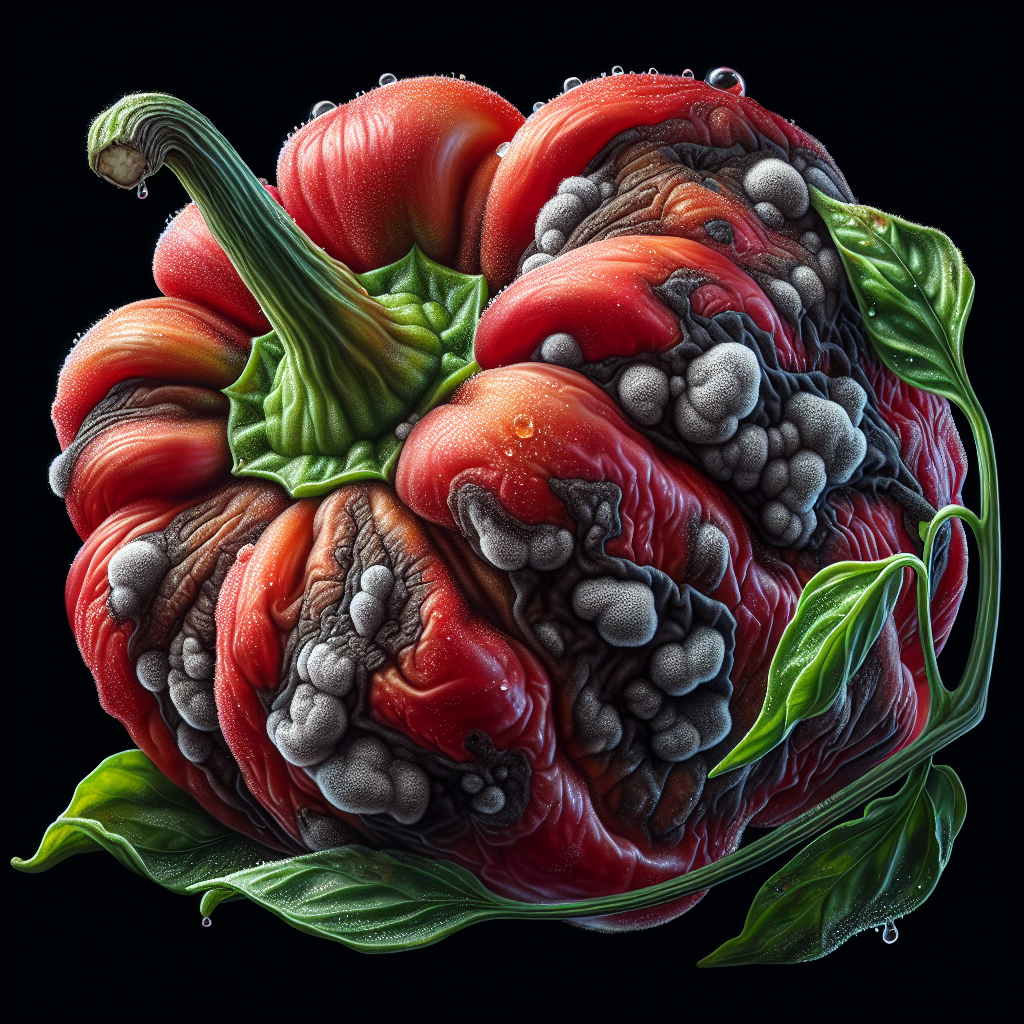
Leather rot
Leather rot is a destructive fungal disease caused by Phytophthora species that affects fruits and stems of various crops, leading to tough, leathery lesions that render produce unmarketable. It thrives in warm, wet conditions, causing significant yield losses in susceptible crops like peppers, tomatoes, and cucurbits. Effective management relies on cultural practices, resistant varieties, and organic fungicides to prevent outbreaks.
View Profile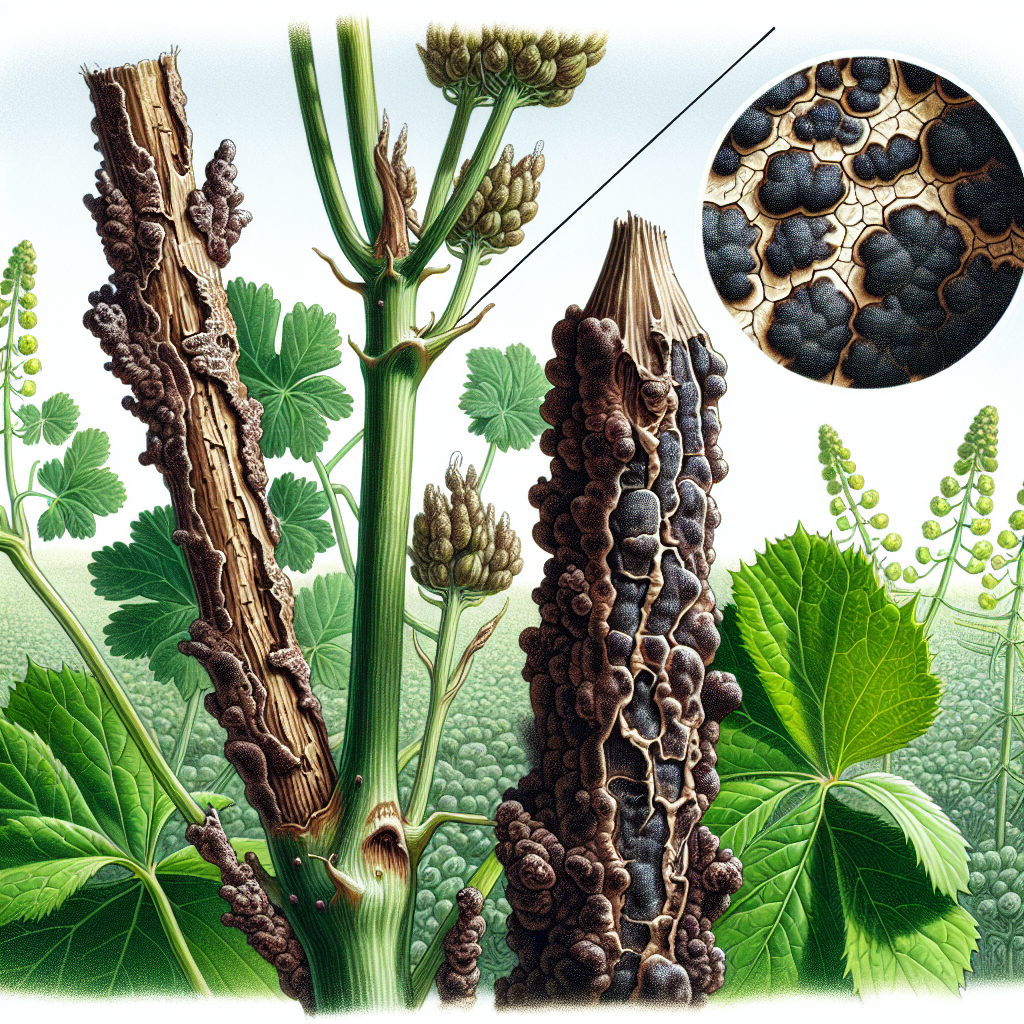
Leptosphaeria maculans
Leptosphaeria maculans is a destructive fungal pathogen causing blackleg disease, primarily in rapeseed and canola crops, leading to significant yield losses worldwide. This guide provides comprehensive diagnostics, symptom identification, lifecycle details, organic management strategies, and prevention tactics for farmers. Early detection and integrated practices are key to minimizing damage from this persistent soilborne fungus.
View Profile
Lethal yellowing
Lethal yellowing is a devastating phytoplasma disease primarily affecting coconut palms and other palm species, leading to rapid decline and death of infected trees. Transmitted by plant hopper vectors, it causes characteristic yellowing, frond drop, and crown collapse. Effective management relies on early detection, vector control, and planting resistant varieties.
View Profile
Lettuce drop
Lettuce drop is a devastating soilborne fungal disease primarily caused by Sclerotinia sclerotiorum and Sclerotium rolfsii, leading to wilting, plant collapse, and fluffy white fungal growth at the soil line. It affects lettuce crops worldwide, causing significant yield losses in cool, wet conditions. Effective management relies on cultural practices, sanitation, and resistant varieties to minimize its impact.
View Profile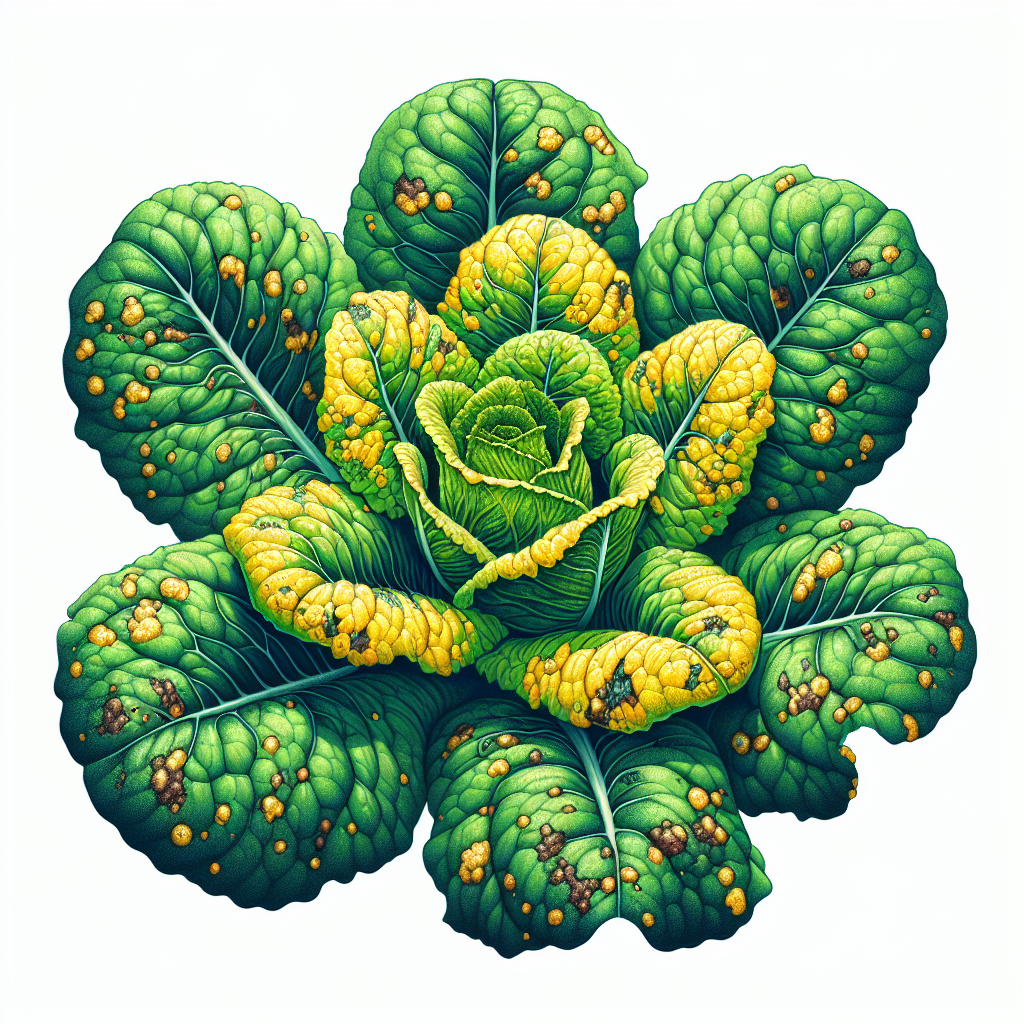
lettuce mosaic
Lettuce mosaic virus (LMV) is a potyvirus that causes significant yield losses in lettuce crops worldwide, transmitted primarily by aphids in a non-persistent manner. It manifests as mosaic patterns, stunting, and malformation, severely impacting commercial production. Effective management relies on certified seed, aphid control, and resistant varieties.
View Profile
liver spot
Liver spot, caused by the fungus Alternaria alternata, manifests as dark brown to black spots on leaves, stems, and fruits, primarily affecting citrus and other fruit crops. This common foliar disease thrives in warm, humid conditions and can lead to significant defoliation and yield loss if unmanaged. Effective organic control focuses on cultural practices, resistant varieties, and biological agents.
View Profile