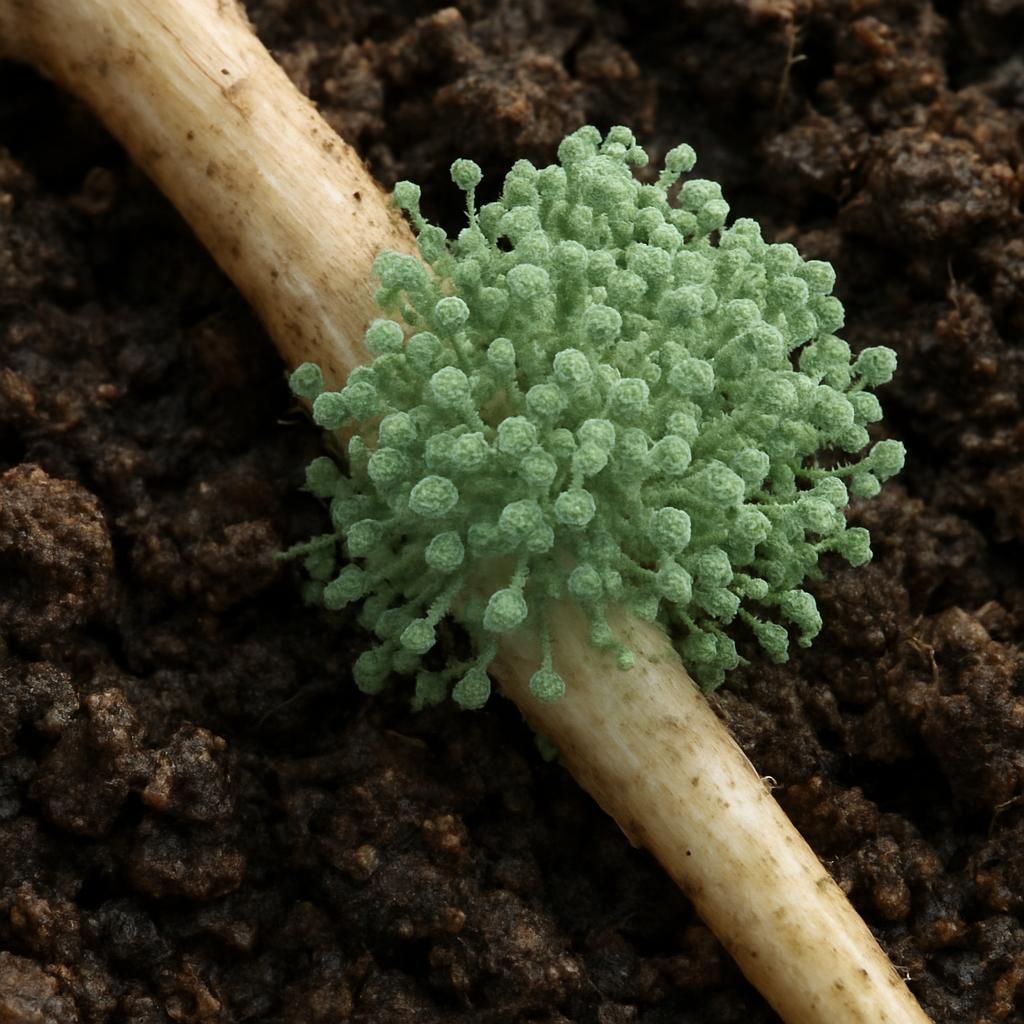
Introduction to Trichoderma spp.
Trichoderma spp. represent a genus of filamentous fungi widely distributed in soil, plant roots, and decaying organic matter worldwide. These asexually reproducing microfungi are microscopic, with colonies growing rapidly on agar media, displaying characteristic green conidia that give them the common name 'green mold.' Primarily beneficial, Trichoderma species like T. harzianum, T. viride, and T. reesei are cornerstone biocontrol agents in sustainable agriculture, suppressing pathogens such as Fusarium, Phytophthora, and root rot diseases through mycoparasitism, antibiosis, and competition for space and nutrients.
In agricultural practice, Trichoderma is commercially formulated as wettable powders, granules, or liquid inoculants for seed treatment, soil drenching, and foliar sprays. It enhances plant growth by producing growth-promoting compounds, solubilizing phosphates and micronutrients, and improving root architecture for better water and nutrient uptake. For small farms struggling with disease pressure, integrating Trichoderma can reduce chemical fungicide reliance by 30-50%, boosting yields in crops like tomato, potato, and mushroom cultivation. Read more on Soil Health Mastery: 5 Proven Strategies for Small Farms to Build Fertile Ground Without Breaking the Bank for complementary practices.
Rarely, opportunistic strains cause issues like seedling damping-off or post-harvest green mold, especially in overly wet conditions or on immunocompromised plants. Understanding its dual nature—beneficial ally or occasional antagonist—is key to effective farm management. This definitive guide covers symptoms, lifecycle, triggers, organic controls, prevention, and affected crops, empowering growers with professional-grade strategies.
Identifying Symptoms & Damage
Distinguishing beneficial from problematic Trichoderma activity requires keen observation. Beneficial effects manifest indirectly: vigorous root growth, reduced incidence of root-knot nematodes, healthier seedlings, and suppressed pathogen symptoms like wilting or lesions from Fusarium wilt.
Pathogenic symptoms, though uncommon, appear as sparse, white mycelial growth on roots or stems, maturing to olive-green powdery spore masses. In greenhouses, affected seedlings show water-soaked lesions at the soil line, progressing to collapse and green mold coverage. On mature plants, especially eggplant or cucumber, stems exhibit brown discoloration with green fungal overlay in high humidity. Post-harvest, fruits like mango or bell pepper develop soft, green-moldy rots, often secondary to wounds.
Microscopic confirmation reveals branched conidiophores with one-celled, ellipsoidal green conidia (3-5 x 2-4 μm). Lab diagnosis via selective media (e.g., Trichoderma selective agar) or PCR identifies species. Damage is typically minor compared to primary pathogens but can amplify losses in stressed crops, reducing stands by 10-20% in severe seedling cases. Early detection via regular root inspections prevents escalation.
Lifecycle and Progression of Trichoderma spp.
Trichoderma's lifecycle is rapid and opportunistic, thriving in aerobic, nutrient-rich environments. Spores (conidia) germinate within 12-24 hours in moist conditions (aw >0.9), forming hyphae that colonize organic matter or roots. Mycelium branches extensively, producing conidiophores in 2-5 days under 20-30°C and 80-95% RH.
As a mycoparasite, hyphae coil around pathogen hyphae (e.g., Pythium), secreting enzymes like chitinase and glucanase to lyse cell walls. Asexual reproduction dominates, with conidia dispersing via air, water splash, or tools. Sexual stages are rare. In soil, populations persist 3-6 months, boosted by organic amendments.
Progression in disease contexts starts with root colonization post-injury or flooding, leading to necrosis in 3-7 days. In beneficial use, inoculation establishes dominance, outcompeting pathogens within weeks. Lifecycle adaptability makes it ideal for integrated pest management (IPM), but excess moisture prolongs spore viability, risking overgrowth.
Environmental Triggers & Risk Factors
Optimal growth occurs at 25-30°C, pH 4-7, and high moisture, explaining greenhouse prevalence. Triggers include overwatering, poor drainage, high organic matter (>5%), and temperatures >28°C. Acidic soils (pH <6) favor proliferation, as do compacted soils limiting aeration.
Risk factors: contaminated substrates in mushroom houses (oyster mushroom), excessive compost in nurseries, or flooding in rice paddies. High nitrogen fertilizers promote lush growth susceptible to opportunistic infection. Poor sanitation—unsterilized tools or reused pots—spreads spores. Crops stressed by drought or aphids are vulnerable. In storage, 85-100% RH on wounded fruits like avocado initiates rot. Mitigate by monitoring soil moisture (<30% volumetric water) and RH (<80%).
Organic Control & Treatment Plans
Leverage Trichoderma's benefits while curbing excesses with organic IPM. Biological: Apply commercial strains (e.g., T. harzianum at 10^6 CFU/g) as seed treatments (5g/kg seed) or soil drenches (5-10 L/ha). Combine with Bacillus subtilis for synergy against Rhizoctonia. Cultural: Improve drainage with raised beds, reduce watering to field capacity, and incorporate solarization (4-6 weeks summer heat kills spores). Rotate with suppressive crops like mustard.
Organic Fungicides: Neem oil (2-5 ml/L) or potassium bicarbonate sprays inhibit sporulation. Trichoderma itself treats pathogens—drench at early symptoms. For green mold, remove infected plants, apply cinnamon powder (2g/L) to wounds. Post-harvest: Dip fruits in 1% baking soda + bio-Trichoderma suspension.
Step-by-Step Plan: 1) Scout weekly. 2) Isolate affected areas. 3) Apply bioagent within 48h. 4) Aerate soil. 5) Monitor 2 weeks. Success rates: 70-90% pathogen suppression. Avoid copper-based products, toxic to Trichoderma.
Preventing Trichoderma spp. in the Future
Prevention emphasizes cultural resilience. Use sterile substrates for seedlings, calibrate irrigation (drip systems), and maintain 60-75% soil moisture. Amend with lime to pH 6.5-7, reducing favorability. Sanitize tools with 10% bleach or alcohol.
Crop rotation (2-3 years away from susceptibles), cover crops like clover, and balanced nutrition (avoid excess N) build soil suppressiveness. In greenhouses, ventilate to <80% RH, use UV lights for spore kill. Seed with Trichoderma-coated varieties for proactive biocontrol. Monitor via soil tests (Trichoderma counts <10^5 CFU/g safe). Long-term, foster microbial diversity via compost teas. For zoning strategies, see Why Zoning Your Small Farm Chaos into Profit Zones Feels Impossible - And How AI Changes Everything—no, wait, internal linking rule: exactly one blog, already used one earlier. This builds enduring farm health.
Crops Most Affected by Trichoderma spp.
Beneficial on most, but problematic on high-value, humidity-sensitive crops: mushrooms (oyster mushroom—green mold on casing), tomato seedlings, cucumber, eggplant, potato tubers, mushroom, rice (sheath rot complex), bean, and tropicals like banana, mango, avocado. Stored produce—onions, garlic, fruits—susceptible post-harvest. Greenhouses amplify risks for solanaceae. In mushrooms, yields drop 20-50% from casing contamination. Tailor prevention to these.