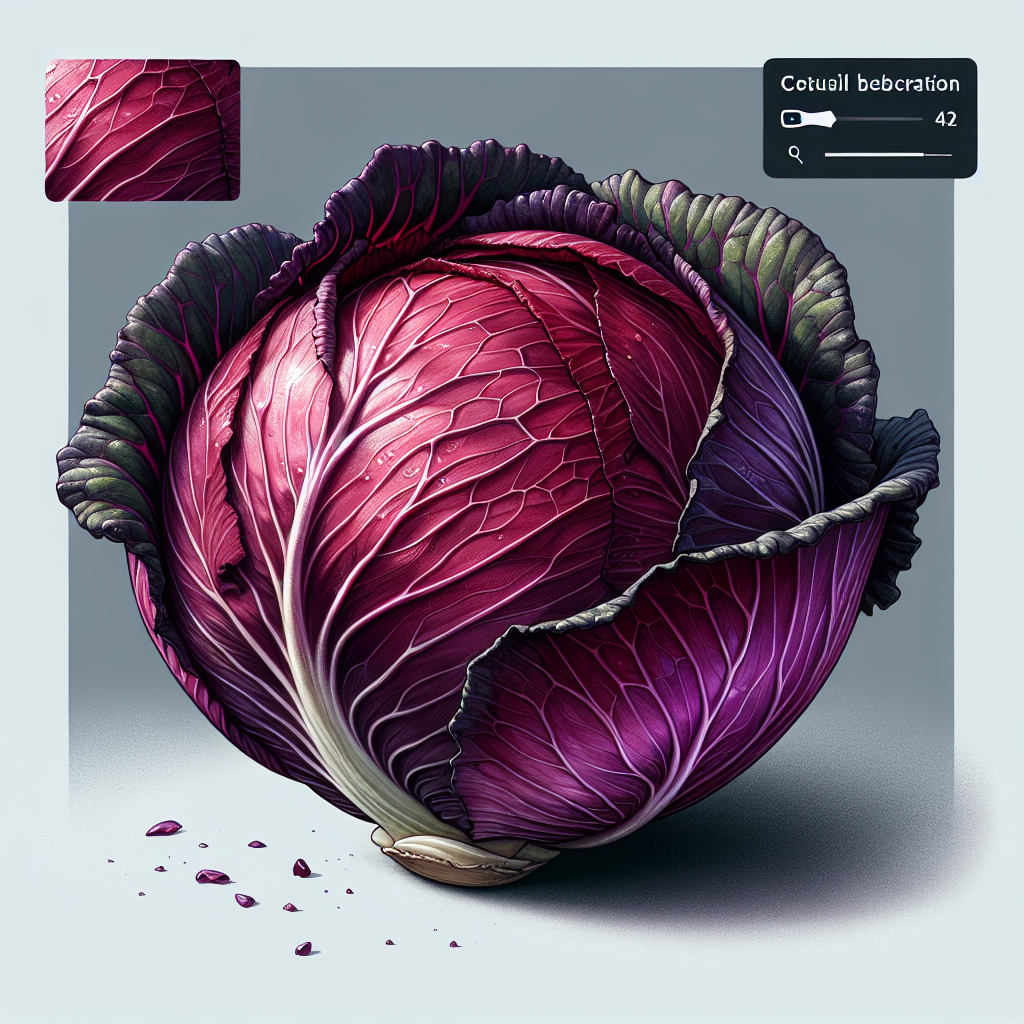
Introduction to Red Cabbage
Red cabbage (Brassica oleracea var. capitata f. rubra) stands out among cole crops for its vibrant purple-red foliage, which derives from anthocyanin pigments that intensify with cooler temperatures and proper nutrition. Unlike green varieties, red cabbage delivers superior antioxidant levels, making it a nutritional powerhouse rich in vitamin C, vitamin K, fiber, and sulforaphane compounds linked to cancer prevention and heart health.
This cool-season biennial, grown as an annual, forms dense, round heads weighing 2-5 pounds, ideal for fresh eating, cooking, pickling, or storage. Popular cultivars like 'Red Express', 'Ruby Perfection', and 'Mammoth Red' offer varying maturities from 60-100 days, suiting diverse climates. For small farms, red cabbage provides excellent market appeal due to its eye-catching color and long shelf life, often commanding premium prices at farmers' markets.
Successful cultivation hinges on timing, soil preparation, and vigilant pest management, as brassicas attract specific insects and diseases. With optimal conditions, yields can reach 20,000-30,000 pounds per acre, blending profitability with homestead self-sufficiency. Whether direct-seeded or transplanted, red cabbage rewards patient growers with bountiful harvests through fall and into winter in mild regions.
Botanical Profile of Red Cabbage
Red cabbage belongs to the Brassicaceae family, sharing lineage with Cabbage (crop), broccoli, and kale. As a cultivar of Brassica oleracea var. capitata, the 'f. rubra' form distinguishes itself through genetic mutations causing anthocyanin accumulation in leaf tissues, turning them deep crimson to purple. Leaves are thick, waxy, and glaucous, forming a tight central head atop a short stem, with outer wrapper leaves providing protection.
Plants exhibit rosette growth initially, bolting to produce a tall flower stalk in the second year under vernalization (prolonged cold). Roots form a fibrous taproot system extending 2-3 feet deep, efficiently scavenging nutrients but sensitive to compaction. Stems are stout, and mature heads measure 6-12 inches in diameter, with solid cores resistant to splitting when well-managed.
Pollination occurs via insects on yellow flowers producing siliques with black seeds. Germination requires 41-95°F (5-35°C), optimal at 77°F (25°C). Red cabbage's cold hardiness allows survival to 20°F (-7°C) once established, with heads sweetening after light frosts. Its biennial nature means seed saving involves overwintering plants, though F1 hybrids dominate commercial production for uniformity.
Soil, pH, and Climate Requirements for Red Cabbage
Red cabbage demands fertile, well-drained loamy soils with pH 6.0-7.0, slightly favoring the acid side to enhance color vibrancy and deter clubroot. Heavy clays lead to root rots, while sandy soils necessitate amendments for moisture retention. Incorporate 2-4 inches of aged compost or well-rotted manure pre-planting, targeting 4-5% organic matter.
Optimal nitrogen levels are 120-150 lbs/acre, with balanced phosphorus (80-100 lbs) and potassium (120-150 lbs), adjusted via soil tests. Avoid fresh manure to prevent scorching; lime acid soils cautiously, as excess calcium exacerbates tip burn. Mulch with straw or black plastic to moderate soil temperatures and suppress weeds.
Cool climates (50-75°F/10-24°C days) produce the best heads; heat above 80°F (27°C) causes bitterness and loose cores. Plant 4-6 weeks before last frost in spring or late summer for fall crops, leveraging 1,200-1,800 growing degree days (base 40°F). Full sun (6-8 hours) is essential, with wind protection via row covers. In zones 3-9, succession plantings extend harvests; southern growers use shade cloth during bolting-prone periods.
Step-by-Step Planting & Propagation
Seed Starting: Sow indoors 6-8 weeks pre-transplant at 70-75°F (21-24°C) in 72-cell trays with sterile brassica mix. Use pelleted seeds for precision; cover lightly (1/4-1/2 inch). Harden off over 7-10 days, exposing to outdoor conditions gradually.
Direct Seeding: In rows 18-24 inches apart, sow 4-6 seeds per inch, 1/4-1/2 inch deep, thinning to 12-18 inches. Ideal soil temp: 45-85°F (7-29°C). For small farms, broadcast at 4-6 lbs/acre.
Transplanting: Set 4-6 week seedlings at same depth as containers, 12-18 inches apart in rows 24-36 inches wide (9,000-15,000 plants/acre). Firm soil around roots; irrigate immediately. Use dibble bars for efficiency.
Propagation Alternatives: Root cuttings from healthy heads or overwinter microgreens for seed production. Avoid propagating diseased plants to prevent blackleg spread.
Time plantings for 70-90 day maturity: spring crop March-May, fall August-September. Check our Fall Companion Planting Guide: Boost Yields and Soil Health for Small Farms and Gardens for integrated strategies.
Care & Maintenance regimes for Red Cabbage
Irrigation: Provide 1-1.5 inches/week, deeply and infrequently via drip to maintain even moisture without wetting foliage. Mulch 2-4 inches thick post-emergence.
Fertilization: Side-dress with nitrogen at 4-6 weeks (e.g., blood meal or fish emulsion). Foliar feed calcium nitrate for tip burn prevention. Rotate with legumes to fix nitrogen.
Weeding & Thinning: Cultivate shallowly until canopied; hand-pull thereafter. Thin promptly to avoid competition.
Support & Pruning: Hill soil around bases for stability; remove lower leaves if diseased. Hill culture enhances head size by 20-30%.
Temperature Management: Use floating row covers for frost protection or bolting delay in heat. Ventilate high tunnels to prevent humidity buildup.
Monitor growth weekly; heads ready when firm and 4-6 inches diameter. Consistent care yields uniform, marketable produce.
Pests, Diseases & Organic Management
Key Pests: Cabbage worms, cabbage loopers, flea beetles, aphids, slugs. Scout undersides; use BT (Bacillus thuringiensis) for caterpillars, spinosad for loopers, diatomaceous earth for slugs.
Diseases: Clubroot (soil pH >7.2, long rotation), black rot, downy mildew, fusarium wilt. Prevent with resistant varieties, 3-4 year brassica rotation, sanitation.
Organic IPM: Introduce beneficials like ladybugs, parasitic wasps. Neem oil or pyrethrins for broad-spectrum. Reflective mulches deter whiteflies. For root-knot nematodes, solarize soil pre-plant.
Early detection via weekly inspections prevents 80% losses. Refer to Spring Pest Patrol: Organic AI Strategies to Shield Your Crops from Common Invaders for advanced tactics.
Harvesting, Curing & Optimal Storage
Harvest when heads are firm, dense, and colors peak (60-100 days). Cut at base with sharp knife, leaving 2-3 wrapper leaves. Twist out cores for mini-heads. Yields: 2-4 heads/plant.
Cure in shade 1-2 days to heal cuts, preventing rot. Store at 32-40°F (0-4°C), 95-100% humidity for 3-5 months; ethylene-sensitive, isolate from apples.
Market fresh, or ferment into kraut: shred, salt (2%), pack, submerge 2-4 weeks at 65°F (18°C). Vacuum-seal for year-round sales.
Companion Planting for Red Cabbage
Enhance growth with onion, garlic, thyme, nasturtium repelling cabbage pests. Dill attracts beneficial wasps. Avoid strawberries, tomatoes, potato due to shared pathogens.
Polyculture with lettuce, carrot, beet optimizes space. Clover as living mulch fixes nitrogen. See Why Companion Planting Feels Like Guesswork for Small Farms - And How AI Makes It Foolproof for optimized pairings.