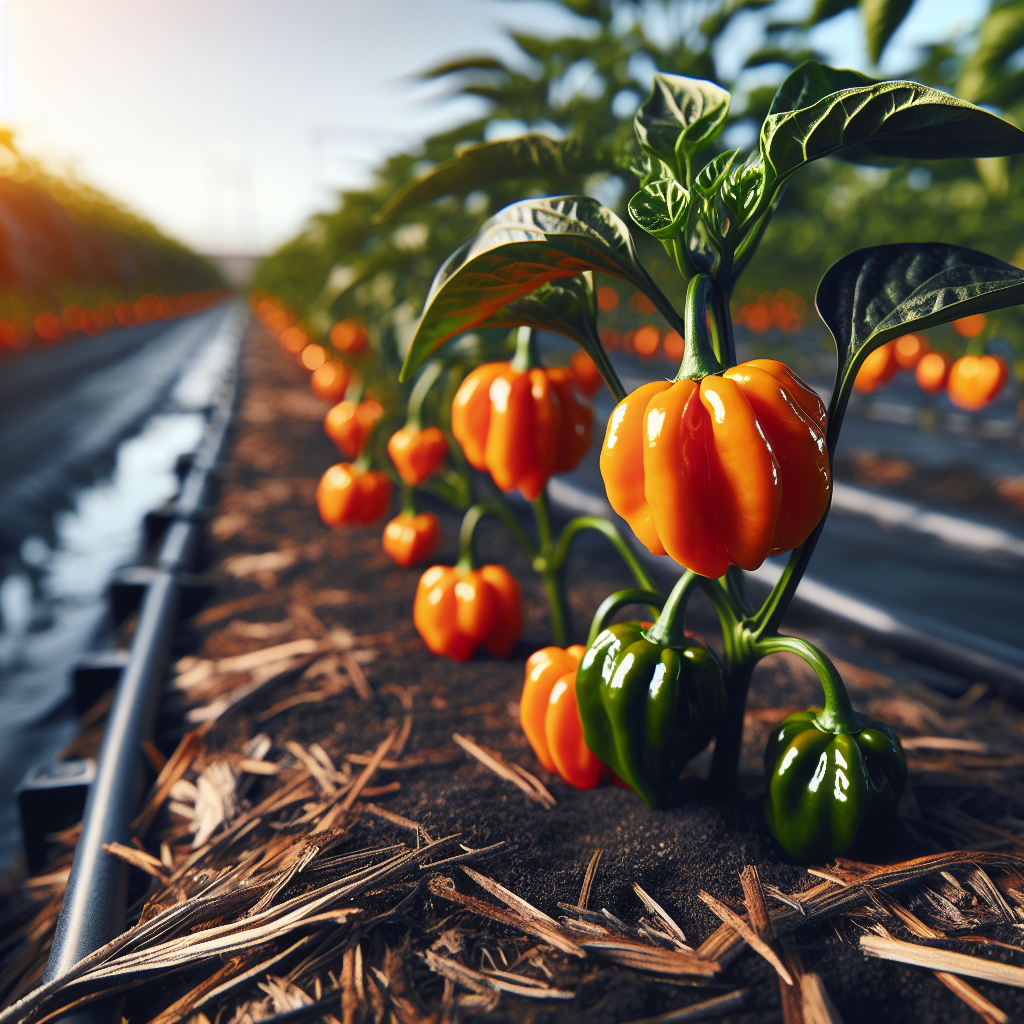
Introduction to Habanero Pepper
Native to the Americas and strongly associated with the Yucatán Peninsula, this chili is one of the most famous representatives of the Capsicum chinense species. Despite the species name chinense, it did not originate in China; the name reflects a historical taxonomic misunderstanding. Habaneros are valued not just for heat, commonly ranging from roughly 100,000 to 350,000 Scoville Heat Units depending on strain and growing conditions, but also for their distinct floral, tropical, almost apricot-like aroma that separates them from cleaner, grassier peppers in other species.
Plants are typically more demanding than common sweet peppers because they insist on sustained warmth. They can sit nearly motionless in cool weather, then surge once daytime temperatures settle above 27°C and nights remain warm. That trait makes them ideal for tropical, subtropical, and long-season warm temperate production, but more challenging in short, cool climates. Compared with a hotter relative such as Ghost Pepper, habanero is often earlier, more compact, and easier to bring into consistent production for market gardens and home growers alike.
Fruit shape varies by cultivar, from classic lantern-shaped pods to slightly flattened or elongated forms. Mature color may be orange, red, chocolate brown, peach, yellow, or white. Orange habaneros are the commercial standard, but specialty strains often command premium prices in fresh markets and sauce production. The fruits are rich in capsaicinoids, vitamin C, and carotenoids, and they dry well when harvested at full maturity.
For growers seeking reliable performance, the key lesson is simple: treat it as a tropical fruiting crop rather than a generic pepper. Warm roots, uninterrupted growth, moderate but steady nutrition, and careful moisture management determine whether plants merely survive or become highly productive.
Botanical Profile of Habanero Pepper
This species belongs to the Solanaceae family, alongside Tomato, eggplant, and other peppers. Habanero plants are usually bushy, much-branched, and 45-100 cm tall in open-field conditions, though container and greenhouse specimens can exceed that under ideal care. Leaves are smooth, green to deep green, ovate, and thinner than some Capsicum annuum types. Flowers are usually small, white to greenish-white, and solitary, emerging at branch nodes.
A defining biological feature is the species’ preference for higher heat during flowering and fruit set. Some sweet peppers abort flowers when temperatures rise excessively, while many habaneros continue performing in hot weather provided moisture and calcium supply are balanced. However, extreme heat above about 35-37°C combined with drought stress can still reduce pollination, increase blossom drop, and shrink fruit size.
The root system is relatively fibrous and benefits greatly from loose, oxygen-rich soil. In compacted soil, top growth may appear chlorotic or stunted even when fertilizer is present, because the root zone lacks aeration. The crop is self-pollinating, but wind and insect activity can improve pollen movement and fruit set. Cross-pollination can occur between peppers, which matters if saving seed for varietal purity.
Capsaicin production is concentrated mainly in the placental tissue rather than the seeds themselves, though seeds become coated internally during development. Stress can influence pungency somewhat, but genetics dominate. Commercially important habanero strains include orange Yucatán types, Red Savina-type lines, and chocolate forms, each differing in maturity time, canopy habit, fruit wall thickness, and market niche.
Soil, pH, and Climate Requirements for Habanero Pepper
This crop performs best in fertile, well-drained loam or sandy loam with high biological activity and good tilth. Ideal pH is 6.0-6.8, though plants can tolerate roughly 5.8-7.0 if nutrient availability remains balanced. Below pH 5.5, calcium and magnesium availability often become limiting and root function declines. Above pH 7.2, iron, manganese, and phosphorus tie-up may induce interveinal chlorosis and slow growth.
Good soil structure matters as much as fertility. A target organic matter range of 3-5% is excellent for field production. In heavier clay soils, incorporate finished compost and create raised beds 15-25 cm high to improve drainage and root-zone warming. Waterlogged soil is one of the fastest ways to lose plants, particularly in cool spells. Saturated conditions deprive roots of oxygen, inviting Phytophthora and Pythium-type rots.
For climate, habanero is decidedly warm-season. Seed germination is fastest at 27-32°C. Vegetative growth is strongest around 24-32°C daytime temperatures, with night temperatures ideally above 18°C. Growth slows sharply below 15°C, and chilling injury can occur even well above freezing. Frost is fatal. In practical terms, transplant only when soil temperatures are consistently above 18°C and weather is settled.
Humidity tolerance is moderate to high, but dense canopies plus stagnant air increase bacterial and fungal disease pressure. In humid regions, wider spacing, mulching, drip irrigation, and early-day watering are essential. In arid climates, fruit sunscald becomes more likely if plants are over-pruned or pushed with excessive nitrogen that causes uneven canopy development.
A full-sun site is mandatory for top yield: at least 8 hours of direct light, with 10 or more ideal. Light deficiency causes lanky stems, delayed flowering, smaller fruit, and lower capsaicin development. Black plastic mulch or biodegradable warming mulch is especially helpful in marginal climates because it raises root-zone temperature and suppresses weeds.
For broader soil-building principles, see soil health strategies.
Step-by-Step Planting & Propagation
Start with fresh, high-quality seed, as Capsicum chinense seed often germinates more slowly than common peppers. Sow indoors 8-12 weeks before the last expected frost in short-season climates. Use a sterile, fine-textured propagation mix with strong drainage. Sow seed 0.5-1 cm deep, moisten thoroughly, then keep the medium evenly damp but never saturated.
Bottom heat is one of the biggest success factors. Maintain 27-30°C in the root zone until emergence. Under these conditions, germination usually occurs in 7-21 days; without heat, emergence can be erratic and delayed beyond three weeks. As soon as seedlings emerge, provide intense light for 14-16 hours daily if using indoor systems. Weak light produces elongated seedlings that transplant poorly.
When the first true leaves appear, begin light feeding at one-quarter to one-half strength with a balanced soluble fertilizer. Avoid heavy ammonium nitrogen at this stage, which can create soft, leggy growth. Pot up seedlings when roots lightly fill the cell but before they circle tightly. A 7-10 cm pot is suitable for intermediate growth; larger transplants may finish in 10-15 cm pots before field setting.
Harden plants gradually over 7-10 days. Reduce nitrogen slightly, expose them progressively to outdoor wind and sun, and protect from temperatures below 16°C. Never shock indoor-grown habaneros with a sudden full day of intense sun and cool nights; leaf scorch and growth stalls are common.
Transplant spacing depends on management style. In open-field fresh market production, use 45-60 cm between plants and 75-100 cm between rows. In intensive raised beds, two offset rows per bed can work if airflow is preserved. For container culture, use at least 15-20 liters per plant, though 25 liters or more gives markedly better moisture buffering and yield.
At transplanting, set plants at the same depth they grew in the pot; unlike tomatoes, peppers do not benefit much from deep stem burial. Water each transplant deeply to settle soil around the root ball. Starter solution with moderate phosphorus is helpful only if soil tests indicate need; excess phosphorus is wasteful and can suppress micronutrient uptake.
Mulch immediately after the soil has warmed. Organic mulches should be kept a few centimeters away from the stem base to reduce collar rot. Drip irrigation under mulch is ideal because it stabilizes root moisture while keeping foliage dry.
Propagation is almost always by seed, but elite plants can be overwintered in frost-free conditions or as cut-back potted specimens indoors under strong light. Overwintered plants often fruit earlier the next season than seedlings, though they can harbor pests if not cleaned thoroughly before storage.
Care & Maintenance regimes for Habanero Pepper
Irrigation should be deep, consistent, and root-focused. During active growth, aim to keep the top 15-20 cm of soil evenly moist, roughly near 60-80% of field capacity rather than fluctuating from drought to saturation. In practical field terms, the soil should feel cool and slightly moist at finger depth, forming a weak ball when squeezed but not smearing into mud. In containers, water when the top 2-3 cm is dry but before the root ball becomes light and fully dry.
Underwatering causes dull foliage, midday wilting that persists into evening, blossom drop, small thick-skinned fruit, and increased risk of blossom-end rot from disrupted calcium movement. Chronic overwatering causes yellow lower leaves, slowed growth, edema, root browning, and a sour smell in poorly drained media. If plants wilt despite wet soil, suspect root disease or oxygen deprivation rather than thirst.
Nutrient management should begin with a soil test, but a general approach is moderate fertility with steady potassium and calcium. Excess nitrogen, especially early and in highly soluble form, produces lush plants with delayed flowering and softer tissues that attract Aphids and mites. Once plants begin setting fruit, shift toward a fertilizer profile that is lower in nitrogen and relatively higher in potassium. Calcium is critical for cell wall strength and fruit integrity, but calcium sprays cannot fully compensate for erratic watering or root stress.
A practical feeding schedule for fertile garden soil is compost before planting plus light side-dressing 3-4 weeks after transplant and again at first heavy fruit set. In containers, use smaller but more frequent feedings because nutrients leach faster. Watch leaf color closely: pale new growth may indicate iron or nitrogen shortage, while very dark, overly large leaves with poor flowering suggest excess nitrogen.
Staking is often overlooked but worthwhile. Plants loaded with fruit can split at branch junctions after wind or heavy rain. Use a single stake, tomato cage, or low horizontal trellis. Support improves airflow, reduces fruit contact with soil, and simplifies harvest.
Pruning should be minimal. Remove damaged or diseased leaves, and in very dense plantings selectively thin interior shoots to improve airflow. Avoid aggressive pruning in hot climates because foliage protects fruit from sunscald. Early flowers on undersized seedlings can be pinched if the goal is stronger vegetative establishment before fruiting.
In protected culture, hand-shaking plants or ensuring airflow can improve pollination. Outdoors, pollination is usually adequate unless weather is persistently wet, very hot, or unusually still.
Pests, Diseases & Organic Management
Aphids, Whiteflies, Thrips, Spider mites, Pepper weevils in some regions, Flea beetles on young transplants, and Hornworms occasionally affect this crop. Aphids and Whiteflies cluster on tender growth and leaf undersides, producing sticky honeydew and fostering sooty mold. Thrips are especially serious because they scar tissue and vector viruses. Spider mites flourish in hot, dry conditions and cause stippling, bronzing, and fine webbing.
The most effective organic strategy is prevention through scouting and habitat management. Inspect the undersides of leaves at least twice weekly in warm weather. Yellow sticky cards can help monitor flying pests like Whiteflies and Thrips in tunnels or greenhouses. A strong jet of water can suppress Aphids early, while insecticidal soap and neem-based products are useful if applied thoroughly and during cooler hours to avoid foliage burn. Predatory mites and lacewings are valuable in protected systems.
Diseases include Damping-off in seedlings, Bacterial leaf spot, Cercospora and Alternaria leaf diseases, Powdery mildew in some climates, Mosaic viruses, and Root rots such as Phytophthora capsici. Viral disease management is mostly preventive: start with clean seed or healthy transplants, control vectors, rogue symptomatic plants promptly, and sanitize tools. Plants with mosaic, severe leaf distortion, or ring spotting should be removed rather than “treated.”
Bacterial issues are worsened by overhead irrigation, splashing soil, and working among plants when foliage is wet. Mulch, drip irrigation, wide spacing, and crop rotation are the core defenses. Do not plant peppers repeatedly in the same bed or immediately after other solanaceous crops. A 3-4 year rotation away from peppers, tomatoes, eggplant, and potatoes is ideal where disease pressure is known.
Phytophthora is especially destructive in poorly drained sites. Symptoms include sudden wilt, dark stem lesions near the soil line, and fruit rot. Once established, management is difficult, so site selection and drainage are non-negotiable. Raised beds, careful irrigation, and sanitation are more reliable than rescue treatments.
Harvesting, Curing & Optimal Storage
Harvest timing depends on the intended market or culinary use. Habaneros can be picked green-mature, but full flavor and peak heat develop at full color. Most cultivars ripen from green to orange or red over 85-120 days from transplant, depending on climate and strain. Pick when fruits are fully colored, glossy, and firm, with no green shoulders remaining unless that is characteristic of the cultivar.
Use gloves and avoid touching your face or eyes. Capsaicin can remain on skin and tools. Harvest with clippers or by snapping carefully at the stem to avoid tearing branches. Frequent picking encourages continued flowering and fruit set, especially during the main production flush.
For fresh storage, handle gently and keep fruit dry. Ideal short-term storage is around 7-10°C with 85-90% relative humidity. Temperatures much colder can lead to chilling injury, pitting, and faster breakdown after removal from storage. At good conditions, sound fruit may hold 2-3 weeks, though best aroma is usually within the first week.
For drying, select fully ripe, unblemished pods. Wash quickly, dry surface moisture completely, and split larger fruits to accelerate dehydration. Dry at 50-57°C with strong airflow until fruits are brittle or leathery-dry with no internal moisture pockets. In humid climates, air-drying alone is unreliable and can encourage mold. Properly dried peppers should not feel cool or soft at the center.
Curing in the strict sense is less critical than with onions or garlic, but post-harvest drying and stabilization are important if producing flakes or powder. After dehydration, condition the peppers in a sealed jar for several days, shaking daily. If condensation appears, they are not dry enough and should return to the dehydrator. Store dried product in airtight containers away from light, oxygen, and heat to preserve color and volatile aroma.
If processing into mash or sauce, sanitize equipment thoroughly and monitor pH for food safety. Freezing whole or chopped pods is also effective for retaining heat and aroma with minimal preparation.
Companion Planting for Habanero Pepper
The most useful companions are those that improve pest balance, maximize space efficiency, or reduce soil evaporation without increasing disease risk. Thai Basil works well nearby because it attracts pollinators and beneficial insects while occupying a different canopy layer. Onion and Garlic are often used around pepper beds because their strong scent may help confuse some pests and they do not strongly compete above ground with the pepper canopy. Nasturtium can function as a trap crop for Aphids in diversified gardens.
Keep companions at a sensible distance so airflow around pepper stems remains open. Crowding peppers with dense herbs or sprawling annuals can trap humidity and increase leaf disease. In humid regions, companion planting should support ventilation rather than create a solid understory mat.
Avoid placing peppers immediately next to fennel or highly aggressive feeders that can outcompete young transplants. Also avoid continuous mixed plantings with other solanaceous crops if disease rotation is a concern; companionship should never override sanitation and rotation principles.
In small-scale systems, the best companion strategy is usually simple: peppers in warm, mulched, drip-irrigated beds; alliums on margins; basil in nearby pockets; and flowering insectary plants close enough to attract beneficial insects but not so close that they shade the crop.