Introduction to Fushimi Pepper
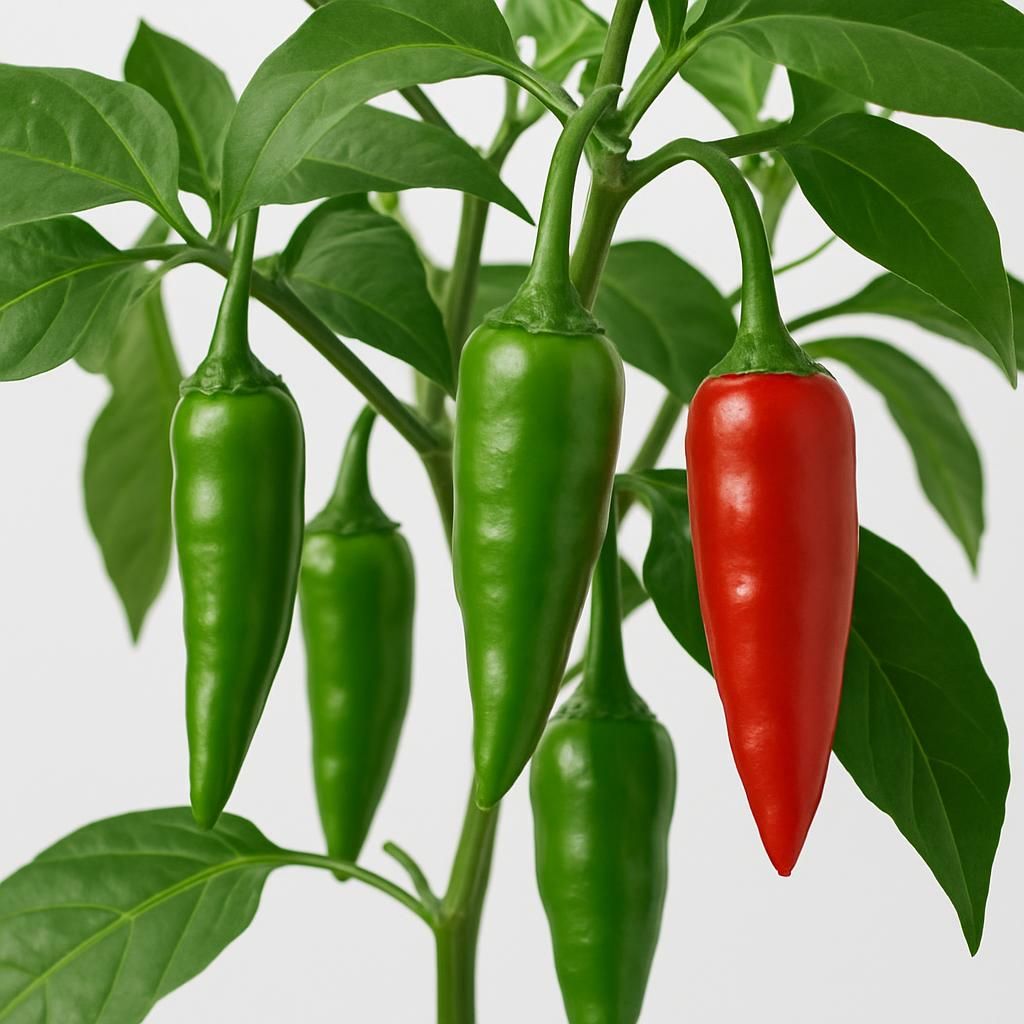
Fushimi Pepper (Capsicum annuum 'Fushimi') is a traditional Japanese heirloom known for its long, slender, thin-walled pods that measure 10–13 cm. The fruits start bright green and ripen to deep red, delivering a mild heat level of 200–700 Scoville units along with pronounced sweetness. Home gardeners and commercial growers value the variety for its rapid maturation (60–70 days from transplant), high productivity, and adaptability to both open-field and protected-culture systems.
Originating in Kyoto Prefecture, Fushimi Pepper has been cultivated for centuries in Japan’s temperate climate. Today it is gaining international recognition among chefs and small-scale producers who seek distinctive mild chilies for tempura, stir-fries, pickling, and fresh eating. The compact plant habit (45–60 cm tall) suits raised beds, containers, and high-density planting, making it an excellent choice for urban farms and market gardens.
This definitive growing guide provides detailed, research-based information on soil management, planting schedules, irrigation, fertility programs, pest and disease control, harvesting protocols, and post-harvest handling. All recommendations follow integrated pest management principles and emphasize organic practices wherever feasible.
Botanical Profile of Fushimi Pepper
Fushimi Pepper belongs to the Solanaceae family and shares the same species as Bell Pepper and Chili Pepper. The cultivar exhibits an upright, bushy growth habit with medium-green leaves and small white flowers that self-pollinate. Fruits are slender, slightly curved, and thin-walled (1–2 mm), resulting in rapid drying and excellent texture when cooked.
The plant produces a concentrated fruit set over a 4–6 week harvest window. Under favorable conditions, each plant yields 1.5–2.5 kg of fresh peppers. Because of the thin pericarp, Fushimi Pepper loses moisture quickly after harvest; therefore, prompt cooling and proper humidity management are essential.
Soil, pH, and Climate Requirements for Fushimi Pepper
Fushimi Pepper thrives in well-drained, fertile loamy soils rich in organic matter. The variety performs best in slightly acidic conditions that optimize nutrient uptake and reduce disease pressure.
| Parameter | Ideal Range | Notes |
|---|---|---|
| Soil Type | Sandy loam to loam | High organic matter improves structure |
| Soil pH | 6.2–6.8 | Avoid pH below 5.8 or above 7.5 |
| Temperature (Day) | 24–29 °C | Optimal fruit set occurs in this range |
| Temperature (Night) | 18–21 °C | Cooler nights improve flavor |
| Frost Tolerance | None | Protect below 10 °C |
| Growing Season | 90–110 frost-free days | Start indoors 6–8 weeks before last frost |
| Sunlight | Full sun, 8+ hours | Partial shade reduces yield |
Raised beds or black plastic mulch help maintain consistent soil temperature and suppress weeds. In heavy clay soils, incorporate 5–8 cm of well-aged compost and coarse sand to improve drainage.
Step-by-Step Planting & Propagation
- Start seeds indoors 6–8 weeks before the expected last frost. Sow 0.5 cm deep in sterile seed-starting mix; maintain 24–27 °C until germination (7–10 days).
- Transplant seedlings into 7 cm pots when the first true leaves appear. Harden off plants for 7–10 days before field planting.
- Space plants 40 cm apart in rows 60–75 cm wide, or 30 cm apart in staggered double rows for higher density.
- Transplant after soil temperature reaches 18 °C and all frost risk has passed. Set plants at the same depth as the nursery container.
- Install drip irrigation and black or silver reflective mulch immediately after transplanting to conserve moisture and suppress weeds.
- Stake or cage plants in windy areas to prevent lodging.
Care & Maintenance regimes for Fushimi Pepper
Consistent moisture and balanced nutrition are critical for continuous fruit production. Over-fertilization with nitrogen promotes vegetative growth at the expense of fruit set.
| Growth Stage | Watering Schedule | Fertilizer Program | Pruning & Training |
|---|---|---|---|
| Transplant–Flowering | 2.5–3.5 cm/week; keep soil evenly moist | Side-dress 5-10-10 at 200 kg/ha 2 weeks after transplant | Remove lower leaves below first flower cluster |
| Flowering–Fruit Set | 3.5–4.5 cm/week; avoid water stress | Apply calcium nitrate (15.5-0-0) every 14 days | Pinch first flower to encourage branching |
| Fruit Development | 3–4 cm/week; reduce slightly before harvest | Foliar kelp + 0-0-25 potassium every 10 days | Remove suckers below 20 cm; tie to stakes |
| Late Season | 2 cm/week to finish ripening | Stop nitrogen; continue potassium until final harvest | Cut back 30 % foliage if disease pressure high |
Mulch with 5–7 cm of straw or wood chips to moderate soil temperature and reduce evaporation. Monitor soil moisture at 15 cm depth; irrigate when tension exceeds 30 kPa.
Pests, Diseases & Organic Management
Fushimi Pepper is susceptible to several common solanaceous pests and diseases. Early detection and cultural controls are the foundation of organic management.
- Aphids: Spray with insecticidal soap or introduce lady beetles at first sign of infestation.
- Spider mites: Increase humidity and release predatory mites; avoid broad-spectrum insecticides.
- Thrips: Use blue sticky traps and neem oil sprays.
- Flea beetles: Row covers during early growth; diatomaceous earth on foliage.
- Bacterial spot: Use copper-based sprays and remove infected leaves; rotate away from peppers and Tomato for three years.
- Powdery mildew: Improve airflow, apply potassium bicarbonate weekly.
- Verticillium wilt: Plant resistant rootstocks or avoid fields with history of the pathogen.
Scout fields twice weekly. Threshold for action is 5 aphids per leaf or 10 % leaf area affected by disease.
Harvesting, Curing & Optimal Storage
Harvest Fushimi Pepper when pods reach full size but remain green for mild flavor, or allow fruits to turn red for sweeter, slightly hotter pods. Pick every 3–4 days during peak production to encourage continuous flowering.
Use sharp pruners to cut stems, leaving a short peduncle. Avoid pulling fruits to prevent stem damage. Cool harvested peppers to 10–12 °C within two hours; maintain 90–95 % relative humidity for up to 10 days of storage.
For drying, thread whole green or red pods on string and hang in a well-ventilated area at 25–30 °C until brittle (7–10 days). Store dried peppers in airtight containers away from light.
Companion Planting for Fushimi Pepper
Strategic companions improve pollination, deter pests, and optimize space. Recommended pairings include Thai Basil to repel aphids and whiteflies, Marigold for nematode suppression, and Nasturtium as a trap crop for aphids. Avoid planting near Fennel or other strong allelopathic herbs that may inhibit pepper growth.
Interplant with early-season Lettuce or Radish that mature before pepper canopy closes. After pepper harvest, follow with a nitrogen-fixing cover crop such as Clover to rebuild soil fertility.