Encyclopedia
Definitive guides for crops, pests, and agricultural diseases.
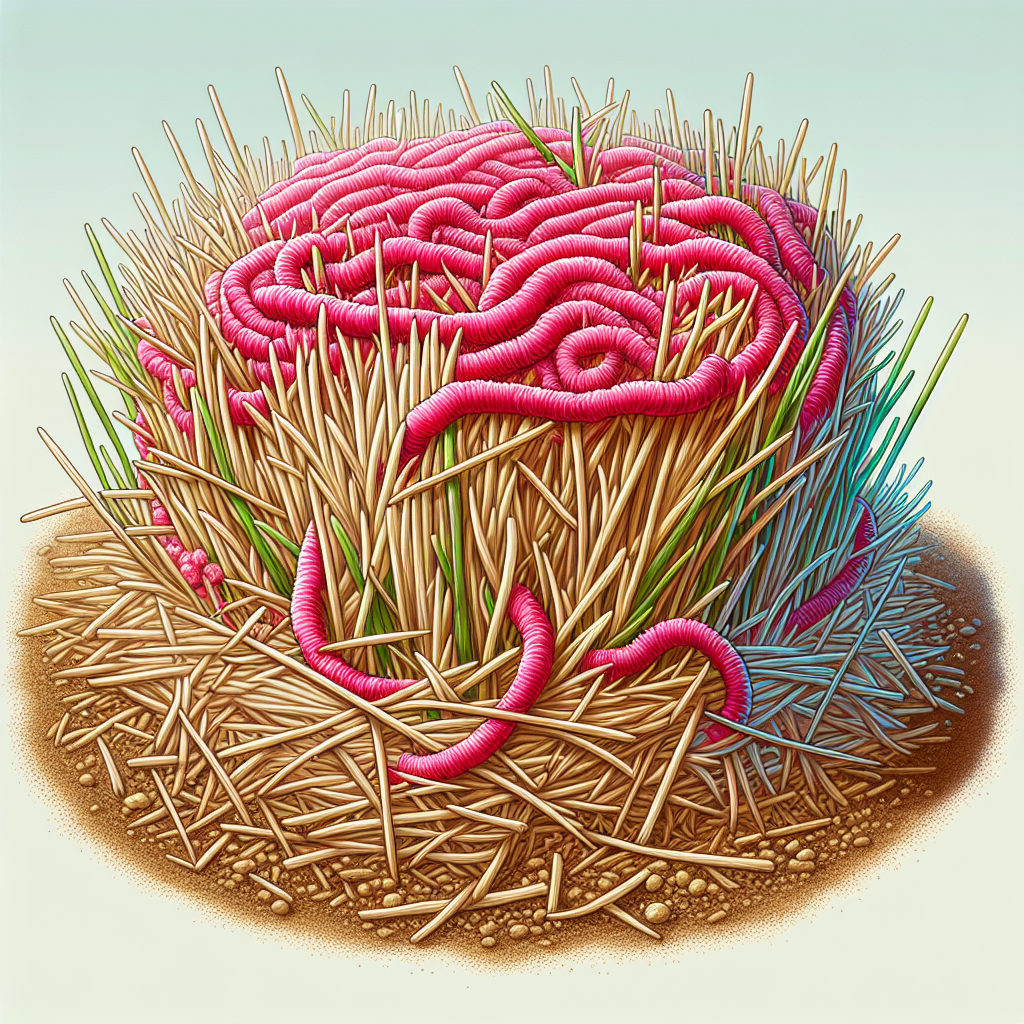
Red thread
Red thread is a common turfgrass disease caused by the fungus Laetisaria fuciformis, characterized by distinctive pink to red needle-like sclerotia on infected blades. It primarily affects cool-season grasses under low nitrogen and high humidity conditions, leading to bleached patches that can expand rapidly. Effective management focuses on cultural practices, balanced fertilization, and organic fungicides for prevention and control.
View Profile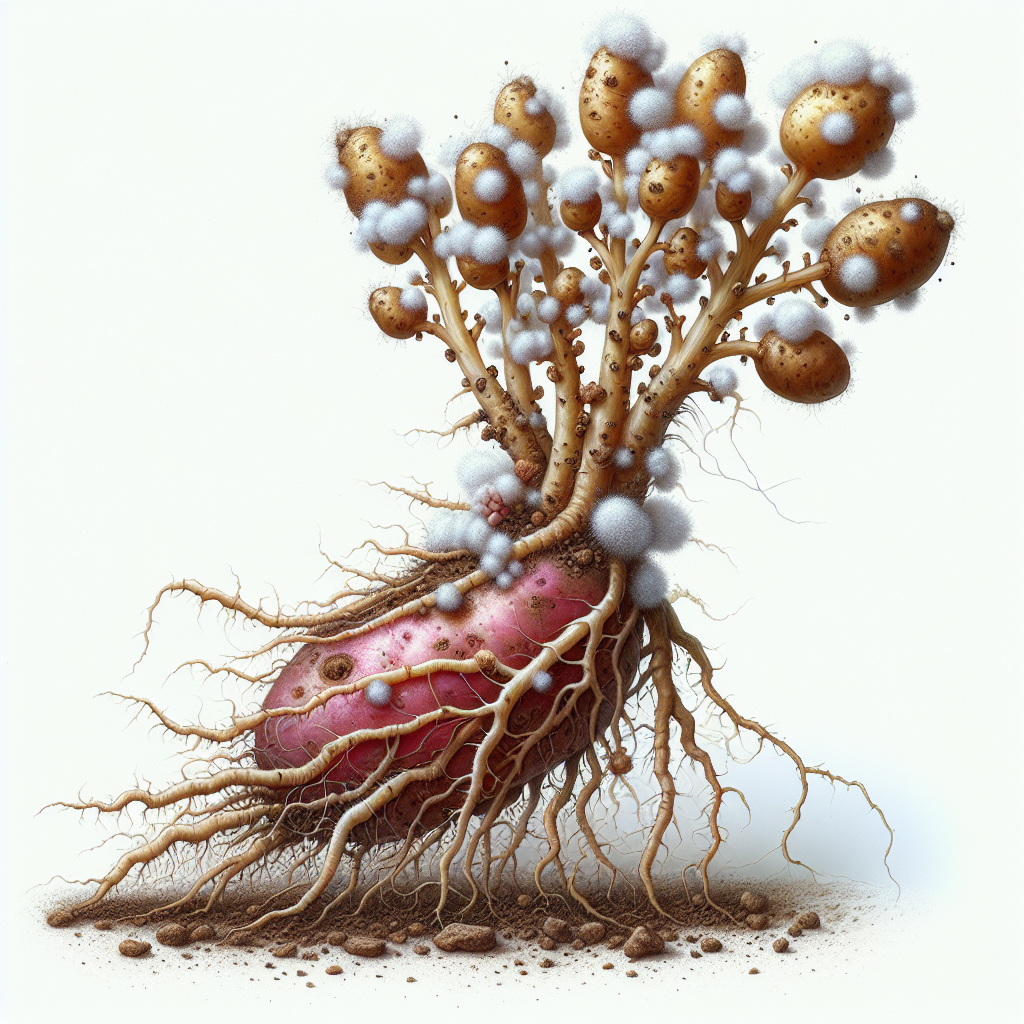
Rhizoctonia solani
Rhizoctonia solani is a ubiquitous soilborne fungal pathogen causing root rot, damping-off, and web blight in numerous crops worldwide. Highly resilient with sclerotia and mycelial survival structures, it thrives in warm, moist conditions, leading to significant seedling and root losses. Effective management relies on cultural practices, resistant varieties, and integrated organic strategies.
View Profile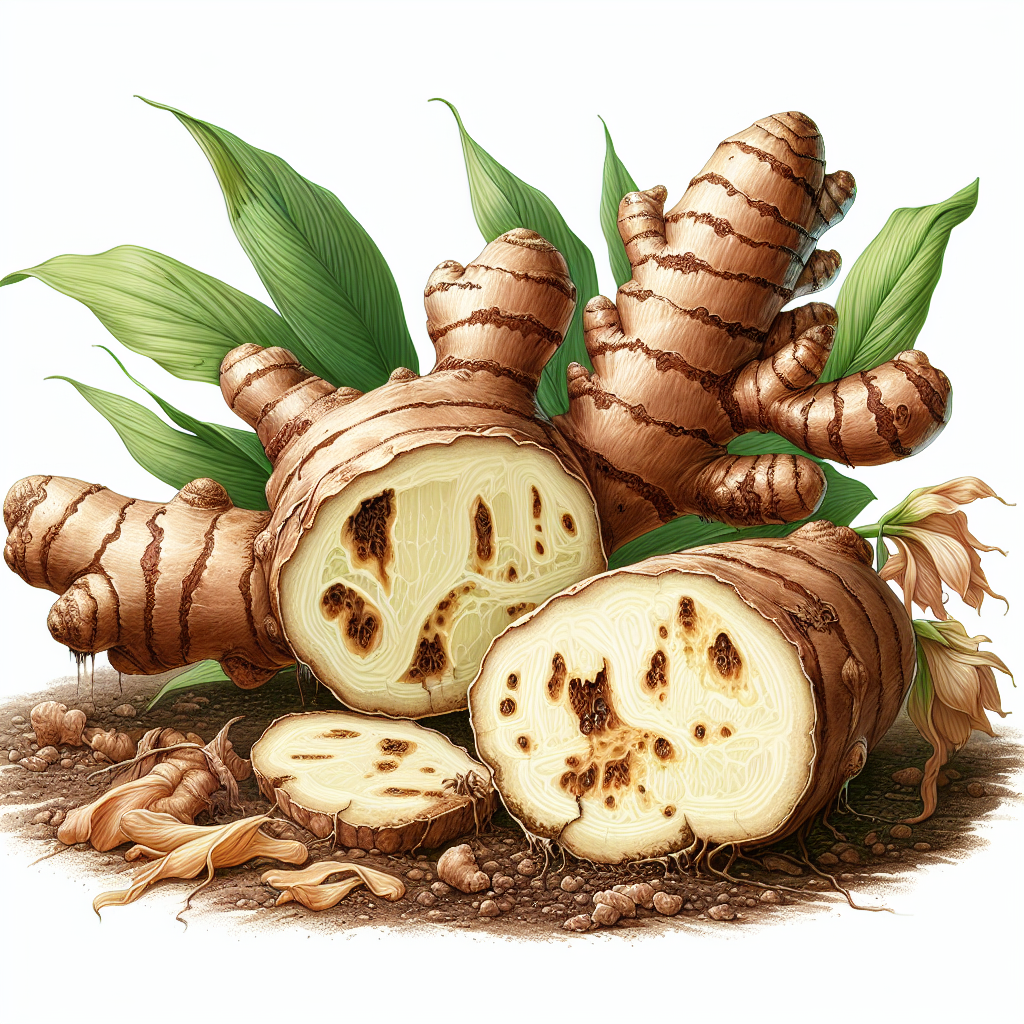
Rhizome rot
Rhizome rot is a devastating fungal and oomycete disease that targets the underground rhizomes of tropical and subtropical crops, leading to wilting, yellowing foliage, and plant collapse. Caused mainly by soil-borne pathogens thriving in wet conditions, it spreads rapidly in poorly drained fields. Effective management relies on cultural practices, resistant varieties, and organic biocontrols to minimize losses.
View Profile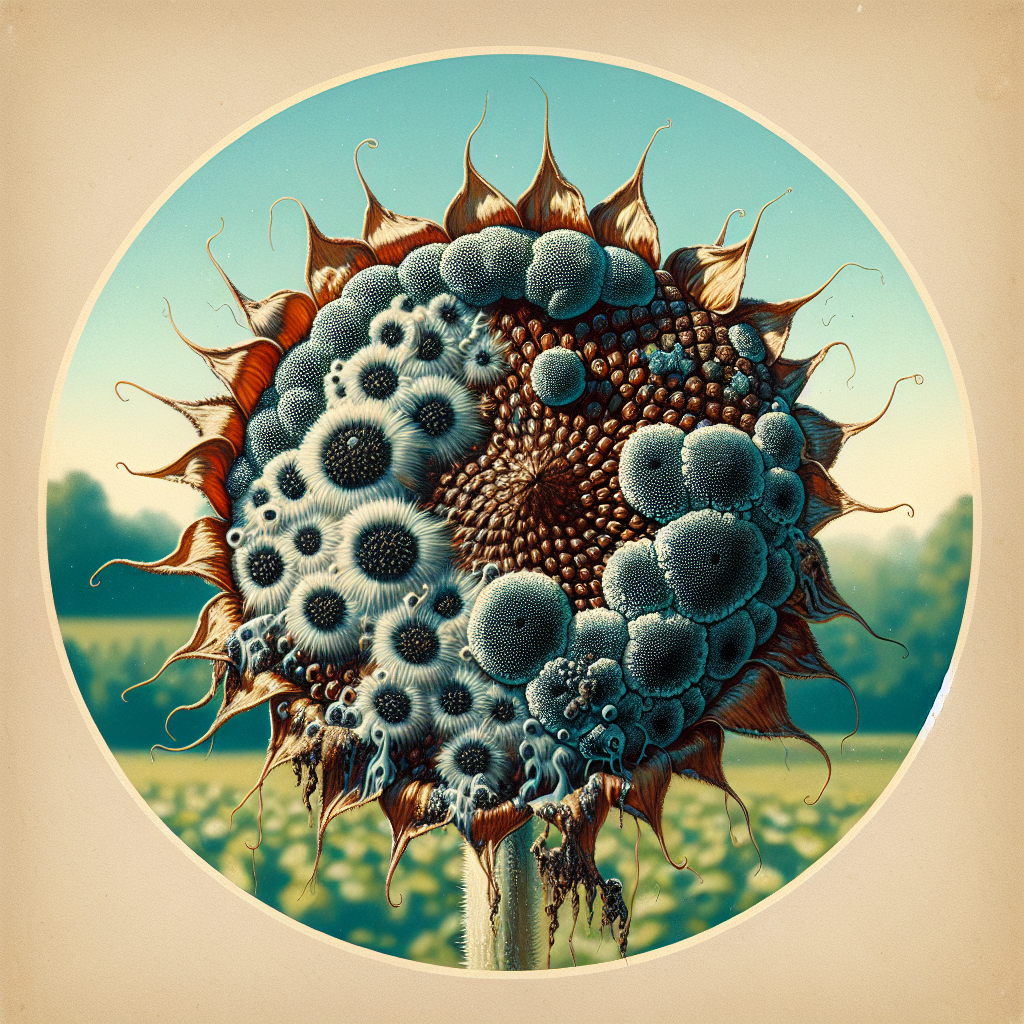
Rhizopus head rot
Rhizopus head rot is a destructive fungal disease caused by Rhizopus species that primarily affects the inflorescences or heads of crops like sunflower and sorghum, leading to rapid tissue decay and black sporangia formation. It thrives in warm, humid conditions and wounds, causing significant yield losses through head collapse and seed contamination. Effective management relies on cultural practices, sanitation, and organic fungicides to prevent outbreaks.
View Profile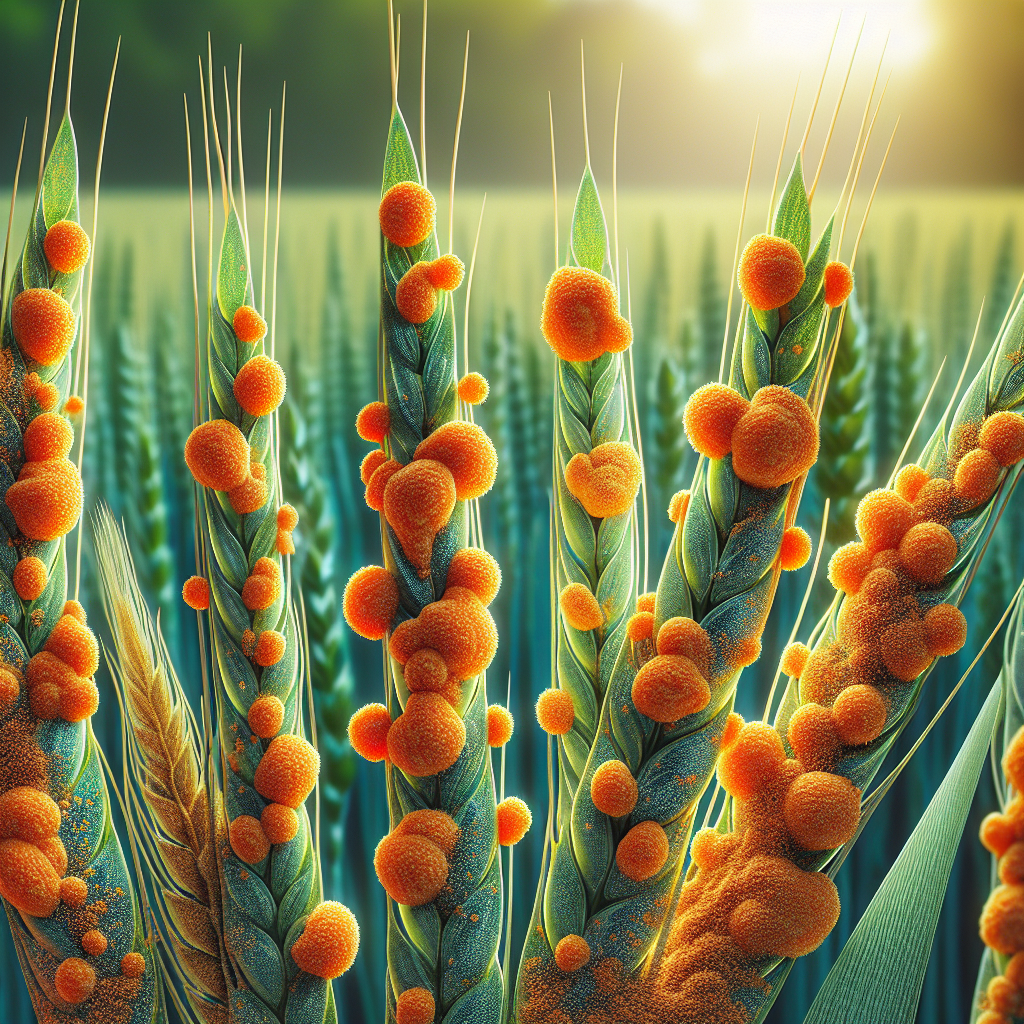
Rusts
Rusts are fungal diseases caused by basidiomycete pathogens that produce characteristic rusty-colored pustules on plant tissues, leading to significant yield losses in cereals, vegetables, and ornamentals. These obligate parasites require living host tissue and often alternate between hosts in complex lifecycles. Effective management combines resistant varieties, cultural practices, and targeted organic fungicides for sustainable control.
View Profile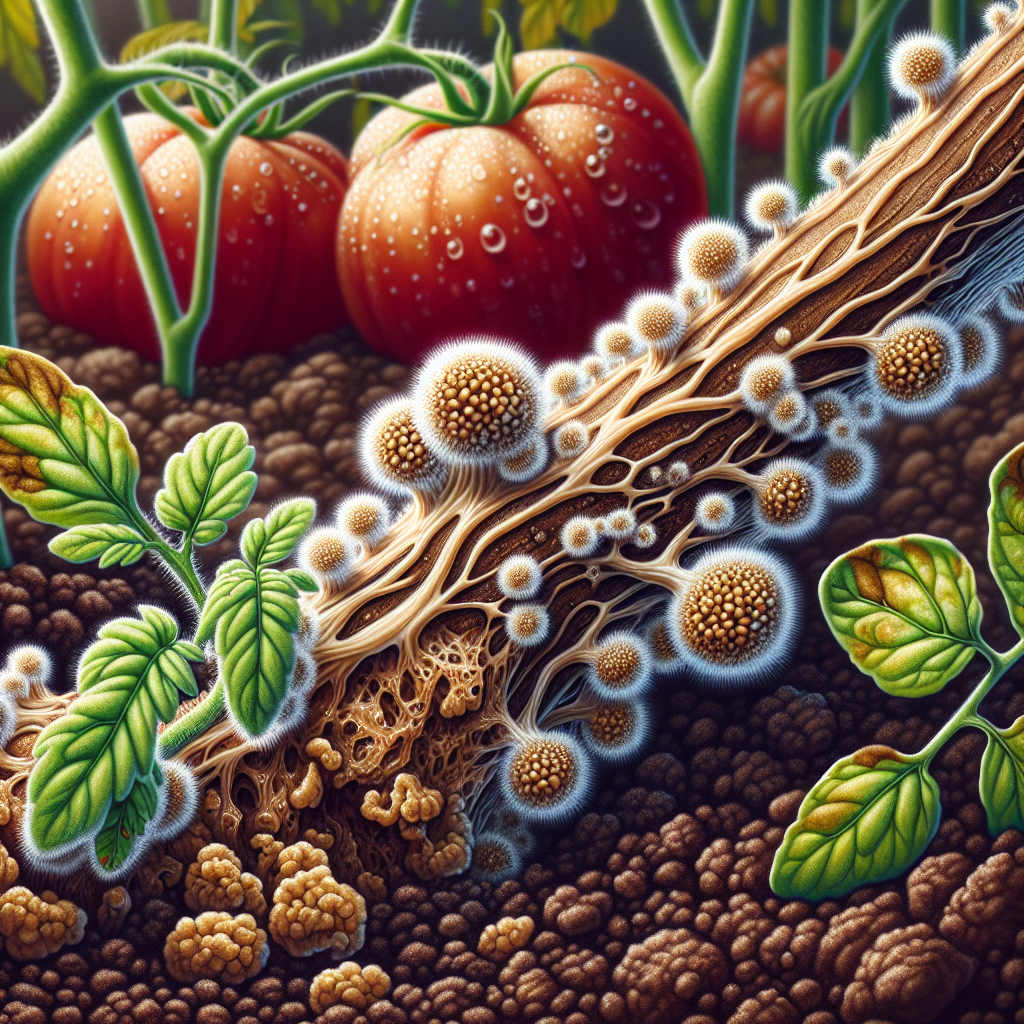
Sclerotium rolfsii
Sclerotium rolfsii is a highly destructive soilborne fungal pathogen causing southern blight, root rot, and wilt in over 500 plant species worldwide. Recognizable by mustard seed-like sclerotia and white mycelial growth at the soil line, it thrives in warm, moist conditions. Effective management relies on cultural practices, organic biocontrols, and strict prevention to minimize crop losses.
View Profile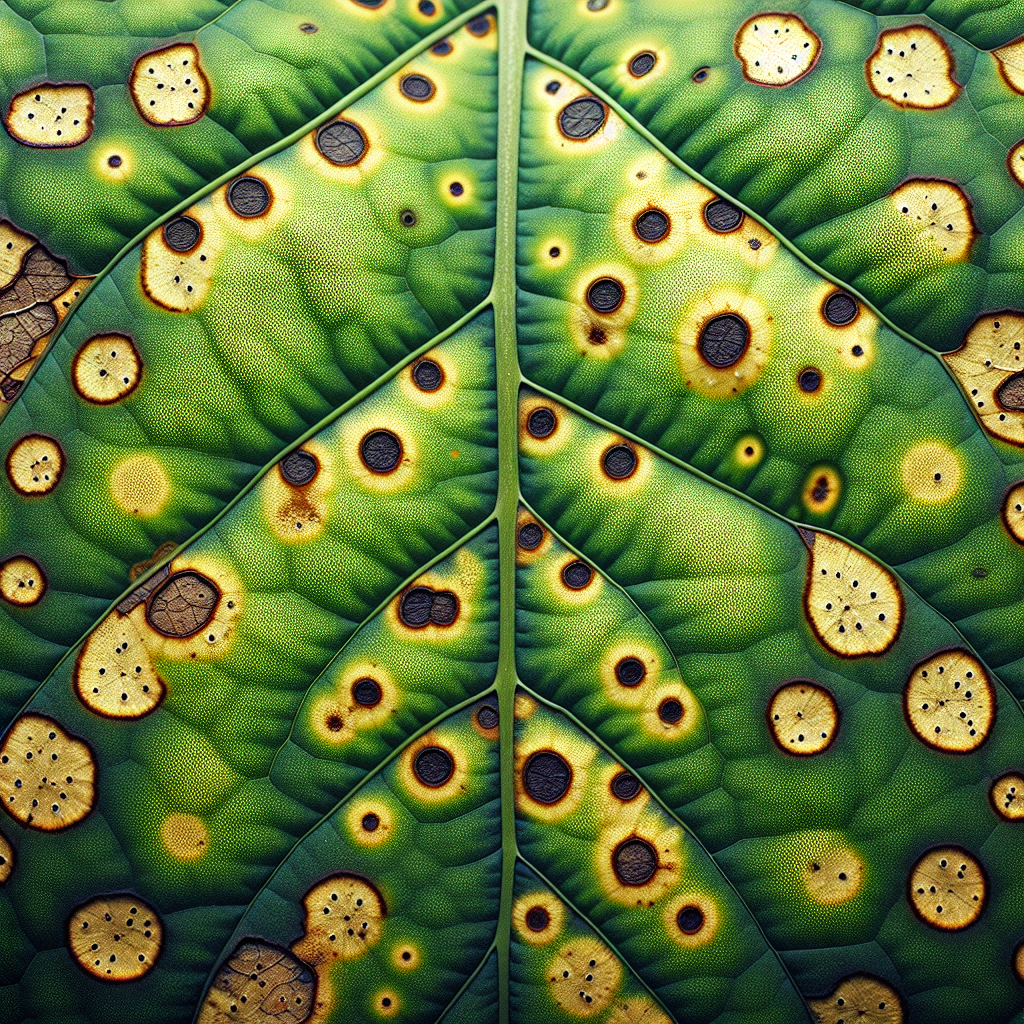
Septoria
Septoria is a widespread fungal disease causing leaf spots and blights in many crops, leading to reduced photosynthesis and yield losses. It thrives in cool, wet conditions and spreads via splashing rain. Effective management relies on cultural practices, resistant varieties, and timely organic fungicides.
View Profile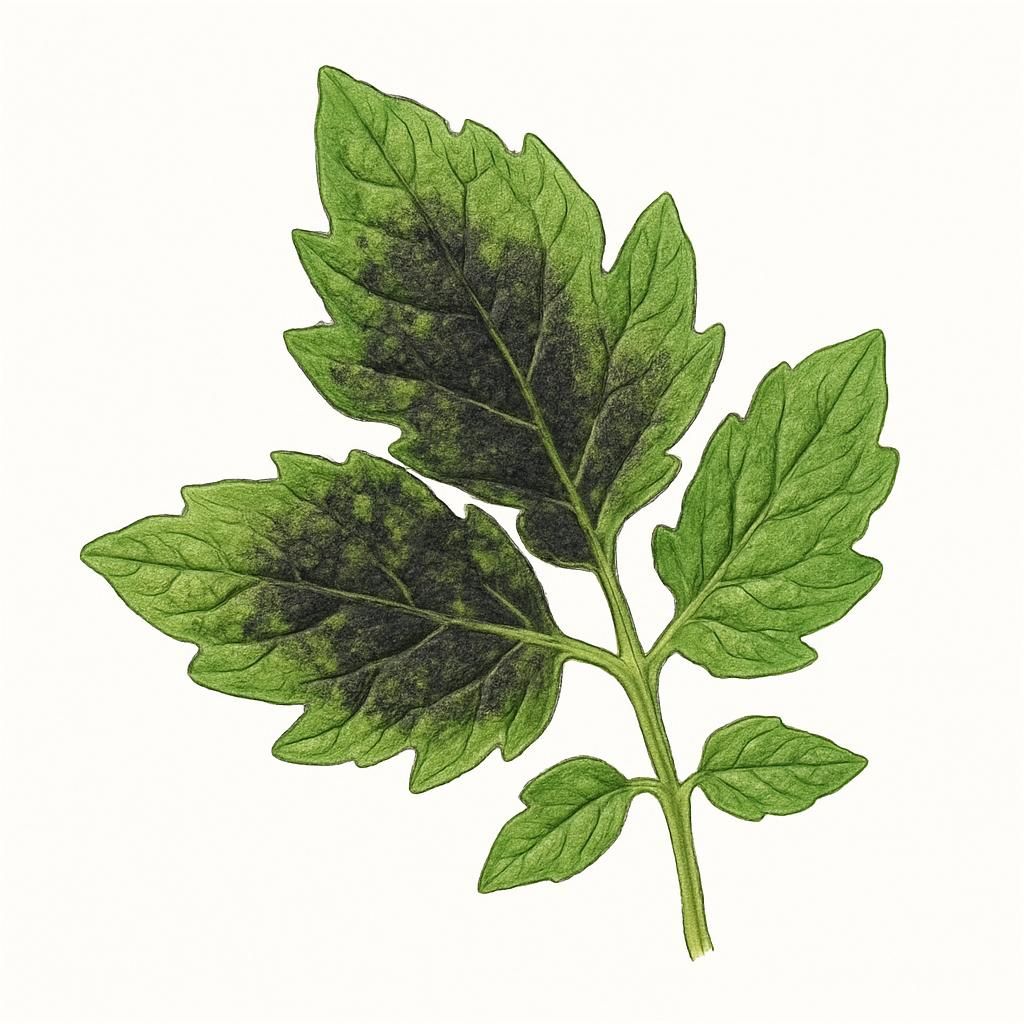
smudge
Smudge is a superficial sooty mold caused by Cladosporium fuligineum that coats leaves, stems, and fruits in a dark, powdery film. It thrives on honeydew from sap-feeding insects and rarely penetrates plant tissue but reduces photosynthesis and market value. Effective control centers on managing the underlying insect populations and improving airflow.
View Profile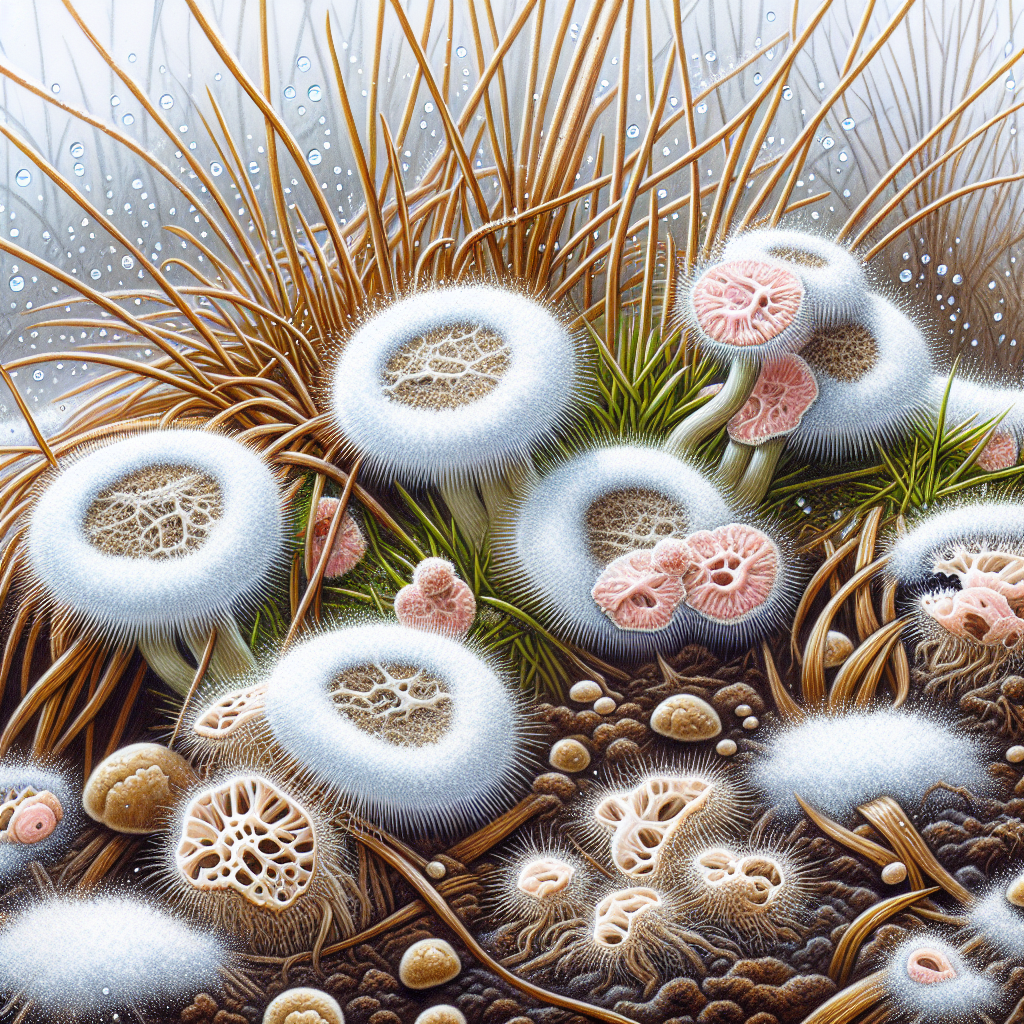
snow mold
Snow mold is a cold-weather fungal disease that attacks turfgrasses, cereals like [wheat](/wiki/wheat) and [barley](/wiki/barley), and overwintering crops under prolonged snow cover. It causes white, gray, or pink mycelial growth and rots plant tissues, leading to significant stand losses in northern climates. Effective management relies on cultural practices, resistant varieties, and timely fungicide applications.
View Profile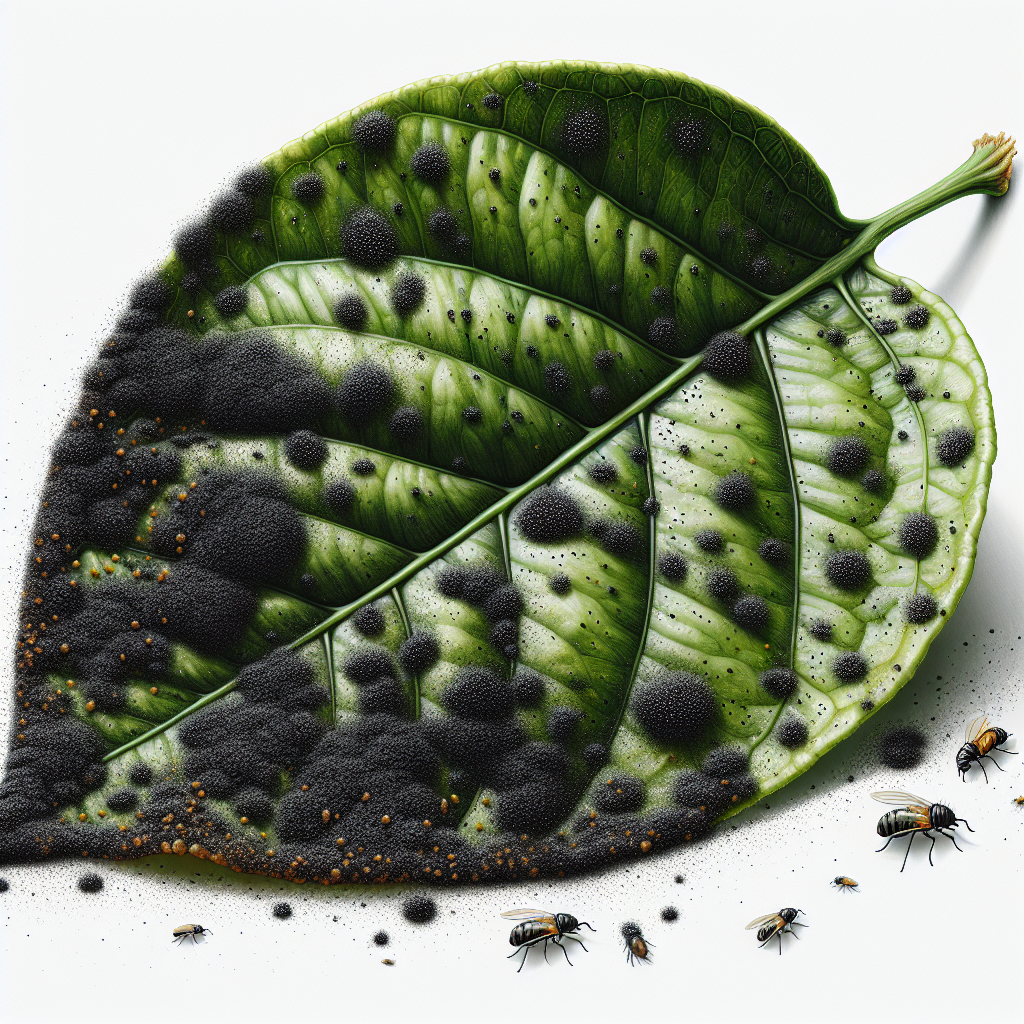
sooty mold
Sooty mold is a black, powdery fungal growth that appears on leaves, stems, and fruits coated with sticky honeydew excreted by sucking pests like aphids and scale insects. While not directly pathogenic to plants, it blocks sunlight, impairs photosynthesis, and reduces crop quality and market value. Effective management focuses on controlling the underlying insect infestations through organic methods and cultural practices.
View Profile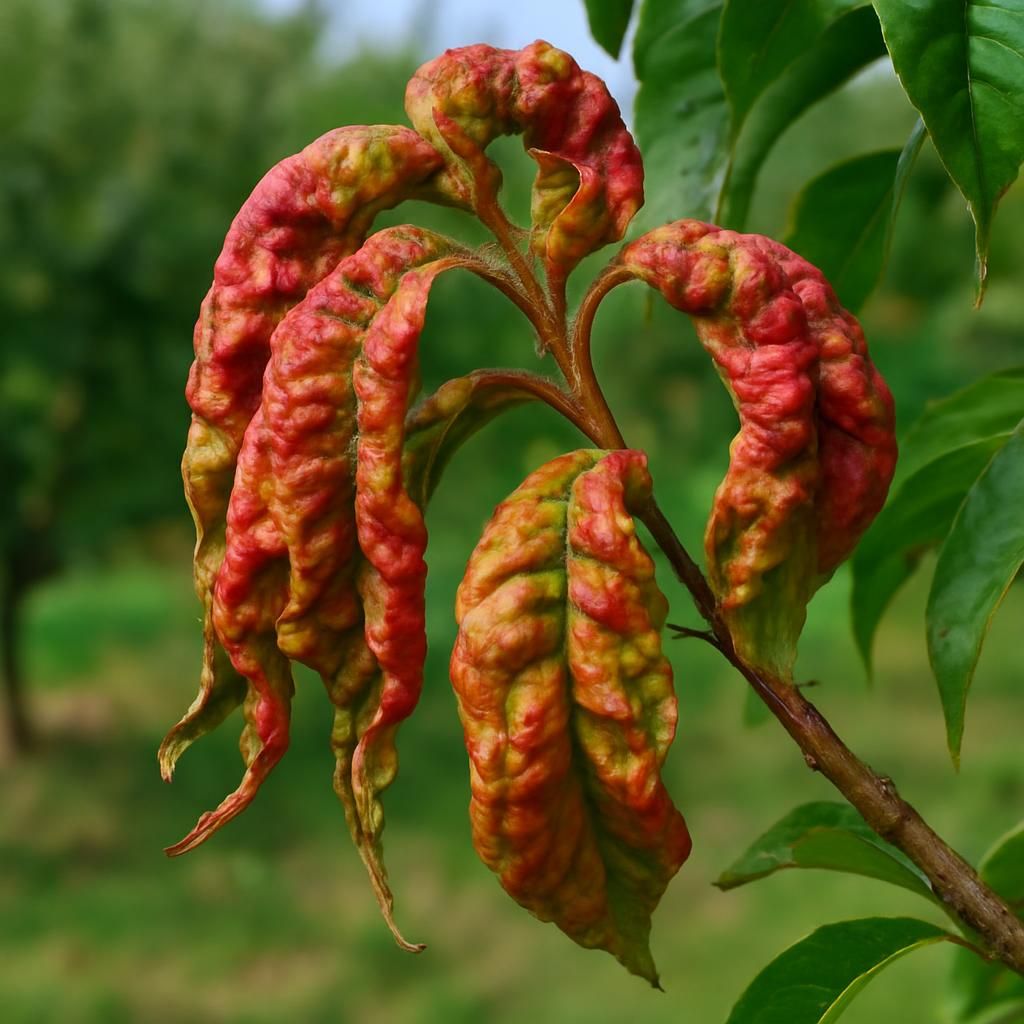
Taphrina deformans
Taphrina deformans is a fungal pathogen causing peach leaf curl, a widespread disease affecting peach and related stone fruit trees. It produces characteristic distorted, thickened, and discolored leaves that reduce photosynthesis and tree vigor. Effective management relies on timely dormant-season fungicide applications and cultural practices.
View Profile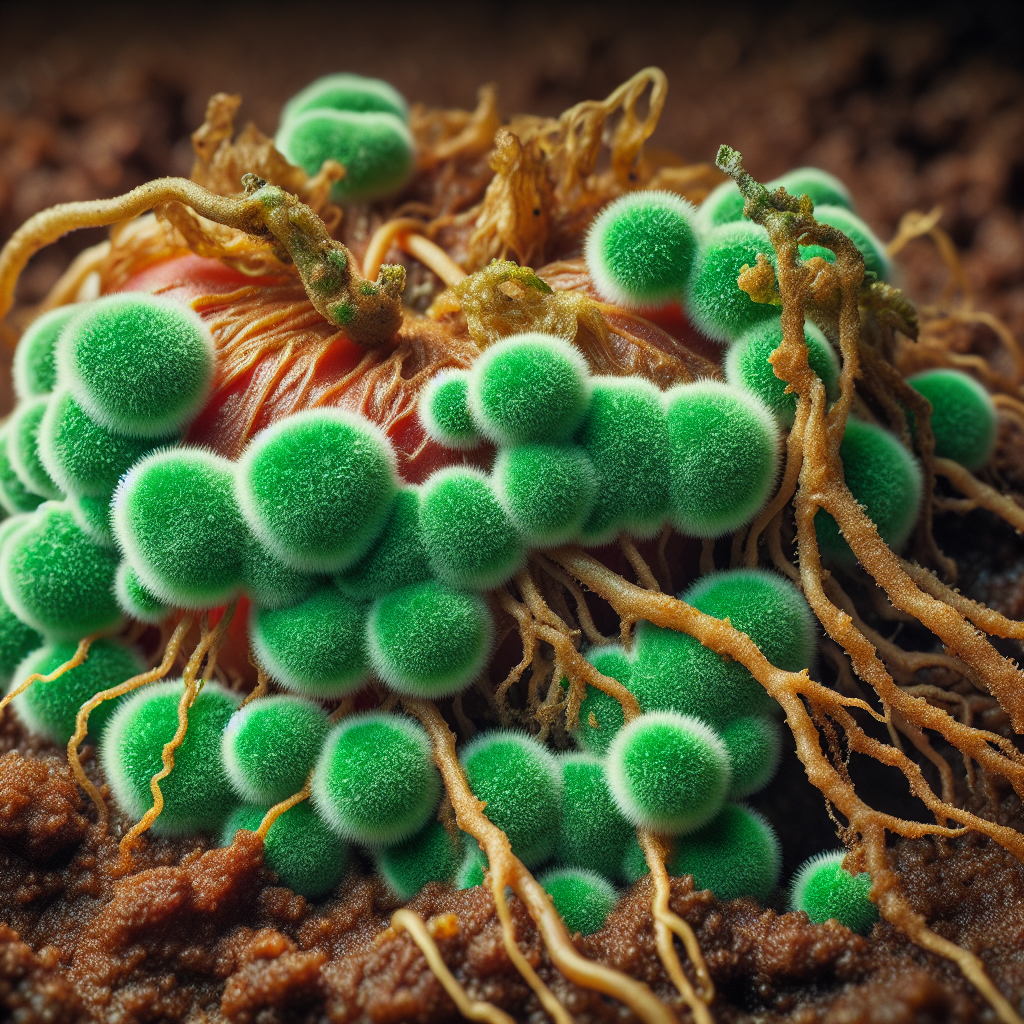
Trichoderma
Trichoderma is a genus of fungi often celebrated as a biological control agent in agriculture, but certain species can become opportunistic pathogens causing green mold rot on crops, seeds, and seedlings under high-moisture conditions. This guide details its symptoms, lifecycle, management strategies, and prevention for affected crops. While primarily beneficial, unchecked Trichoderma outbreaks can lead to significant yield losses in humid environments.
View Profile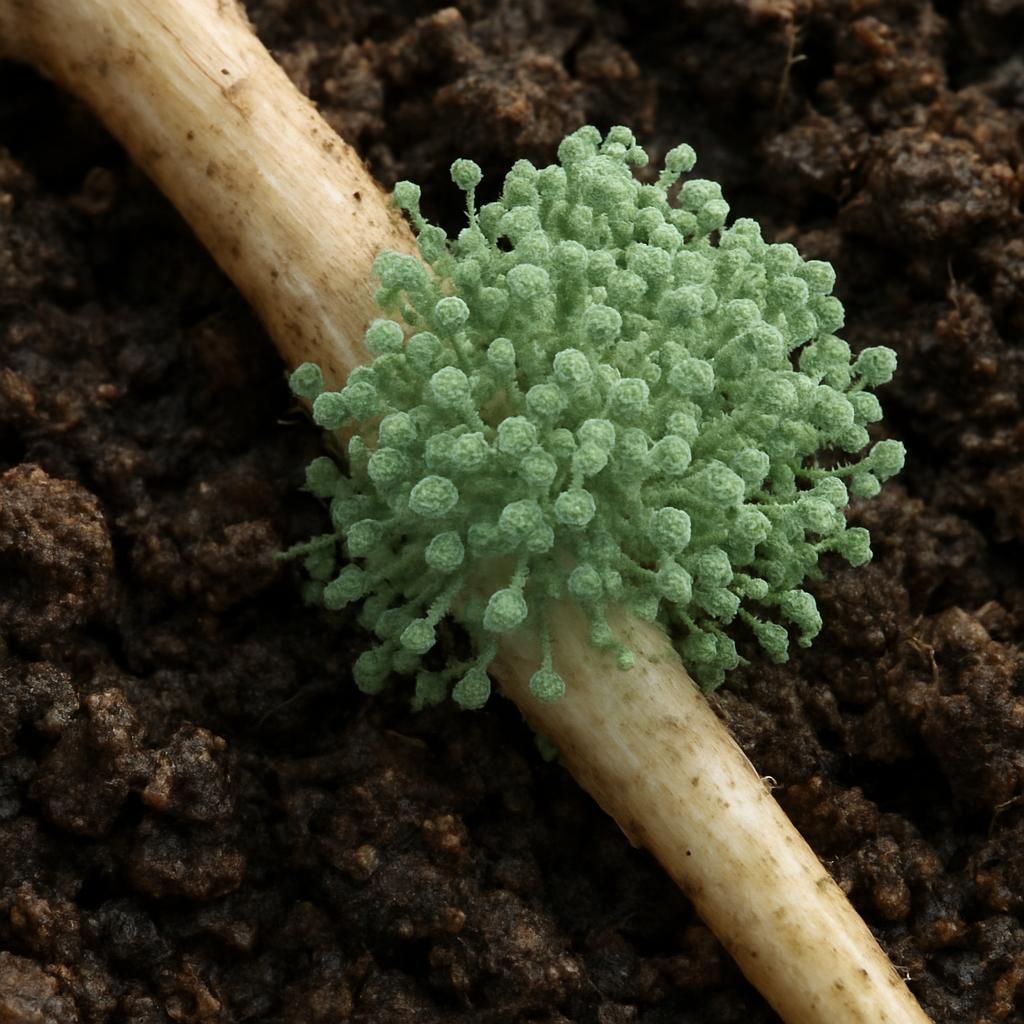
Trichoderma spp.
Trichoderma spp. are ubiquitous soil fungi renowned for their beneficial roles in agriculture, acting as biocontrol agents against plant pathogens like [Pythium](/wiki/pythium) and [Rhizoctonia](/wiki/rhizoctonia), while promoting plant growth through nutrient solubilization and root enhancement. However, under certain conditions, certain strains can cause green mold rot on crops, particularly in high-humidity environments or on stored produce. This guide provides comprehensive diagnostic, management, and prevention strategies for leveraging their benefits and mitigating rare pathogenic issues.
View Profile
white rot
White rot is a destructive fungal disease primarily affecting allium crops like onions, garlic, and leeks, caused by the soilborne pathogen Sclerotium cepivorum. It leads to white, fluffy mycelial growth on roots and bulbs, causing wilting, rot, and significant yield losses. Effective management relies on cultural practices, biofumigation, and long-term soil health strategies due to the pathogen's persistent sclerotia.
View Profile