Introduction to Red thread
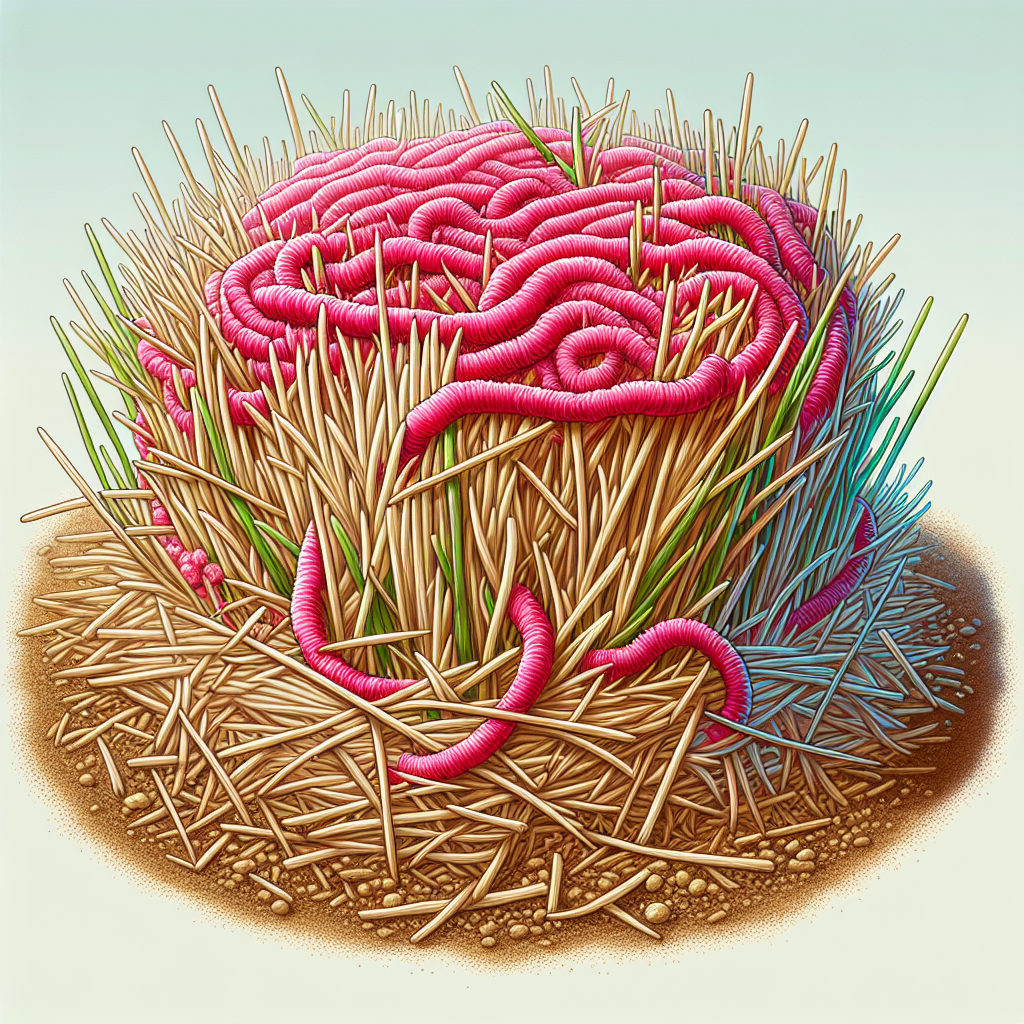
Red thread disease, caused by the fungus Laetisaria fuciformis, is one of the most prevalent turfgrass disorders worldwide, particularly in home lawns, golf courses, and sports fields. This fungal pathogen thrives in cool, wet environments with low soil fertility, producing striking pink to reddish thread-like structures that give the disease its name. While not typically fatal, red thread can cause significant aesthetic damage, turning lush green turf into unsightly bleached patches that mar landscapes.
First identified in the early 20th century, red thread has become increasingly common due to intensive turf management practices and climate shifts favoring prolonged moisture. It affects a range of cool-season grasses but spares warm-season varieties like Bermudagrass (not in list, but conceptually). Farmers and turf managers often confuse it with dollar spot or brown patch, but the diagnostic red sclerotia set it apart. Early detection and proactive management are key to maintaining healthy turf. This guide provides professional-grade diagnostics, organic treatments, and prevention strategies optimized for agricultural settings. For more on AI-assisted plant identification, check Why Misidentifying Plants Costs Small Farms Thousands - And How AI Camera Diagnosis Fixes It Fast.
Understanding red thread's biology empowers growers to implement targeted interventions, reducing reliance on synthetic chemicals. With rising demand for sustainable turf, organic controls have proven highly effective when timed correctly.
Identifying Symptoms & Damage
Recognizing red thread early prevents widespread outbreaks. Initial symptoms appear as small, straw-colored or bleached patches 2-6 inches (5-15 cm) in diameter on grass blades. These patches expand to 1-2 feet (30-60 cm) under favorable conditions, creating a mottled, yellowish appearance across the turf.
The hallmark sign is the formation of pink to red gelatinous sclerotia—thread-like structures 0.1-0.2 inches (2-5 mm) long—clinging to leaf blades, sheaths, and stolons. When dry, these sclerotia harden into tan to reddish antler-shaped bodies visible upon close inspection. Infected blades often show tan lesions with red borders, and severe infections cause blighted areas where grass thins dramatically.
Damage peaks in spring and fall, with turf density reduced by 50-80% in untreated patches. Unlike powdery mildew, red thread doesn't produce white powdery growth; unlike pythium blight, it lacks greasy, orange mycelium. Microscopic confirmation reveals banana-shaped basidiospores, but field diagnosis relies on sclerotia. Yield impacts are indirect: weakened turf succumbs to secondary invaders like army worms or slugs, compounding losses.
Lifecycle and Progression of Red thread
Laetisaria fuciformis survives dormant periods as sclerotia in soil or thatch, germinating when moisture and cool temperatures (55-75°F / 13-24°C) align. Infection begins with basidiospores released from mature sclerotia, landing on wet leaf surfaces. Hyphae penetrate through stomata or wounds, colonizing leaf tissues within 48-72 hours.
The disease progresses rapidly during prolonged leaf wetness (>12 hours), with mycelium spreading intercellularly. Sclerotia form 7-14 days post-infection, maturing into sporulating bodies that release millions of spores via wind or rain splash. A single cycle completes in 2-4 weeks, with overlapping generations in humid conditions.
Sclerotia persist 2-3 years in soil, favored by high organic matter. Progression halts below 50°F (10°C) or above 85°F (29°C), but resumes with dew formation. In agricultural turf like perennial ryegrass fields (conceptual), untreated infections spread 10-20 feet per season.
Environmental Triggers & Risk Factors
Red thread flourishes under specific conditions: cool temperatures (60-70°F / 15-21°C daytime), high humidity (>90% RH), and extended leaf wetness from dew, fog, or irrigation. Low nitrogen fertility (<1 lb N/1000 sq ft monthly) stresses turf, making it susceptible—nitrogen-starved plants produce thin cell walls easily breached by fungi.
Compacted soils, heavy shade, and excessive thatch (>0.5 inches) trap moisture, exacerbating outbreaks. Neutral to slightly acidic soils (pH 6.0-7.0) with low organic matter heighten risk. Overwatering or poor drainage creates ideal microclimates. Risk spikes after cool, wet springs following mild winters.
Susceptible cultivars include fine fescues, perennial ryegrass, and bentgrasses; Kentucky bluegrass shows moderate resistance. Secondary factors: drought stress followed by rain, or proximity to infected clover patches acting as reservoirs.
Organic Control & Treatment Plans
Organic management prioritizes cultural corrections over fungicides. First, apply balanced nitrogen fertilizer (1 lb N/1000 sq ft using organic sources like composted poultry manure or blood meal) to boost turf vigor. Mow at optimal heights (2-3 inches for fescues) and remove clippings to reduce inoculum.
Improve air circulation by verticutting thatch and aerifying compacted soils annually. Water deeply but infrequently (1 inch/week), early morning to minimize foliar wetness. Organic fungicides like potassium bicarbonate (apply 4-8 oz/1000 sq ft every 7-14 days) or sulfur-based products suppress sporulation effectively.
Neem oil or potassium salts of fatty acids provide contact control; rotate with Bacillus subtilis strains (e.g., Serenade) for bio-control. For severe cases, rake and remove infected debris, then topdress with 0.25 inches compost. Integrated plans combining fertility, irrigation tweaks, and 2-3 organic applications yield 85-95% control. Avoid synthetic azoxystrobin; focus on soil health for long-term suppression. Monitor weekly during risk periods.
Preventing Red thread in the Future
Prevention hinges on cultural excellence. Maintain soil tests annually, targeting 3-5% organic matter and pH 6.2-6.8. Fertilize proactively: 0.5-1 lb N/1000 sq ft monthly during growing season using slow-release organics. Select resistant cultivars like strong creeping red fescue or turf-type tall fescue blends.
Optimize irrigation: evapotranspiration-based scheduling avoids overwatering. Aerate twice yearly, dethatch as needed, and overseed thin areas with resistant varieties. Enhance biodiversity with micro-clover mixes to outcompete pathogens. Mulch mowings return nutrients without thatch buildup.
Site selection matters: avoid low-lying, shady areas for susceptible grasses. Scout weekly using apps for early alerts. Long-term, foster deep roots via non-stress periods. These steps reduce incidence by 90% in managed turf.
Crops Most Affected by Red thread
Red thread predominantly strikes cool-season turfgrasses. Perennial ryegrass (Lolium perenne) tops susceptibility lists, with 70-90% infection rates in nitrogen-poor stands. Fine fescues—creeping red fescue (Festuca rubra subsp. rubra), chewings fescue (F. rubra subsp. commutata), and hard fescue (F. brevipila)—suffer widespread outbreaks, especially in shaded lawns.
Bentgrasses (Agrostis spp.), including creeping bentgrass used on golf greens, show high vulnerability. Kentucky bluegrass (Poa pratensis) experiences moderate infections, often mixed with fusarium. Tall fescue (Festuca arundinacea) resists better but succumbs under stress. Warm-season crops like wheat, corn, or sorghum remain unaffected due to heat tolerance. Ornamental oats and rye turf can host reservoirs. In polycultures, interplant with resilient clover to dilute risk.