Encyclopedia
Definitive guides for crops, pests, and agricultural diseases.

Potato virus Y
Potato virus Y (PVY) is a highly destructive potyvirus that causes mosaic symptoms, yield losses up to 80%, and tuber necrosis in potatoes and related crops. Transmitted primarily by aphids in a non-persistent manner, it spreads rapidly in warm conditions. Effective management relies on certified seed, vector control, and resistant varieties.
View Profile
Powdery mildew
Powdery mildew is a widespread fungal disease characterized by white, powdery spots on leaves, stems, and fruits, thriving in warm, dry conditions with high humidity. It weakens plants by disrupting photosynthesis and nutrient uptake, leading to reduced yields and poor crop quality. Effective management relies on early detection, cultural practices, and organic treatments like sulfur and potassium bicarbonate.
View Profile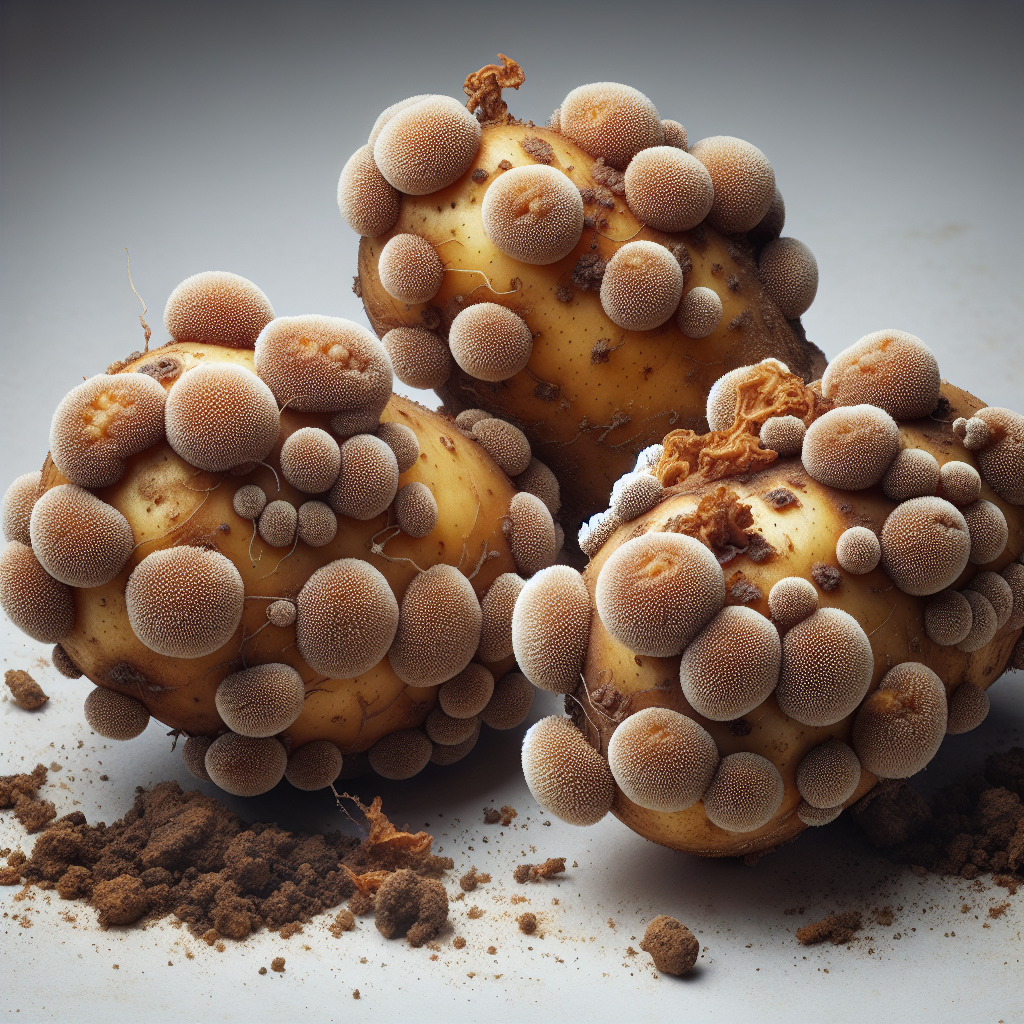
powdery scab
Powdery scab is a persistent soil-borne disease caused by the protozoan pathogen Spongospora subterranea, primarily affecting potatoes and related crops. It produces characteristic powdery eruptions on tubers, reducing marketability and yield. Effective management relies on cultural practices, resistant varieties, and soil health improvements.
View Profile
PSA bacterial canker
PSA bacterial canker is a devastating bacterial disease primarily affecting kiwifruit crops, caused by Pseudomonas syringae pv. actinidiae. It leads to cankers, oozing lesions, and dieback, causing significant yield losses worldwide. Early detection and integrated management are crucial for control.
View Profile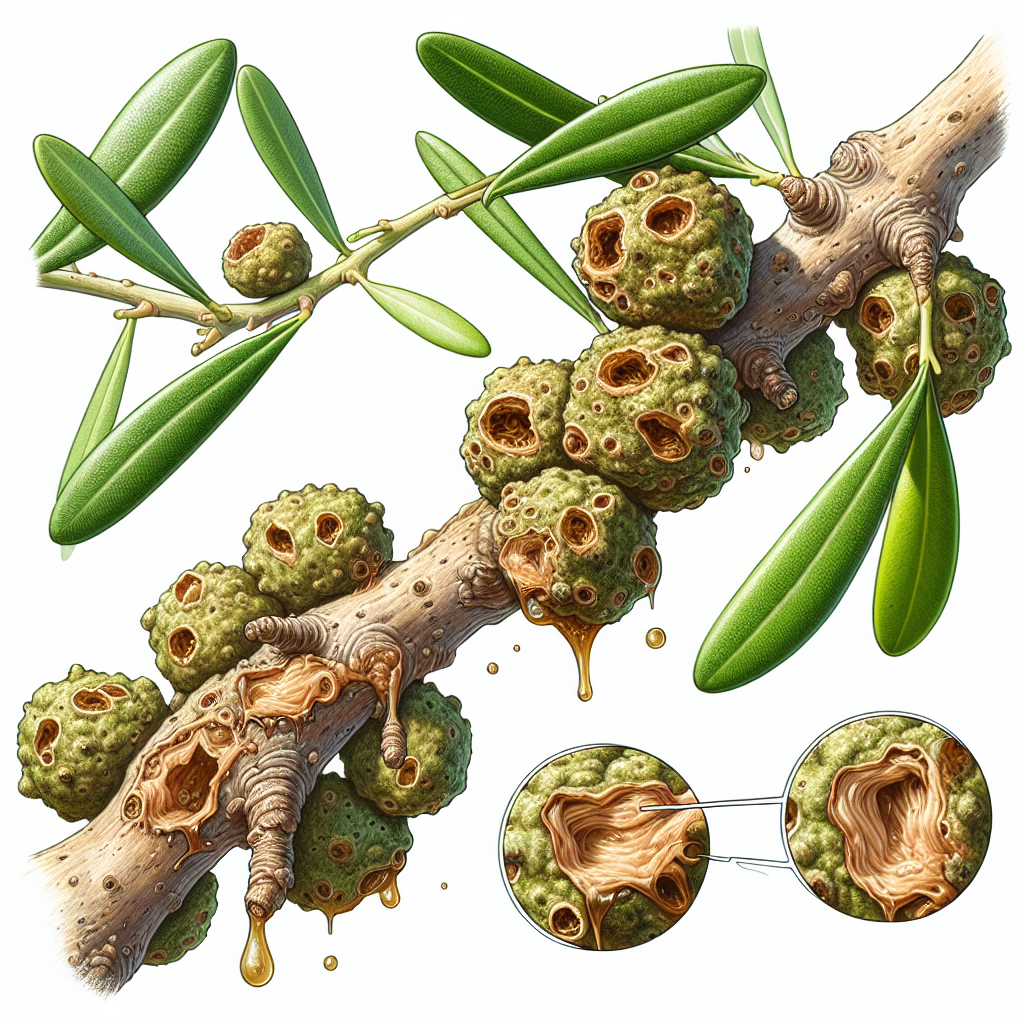
Pseudomonas savastanoi
Pseudomonas savastanoi is a bacterial pathogen causing olive knot disease, leading to tumor-like galls on olive trees that weaken plants and reduce yields. It primarily affects olive branches, stems, and twigs, thriving in warm, moist conditions. Effective management relies on cultural practices, sanitation, and resistant varieties for sustainable control.
View Profile
Pseudomonas syringae pv. actinidiae
Pseudomonas syringae pv. actinidiae (Psa) is a devastating bacterial pathogen causing bacterial canker in kiwifruit, leading to significant economic losses worldwide. This guide provides comprehensive diagnostics, symptoms identification, lifecycle details, environmental risks, organic management strategies, prevention tactics, and affected crops. Farmers can protect yields with timely detection and integrated practices.
View Profile
Purple blotch
Purple blotch is a destructive fungal disease primarily affecting onion crops, caused by Alternaria porri, leading to purple lesions on leaves that reduce photosynthesis and bulb quality. It thrives in warm, humid conditions and can cause significant yield losses up to 50-100% in severe cases. Effective management relies on cultural practices, resistant varieties, and timely organic fungicide applications.
View Profile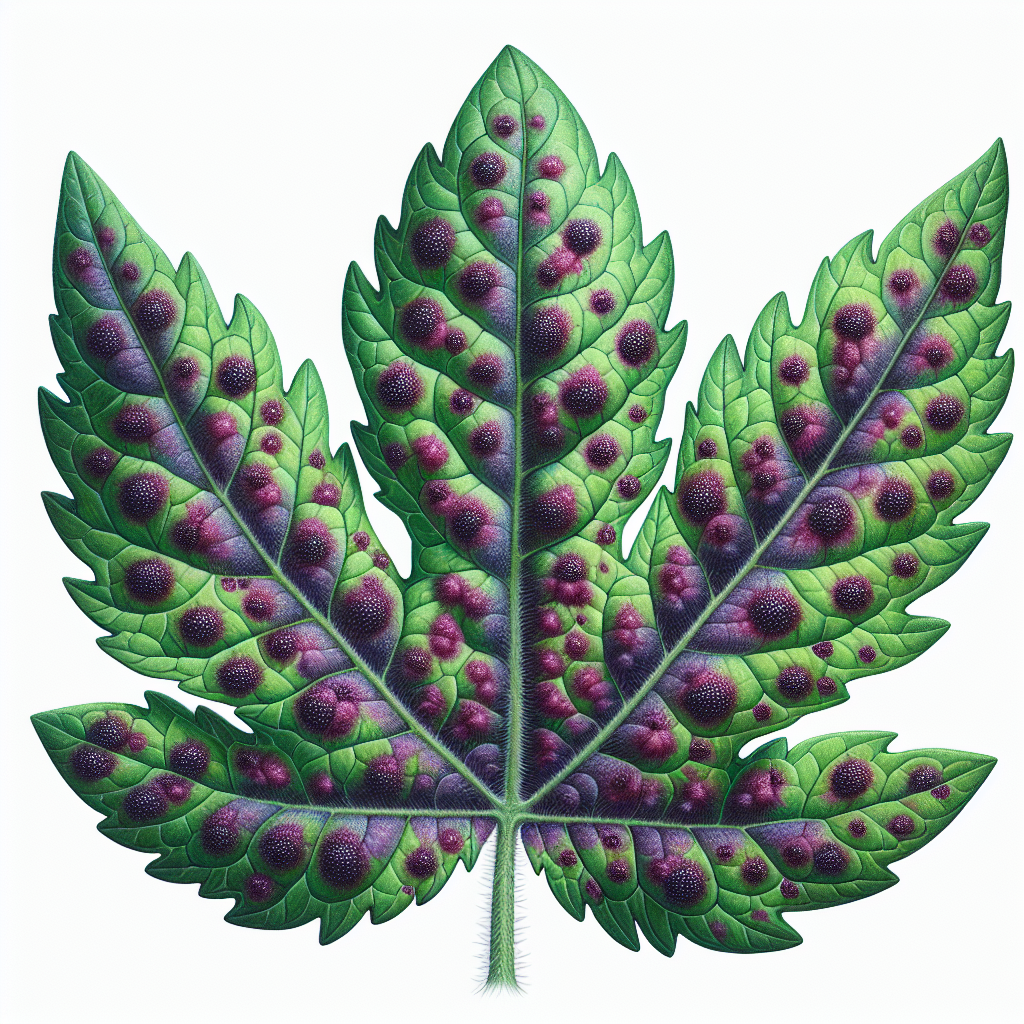
Purple spot
Purple spot is a bacterial disease causing distinctive purple lesions on tomato leaves and fruits, leading to defoliation and reduced yields. It thrives in cool, wet conditions and spreads via splashing water. Effective management relies on cultural practices, resistant varieties, and organic bactericides.
View Profile
PVY
Potato virus Y (PVY) is a highly destructive potyvirus that causes mosaic symptoms, necrosis, and yield losses in solanaceous crops like potato and tomato. Transmitted primarily by aphids in a non-persistent manner, it spreads rapidly in warm conditions. Effective management relies on certified seed, vector control, and resistant varieties.
View Profile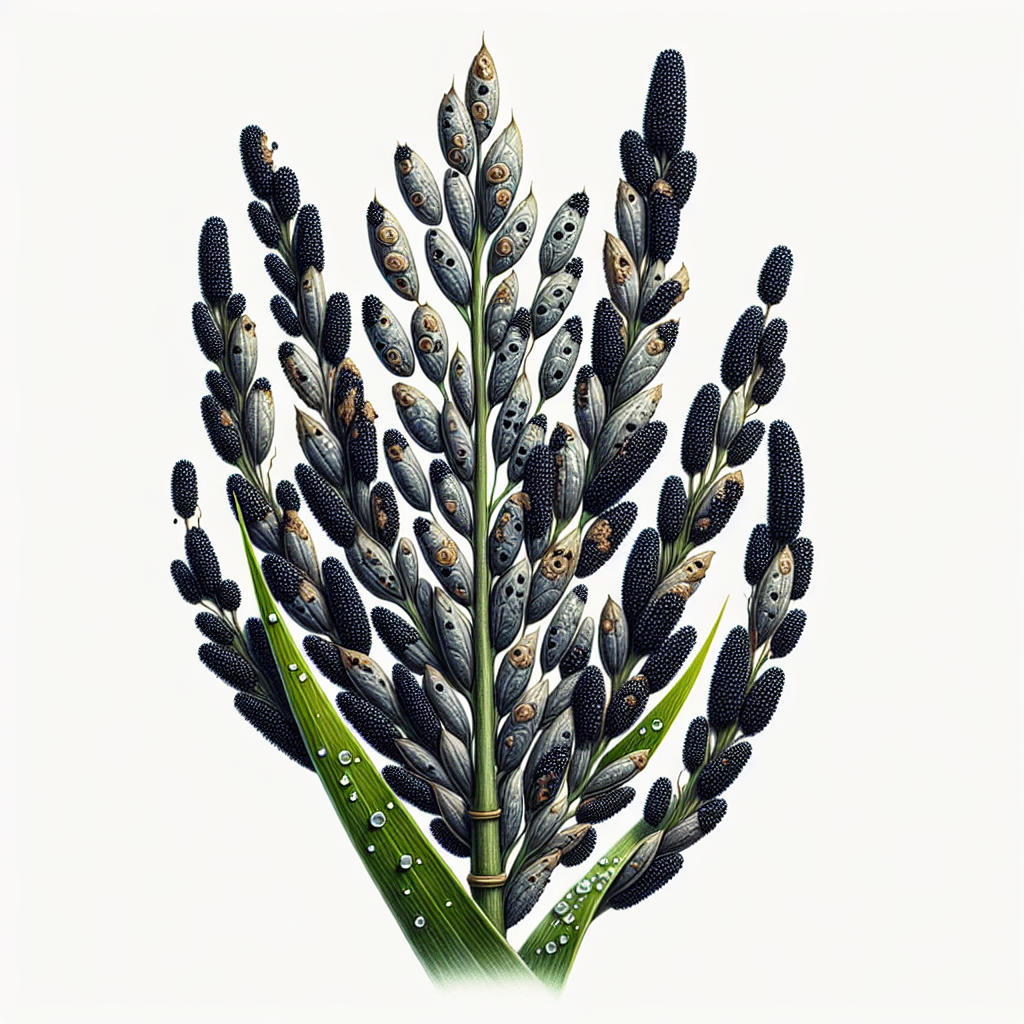
Pyricularia
Pyricularia is a destructive fungal pathogen causing blast disease in grasses and cereals, leading to significant yield losses in rice and other crops. Recognizable by diamond-shaped lesions with gray-white centers and dark borders, it thrives in warm, humid conditions. Effective management combines resistant varieties, cultural practices, and organic fungicides for sustainable control.
View Profile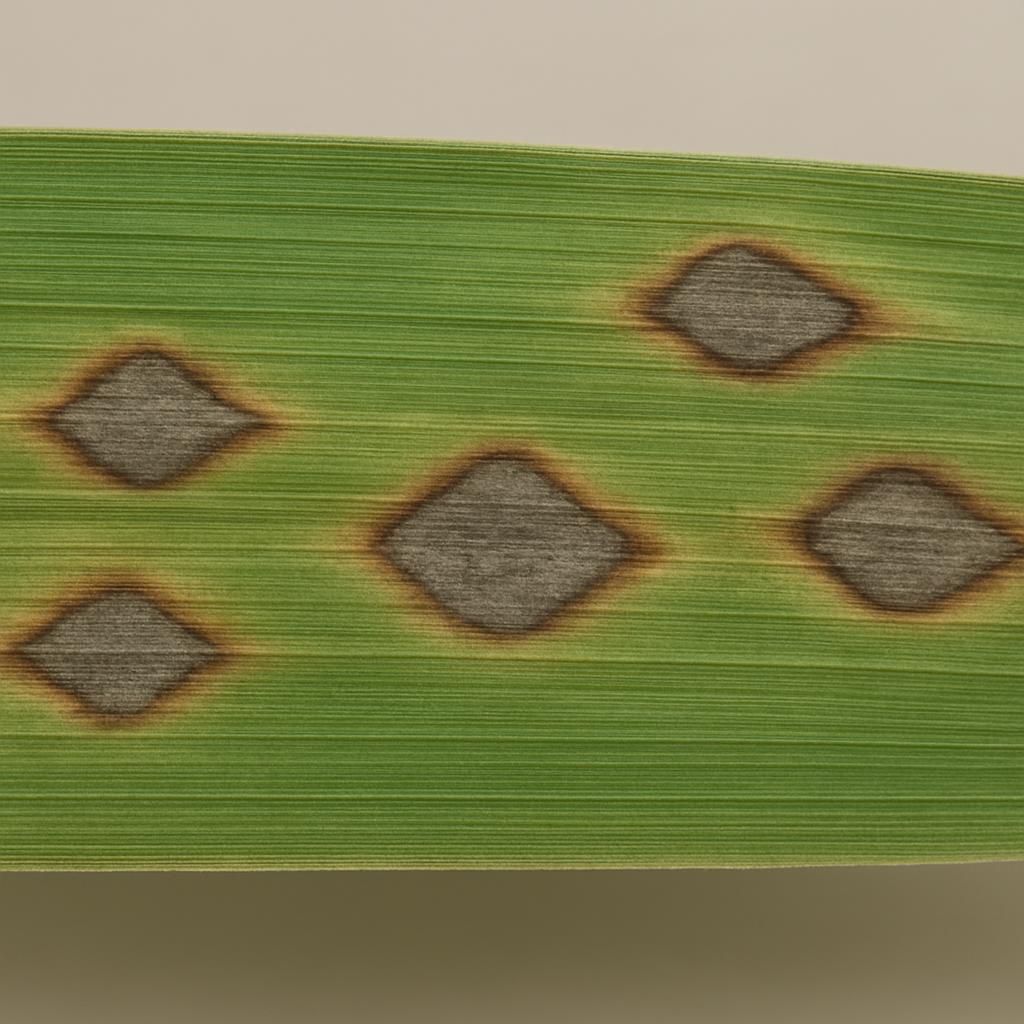
Pyricularia grisea
Pyricularia grisea is a destructive fungal pathogen primarily responsible for rice blast disease, causing severe yield losses in rice and other cereal crops worldwide. Effective diagnosis and integrated management are essential to protect vulnerable crops and maintain productivity in affected regions.
View Profile
Pythium
Pythium is a highly destructive oomycete pathogen causing root rot, damping-off, and blight in a wide range of crops, thriving in wet, poorly drained soils. It rapidly kills seedlings and stresses mature plants by destroying root systems, leading to stunted growth and yield losses up to 100% in severe cases. Effective management relies on cultural practices, sanitation, and organic biocontrols to prevent outbreaks.
View Profile
Pythium blight
Pythium blight is a fast-spreading fungal-like disease caused by Pythium species that thrives in warm, wet conditions, devastating turfgrasses and certain crops by producing cottony mycelium and greasy lesions. It spreads rapidly via water splash and contaminated equipment, leading to rapid plant death if unmanaged. Effective control relies on cultural practices, organic fungicides, and prevention through proper drainage and moisture management.
View Profile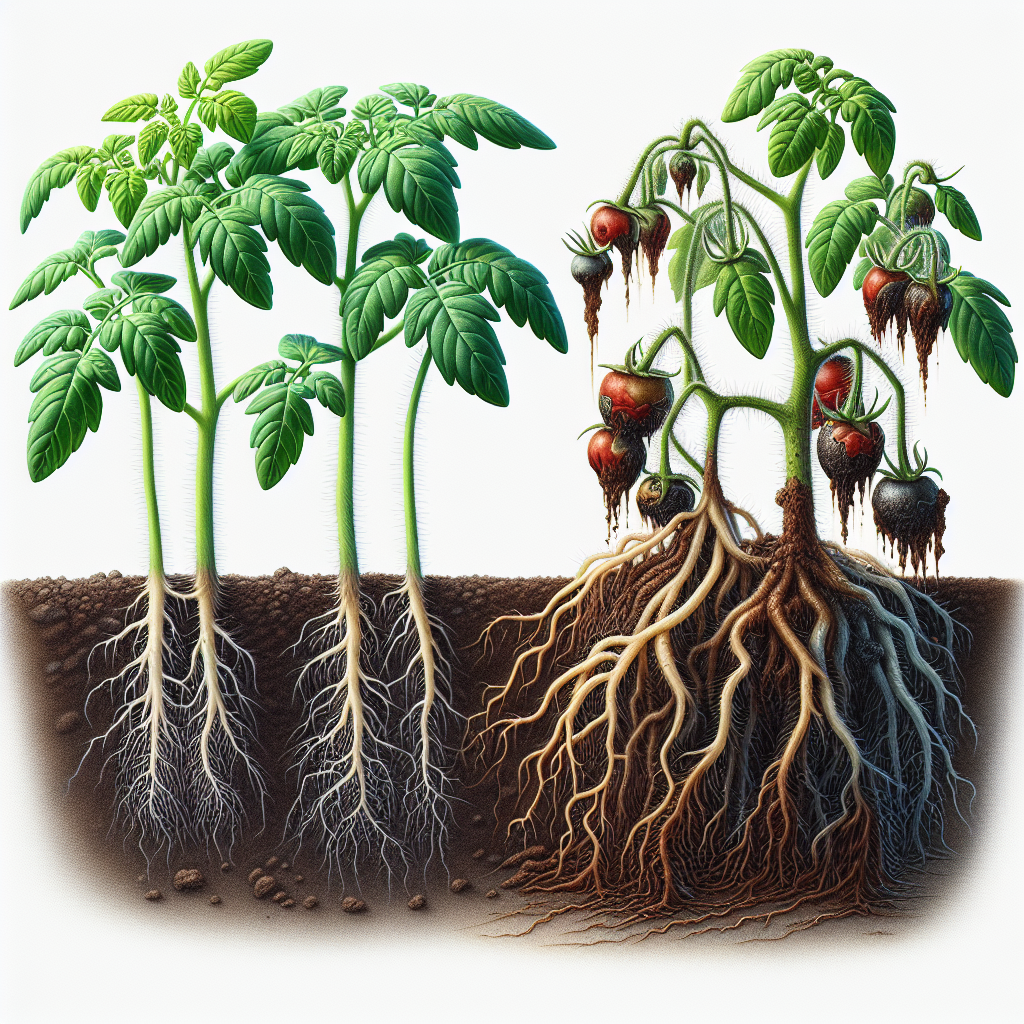
Pythium damping-off
Pythium damping-off is a devastating soil-borne fungal disease that primarily affects seedlings and young plants, causing rapid collapse and death. Caused by various Pythium species, it thrives in overly wet, poorly drained conditions and can wipe out entire nursery beds overnight. Effective management relies on cultural practices, sanitation, and preventive measures to minimize losses in agriculture.
View Profile
Pythium root rot
Pythium root rot is a devastating soilborne fungal disease caused by Pythium species that thrives in wet, poorly drained conditions, leading to rapid root decay and plant collapse. It primarily affects seedlings and young plants but can impact mature crops, causing stunted growth, wilting, and yield losses up to 50% in severe cases. Effective management relies on cultural practices, sanitation, and organic biocontrols to prevent outbreaks.
View Profile
Pythium-related root problems
Pythium-related root problems are devastating oomycete infections causing root rot, damping-off, and plant decline in overly wet conditions. These soilborne pathogens thrive in saturated soils, leading to rapid crop losses if not managed properly. Early detection and cultural controls are key to minimizing damage across susceptible crops.
View Profile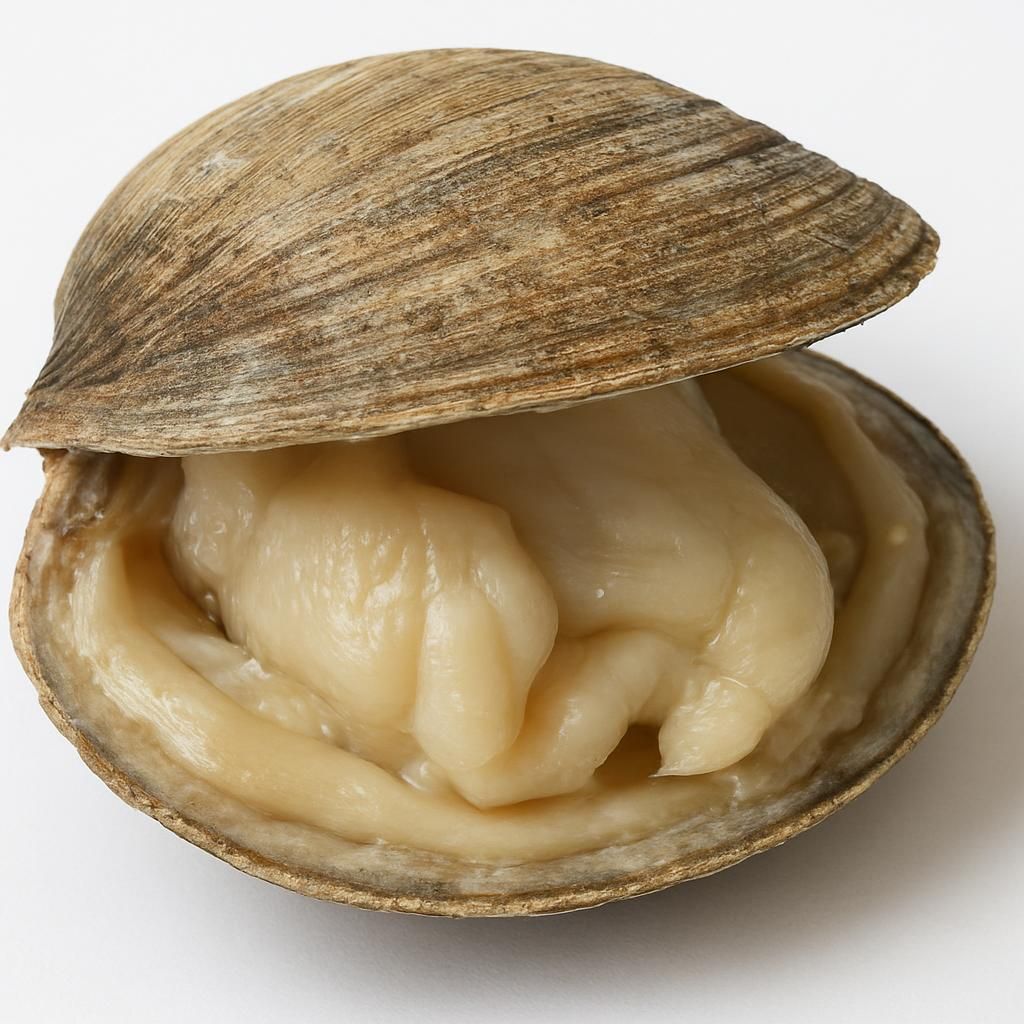
Quahog Parasite Unknown (QPX)
Quahog Parasite Unknown (QPX) is a lethal protist pathogen primarily affecting hard clams (Mercenaria mercenaria) in marine aquaculture and wild populations along the northeastern U.S. coast. It causes extensive tissue necrosis, reduced growth, and high mortality rates in infected shellfish beds. Effective management relies on early detection, environmental monitoring, and strict biosecurity protocols.
View Profile
raceme blights
Raceme blights are devastating fungal diseases targeting the flowering racemes of crops like mustard, rapeseed, and other brassicas, causing premature flower drop, shriveled seeds, and up to 80% yield losses. Caused primarily by pathogens such as [Botrytis](/wiki/botrytis), Alternaria, and Sclerotinia, they thrive in cool, humid conditions. Effective management relies on cultural practices, resistant varieties, and timely organic fungicides.
View Profile
Ramularia
Ramularia leaf spot is a widespread fungal disease caused by various Ramularia species, primarily affecting cereal crops like barley, wheat, and oats. It manifests as white or light-colored spots on leaves, leading to reduced photosynthesis and yield losses. Effective management relies on cultural practices, resistant varieties, and timely fungicide applications.
View Profile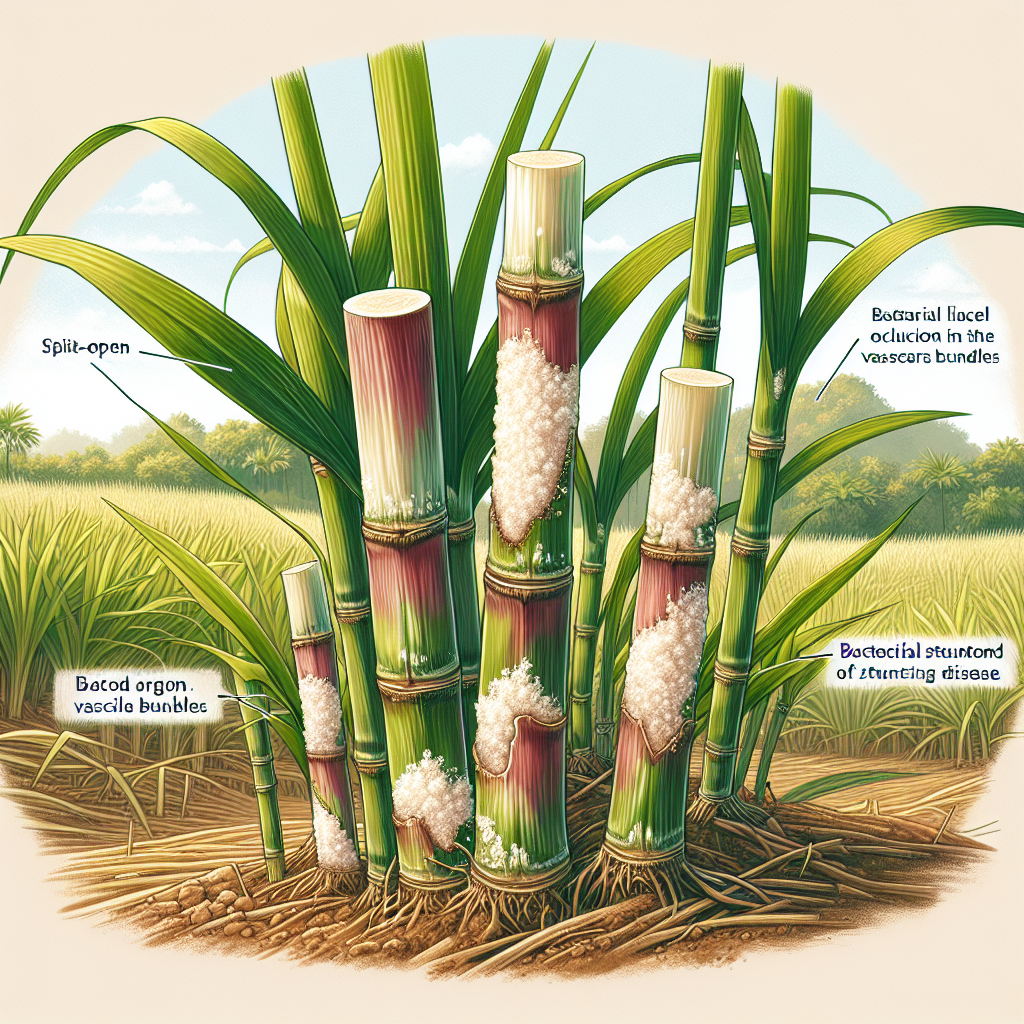
Ratoon Stunting Disease
Ratoon stunting disease (RSD) is a bacterial infection that severely impacts sugarcane ratoon crops, causing stunted growth and reduced yields. Caused by Leifsonia xyli subsp. xyli, it spreads through contaminated cutting tools and planting material. Effective management relies on certified disease-free seedcane and strict sanitation practices.
View Profile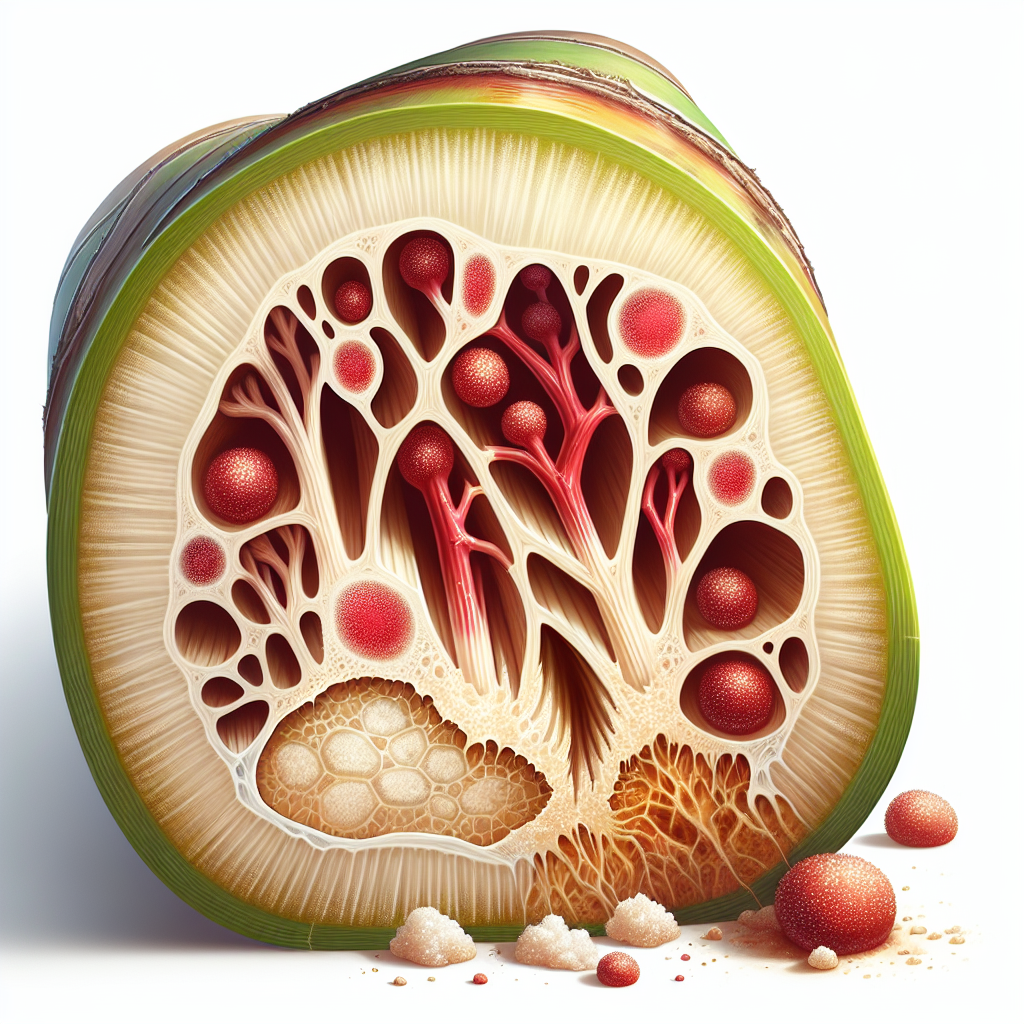
red rot
Red rot is a devastating fungal disease primarily affecting sugarcane, caused by Colletotrichum falcatum, leading to rapid plant death and significant yield losses. Early identification of symptoms like red discoloration in vascular tissues and proper management through organic methods and prevention strategies are crucial for minimizing damage. This guide provides comprehensive diagnostic, treatment, and prevention advice for farmers.
View Profile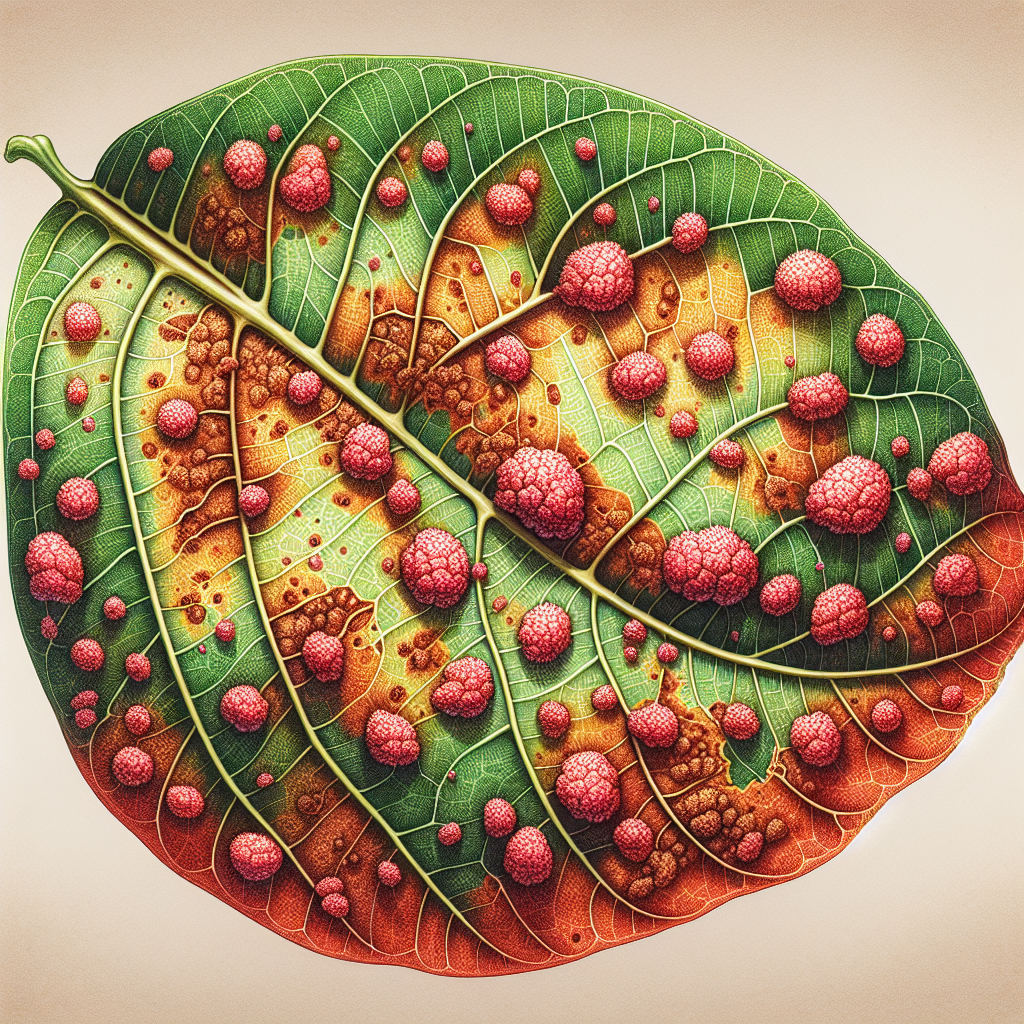
Red rust
Red rust, caused by the alga Cephaleuros virescens, is a widespread disease affecting leaves, branches, and fruits of tropical and subtropical crops, appearing as reddish-brown velvety pustules. It thrives in humid, warm conditions and can reduce photosynthesis and yield by up to 30% in severe cases. Effective management relies on cultural practices, organic fungicides, and resistant varieties.
View Profile
red stele
Red stele is a devastating root rot disease primarily affecting strawberries, caused by the oomycete Phytophthora fragariae. It leads to reddish discoloration of the stele (core) in roots, causing wilting, stunting, and plant death. Effective management relies on cultural practices, resistant varieties, and soil health optimization.
View Profile
Rhizoctonia
Rhizoctonia is a soilborne fungal pathogen causing root rot, damping-off, and web blight in numerous crops worldwide. It thrives in warm, moist conditions, leading to significant yield losses if not managed properly. This guide provides comprehensive diagnostics, organic treatments, and prevention strategies for effective control.
View Profile