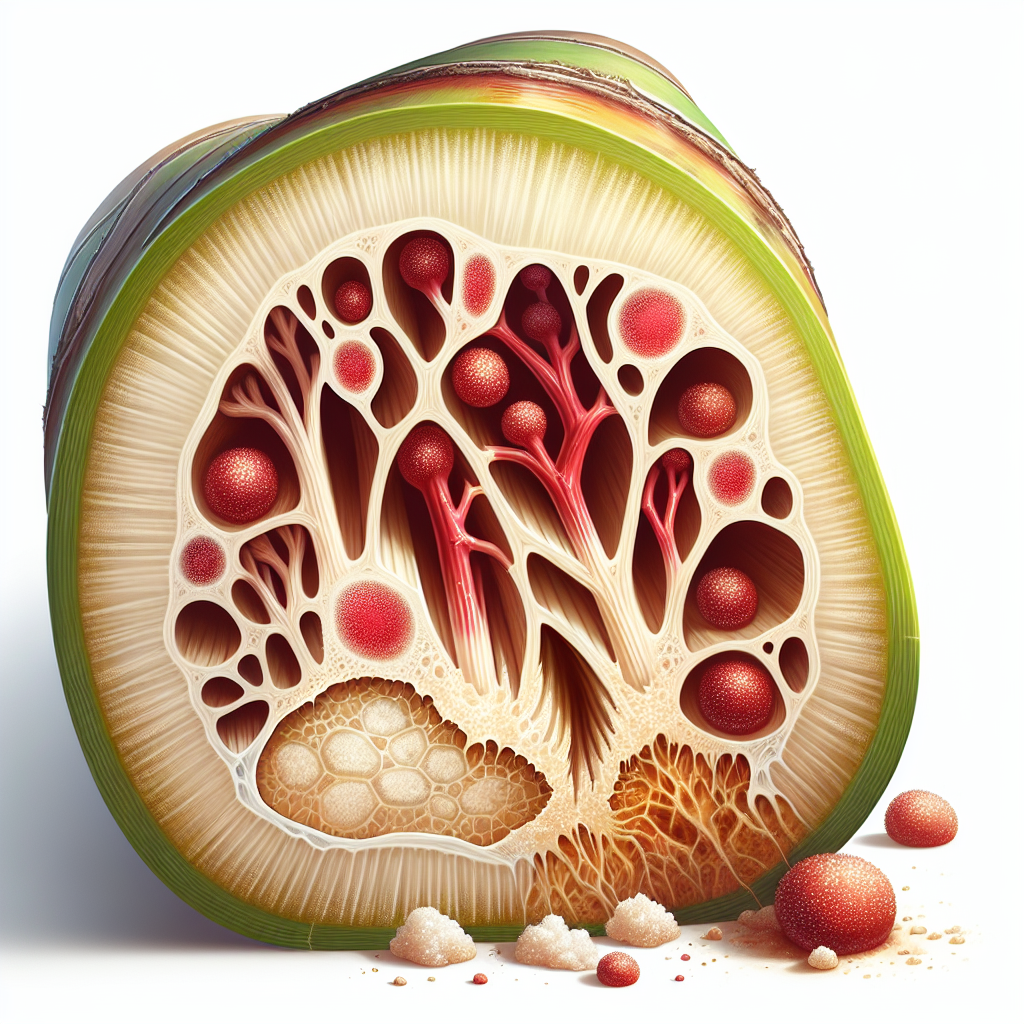
Introduction to red rot
Red rot, scientifically known as Colletotrichum falcatum, stands as one of the most destructive fungal diseases plaguing sugarcane cultivation worldwide. This pathogen infiltrates the plant's vascular system, causing internal reddening, tissue necrosis, and eventual plant collapse, often resulting in crop losses exceeding 50% in severely affected fields. First identified in India in the early 20th century, red rot has since spread to major sugarcane-growing regions including Southeast Asia, Africa, and parts of the Americas, posing a persistent threat to global sugar production.
The disease thrives in warm, humid conditions typical of tropical and subtropical agriculture, making it a primary concern for sugarcane farmers. Unlike superficial foliar diseases, red rot attacks the cane's core, rendering harvested stalks useless for milling due to reduced sucrose content and fungal contamination. Economic impacts are profound, with affected fields yielding bitter, low-quality juice unfit for processing. Understanding red rot's biology is essential for timely intervention, as delayed detection can doom entire plantations.
This definitive guide equips agricultural professionals, smallholders, and commercial growers with practical, science-backed strategies for diagnosis, organic management, and prevention. By integrating cultural practices, resistant varieties, and biological controls, farmers can safeguard yields and sustain profitability. For more on optimizing farm management amidst diseases like this, check out Why Timing Kills Small Farm Profits - And How AI Task Scheduling Saves Your Harvests.
Identifying Symptoms & Damage
Accurate diagnosis begins with recognizing red rot's hallmark signs, which progress from subtle to overt. Initial symptoms appear 3-6 months after planting, often triggered by wounding or stress. Examine cane stalks for longitudinal white patches on the surface, especially near nodes—these are fungal entry points. Splitting affected canes reveals the signature: reddish-brown discoloration of the vascular bundles and pith, progressing to a dark red or salmon-colored rot interspersed with white fungal mycelia.
Advanced stages show a foul, alcoholic odor from tissue breakdown, with cross-sections displaying hollowed, brittle interiors. Leaf symptoms include yellowing and withering from the top down, mimicking drought but confined to infected plants. In severe cases, tillers (side shoots) emerge prematurely, but they too succumb. Yield damage is catastrophic: sucrose content drops by 30-50%, and fungal toxins render juice unprocessable, leading to factory rejections.
Differentiate red rot from similar issues like root rot or Fusarium infections—red rot uniquely features the 'red arrow' pattern in vascular tissue and white fungal tufts under humid conditions. Use a knife test: scrape internodes; healthy cane is firm and white, while red rot yields mushy, discolored pulp. Early scouting in fields, especially post-rainy season, prevents spread. Lab confirmation via culturing on potato dextrose agar shows characteristic acervuli (fruiting bodies) with falcate spores.
Economic damage extends beyond yield loss; quarantines and ratoon crop failure amplify costs. In India alone, red rot causes annual losses valued at millions, underscoring the need for vigilant monitoring.
Lifecycle and Progression of red rot
Colletotrichum falcatum follows a polycyclic lifecycle, with multiple infection cycles per season. Conidia (spores) disperse via rain splash, wind, or machinery, germinating on cane wounds or natural openings in 6-12 hours under 25-30°C and >90% humidity. Appressoria form, penetrating tissues enzymatically, colonizing xylem and pith within days.
Incubation lasts 20-40 days, with symptoms emerging post-colonization. Acervuli develop in dead tissue, releasing new conidia during wet weather, perpetuating epidemics. The fungus overwinters in crop debris, ratoon stubble, and infected setts (planting material), serving as primary inoculum. Sexual spores (ascospores) rarely form, making conidia the main propagule.
Progression varies by variety susceptibility: tolerant canes show localized rot, while susceptible ones collapse entirely within weeks. Ratoon crops are highly vulnerable, as stubble retains inoculum. Peak spread occurs during monsoon, with lesions expanding 5-10 cm weekly. Understanding this cycle informs timely interventions, breaking the infection loop through debris management.
Environmental Triggers & Risk Factors
Red rot epidemics correlate strongly with environmental stressors. High humidity (>85%) and temperatures of 28-32°C optimize spore germination, while prolonged leaf wetness (>12 hours) fuels splash dispersal. Poor drainage and waterlogging predispose plants by weakening defenses and creating anaerobic conditions favoring fungal ingress.
Risk factors include mechanical injury from harvesting, ratooning, or pests like termites, providing entry wounds. Acidic soils (pH <6.0) and nitrogen excess promote lush growth susceptible to infection. Monocropping sugarcane without rotation amplifies inoculum buildup, as does using infected setts—up to 70% transmission rate.
Climate change exacerbates risks with erratic monsoons and warmer nights. Susceptible varieties like Co 1148 or Co 0238 face higher threats in endemic zones. Integrated assessment of weather, soil, and cultural practices predicts outbreaks, enabling proactive measures.
Organic Control & Treatment Plans
Organic management emphasizes integrated approaches sans synthetic fungicides. Rogueing and Sanitation: Remove and burn infected canes immediately, reducing inoculum by 80%. Avoid composting debris to prevent spore survival.
Biological Controls: Apply Trichoderma viride or Pseudomonas fluorescens (10^9 CFU/g) as sett treatments (5g/kg seed) or soil drenches (2.5 kg/ha). These antagonists outcompete C. falcatum, achieving 50-70% control. Paecilomyces lilacinus targets associated nematodes.
Hot Water Treatment: Dip setts in 52°C water for 2 hours kills surface conidia without viability loss. Biopesticides: Neem oil (5 ml/L) or cow urine-garlic extracts deter spore germination.
Step-by-Step Treatment Plan:
- Scout weekly; mark hotspots.
- Rogue infected plants; deep plow fields.
- Treat setts with Trichoderma.
- Apply compost with antagonistic microbes.
- Monitor with traps for early detection.
Field trials in India report 40-60% yield protection organically. Combine with resistant varieties for synergy.
Preventing red rot in the Future
Prevention hinges on cultural vigilance. Select resistant cultivars like Co 86032 or Co 0237, which show <10% infection under pressure. Use healthy, hot-water-treated setts from certified sources, settling in 0.1% carbendazim if needed (organic alternatives: lime soak).
Crop rotation with rice, soybeans, or legumes breaks inoculum cycles—avoid sugarcane for 2-3 years. Enhance soil health with green manures like cowpeas to boost beneficial microbes. Improve drainage via furrow planting (90 cm rows) and avoid water stress.
Fallow fields post-harvest, followed by solarization (clear plastic, 6 weeks summer) to kill soil inoculum. Scout rigorously; employ buffer zones. Long-term, breed multilines and monitor via PCR for latent infections. These strategies have curbed red rot in outbreak-prone areas, sustaining yields.
Crops Most Affected by red rot
Sugarcane (Saccharum officinarum) bears the brunt, with all commercial hybrids vulnerable to varying degrees. Primary hosts include noble canes and hybrids like Co series in India. Minor reports on sorghum, but sugarcane dominates losses.
Wild relatives (S. spontaneum) show tolerance, informing breeding. No significant polyphagous spread; host-specificity limits to Poaceae. In mixed systems, proximity to infected ratoons risks nearby sorghum or corn, though rare. Focus prevention on sugarcane blocks.