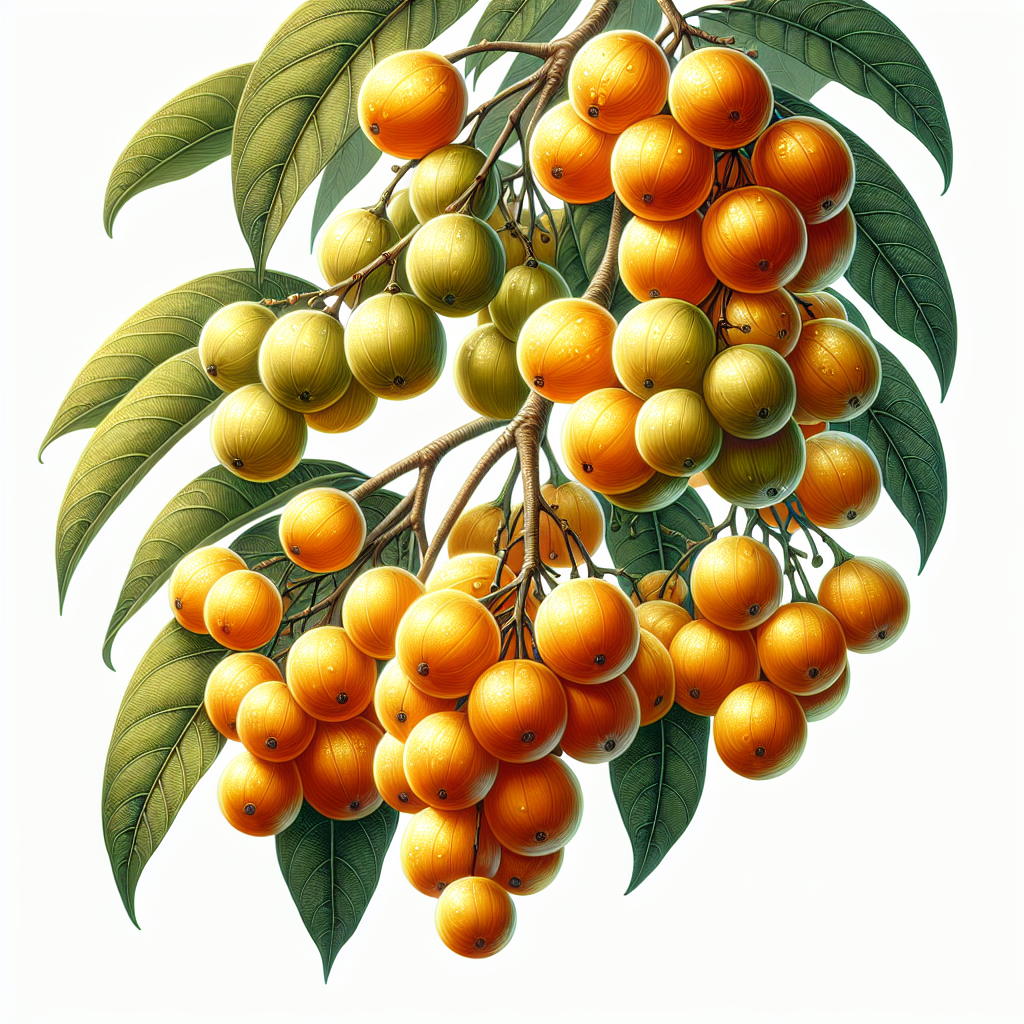
Introduction to Campomanesia (Guabiroba)
Campomanesia, commonly known as Guabiroba, is a gem among tropical fruit trees, originating from the savannas and forests of Brazil, Paraguay, and Argentina. Belonging to the Myrtaceae family, this small to medium-sized tree produces clusters of small, round, yellow-orange fruits with a distinctive pineapple-like aroma and tangy-sweet flavor. Guabiroba fruits are packed with vitamin C, antioxidants, and essential oils, making them popular for fresh eating, juices, jams, liqueurs, and medicinal uses in traditional herbal remedies.
Unlike more common tropical fruits like Guava, Guabiroba thrives in poorer soils and drier conditions, positioning it as an excellent choice for sustainable small-farm agriculture in subtropical regions. Mature trees can yield 20-50 kg of fruit annually after 3-5 years, with peak production in the dry season when other fruits are scarce. This guide provides professional-grade, step-by-step advice for cultivating Guabiroba, from seed to harvest, optimized for maximum yield and minimal inputs. Whether you're a backyard grower or commercial farmer, mastering Guabiroba cultivation unlocks a resilient, profitable crop. For more on Why Companion Planting Feels Like Guesswork for Small Farms - And How AI Makes It Foolproof, check companion strategies later in this article.
Guabiroba's adaptability to marginal lands reduces irrigation needs by up to 70% compared to citrus, while its deep root system improves soil structure and erosion control. Fruits ripen over an extended 4-6 week period, providing steady market supply. With rising demand for exotic, nutrient-dense fruits, Guabiroba offers small farms a high-margin opportunity in niche markets.
Botanical Profile of Campomanesia (Guabiroba)
Scientific Classification:
- Kingdom: Plantae
- Family: Myrtaceae
- Genus: Campomanesia
- Species: C. xanthocarpa (primary cultivated species; others include C. guazumifolia)
Guabiroba is an evergreen tree growing 4-10 meters tall with a spreading canopy up to 6 meters wide. Leaves are opposite, lanceolate, 5-10 cm long, leathery, and emit a strong guava-pineapple scent when crushed. Flowers are small (1-1.5 cm), white, with five petals, blooming in spring-summer, attracting bees and native pollinators.
Fruits are globose, 1-3 cm diameter, with thin, aromatic yellow-orange skin turning golden at maturity. Pulp is juicy, acidic-sweet (pH 3.5-4.2), surrounding 1-5 small, hard seeds. Each fruit weighs 5-15 grams, with yields increasing with tree age and proper pruning. Root system is deep-taprooted, enhancing drought tolerance.
Guabiroba exhibits protogynous dichogamy (female phase precedes male), promoting cross-pollination. Popular cultivars include 'Seleção Paulista' (large fruit), 'Guabiroba Miúda' (small, high-density planting), and 'Adamantina' (disease-resistant). Trees are precocious, fruiting in 2-3 years from seed or cuttings.
Soil, pH, and Climate Requirements for Campomanesia (Guabiroba)
Guabiroba excels in well-drained, sandy-loam or red latosol soils common in cerrado regions, tolerating pH 4.5-7.5 (optimal 5.5-6.5). It thrives on low-fertility soils, outperforming many fruits in aluminum-rich acid soils where Mango struggles. Avoid heavy clays prone to waterlogging, which cause root rot.
Climate: Subtropical to tropical, USDA zones 9-11. Optimal temperatures: 18-32°C daytime, no frost. Tolerates brief dips to -2°C but growth halts below 10°C. Annual rainfall 800-1500 mm, with dry periods enhancing fruit quality. Full sun (6+ hours) essential; light shade acceptable for young plants.
Soil preparation: Till to 50 cm depth, incorporate 10-20 kg/m² organic matter (compost, manure). Test for nematodes; solarize if root-knot nematodes present. Mulch with 10 cm organic material to retain moisture and suppress weeds. In high-rain areas, raised beds (30-50 cm) prevent phytophthora issues.
Irrigation: Drip systems deliver 20-40 L/tree/week in dry season; mature trees drought-tolerant after establishment. For heatwave strategies, see Why Summer Heatwaves Are Silently Killing Small Farm Yields - And 7 Organic Strategies to Fight Back—though not listed, adapt mulching and shading nets here.
Step-by-Step Planting & Propagation
Propagation Methods:
- Seeds (easiest, cheapest): Extract from ripe fruit, wash, dry 24 hours. Sow in 128-cell trays with 1:1 sand:vermiculite at 25-30°C. Germination 15-30 days. Transplant at 15-20 cm height to 3L pots.
- Air-layering (fastest fruiting): Select 2-year branches, girdle 5 cm, apply rooting hormone (IBA 3000 ppm), wrap sphagnum moss. Roots in 40-60 days; plant directly.
- Cuttings: Semi-hardwood, 10-15 cm, IBA 5000 ppm dip. Root in perlite under mist (60% success).
- Grafting: Budding onto seedling rootstock for dwarfing/resistance.
Planting Steps:
- Site prep: 4x4m spacing (625 trees/ha), pits 50x50x50 cm.
- Plant in rainy season; stake young trees.
- Initial fertilizer: 100g NPK 10-10-10 + 50g lime/pit.
- Density: 400-600 trees/ha for commercial; closer for hedgerows.
Success rate >90% with healthy stock. Harden off seedlings 2 weeks before field planting.
Care & Maintenance regimes for Campomanesia (Guabiroba)
Fertilization: Year 1: 100-200g NPK/tree split 3x. Mature: 300-500g N, 100-200g P, 300-400g K/year + micronutrients (Zn, B). Foliar Fe if chlorosis.
Pruning: Annual winter prune: remove deadwood, water sprouts, open canopy for light penetration. Train to central leader or vase shape. Tip prune post-harvest for bushiness.
Irrigation & Weeding: Drip to field capacity; mulch reduces evaporation 50%. Mow weeds; avoid cultivation near trunk to prevent collar rot.
Training: Stake 1-2 years; espalier for high-density (2x4m).
Pollination boost: Plant bee-attracting flowers nearby. Monitor growth: 1-2m/year height gain.
Pests, Diseases & Organic Management
Common Pests: Aphids (young shoots)—neem oil spray. Scale insects (trunk)—horticultural oil. Fruit flies—kaolin clay barriers. Mealybugs—soap sprays. For advanced tactics, explore Why 90% of Small Farms Fail at Pest Management - And 8 Organic Fixes That Actually Work.
Diseases: Anthracnose (fruit rot)—copper fungicide, prune airflow. Phytophthora root rot—improve drainage, phosphite drenches. Powdery mildew—sulfur, potassium bicarbonate. Leaf spot (Alternaria)—remove debris.
Organic IPM: Beneficial insects (ladybugs, predatory mites), trap crops (Marigold), sanitation. Monitor weekly; thresholds: 5% leaf infestation.
Resistance high in cultivars like Adamantina; rotate preventives.
Harvesting, Curing & Optimal Storage
Harvest when fruits yellow, aromatic, 80% fallen naturally (Brix 12-15%). Pick every 3-4 days over 4-6 weeks; yield 20-50kg/tree. Hand-pick into crates; avoid bruising.
Post-Harvest: Cool to 10-12°C within 6 hours; 85-90% RH. Shelf life 2-3 weeks fresh; process into pulp (freeze -18°C, 12 months).
Storage: Mature green for 10 days at 8°C; ripe at 12°C. Market fresh, dried, or juiced. Dry fruits at 50°C for snacks.
Yields peak year 5+; alternate bearing minimal with pruning.
Companion Planting for Campomanesia (Guabiroba)
Guabiroba pairs well with nitrogen-fixers like Pigeon pea (soil enrichment) and pest-repellents (Thyme, Nasturtium). Underplant with Pineapple for weed suppression, shade tolerance. Avoid water-hungry Watermelon. Legumes (Peanuts) improve fertility; Yarrow attracts pollinators. Intercrop rows with Ginger for erosion control, shared humidity needs. Benefits: 20% pest reduction, enhanced biodiversity. Space companions 1-2m from trunk.