Encyclopedia
Definitive guides for crops, pests, and agricultural diseases.
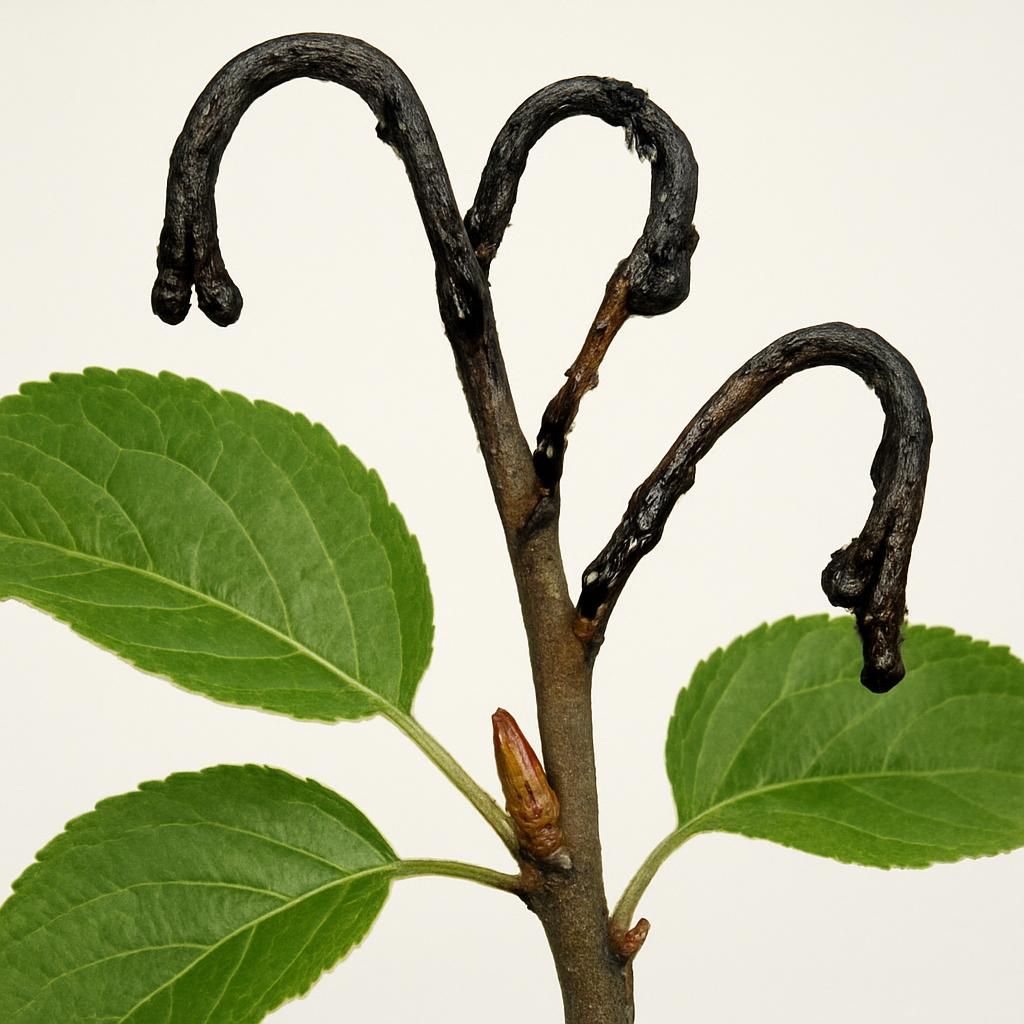
fire blight
Fire blight is a highly destructive bacterial disease caused by Erwinia amylovora, primarily affecting plants in the Rosaceae family like apples and pears. It spreads rapidly in warm, wet conditions, causing blackened, wilted shoots that resemble fire damage. Effective management relies on early detection, cultural practices, and organic treatments to prevent devastating orchard losses.
View Profile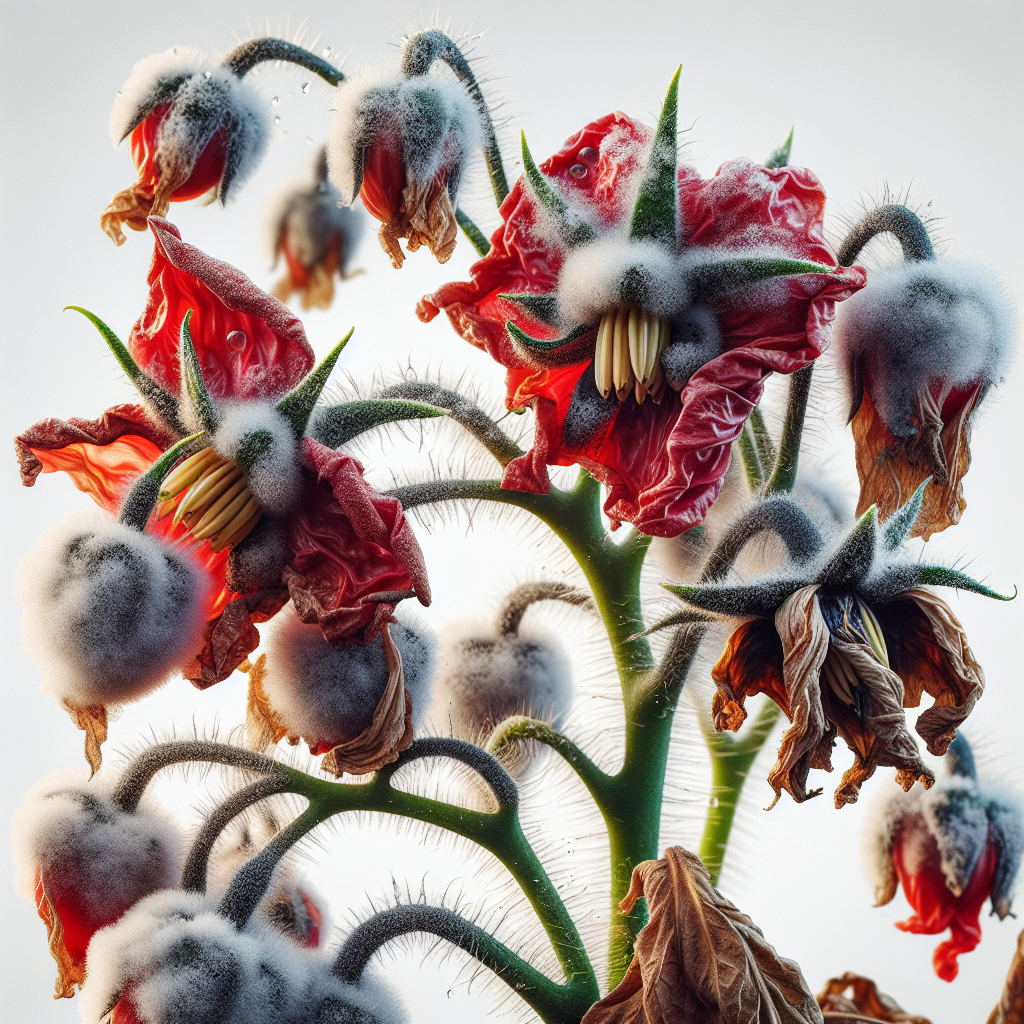
Flower Blights
Flower blights are devastating fungal diseases that cause rapid wilting, browning, and death of blossoms on ornamental and crop plants, often leading to complete flower loss and reduced yields. Commonly triggered by high humidity and poor airflow, they affect a wide range of flowering crops from tomatoes to roses. Early detection and organic management are key to minimizing damage and preventing spread.
View Profile
flyspeck
Flyspeck is a common fungal disease affecting apple and other fruit trees, characterized by small, clustered black spots resembling fly droppings on leaves and fruit. Caused by Schizothyrium pomi, it thrives in warm, humid conditions and often co-occurs with sooty blotch, reducing fruit marketability. Effective management relies on cultural practices, sanitation, and targeted organic fungicides during key infection periods.
View Profile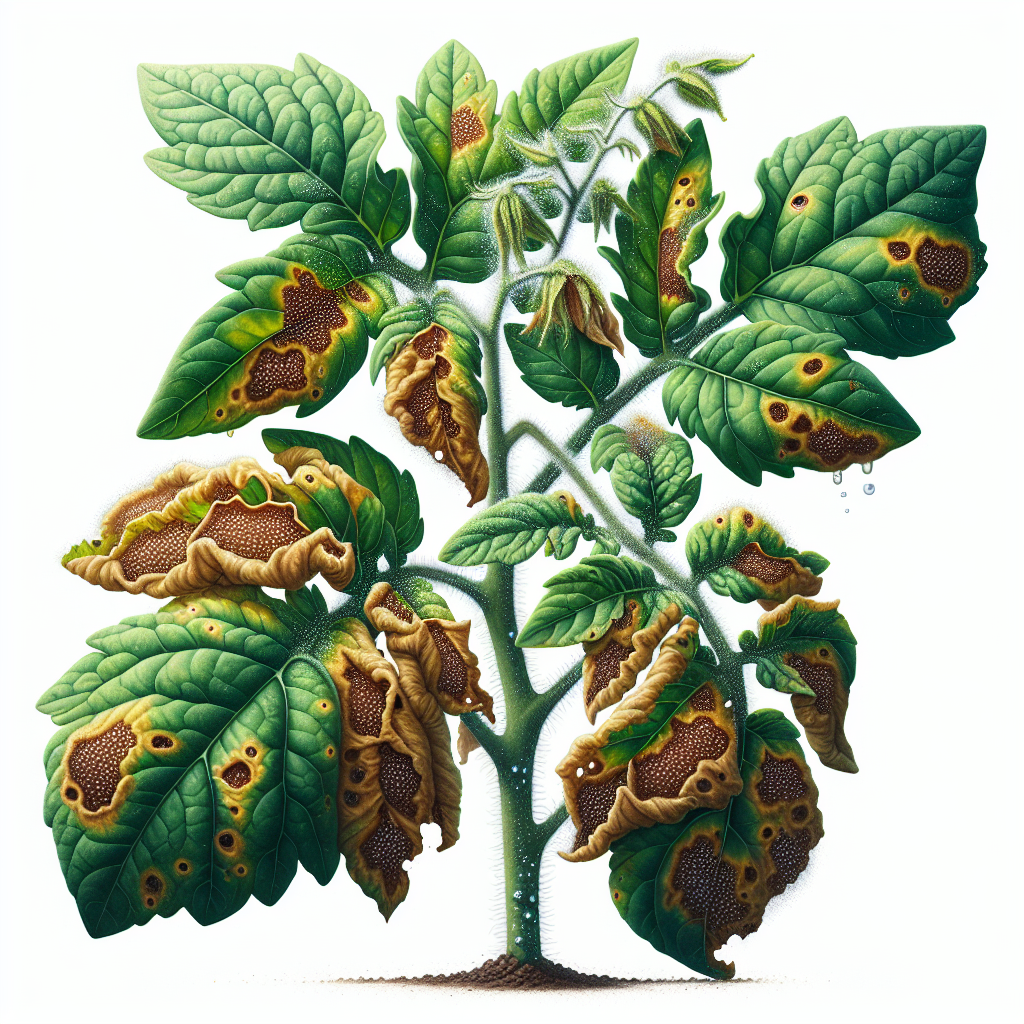
Foliar blights
Foliar blights are destructive fungal diseases that cause rapid browning, necrosis, and defoliation of plant leaves, severely impacting photosynthesis and crop yields. Commonly triggered by prolonged leaf wetness and high humidity, they affect a wide range of crops from vegetables to grains. Effective management relies on cultural practices, resistant varieties, and timely organic fungicides to minimize losses.
View Profile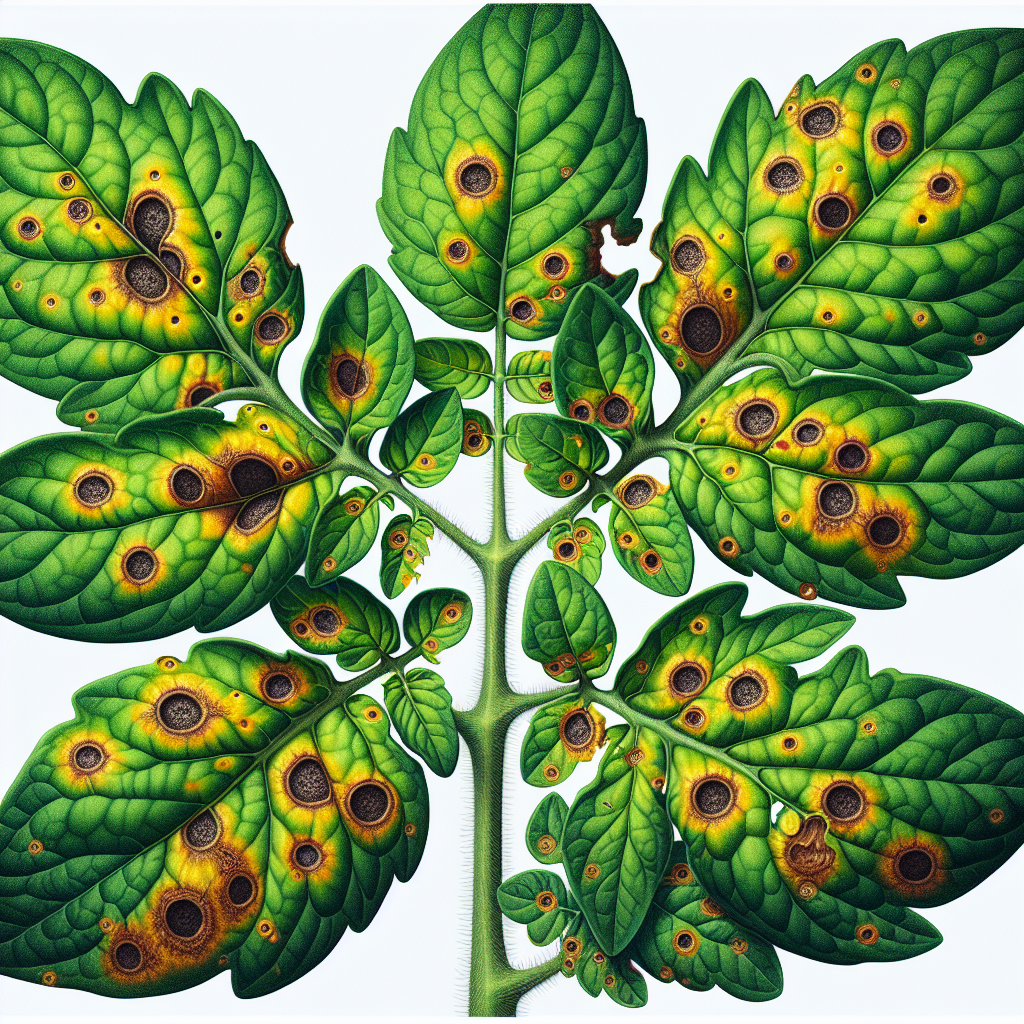
Foliar leaf spots
Foliar leaf spots are common plant diseases caused primarily by fungal pathogens that manifest as discolored, necrotic spots on leaves, leading to reduced photosynthesis and potential defoliation. These spots vary in size, shape, and color depending on the causal agent and host plant. Effective management relies on accurate diagnosis, cultural practices, and timely organic interventions to minimize crop losses.
View Profile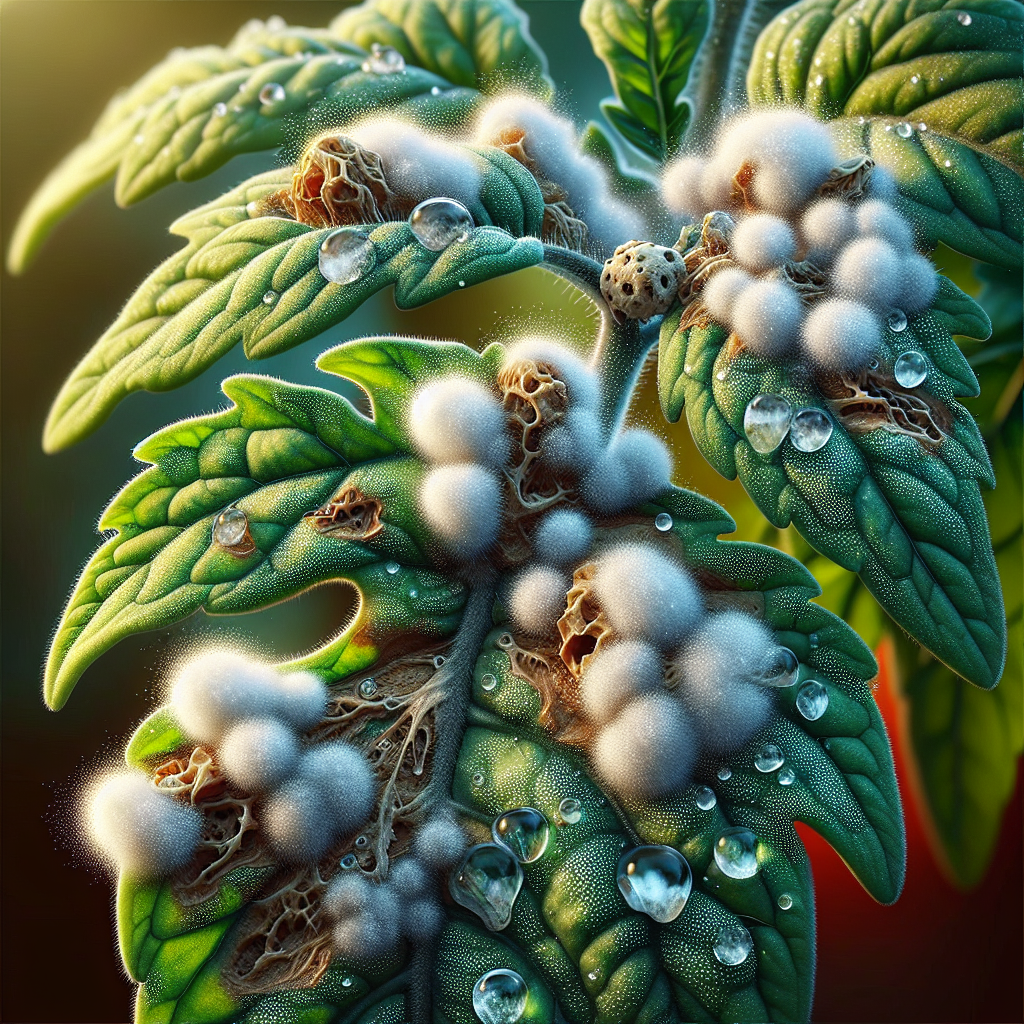
Foliar Rots
Foliar rots are destructive plant diseases caused primarily by fungal pathogens that lead to the decay and necrosis of leaves, severely impacting photosynthesis and crop yields. Common in humid environments, they spread rapidly under wet conditions, affecting a wide range of vegetables, fruits, and ornamentals. Effective management relies on cultural practices, organic fungicides, and vigilant monitoring to prevent widespread losses.
View Profile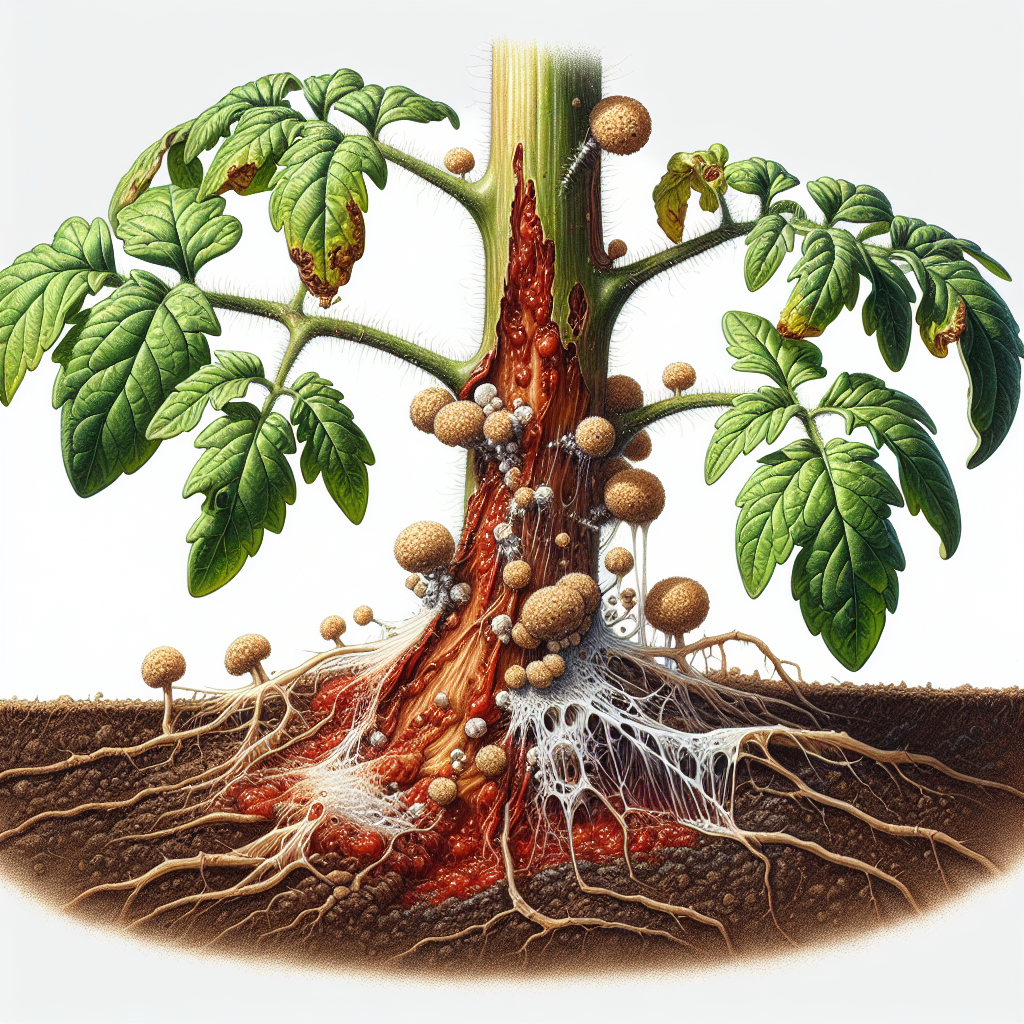
foot rots
Foot rots are devastating soilborne fungal and oomycete diseases that attack the base of plant stems, causing rotting, wilting, and plant death in crops worldwide. Commonly triggered by excessive moisture and poor drainage, they affect a wide range of vegetables, grains, and ornamentals. Effective management relies on cultural practices, resistant varieties, and organic biocontrols to prevent outbreaks.
View Profile
frogeye leaf spot
Frogeye leaf spot is a widespread fungal disease primarily affecting soybeans, caused by Cercospora sojina, leading to characteristic circular lesions with gray centers and dark borders on leaves. It can cause significant yield losses through defoliation and reduced photosynthesis, especially in warm, humid conditions. Effective management relies on resistant varieties, cultural practices, and timely fungicide applications.
View Profile
frosty pod rot
Frosty pod rot is a devastating fungal disease primarily affecting cacao pods, caused by Moniliophthora roreri, leading to significant yield losses in tropical regions. It manifests as white, cottony fungal growth on pods, causing rot and premature drop. Effective management relies on cultural practices, sanitation, and resistant varieties for sustainable control.
View Profile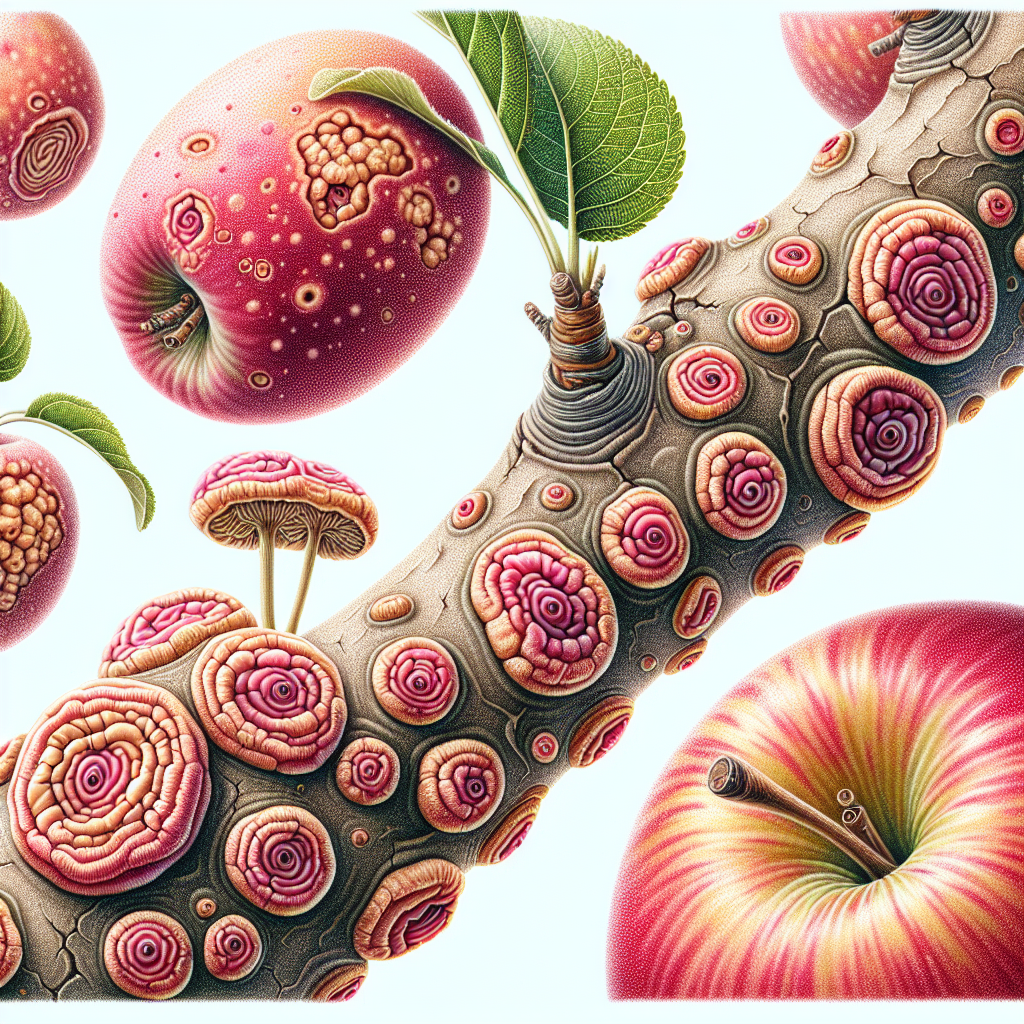
Fruit canker
Fruit canker is a destructive fungal disease primarily affecting pome fruits like apples and pears, causing sunken lesions on fruits, branches, and twigs that lead to significant yield losses. Caused by Neofabraea species, it thrives in cool, wet conditions and spreads via spores from infected debris. Effective management relies on sanitation, resistant varieties, and targeted organic fungicides for sustainable control.
View Profile
Fruit rots
Fruit rots are devastating fungal and bacterial diseases that cause rapid decay of ripening fruits, leading to significant yield losses in orchards and gardens. Commonly triggered by moist conditions, they manifest as soft, discolored lesions that spread quickly, often ruining entire harvests. Effective management relies on cultural practices, sanitation, and targeted organic treatments to minimize spore spread and enhance fruit resistance.
View Profile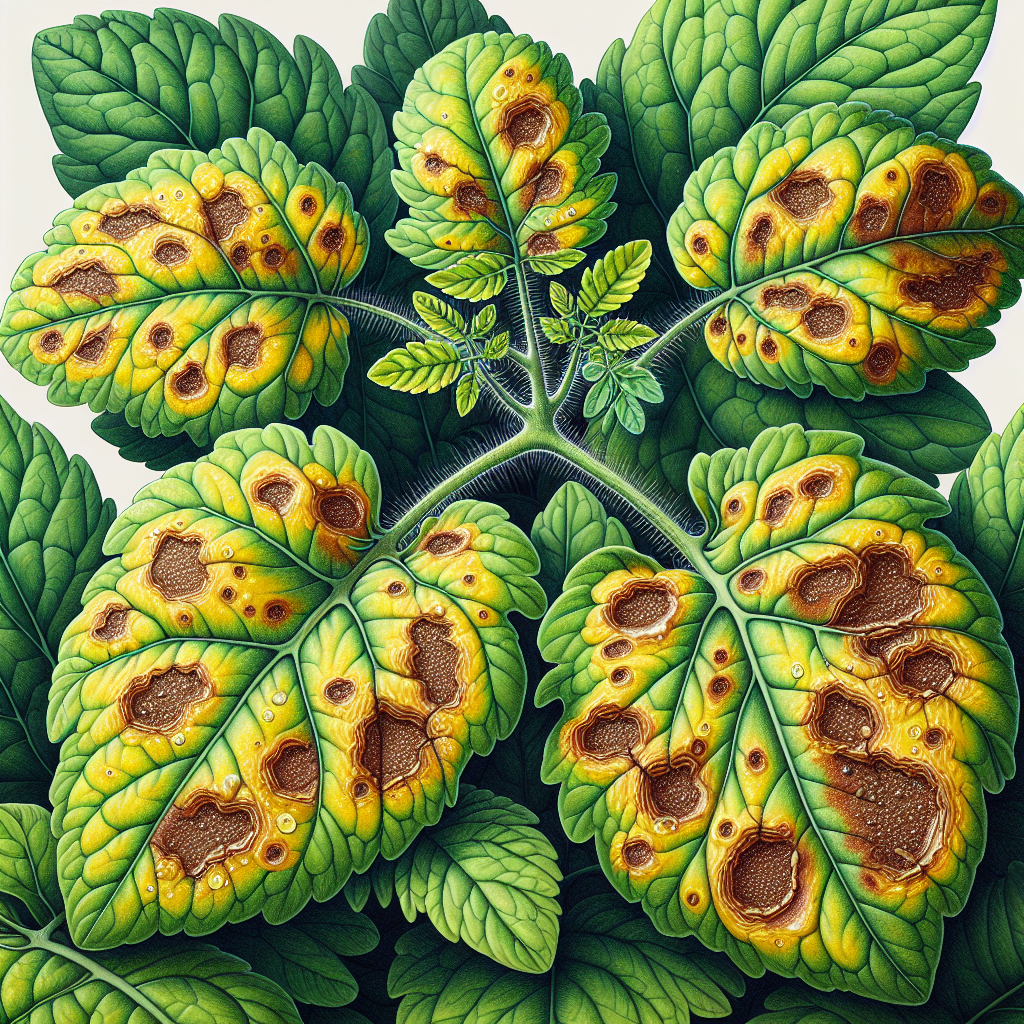
Fungal blights
Fungal blights are devastating plant diseases caused by pathogenic fungi that rapidly kill leaves, stems, and fruits, leading to significant crop losses. Common in humid conditions, they manifest as expanding lesions and tissue death. Effective management relies on early detection, cultural practices, and organic treatments to protect yields.
View Profile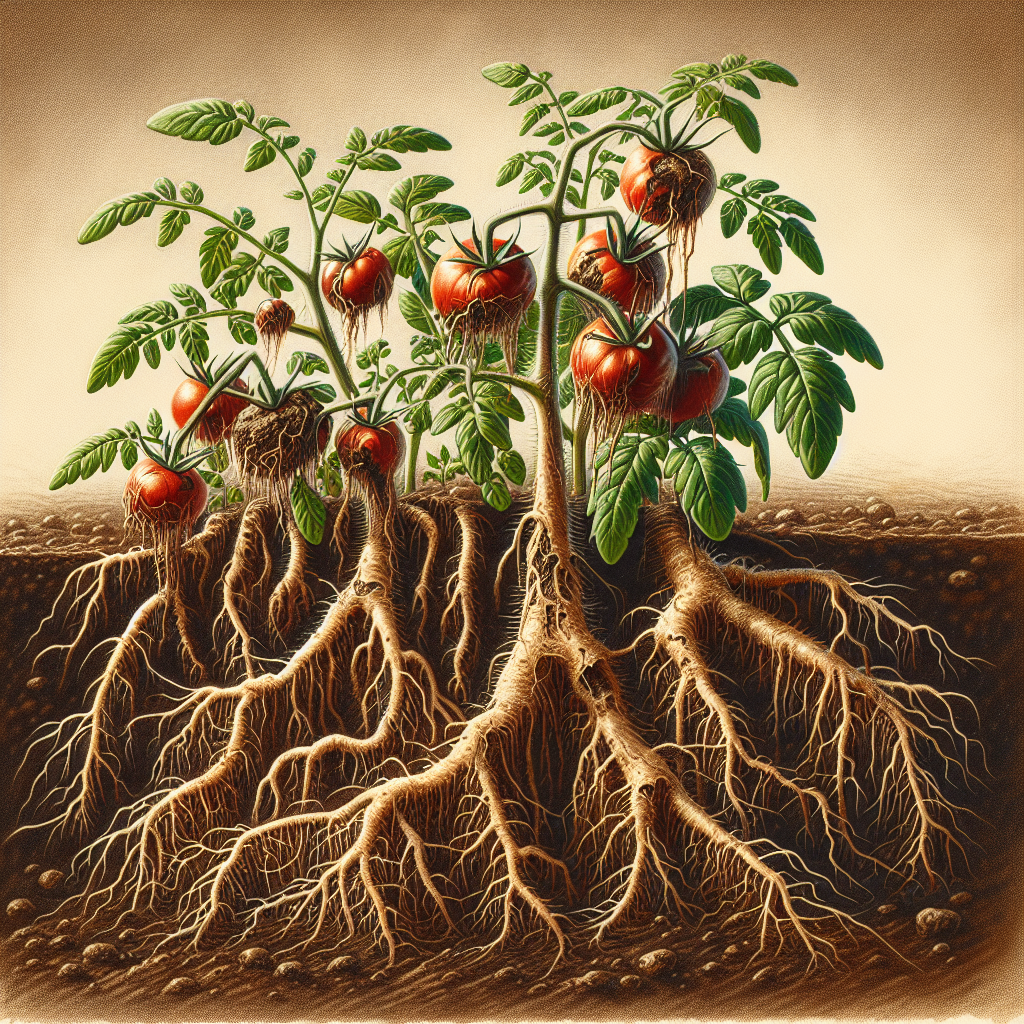
Fusariosis
Fusariosis is a destructive fungal disease caused by various Fusarium species, leading to root rot, wilt, and yield losses in numerous crops. It thrives in warm, moist soils and spreads through contaminated seeds, water, or soil. Effective management relies on cultural practices, resistant varieties, and organic biocontrols to minimize damage.
View Profile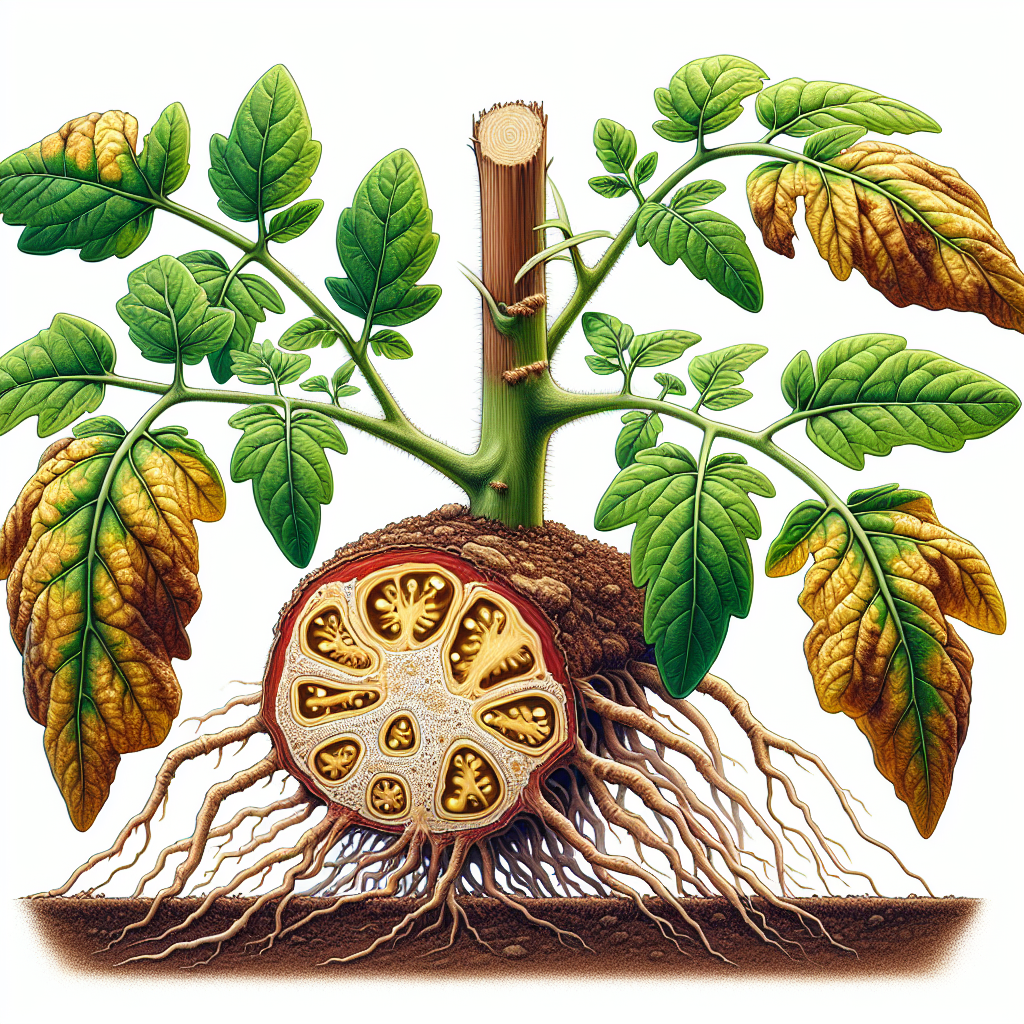
Fusarium
Fusarium is a genus of soilborne fungi causing devastating wilts, rots, and blights in crops worldwide, leading to significant yield losses. This guide provides professional diagnostics, organic management strategies, and prevention tactics tailored for farmers. Early detection and cultural practices are key to minimizing damage from Fusarium wilt, root rot, and head blight.
View Profile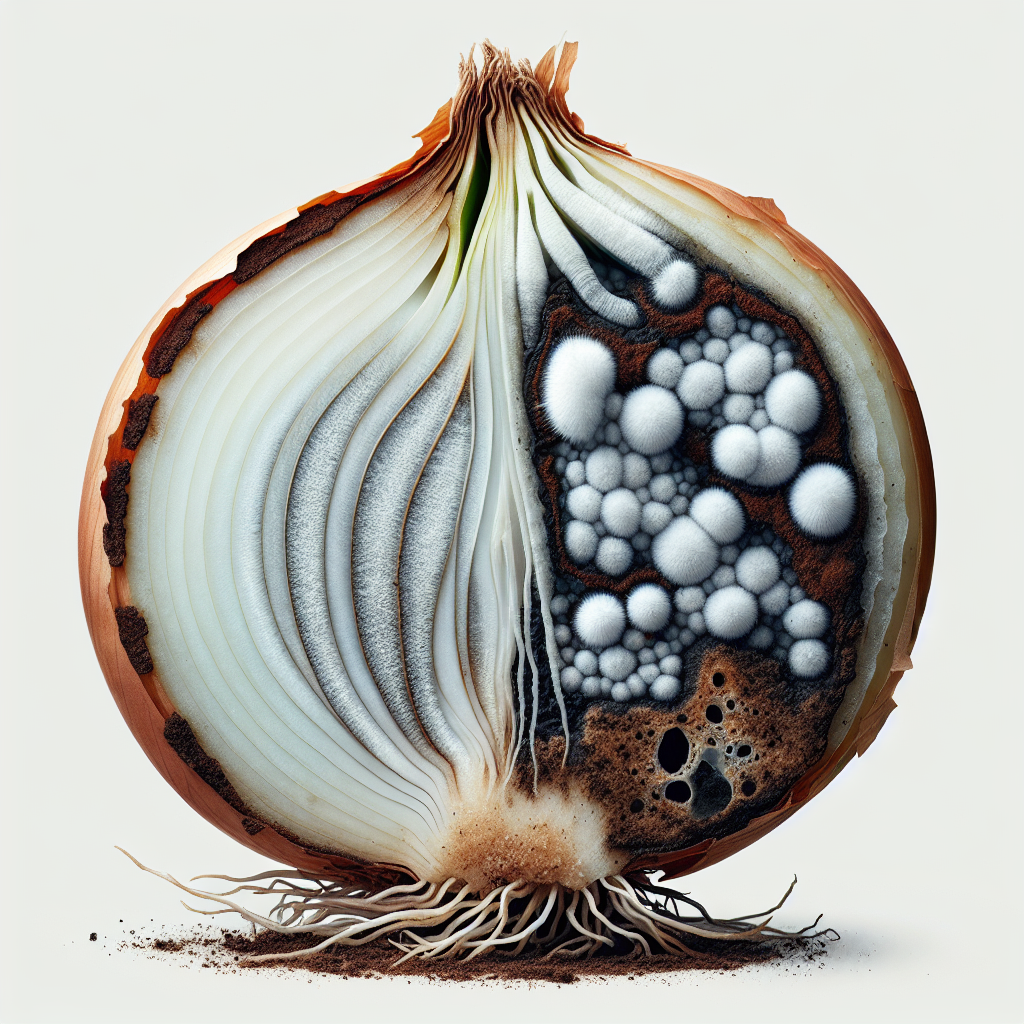
Fusarium basal rot
Fusarium basal rot is a destructive soilborne fungal disease primarily affecting onions and garlic, caused by Fusarium oxysporum f. sp. cepae. It leads to rotting of the basal plate and roots, causing plant wilting, yellowing, and significant yield losses. Effective management relies on cultural practices, resistant varieties, and sanitation to prevent soil buildup of the pathogen.
View Profile
Fusarium crown and root rot
Fusarium crown and root rot is a destructive soilborne fungal disease caused primarily by Fusarium oxysporum species, targeting the crown and roots of various crops, leading to wilting, yellowing, and plant death. It thrives in warm, wet conditions and persists in soil for years, making prevention critical. Effective management relies on cultural practices, resistant varieties, and organic biocontrols.
View Profile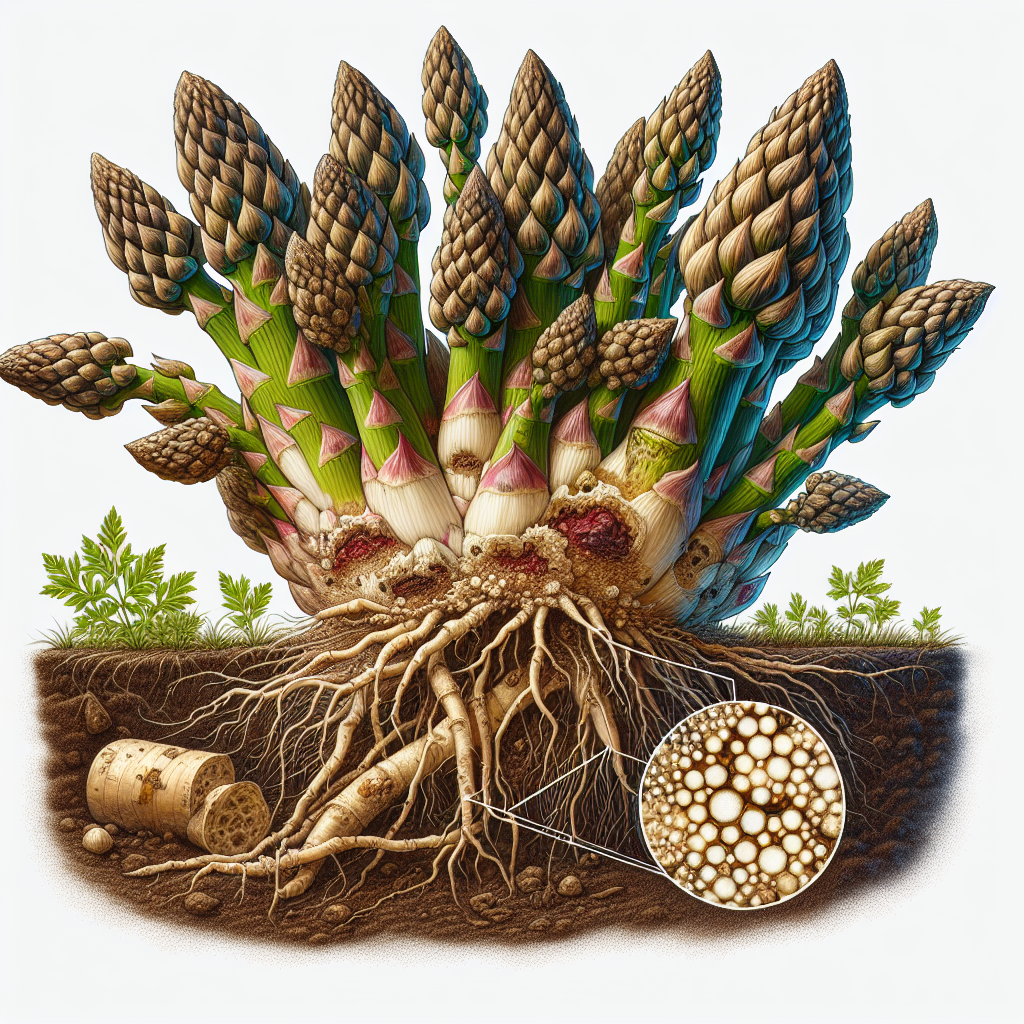
Fusarium Crown and Root Rot of Asparagus
Fusarium oxysporum f. sp. asparagi is a soilborne fungal pathogen causing devastating crown and root rot in asparagus crops, leading to yellowing foliage, stunted growth, and plant death. This disease persists in soil for years, making management challenging but possible through resistant varieties, sanitation, and cultural practices. Early diagnosis and prevention are key to protecting yields in asparagus fields.
View Profile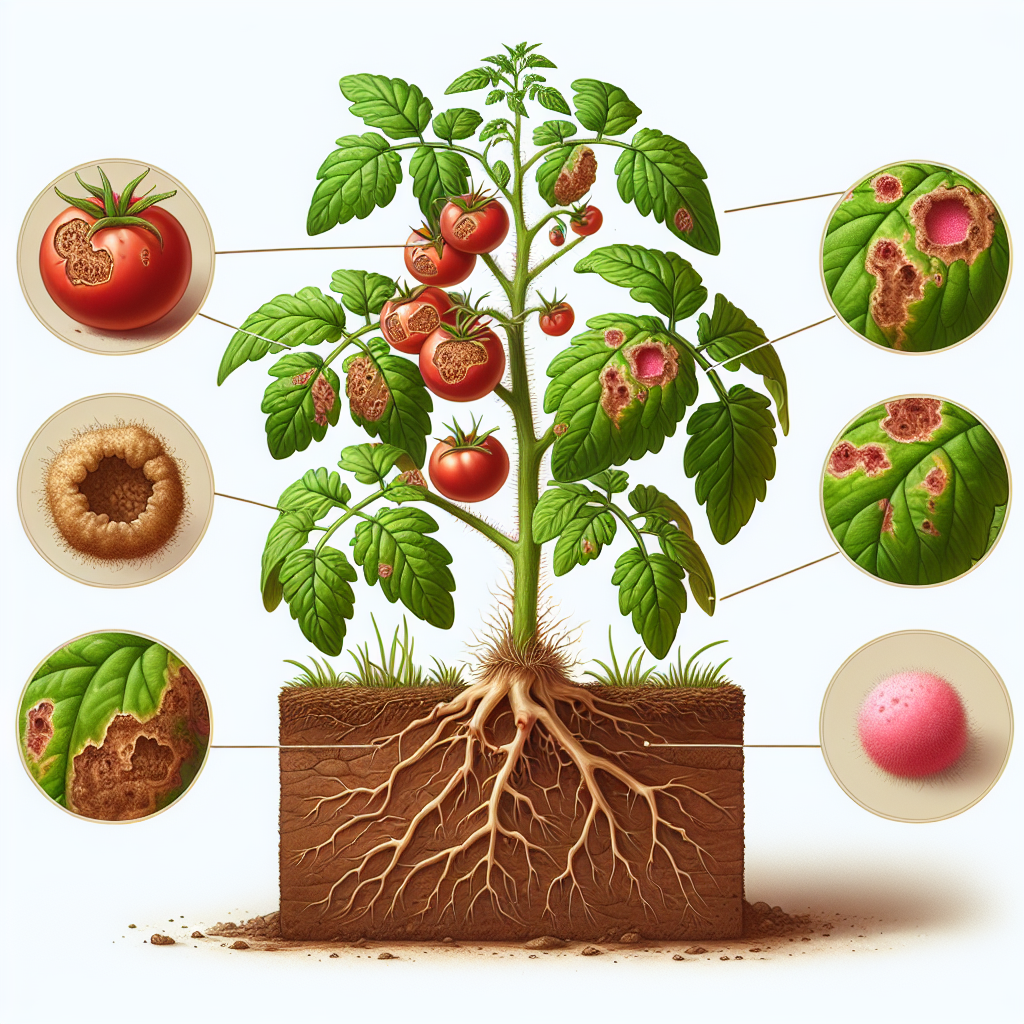
Fusarium crown rot
Fusarium crown rot is a destructive soilborne fungal disease primarily affecting the crown and roots of various crops, leading to wilting, yellowing, and plant death. Caused by Fusarium species, it thrives in warm, wet conditions and persists in soil for years. Effective management relies on cultural practices, resistant varieties, and organic treatments to minimize losses.
View Profile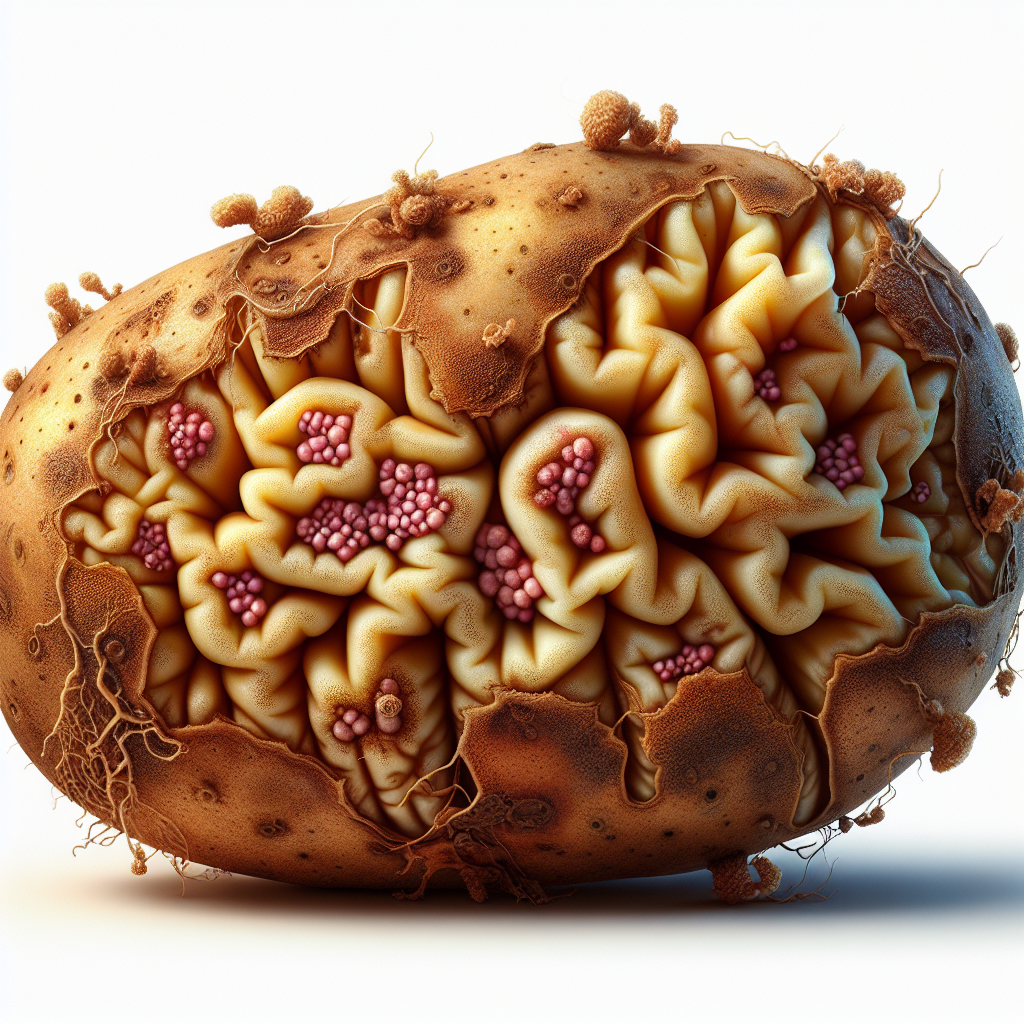
Fusarium Dry Rot
Fusarium Dry Rot is a destructive fungal disease primarily affecting potatoes and other root crops, causing shriveled, sunken lesions on tubers and roots that lead to significant storage losses. Caused by Fusarium species, it thrives in warm, humid conditions and spreads through contaminated soil, seed tubers, or mechanical injury. Effective management relies on cultural practices, resistant varieties, and organic treatments to minimize crop damage and prevent post-harvest decay.
View Profile
Fusarium head blight
Fusarium head blight (FHB), also known as scab, is a devastating fungal disease primarily affecting cereal crops like wheat and barley during flowering. Caused by Fusarium graminearum, it leads to yield losses up to 50% and contaminates grain with harmful mycotoxins like deoxynivalenol (DON). Effective management relies on integrated strategies including resistant varieties, cultural practices, and timely fungicide applications.
View Profile
Fusarium root and crown rots
Fusarium root and crown rots are devastating soilborne fungal diseases caused by various Fusarium species that attack plant roots and lower stems, leading to wilting, yellowing, and plant death. Highly persistent in soil, they thrive in warm, wet conditions and are challenging to manage once established. This guide provides definitive diagnostic criteria, organic management strategies, and prevention tactics for affected crops.
View Profile
Fusarium root and stem rot
Fusarium root and stem rot is a destructive fungal disease caused by Fusarium solani and related species, leading to wilting, root decay, and plant death in numerous crops. It thrives in warm, wet soils and spreads via contaminated soil, water, or infected plant material. Effective management relies on cultural practices, resistant varieties, and organic treatments to minimize losses.
View Profile
Fusarium root rot
Fusarium root rot is a destructive soilborne fungal disease caused by Fusarium species that attacks plant roots, leading to wilting, stunting, and plant death. It thrives in warm, wet conditions and persists in soil for years, making prevention critical. This guide provides definitive diagnostic, organic management, and prevention strategies for affected crops.
View Profile
Fusarium wilt
Fusarium wilt is a devastating soilborne fungal disease caused by Fusarium oxysporum, leading to vascular blockage and plant wilting. It affects numerous crops worldwide, thriving in warm soils and persisting for years. Effective management relies on resistant varieties, sanitation, and cultural practices rather than curative treatments.
View Profile