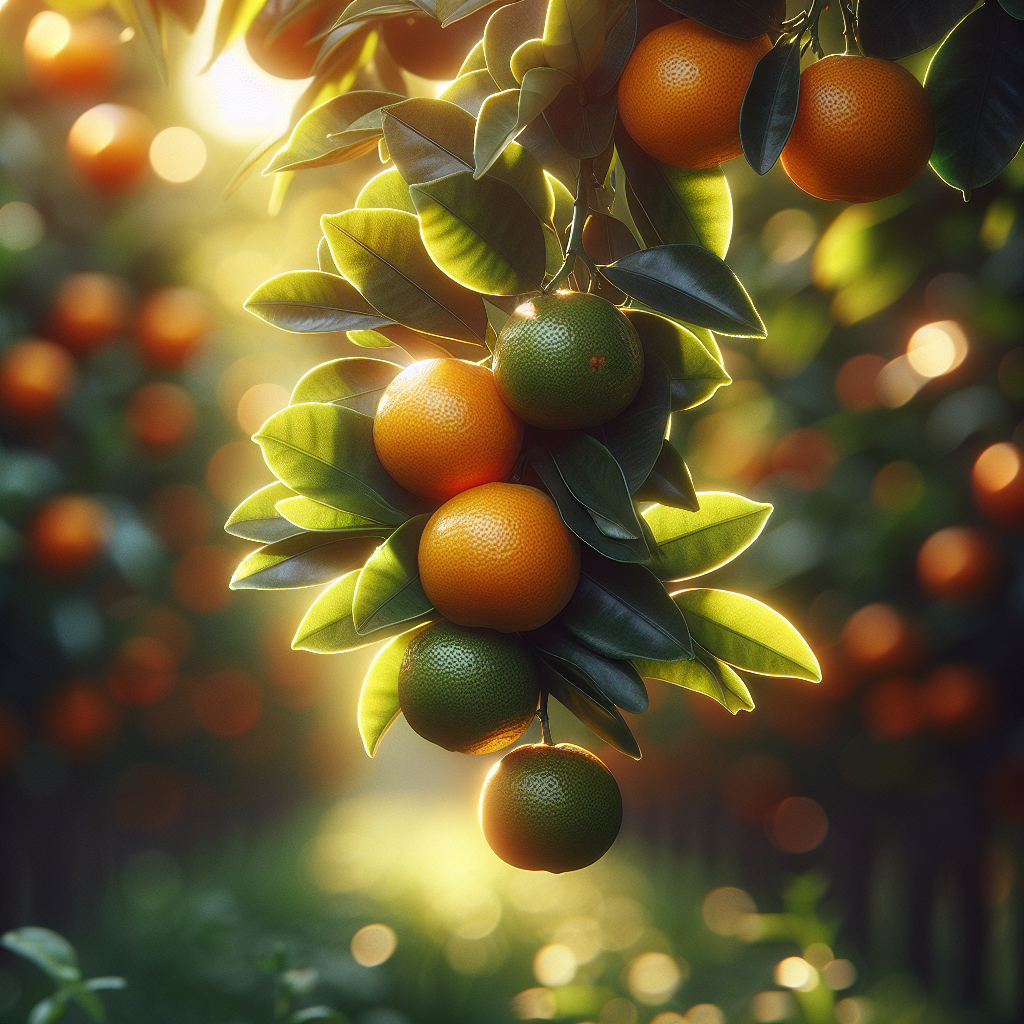
Introduction to Rangpur Lime
Often mistaken for a true lime, this fruit occupies a distinctive place within citrus culture. It is believed to have originated in the Indian subcontinent and spread widely through South Asia, Brazil, and other warm regions where growers appreciated its adaptability, intense acidity, and reliable performance under stress. In many markets it is used much like a lime or sour mandarin: for beverages, pickles, marinades, preserves, and seasoning where sharp, fragrant juice is preferred over the more floral sweetness of some modern citrus.
For growers, its greatest appeal is toughness. The tree is generally more vigorous than delicate lime types, more tolerant of intermittent drought than many lemons, and more forgiving of poor fertility than premium dessert citrus. This resilience is one reason it has also been used as a rootstock in some regions, particularly where soils are sandy, seasons are hot, or water management is imperfect. If you already grow other citrus, compare its behavior with a standard Lime guide and you will notice Rangpur often pushes stronger vegetative growth and recovers faster after stress.
Its fruit quality is not subtle. The rind turns orange to red-orange when mature, the flesh is highly acidic, and the aroma can suggest lime, mandarin, and a faintly resinous citrus complexity. That means it is not usually grown as a sweet fresh-eating fruit, but rather as a culinary and processing citrus. For home orchardists and small farmers, it can be one of the most productive and practical citrus trees in hot climates where more temperamental varieties struggle.
Botanical Profile of Rangpur Lime
This tree is classified as Citrus × limonia, though citrus taxonomy is famously complex and historically inconsistent. Rangpur lime is not a true lime in the narrow botanical sense of Citrus aurantiifolia or related lime groups. Instead, it is generally treated as a hybrid involving mandarin ancestry with citron influence, which helps explain its unusual fruit color, leaf traits, and growth habit.
Trees are medium-sized to large under open-ground conditions, often reaching 4 to 6 meters if unpruned, with a rounded to somewhat irregular canopy and abundant thorniness on juvenile growth. Thorn production tends to be heavier on vigorous young shoots and less pronounced as the tree matures, though this varies by propagation source and growing conditions. Leaves are glossy green, aromatic when crushed, and often somewhat narrower than sweet orange leaves. Petioles are usually only slightly winged or nearly wingless.
Flowers are white, fragrant, and typically borne in flushes corresponding to warm, active growth cycles. In frost-free tropical climates, flowering can be episodic after rainfall or irrigation recovery, while in subtropical climates the main bloom is often in spring. Fruit are small to medium, round to slightly flattened, with a thin to medium rind that shifts from green to orange or orange-red at maturity. Internally, segments are juicy and sharply acidic, usually with numerous seeds unless a selected strain is grown.
One of the most notable horticultural characteristics is vigor. Rangpur commonly produces strong root growth, rapid canopy development, and good recovery after pruning. It is relatively tolerant of drought and salinity compared with several commercial citrus types, though “tolerant” should never be mistaken for “immune.” Chronic stress still reduces yield, fruit size, and peel quality.
Soil, pH, and Climate Requirements for Rangpur Lime
This citrus performs best in well-drained soils with moderate depth and ample aeration. Ideal textures are sandy loam, loam, or light clay loam that drain freely after rain or irrigation. The single biggest soil-related cause of failure is waterlogging. If water stands around the root zone longer than 24 to 48 hours after heavy irrigation or rain, feeder roots begin to lose oxygen, root rot risk rises sharply, and canopy symptoms may follow within days to weeks.
The preferred soil pH is 5.8 to 7.0, with excellent performance often seen around 6.0 to 6.5. It can survive slightly more alkaline conditions than some citrus if nutrition is carefully managed, but once pH rises above about 7.5, micronutrient lockout becomes common. Iron, zinc, and manganese deficiencies often appear first: young leaves become pale, interveinal chlorosis develops, and shoot growth weakens. In very acidic soils below pH 5.5, calcium and magnesium availability may become limiting, and root performance can decline if aluminum becomes more available.
For climate, Rangpur lime is best suited to tropical and subtropical conditions. Optimal growth occurs where average warm-season temperatures range from 25 to 32°C. Vegetative growth slows below about 15°C, and cold injury becomes a real concern near 0°C, especially on young trees or lush, nitrogen-rich growth. Mature trees can withstand very brief dips slightly below freezing better than many true limes, but significant frost can defoliate shoots, scar bark, kill flowers, and ruin a crop.
The tree prefers full sun, ideally 8 or more hours daily. In humid tropics, open airflow is as important as sunlight because stagnant canopy conditions increase fungal pressure and scale infestation. Annual rainfall of 900 to 1500 mm is adequate if distributed well, but irrigation is still valuable during dry bloom, fruit set, and fruit enlargement periods.
If soils are marginal, raised berms 30 to 50 cm high are strongly recommended. This simple practice improves drainage, oxygenation, and early root establishment. Mulching also helps stabilize moisture and temperature; for broader orchard fertility strategies, see soil health tips.
Step-by-Step Planting & Propagation
Propagation can be done by seed, cuttings, air-layering, or grafting, but the best method depends on your goal. Seedlings are vigorous and often true enough for non-commercial use, yet they are slower to bear and more variable in thorniness, fruit size, and canopy habit. Grafted trees are preferred for predictable orchard performance because they combine known scion quality with a rootstock chosen for soil, disease, and vigor traits.
To plant successfully:
- Select a frost-free or low-frost site with full sun and good air drainage. Avoid low pockets where cold settles.
- Test soil before planting. Confirm pH, organic matter, salinity, and drainage rate. If drainage is poor, plant on a raised mound rather than digging an oversized pit that becomes a water basin.
- Space trees 4 to 6 meters apart in home orchards, or 5 x 5 meters to 6 x 6 meters in lower-input blocks. Vigorous growth demands room for light penetration and spraying access.
- Dig a hole only as deep as the root ball and about twice as wide. Planting too deep is a common citrus mistake; the top of the root ball should sit level with or slightly above surrounding soil.
- Gently loosen circling roots in container plants. If roots are heavily pot-bound, make 3 to 4 shallow vertical cuts to encourage outward growth.
- Backfill with native soil rather than a rich compost pocket. Roots establish more evenly when they are not confined to an artificially fertile zone.
- Water deeply after planting to settle soil and eliminate air pockets.
- Apply 5 to 10 cm of mulch in a broad ring, but keep it 10 to 15 cm away from the trunk to prevent collar rot.
- Stake only if wind is severe. Over-staking can weaken trunk development.
For propagation by seed, extract fresh seed from fully mature fruit, wash off pulp, and sow promptly because citrus seed viability drops with drying and storage. Use a sterile, free-draining medium and maintain temperatures around 24 to 28°C. Germination usually occurs within 2 to 5 weeks. Seedlings should be potted up when they have 3 to 4 true leaves.
For grafting, budwood from a productive, disease-free mother tree is inserted onto vigorous rootstock during active bark slip. T-budding is common. In regions with citrus tristeza, Phytophthora, or salinity concerns, rootstock selection matters greatly; Rangpur itself has historically been used as rootstock because of its vigor and drought adaptation, but local disease pressures should guide the final choice.
Care & Maintenance regimes for Rangpur Lime
Irrigation should be precise rather than frequent by habit. Newly planted trees need the root zone kept evenly moist but never saturated. A practical target is moist soil in the upper 20 to 30 cm with slight drying at the surface between waterings. In sandy soils, this may mean watering 2 to 3 times per week during hot weather for the first two months. In loam, once weekly deep watering may be enough. The goal is to encourage roots to move outward and downward, not remain in a constantly wet shallow zone.
For established trees, deep irrigation is preferred over light sprinkling. During warm, dry periods, mature trees often benefit from watering when the top 5 to 8 cm of soil has dried but the root zone below remains faintly cool and slightly moist. Signs of underwatering include dull, slightly folded leaves by midday that do not recover by evening, premature fruit drop, small fruit, and dry feeder roots near the mulch line. Signs of overwatering include persistent leaf yellowing, soft limp foliage despite wet soil, algae or fungal growth at the basin edge, sour-smelling soil, and twig dieback beginning at the canopy tips.
Nutrient management should be split across the growing season. Young trees respond well to small, frequent applications rather than large doses. A balanced citrus fertilizer with nitrogen as the lead nutrient is usually appropriate. In practical terms, apply 3 to 4 light feedings from spring through midsummer for young trees. Mature bearing trees require increased nitrogen and potassium to support flowering and fruit fill, but excessive nitrogen will produce coarse vegetative flushes, more thorns, delayed coloring, and greater susceptibility to sap-sucking pests.
Micronutrients are crucial. Zinc, manganese, magnesium, and iron deficiencies are common in high-pH or sandy soils. Foliar sprays are often the fastest correction for zinc and manganese deficiency, while chelated iron drenches may be necessary under alkaline conditions. Magnesium deficiency often appears as yellowing between veins on older leaves, leaving a green triangular area near the leaf base.
Pruning should be conservative. The tree fruits on mature outer canopy wood, so severe annual pruning sacrifices production. Remove dead, diseased, crossing, or inward-growing branches, and thin enough to maintain light penetration and airflow. Suckers arising from below the graft union must be removed immediately. Thorny water shoots can be shortened or removed if they crowd the canopy.
Mulching improves root health, especially in hot climates. Organic mulch moderates soil temperature, reduces evaporation, and supports microbial activity, but it should not be piled against the trunk. Weed competition is most damaging within the first 1 meter around young trees; keep this zone clean or mulched because grasses can outcompete shallow citrus feeder roots for nitrogen and moisture.
Fruit thinning is usually unnecessary, but if a young tree sets excessively, removing part of the crop helps preserve structural growth and prevents alternate bearing tendencies.
Pests, Diseases & Organic Management
Rangpur lime shares most of the common pest pressures of other citrus. The main insect pests include aphids, citrus leaf miner, scale insects, mealybugs, mites, whiteflies, and sometimes fruit flies depending on region. aphids and leaf miners are particularly problematic on tender flushes. Leaf miner damage appears as serpentine silvery tunnels in new leaves, causing distortion. While mature trees usually tolerate modest infestation, severe attacks on nursery stock or young trees can slow canopy establishment.
Scale and mealybugs often build up on shaded interior twigs or nitrogen-softened growth. They excrete honeydew, leading to sooty mold that blackens leaves and reduces photosynthesis. Organic management starts with pruning for airflow, avoiding overfertilization, and encouraging beneficial insects. Horticultural oil, applied thoroughly but not during intense heat, is one of the most effective low-toxicity controls for scale, mites, and soft-bodied pests.
fruit flies can become a major issue as fruit colors and softens. Orchard sanitation is essential: collect fallen fruit at least twice weekly, destroy infested fruit, and use traps or bait stations where regional pressure is high.
Among diseases, Phytophthora root rot and gummosis are the most serious under wet conditions. Symptoms include bark cracking near the crown, amber gum exudation, canopy thinning, leaf yellowing, and poor growth despite adequate fertility. Prevention is far more effective than cure: plant high, avoid trunk wetting, keep mulch off the crown, and never allow irrigation water to pond around the base.
citrus canker, greasy spot, melanose, and anthracnose may appear in humid climates. Good airflow, sanitation, balanced nutrition, and avoiding unnecessary overhead irrigation are foundational. Copper-based sprays may be used in organic-compatible systems where local regulations permit, especially after storm damage or during high disease pressure.
Huanglongbing (citrus greening) must be mentioned wherever it occurs regionally. Symptoms include blotchy mottled leaves, lopsided fruit, poor coloring, bitter juice, and progressive tree decline. There is no reliable cure once infected. Management depends on clean nursery stock, psyllid control, and rapid removal of infected trees under local extension guidelines.
Harvesting, Curing & Optimal Storage
Fruit maturity depends on intended use. For peak acidity and green-lime style culinary use, harvest while fruit are full-sized but still mostly green to green-yellow. For maximum aroma and full varietal expression, allow fruit to color to orange or reddish-orange on the tree. Unlike some commercial limes, external color change in this type is often a meaningful maturity indicator rather than merely a response to cool nights.
Harvest by clipping rather than pulling. Pulling tears the peel, damages the button, and creates entry points for postharvest decay. Use clean shears and leave a very short stem stub. Workers should wear gloves or handle carefully because thorns and rind punctures accelerate breakdown.
Average mature fruit should feel heavy for size, with a smooth to slightly textured rind and abundant juice. Overmature fruit may soften excessively, lose acidity balance, or develop a puffy rind.
Unlike onions, potatoes, or some gourds, citrus does not require a true curing phase. What it does benefit from is postharvest conditioning: keep freshly harvested fruit shaded, dry, and cool for several hours so field heat dissipates before packing. Wash only if necessary, and dry thoroughly before storage. Any fruit with cuts, insect punctures, or softened spots should be used immediately rather than stored.
For short-term storage, keep fruit at cool room temperature with good airflow and use within 1 to 2 weeks. For longer storage, 8 to 12°C with 85 to 90% relative humidity is generally suitable. Temperatures that are too cold can induce chilling injury in tropical citrus, leading to rind pitting, off-flavors, and poor shelf life. Avoid sealed plastic conditions that trap condensation.
If marketing fresh fruit, grade by size, color, rind smoothness, and freedom from thorn scars. For processing, slightly blemished but sound fruit remain highly valuable because juice aroma and acidity are the main quality traits.
Companion Planting for Rangpur Lime
Companion planting around citrus should support pollinators, reduce weed pressure, and improve biological balance without crowding the trunk or competing aggressively for water. Low-growing, shallow-rooted, insectary-style companions are usually better than tall annual vegetables or heavy feeders.
Thyme is especially useful beneath or near the drip line edge in drier climates because it forms a living mulch, suppresses weeds, and attracts beneficial insects while staying relatively low. Yarrow is another strong choice; its umbels attract parasitic wasps, hoverflies, and predatory insects that help regulate aphids and scale crawlers. Clover can function as a light nitrogen-contributing understory in wider orchard alleys, but it should be managed carefully so it does not create excessive humidity at the crown or compete with young trees during dry spells. Nasturtium can also serve as a trap and nectar plant, bringing pollinators and predatory insects into the citrus zone.
Keep all companions at least 30 to 60 cm away from the trunk, more for young trees. The critical rule is that no companion should create persistent shade or dampness at the crown. In commercial orchards, companion planting often works best in strips or alleys rather than directly up to the trunk line. Mow or cut back flowering companions after peak bloom to recycle biomass as surface mulch.
Avoid planting vigorous vines, tall grasses, or thirsty annual vegetables directly in the root competition zone. Citrus feeder roots occupy the same upper soil layers that many vegetables exploit, so poorly planned intercropping can reduce fruit size and increase irrigation demand.