Introduction to Mexican Garcinia (Luc's)
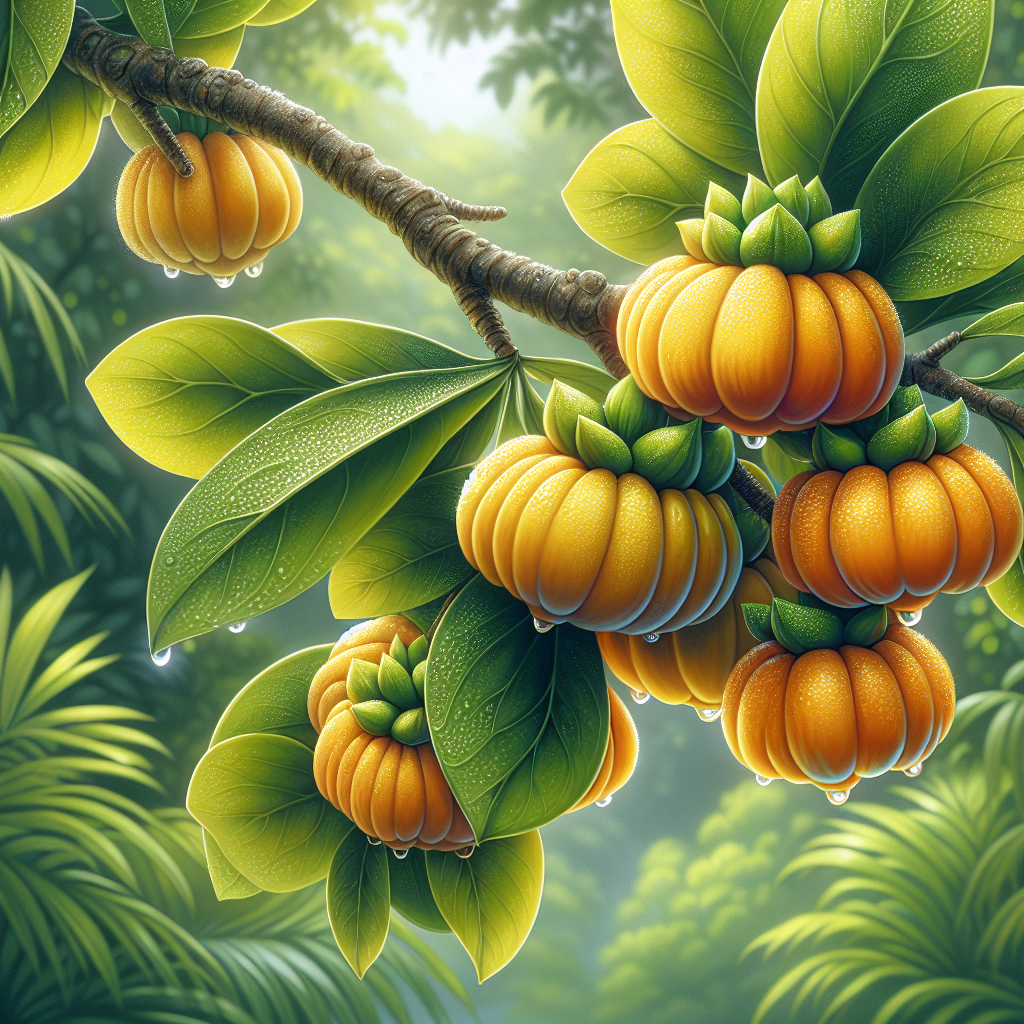
Mexican Garcinia (Luc's), scientifically known as Garcinia lucida, is an emerging tropical fruit crop gaining attention among small-scale farmers and horticulturists for its exceptional flavor profile, nutritional density, and adaptability to sustainable farming. Originating from the lush rainforests of southern Mexico and Central America, this evergreen tree produces small, pumpkin-shaped fruits with a unique citrusy-tart taste reminiscent of a blend between mango and tamarind. The rind is thin and deep amber when ripe, encasing juicy, seed-filled arils that are exceptionally high in hydroxycitric acid (HCA), vitamin C, and antioxidants, making it a superfood candidate for health-conscious markets.
Unlike more common tropicals like avocado or papaya, Mexican Garcinia (Luc's) offers resilience to humid conditions and partial shade, making it ideal for intercropping in diverse agroecosystems. Mature trees can reach 10-15 meters but are often pruned to 4-6 meters for easier harvesting, yielding 50-100 kg of fruit per tree annually after 4-5 years. Its ornamental glossy leaves and fragrant white flowers add aesthetic value to farms, while the fruits command premium prices in niche markets for fresh eating, juices, preserves, and even weight-loss supplements due to HCA content. For small farms, this crop represents a low-maintenance, high-ROI opportunity in tropical agriculture. Read more about Why Companion Planting Feels Like Guesswork for Small Farms - And How AI Makes It Foolproof to optimize your setup.
Botanical Profile of Mexican Garcinia (Luc's)
Belonging to the Clusiaceae family (formerly Guttiferae), Garcinia lucida is a dioecious evergreen tree with a straight trunk and dense, elliptical leaves measuring 10-20 cm long, dark green above and paler beneath. The tree's latex-rich sap is a natural defense mechanism, deterring herbivores. Flowers emerge in clusters from leaf axils during the rainy season: males are staminate with 4-5 petals, while females produce superior ovaries leading to fruit. Fruits are subglobose, 5-8 cm in diameter, with 6-10 seeds embedded in translucent, acidic pulp.
Growth habit is upright with a pyramidal canopy when young, spreading with age. Root system is shallow but extensive, favoring well-aerated soils. Phenologically, vegetative growth peaks in wet seasons, with flowering triggered by brief dry spells (2-4 weeks). Pollination relies on bees and flies, emphasizing the need for biodiversity. Varieties like 'Luc's Select' offer larger fruits and higher yields, selected from wild Mexican populations. Chromosome number 2n=76, with natural hybridization rare but possible with related species like Garcinia mangostana. This profile positions it as a hardy perennial for zones 10b-12.
Soil, pH, and Climate Requirements for Mexican Garcinia (Luc's)
Mexican Garcinia (Luc's) demands well-draining, fertile loamy soils rich in organic matter, with pH 5.5-6.8 optimal—slightly acidic to mimic rainforest floors. Avoid heavy clays prone to waterlogging, which invite root rot. Incorporate 20-30% compost or aged manure pre-planting to boost microbial activity and cation exchange capacity (CEC). Sandy loams amended with biochar enhance drainage and nutrient retention, critical for young trees.
Climate-wise, it flourishes in USDA zones 10-12 with average temperatures 24-32°C (75-90°F), tolerating brief dips to 10°C (50°F) but suffering below 5°C. Annual rainfall of 1500-3000 mm is ideal, distributed evenly; supplemental irrigation during dry spells prevents fruit drop. High humidity (70-90%) supports growth, but windbreaks are essential in exposed sites to prevent limb breakage. Elevation up to 800m suits it, with full sun (6-8 hours) for maximum yields, though 30% shade cloth benefits seedlings. Mulch heavily (10-15 cm) with coconut coir or leaves to conserve moisture and suppress weeds. Soil testing every 6 months ensures balanced nutrition, targeting NPK ratios of 10-5-20 for fruiting trees.
Step-by-Step Planting & Propagation
Propagation primarily uses seeds, which remain viable for 3-4 weeks post-harvest. Extract seeds from ripe fruits, wash off pulp, and sow immediately in 50:50 sand-compost mix at 1 cm depth, maintaining 28-32°C via heat mats. Germination occurs in 20-40 days; thin to strongest seedlings. For clonal propagation—preferred for uniformity—air-layer branches in June-July: girdle 5 cm wide, apply rooting hormone (IBA 5000 ppm), wrap in moist sphagnum, and root in 8-12 weeks. Grafted trees using cleft or veneer methods onto G. lucida rootstock ensure precocity.
Plant in early rainy season: dig 60x60x60 cm pits, fill with topsoil + 5 kg compost + 200g rock phosphate + 100g lime (if pH low). Space trees 6-8m apart (100-150/ha) for canopy development. Set graft union 10 cm above soil, stake, and mulch. Initial irrigation: 20-30L/week per tree, tapering as roots establish. Harden off nursery plants by gradual sun exposure. Expect 1-2m growth year one with 500g NPK fertilizer split thrice. Prune at planting to 3-4 main scaffolds for open vase shape. Guava serves as a relevant wiki comparison for tropical planting techniques.
Care & Maintenance regimes for Mexican Garcinia (Luc's)
Water consistently: young trees need 40-50L/week, maturing to drought tolerance once established, but irrigate during flowering/fruit set to avoid abortion. Fertilize quarterly: 1-2 kg/tree balanced 10-10-10 + micronutrients (Zn, B, Mg), foliar sprays biweekly in growth phase. Prune annually post-harvest to remove deadwood, watersprouts, and maintain height under 5m; tip prune to encourage branching.
Weed control via mulching and shallow cultivation; cover crops like pigeon pea suppress competition. Monitor for nutrient deficiencies—yellowing leaves signal N lack, interveinal chlorosis Mg. Thin fruits to 20-30/tree for size. Pest scouting weekly, especially understory. In commercial setups, drip irrigation with fertigation optimizes yields to 80 kg/tree. Soil moisture at 60-70% field capacity prevents cracking. For heat stress, mist foliage as detailed in Why Summer Heatwaves Are Silently Killing Small Farm Yields - And 7 Organic Strategies to Fight Back. Mature trees live 30+ years with proper husbandry.
Pests, Diseases & Organic Management
Common pests include mealybugs, scale insects, and fruit flies, controlled via neem oil (2-3 ml/L) sprays weekly or introducing ladybugs. Aphids and mites succumb to insecticidal soap or garlic-chili extracts. For borers, seal wounds with lime paste.
Diseases like Phytophthora root rot thrive in wet soils—prevent with raised beds and biofungicides (Trichoderma). Anthracnose causes fruit spots; apply copper oxychloride pre-monsoon. Powdery mildew managed by sulfur dust. Cultural IPM: prune for airflow, remove debris, companion with marigolds. Biologicals like Bacillus subtilis curb bacterial leaf spots. Avoid overhead watering. Learn organic fixes in Why 90% of Small Farms Fail at Pest Management - And 8 Organic Fixes That Actually Work. Threshold: treat at 5-10% infestation.
Harvesting, Curing & Optimal Storage
Harvest when fruits turn amber-yellow and soften slightly, 120-150 days post-flowering. Hand-pick with clippers to avoid rind damage; yield peaks July-October. Fruits store 2-4 weeks at 13-15°C, 85-90% RH. For curing, ethylene exposure (100 ppm, 48 hrs at 20°C) ripens uniformly. Process into juice (yield 60%), dried rind for HCA extracts, or preserves. Postharvest dips in 1% calcium chloride extend shelf life. Market fresh or value-added; refrigerate at 10°C max 3 weeks. Dry seeds for replanting.
Companion Planting for Mexican Garcinia (Luc's)
Pair with shade-tolerant understory like pineapple, ginger, or legumes (pigeon pea) for nitrogen fixation and erosion control. Avoid water-hogging crops like banana. Nitrogen-fixers like clover or hairy vetch enrich soil; repellents like marigold deter nematodes. Intercrop with coffee in agroforestry for microclimate benefits. Spacing allows Thai basil borders against insects. Benefits: 20-30% yield boost, biodiversity. See Fall Companion Planting Guide: Boost Yields and Soil Health for Small Farms and Gardens.