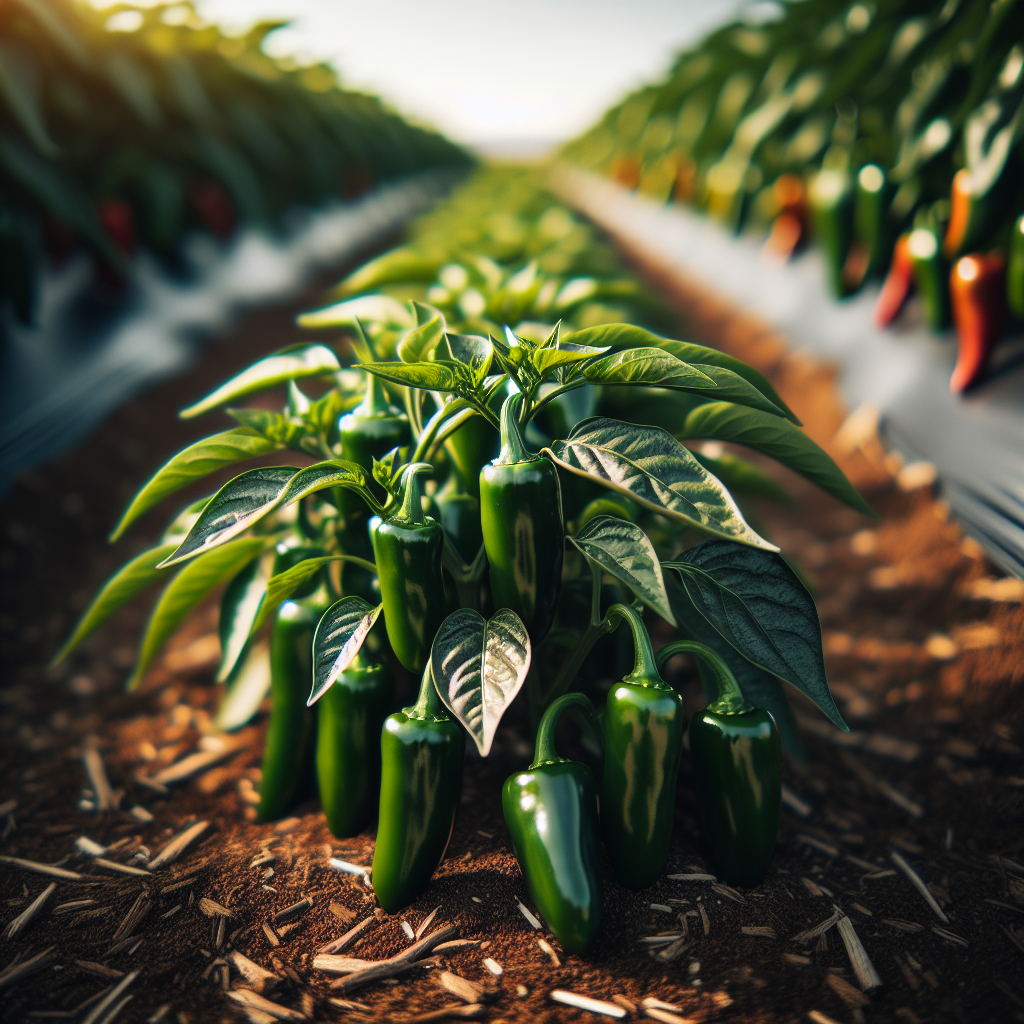
Introduction to Jalapeño Pepper
A classic Mexican chili, jalapeño is one of the most commercially important hot peppers in the world because it combines manageable heat with excellent flavor, thick walls, and dependable productivity. Most fruits range from about 2 to 4 inches long, are blunt-tipped, and mature from glossy green to red. Typical pungency falls around 2,500 to 8,000 Scoville Heat Units, though stress, cultivar, and maturity can shift the perceived heat noticeably.
Jalapeños are usually harvested green for fresh markets, stuffing, slicing, and pickling, but red-ripe fruits are sweeter, more aromatic, and ideal for smoking into chipotle. Compared with many thin-walled chilies, jalapeño has more substantial flesh, which affects irrigation, calcium management, harvest timing, and postharvest handling. If you grow other peppers, compare habits with related types such as Bell Pepper, but remember jalapeños generally tolerate heat better and benefit from a slightly more generative growing balance once flowering begins.
Historically, the pepper is associated with Xalapa in Veracruz, Mexico, from which the name “jalapeño” is derived. It is a domesticated form of Capsicum annuum, the same broad species that includes sweet peppers, poblanos, cayennes, and many other cultivated chilies. Modern jalapeño production includes open-pollinated heirloom strains and improved hybrids bred for crack resistance, uniform heat, thick walls, machine harvest suitability, disease tolerance, or high yields under protected culture.
Botanical Profile of Jalapeño Pepper
Jalapeño is a frost-sensitive, short-lived perennial in tropical climates but is usually grown as an annual in temperate agriculture. Plants typically reach 24 to 36 inches tall under field conditions, though vigorous cultivars in fertile soil or high tunnels may exceed that. Growth habit is bushy with multiple lateral branches, and stems gradually lignify as the season advances.
Leaves are simple, smooth-edged, and medium to dark green. Flowering usually begins once the plant has developed sufficient leaf area and experiences stable warmth. Flowers are white, star-shaped, and often borne singly at the nodes. Like many C. annuum types, jalapeño is largely self-pollinating, but insects can increase fruit set and contribute to some cross-pollination if multiple pepper varieties are grown nearby and seed is being saved.
Fruit development follows a clear sequence: pollination, small green fruit set, rapid enlargement, mature green stage, then color break to red. In commercial practice, “mature green” does not mean immature; it means the fruit has reached harvestable size, full wall thickness, and good firmness before turning red. Corking, the tan superficial striping sometimes seen on jalapeños, is not a disease. It usually results from rapid fruit expansion, cultivar traits, and fluctuating water supply. In many markets, moderate corking is considered a sign of authenticity and robust flavor.
Common cultivar differences matter. Some jalapeños are bred for early yield, others for larger fruit suitable for stuffing, and others for red-ripe processing. Hybrid selections often offer more uniform size and stronger resistance to Bacterial leaf spot or certain viruses. Open-pollinated strains may have superior flavor complexity but can show broader variation in heat, shape, and maturity timing.
Soil, pH, and Climate Requirements for Jalapeño Pepper
Jalapeños perform best in fertile, well-drained loam or sandy loam with strong organic matter content and a soil pH of 6.2 to 6.8. They can still produce acceptably in slightly wider ranges, roughly 6.0 to 7.0, but nutrient availability is most balanced in the mid-6 range. At lower pH, phosphorus becomes less available and manganese or aluminum stress may emerge; at higher pH, iron and zinc deficiencies show up as interveinal chlorosis on young leaves.
Drainage is critical. Pepper roots require oxygen, and saturated soil for even 24 to 48 hours in warm weather can trigger root stress, flower drop, edema-like symptoms, and root pathogens such as Phytophthora. The ideal root zone is consistently moist but never swampy. In practical terms, the top 1 inch of soil may dry slightly between irrigations, while soil 2 to 4 inches deep should remain evenly damp. If you squeeze soil from the root zone, it should form a weak ball that crumbles easily, not smear into a sticky mass or drip water.
Target at least 3 to 5% organic matter in mineral soils for better water-holding capacity, cation exchange, and microbial activity. Well-finished compost incorporated before planting improves structure, but excessive fresh nitrogen from immature manure or green compost can delay flowering and encourage lush, pest-prone growth. A balanced preplant fertility program supported by soil testing is far more reliable than guesswork; broad strategies for that are covered in soil health basics.
Temperature drives success more than almost any other factor. Jalapeños are warm-season plants and thrive when daytime temperatures stay around 75 to 85°F (24 to 29°C) and nighttime temperatures remain 60 to 70°F (16 to 21°C). Growth slows below 55°F (13°C), and chilling injury can occur with prolonged exposure even above freezing. Pollen viability declines in extreme heat, especially above about 90 to 95°F (32 to 35°C), leading to blossom drop or misshapen fruit if heat coincides with low humidity and moisture stress.
Full sun is essential for heavy yield and strong flavor. Aim for 8 or more hours of direct light daily. In extremely hot inland climates, light afternoon shade can reduce sunscald on exposed fruit, but too much shading reduces flowering and thick fruit wall development.
Wind protection is useful, especially during establishment. Persistent dry wind increases transpiration faster than young root systems can compensate, causing leaf curling, flower abortion, and temporary calcium transport issues that can contribute to blossom-end rot.
Step-by-Step Planting & Propagation
Most growers start jalapeños from seed indoors or in a protected nursery because direct sowing is too slow and risky outside consistently warm regions.
- Start seed 8 to 10 weeks before the planned outdoor transplant date. Use a sterile, fine-textured propagation mix with excellent drainage.
- Sow seed 1/4 inch deep and maintain media temperatures between 80 and 90°F (27 to 32°C). Bottom heat dramatically improves speed and uniformity. At these temperatures, germination often occurs in 7 to 14 days; cooler media may delay germination to 3 weeks or more.
- Keep the medium evenly moist, not saturated. Overwatered trays often show Damping-off, weak stems, and algae growth. The surface may lighten in color between waterings, but the plug should not fully dry.
- As soon as seedlings emerge, provide strong light for 14 to 16 hours daily. Leggy seedlings indicate insufficient light or overly warm post-emergence conditions.
- Pot up when plants have 2 to 3 true leaves if roots are filling the cell. Use a nutrient-rich but airy mix.
- Harden off for 7 to 10 days before transplanting by gradually increasing outdoor exposure while protecting from temperatures below 55°F (13°C).
Transplant only after all frost danger has passed and soil temperatures are at least 65°F (18°C), with 70°F (21°C) or higher preferred for rapid establishment. Cold soil stalls roots and often causes yellowing, purpling, and delayed yield.
Spacing depends on production intensity:
- Home garden or low-density field: 18 to 24 inches between plants, 30 to 36 inches between rows.
- Intensive market garden beds: 12 to 18 inches between plants in single or double rows, provided fertility and airflow are excellent.
- Container production: minimum 3 to 5 gallons per plant, with 7 gallons better for full-season vigor.
Before transplanting, incorporate a balanced preplant fertilizer if soil tests indicate need. Excess nitrogen at planting can produce oversized vegetative plants with delayed fruiting, so moderate, not aggressive, fertility is best. Set transplants at the same depth they grew in the tray or pot; unlike tomatoes, peppers do not benefit much from deep stem burial.
Mulch immediately after the soil has warmed. Black plastic mulch is excellent in cool regions because it raises soil temperature, suppresses weeds, and keeps fruit cleaner. In hot climates, organic mulches such as straw or shredded leaves help buffer moisture swings once soil is already warm.
Care & Maintenance regimes for Jalapeño Pepper
Irrigation should be steady and deliberate. Jalapeños generally need about 1 to 1.5 inches of water per week in moderate weather, but fruiting plants in sandy soil or hot, windy conditions may require more frequent irrigation. Drip irrigation is ideal because it keeps foliage dry and allows precise root-zone moisture control.
The key is consistency. Severe wet-dry cycles increase blossom drop, fruit cracking, corking severity, and uneven heat. Underwatering signs include midday wilt that persists into evening, dull or gray-green foliage, small hard fruit, and aborted flowers. Overwatering signs include drooping despite wet soil, yellow lower leaves, edema, slow growth, and a sour smell in poorly aerated media. In containers, water when the top inch is dry but before the entire root ball becomes light and shrunken.
A professional fertility approach separates vegetative establishment from fruiting. Early growth benefits from adequate nitrogen, phosphorus, magnesium, and calcium for canopy building and root expansion. Once flowering starts, reduce the push for lush foliage and maintain balanced potassium and calcium to support fruit fill and wall thickness. As a general field guideline, total seasonal nitrogen often ranges from 80 to 150 lb/acre depending on soil type, organic matter, yield goals, and residual fertility, but local soil tests should drive exact rates.
Calcium deserves special attention. Blossom-end rot in jalapeño is usually not caused by a lack of calcium in the soil alone, but by irregular water supply, root damage, high salinity, excessive ammonium nitrogen, or rapid vegetative growth that disrupts calcium transport to developing fruit. Keep moisture even and avoid overfertilizing with nitrogen to minimize the problem.
Staking is optional but helpful. Heavily loaded plants can lodge or split, especially after rain or in fertile soils. Simple stakes with soft ties or a Florida weave-style support system can keep fruit off the ground, improve airflow, and reduce disease pressure.
Pruning is minimal in open-field production. Remove only damaged leaves, branches touching soil, or crowded interior shoots if airflow is poor in humid climates. Aggressive pruning usually reduces total yield unless used strategically in protected culture.
Pollination is normally adequate outdoors, but greenhouse or tunnel production may need airflow or occasional flower vibration. Excessive nitrogen, cool nights, or very hot afternoons commonly reduce fruit set more than pollination failure does.
Pests, Diseases & Organic Management
Jalapeños are susceptible to many of the same pests and diseases that affect peppers and tomatoes, especially in warm, humid conditions or where crop rotation is poor.
Common insect pests include Aphids, Thrips, Whiteflies, Spider mites, Flea beetles, Pepper weevils in certain regions, and Hornworms. Aphids cluster on tender growth and excrete honeydew, leading to sticky leaves and sooty mold. Thrips scar leaves and flowers and can vector viruses. Spider mites are most severe in hot, dusty weather, causing stippling and fine webbing on leaf undersides.
Organic control starts with prevention. Avoid excessive nitrogen, which creates soft, attractive growth. Use reflective mulches where viral pressure is severe. Maintain weed control because many weeds host Aphids, Thrips, and viruses. Encourage beneficial insects by planting insectary strips and avoiding broad-spectrum sprays.
If intervention is needed, insecticidal soap works well on Aphids and young Whiteflies when good coverage reaches the undersides of leaves. Neem-based products can help suppress soft-bodied pests, though timing matters to avoid leaf burn in high heat. For mites, water management and biological controls are often more effective than repeated oil sprays under hot conditions. Bacillus thuringiensis can control young caterpillars if applied before heavy feeding.
Disease risks include Damping-off in seedlings, Bacterial leaf spot, Phytophthora root and crown rot, Anthracnose, Powdery mildew in some regions, and multiple viruses such as Tobacco mosaic virus, Cucumber mosaic virus, and Tomato spotted wilt virus. Bacterial leaf spot appears as small dark water-soaked lesions on leaves and fruit; it spreads rapidly under overhead irrigation and warm humidity. Phytophthora often causes sudden wilt, dark stem lesions near the soil line, and plant collapse in poorly drained areas.
Best disease management practices are cultural:
- Rotate away from peppers, tomatoes, eggplant, and potatoes for at least 3 years where possible.
- Use certified disease-free seed and transplants.
- Avoid working plants when wet.
- Irrigate with drip rather than overhead systems.
- Space for airflow and prune only lightly.
- Remove and destroy severely infected plants promptly.
- Sanitize stakes, trays, and tools.
For organic disease suppression, copper products may reduce Bacterial leaf spot if applied preventively, though overuse can injure plants and accumulate in soil. Biofungicides containing Bacillus species or Trichoderma may help in integrated programs, particularly in nurseries and transplant stages. Resistant cultivars are among the most effective tools where specific diseases are common.
Harvesting, Curing & Optimal Storage
Harvest timing depends on market use. For fresh green jalapeños, pick at full size while fruits are firm, glossy to slightly dull, and deep green. Mature green fruit usually snap cleanly from the plant or clip easily with pruners. Harvest too early and the walls will be thinner, seeds less developed, and flavor weaker. Harvest too late and fruit may begin turning blackish-green or red, which is excellent for processing but may not suit green-market specifications.
For red-ripe jalapeños intended for drying, smoking, or seed saving, leave fruit on the plant until fully colored and slightly sweeter. Red fruits generally have more developed sugars and deeper aroma. However, do not leave overripe fruit exposed to prolonged rain or heavy dew, as Anthracnose and soft rot risks increase.
Use gloves during harvest if skin sensitivity is an issue. Capsaicin levels in jalapeños are moderate compared with superhot chilies, but repeated contact can still irritate skin and eyes. Harvest every 3 to 7 days during peak production to keep plants productive and avoid oversized fruit suppressing new set.
For short-term storage, keep jalapeños at about 45 to 50°F (7 to 10°C) with 90 to 95% relative humidity. Temperatures much below 45°F can cause chilling injury, seen as pitting, dull skin, increased decay, and poor shelf life once rewarmed. At proper conditions, fresh jalapeños often store 2 to 3 weeks.
Do not wash fruit before storage unless necessary; surface moisture encourages decay. Instead, cool promptly, sort out damaged fruit, and store in perforated bags or ventilated crates.
For drying, slice lengthwise or smoke whole red-ripe fruits first. Traditional chipotle production relies on smoke-curing red jalapeños over controlled low heat until leathery and fully dehydrated. If using a dehydrator, dry at moderate temperatures until fruits are brittle or until desired pliability for later grinding. Fully dried peppers must be kept in airtight containers away from light and humidity.
For pickling, use mature green fruit with thick walls and no soft spots. For freezing, wash, dry thoroughly, and freeze whole or sliced; texture softens after thawing, but flavor remains strong.
Companion Planting for Jalapeño Pepper
The most useful companions are those that either improve pest management, optimize space, or avoid direct competition in the root zone. Thai Basil is one of the best nearby herbs because it attracts pollinators and beneficial insects while fitting well around pepper plantings. Onion and Garlic are also valuable because their upright habit uses space efficiently and their strong aroma may help confuse some insect pests, though they are not a standalone control method.
Low-growing Nasturtium can serve as a trap or distraction plant for Aphids in mixed gardens and also brings in beneficial insects. Keep companion plants close enough to provide ecological benefit but not so dense that they restrict airflow around the pepper canopy, particularly in humid climates where foliar disease is a concern.
Avoid placing jalapeños next to aggressive heavy feeders that can overshadow them or compete strongly for water, such as sprawling squash or overly dense corn blocks. Also avoid repeated planting beside other solanaceous crops if disease pressure is already high, because shared pathogens and pests build quickly.
Companion planting works best as part of a broader system, not as a magic shield. Pair it with mulch, crop rotation, irrigation control, sanitation, and close scouting for a high-performing jalapeño planting.