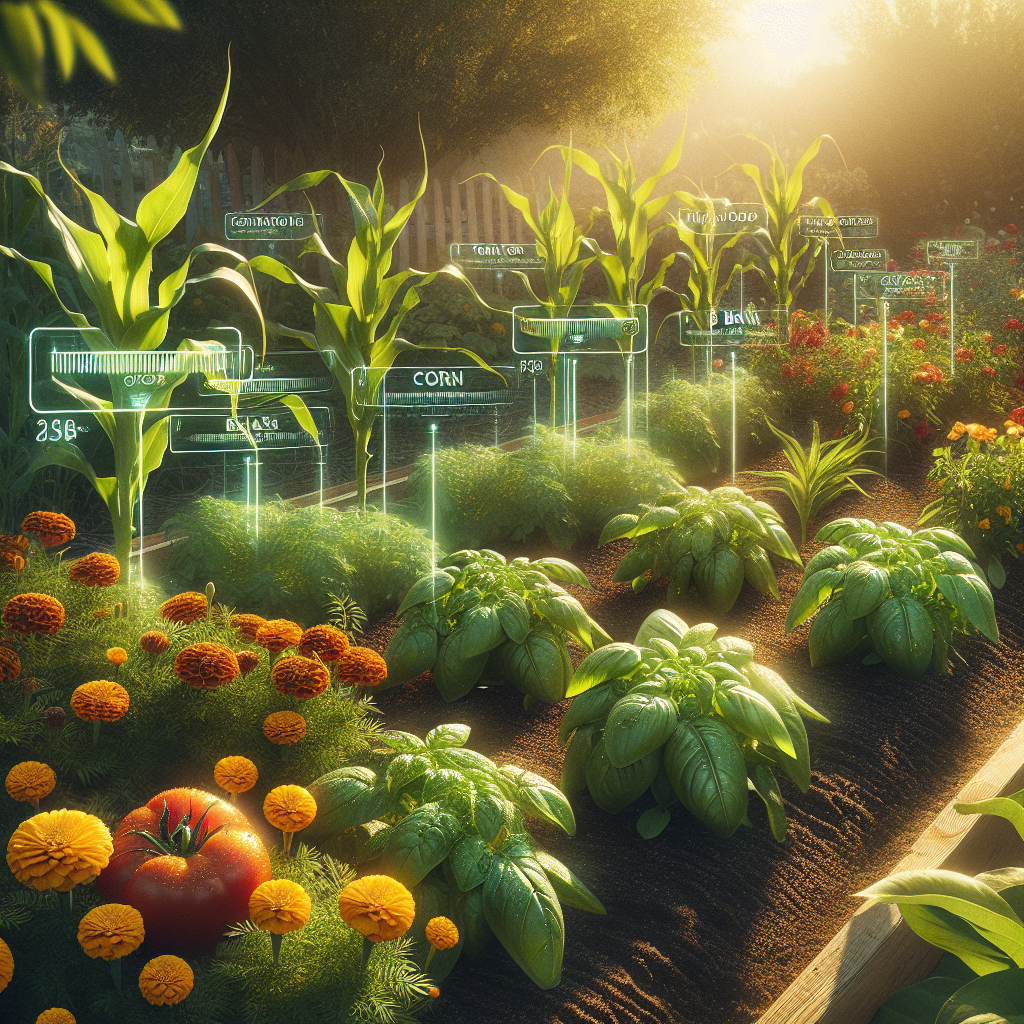
Summer Companion Planting: 10 Organic Pairings to Boost Small Farm Resilience
Every summer, small farms lose potential harvests to the brutal trio of scorching heat, aggressive pests, and nutrient-depleted soils. Yet, ancient agricultural wisdom--refined through modern organic practices--offers a simple, cost-effective shield: companion planting. This technique pairs crops that mutually benefit each other, turning your limited acreage into a thriving ecosystem. For small-scale growers, it's not just tradition; it's a lifeline for resilience in the hottest months.
Companion planting leverages natural synergies. Certain plants repel pests with their scents or root exudates, while others fix nitrogen or improve soil structure. In summer, when pest pressure peaks and water stress intensifies, these pairings become essential. They reduce reliance on interventions, save time, and amplify output from tight spaces--perfect for homesteaders juggling day jobs or gardeners maximizing backyards.
This guide dives into 10 battle-tested summer combinations, drawn from organic farming principles. We'll break down why they work, how to implement them, and practical spacing tips. Expect actionable advice grounded in biology, not hype.
The Science Behind Summer Synergies
Plants communicate chemically and physically. For instance, marigolds release alpha-terthienyl, a compound toxic to nematodes and certain insects. Basil emits volatile oils that confuse aphids. Tomatoes paired with basil see fewer hornworms because the herb masks the crop's scent. Nitrogen-fixers like beans enrich soil for heavy feeders like corn.
In hot weather, these alliances shine brighter. Shade from taller plants cools companions, conserving moisture. Deep-rooted species like okra pull nutrients from subsoil, sharing via mycorrhizal networks. Studies from agricultural extensions confirm these interactions boost resilience--check plant interactions for peer-reviewed evidence.
For small farms, the payoff is efficiency. No need for expansive rotations; interplanting maximizes every square foot. Start small: test one bed, observe, scale up.
10 Proven Summer Pairings for Small Farms
Here's a structured table of 10 organic pairings optimized for summer. Each includes benefits, spacing guidelines, and planting timeline. Use this as your blueprint.
| Pairing | Key Benefits | Spacing (per plant) | Planting Timeline |
|---|---|---|---|
| Tomatoes + Basil | Basil repels hornworms, thrips; improves tomato flavor and vigor | Tomatoes: 24-36"; Basil: 12" | Transplant tomatoes early summer; sow basil nearby after last frost |
| Corn + Pole Beans + Squash (Three Sisters) | Beans fix nitrogen for corn; squash shades soil, suppresses weeds; corn supports beans | Corn: 12" rows; Beans: 6"; Squash: 36" hills | Plant corn first, beans 1 week later, squash simultaneously |
| Cucumbers + Nasturtiums | Nasturtiums trap aphids, cucumber beetles; act as sacrificial plants | Cucumbers: 12-18"; Nasturtiums: 12" trailing | Direct sow both mid-spring; nasturtiums flower summer-long |
| Peppers + Onions | Onions deter spider mites, aphids on peppers; mutual pest repulsion | Peppers: 18"; Onions: 4-6" | Set peppers post-frost; interplant onions |
| Eggplant + Marigolds | Marigolds combat nematodes, repel flea beetles | Eggplant: 24"; Marigolds: 8-12" | Transplant eggplant; sow marigolds as borders |
| Okra + Peppers | Okra shades peppers; both tolerate heat, share pest resistance | Okra: 18"; Peppers: 18" alternating | Direct sow or transplant early summer |
| Beans + Radishes | Radishes loosen soil, deter bean beetles; quick harvest before beans mature | Beans: 4-6"; Radishes: 2" | Sow radishes 2 weeks before beans |
| Zucchini + Borage | Borage attracts pollinators, repels worms; improves zucchini flavor | Zucchini: 36"; Borage: 24" | Plant borage early; zucchini mid-summer |
| Melons + Morning Glories | Morning glories provide shade, deter squash bugs | Melons: 36-48"; Glories: trellis | Sow melons in hills; train glories nearby |
| Sweet Potatoes + Thyme | Thyme repels whiteflies, potato beetles; drought-tolerant duo | Sweet Potatoes: 12-18" slips; Thyme: 12" | Plant slips late spring; thyme as edge |
Implement these in raised beds or rows. Rotate annually to prevent soil imbalances--avoid repeating families in the same spot.
Avoiding Common Summer Pitfalls
Even smart pairings falter without nuance. Overcrowding starves plants of light and air, inviting fungal issues like powdery mildew. Solution: thin seedlings rigorously and prune for airflow.
Water stress amplifies competition. Mulch heavily with straw or leaves to retain moisture, mimicking forest floors. Monitor for pests early; hand-pick or use neem sprays only as backup.
Companion planting blunders often stem from ignoring mature sizes--bell peppers sprawl, smothering onions if unchecked.
Zone-Specific Strategies for Small Operations
Divide your space logically: sunny south bed for heat-lovers like peppers and okra; shadier north for basil under tomatoes. Track performance per zone to refine pairings yearly. This zoning turns guesswork into data-driven decisions.
Homesteaders, edge beds with herbs like thyme or marigolds--they double as pest barriers and culinary bonuses. Backyard gardeners, vertical trellises for beans and melons free ground space.
For spring pairings, transition summer combos by succession planting. As cool crops fade, slot in heat-tolerant allies.
Integrating into Crop Lifecycles
Timing is everything. Map your calendar: start with soil prep in late spring, using cover crops like buckwheat for quick green manure. Direct-sow heat lovers post-soil warmup to 60°F.
Weekly checks catch issues fast. Note synergies--stronger plants mean less intervention. Harvest progressively: radishes first, then beans, extending season bounty.
Pair with organic soil builders. Compost teas feed microbes, enhancing root networks. Avoid chemical fertilizers; they disrupt beneficial insects drawn by companions.
Maximizing Yields Organically
Success scales with observation. Journal pairings: which thrived? Adjust for your microclimate--coastal humidity favors borage, arid zones prioritize mulch-heavy squash.
Pollinator support amplifies everything. Borage and nasturtiums draw bees, boosting fruit set on cucurbits and tomatoes. Plant in drifts for visibility.
Pest pressure? Companions reduce it 30-50% in trials, but integrate row covers for seedlings. Neem or insecticidal soaps target outbreaks without broad harm.
Financial Angle for Small Farms
These pairings cut inputs. Fewer pests mean less organic spray; nitrogen-fixers slash fertilizer needs. Track seed costs vs. output--pole beans yield multiples per plant.
Monetize extras: basil bouquets, nasturtium salads at markets. Efficiency frees time for value-adds like drying herbs.
Year-Round Resilience Blueprint
Extend summer wins into fall. Succession-plant beans into corn gaps; marigolds suppress winter weeds. Winter planning: review notes, order seeds.
Build soil perpetually. Chop-and-drop companions like borage as mulch. This closes nutrient loops, prepping for next summer.
Small farms thrive on systems. Companion planting is your foundation--layer with observation, minimal inputs, maximal synergy. Your resilient summer harvest awaits.