Encyclopedia
Definitive guides for crops, pests, and agricultural diseases.
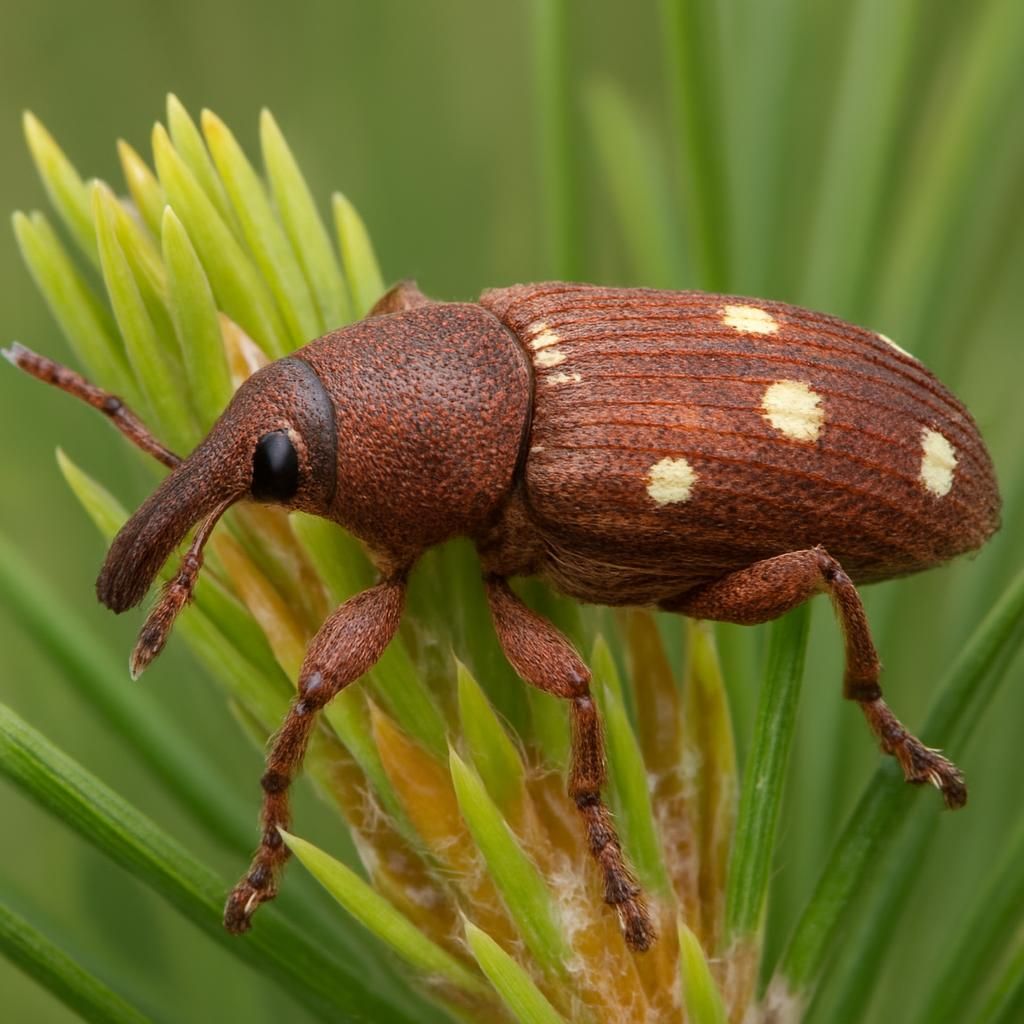
white pine weevil
The white pine weevil is a destructive beetle pest primarily targeting eastern white pine and other conifers, causing leader dieback and permanent tree deformation. Effective management combines cultural practices, monitoring, and targeted treatments during key life stages.
View Profile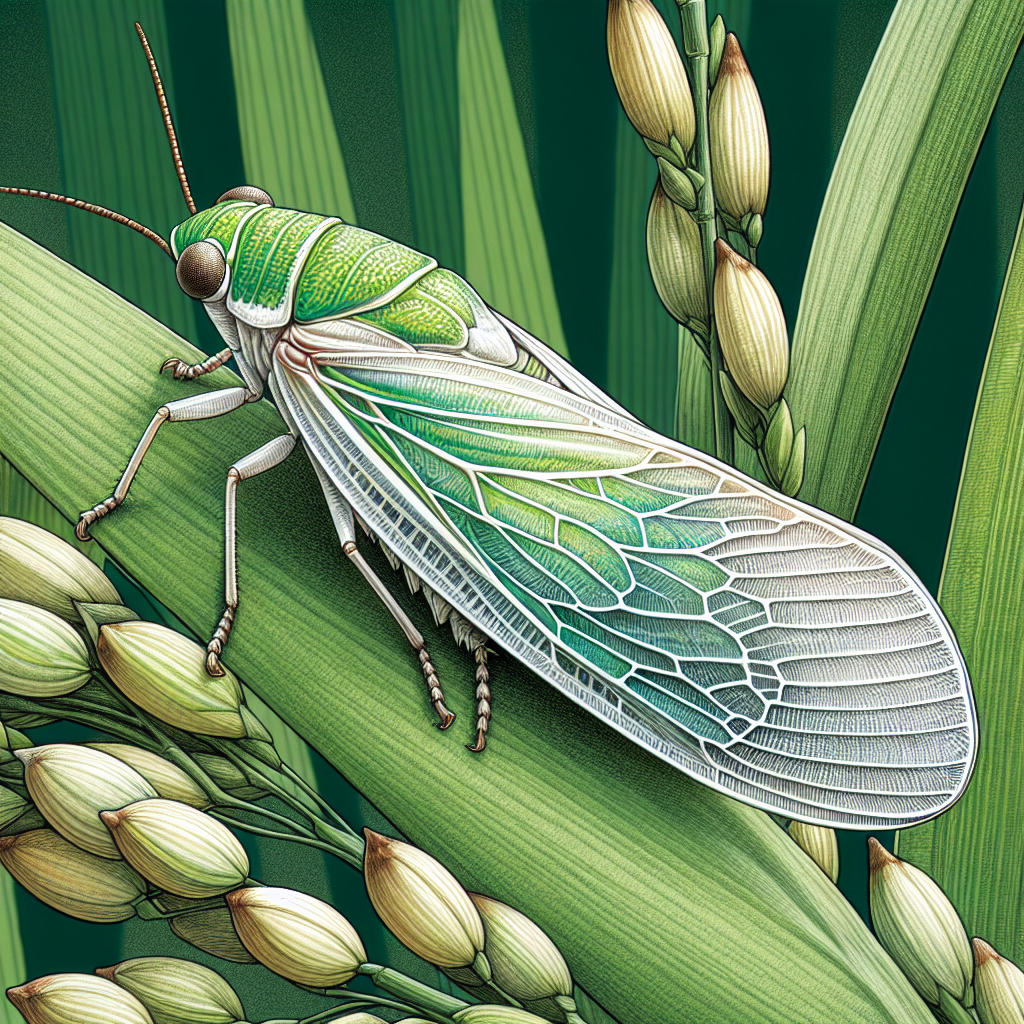
white-backed planthopper
The white-backed planthopper (Sogatella furcifera) is a destructive sap-feeding pest primarily targeting rice crops, capable of causing severe yield losses through direct feeding and virus transmission. This guide provides comprehensive diagnostics, lifecycle insights, organic management strategies, and prevention tactics for farmers worldwide. Effective control hinges on early detection, cultural practices, and integrated pest management.
View Profile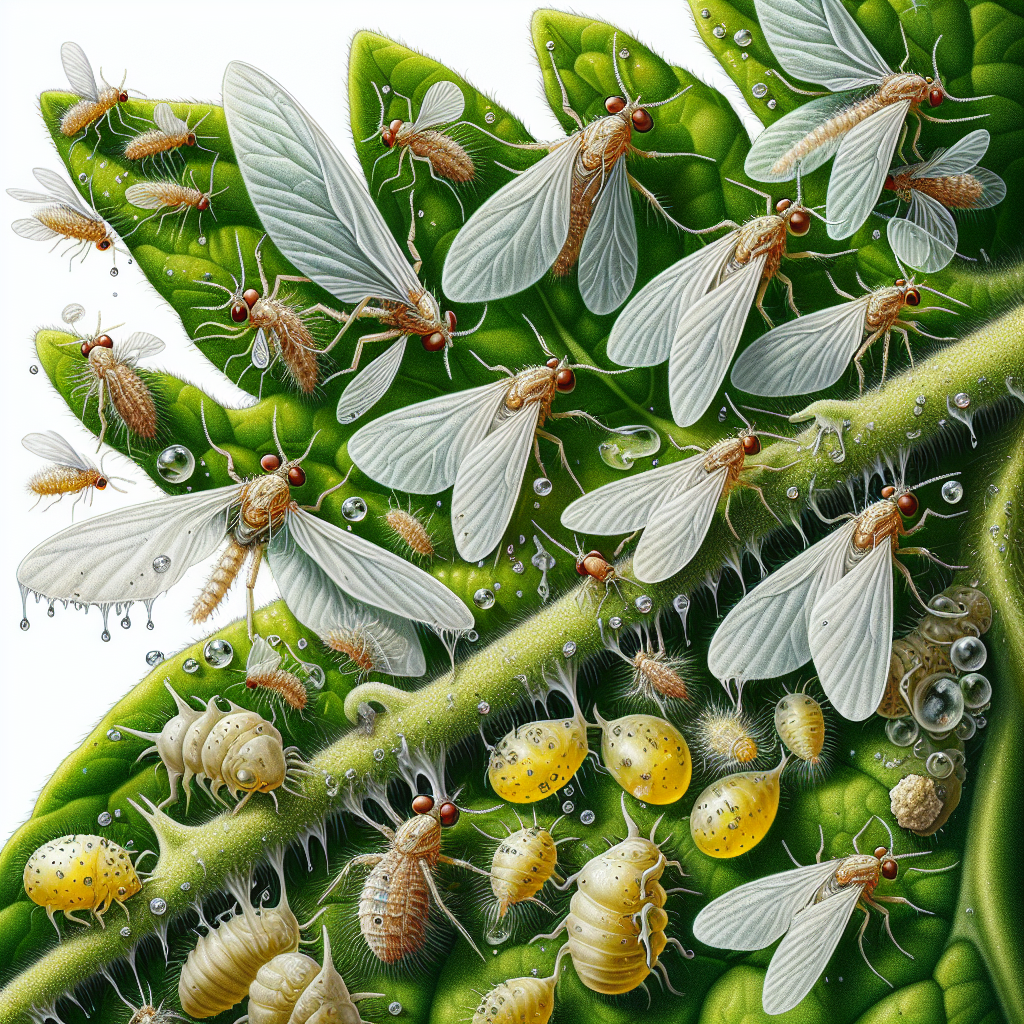
Whiteflies
Whiteflies are tiny, sap-sucking pests that infest a wide range of crops, causing yellowing leaves, stunted growth, and sooty mold. They reproduce rapidly in warm conditions, making early detection crucial for effective management. This guide provides professional diagnostic tips, organic treatments, and prevention strategies for farmers and gardeners.
View Profile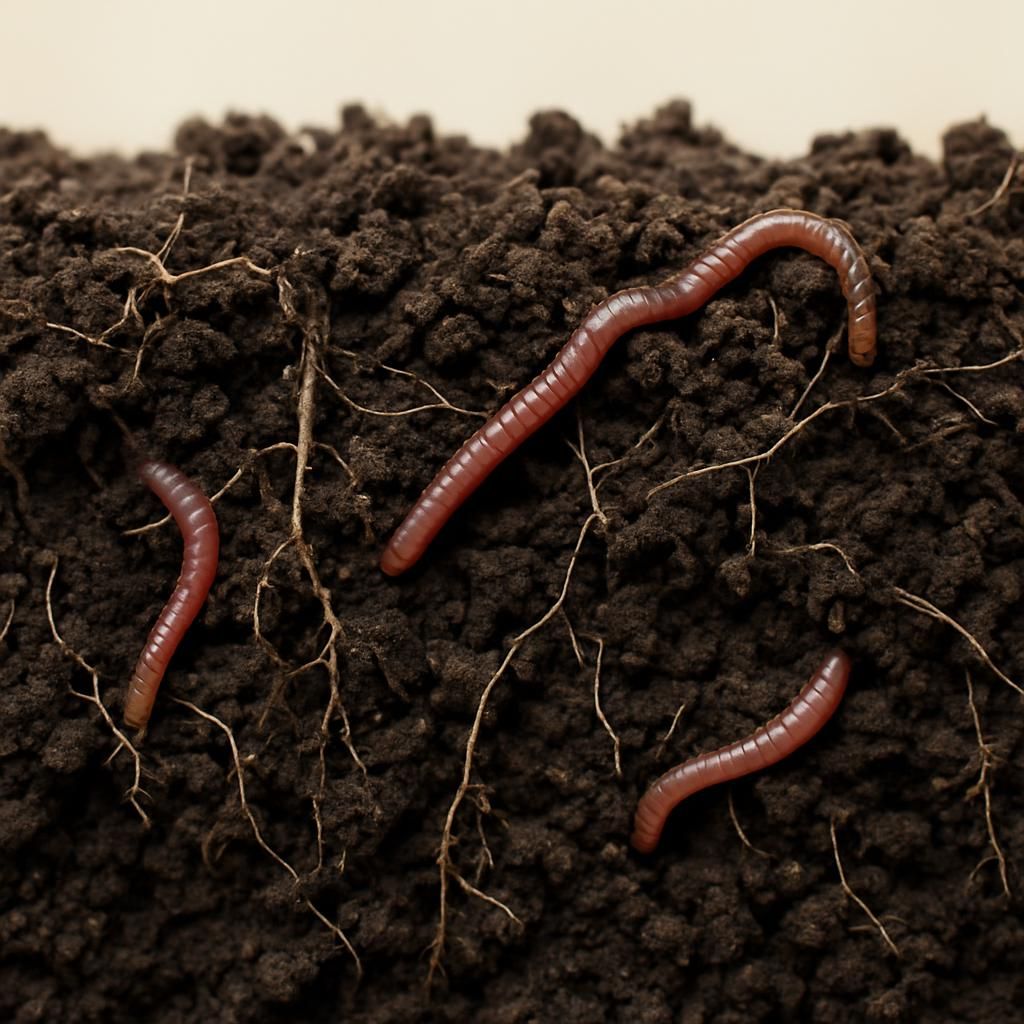
Wikipedia entry on Soil
Soil is the foundational medium for all terrestrial agriculture; its physical, chemical, and biological properties directly determine plant health, nutrient availability, and susceptibility to pests and diseases. Poor soil structure, compaction, or chemical imbalances can mimic or exacerbate pest damage across virtually every crop. Effective diagnosis and management require understanding soil as both a growing environment and a potential vector for soil-borne threats.
View Profile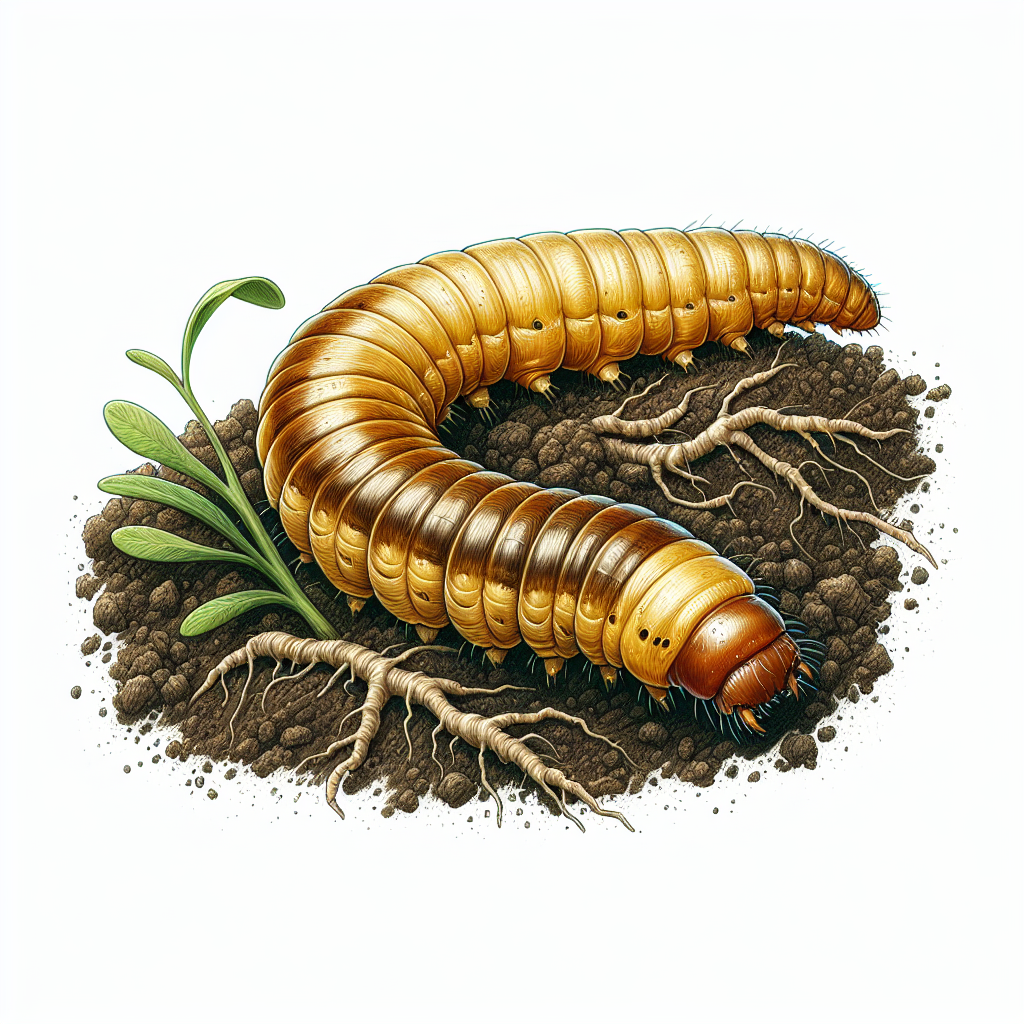
Wireworms
Wireworms are the soil-dwelling larvae of click beetles that cause significant damage to crop roots, seeds, and tubers by feeding voraciously underground. Highly resilient and long-lived, they pose a major threat to field crops like potatoes, corn, and grains. Effective management combines cultural practices, biological controls, and vigilant monitoring for long-term suppression.
View Profile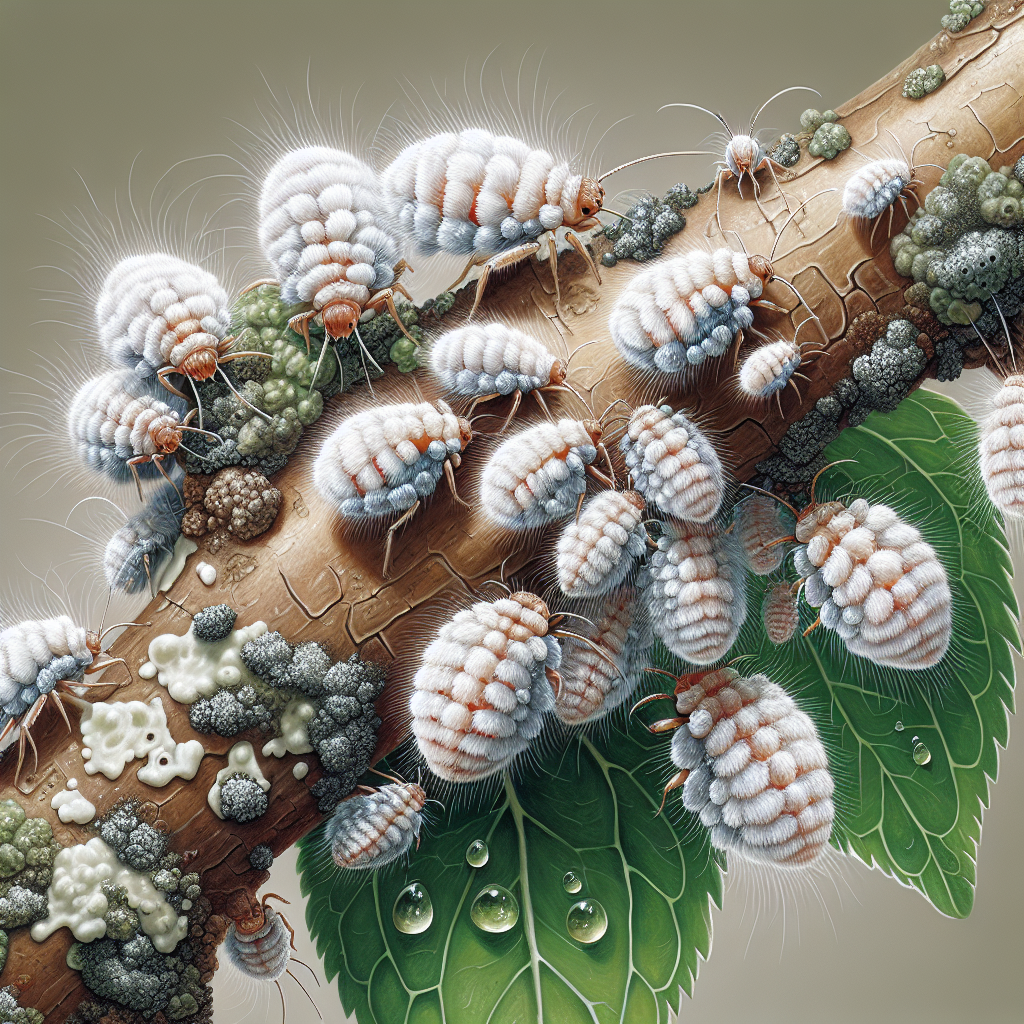
woolly aphid
Woolly aphids are small sap-sucking insects notorious for their white, waxy, cotton-like filaments that give them a woolly appearance, primarily targeting fruit trees like apples and pears. They cause significant damage by feeding on plant sap, promoting sooty mold growth, and transmitting plant viruses, often leading to galls and weakened growth. Effective management combines organic controls like beneficial insects and horticultural oils with vigilant monitoring for early detection.
View Profile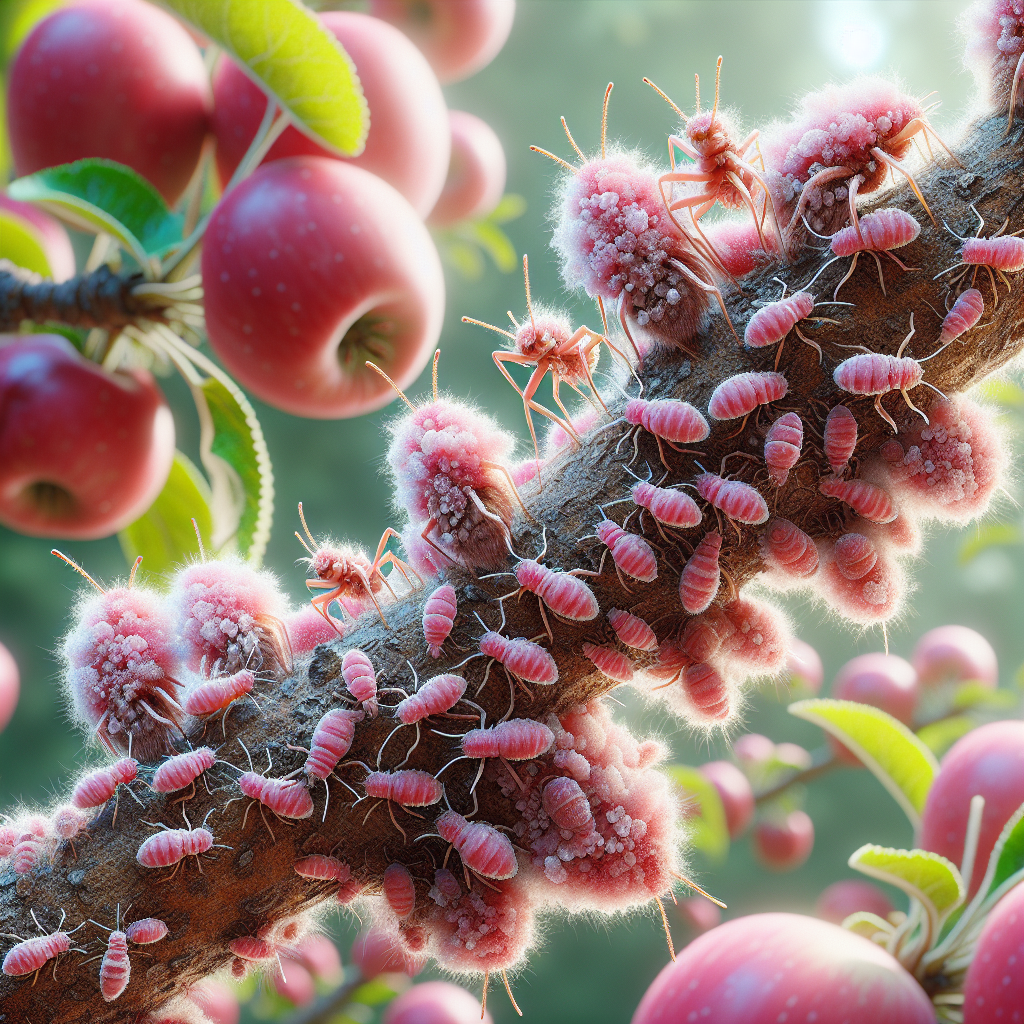
Woolly apple aphid
The woolly apple aphid (Eriosoma lanigerum) is a notorious sap-sucking pest that infests apple trees, identifiable by its distinctive white, waxy filaments resembling wool. It causes significant damage by feeding on roots, trunks, and branches, leading to galls, growth stunting, and secondary infections. Effective organic management relies on biological controls, cultural practices, and vigilant monitoring.
View Profile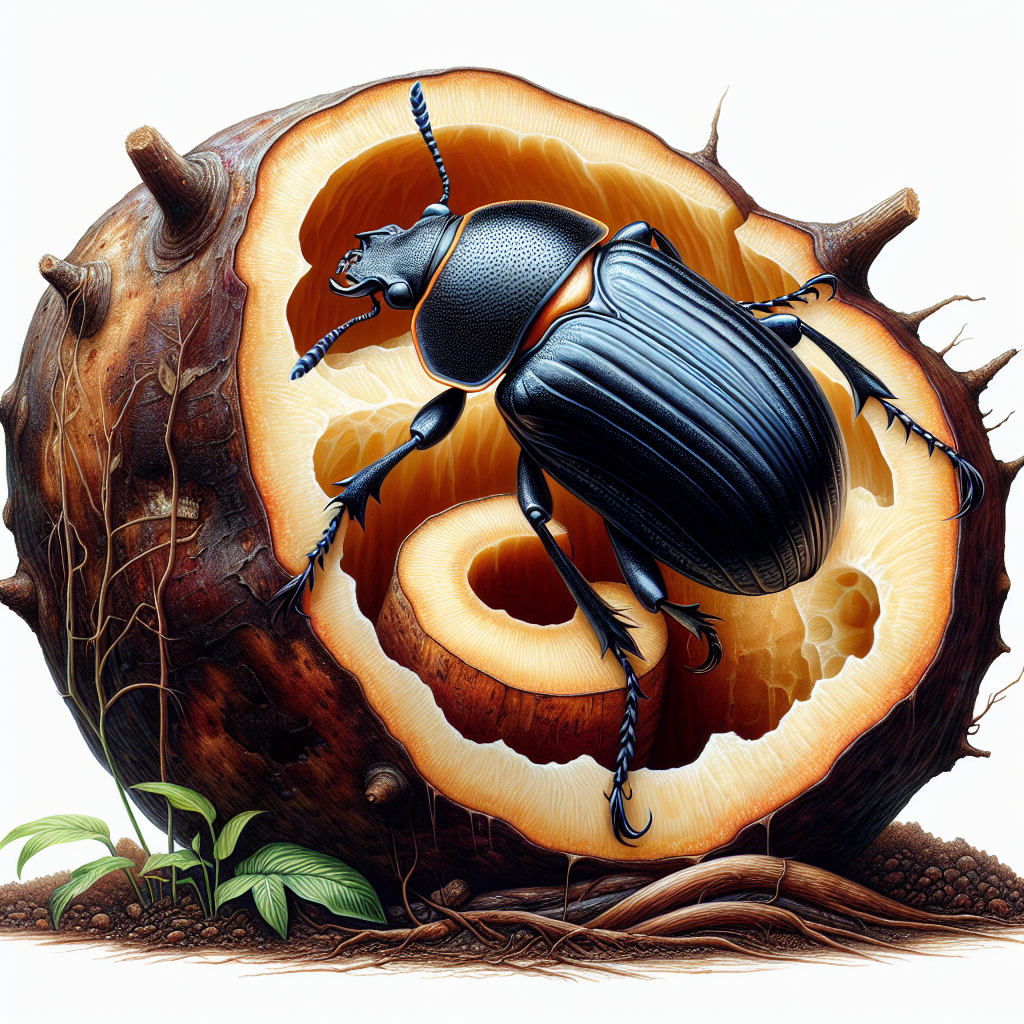
Yam beetles
Yam beetles are destructive soil-dwelling pests that target yam tubers, causing significant yield losses in tropical agriculture. Native to West Africa, these large black beetles and their larvae feed voraciously on underground plant parts, leading to tunneling damage and crop failure. Effective management combines cultural practices, organic treatments, and vigilant monitoring for sustainable yam production.
View Profile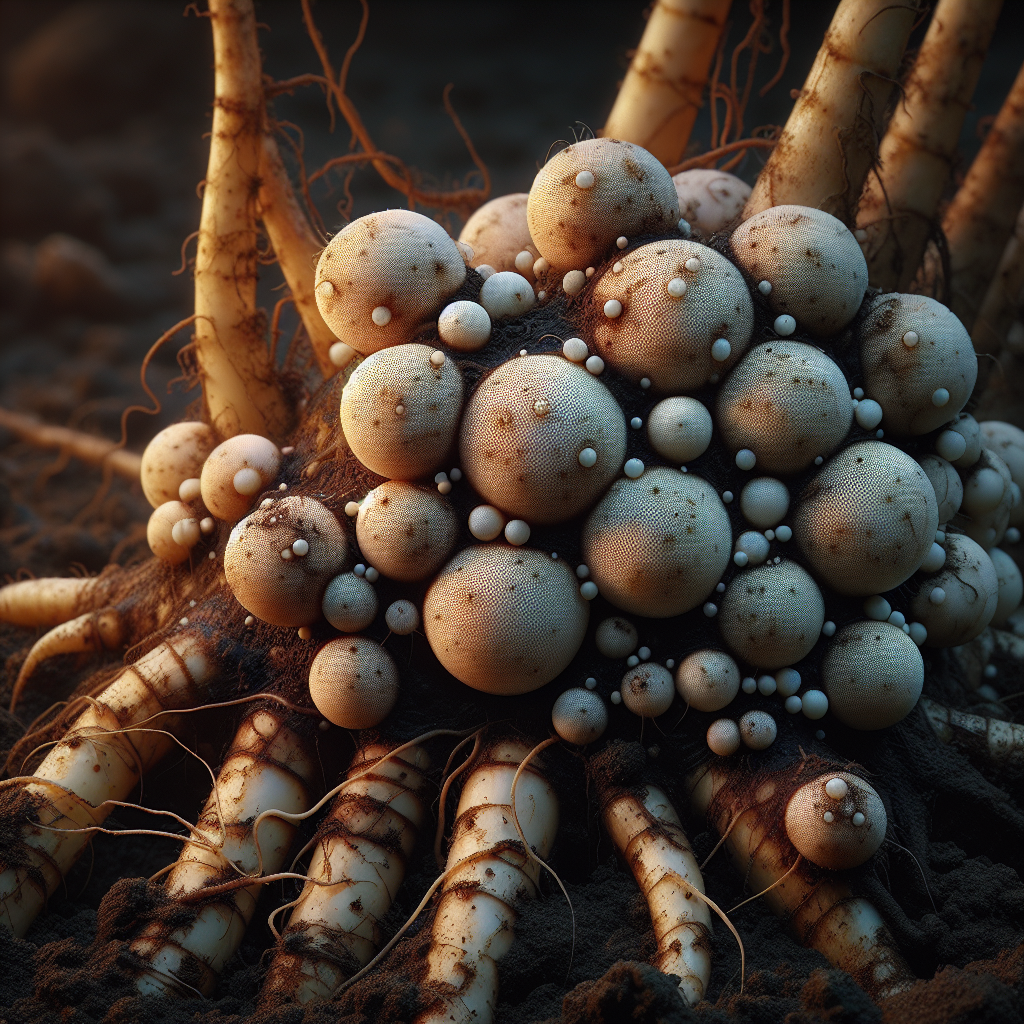
Yam nematodes
Yam nematodes are microscopic, soil-dwelling worms that attack yam tuber roots, causing stunted growth, yield losses up to 70%, and tuber deformities. Primarily root-knot (Meloidogyne spp.) and lesion nematodes (Pratylenchus spp.), they thrive in warm, sandy soils and spread via infested soil or planting material. Effective management combines resistant varieties, crop rotation, and organic soil amendments for sustainable control.
View Profile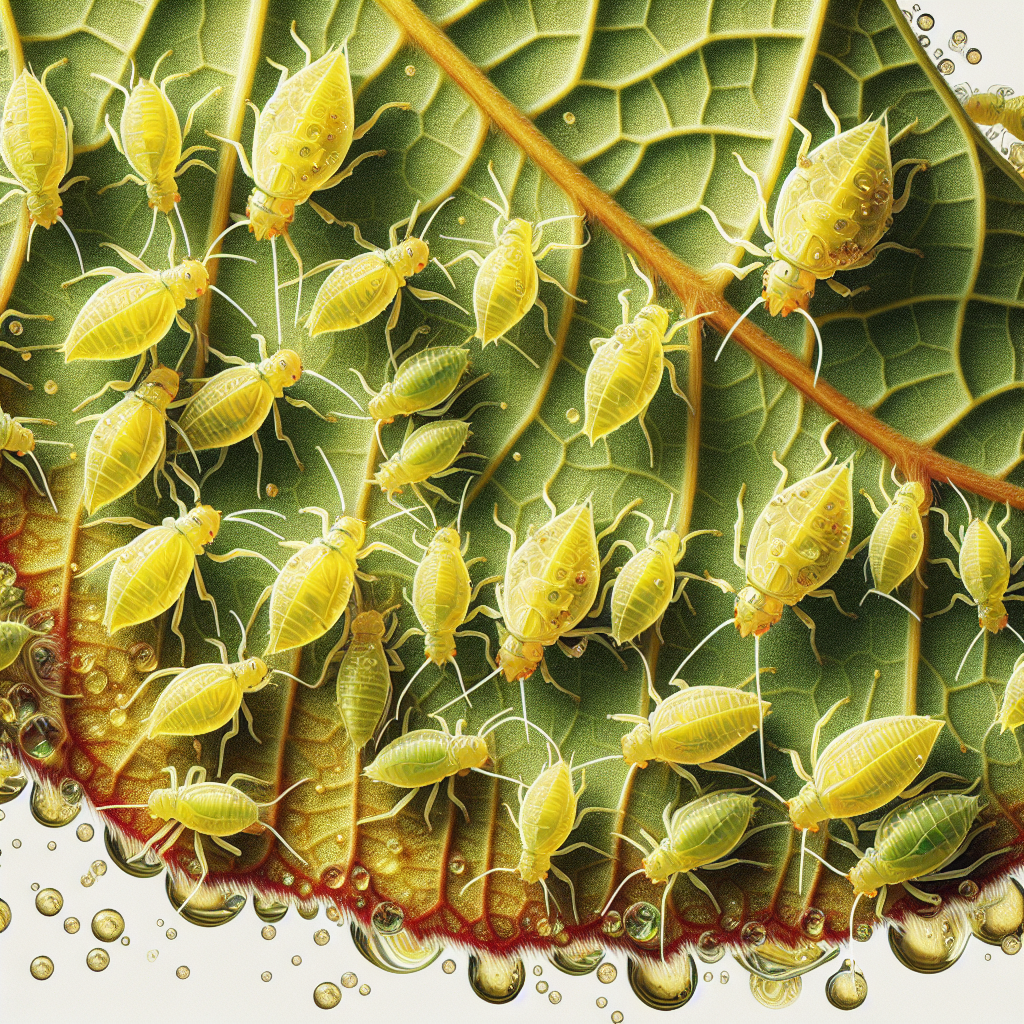
Yellow pecan aphids
Yellow pecan aphids (Monellia clypeata) are small, pale yellow insects that infest pecan trees, causing leaf curl, honeydew production, and sooty mold growth. They thrive in warm, dry conditions and can significantly reduce nut quality and yield if unmanaged. Effective organic controls include beneficial insects, horticultural oils, and cultural practices for long-term prevention.
View Profile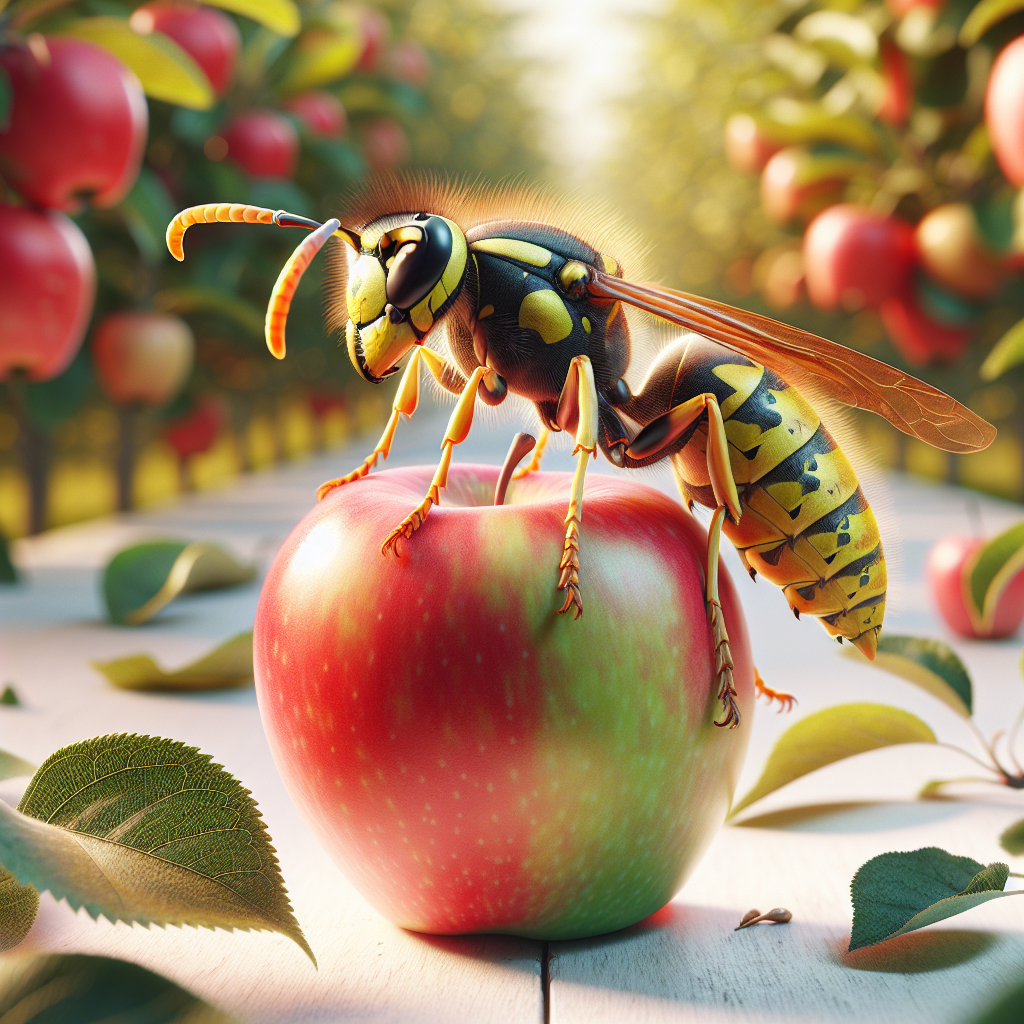
yellowjackets
Yellowjackets are aggressive social wasps that pose significant risks to agricultural operations by preying on beneficial insects, contaminating crops with stings, and disrupting pollination efforts. This guide provides professional diagnostic tools, lifecycle insights, organic management strategies, and prevention tactics tailored for farmers dealing with yellowjacket infestations in orchards and gardens. Effective control minimizes crop losses while preserving ecological balance.
View Profile