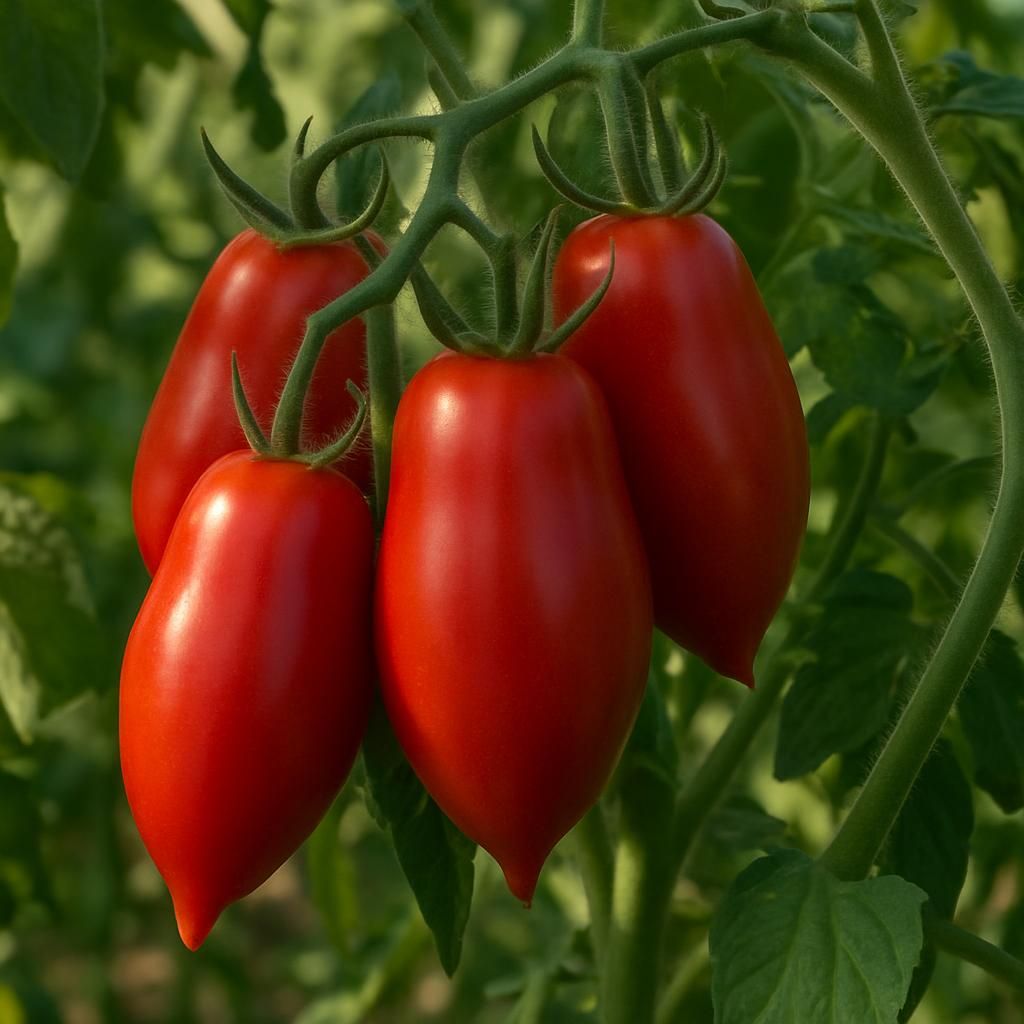
Introduction to Opalka Tomato
Opalka Tomato is a treasured Polish heirloom variety known for its large, pointed, plum-shaped fruits that reach 4–6 inches in length. Gardeners value this indeterminate cultivar for its exceptionally meaty texture, low seed count, and deep, sweet-tangy flavor that intensifies when cooked. Unlike many modern hybrids, Opalka maintains true-to-type seed and delivers reliable yields of 20–30 pounds per plant under optimal conditions.
Developed in Poland and introduced to North American gardeners in the late 20th century, Opalka quickly gained popularity among small-scale producers seeking a high-quality paste tomato for sauces, salsas, ketchup, and sun-dried products. Its vigorous vines require sturdy trellising or caging yet reward growers with continuous harvests from mid-summer through frost. Because of its firm flesh and low water content, Opalka excels in commercial dehydration and long-term storage.
This guide provides professional-grade cultivation advice drawn from university extension trials and experienced market gardeners. Whether you manage a quarter-acre diversified vegetable operation or a backyard raised-bed system, the following sections detail soil preparation, planting protocols, integrated pest management, and post-harvest handling specific to Opalka Tomato.
Botanical Profile of Opalka Tomato
Opalka belongs to the nightshade family (Solanaceae) and shares the same species as all cultivated tomatoes, Tomato. Plants exhibit classic indeterminate growth, producing long vines that can exceed 6–8 feet when supported. Leaves are compound, dark green, and slightly rugose with a characteristic tomato aroma when crushed. Flowers are self-pollinating, yellow, and borne in simple or compound clusters. Fruit set occurs readily in temperatures between 65–85 °F (18–29 °C), with each cluster typically carrying 4–8 elongated fruits.
The distinctive Opalka fruit features a pointed blossom end, thick walls, and minimal gel, resulting in a paste-to-flesh ratio exceeding 85 %. Skin is thin yet crack-resistant, ripening to a deep scarlet red. Average fruit weight ranges from 4–8 ounces, with some specimens reaching 10 ounces under fertile conditions. Because the variety sets fruit continuously until frost, staggered plantings or succession sowing can extend the harvest window by 4–6 weeks.
Soil, pH, and Climate Requirements for Opalka Tomato
Opalka Tomato performs best in deep, well-drained loam or sandy loam soils rich in organic matter. Heavy clay must be amended with compost and raised beds to prevent waterlogging and root diseases. The following table summarizes ideal growing parameters derived from soil science and extension recommendations.
| Parameter | Ideal Range | Notes |
|---|---|---|
| Soil Type | Loam to sandy loam | Deep profile (>18 in) for root development |
| Soil pH | 6.2–6.8 | Slightly acidic; test annually |
| Organic Matter | 4–6 % | Incorporate 2–3 in compost pre-plant |
| Day Temperature | 70–85 °F (21–29 °C) | Optimal fruit set and flavor |
| Night Temperature | 55–65 °F (13–18 °C) | Below 50 °F slows growth |
| Frost Tolerance | None | Protect or transplant after last frost |
| Growing Season | 75–90 days to maturity | From transplant to first ripe fruit |
| Spacing | 24–36 in between plants, 4–5 ft rows | Indeterminate vines need room and support |
Site selection should maximize full sun exposure (minimum 8 hours daily). Windbreaks or hoop-house structures can extend the season in cooler climates. Soil tests conducted each autumn allow targeted amendments before spring planting.
Step-by-Step Planting & Propagation
- Start seeds indoors 6–8 weeks before the last expected frost. Sow ¼ inch deep in sterile seed-starting mix at 75–80 °F (24–27 °C).
- Provide 14–16 hours of supplemental light daily; thin to one seedling per cell once true leaves appear.
- Harden off transplants for 7–10 days by gradually increasing outdoor exposure.
- Prepare beds by incorporating 2–3 inches of well-aged compost and a balanced organic fertilizer (NPK 4-6-4 or similar).
- Transplant seedlings after soil temperature reaches 60 °F (15.5 °C) at 4-inch depth. Plant deep, burying the stem up to the first true leaves to encourage adventitious roots.
- Immediately install stakes, cages, or a Florida-weave trellis system rated for 8-foot vines.
- Water thoroughly after planting and apply a 2–3 inch organic mulch layer to conserve moisture and suppress weeds.
Succession planting every 3–4 weeks until mid-summer extends the harvest period in regions with long growing seasons.
Care & Maintenance regimes for Opalka Tomato
Consistent cultural practices maximize both yield and fruit quality. The following table outlines recommended schedules for irrigation, fertility, and pruning based on university research and experienced grower logs.
| Growth Stage | Watering Schedule | Fertilizer Application | Pruning & Training |
|---|---|---|---|
| Transplant–Flowering | 1–1.5 in/week; deep, infrequent soaks | Side-dress with ½ cup balanced organic fertilizer at 2 weeks post-transplant | Remove suckers below first flower cluster; tie main stem every 8–10 in |
| Flowering–Fruit Set | Maintain even moisture; avoid overhead irrigation | Apply compost tea or fish emulsion (1:10 dilution) every 3 weeks | Continue sucker removal; top vines at 6–7 ft if season is short |
| Fruit Ripening | Reduce slightly to concentrate sugars; mulch to retain moisture | Light side-dress (¼ cup) if foliage pales | Minimal pruning; focus on airflow and disease prevention |
| Late Season | Monitor rainfall; reduce if cool nights prevail | Cease nitrogen applications 4 weeks before frost | Remove lower leaves touching soil to limit disease spread |
Mulch maintenance and weekly scouting for nutrient deficiencies or pests are essential throughout the season. Drip irrigation or soaker hoses placed under mulch deliver water directly to the root zone while keeping foliage dry.
Pests, Diseases & Organic Management
Opalka Tomato is moderately resistant to many common tomato ailments, yet remains susceptible to several pests and pathogens. Regular monitoring and cultural controls form the foundation of an organic integrated pest management (IPM) program.
Common insect pressures include Aphids, Hornworms, flea beetles, and Spider Mites. Handpick large caterpillars; release beneficial insects such as lady beetles and lacewings for aphid control. Reflective mulch and row covers during early growth deter flea beetles.
Fungal diseases such as Early blight, Septoria leaf spot, and Late blight can be minimized through crop rotation (minimum 3 years), adequate spacing for airflow, and preventive copper or Bacillus subtilis sprays. Remove and destroy infected foliage immediately. Blossom end rot is prevented by consistent irrigation and maintaining soil calcium levels above 65 % base saturation.
Nematode pressure can be reduced with marigold borders or solarization of beds between seasons. Always source certified disease-free seed or transplants.
Harvesting, Curing & Optimal Storage
Harvest Opalka fruits when fully colored but still firm, typically 75–90 days after transplant. Pick every 2–3 days during peak production to encourage continued fruit set. For sauce production, allow fruits to ripen fully on the vine for maximum sugar and flavor development.
To cure for storage, place blemish-free fruits in a single layer at 55–60 °F (13–15 °C) with 85–90 % humidity. Fully ripe tomatoes store 7–10 days under these conditions. For longer preservation, process into sauce, paste, or dehydrate slices at 135 °F (57 °C) until leathery. Frozen whole fruits retain quality for 10–12 months.
Companion Planting for Opalka Tomato
Strategic companions enhance biodiversity, attract beneficial insects, and improve soil health. Plant Basil or Thai Basil within 12 inches to repel pests and improve flavor. Marigold borders deter nematodes and whiteflies. Tall companions such as Corn or Sunflower provide light afternoon shade in hot climates.
Avoid planting near Potato, Fennel, or Walnut trees, as these can inhibit tomato growth or harbor shared pests. Nasturtium and Clover serve as trap crops and living mulches, respectively. Rotate tomato plantings with legumes such as Beans or Peas to restore soil nitrogen.
For additional guidance on timing and rotation strategies, consult The Overlooked Art of Crop Rotation for Small Farm Resilience.