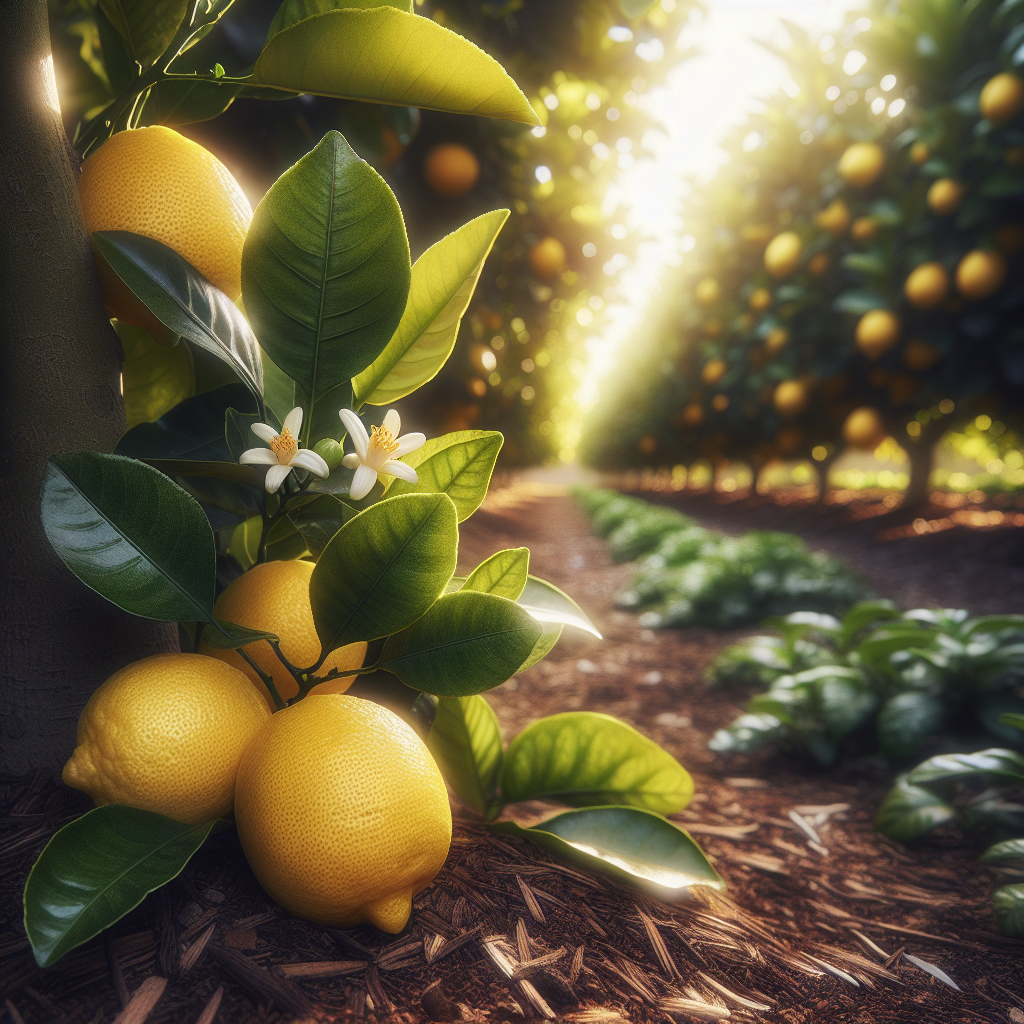
Introduction to Meyer Lemon
Beloved for a flavor that is gentler and more aromatic than standard supermarket lemons, this citrus occupies a unique place between dessert fruit and culinary acid. Its fruits are typically rounder than Eureka or Lisbon lemons, with a deeper yellow to yellow-orange rind, less pronounced nipple, softer peel, and juice that carries a subtle mandarin note.
Historically, Meyer lemon was introduced to the United States in the early 20th century by plant explorer Frank N. Meyer, who collected it in China. The original strain later became associated with tristeza virus concerns, and the modern nursery standard is usually the improved, disease-indexed 'Improved Meyer Lemon', which remains the dominant form sold today. For growers, this matters because modern stock is generally cleaner, more reliable, and better suited to long-term orchard or container performance.
Compared with true lemon types, this variety is somewhat more cold tolerant, but it is not frost hardy in any absolute sense. It performs best where winter temperatures are cool but rarely severe, summers are warm but not relentlessly desiccating, and drainage is excellent. Its compact growth habit, heavy blooming, and extended fruiting window make it one of the most rewarding citrus trees for small-scale production.
For broader citrus context, compare it with a standard Lemon guide. Good site preparation and long-term root-zone care are equally important in citrus systems; principles in soil health strategies are especially useful when establishing perennial fruit crops.
Botanical Profile of Meyer Lemon
This plant is generally classified as Citrus × meyeri, reflecting its hybrid origin rather than placement as a strict true lemon. Most evidence suggests it is a natural hybrid involving lemon ancestry and a mandarin or orange-like parent. That hybrid background explains several practical traits growers notice immediately: sweeter juice, thinner rind, slightly reduced acidity, and a more compact canopy.
Trees are typically small to medium, often reaching 6-10 feet in containers and 8-15 feet in the ground depending on rootstock, climate, pruning, and age. The canopy is rounded, dense, and naturally manageable, making the variety particularly suitable for patio culture or small backyards. New flushes may carry a purple tint, and flower buds often show lavender-purple coloration before opening to white, intensely fragrant blossoms.
Leaves are evergreen, glossy, and lanceolate, with the oil glands typical of citrus foliage. While some trees bear small thorns, they are usually less aggressively thorny than many standard lemons. Flowers are self-fertile, so one tree can set fruit on its own, although outdoor insect activity and gentle air movement often improve fruit set. Indoor trees may need occasional hand pollination with a small brush if bloom drop is high.
Fruit shape ranges from oval to nearly round. Mature fruits are usually 2.5-4 inches across, with smooth to slightly pebbled skin that turns deep yellow and may develop a warm orange blush in cool weather. Because the rind is thinner and more tender than commercial shipping lemons, fruit bruises more easily and stores for a shorter period after harvest. This is one reason it is cherished by home and local-market growers but less dominant in long-distance wholesale channels.
Rootstock matters. Nursery Meyer lemons are commonly grafted onto dwarfing or semi-dwarfing citrus rootstocks to improve disease resistance, adapt to soil conditions, and manage vigor. In heavier soils, rootstock choice strongly affects tolerance to wet feet, calcareous conditions, and nematodes. Always identify whether your tree is own-rooted or grafted, because suckers emerging below the graft union will not be true to the desired canopy and should be removed promptly.
Soil, pH, and Climate Requirements for Meyer Lemon
Success begins below ground. This citrus demands fast drainage, consistent aeration, and moderate fertility. The ideal soil is a sandy loam or loam rich in organic matter but never swampy. A root zone that stays saturated for more than 24-48 hours after irrigation or rain invites root decline, Phytophthora infection, leaf yellowing, and chronic poor performance.
Target a pH of 5.5-6.5 for best nutrient availability. The tree can survive slightly outside that range, but nutrient disorders become more common above pH 7.2, especially iron, zinc, and manganese deficiency. In alkaline soils, young leaves may emerge pale with green veins, a classic interveinal chlorosis pattern. If soil pH is high, incorporate elemental sulfur well before planting when appropriate for your soil type, and use acid-forming fertilizers over time. In containers, use a premium citrus mix or a coarse custom blend containing pine bark fines, composted forest products, coarse sand or perlite, and a modest amount of compost.
Drainage is more important than sheer richness. If native soil is heavy clay, plant on a broad mound or raised berm 12-18 inches high rather than digging a deep bowl that traps water. In marginal sites, the crown and upper roots should sit slightly above grade. Avoid locations where roof runoff, irrigation overspray, or compacted subsoil concentrate moisture.
Climatically, the tree performs best in USDA zones 9-11, though it can be grown in zone 8b with protection and very carefully managed microclimates. Ideal temperatures for active growth are roughly 70-85°F (21-29°C). Flowering and fruit set are favored by mild spring conditions. Growth slows noticeably below 55°F (13°C), and damage becomes likely when temperatures drop near or below 28°F (-2°C), especially on young trees, tender flush, or fruit-laden branches. Mature, hardened trees may survive short dips slightly lower, but leaves, blossoms, and twigs are easily injured.
Light is non-negotiable. Provide at least 8 hours of direct sun outdoors. In hot inland climates, afternoon temperatures above 100°F (38°C) can stress young trees, especially those in black nursery pots or reflected-heat sites next to masonry walls. In such regions, morning-to-midafternoon full sun with slight late-afternoon protection is acceptable during establishment.
Wind matters more than many growers realize. Constant wind dries foliage, reduces pollinator visits, scars fruit, and increases irrigation demand. Shelter young trees from prevailing winds without creating a stagnant, shaded pocket. A fence, porous windbreak, or strategic placement on the leeward side of a structure is ideal.
Step-by-Step Planting & Propagation
Start with a healthy, certified disease-free nursery tree. For most growers, grafted stock is superior to seed-grown plants because it fruits earlier, stays truer to type, and benefits from rootstock adaptation. Seed propagation is possible, but seedlings are variable, slow to bear, and unsuitable when uniform fruit quality is the goal.
Choose the site carefully. Select a sunny area with excellent air drainage and no standing water. Allow enough room for airflow around the mature canopy, generally 8-12 feet from other permanent trees or walls unless intentionally espaliered or container-grown.
Test and prepare the soil. Confirm pH and drainage before planting. If water remains in a test hole after a day, improve the site by mounding or choosing another location. Work compost lightly into the broad planting area, not just the hole, but do not create an overly rich pocket that discourages roots from moving outward.
Dig a shallow, wide hole. Make it 2-3 times the width of the root ball and no deeper than the existing root mass. The top of the root ball should sit 1-2 inches above surrounding soil in heavier ground. Planting too deep is a common cause of decline.
Inspect the root system. Remove the tree from its container and gently tease apart circling roots. If roots are densely bound, make 3-4 shallow vertical cuts around the outside of the root mass to encourage lateral expansion.
Set and backfill. Position the tree so the graft union remains several inches above the soil line. Backfill with native soil unless conditions are extremely poor. Firm lightly to eliminate large air gaps, but do not compact.
Water deeply to settle. Apply enough water to moisten the full root ball and the adjacent soil zone, typically 2-5 gallons for a young tree depending on container size and soil texture.
Mulch correctly. Spread 2-4 inches of wood chips or coarse organic mulch in a ring at least 2-3 feet wide, but keep mulch 6 inches away from the trunk. Mulch touching the bark encourages rot and pest problems.
Stake only if necessary. In windy areas, use a loose, temporary stake for the first season. Remove it once the trunk can support itself.
Container planting follows the same logic with greater attention to media structure. Use a pot with generous drainage holes and a gritty, bark-based citrus medium. Avoid garden soil in containers; it compacts, excludes air, and leads to root suffocation. Repot every 2-3 years, refreshing the medium and pruning dead or circling roots.
Propagation by cuttings is possible but less common commercially. Semi-hardwood cuttings taken in warm weather may root under mist with bottom heat and rooting hormone, but resulting plants lack the advantages of specialized rootstocks. Budding and grafting onto compatible rootstocks remains the professional standard.
Care & Maintenance regimes for Meyer Lemon
Watering should be deep, infrequent, and responsive to season, soil type, and crop load. Young in-ground trees need the root zone kept evenly moist but never saturated during establishment. As a working rule, water when the top 2-3 inches of soil are dry but deeper soil still holds slight moisture. In sandy soils this may mean watering every 3-5 days in hot weather; in loam, every 5-8 days; in cool periods, much less often. Mature trees prefer a thorough soak that penetrates 12-24 inches deep, followed by partial drying of the upper profile.
A moisture meter can help, but hand-checking is reliable: soil at 6 inches deep should feel cool and slightly damp, not muddy. Chronic overwatering shows up as yellow leaves, leaf drop, soft weak growth, algae on the soil surface, sour-smelling media in pots, and reduced vigor despite adequate fertilizer. Underwatering typically causes leaf curl, dull foliage, blossom drop, small hard fruit, and dry pot edges pulling away from the container wall.
Container trees dry much faster than in-ground trees and may need water daily in peak summer, especially in terracotta or small pots. However, never water by schedule alone. Irrigate until water flows from drainage holes, then allow the top inch or two of medium to dry before repeating.
Fertilization should reflect citrus's high demand for nitrogen and regular need for magnesium, iron, manganese, and zinc. Feed lightly but consistently during active growth. A citrus-specific fertilizer with micronutrients is ideal. Young trees often respond well to split applications from early spring through midsummer. Mature trees can be fed 3-4 times annually, with the largest applications timed before major flushes. Avoid pushing heavy nitrogen late in the season in frost-prone areas, as tender new growth is highly vulnerable to cold.
Leaf analysis is valuable in orchard settings, but home growers can monitor visually. Nitrogen deficiency causes generalized pale foliage and reduced shoot growth. Magnesium deficiency often appears as yellowing on older leaves while a green inverted V remains near the leaf base. Iron deficiency affects the newest leaves first, especially in alkaline media.
Pruning is mostly corrective rather than aggressive. Remove dead wood, crossing branches, inward congestion, and any shoots arising below the graft union. Maintain a skirt high enough to allow airflow and inspection, but avoid stripping too much low foliage because citrus bark can sunburn when suddenly exposed. The best time for shaping is after major harvest and after frost risk has passed. Do not overprune; fruiting occurs on mature wood and new flushes, and severe cuts can reduce next season's crop.
Fruit thinning is usually unnecessary, but young trees overloaded with fruit may benefit from removing part of the crop so roots and framework can develop. This is especially wise in the first 1-2 years after planting.
Cold protection is essential where freezes occur. Water the soil well ahead of a frost event, because moist soil stores more heat than dry soil. Cover young trees with frost cloth that reaches the ground, and use incandescent-style heat sources underneath when temperatures are expected to drop hard. Avoid plastic touching foliage directly.
Indoor wintering requires the brightest possible conditions, ideally south-facing light or supplemental grow lights. Humidity should be moderate, and trees should be kept away from heating vents. Expect some leaf adjustment after moving indoors, but major leaf drop usually signals low light, root stress, or overwatering.
For orchard-floor management, low-growing beneficial companions such as Clover, Thai Basil, and Garlic can support pollinators, suppress weeds, or help diversify the understory when kept outside the immediate trunk zone.
Pests, Diseases & Organic Management
The most common pest issues are scale insects, aphids, mealybugs, spider mites, whiteflies, citrus leaf miner, and occasionally thrips. Scale and mealybugs often accumulate on stems and leaf undersides, excreting honeydew that leads to sooty mold. Heavy infestations weaken photosynthesis and can reduce fruit quality.
Inspect new flushes weekly during warm weather. aphids cluster on tender shoots, causing curled leaves and sticky residues. spider mites are more common in hot, dry, dusty conditions and produce stippling or bronzing on leaves. citrus leaf miner larvae tunnel in young leaves, creating silvery winding trails and distortion. On mature, well-established trees, leaf miner damage is often more cosmetic than catastrophic, but repeated attacks on young trees can slow canopy development.
Organic control starts with prevention: avoid excess nitrogen, reduce dust, improve airflow, and encourage beneficial insects. A strong water spray can dislodge aphids and mites early. Horticultural oil is highly effective against scale, mites, and some mealybugs when coverage is thorough and temperatures are suitable. Apply during cooler parts of the day and never to drought-stressed foliage. Insecticidal soap works best on soft-bodied pests but requires direct contact and repeat treatments.
Disease pressure is greatest when moisture and poor sanitation combine. root rot and gummosis caused by Phytophthora are major threats in poorly drained soils. Symptoms include trunk lesions exuding gum, sparse foliage, yellow leaves, twig dieback, and feeder root loss. The first line of defense is drainage, correct planting depth, and keeping mulch and irrigation away from the trunk flare.
sooty mold is secondary, feeding on honeydew from sucking insects. Wash foliage and address the insect source rather than treating the mold alone. anthracnose and other fungal leaf or twig issues may appear in humid climates, especially where dead twigs remain in the canopy. Prune out diseased wood and sterilize tools between cuts when infection is suspected.
Nutrient disorders are often misread as disease. Yellow new leaves with green veins suggest micronutrient unavailability rather than a pathogen, especially in alkaline soils. Correcting pH, root health, and fertilizer balance is more effective than spraying indiscriminately.
If fruit drop occurs, distinguish natural thinning from pathology. Citrus typically sheds a portion of young fruit after bloom. Excessive drop is more often linked to water stress, root disturbance, sudden temperature swings, or nutrient imbalance than to a primary infectious disease.
Harvesting, Curing & Optimal Storage
Fruit is usually ready 6-9 months after flowering, though timing varies with climate and crop load. Unlike some fruits, these lemons do not continue ripening in the same way after picking, so harvest based on tree-ripened color, feel, and flavor. Mature fruit develops a rich yellow color that may verge on orange, smooth skin, and a slight softness when gently pressed. If fruit is fully colored but still very firm and sharply acidic, leave it longer and retest.
One advantage of this variety is the ability to hold fruit on the tree for an extended period, allowing staggered harvests. However, overly long hang time can produce coarse texture, puffiness, or reduced juiciness, particularly after weather extremes.
Harvest with hand pruners or clippers rather than pulling, which can tear the rind or damage bearing wood. Cut with a short stem stub and handle gently because the peel bruises easily. Harvesting during the cool part of the morning improves postharvest condition.
Unlike onions, garlic, or pumpkins, lemons are not cured in a traditional sense. Postharvest handling instead focuses on shade-cooling, cleanliness, and minimizing moisture loss. Keep harvested fruit out of direct sun, sort out damaged fruit, and avoid washing unless necessary. If washed, dry thoroughly before storage.
At room temperature, fruit may keep about 1-2 weeks depending on maturity and ambient humidity. Under refrigeration, expect 2-4 weeks of good quality, sometimes longer if fruit was harvested at the proper stage and remains unbruised. Ideal storage is around 45-50°F (7-10°C) with high relative humidity, but most household refrigerators are colder and drier, so place fruit in a perforated bag or crisper to reduce dehydration.
Because of the aromatic rind and sweet-acid balance, a large share of the crop is best used fresh. Excess fruit can be juiced and frozen, or zested and preserved. Thin-skinned fruit is excellent for marmalade, preserved lemon, curd, and fresh beverage use, but less suitable for long-distance transport than tougher commercial lemon cultivars.
Companion Planting for Meyer Lemon
Companion planting around citrus should support pollination, beneficial insect activity, soil cover, and weed suppression without crowding the trunk or competing aggressively for water. The key principle is to keep the immediate root crown and first 12-18 inches around the trunk free of dense plantings, especially during the first years.
Thai Basil is one of the best aromatic companions for warm-season understories. Its flowers attract pollinators and beneficial insects, and its growth habit stays relatively manageable. It works especially well on the sunny outer edge of the mulch ring rather than pressed directly against the tree.
Garlic is useful in cooler seasons or in rotation around the drip line, where it can help occupy space without forming a permanent competitive mat. While claims that garlic directly repels all citrus pests are often overstated, it can fit well into a diversified orchard-floor strategy and is easy to manage.
Clover functions as a living mulch in larger plantings when mowed or kept low. It helps protect soil, supports beneficial insects when flowering, and can improve surface soil structure over time. Use it more confidently in established orchards than around brand-new trees, since very young citrus benefits from reduced competition until roots expand.
Avoid vigorous vines, thirsty annuals planted too close, or deep-cultivated vegetable beds that disturb shallow citrus feeder roots. The best companions are low, shallow-rooted, easy to cut back, and compatible with the tree's irrigation pattern. Think of the understory as support habitat rather than a fully packed polyculture right at the trunk.
When designed well, companion planting can make the planting more resilient, biologically active, and easier to manage organically, while still preserving the root-zone conditions citrus needs most: air, warmth, and drainage.