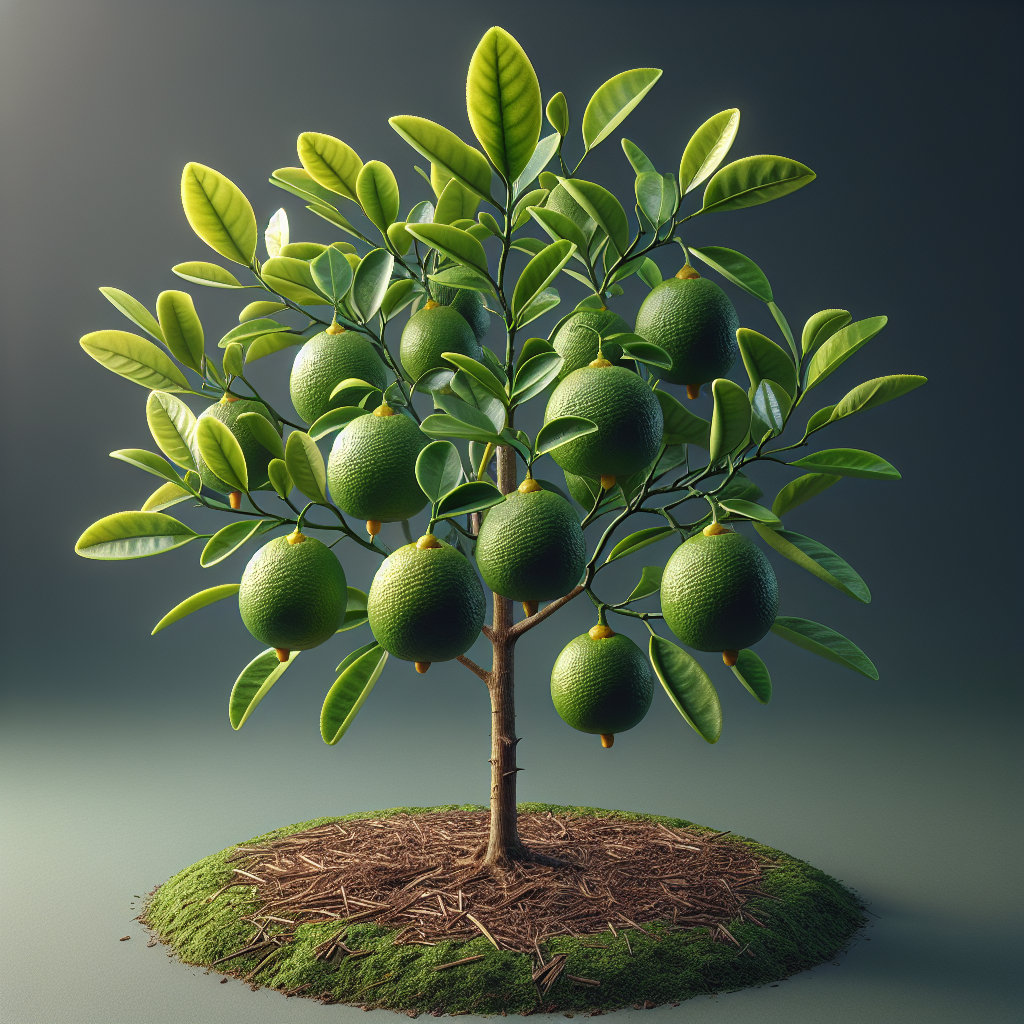
Introduction to Finger Lime
Native to the subtropical rainforests of eastern Australia, this unusual citrus has moved from a botanical curiosity to a premium specialty crop in high-end culinary markets. Its fruit is slender, often cylindrical, and packed with free-flowing juice vesicles that pop in the mouth, making it popular for garnishes, desserts, seafood, cocktails, and preserves. Commercial and backyard growers value it not just for novelty, but for its strong aroma, intense acidity, and broad color range, from green and yellow to pink, red, and deep purple pulp depending on cultivar.
Compared with conventional citrus, finger lime is generally more cold-sensitive when young, slower growing, and more structurally thorny. It also behaves somewhat differently in canopy architecture and fruiting habit, often producing on short lateral wood with a dense, twiggy framework. If you already grow Lime, expect similar nutritional principles but a stronger need for precision around drainage, wind protection, and pruning access because of the sharp spines.
Historically, finger lime was used by Indigenous Australians as a wild-harvested food. Modern breeding and selection have expanded fruit size, color range, and productivity, producing named cultivars such as 'Pink Ice', 'Crimson Tide', 'Judy's Everbearing', 'Alstonville', 'Byron Sunrise', and 'Chartreuse'. Cultivar choice matters greatly because peel color, pulp color, yield timing, thorniness, and fruit dimensions vary widely.
Botanical Profile of Finger Lime
This species belongs to the Rutaceae family and is classified as Citrus australasica, though older literature may place it under Microcitrus australasica. It is a true citrus relative with many of the same physiological responses as lemons and limes, but it retains several rainforest-adapted traits. In the wild, plants are often found as understory shrubs or small trees in filtered light, along forest margins, or in well-drained alluvial soils.
Growth habit is typically shrubby to small-tree form, commonly 2-7 meters tall depending on rootstock, cultivar, pruning, and site. Branching is dense and angular. Thorns can be formidable, often several centimeters long, especially on juvenile growth and vigorous water sprouts. Leaves are notably smaller than standard citrus leaves, often 1-6 cm long, glossy, and aromatic when crushed.
Flowers are small, white to pale pink, fragrant, and usually appear from late winter into spring, though warm climates may see staggered blooming. Finger lime is generally self-fertile, but cross-pollination by bees can improve fruit set in some environments. Fruit development often takes 5-6 months from flowering, depending on temperature and cultivar. Mature fruit can range from 4-12 cm long. Rind thickness, peel oil intensity, and vesicle firmness all vary by selection.
Rootstocks strongly influence vigor, disease tolerance, and soil adaptability. Many commercial plants are grafted onto standard citrus rootstocks such as trifoliate orange hybrids, rough lemon, or other compatible rootstocks chosen for local soil and disease conditions. Grafted plants usually fruit earlier and more uniformly than seedlings. Seedling plants can be variable and are not ideal if predictable fruit quality is the goal.
Soil, pH, and Climate Requirements for Finger Lime
The single most important requirement is drainage. Finger lime tolerates periodic dryness better than waterlogged soil. Saturated root zones rapidly lead to feeder root death, nutrient lock-up, reduced vigor, and increased susceptibility to Phytophthora root rot. The best soils are deep, friable sandy loams or loams with good internal drainage and moderate organic matter. Heavy clay can be used only if planting is done on broad mounds or raised rows and irrigation is tightly controlled.
Ideal soil pH is 5.5-6.5, though plants can tolerate roughly 5.0-7.0 if nutrition is managed carefully. Above pH 7.2, iron, manganese, and zinc deficiencies become more likely, showing as interveinal chlorosis on young leaves. In alkaline soils, repeated applications of chelated micronutrients and acidifying amendments may be necessary. Below pH 5.0, calcium and magnesium shortages and possible manganese excess can become problematic.
For planting holes, avoid the common mistake of digging a pit and filling it with highly amended compost-rich material in otherwise dense soil. That creates a bathtub effect and traps water. Instead, improve a broad planting zone or mound and keep the crown slightly elevated above grade.
Climate preference is warm subtropical to mild tropical, with best performance where summers are warm but not scorching and winters are cool without prolonged hard frost. Mature plants can survive brief dips around -2 to -3°C with some damage, but young trees may be injured at even 0°C if exposed, wind-chilled, or actively flushing. Frost can scar fruit, kill tender shoots, and reduce next season's productivity.
Optimal annual conditions include:
- Full sun in coastal or mild climates, or light afternoon shade in very hot inland zones
- Relative humidity moderate to high, though good airflow is essential
- Protection from desiccating winds, especially hot dry winds during flowering and fruit set
- Rainfall or irrigation that keeps the root zone evenly moist but never anaerobic
In very hot climates above 38°C, fruit and leaves may sunburn, especially on recently exposed branches after pruning. In cool climates, growth slows considerably and fruit maturation may be delayed. Container culture is viable in marginal climates, provided winter protection and rigorous drainage are maintained.
For broader soil-building ideas, see soil health strategies.
Step-by-Step Planting & Propagation
Start with a high-quality grafted tree from a reputable citrus nursery whenever possible. Choose plants with dark green leaves, no circling roots, no canker lesions, no scale crusting, and a visible healthy graft union above the soil line. Avoid trees with yellowed new growth, sour-smelling potting media, or bark damage around the base.
Select the site. Choose a location with at least 6-8 hours of direct light, shelter from prevailing wind, and excellent drainage. In frost-prone locations, plant on the warm side of a building or slope where cold air drains away.
Prepare the ground. If native soil is heavy, form a mound 30-50 cm high and 1-1.5 m wide. Incorporate well-finished compost lightly into the upper root zone, not as a dense pocket. If soil tests show low calcium without high pH, gypsum may help improve structure in clay soils.
Plant at the correct depth. Set the tree so the root flare sits slightly above final soil level and the graft union remains well above the soil. Planting too deep is a common cause of decline. Backfill with native soil, firm gently, and water thoroughly to settle soil around roots.
Mulch properly. Apply 5-8 cm of coarse organic mulch over the root zone, keeping it 10-15 cm away from the trunk. Good mulch options include aged wood chips, leaf mold, or composted bark. Mulch moderates soil temperature and moisture swings, but direct contact with the trunk encourages Collar rot.
Irrigate to establish. For the first 8-12 weeks, irrigate deeply enough to moisten the full root ball and adjacent soil, then allow the upper few centimeters to dry slightly before watering again. In warm weather this may mean 2-3 times weekly in sandy soil, or once weekly in heavier but well-structured loam.
Spacing depends on system. Backyard and low-density orchards may use 3-4.5 m between trees and 4-5 m between rows. Intensive plantings with dwarfing rootstocks may be tighter, but access for pruning and harvest is important because of thorniness.
Propagation options include seed, cuttings, budding, and grafting. Seed propagation is mainly for breeding or rootstock work because seedlings are variable and slower to bear. Semi-hardwood cuttings can root under mist with bottom heat, but success varies by cultivar and sanitation must be strict. T-budding or chip budding onto compatible citrus rootstocks is the standard professional method, producing more uniform trees with earlier fruiting.
If planting in containers, use a coarse citrus mix with excellent porosity, such as bark fines, coarse perlite, and a small amount of peat or coco coir. Never use dense garden soil in pots. Choose a container with ample drainage and up-pot gradually rather than moving a small tree straight into an oversized pot that stays wet too long.
Care & Maintenance regimes for Finger Lime
Irrigation should be steady, moderate, and adjusted to season, soil type, and crop load. The root zone should remain evenly moist to a depth of roughly 20-40 cm during active growth, but not constantly saturated. As a practical field test, soil at 10 cm depth should feel cool and slightly moist, not sticky or swampy, and should crumble rather than smear in the hand. In sandy soils during summer, mature trees may need deep irrigation 1-3 times per week. In loam, once every 5-10 days may suffice depending on heat and wind.
Signs of underwatering include leaf curl, dull foliage, flower drop, fruitlet drop, reduced shoot extension, and smaller fruit with thicker rind. Signs of overwatering include yellowing leaves, soft weak growth, persistent leaf drop, sour-smelling soil, algae or fungus gnats in containers, and dieback beginning on fine twigs. Chronic overwatering often mimics nutrient deficiency because oxygen-starved roots cannot absorb nutrients properly.
Nutrition should be based on soil and leaf analysis where possible. Finger lime is not an especially heavy feeder compared with large-fruited citrus, but it performs best with regular small applications rather than infrequent heavy doses. Use a citrus fertilizer supplying nitrogen, potassium, magnesium, sulfur, and trace elements. Young trees benefit from split applications during spring and summer. Mature bearing trees generally receive 3-4 feedings annually in warm climates.
General nutrition pattern:
- Early spring: nitrogen-led feeding to support flowering and canopy renewal
- Late spring to early summer: balanced feed with potassium for fruit set and sizing
- Mid to late summer: lighter maintenance feed if growth is active
- Avoid heavy late-autumn nitrogen: it can stimulate tender growth vulnerable to cold
Deficiency clues are classic citrus indicators. Nitrogen deficiency causes overall pale foliage and reduced vigor. Magnesium deficiency often shows as yellowing on older leaves with a green inverted V near the leaf base. Iron deficiency appears first on young leaves, which become yellow with green veins, especially in alkaline soils.
Pruning should be light and strategic. Remove dead wood, crossing branches, rootstock suckers, and excessively thorny or congested interior growth. The aim is to maintain light penetration and harvest access without triggering an explosion of vigorous thorny regrowth. Major structural pruning is best just after harvest or in late winter after frost risk declines. Always disinfect tools when moving between trees.
Because fruit is borne on relatively fine wood, avoid shearing or overly aggressive heading cuts. Thin selectively instead. In container plants, tip pruning can keep shape compact, but retain enough mature wood for flowering.
Fruit thinning is usually unnecessary, but in very young heavily setting trees, removing some fruit can improve vegetative establishment. Staking may be required in windy sites during the first 1-2 years. Trunk guards can protect young bark from sunscald and mechanical damage.
Pests, Diseases & Organic Management
Finger lime shares many pest and disease issues with other citrus, but dense thorny canopies can make monitoring harder. Weekly scouting during warm weather is ideal. Inspect new flush, leaf undersides, stems, flowers, and fruit.
Common pests include Citrus leaf miner, Aphids, Scale insects, Mealybugs, Mites, and Citrus psyllids where present. Leaf miner tunnels distort young leaves and can reduce photosynthetic area in young trees. Aphids cluster on soft flush and excrete honeydew that encourages Sooty mold. Scale and Mealybugs often build up on sheltered inner branches. Mites become more severe in hot dusty conditions and cause bronzing or stippling.
Organic control works best as an integrated approach:
- Encourage beneficial insects with nearby flowering companions such as Thyme, Yarrow, and Clover
- Prune lightly to improve airflow and spray penetration
- Wash small infestations off with water early before populations build
- Use horticultural oil during inactive or cooler periods, thoroughly coating scale and mite habitats
- Use insecticidal soap on Aphids and Mealybugs when temperatures are moderate and plants are not moisture-stressed
- Avoid broad-spectrum insecticides that disrupt natural enemies
Major diseases include Phytophthora root rot, Collar rot, Melanose, Anthracnose, Greasy spot in suitable climates, and Citrus canker in regulated regions. Root diseases are strongly linked to poor drainage and trunk wetness. Anthracnose may affect twigs, flowers, and fruit under humid conditions, especially where dead wood remains in the canopy. Good orchard hygiene matters: remove mummified fruit, prune dead twigs, and avoid overhead irrigation late in the day.
Cultural disease prevention is more effective than rescue treatment. Keep mulch off the trunk, prevent standing water, avoid bark injury, maintain balanced nutrition, and sanitize tools. Copper-based sprays may be used in organic systems where allowed, especially during periods favorable to fungal or bacterial disease, but use them judiciously to avoid phytotoxicity and unnecessary soil accumulation.
Birds may peck fruit, particularly once color develops. Netting can be worthwhile in high-value plantings. Thorny canopy habit offers some natural protection, but not complete immunity.
Harvesting, Curing & Optimal Storage
Fruit is harvested when fully elongated, well colored for the cultivar, and slightly yielding but not soft. Unlike some citrus, external color alone can be misleading because certain cultivars remain green when ripe. The best indicator is a combination of size, gloss, slight give, and internal bead development. Sample fruit if uncertain. Underripe fruit often has underdeveloped vesicles and harsher acidity without full aroma.
Harvest by clipping with secateurs rather than pulling. Leave a short stem nub if required by market standards, but avoid long stems that puncture neighboring fruit in storage. Wear gloves and long sleeves because thorns are significant. Handle gently; although rind can be firm, bruising and punctures reduce shelf life.
There is no curing phase in the root-crop sense, but postharvest conditioning matters. Sort fruit immediately, removing split, punctured, diseased, or sunburned fruit. Keep harvested fruit shaded in the field and move quickly into cool storage.
Optimal storage is typically 8-10°C with high relative humidity around 85-90%. Lower temperatures may risk chilling injury in some lots, while warmer conditions shorten shelf life rapidly. In good storage, quality may hold for 3-5 weeks depending on cultivar and harvest maturity. At room temperature, marketable life is often only about 5-10 days.
Do not wash fruit unless necessary. If washing is required, dry completely before packing. Pack in shallow ventilated trays or small cartons to minimize crushing. For premium culinary sales, consistent grading by length, rind appearance, and pulp color can substantially improve value.
For household use, fruits can also be frozen whole or the vesicles can be extracted and frozen in airtight containers. Frozen pearls retain much of their visual appeal for finishing dishes.
Companion Planting for Finger Lime
The best companions around finger lime support pollinators, improve soil biology, suppress weeds, and avoid aggressive competition with the tree's shallow feeder roots. Low-growing, non-invasive species are preferable. Flowering insectary plants attract lacewings, hoverflies, parasitic wasps, and native bees, all of which help reduce pest pressure and improve ecological balance.
Thyme is especially useful as a drought-tolerant living mulch in the outer root zone where foot traffic is limited. It helps shade soil lightly, flowers abundantly for beneficial insects, and does not usually compete aggressively if kept from crowding the trunk. Yarrow is valuable nearby, though not directly against the trunk, because its umbels attract predatory insects and pollinators. Clover can function as a managed understory in wider orchard alleys, contributing nitrogen cycling and soil cover, though it should be mowed or suppressed if it competes for water in dry periods.
Good companion strategy for young trees is to keep a vegetation-free ring 50-75 cm around the trunk, mulch that zone, and place companion plants beyond it. This reduces trunk disease risk and root competition during establishment. In mature orchards with irrigation, companions can occupy alleyways or the outer drip line if managed carefully.
Avoid tall, dense, or thirsty companion species immediately beside the tree. Also avoid plants that require frequent digging, because citrus feeder roots are shallow and easily damaged. Aromatic herbs and insectary perennials are generally safer than heavy-feeding annual vegetables directly under the canopy.
A practical layout is a mulched trunk zone, then a ring of low herbs such as thyme, with yarrow patches at intervals nearby and clover in row middles or orchard lanes. This pattern improves biodiversity without turning the root zone into a competitive thicket. For broader intercropping concepts, review a companion planting guide.