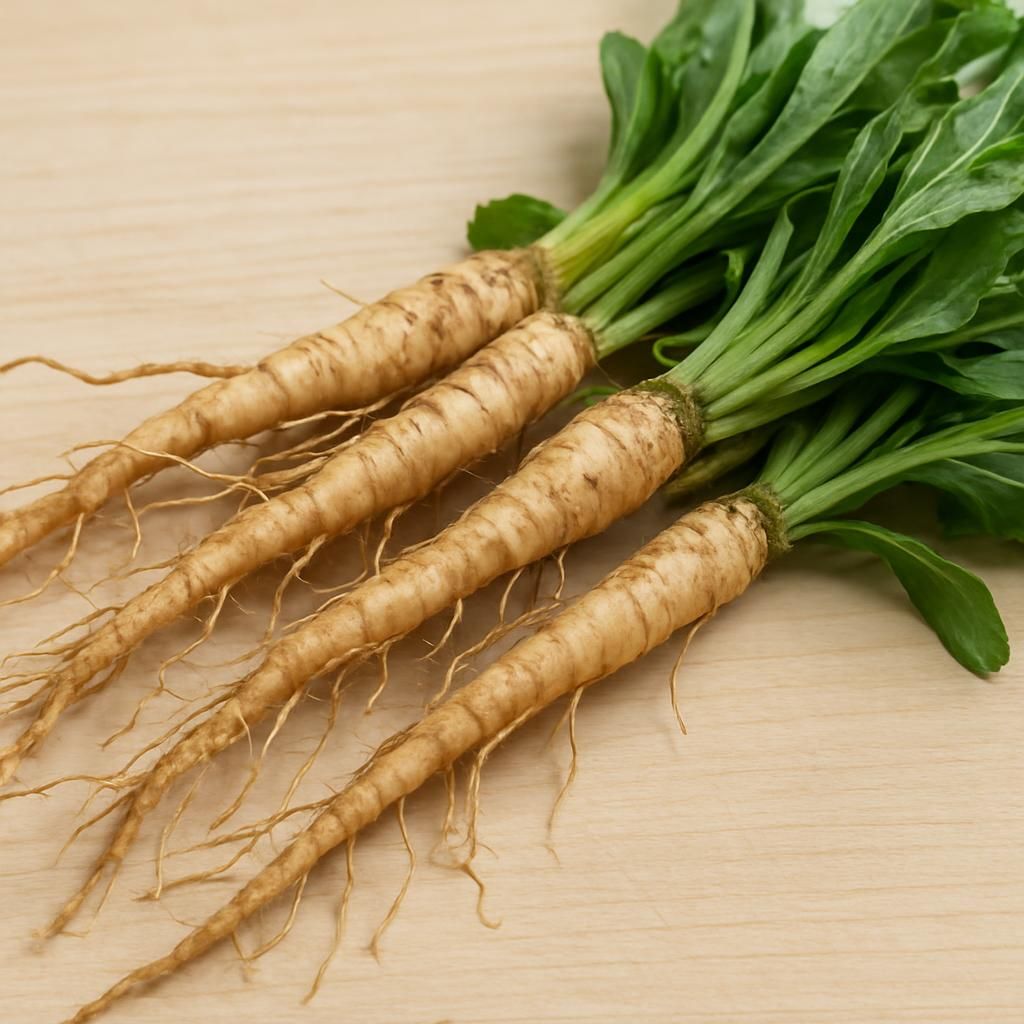
Introduction to Calendula Root
Calendula Root is the specialized underground portion of Calendula officinalis, a plant long prized for its bright orange and yellow flowers but now recognized for the bioactive compounds concentrated in its taproot. While most commercial production focuses on petals for herbal teas, salves, and extracts, the root system contains unique polysaccharides, triterpenoids, and phenolic acids that support anti-inflammatory and antimicrobial applications. Professional growers seeking diversified income streams from a single planting are increasingly harvesting both flowers and roots within the same season.
The crop performs well in temperate climates with cool nights and moderate daytime temperatures. Because the plant is relatively compact and quick to mature, it integrates easily into small-farm rotations or intensive bed systems. Root development is most vigorous when plants experience consistent moisture without waterlogging and when day length remains under 14 hours.
Botanical Profile of Calendula Root
Calendula officinalis belongs to the Asteraceae family and produces a fleshy, spindle-shaped taproot that can reach 15–25 cm in length under optimal conditions. The root surface is typically light tan to pale orange, with fine lateral roots and occasional root hairs that host beneficial mycorrhizal associations. The plant forms a basal rosette of lanceolate leaves before sending up multiple flowering stems that reach 30–60 cm.
Flowers are solitary, 5–7 cm across, and consist of multiple rows of ray florets surrounding a central disc. Seed set occurs rapidly; each flower produces achenes with a distinctive curved shape and rough exterior. The root system is shallow yet efficient at nutrient uptake, allowing the plant to thrive in moderately fertile soils without heavy fertilization.
Soil, pH, and Climate Requirements for Calendula Root
Successful Calendula Root production begins with precise environmental matching. The crop prefers well-drained loamy soils with good structure that prevent compaction around the developing taproot. Avoid heavy clays unless heavily amended with organic matter.
| Parameter | Ideal Range | Notes |
|---|---|---|
| Soil Type | Loam to sandy loam | Good drainage critical; avoid waterlogging |
| Soil pH | 6.0 – 7.0 | Slightly acidic to neutral maximizes uptake |
| Temperature (Day) | 15–22 °C | Cool-season crop; heat reduces root quality |
| Temperature (Night) | 5–12 °C | Prevents bolting and maintains root sugars |
| Annual Rainfall | 400–700 mm | Supplement irrigation during dry spells |
| Frost Tolerance | Light frost tolerated | Seedlings survive -4 °C; mature roots -8 °C |
| Day Length | <14 hours | Longer days accelerate flowering over roots |
Site selection should also consider wind exposure; strong winds can desiccate shallow root zones. Raised beds or slightly mounded rows improve drainage in regions with heavy winter rains.
Step-by-Step Planting & Propagation
Calendula Root is almost exclusively propagated by seed. Direct sowing is preferred to avoid transplant shock to the taproot.
- Timing: Sow 4–6 weeks before the last expected frost in spring or 8–10 weeks before first frost in autumn for overwintering in mild climates.
- Seedbed Preparation: Cultivate to 20 cm depth, incorporate 3–5 cm of well-rotted compost, and rake to a fine tilth.
- Sowing Depth & Spacing: Place seeds 1 cm deep; thin seedlings to 15–20 cm between plants and 30–40 cm between rows.
- Germination: Expect 7–14 days at 15–18 °C soil temperature. Maintain even moisture during this period.
- Succession Planting: Stagger sowings every 3 weeks for continuous root and flower harvest.
For large-scale operations, precision seed drills set at 1 cm depth with 20 cm in-row spacing deliver uniform stands. Pelleted seed improves singulation in mechanical planters.
Care & Maintenance regimes for Calendula Root
Consistent cultural practices maximize both root biomass and secondary metabolite concentration.
| Growth Stage | Watering Schedule | Fertilizer Application | Pruning / Maintenance |
|---|---|---|---|
| Establishment (0–4 wks) | Light irrigation every 2–3 days to keep top 5 cm moist | None; rely on pre-plant compost | Weed control only; avoid root disturbance |
| Vegetative (4–8 wks) | 25–30 mm/week; deeper, less frequent | Side-dress 20 kg N/ha at week 5 if growth is pale | Remove lower yellowing leaves to improve airflow |
| Flowering (8–12 wks) | Maintain 20 mm/week; reduce slightly before harvest | No additional N; optional 10 kg K/ha for root quality | Deadhead spent flowers to extend season or allow seed set |
| Pre-Harvest (12–14 wks) | Withhold water 7–10 days prior to lifting roots | None | Cut back foliage to 5 cm to ease digging |
Mulch with 5 cm of straw or leaf mold after establishment to moderate soil temperature and suppress weeds. Hand weeding or shallow hoeing is safest; mechanical cultivation should stay outside the root zone.
Pests, Diseases & Organic Management
Calendula Root is generally resilient, yet several pests and diseases warrant monitoring.
Pests
Aphids can colonize tender stems; release lady beetles or apply insecticidal soap at first detection. Slugs and snails feed on young seedlings—use beer traps or iron-phosphate baits. Cutworms may sever seedlings at soil level; collars or evening scouting prevent losses.
Diseases
Powdery mildew appears in humid conditions; improve spacing and apply potassium bicarbonate sprays. Root rot caused by Pythium or Rhizoctonia develops in waterlogged soils—ensure drainage and rotate away from previous solanaceous crops. Fusarium wilt is rare but devastating; use resistant seed lines and practice 3-year rotations.
Organic management emphasizes prevention: crop rotation, balanced fertility, and regular scouting. Beneficial nematodes can suppress soil-dwelling larvae when applied at planting.
Harvesting, Curing & Optimal Storage
Harvest timing balances maximum root size with peak phytochemical content. Lift roots when flowers begin to fade but before heavy seed set—typically 90–110 days after sowing.
Use a garden fork inserted 20 cm from the plant to loosen soil, then pull gently to avoid breakage. Shake off loose soil and trim foliage 2 cm above the crown. Rinse roots briefly in cool water, then air-dry on racks in a shaded, well-ventilated area for 24–48 hours.
For storage, cut roots into 5 cm sections and dehydrate at 35–40 °C until brittle (moisture <10 %). Store in airtight glass jars away from light. Properly cured roots retain potency for 12–18 months. Fresh roots may be refrigerated in perforated bags for up to 10 days.
Companion Planting for Calendula Root
Calendula Root benefits from strategic neighbors that improve soil biology, deter pests, or provide physical support.
Beneficial Companions
- Nasturtium: Repels aphids and attracts predatory insects.
- Yarrow: Accumulates nutrients and improves soil structure.
- Thyme: Masks scent of target plants from flea beetles.
- Lettuce: Provides light shade for roots during warm spells.
Avoid
Planting near Fennel or Dill, which can inhibit germination through allelopathy. Separate from Potato to reduce shared disease pressure.
Calendula Root also serves as an excellent living mulch when interplanted with slower-maturing crops such as Tomato or Pepper, providing ground cover and pollinator support throughout the season.