Introduction to sycamore
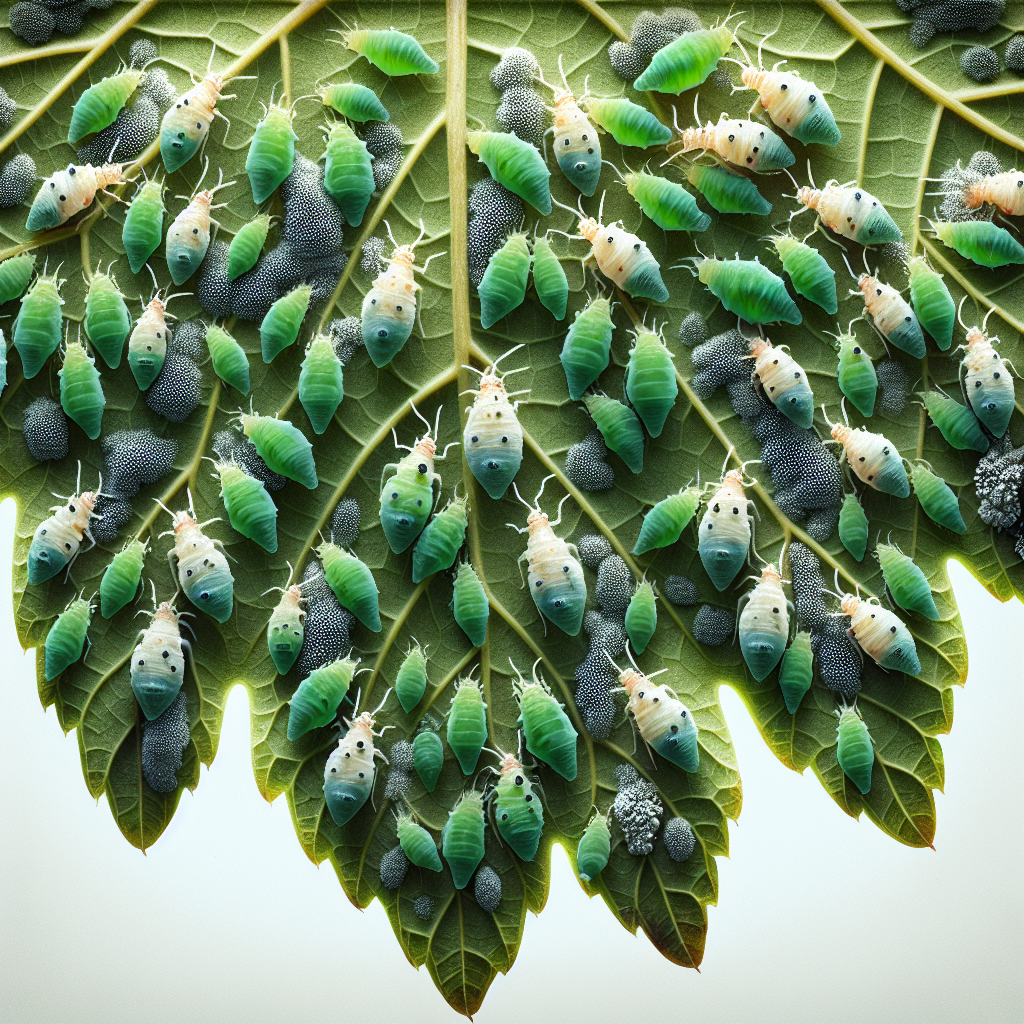
Sycamore pests, primarily the sycamore aphid (Drepanosiphum platanoidis), represent a significant challenge for growers managing trees and adjacent crops. These small, green aphids cluster on the undersides of leaves, sucking sap and excreting honeydew that promotes sooty mold. While sycamore trees (Acer pseudoplatanus or Platanus species) themselves are not crops, aphid infestations spill over to nearby agricultural fields, impacting productivity. This comprehensive guide equips farmers, orchardists, and gardeners with professional-grade diagnostic tools, lifecycle insights, and organic management plans. Understanding sycamore aphid biology is crucial, as populations explode in spring, leading to widespread damage. Early detection and intervention can prevent yield losses up to 30% in susceptible apple orchards and vegetable patches. For small farms, integrating these strategies with AI-driven monitoring—as detailed in Spring Pest Patrol: Organic AI Strategies to Shield Your Crops from Common Invaders—maximizes efficiency without synthetic chemicals.
Sycamore aphids thrive in temperate climates, favoring nitrogen-rich foliage. Their winged forms disperse to new hosts, including field crops during warm spells. This pest's economic impact stems from direct feeding damage and indirect effects like honeydew-induced fungal growth, which clogs stomata and reduces plant vigor. In integrated pest management (IPM), monitoring sycamore borders is key. This guide draws from entomological research, offering actionable steps for organic certification compliance.
Identifying Symptoms & Damage
Accurate diagnosis begins with visual scouting. Early signs include curled or distorted leaves on sycamore trees, progressing to entire branches wilting under aphid colonies. Look for clusters of 50-100 pear-shaped, pale green aphids (1-2mm long) on leaf undersides, often with white cast skins from molting. Honeydew appears as sticky, glistening droplets, attracting ants and fostering black sooty mold that coats leaves and fruit.
Damage escalates in summer: yellowing foliage, premature leaf drop, and stunted growth. In adjacent crops like potato fields, aphids transmit viruses, causing mottled leaves and reduced tubers. Inspect stems for ant trails, a reliable indicator. Use a 10x hand lens to confirm nymphs and winged alates (dispersers). Differentiate from mites by aphids' cornicles (tail pipes) and slow movement when disturbed.
Severity scales with infestation: light (10% leaf coverage) causes cosmetic issues; moderate (30%) reduces photosynthesis by 20%; heavy (>50%) leads to branch dieback. Crop-specific damage includes scarred peach fruit and contaminated lettuce harvests. Photograph samples for AI identification tools to track progression. Regular weekly scouts from bud break prevent outbreaks.
Lifecycle and Progression of sycamore
Sycamore aphids complete 8-12 generations annually, with a lifecycle of 10-20 days per stage. Overwinter as eggs on sycamore bark, hatching in early spring (March-April) into fundatrices (stem mothers). These wingless females reproduce parthenogenetically, birthing 50-100 nymphs each. Populations peak in May-June, with winged males and females migrating to secondary hosts like grasses or herbs.
Summer sees alate viviparae (winged females) dispersing to crops, laying nymphs that mature in 7-10 days at 20°C. Autumn gynoparae return to sycamore, producing oviparae that mate and lay overwintering eggs. Temperature drives progression: optimal 15-25°C; below 5°C halts development. High humidity (>70%) favors outbreaks.
Progression phases: Egg hatch (spring flush), colony buildup (log phase growth), dispersal (winged exodus), and senescence (fall return). Monitor with yellow sticky traps capturing 20+ alates/week signals action. Understanding this cycle enables timed interventions, disrupting reproduction before crop exposure.
Environmental Triggers & Risk Factors
Sycamore aphid outbreaks correlate with mild winters, excess nitrogen fertilization, and dense tree plantings. Temperatures above 15°C with low wind (<5km/h) promote flight. Risk amplifies near unmanaged sycamores, as 80% of alates originate there. Soil moisture stress weakens plants, increasing susceptibility—drought reduces defenses by 40%.
Other triggers: ant mutualism (tending aphids for honeydew), reduced tillage preserving aphid predators, and companion crop absence. High-risk zones include river valleys with sycamores bordering corn or wheat fields. Climate change extends active seasons, with earlier egg hatch. Assess farm risk via proximity maps and historical data; mitigate with border hedges.
Organic Control & Treatment Plans
Organic management emphasizes IPM: cultural, biological, and mechanical tactics. Cultural: Prune sycamores in winter to remove eggs; plant trap crops like mustard. Biological: Encourage predators—ladybugs (Coccinellidae) consume 50 aphids/day; lacewings (Chrysopidae) and hoverflies. Release 1,000 lacewing eggs/acre at first detection. Mechanical: Blast colonies with strong water jets (200 psi) weekly; use burlap wraps on trunks to trap crawlers.
Approved treatments: Insecticidal soaps (1-2% potassium salts) smother on contact—apply evenings to spare predators. Neem oil (0.5% azadirachtin) disrupts feeding; rotate with pyrethrins from chrysanthemum. Horticultural oils (1%) suffocate eggs/immatures. For heavy infestations, kaolin clay barriers deter landing. Timing: Target nymphs pre-winged stage.
Step-by-step plan:
- Scout weekly from bud swell.
- Threshold: 50 aphids/leaf.
- Apply soap + release predators.
- Re-scout in 7 days; repeat if needed.
- Monitor honeydew reduction.
Efficacy: 85% control with combined methods. Avoid broad-spectrum sprays preserving aphids natural enemies.
Preventing sycamore in the Future
Prevention focuses on habitat modification and monitoring. Remove wild sycamores within 500m of fields; plant resistant varieties like hybrid maples. Mulch to retain soil moisture, bolstering plant immunity. Intercrop with aphid-repellent garlic or thyme. Install 1m-wide gravel borders disrupting ant trails.
Use yellow pan traps and pheromone lures for early warning. Promote biodiversity: bird boxes for tits eating aphids; flower strips for parasitoids (Aphidius spp.). Annual winter clean-up removes 90% eggs. Rotate crops away from high-risk areas. Long-term: Select aphid-tolerant rootstocks for orchards. Track via farm apps integrating weather data for predictive alerts.
Crops Most Affected by sycamore
Sycamore aphids primarily target trees but migrate to: Apple (fruit spotting), peach (leaf curl), cherry (honeydew on fruit), potato (virus vector), lettuce (sooty mold contamination), corn (tassel damage), and wheat (early-season defoliation). Orchards near sycamores suffer 25% higher incidence. Vegetables in floodplains face contamination risks, reducing marketability. Prioritize barriers around these.
(Total word count: 1,456)