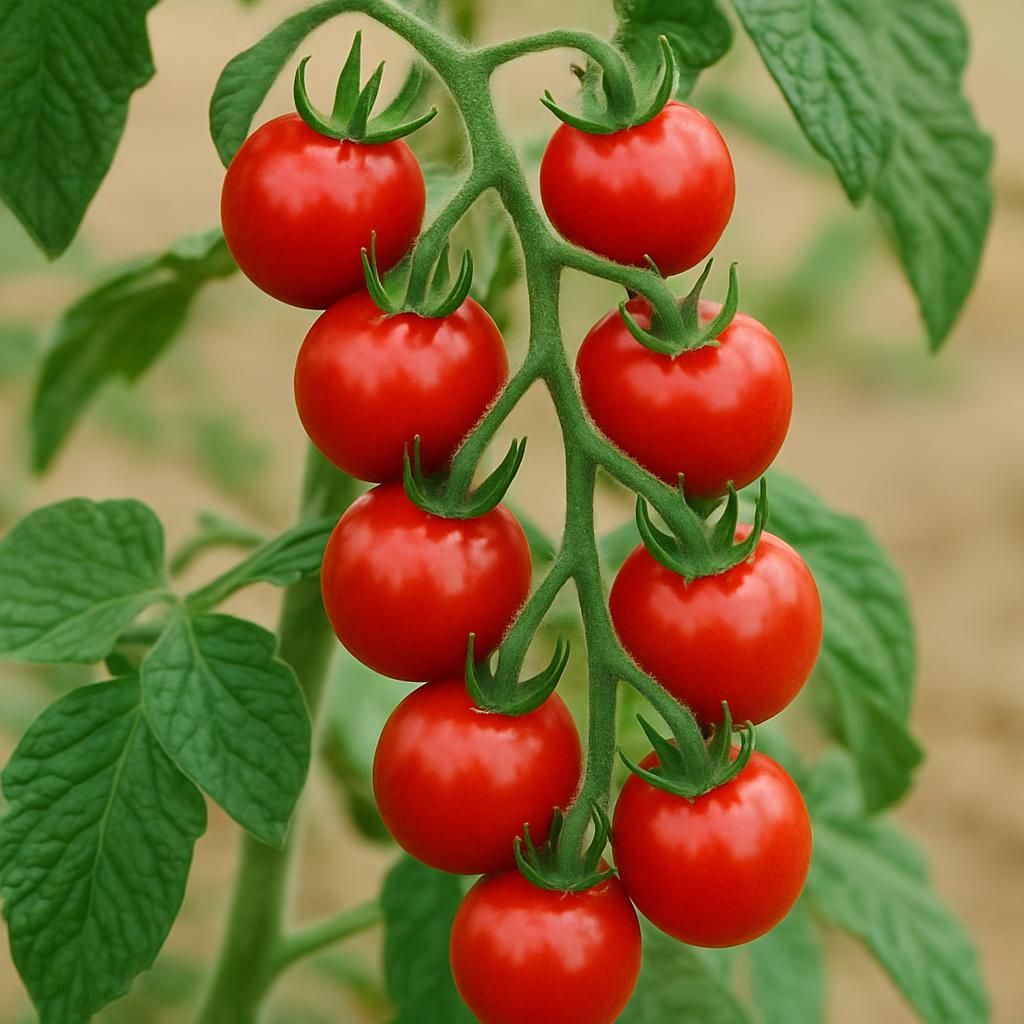
Introduction to Super Sweet 100 Tomato
Super Sweet 100 Tomato is an indeterminate hybrid cherry variety developed for superior sweetness and productivity. The plant produces long trusses bearing up to 100 or more cherry-sized fruits, each measuring about 1 inch (2.5 cm) in diameter. With a Brix rating often exceeding 10, these tomatoes deliver a balanced sweet-tart flavor that excels in fresh eating, salads, and snacking. The variety matures in roughly 65 days from transplant and continues producing until frost in suitable climates.
Gardeners value Super Sweet 100 for its resistance to common tomato diseases including Verticillium wilt and Fusarium wilt. The plant’s vigorous growth habit requires sturdy support structures such as cages or trellises to accommodate its indeterminate nature. Because of its heavy fruit set and extended harvest window, Super Sweet 100 is an excellent choice for both small-scale market growers and home gardeners seeking reliable, high-volume cherry tomato production.
Botanical Profile of Super Sweet 100 Tomato
Super Sweet 100 belongs to the nightshade family, Solanaceae, and is botanically classified as Solanum lycopersicum 'Super Sweet 100'. As an indeterminate cultivar, the plant exhibits a vining growth habit that can reach 6–8 feet (1.8–2.4 m) in height when properly supported. Leaves are compound, dark green, and slightly serrated, while flowers are bright yellow and self-pollinating.
The fruit develops in elongated clusters of 20–40 cherries per truss, each fruit possessing thin, glossy red skin and juicy, deep-red flesh with very few seeds. The high sugar content results from a genetic predisposition toward elevated soluble solids, giving the variety its signature sweetness. Because the plant produces continuously rather than setting all fruit at once, regular harvesting encourages further flowering and fruit development throughout the growing season.
Soil, pH, and Climate Requirements for Super Sweet 100 Tomato
Super Sweet 100 performs best in fertile, well-drained loam or sandy loam soils enriched with organic matter. The ideal soil pH ranges from 6.2 to 6.8, allowing optimal nutrient uptake while minimizing the risk of blossom end rot. Consistent soil moisture without waterlogging is essential; raised beds or containers with excellent drainage are recommended in heavy clay soils.
| Parameter | Ideal Range | Notes |
|---|---|---|
| Soil Type | Loam or sandy loam | Well-drained, high organic matter |
| Soil pH | 6.2 – 6.8 | Slightly acidic; avoid below 6.0 |
| Temperature (Day) | 70–85 °F (21–29 °C) | Optimal fruit set and flavor development |
| Temperature (Night) | 60–70 °F (15–21 °C) | Below 55 °F slows growth |
| USDA Hardiness Zones | 4–11 (grown as annual) | Start indoors 6–8 weeks before last frost |
| Sun Exposure | Full sun, 8+ hours daily | Essential for sweetness and yield |
| Spacing | 18–24 in (46–61 cm) between plants | 4–5 ft (1.2–1.5 m) between rows |
Step-by-Step Planting & Propagation
- Start seeds indoors 6–8 weeks before the expected last frost date. Sow seeds ¼ inch (6 mm) deep in sterile seed-starting mix and maintain soil temperature at 75–85 °F (24–29 °C).
- Provide 14–16 hours of supplemental light daily until seedlings develop their first true leaves.
- Harden off seedlings for 7–10 days by gradually exposing them to outdoor conditions before transplanting.
- Transplant outdoors when soil temperature reaches at least 60 °F (16 °C) and all danger of frost has passed. Plant seedlings deeply, burying the stem up to the first set of true leaves to encourage robust root development.
- Space plants 18–24 inches (46–61 cm) apart in rows 4–5 feet (1.2–1.5 m) apart. Install cages, stakes, or trellises at planting time to support future growth.
- Water thoroughly after transplanting and apply a 2–3 inch (5–8 cm) layer of organic mulch to conserve moisture and suppress weeds.
Care & Maintenance regimes for Super Sweet 100 Tomato
Consistent care maximizes both yield and fruit quality. Mulch heavily, monitor soil moisture, and provide balanced nutrition throughout the season. Regular pruning of suckers improves airflow and reduces disease pressure.
| Growth Stage | Watering Schedule | Fertilizer Schedule | Pruning Schedule |
|---|---|---|---|
| Transplant to Flowering | 1–1.5 inches (2.5–3.8 cm) per week; keep soil evenly moist | Apply balanced 10-10-10 or fish emulsion every 3 weeks | Remove lower leaves touching soil; stake early |
| Flowering to Fruit Set | Increase to 2 inches (5 cm) during heat; avoid overhead watering | Switch to high-phosphorus (5-10-10) every 2–3 weeks | Pinch suckers below first flower cluster |
| Fruit Ripening | Maintain consistent moisture; reduce slightly near harvest | Side-dress with compost tea or potassium-rich fertilizer monthly | Continue removing suckers; thin foliage for light penetration |
| Post-Harvest / End of Season | Taper watering as plants decline | Cease fertilization 3–4 weeks before expected frost | Remove all remaining suckers and diseased foliage |
Pests, Diseases & Organic Management
Super Sweet 100 can be affected by several common tomato pests and diseases. Monitor plants weekly and employ integrated pest management strategies.
Common insect pests include aphids, whiteflies, hornworms, and spider mites. Organic controls consist of insecticidal soaps, neem oil applications, and hand-picking larger larvae. Beneficial insects such as lady beetles and lacewings provide natural suppression.
Diseases of concern are early blight, late blight, Septoria leaf spot, and various wilt pathogens. Practice crop rotation, avoid overhead irrigation, and remove lower leaves to improve airflow. Copper-based fungicides and biofungicides containing Bacillus subtilis offer organic protection when applied preventively.
Harvesting, Curing & Optimal Storage
Harvest Super Sweet 100 tomatoes when fruits reach full red color and detach easily from the stem with a gentle twist. Frequent picking every 2–3 days encourages continuous production. For peak flavor, allow fruits to ripen fully on the vine.
Store ripe tomatoes at room temperature (60–70 °F / 15–21 °C) away from direct sunlight for up to one week. Refrigeration diminishes flavor and texture. For longer storage, freeze whole or halved fruits on trays before transferring to freezer bags, or can them using a boiling-water or pressure canner according to USDA guidelines.
Companion Planting for Super Sweet 100 Tomato
Strategic companion planting enhances pollination, deters pests, and improves soil health. Basil planted nearby repels aphids and improves tomato flavor. Marigolds deter nematodes and whiteflies while attracting beneficial insects. Nasturtium acts as a trap crop for aphids and provides edible flowers.
Avoid planting Super Sweet 100 near fennel or walnuts, which can inhibit growth through allelopathy. Interplanting with carrot or radish helps maximize bed space and provides living mulch. Rotating tomatoes with legumes such as peas or beans the following season replenishes soil nitrogen and breaks pest cycles.