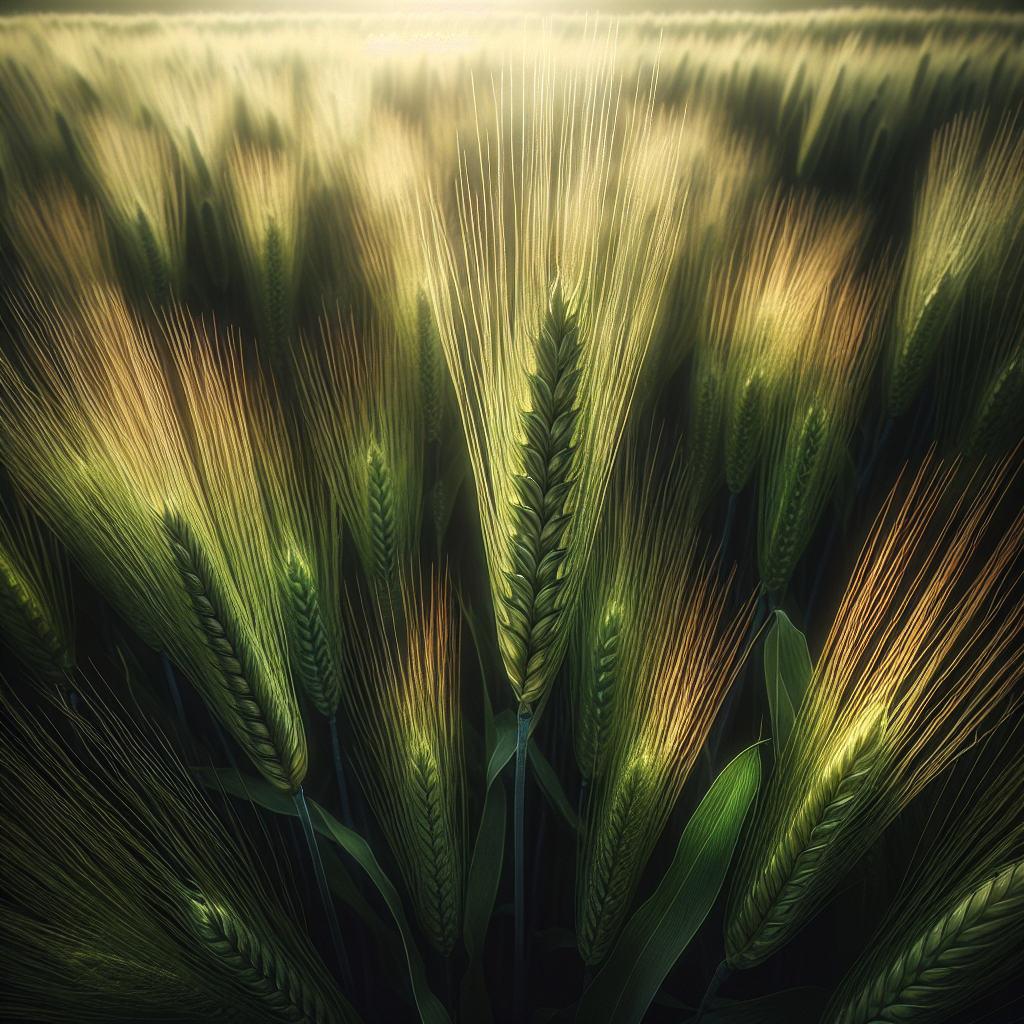
Introduction to Malting Barley
Among cereal grains, this crop occupies a unique place because it is not grown simply for tonnage. It is produced for a tightly defined end use: grain that can be steeped, germinated, and kilned into malt with consistent enzyme activity, extract potential, and kernel uniformity. That means a field can look healthy and still fail malting specifications if nitrogen is too high, kernels are too thin, germination is uneven, or pre-harvest sprouting begins.
Its history is deeply tied to human civilization. Barley was one of the earliest domesticated cereals in the Fertile Crescent, and for thousands of years it has been used in bread, porridge, animal feed, and fermented beverages. Modern malting systems, however, demand more precision than ancient production ever required. Brewers and maltsters typically seek low to moderate grain protein, high germination energy, low moisture at delivery, and bright, disease-free kernels.
Commercially, two-row types are often preferred for many brewing markets because they tend to produce larger, more uniform kernels and somewhat lower protein, while six-row types are still valued in some regions for higher enzyme power and adaptation to certain climates. For a broader background on barley types, see Barley. In practical field management, the goal is to balance vegetative growth with restrained fertility so the crop fills well without lodging or producing grain too rich in protein.
Botanical Profile of Malting Barley
This species is an annual grass in the Poaceae family. It has a fibrous root system, hollow culms, flat linear leaves, and a terminal inflorescence called a spike. Unlike wheat, where spikelets are arranged differently at each rachis node, barley bears a triplet of spikelets at each node. The fertility pattern of those spikelets determines whether the ear is classified as two-row or six-row.
Growth proceeds through several distinct stages: germination, seedling establishment, tillering, stem elongation, booting, heading, flowering, grain fill, and maturity. Tillering is especially important because it determines the number of productive stems per plant. In low-density stands, healthy plants may compensate by producing more tillers, but excessive tillering under rich nitrogen can create non-uniform maturity and variable kernel size.
The plant is largely self-pollinating, with flowering typically occurring while the head is still partly enclosed or just emerging, depending on genotype and conditions. That self-pollination tendency helps preserve varietal purity, though contamination with other barley classes can still occur through volunteers and seed mixing.
For malting use, the ideal plant architecture is not necessarily the tallest or leafiest. Growers want sturdy stems with strong standability, moderate height, good disease resistance, and heads that mature evenly. Modern malting cultivars are usually selected for traits such as low grain protein under moderate fertility, high germinative energy, low beta-glucan, plump kernels, and resistance to lodging and major foliar diseases.
Kernel structure matters greatly. The grain is technically a caryopsis enclosed in adhering hulls in most standard malting types. The embryo must remain alive and undamaged through harvest and storage because the malting process depends on controlled germination. Any mechanical damage, heating, mold, or weathering can reduce viability and make a crop unsuitable for premium malting contracts.
Soil, pH, and Climate Requirements for Malting Barley
The crop performs best in well-drained, fertile soils with good tilth and moderate water-holding capacity. Loams, silt loams, and well-structured clay loams are often ideal. Sandy soils can work if fertility and moisture are managed tightly, but they tend to increase stress during tillering and grain fill. Heavy clays can also succeed if drainage is excellent; where water stands for more than 24 to 48 hours after rain, root stress, patchy emergence, and disease pressure increase sharply.
Optimal soil pH is generally 6.0 to 7.5, with a practical target around 6.2 to 7.0 for most production systems. Below pH 5.8, aluminum or manganese toxicity and poorer nutrient availability may suppress root growth and reduce tiller survival. Above pH 7.8, micronutrient imbalances, especially manganese and zinc limitations, may emerge on calcareous soils. If liming is needed, incorporate it well ahead of planting rather than immediately before seeding.
Malting barley is best suited to cool, relatively dry temperate conditions, especially during grain fill and maturation. Ideal temperatures for vegetative growth are often in the 12-20°C range, while prolonged temperatures above 27-30°C during heading and fill can shorten the grain-filling period and reduce kernel plumpness. Excess rainfall or heavy dew during ripening raises the risk of discoloration, pre-harvest sprouting, and fungal problems.
Compared with Wheat, barley generally matures earlier and can better escape late-season heat in some regions, but it is often less forgiving of waterlogging and more sensitive to quality loss from untimely rain near harvest. Frost tolerance varies by growth stage and whether the crop is winter or spring sown. Established winter forms can tolerate substantial cold after hardening, but heading plants are vulnerable even to light frosts.
Water demand is moderate rather than extreme. Seasonal crop water use commonly falls around 300-500 mm depending on climate, soil, and season length. The most critical moisture periods are emergence, tiller establishment, stem elongation, heading, and early grain fill. Moisture stress at emergence reduces stand uniformity; stress at tillering lowers head count; stress during heading and fill shrinks kernels. By contrast, oversupply late in the season promotes lodging and disease.
Professionally, it helps to think in terms of soil moisture tension and rooting depth rather than vague irrigation intervals. Aim to keep moisture in the upper 30-60 cm of soil adequate through tillering and stem elongation. On medium-textured soils, avoid letting the root zone fall below roughly 45-55% of available water before irrigating. In practical terms, when squeezed soil from the root zone barely forms a weak ball and crumbles immediately, stress is beginning. Overwatering signs include persistently soft ground, yellowing lower leaves unrelated to nitrogen deficiency, shallow root systems, surface algae, and fields that lodge easily after rapid top growth.
Step-by-Step Planting & Propagation
This crop is propagated by seed, and certified seed should be considered essential for serious malting production. Saved grain may carry seedborne diseases, varietal mixtures, low germination, or reduced vigor, all of which can disqualify a lot from malting premiums.
Select the right cultivar for your market first. Never plant before confirming what local maltsters or grain buyers accept. Some markets want specific two-row cultivars with narrow protein windows; others accept six-row lines. Contract specifications often matter more than raw yield potential.
Choose a clean field with low volunteer pressure. Avoid recent barley ground if disease carryover is common. Rotations following legumes can be excellent, but fertility credits must be adjusted carefully to prevent excess grain protein. Fields after Peas or Clover can be productive companions in a broader rotation, but residual nitrogen should be accounted for conservatively.
Prepare a firm, level seedbed. The best seedbed is fine enough for close seed-soil contact but not powdery. Large clods create variable seeding depth and patchy emergence. Leveling is especially valuable because uniform harvest moisture is crucial for malting quality.
Test seed and calibrate the drill. Use seed with high germination and vigor. A target plant population often ranges from 250 to 350 established plants per square meter for spring production, adjusted for seed size, expected field survival, and sowing date. In lower-rainfall zones, use the lower end to reduce competition for moisture.
Plant at proper depth. Standard seeding depth is usually 2.5-4 cm in moist, prepared soil. In lighter soils or dry topsoil, depth may be increased slightly, but overly deep sowing delays emergence and weakens seedlings. Uniform depth matters more than chasing moisture too aggressively.
Time planting carefully. Spring malting barley is generally sown as early as soil conditions allow without causing compaction, often when soil temperatures are at least 4-6°C and rising. Early planting promotes tillering and helps the crop fill grain before summer heat. Winter malting types are planted in autumn early enough to establish several leaves and a strong crown before hard frost.
Apply starter fertility only where needed. Phosphorus can be banded or incorporated if soil test levels are low. Nitrogen should be restrained and matched to yield goal plus end-use quality. Excessive early nitrogen often increases lodging and protein.
Roll after seeding if conditions warrant. On stony or uneven fields, light rolling can improve seed-soil contact and make harvest easier, but never roll wet soil into crusting conditions.
For growers refining field layouts, row spacing of 15-20 cm is common in drilled systems. Narrow spacing helps canopy closure and weed suppression, but extremely dense stands can increase humidity and foliar disease. A concise systems overview is available in soil health strategies.
Care & Maintenance regimes for Malting Barley
Fertility management is the defining discipline in successful production. Nitrogen is the main lever controlling both yield and grain protein. Too little nitrogen reduces tillers, head numbers, and grain size. Too much produces lush growth, weak straw, delayed maturity, and grain protein that exceeds malting standards. In many systems, total nitrogen supply is managed in a moderate range, often roughly 60-120 kg N/ha depending on soil reserves, expected yield, previous crop, rainfall, and buyer specifications. High-yield irrigated fields may need more, but only if protein can still be kept within contract limits.
Split nitrogen applications can reduce risk. For example, applying a modest portion at planting and the remainder by early tillering allows adjustment to stand density and moisture outlook. Late topdressing beyond early stem elongation often raises grain protein more than yield and should be used cautiously. If tissue tests show deficiency, correct early rather than late.
Phosphorus is important for early root development and tiller formation. Potassium supports water regulation, standability, and stress tolerance. Sulfur deficiency, increasingly common on low organic matter or sandy soils, may mimic nitrogen deficiency but with paler younger leaves. Micronutrients such as manganese, zinc, and copper may be limiting in high-pH or organic soils and should be corrected based on testing, not guesswork.
Irrigation should be strategic, not frequent and shallow. The crop prefers consistent but aerated root-zone moisture. If irrigated, apply enough water to wet the main rooting depth, then allow the upper few centimeters to dry slightly before the next set. Frequent light watering encourages shallow rooting and increases foliar humidity. During stem elongation through milk stage, avoid severe deficits. After hard dough and as heads turn fully golden, irrigation should usually stop so the crop can dry evenly and avoid delayed harvest.
Weed management is most effective when addressed before the crop reaches stem elongation. The first 30-45 days after emergence are critical because early weed competition steals light, nitrogen, and moisture, and contaminant seeds at harvest can downgrade grain. Use stale seedbeds, crop rotation, competitive seeding rates, and timely mechanical or approved selective controls. Broadleaf weeds are generally more manageable than grassy weeds, but wild oats and volunteer cereals are especially troublesome in malting systems.
Lodging prevention deserves constant attention. Risk factors include excess nitrogen, dense stands, sheltered fertile fields, and storms during grain fill. Once lodged, heads remain wetter, combine losses increase, and grain can discolor or sprout. Balanced fertility, moderate plant populations, and cultivars with strong straw are the main tools.
Scout weekly from emergence through heading. Monitor stand counts, tiller density, leaf color, disease lesions, insect numbers, and soil moisture. Watch flag leaves closely because this leaf contributes heavily to grain fill. Protecting canopy health through that period has outsized impact on kernel weight and plumpness.
Pests, Diseases & Organic Management
The most important diseases vary by region, but common threats include powdery mildew, net blotch, spot blotch, scald, rusts, Fusarium head blight, root rots, and seedling blights. Disease pressure is often amplified by barley-after-barley rotations, susceptible cultivars, excessive nitrogen, dense canopies, overhead irrigation, and prolonged leaf wetness.
Seedborne diseases deserve special respect because they compromise stands before the season truly begins. Clean certified seed, seed testing, and appropriate seed treatment are foundational. In organic systems, emphasis shifts to crop rotation, sanitation, resistant varieties, vigorous seed, and avoiding cool wet seedbeds that delay emergence.
powdery mildew appears as white, flour-like growth on leaves and can spread rapidly in dense, humid canopies. net blotch and scald create elongated or water-soaked lesions that reduce photosynthetic area. rusts form orange to brown pustules and can move quickly under mild, humid weather. Fusarium head blight is especially serious because it affects kernel health, germination, and grain safety. Even modest infection can make grain unsuitable for malting.
Organic management begins with prevention:
- Rotate out of cereals for at least one, preferably two, seasons where disease pressure is chronic.
- Destroy volunteer barley and cereal grasses that act as a green bridge.
- Avoid overapplying nitrogen.
- Favor morning irrigation, if irrigation is necessary, so foliage dries quickly.
- Select cultivars with known resistance packages for local disease complexes.
- Use wider management spacing and airflow where small-scale production allows.
Insect pests may include aphids, armyworms, cereal leaf beetle, wireworms, and cutworms. aphids are important not only for sap feeding but also for virus transmission, especially barley yellow dwarf virus. Regular scouting is critical. Economic thresholds vary with growth stage and pest species, but action is most justified when pests are increasing on the upper canopy before grain fill.
Organic approaches include preserving beneficial insects, avoiding broad-spectrum disruptions, using trap edges where practical, and maintaining field hygiene. Border strips of flowering plants can support parasitoids and predators, though they should be managed so they do not become weed reservoirs. In small-acreage systems, vacuuming aphid hotspots, strong water sprays on margins, or spot treatments with approved soaps or biopesticides may help, but canopy crops require early intervention because once pests are distributed deep in the stand, control becomes difficult.
Bird damage is usually minor in large fields but can matter in small plots, especially near maturity. Rodents may also feed on grain in lodged patches. Clean field edges and prompt harvest reduce losses.
Harvesting, Curing & Optimal Storage
Timing harvest for malting quality is one of the most consequential decisions in the entire cycle. The crop is ready when heads and stems have turned straw-gold, kernels are hard, and grain moisture has generally fallen into the harvestable range of about 13-18%, depending on harvest method, weather risk, and drying capacity. If standing weather is stable, many growers aim to combine closer to 13-14.5% moisture. If rain is threatening, earlier harvest at slightly higher moisture may be safer, provided gentle drying is available.
Kernel maturity should be confirmed physically. Bite tests should reveal a hard, no-longer-doughy kernel. Thumbnail pressure should not dent the grain easily. Heads should thresh cleanly, and green tillers should be minimal. Uneven fields often reflect variable nitrogen, seeding depth, or soil moisture and may require staged decisions.
Combine settings must be tuned to protect germination. Cylinder or rotor speed should be low enough to avoid embryo cracking, while concave clearance should be opened appropriately for clean threshing without aggressive rubbing. Fan speed should remove chaff without blowing out lighter but acceptable kernels. Cracked grain, skinned kernels, and broken embryos can destroy malting suitability even when dockage looks acceptable.
If swathing is practiced in your region, cut when kernels are physiologically mature and finish drying in the windrow, but be aware that prolonged humid weather in swaths can stain grain and encourage sprouting. Straight combining is often preferred where weather and crop uniformity allow.
Post-harvest drying must be gentle. For malting barley, grain temperature should generally be kept low enough to preserve viability, often below about 43°C and preferably lower depending on moisture level and duration. High-heat drying that is acceptable for feed grain may sharply reduce germination energy. Dry the grain promptly to 12-13% for safe storage, and to about 11-12% if long storage or warm ambient conditions are expected.
Storage bins should be cleaned and sanitized before filling. Residual grain, insects, dust, and mold spores from prior crops are major risks. Aerate immediately after binning to equalize temperature and prevent moisture migration. Ideal long-term storage is cool, dry, and stable; grain held below 15°C stores much more safely than grain left warm after harvest. Monitor monthly for hot spots, condensation, insect activity, and off odors. Malting grain should remain bright, free-flowing, and alive.
Avoid storing barley with mixed lots of different varieties or moisture contents. Segregation preserves marketability. If germination testing is available, recheck stored grain periodically, especially if it will be marketed for malt months after harvest.
Companion Planting for Malting Barley
In broadacre cereal systems, companion planting is better understood as companion species in strips, borders, cover-crop phases, or rotational partners rather than interplanting individual rows the way a gardener might. The best companions are species that support soil structure, biological activity, weed suppression, nitrogen balance, and beneficial insect habitat without competing heavily during the barley grain cycle.
Peas are among the best rotational companions because they break cereal disease cycles and contribute nitrogen to the following crop. The key caveat is that nitrogen credits must be managed conservatively in malting systems so protein does not run too high. A barley crop following peas often establishes vigorously, but growers should reduce fertilizer N accordingly.
Clover can function as an undersown living cover in some systems or as a preceding cover crop. It protects soil, adds organic matter, and can improve aggregate stability. Where undersown beneath barley, it must be chosen and timed carefully so it does not compete for moisture in dry climates. It is most suitable where rainfall is reliable or where the understory is intended mainly for post-harvest ground cover.
Flax is another useful rotational partner because it interrupts cereal pest and disease cycles and leaves a different residue profile. Its inclusion in rotation can reduce dependence on continuous cereal culture, which is one of the greatest long-term threats to barley health and grain quality.
Sunflower is valuable in some landscapes as a field-edge or rotational species that supports pollinators and beneficial insects while diversifying rooting depth and residue structure. It is less a direct in-field companion and more a strategic biodiversity partner around cereal blocks.
The main rule is simple: choose companions that improve rotation ecology rather than add nitrogen indiscriminately during the grain-filling year. For malting barley, quality preservation matters more than maximizing lush vegetative growth. Well-designed rotations nearly always outperform continuous barley for disease suppression, soil resilience, and stable malt-grade outcomes.